
A guy at a cruise night in Ohio once told me the GTX versus Road Runner debate was the closest thing Detroit ever had to a class war fought with V8s. He wasn't entirely joking. Plymouth built both cars on the same B-body platform in the same factories at the same time, and the difference between them came down to a simple question: did you want to spend the extra money, or did you want to spend it on something else, like gas and speeding tickets. That question defined an entire era of Plymouth's muscle car lineup, and it still shapes how collectors shop for these cars today.
Car Features
7 min read
GTX vs Road Runner: Luxury vs Budget
The GTX and Road Runner shared a platform and often shared engines, but Plymouth built them for two very different buyers.
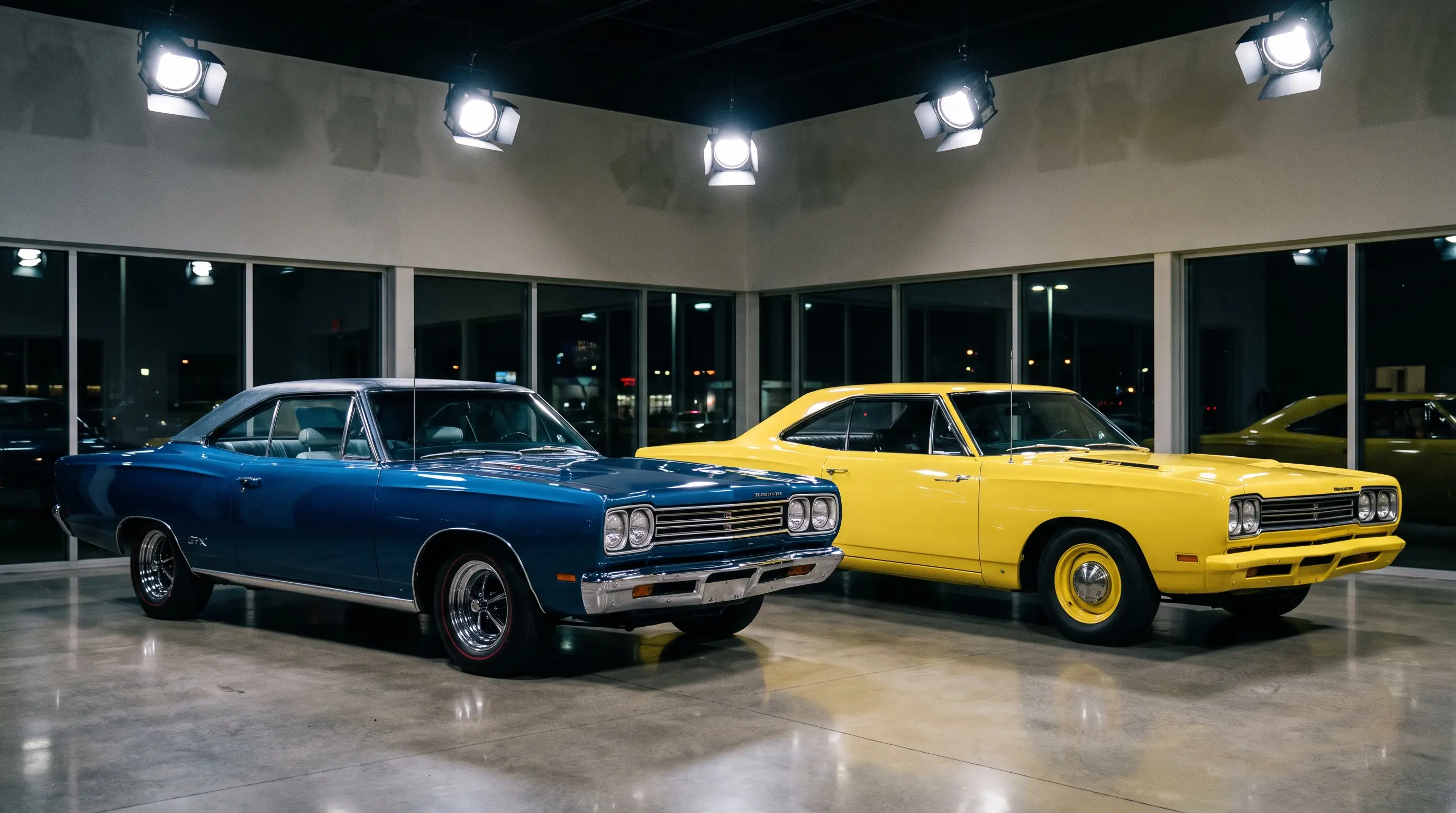
Two cars, one philosophy split in half
The GTX came first, launched for 1967 as Plymouth's answer to the GTO, built with a standard 440 and a level of trim that matched its price. The Road Runner arrived a year later with a different pitch entirely: strip out the extras, keep the big engine, and sell the whole package for a few hundred dollars less than the GTX. Plymouth borrowed the Road Runner name and cartoon likeness from Warner Bros., slapped a horn that went "beep beep," and watched buyers who wanted speed without the luxury tax line up at dealerships.
The two cars were never meant to be identical twins. Plymouth product planners wanted the GTX to appeal to buyers who already owned a Belvedere or Satellite and wanted more performance without stepping down in comfort, while the Road Runner chased a younger, more budget-conscious buyer who cared about elapsed times and not much else. Reading our plymouth gtx retrospective fills in how that original positioning came together and why Plymouth thought there was room in the lineup for both cars at once.
What luxury actually bought you
Step inside a GTX and the differences from a Road Runner show up immediately. Bucket seats and a console were common GTX options that many Road Runner buyers skipped to save money. Sound deadening, carpeting quality, and dash trim all leaned upscale on the GTX, and exterior brightwork like additional chrome trim and available vinyl roofs gave the car a more finished look sitting in a driveway. None of it made the car faster. All of it made the car nicer to live with every day, which was exactly the point.
The Road Runner, by contrast, came standard with a bench seat, rubber floor mats in early years, and a noticeably plainer dashboard. Plymouth wasn't being cheap for the sake of it; the whole car was engineered around a target price, and every dollar not spent on trim was a dollar that kept the sticker low enough to undercut everything else in its class.
Under the hood, the gap narrows fast
Here's where the class war gets interesting: mechanically, the two cars were nearly identical. Both offered the 383, both could be ordered with the 440, both could be had with the 426 Hemi, and both eventually offered the 440 Six Barrel package. A buyer who wanted maximum performance for minimum money could option a Road Runner up to Hemi spec and end up with a car that ran every bit as hard as a GTX, just without the carpet and the badges. That overlap is exactly why the GTX started losing sales momentum once buyers figured out the horsepower didn't care what trim level surrounded it.
Sales numbers tell the real story
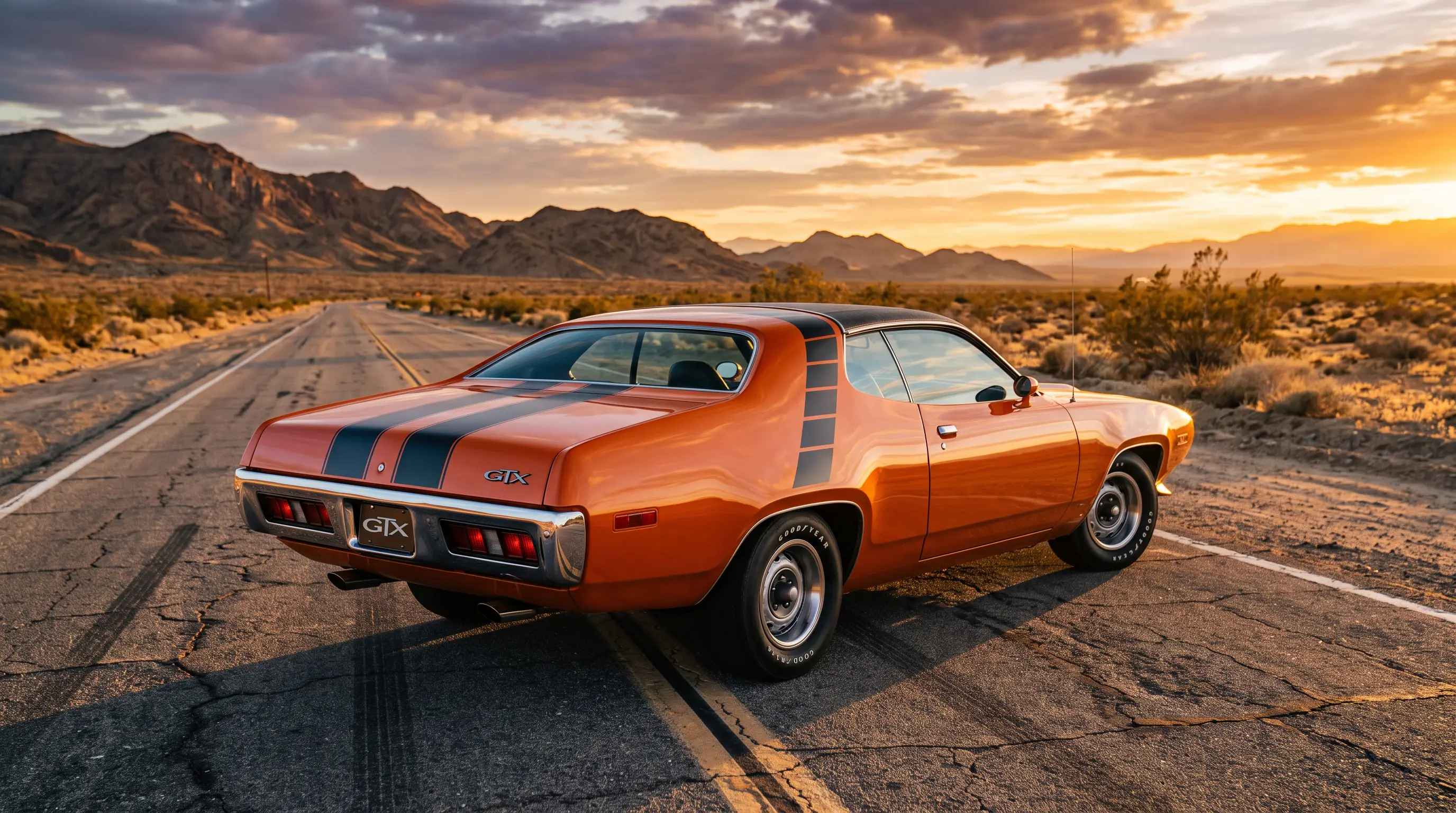
Once both cars were on sale together, the Road Runner outsold the GTX by a wide margin almost every year. Buyers voted with their wallets, and the vote consistently favored performance over polish. That imbalance is what eventually pushed Plymouth to fold the GTX into the Road Runner lineup as a trim option rather than keep it as a standalone model, a transition that played out fully by the early 1970s. A related story covers exactly how that final standalone year unfolded and what changed once the GTX name became an option box instead of its own model line.
"Nobody cross-shopped these cars the way people assume. If you wanted the fastest car for the least money, you built a Road Runner. If you wanted to drive that same speed to dinner afterward, you bought the GTX."
- Patrick Walsh
Which one should you actually collect
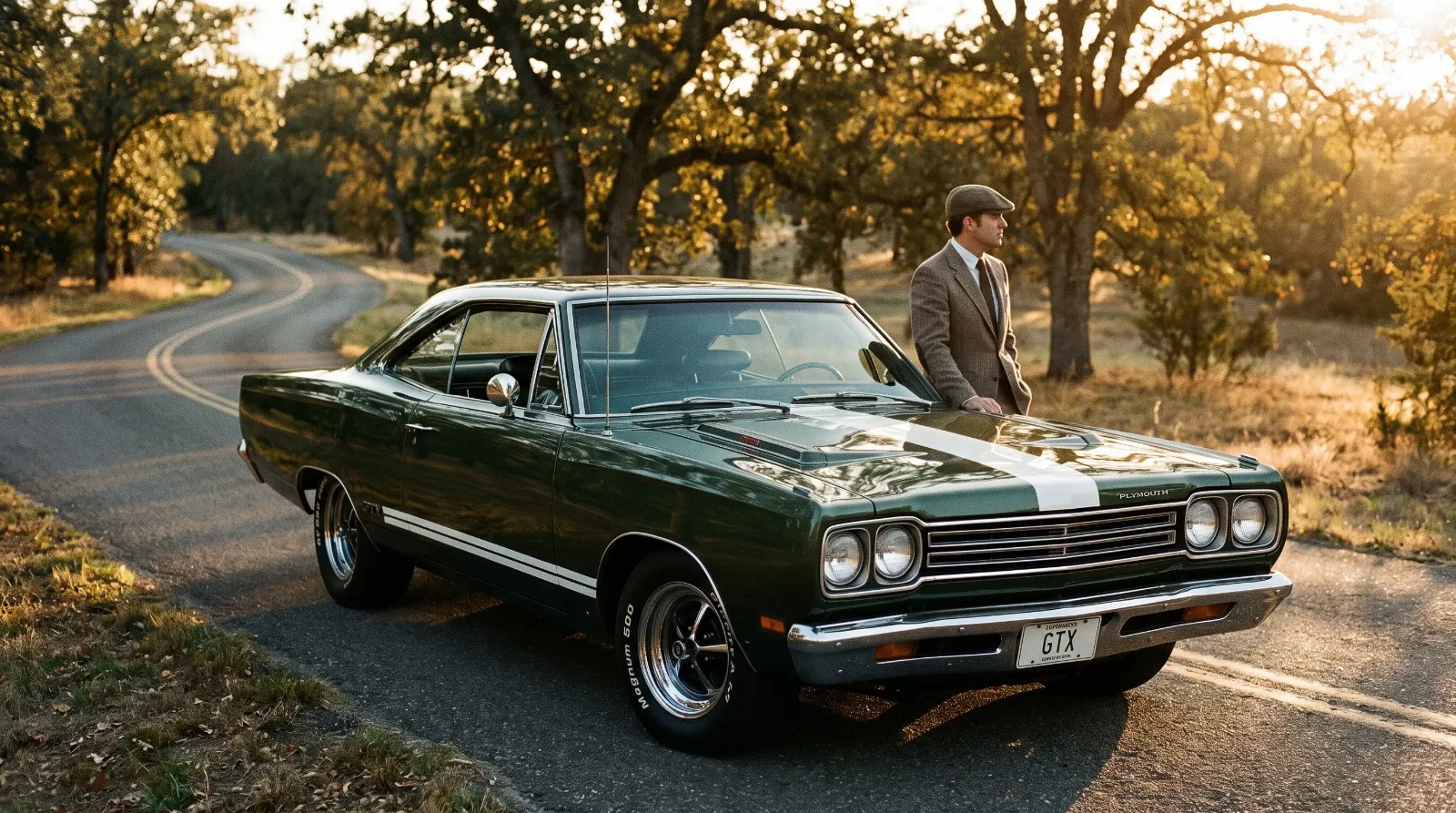
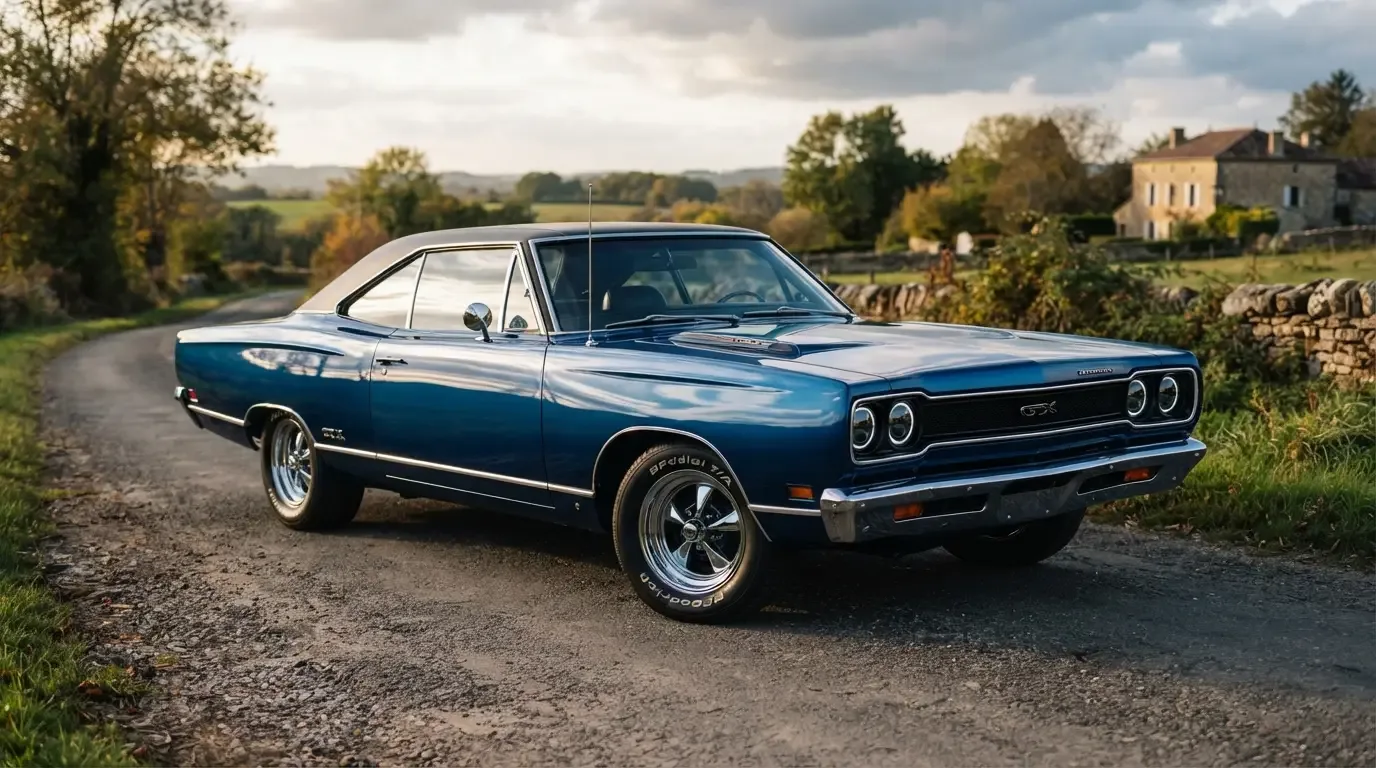
The honest answer depends entirely on what you want out of ownership. Road Runners are more common, generally more affordable, and carry a cult following built around their pop-culture image and their reputation as the everyman's muscle car. GTXs are rarer, generally command a premium for comparable condition and drivetrain, and appeal to buyers who want the same performance wrapped in a car that feels more finished and more grown-up.
Neither choice is wrong. What matters is documentation and originality regardless of which badge is on the trunk lid, since both nameplates have been faked onto each other's bodies more than once over the decades by sellers chasing a higher price. A genuine fender tag decode settles the question every time, and it is worth the effort before money changes hands.
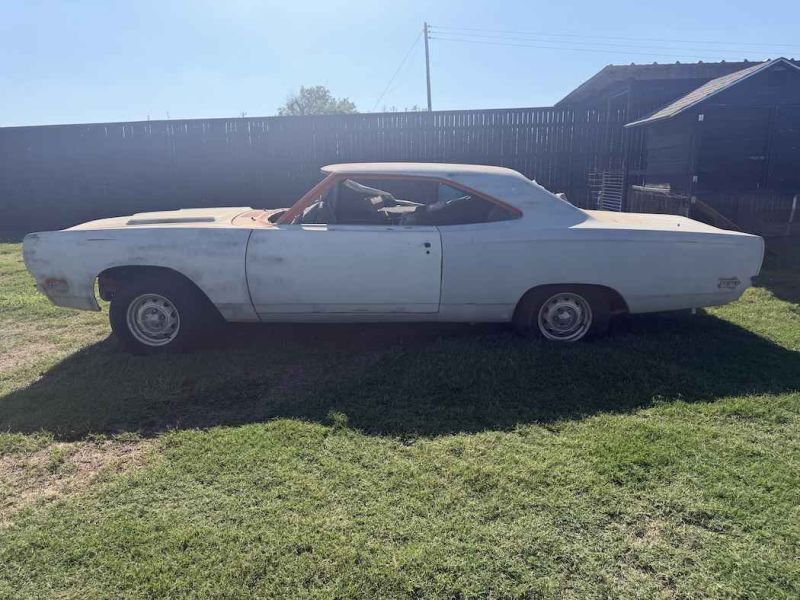
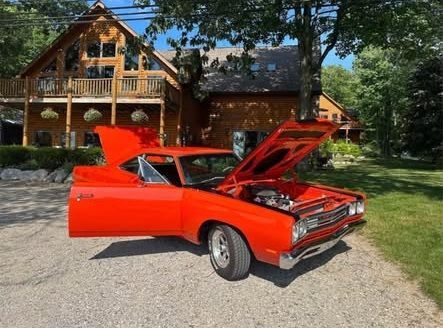
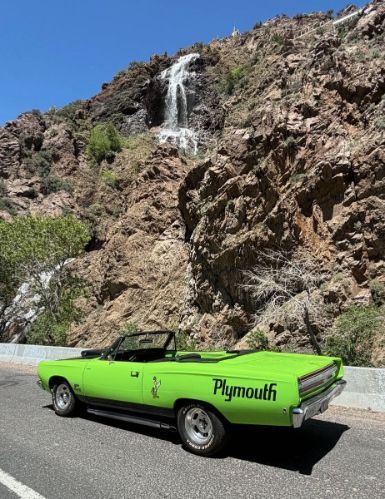
Buyers curious about current market availability across both nameplates can look at Runners for sale now to compare asking prices, trim levels, and drivetrain combinations side by side. Seeing real listings next to each other does more to clarify the GTX versus Road Runner decision than any spec sheet comparison ever will.
What owners actually noticed on the road
Talk to people who owned both cars back when they were just used cars, not collectibles, and a pattern shows up. GTX owners tended to keep their cars longer and drive them further into daily use, in part because the car was comfortable enough to justify that use. Road Runner owners, especially younger buyers who bought the car specifically to race it, tended to modify, wreck, or trade the car faster. That behavioral split partly explains why original, unmolested GTX examples survive in slightly better proportion relative to their production numbers than Road Runners do, even though total Road Runner survivors still outnumber GTX survivors by a wide margin.
Insurance also played a quiet role in the split. As the muscle car era wore on, insurers started charging steep surcharges on high-horsepower intermediates, and that cost hit both cars equally on paper. In practice, buyers shopping on a tighter budget gravitated even harder toward the Road Runner's lower base price to offset rising premiums, while GTX buyers who could already afford the nicer trim level tended to absorb the extra insurance cost without blinking. That dynamic accelerated the sales gap between the two nameplates as the early 1970s approached and helped seal the GTX's fate as a standalone model.
Fifty-plus years later, the GTX versus Road Runner argument still gets cruise night crowds talking, and that alone says something about how well Plymouth executed two very different takes on the same basic recipe. One car chased image and comfort, the other chased raw value, and both ended up as genuine icons of the muscle car era for reasons that had almost nothing to do with which one was actually quicker in a straight line.
Sources and notes
Related Reading
#classic muscle cars
#Plymouth Road Runner
#Mopar muscle cars
#Plymouth GTX
#B-body Plymouth
#GTX vs Road Runner

About the author
Patrick Walsh
Automotive journalist covering classic car shows, events, and the enthusiast community across North America.
Related Listings - Plymouth Road Runner

Comments
Be the first to comment on this article.