Every few years a Superbird crosses an auction block for a number that makes headlines, and the question I get asked most is whether that hammer price tells you anything useful about the model as a whole. It does not, and understanding why is more valuable than memorizing whatever the most expensive superbird sale happened to be last quarter.
What actually drives a record sale
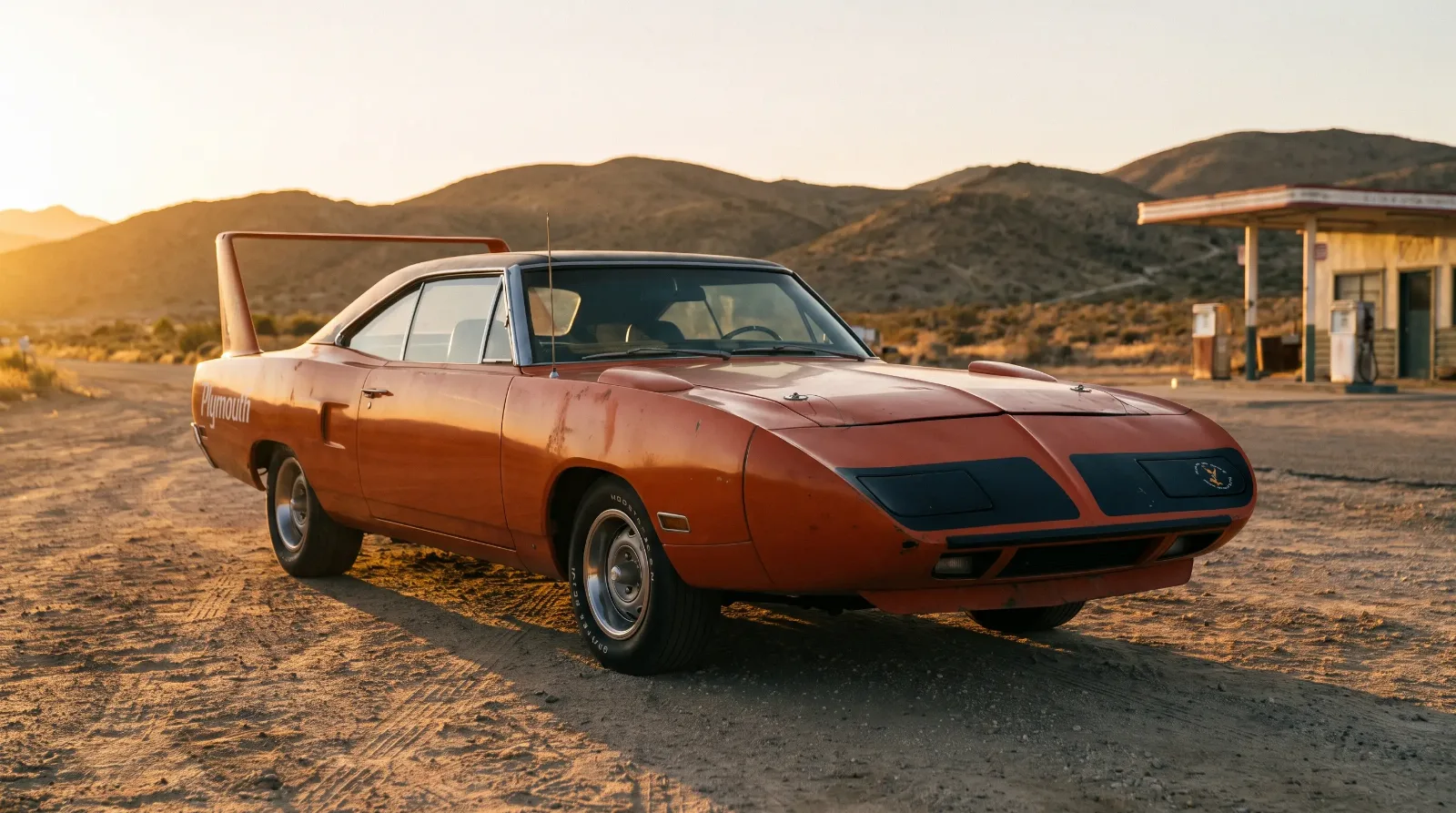
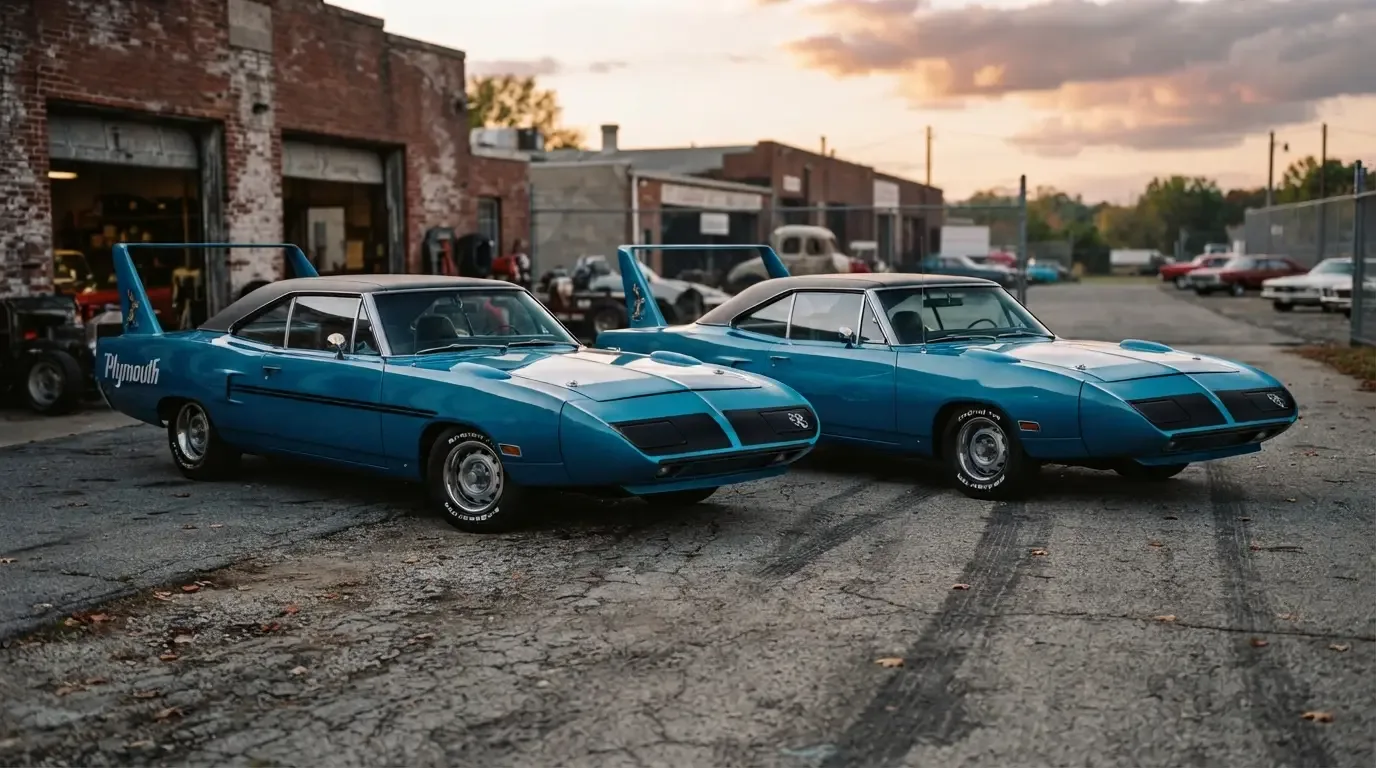
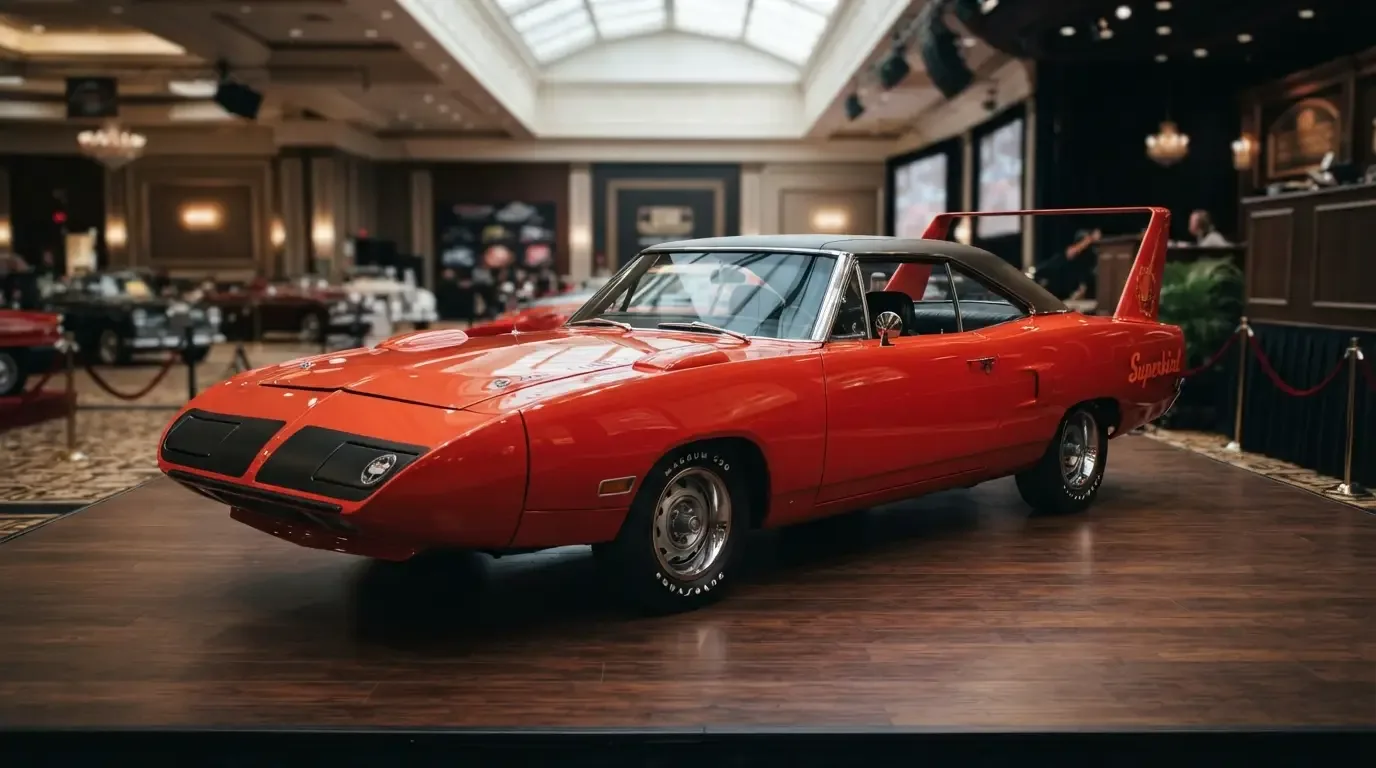
The highest recorded prices for Superbirds share a specific pattern. They are Hemi-optioned cars, they carry full factory documentation tying the VIN to the original drivetrain, and they typically have a known ownership history with limited gaps. That combination, rare engine plus complete paperwork plus clean chain of custody, is what separates a record-setting sale from a car that is merely old and desirable. The current model record belongs to a fully restored, numbers-matching Tor-Red Hemi Superbird that sold for $1.65 million at Barrett-Jackson's Las Vegas auction in July 2022, one of just 135 Superbirds built with the 426 Hemi. A well-optioned but undocumented 440 Superbird will never touch those numbers, no matter how good it looks in photographs.
Auction houses know this, and it shows in how they market these cars. A listing built around a documented Hemi Superbird will lean hard on broadcast sheet verification, matching-numbers claims backed by inspection, and provenance research going back to the original selling dealer where possible. Strip any one of those elements out and the same car, mechanically identical, sells for a fraction of the headline figure.
The risk most buyers underweight
Documentation is not a nice-to-have on a car in this price bracket. It is the entire basis of the valuation. A Superbird missing its broadcast sheet, with a fender tag that does not clearly decode, or with an engine that cannot be confirmed as original to the car carries real downside risk that does not show up until resale. Buyers who pay a record-adjacent price for a car with thin paperwork are effectively betting that future buyers will accept the same story they did, and that bet does not always pay off when the car changes hands again in a more skeptical market.
Liquidity is the other underweighted risk. A documented, numbers-matching Hemi Superbird has a genuine international buyer pool at the major auction houses. A questionable or undocumented car, even at a steep discount to the record cars, has a much thinner pool of buyers willing to take on the authentication risk themselves. That thinner pool means longer time to sell and more negotiating leverage sitting with the buyer, not the seller, regardless of what the car looks like in person.
| Value driver | Effect on price |
|---|---|
| Engine matches build documentation | Largest single factor |
| Complete broadcast sheet and fender tag | Confirms configuration, reduces buyer risk |
| Known ownership history | Reduces provenance risk, supports higher bids |
| Undocumented drivetrain | Meaningful discount regardless of condition |
"A record sale tells you what one very specific, very well-documented car brought on one particular day against a small pool of serious bidders. It does not set a floor for the model, and it definitely does not set a floor for your car if the paperwork does not match theirs."
- Marcus Feld
How condition interacts with documentation
Condition is not irrelevant, it is just secondary to paperwork in this specific market. A documented, numbers-matching Hemi Superbird in rough, unrestored condition can still command a strong price on the strength of its paperwork alone, because a buyer with deep pockets can pay for a correct restoration but cannot manufacture a broadcast sheet that does not exist. The reverse is not true. No amount of cosmetic perfection compensates for a drivetrain that cannot be verified against the original build. A flawless paint job on an undocumented car is still, financially, an undocumented car.
That ordering surprises buyers coming from more conventional collector segments, where a concours-quality restoration often carries the largest share of the premium. In the Superbird market specifically, and in most other high-dollar homologation specials, paperwork sits above cosmetics in the pricing hierarchy, and any appraisal that does not reflect that ordering is not pricing the car correctly.
Why headline numbers mislead casual buyers
Press coverage of a record auction sale rarely spends much time on the documentation that justified the price. It leads with the number, because the number is the story. That framing leaves a lot of buyers assuming any Superbird in reasonable condition is worth somewhere near the last headline figure, which is not how this market actually prices condition and paperwork gaps. The gap between a top documented Hemi car and a solid but undocumented 440 car is not a modest percentage. It is often a difference measured in multiples, not fractions.
This is where authentication becomes a genuine financial question rather than a hobbyist's curiosity. A car represented as numbers-matching without supporting paperwork carries meaningfully more downside risk than one with a thin but real documentation trail, and buyers should price that risk into any offer rather than treating a seller's verbal assurance as equivalent to a broadcast sheet. a related story goes deeper into how to tell a genuine car from a well-built tribute, which is exactly the distinction that separates record prices from everything else on the market.
What a downside scenario actually looks like
Walk through the bad outcome so it is concrete rather than abstract. A buyer pays near-record money for a car represented as a documented Hemi. Years later, at resale, a more rigorous appraisal or a skeptical buyer's inspector cannot verify the drivetrain against surviving factory records. The car does not become worthless, but it drops into a different pricing tier immediately, and the original buyer eats the difference between what they paid and what the market will now support. That gap can run into six figures depending on how aggressively the original purchase was priced against an assumption of clean documentation.
This is not a hypothetical built to scare buyers away from the segment. It is a pattern that has played out often enough in high-dollar Mopar sales that experienced appraisers price the risk into every offer before they price the car's cosmetics. It is also not purely theoretical even at the very top of the market: that record-setting $1.65 million Superbird resold at a Mecum auction not long after for roughly $418,000, a steep drop that market analysts tied to broader questions about how the segment was pricing peak-condition cars, not to any single documentation flaw. Even a genuinely record car is not immune to a market correction. Treat documentation gaps as a pricing input, not an afterthought to negotiate around once everything else is settled.
The appraiser's bottom line
If you are shopping in this segment, treat any most expensive superbird headline as a data point about a specific car's paperwork, not a benchmark for the model in general. Ask for the broadcast sheet before you ask about paint quality. Ask about ownership gaps before you ask about the sound of the exhaust. Condition matters, documentation matters more, and liquidity follows both. For the background on why these cars exist and what made the Hemi variant so scarce to begin with, plymouth superbird history lays out the production context that underpins every valuation conversation. When you are ready to compare real listings against that framework, Runners for sale now is a reasonable place to start pricing the gap between documented and undocumented cars yourself.