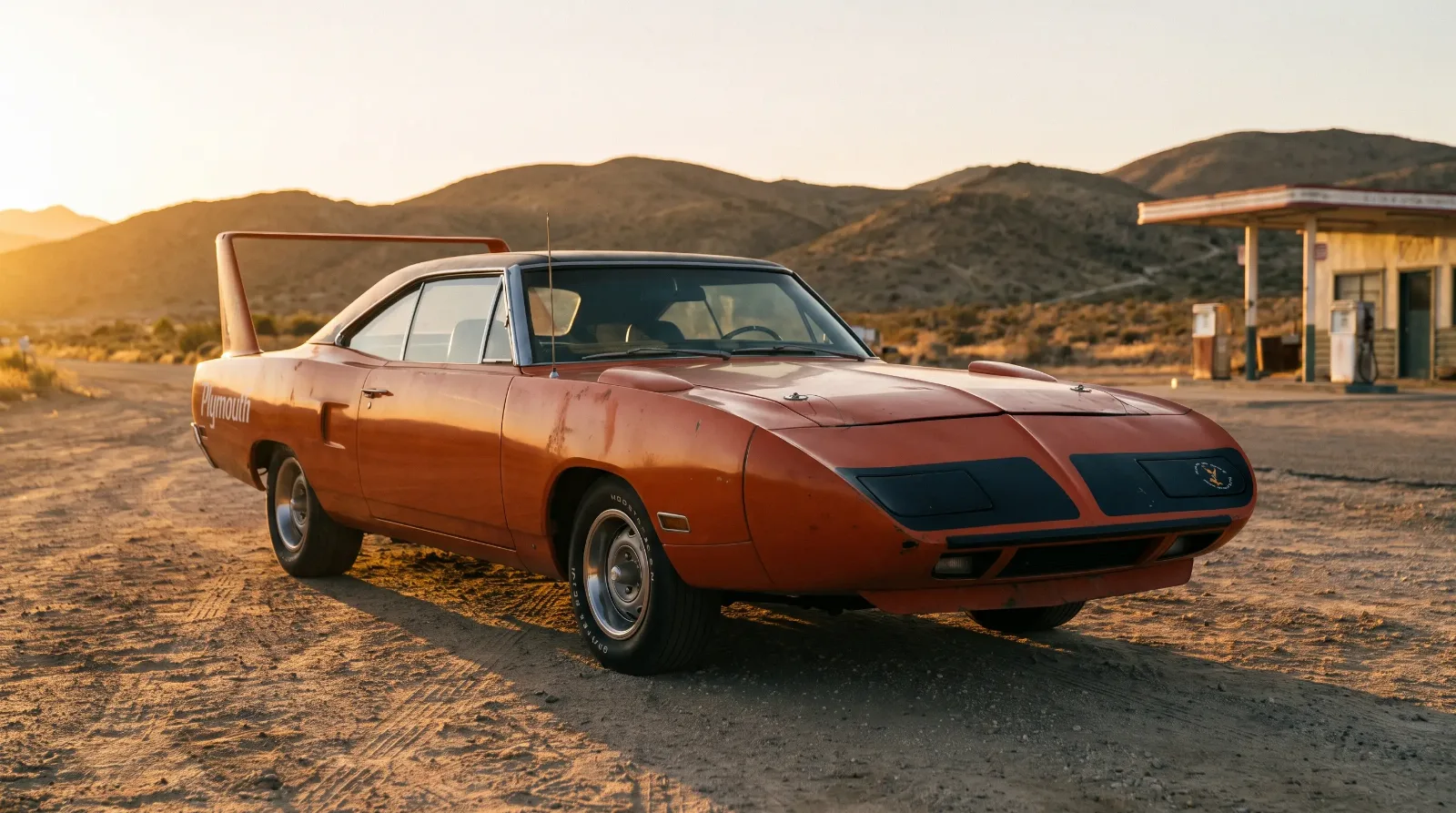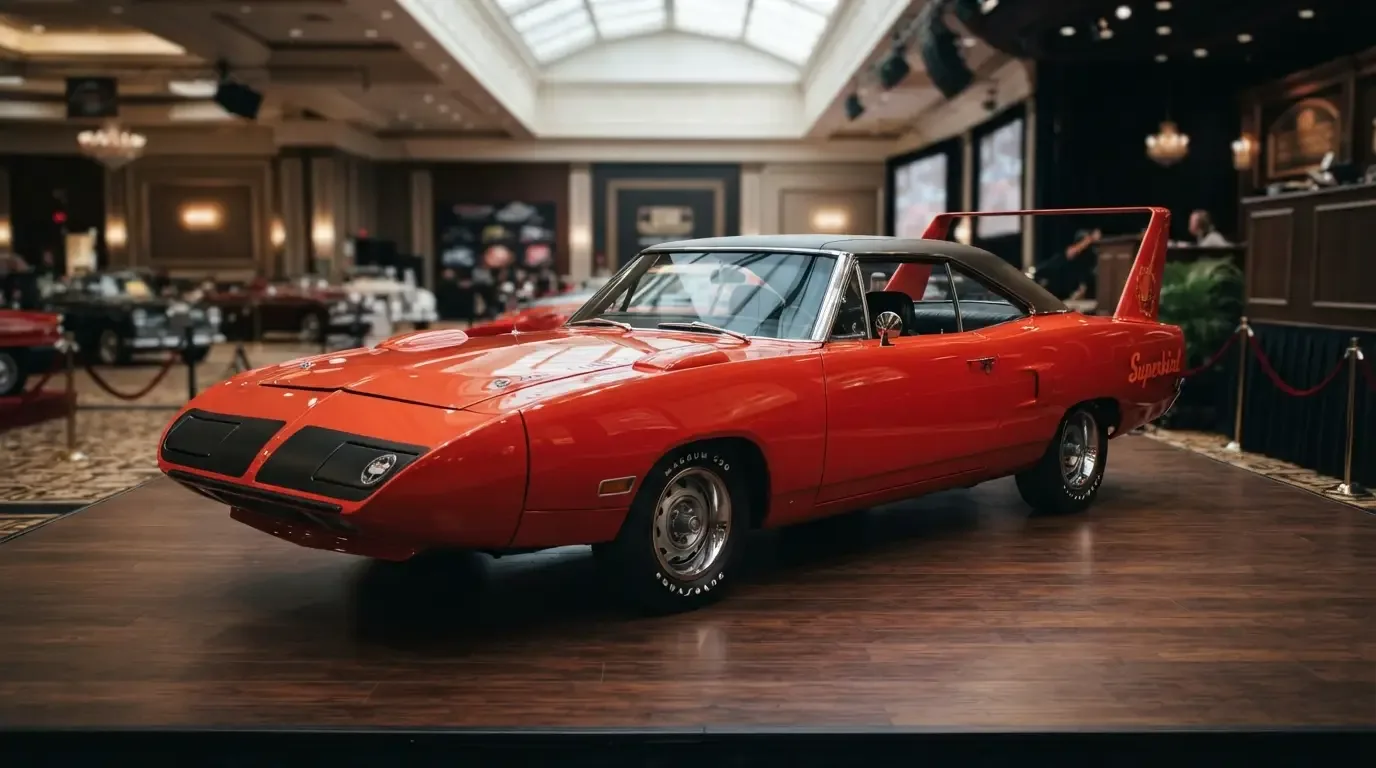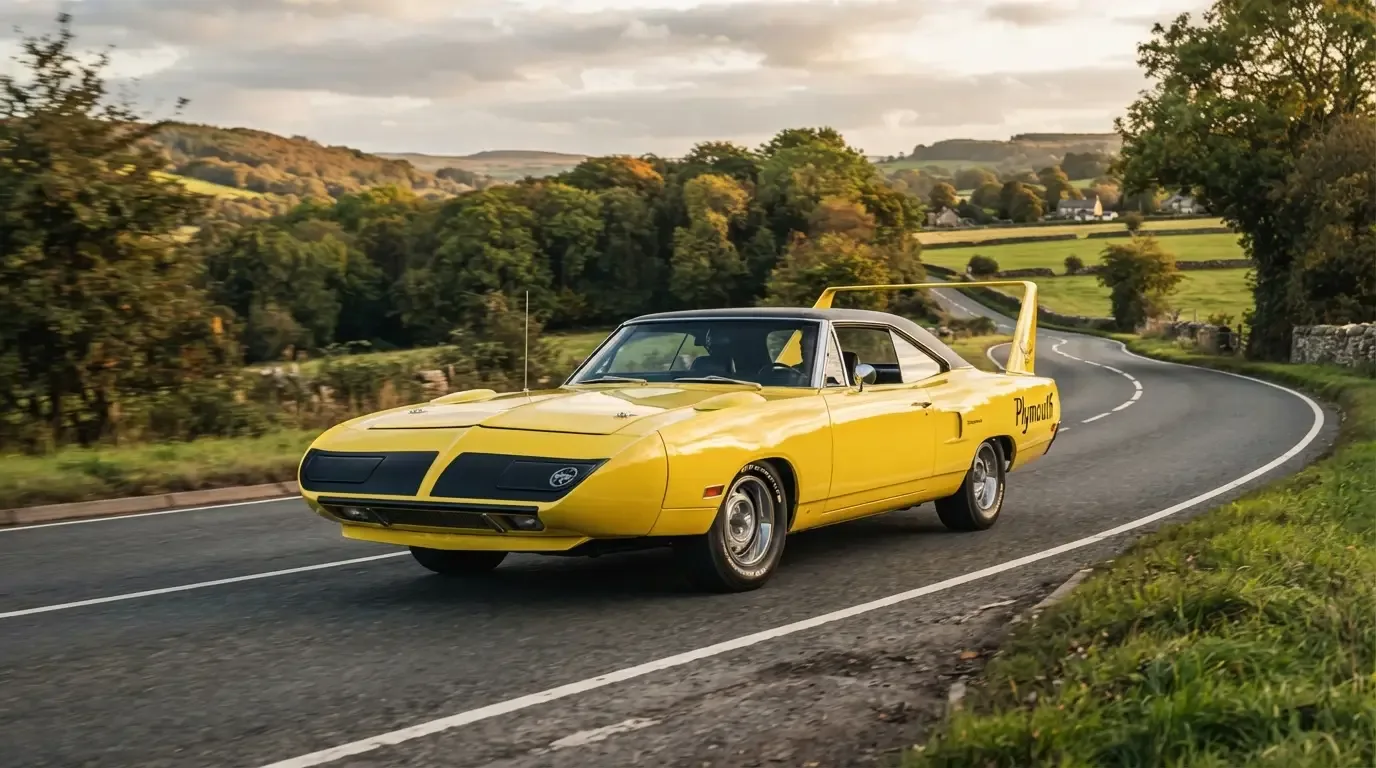
The Plymouth Superbird is one of the easiest muscle cars to fake and one of the hardest to fake well. Real production numbers sit around 1,935 units built for the 1970 model year, a homologation run tied to NASCAR rules, and that scarcity is exactly why the clone market around this car is so active. If you are pricing a real Superbird against a tribute build, the math only works when you understand what separates the two, and what a mistake costs.
I look at this car the way I look at any low-production, high-desirability model: the gap between genuine and reproduction is a spread, not a line. A documented, numbers-matching Superbird and a well-executed clone built on a real 1970 Road Runner shell can look identical in photos. The price gap between them, at auction, routinely runs six figures. That gap is the whole business case for building a fake in the first place.
What actually makes a Superbird a Superbird
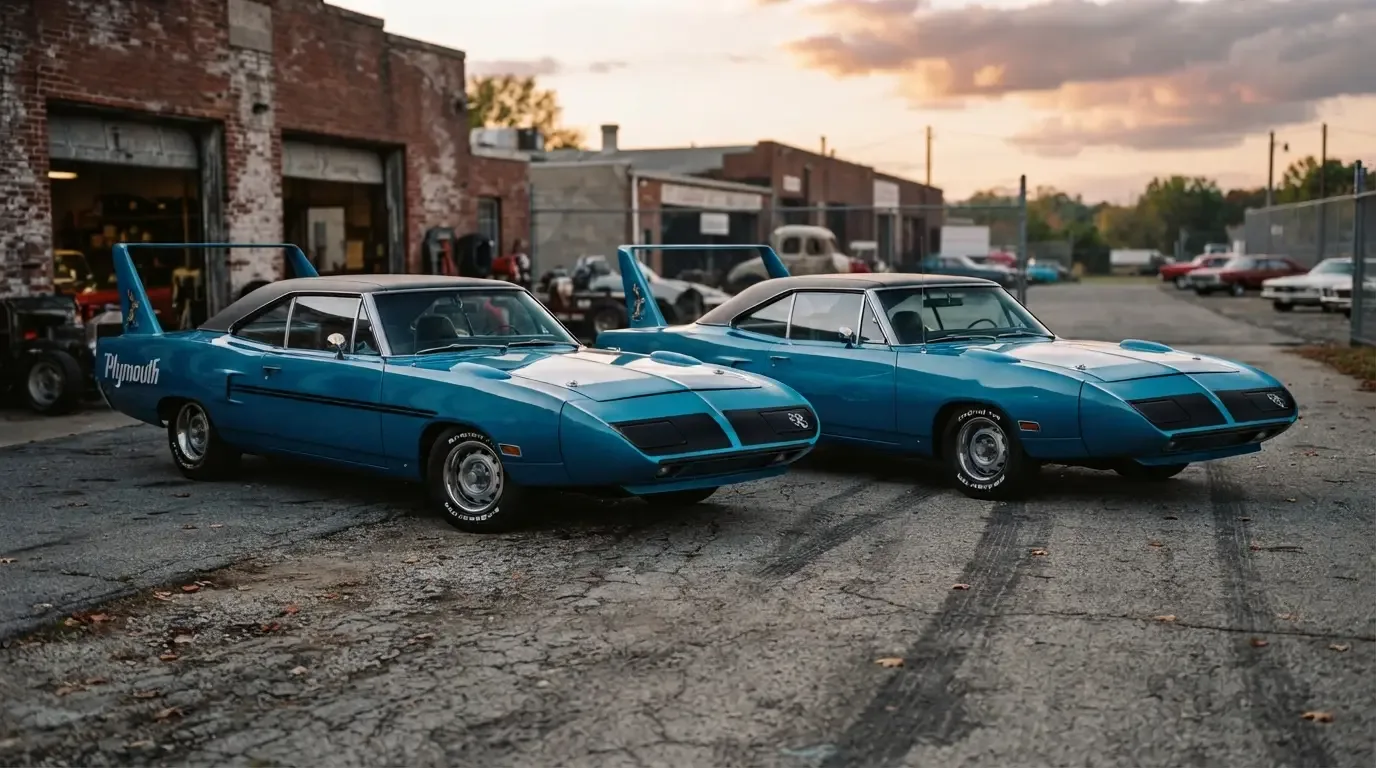
Plymouth built the Superbird by taking a 1970 Road Runner body and adding a specific nose cone, a fiberglass horn scoop molding, hidden headlights, a reinforced trunk lid, and that tall rear wing mounted on struts that clear the trunk opening. Every one of those parts was a factory part number, and every one of those parts is now reproduced and sold openly through the restoration aftermarket. That is not a scandal. It is the reason clones exist at all: the parts to build one are commercially available, which means the only thing separating a real car from a tribute is the VIN, the broadcast sheet, and the paper trail behind them.
A real Superbird carries a VIN that decodes to the Superbird-specific body style code, and Chrysler's build records, when they survive, will show the car leaving the St. Louis or Lynch Road assembly plant configured as a Superbird from the factory floor, not converted later. That distinction matters more than anything cosmetic.
How clones get built and why they fool people
Most Superbird clones start life as a real 1970 Road Runner, sometimes a real Coronet or Satellite in more aggressive cases, and get the wing, nose cone, and scoop grafted on using reproduction sheet metal and fiberglass. A careful builder will match paint codes, interior trim, and even engine displacement to what a real Superbird would have carried. Done right, the car drives, sounds, and photographs exactly like the genuine article. Done by someone chasing a quick profit, the seams show: mismatched cowl tags, a VIN that decodes to a base Road Runner body style, filler where the wing struts should bolt through factory-reinforced trunk structure.
The factory welded wing support plates under the quarter panels and trunk floor brace brackets into every genuine Superbird body during assembly, and Hemi-powered cars got additional rear frame reinforcement plates on top of that. Whether those brackets and plates are present, and whether they were welded in during original assembly rather than added later, is the kind of detail a serious buyer needs a marque specialist to confirm in person, not from photos. I have seen deals fall apart over exactly that inspection, and I have seen buyers walk away from six-figure purchases because a fender tag did not match the trim code on the door.
"Every clone I have appraised was built by someone who understood the car better than the buyer did. That is the whole problem."
- David Mercer
Documentation is the only thing that pays you back
A broadcast sheet, a fender tag that decodes correctly, a Galen Govier or Chrysler Registry authentication, and a consistent ownership chain are worth more to the eventual sale price than any single cosmetic detail. Buyers who skip this step and rely on "it looks right" are pricing themselves for a loss the day they try to resell. I tell clients the same thing every time: budget for the authentication before you budget for the car. A few thousand dollars spent confirming a VIN and body tag can save a six-figure mistake, and it gives you real leverage in negotiating the purchase price if anything comes back inconsistent.
The paperwork trail on a genuine car also tends to be thicker simply because owners of real Superbirds have known for decades what they had. Clone builders rarely fabricate a five-owner history with period photos, insurance records, and old registration cards, because that kind of forgery is expensive and easy to unravel. If a seller cannot produce anything beyond a title and a story, treat that as a warning sign, not a minor gap.
Reading the market spread between real and clone
| Category | Typical condition | Rough market range |
|---|---|---|
| Documented numbers-matching Superbird | Concours or older restoration | $200,000 to $500,000+ depending on engine and provenance |
| Documented Superbird, driver quality | Solid, unrestored or older repaint | $120,000 to $200,000 |
| Well-built clone on real Road Runner | Correct parts, no factory VIN match | $40,000 to $80,000 |
| Rough or poorly documented clone | Inconsistent tags, no paper trail | $20,000 to $40,000 |
Those ranges move with engine, with 426 Hemi cars sitting well above 440 six-barrel and standard 440 cars, and with the strength of the auction season generally. But the spread between a real, documented car and an honest clone rarely closes. That spread is the market telling you exactly what documentation is worth.
My actual buy or no-buy opinion
If you want to drive a Superbird look, own the shape, and take it to cruise nights without worrying about a stone chip costing you five figures in resale value, a well-documented clone is a rational purchase and a fair value at the right price. If you are buying as an investment, or you want the badge to mean what it says, pay for the authentication before you pay for the car, and do not let a seller's story substitute for a broadcast sheet. I have watched buyers get burned both ways: paying real-car money for an undocumented tribute, and passing on a legitimate car because they could not tell it apart from a fake without help.
For readers who want the whole picture on how this car came to exist and why Chrysler built it in the first place, the whole picture lays out the NASCAR background that explains every design choice discussed here. And if you are ready to start shopping rather than just researching, you can find a classic Runner through current listings, real or tribute, as long as you go in with your eyes open.
Sources and notes
- Plymouth Superbird - Wikipedia
- Supercars.net - 1970 Plymouth Road Runner Superbird 440
- Muscle Car Club - Plymouth Superbird history and production totals
- Sports Car Market - 1970 Plymouth Superbird profile
- AAR Quality Fiberglass - Superbird wing reproduction parts
- Audrain Automobile Museum - 1970 Plymouth Superbird
The bottom line on value
Clones are not inherently dishonest cars. Plenty of owners built them openly, sold them as tributes, and never claimed otherwise. The trouble starts when a tribute gets passed along a few times and the story quietly upgrades itself. Ask for the paperwork every single time, verify it independently, and treat any hesitation from a seller as your answer. The Superbird market has enough real cars and enough honest clones that you never need to gamble on an unverified one.
Insurance, financing, and the practical side of ownership
Insurers who write agreed-value policies on collector cars will typically require the same authentication paperwork a serious buyer should already be demanding: a VIN decode, photographs of the fender tag and cowl, and often a third-party appraisal. A clone, even a good one, will not qualify for agreed-value coverage at anything close to genuine Superbird money, because the insurer's own underwriting process runs into the same documentation gap a buyer would. That gap shows up again if you ever try to finance a purchase through a specialty classic car lender, most of whom price the loan against documented market comparables, not against how a car looks in photos.
This is worth knowing before you negotiate, not after. A seller asking real-car money for a car that cannot be insured or financed at that value is asking you to absorb a risk that professional lenders and insurers have already priced out. Use that leverage. If a seller balks at getting an independent appraisal scheduled before closing, that reaction alone tells you most of what you need to know about how confident they are in their own paperwork.
What I tell first-time buyers in this specific market
Get the authentication in writing before money changes hands, not as a contingency you plan to sort out afterward. Marque specialists who focus specifically on Superbirds and their Dodge Charger Daytona siblings exist for exactly this reason, and their fee is small relative to the money at stake. Ask for references from other clients, not just credentials. And treat any seller who discourages independent inspection as an immediate red flag regardless of how good the story sounds. The good stories are the ones that hold up under a second set of eyes, not the ones that need to be taken on faith.