
By 1973, most of Detroit had already surrendered. Insurance surcharges were gutting big-block sales, emissions rules were strangling compression ratios, and one performance nameplate after another was quietly getting detuned into something a fleet buyer wouldn't mind. Pontiac's engineers looked at that situation and decided to do the opposite. What they built was the SD455, a Trans Am engine option that refused to read the room, and it remains one of the last honest muscle car engines to come out of the era before the whole segment went soft.
Car Features
6 min read
The SD455: The Last Real Muscle Car
While the rest of Detroit surrendered to emissions rules, Pontiac's engineers built the Trans Am SD455 to keep real performance alive.
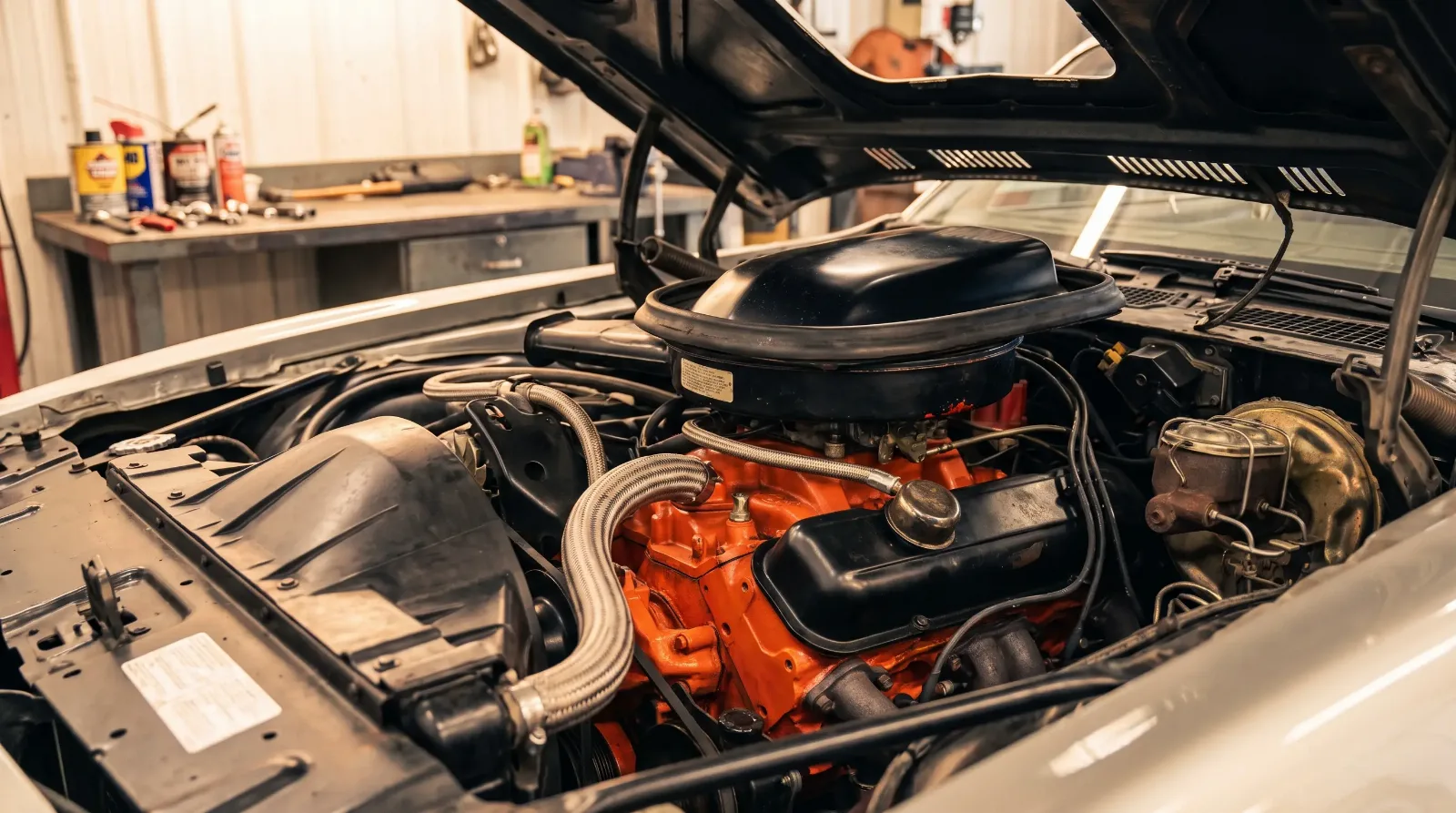
SD stood for Super Duty, a designation Pontiac had used before on race-bred parts, and putting it on a 455 cubic inch engine in a regular production Trans Am was a deliberate signal. This wasn't a marketing badge slapped over a mild engine. It was a genuinely different piece of hardware, built with a forged steel crankshaft, four-bolt main bearing caps, and round exhaust port heads borrowed from the kind of durability thinking usually reserved for race engines, not street cars headed to suburban driveways.
Built by engineers who weren't ready to quit
Much of the credit for the SD455 getting built at all goes to Pontiac product engineers who pushed the project through corporate resistance at a moment when the smart money said big engines were finished. The team wanted an engine that could still deliver real performance under the new emissions ceiling, not just look aggressive with a hood scoop and a decal. That meant careful attention to breathing and combustion efficiency rather than the brute displacement tricks that had defined the previous decade of muscle cars.
The result, in 1973 trim, was rated at 290 horsepower net under the SAE's newer, more honest measurement standard, a number that looked modest next to the gross horsepower figures of a few years earlier but represented genuinely usable power delivered through a car that could still run with anything else on the road that year. Pontiac's own preliminary literature had briefly listed a higher 310 SAE net figure for pre-production engines, but the emissions-legal production version that actually reached buyers was rated at 290. The 1974 version was further detuned to meet tightening regulations, and that year-over-year drop is a real part of the story, not a footnote to gloss over.
Contemporary road tests found a car that could still embarrass most of what else was on sale that year. Car and Driver ran a 1973 Trans Am SD455 through the quarter mile at Orange County International Raceway in 13.75 seconds at just over 103 mph. That's not a number that impresses anyone today, but measured against the wheezing performance cars Detroit was shipping by the mid-1970s, it was close to a miracle of packaging. Pontiac had found a way to keep an honest engine alive inside a regulatory box that was closing fast on every one of its competitors.
What made it feel different from the outside
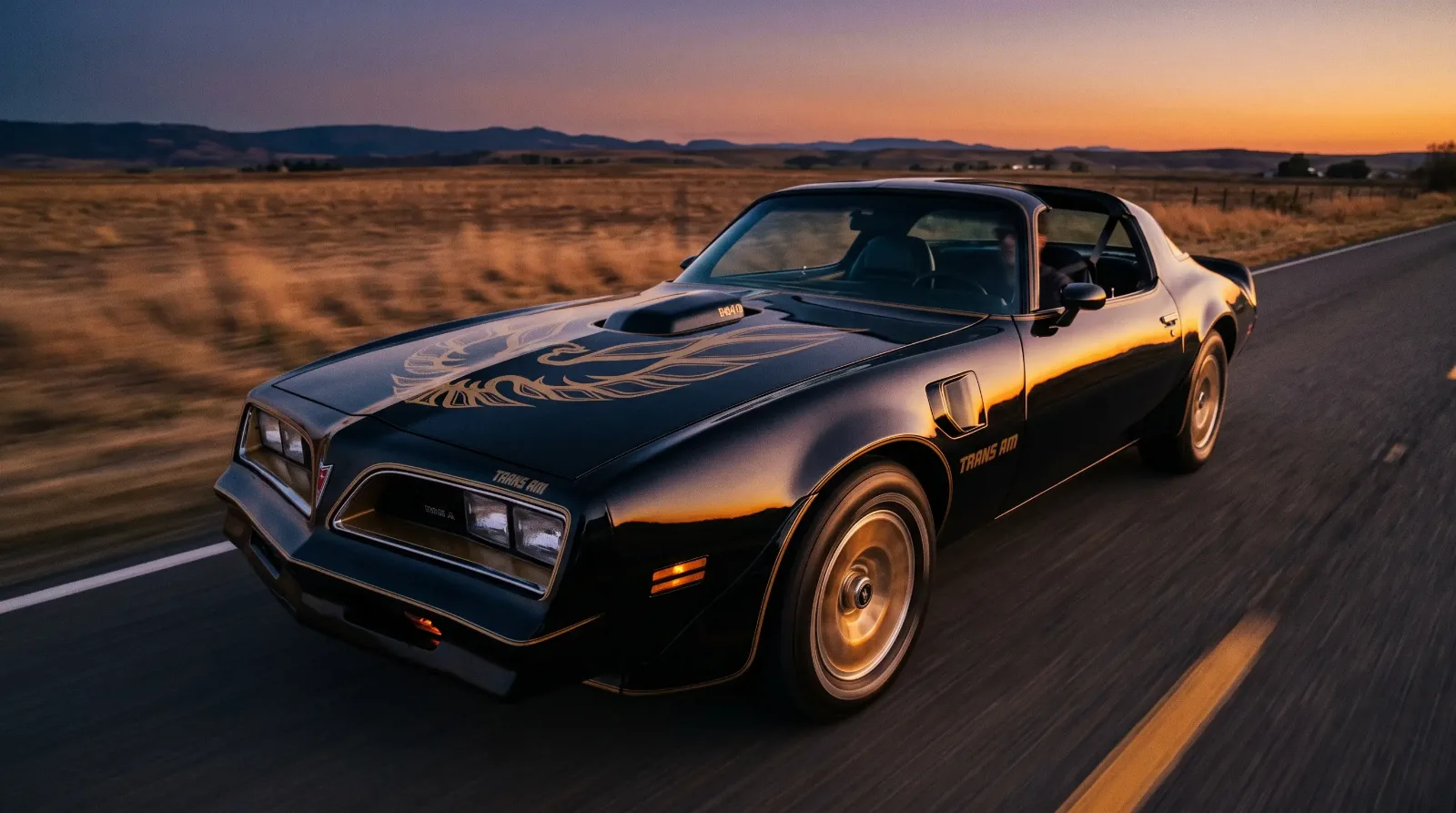
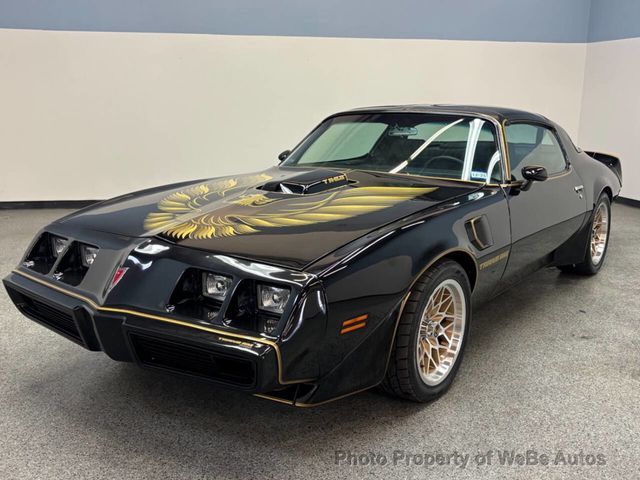
The SD455 wore its intentions plainly. A functional shaker hood scoop sat on top of the engine, moving with it under acceleration, and an SD455 decal on the hood left no ambiguity about what was underneath. Buyers who wanted the engine had to specifically order it, and Pontiac limited the powertrain to the Trans Am and Formula models rather than spreading it across the whole Firebird lineup. It was built for the people who still wanted a genuine performance car, not for volume.
| Spec | SD455 detail |
|---|---|
| Displacement | 455 cubic inches |
| Crankshaft | Forged steel |
| Main bearing caps | Four-bolt |
| Cylinder heads | Round exhaust port |
| Availability | 1973-1974 Trans Am and Formula |
| Hood feature | Functional shaker scoop |
Competitors weren't standing entirely still, but most of them were solving the emissions problem by simply retreating to smaller displacement and softer cams, which produced quieter, more forgettable engines. Pontiac's approach with the SD455 went the other direction: keep the big displacement, keep the aggressive internals, and engineer the breathing and combustion to satisfy the new rules without gutting the character of the car. That's a much harder problem to solve than just downsizing, and it's why the SD455 still reads as a genuine engineering achievement rather than a nostalgia footnote.
Why it earned the "last real muscle car" label
Calling the SD455 the last real muscle car isn't nostalgia talk. It's a fair reading of what came after it. Once the 1974 model year passed, Pontiac and every other manufacturer settled into a long stretch of performance cars that traded on looks and badges more than genuine mechanical ambition. The SD455 was the last engine of its generation built by people who were still actively trying to solve the problem of real performance under real regulations, rather than simply accepting that the era was over.
That's part of why documented, numbers-matching SD455 cars carry such a premium today. Low production, genuine engineering effort, and a clear end-of-an-era timing all point the same direction. This wasn't a car built to be remembered. It was built to still perform, and the fact that it's remembered now is almost a side effect of that.
"The SD455 wasn't Pontiac trying to relive 1969. It was Pontiac refusing to let 1973 win without a fight."
Patrick Walsh
Where it fits in the bigger Trans Am story
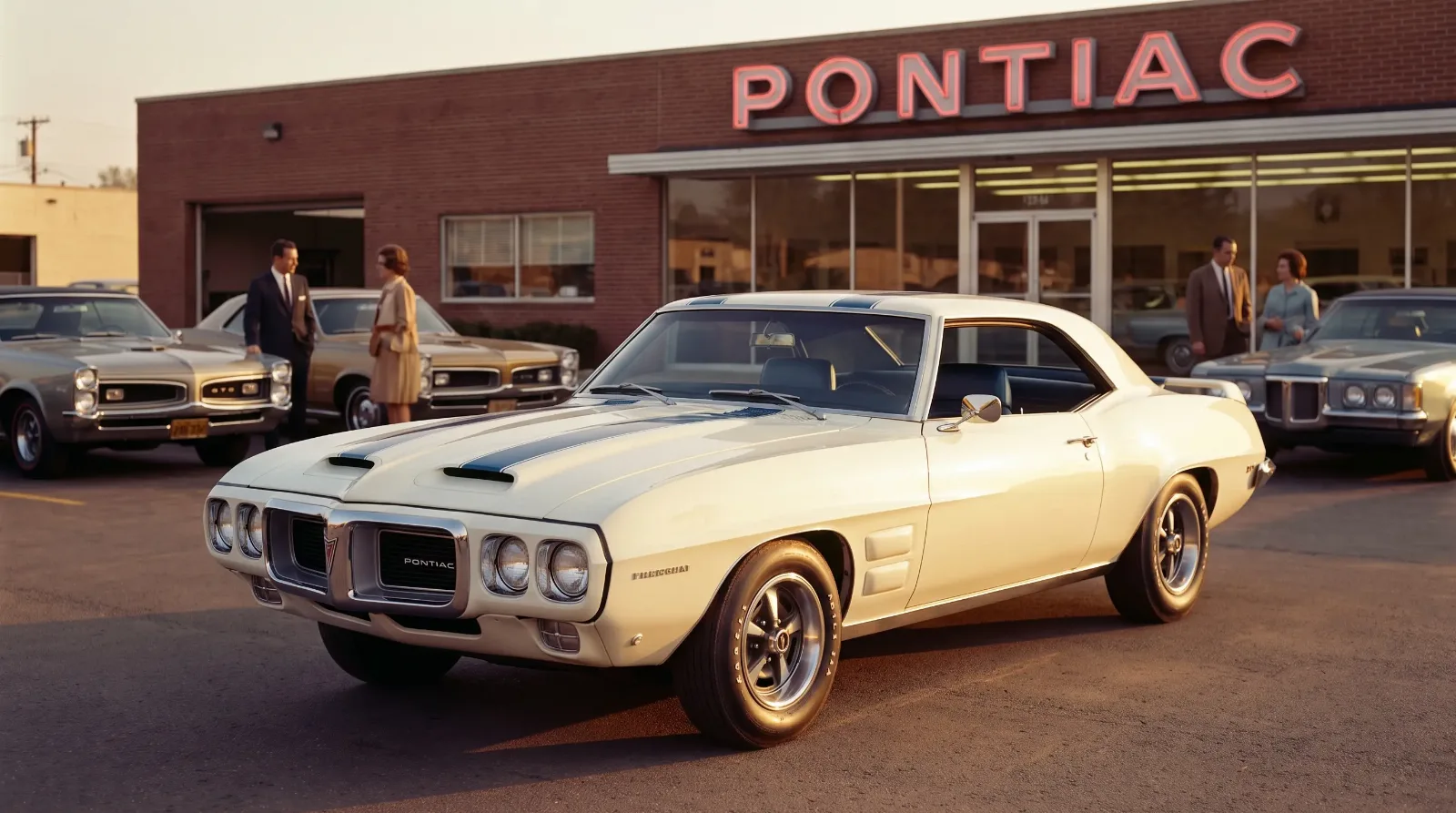
The SD455 makes the most sense once you understand the full arc of the Pontiac Trans Am as a nameplate, from its low-volume 1969 debut through the years when Pontiac had to fight regulations just to keep any performance identity alive at all. Seen in that context, the SD455 isn't a curiosity. It's the hinge point where the muscle car era ended on its own terms rather than fading out quietly.
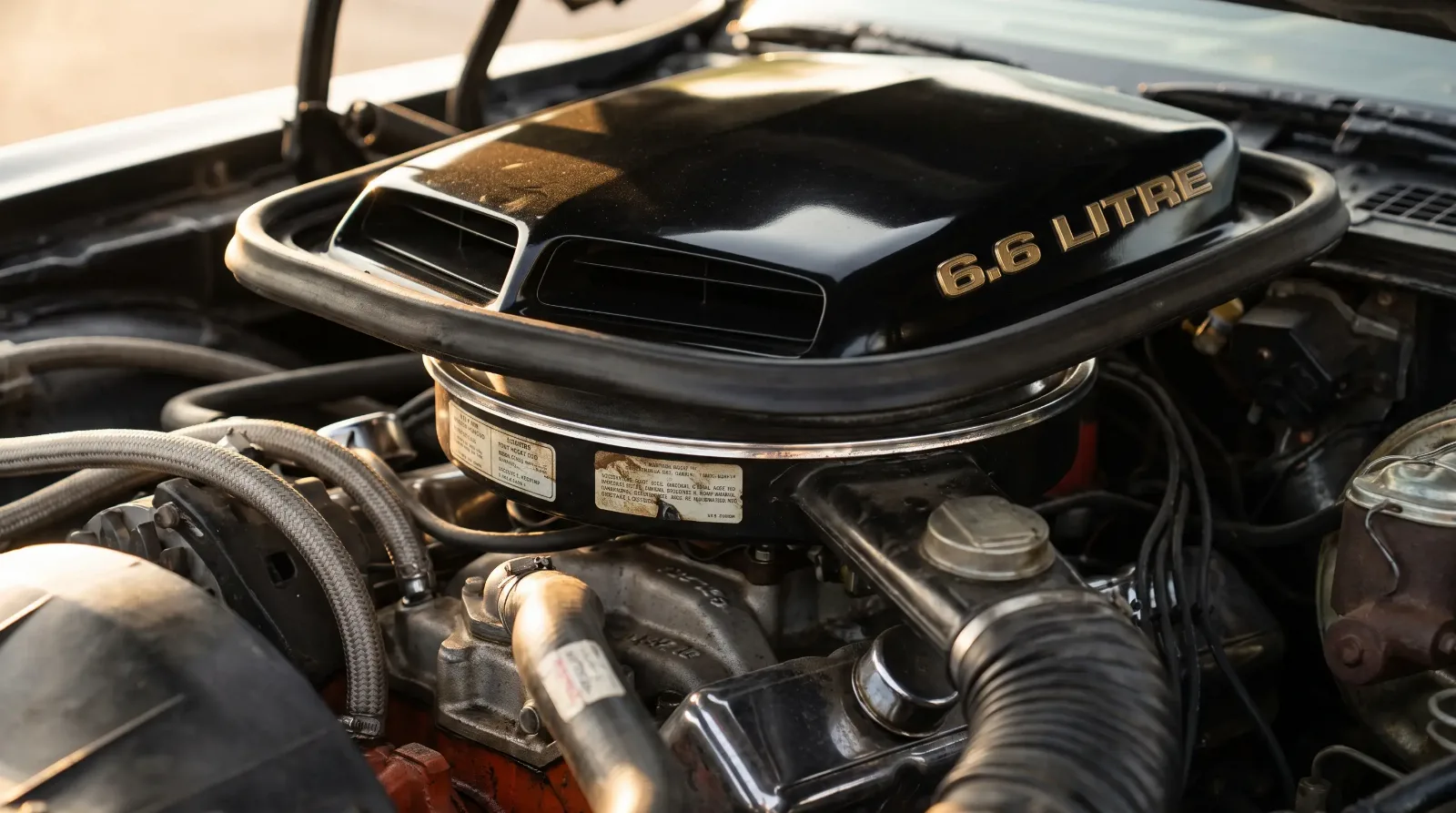
If you want to see what happened after emissions rules forced Pontiac's hand even further, keep reading the series to follow the Trans Am through its 6.6 litre years and the long climb back toward real performance in the decades that followed.
Some engines get remembered because they were loud. The SD455 gets remembered because it was one of the last ones still trying, honestly, to be fast.
Sources and notes
- Street Muscle Magazine: Rare Rides, 1973 Pontiac Trans Am SD-455
- Autoevolution: 1973 Pontiac Trans Am SD-455
- HotCars: The Trans Am SD-455 That Made the GTO Look Slow
- Automobile Catalog: 1973 Pontiac Firebird Trans Am SD-455 Specifications
- Automobile Catalog: 1974 Pontiac Firebird Trans Am SD-455 Specifications
- Pontiac Trans Am Forum: The 1973 Super Duty SD-455
Related Reading
Have a
Pontiac Firebird
for Sale?
Reach thousands of serious classic car collectors across the US.
Sell It Here →
Are You a Classic Car Dealer?
List your full inventory and connect with targeted classic car buyers.
Join as a Dealer →

About the author
Patrick Walsh
Automotive journalist covering classic car shows, events, and the enthusiast community across North America.
Related Listings - Pontiac Firebird



Comments
Be the first to comment on this article.