
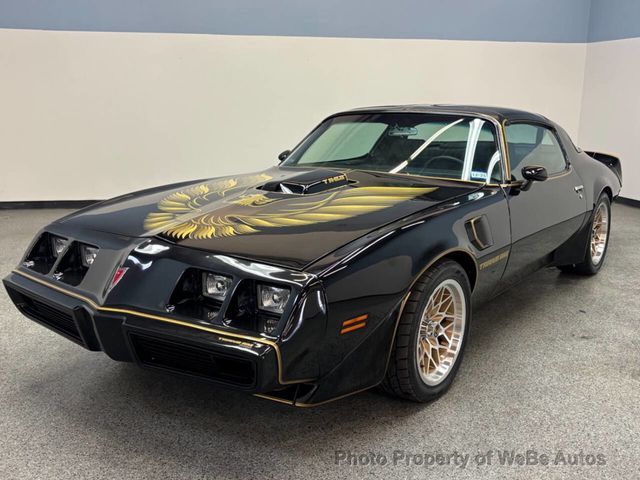
There is a specific moment every Trans Am owner remembers from the first time they drove one of these cars hard: idling at a light, blipping the throttle, and watching that hood scoop actually move. Not vibrate. Move, visibly, rocking with the engine because it is bolted directly to the air cleaner rather than the body. That is the trans am shaker in action, and it remains one of the most theatrical pieces of engineering Pontiac ever put into a production car.
Car Features
6 min read
The Shaker and Ram Air on the TA
The trans am shaker scoop rocked visibly with the engine by design, feeding a genuine cold air induction system that became one of Pontiac's most theatrical performance signatures.
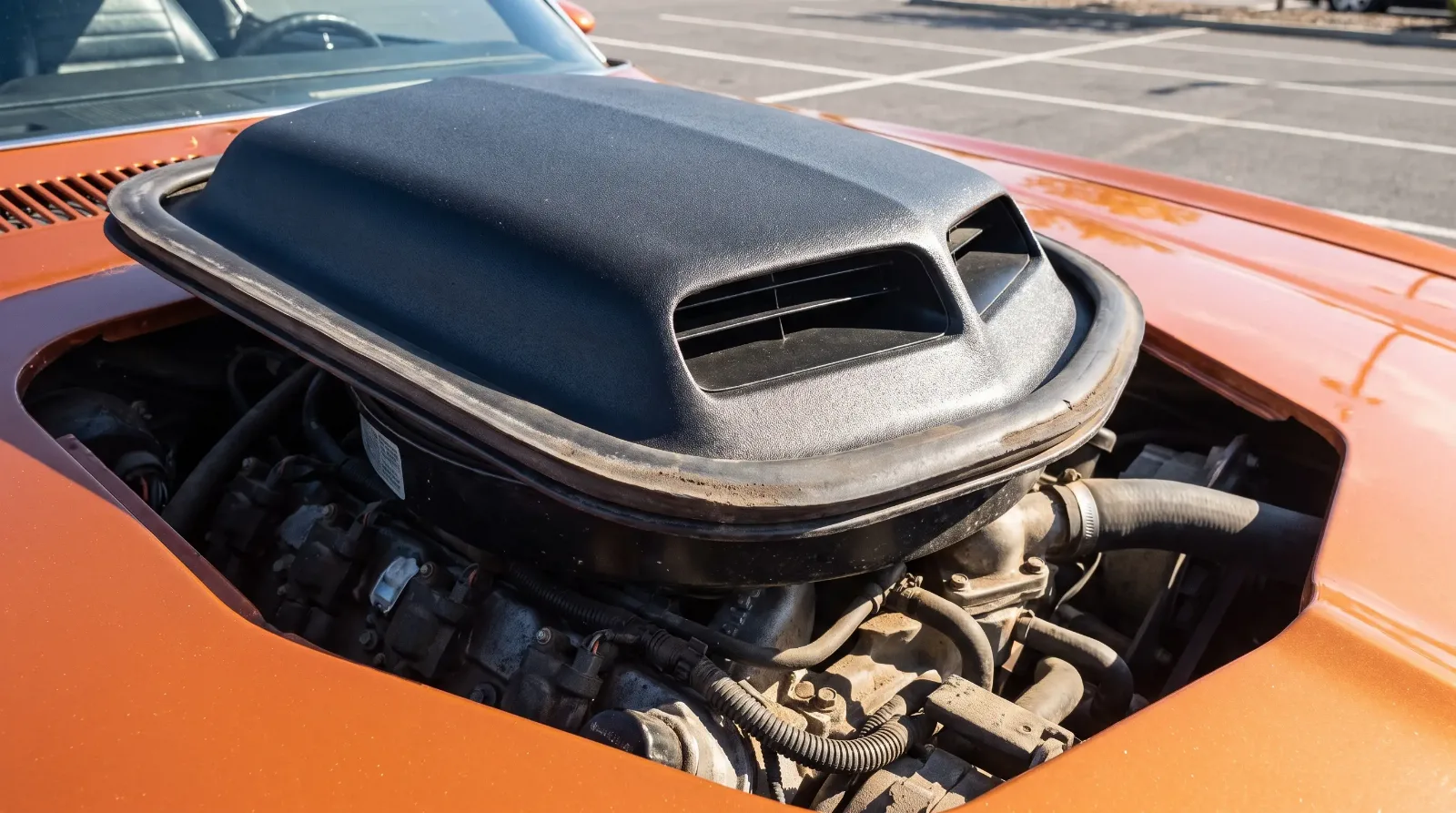
The Shaker was never subtle, and it was never meant to be. It existed to prove a point to anyone standing at that light with you.
How the Shaker actually worked
Unlike a conventional hood scoop that is fixed to the body and simply channels air down through a duct, the Shaker scoop sat on top of the engine's air cleaner assembly and poked through a cutout in the hood, isolated from the hood itself by a rubber seal. When the engine rocked on its mounts under torque, which every V8 does to some degree, the scoop rocked with it, creating that unmistakable shake at idle and under hard acceleration.
Functionally, it was a cold air induction system, pulling denser outside air into the engine rather than the warmer air trapped under the hood. That is a genuine performance benefit, not just a visual gimmick, though Pontiac's marketing team certainly understood the theater of it too. The scoop had a flap or door mechanism in some configurations that could close off the opening in wet weather to keep water out of the intake, an important detail for a part that had a literal hole in the hood above it.
Ram Air and how it differs from the Shaker itself
It is worth separating two things people often blur together: Ram Air was the broader engine package designation, referring to the induction system and the higher-output engine tune that came with it, while the Shaker was specifically the hood-mounted scoop hardware used to feed that system on Trans Am models. Ram Air packages existed across multiple Pontiac engine families through the late 1960s and into the 1970s, with Ram Air III and Ram Air IV representing some of the most sought-after combinations from the earlier Trans Am years. The 1969-1970 Ram Air III 400 was factory rated at 335 gross horsepower, while the far rarer Ram Air IV 400, built with round-port heads and a more aggressive cam, carried an official rating of 345 gross horsepower and was never a simple regular production option, buyers had to special order it through the dealership.
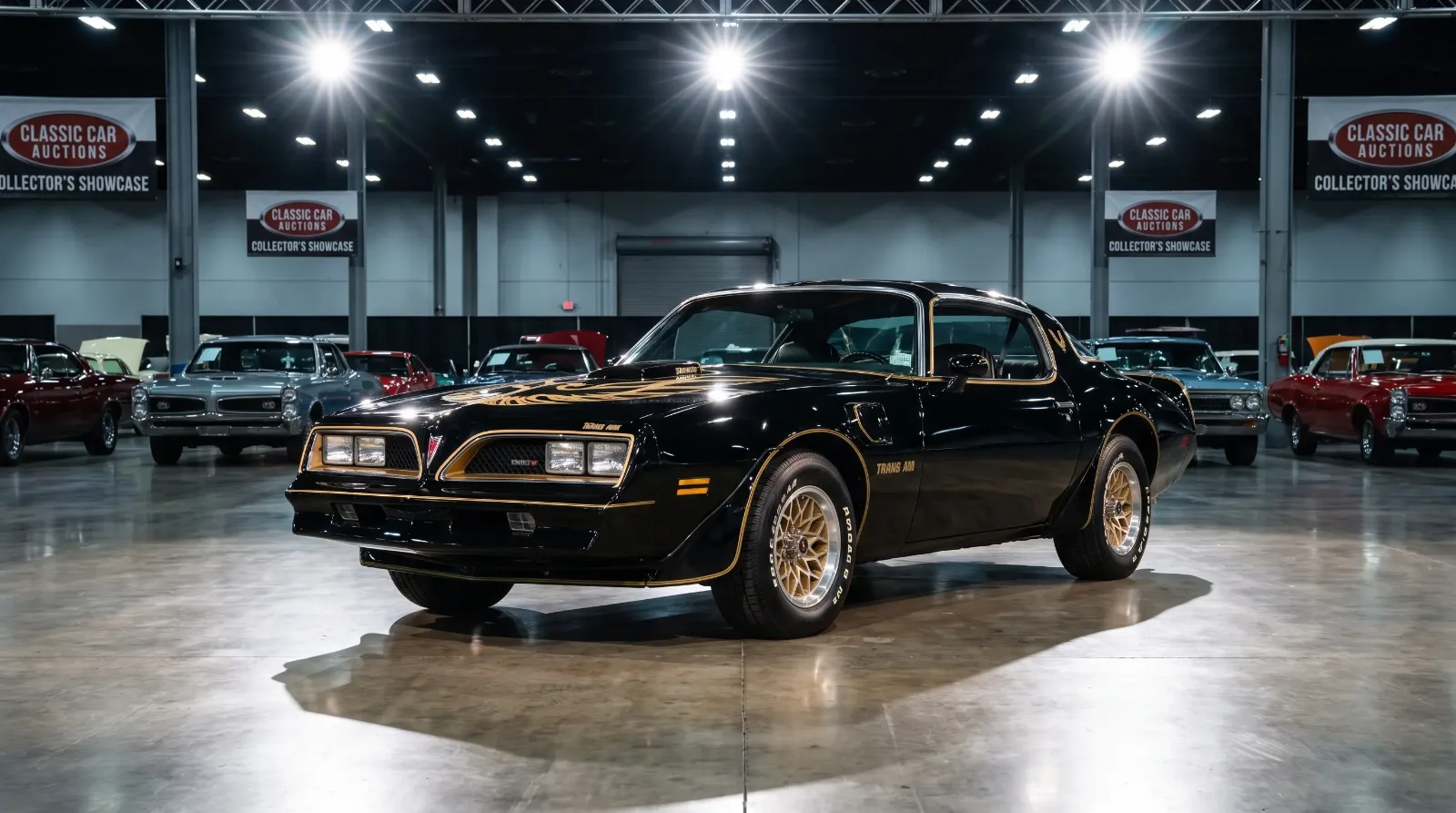
The later Shaker-equipped cars carried on the visual language even as emissions regulations forced power figures down through the 1970s. The scoop remained even in years when the underlying engine had considerably less to prove than the early Ram Air cars did, which is part of why some purists consider the earlier combinations the more honest performance package.
| Component | Function |
|---|---|
| Shaker scoop | Hood-mounted, engine-bolted cold air intake housing, visibly rocks with engine torque |
| Rubber hood seal | Isolates scoop movement from hood panel, prevents rattling and water intrusion at the seam |
| Ram Air package | Broader engine and induction tune designation, varied by year and engine option |
| Intake flap or door | Some configurations allowed closing the scoop opening in poor weather |
What buyers and restorers actually deal with
A Shaker system in bad shape is not a cheap fix. The rubber seal around the hood cutout dries out and cracks over the decades, which lets water into the engine bay in a way the system was never designed to tolerate. Reproduction seals exist, but fitment on some of them is inconsistent, and getting the scoop aligned correctly in the hood opening after a repair takes patience.
Anyone shopping the Pontiac Trans Am market should physically check that seal and look for water staining on the underside of the hood before assuming the system is sound. It is one of those details that photographs from a listing will never show you, and a seller who has not addressed it will usually not volunteer the information either.
"I've talked to owners who bought a Trans Am specifically because of that Shaker shake at idle, before they even cared about the horsepower number underneath it. There's something honest about a piece of engineering that announces itself like that instead of hiding under a flat, quiet hood."
Patrick Walsh
Why it still gets people excited
Cold air induction systems have come and gone across the industry, plenty of them more efficient on paper than the Shaker ever was. None of them have the same cultural weight. The Shaker became shorthand for a certain kind of American performance car, one that wanted you to see and feel the mechanical process happening under the hood rather than sealing it away behind smooth plastic covers the way most modern engine bays do now.
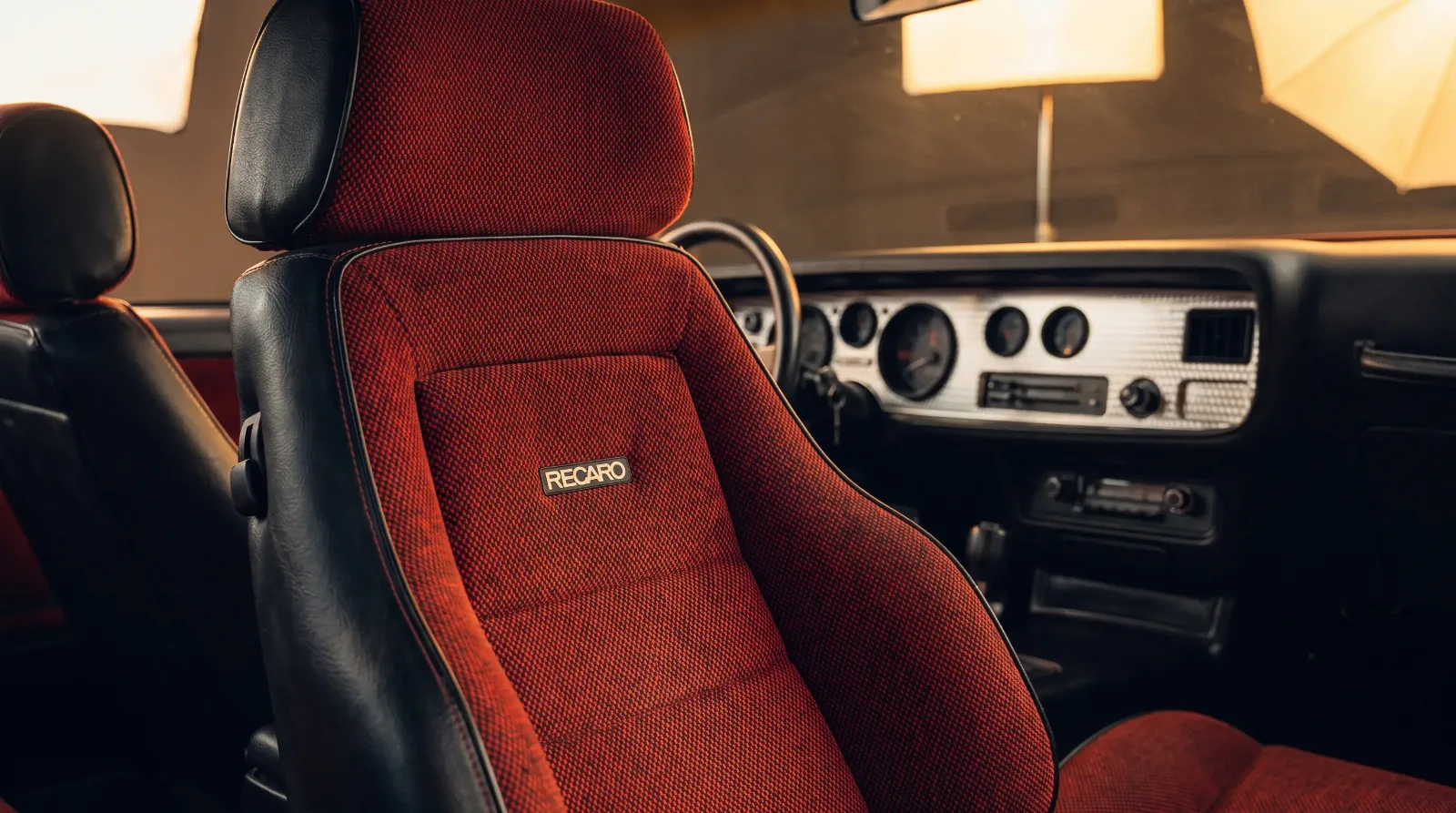
Owners who want the full picture on what sits underneath that scoop, and how the Recaro-equipped cars from later years pushed the driving experience even further, should check out a related deep-dive covering that side of the Trans Am story. Between the Shaker up front and the right seats underneath you, this was a car built by people who understood theater and substance did not have to be separate conversations.
What to expect if you are buying one today
Restoring a non-functional Shaker system is not a weekend job, and it is worth planning for accordingly if you are shopping for a car where the seller cannot demonstrate the scoop moving at idle. Beyond the hood seal itself, the linkage that allows the scoop to isolate from the hood while staying properly aligned in its cutout can be finicky to set up correctly after any bodywork near the front of the car. A hood that was replaced or repaired without careful attention to that cutout tolerance can leave a Shaker that looks right sitting still but rattles or binds under real driving conditions.
Parts availability is decent for the visible pieces, the scoop shell itself and the emblem trim, but the smaller hardware, correct seals, and mounting brackets get harder to source in original specification the further back you go in model years. Buyers serious about correctness should budget time as much as money for this particular repair, because getting it wrong the first time usually means doing it twice.
Sources and notes
Related Reading

Have a
Pontiac Firebird
for Sale?
Reach thousands of serious classic car collectors across the US.
Sell It Here →
Are You a Classic Car Dealer?
List your full inventory and connect with targeted classic car buyers.
Join as a Dealer →

About the author
Patrick Walsh
Automotive journalist covering classic car shows, events, and the enthusiast community across North America.
Related Listings - Pontiac Firebird



Comments
Be the first to comment on this article.