
A guy named Ron at a swap meet outside Columbus told me he paid twenty two hundred dollars for his 1978 Trans Am in 1994, drove it as a daily for two years, then parked it when the timing chain started acting up and college tuition got in the way. He pulled the cover off it again in 2019. Twenty five years of Midwest garage storage, a fresh battery, and it fired on the third crank. He has had three offers on it since, each one higher than the last. That arc, cheap used muscle car to serious collector asset, is basically the whole story of trans am values over the last three decades.
Car Features
7 min read
Trans Am Values Today
Trans am values swing dramatically between early Ram Air cars and the disco-era favorites, and documentation matters more than a fresh coat of paint.
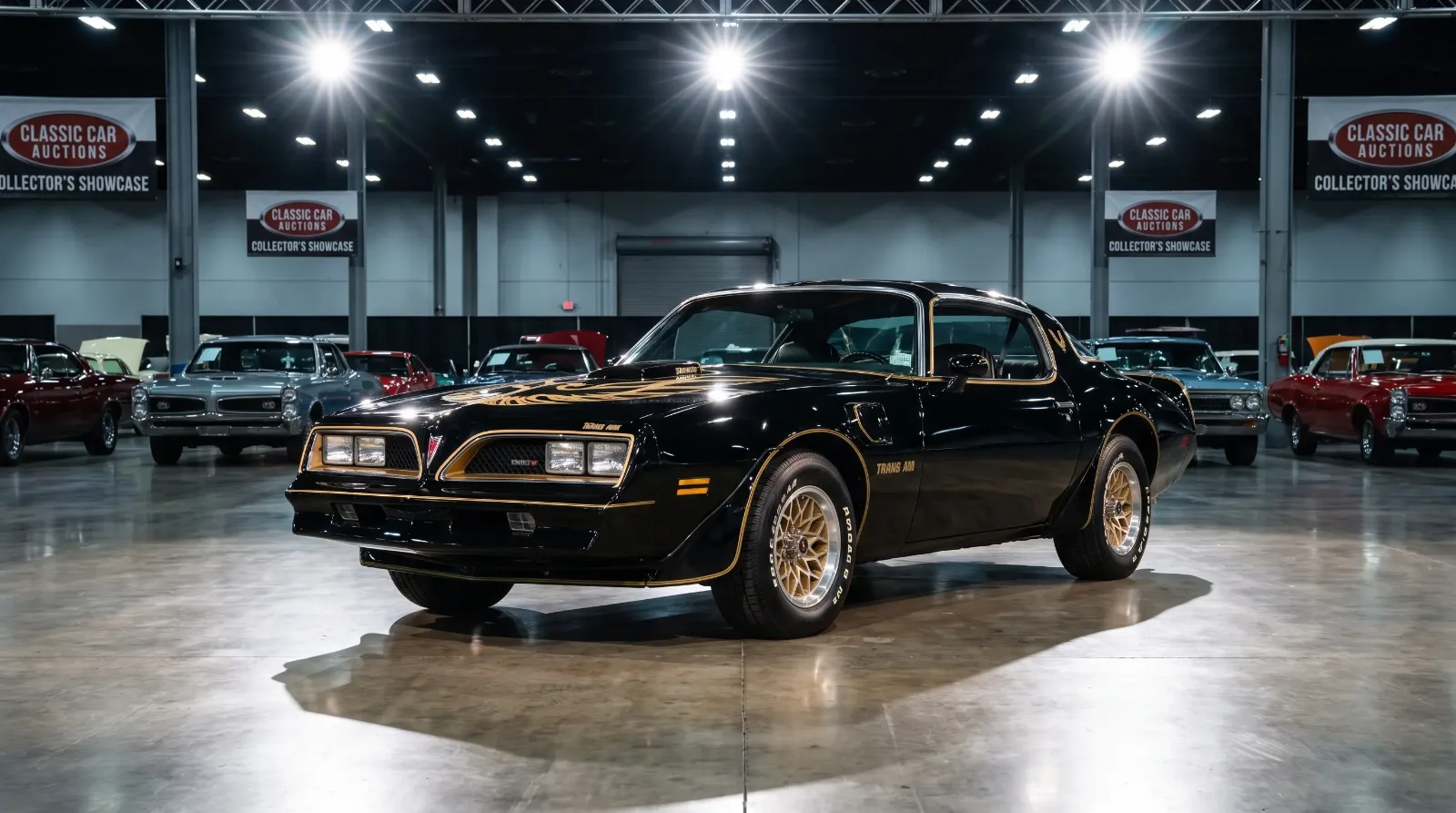
Understanding where those values sit today means understanding how differently this market behaves depending on which Trans Am you are talking about, because "Trans Am" covers a lot of ground between a smog-era 1980 car and a numbers-matching 1970 Ram Air IV. None of that pricing logic makes sense without the Trans Am legend behind it, since collectors are ultimately paying for the reputation the car built decades ago.
The early cars versus the disco-era cars
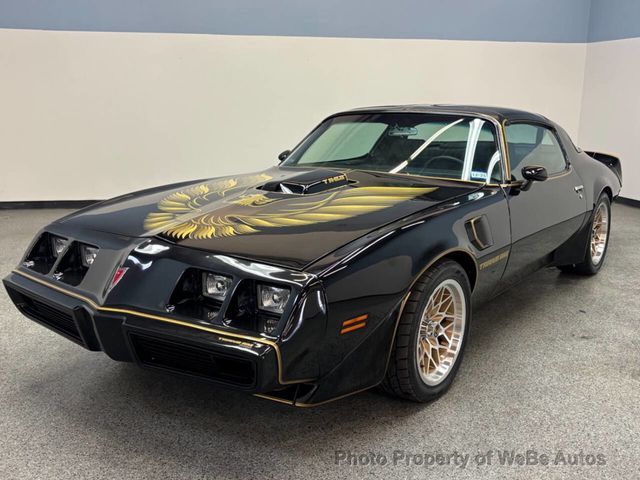
First and second generation Trans Ams built before emissions regulations gutted horsepower numbers command a real premium, and that premium has widened over the past decade rather than shrinking. A documented 1969 or 1970 Trans Am with the Ram Air III or IV engine sits in a completely different price tier than a 1978 or 1979 car, even though the later cars are the ones most people picture when they hear the name, largely thanks to a certain movie with a black and gold paint scheme.
The irony is that the movie-era cars, the 1977 through 1979 models, are more common and were built in far greater numbers, which keeps a well-preserved but unremarkable example from ever reaching the numbers a rare early car will hit at a major auction. Supply matters as much as nostalgia in this hobby, maybe more.
What actually moves the number
Documentation is the biggest lever. A Trans Am with a build sheet, original window sticker, or dealer paperwork will sell for meaningfully more than an otherwise identical car with none of that history attached. Buyers are not just purchasing a car, they are purchasing certainty that the drivetrain in front of them is the one that left the factory.
Options matter almost as much. A four speed manual, the WS6 handling package on later cars, T-top removable roof panels, and the higher output engine combinations all push a price up independently of each other. Stack three or four of those options on one car and the gap between it and a base example can be substantial.
| Factor | Effect on value |
|---|---|
| Documented build sheet or window sticker | Meaningful premium, often the single biggest factor |
| Numbers-matching drivetrain | Significant premium over a replacement engine |
| Manual transmission | Premium on most model years, especially early cars |
| WS6 or comparable handling package | Premium on later cars sought by driver-focused buyers |
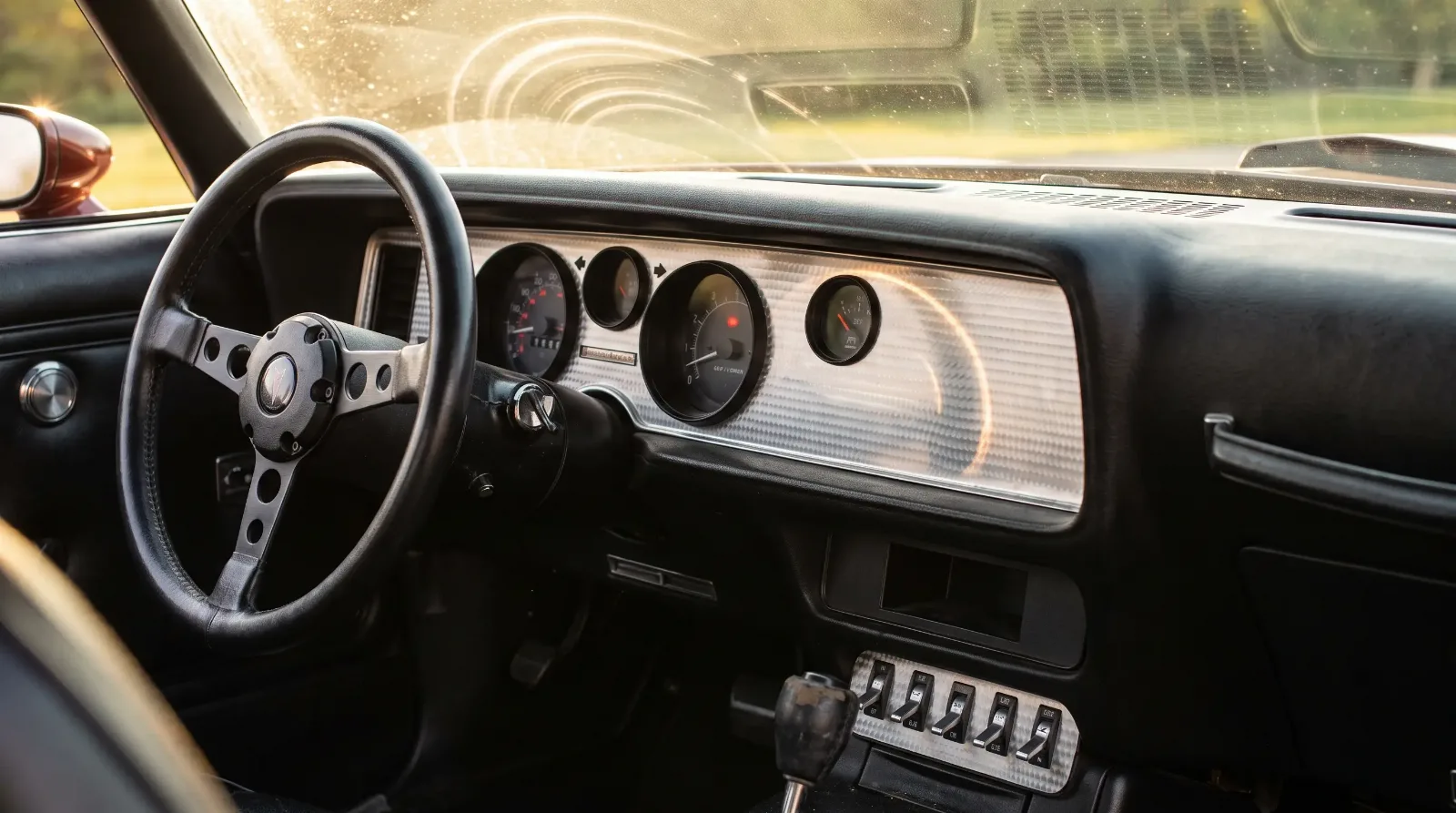
| Condition and originality of interior trim | Underrated factor, especially engine-turned dash pieces |
Condition still counts, obviously, but the market has gotten more forgiving of honest patina than it was a decade ago. A driver-quality car with straight panels and a mechanically sound drivetrain is not automatically penalized the way it might have been when this hobby cared almost exclusively about show-quality restorations. There is real demand now from buyers who want to drive these cars, not trailer them.
What a buyer should actually budget for
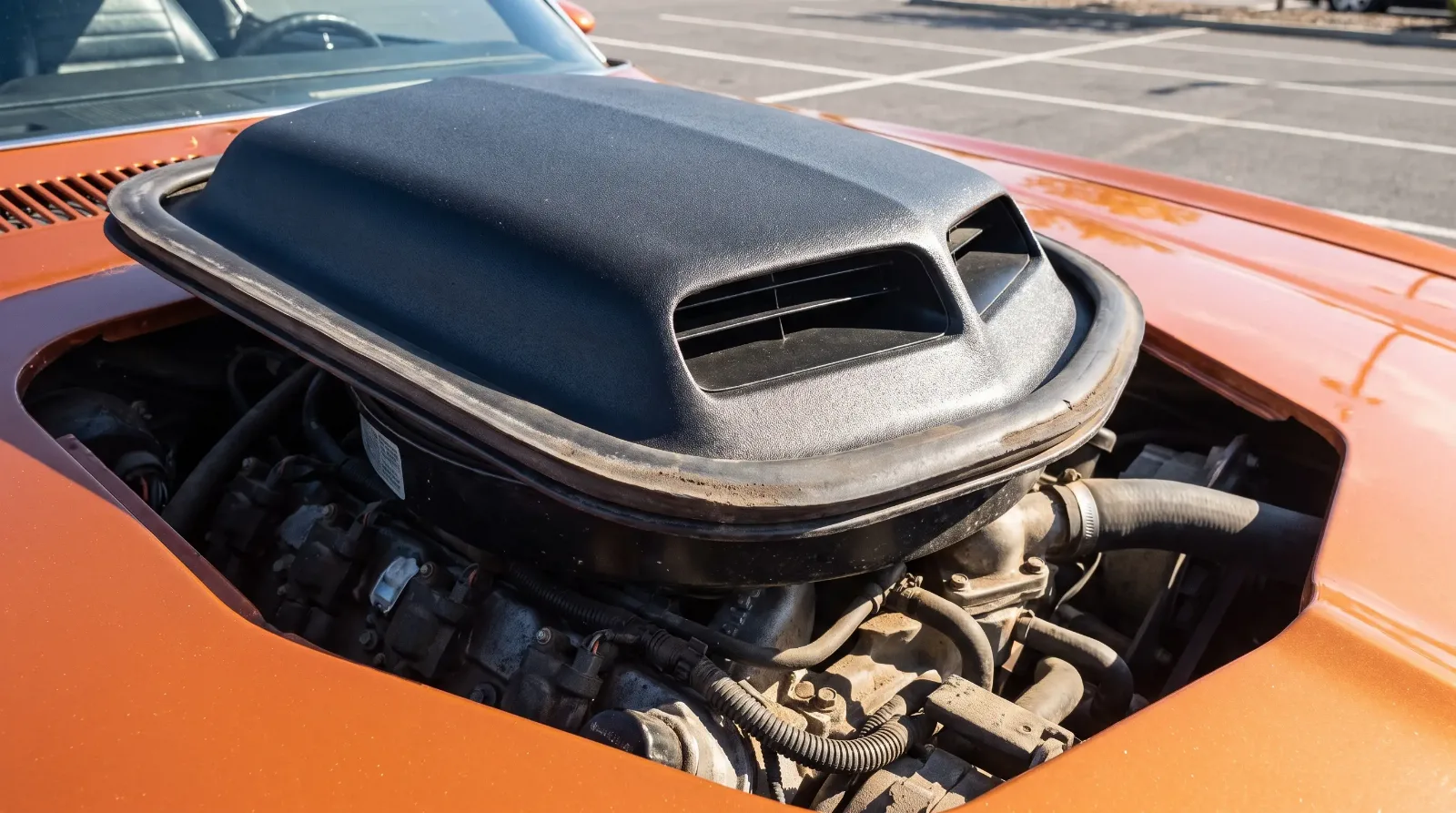
A rough driver from the disco era can still be found for reasonable money relative to other collector muscle cars, but do not mistake cheap purchase price for cheap ownership. Anyone comparing notes on another angle covering the Shaker hood and Ram Air system will notice how much the condition of those specific components affects a car's asking price, because a seized or non-functional Shaker linkage is a common and not-cheap fix.
Buyers who are new to this specific market often underestimate how much interior condition affects final price too. The dash appliques, the console trim, correct seat upholstery, all of it gets scrutinized by serious buyers the same way they would check a numbers-matching block. Skimping on interior research before you buy is a common and expensive mistake.
"People think they're buying a Trans Am because of the engine or the hood decal, and sure, that's part of it. But the real money conversation in this hobby has shifted toward documentation and originality. The car with the paper trail wins every time, even against a car that looks nicer in photos."
Patrick Walsh
Where the market goes from here
None of this happened in a vacuum. To understand why these cars command what they do, it helps to go back to how the Firebird legend began in the first place, because the values conversation today is really a continuation of a reputation Pontiac built decade over decade. The Trans Am was never the cheapest muscle car on the lot, and it has never been the cheapest one at auction either.
For buyers who are ready to move past research and start looking at classic Trans Ams for sale, the current advice from most serious collectors is consistent: buy the documentation and the drivetrain first, worry about cosmetics second. A rough-looking numbers-matching car with paperwork will always be a better long-term hold than a beautiful car with a mystery engine and no history attached to it.
There is also a generational shift working underneath all of this that is worth naming plainly. The buyers driving prices up on early Ram Air cars right now are, in many cases, the same people who wanted one as teenagers and could not afford it then. That group has real purchasing power today, and it tends to prioritize authenticity over flash, which is part of why an honest driver with a complete history file keeps closing the gap on a flashier repaint with no paperwork. Dealers who have watched this market for decades will tell you the same thing in almost the same words: the story behind the car has become as valuable as the car itself.
Younger buyers entering the hobby are a smaller slice of this market so far, but they are not absent, and they tend to gravitate toward the driver-focused later cars with WS6 handling packages rather than the earliest and most expensive Ram Air examples. That creates a second, quieter demand curve underneath the headline auction numbers, one that rewards well-sorted mechanical condition over concours-level cosmetics. Watching which segment of buyer shows up at a given auction tells you almost as much about where this market is heading as the hammer prices themselves.
Sources and notes
Related Reading
Have a
Pontiac Firebird
for Sale?
Reach thousands of serious classic car collectors across the US.
Sell It Here →
Are You a Classic Car Dealer?
List your full inventory and connect with targeted classic car buyers.
Join as a Dealer →
#trans-am
#pontiac firebird
#collector car market
#pontiac history
#Trans Am values
#muscle car investing

About the author
Patrick Walsh
Automotive journalist covering classic car shows, events, and the enthusiast community across North America.
Related Listings - Pontiac Firebird
Comments
Be the first to comment on this article.