
Every appraisal I do on a Yenko Nova starts with the same question, and it is not about the engine. It is about the number. How many of these cars actually left a dealership with genuine Yenko paperwork, and how does the car in front of me fit into that count. The honest answer is that nobody has a clean factory ledger to point to, and that gap between what collectors want to believe and what the record can actually support is where a lot of value gets made or lost.
Car Features
6 min read
How Many Yenko Novas Were Built
Why the exact Yenko Nova production count is still contested, and how an appraiser reads documentation gaps against condition tiers and market liquidity.
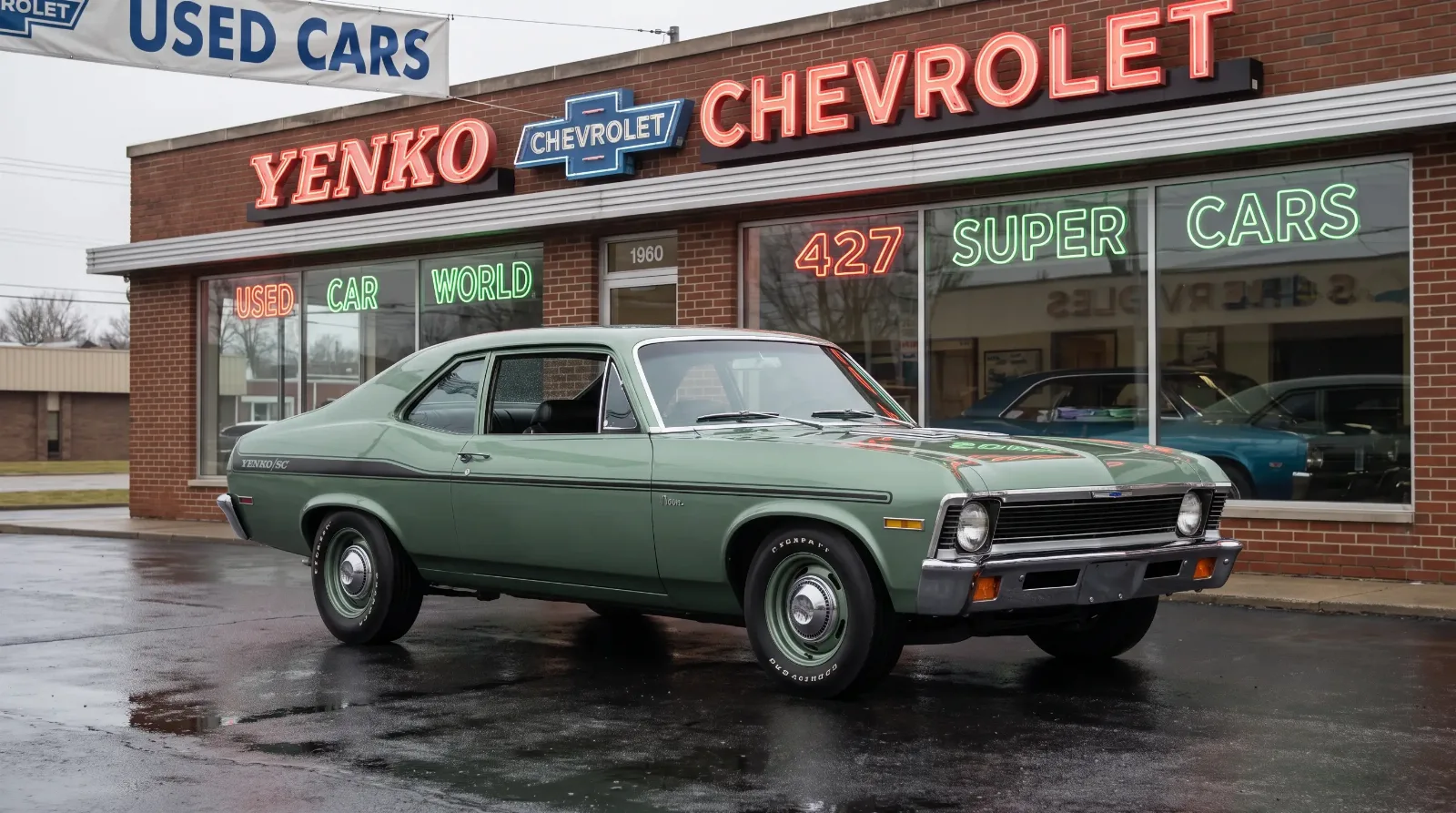
Why the production count is contested at all
Chevrolet's COPO system was never designed to be audited by future collectors. It was an internal mechanism for building fleet and special-order vehicles outside the regular production option sheet, and the paperwork it generated stayed with individual dealers rather than being centralized the way regular model-year production figures were. Chevrolet did let that system put a factory-installed 427 into the Camaro and Chevelle for 1969, under COPO 9561 for the Camaro and COPO 9562 for the Chevelle, but the Nova never got that same factory treatment. GM's policy on big-block weight in the light, short-wheelbase Nova held even for Don Yenko, so when he wanted a 427 Nova for 1969, he had to build it himself: ordering standard 396-powered Novas through his Canonsburg, Pennsylvania dealership, then swapping in the L72 427 on his own shop floor rather than Chevrolet's assembly line. That distinction, factory COPO build versus dealer conversion, is the whole reason the paperwork for these cars is so much thinner than it is for the COPO Camaros and Chevelles built the same year.
What researchers work from instead is a patchwork: dealer invoices that have survived in private collections, period magazine references, registry submissions from owners, and cross-referencing of broadcast sheets against known VIN sequences. Estimates for total 1969 Yenko-converted Nova production commonly land at 37 to 38 cars, with fewer than ten believed to survive with credible documentation today, though the number shifts slightly depending on which source and which definition of "Yenko Nova" is being used. A different reading of the same badge, discussed in more detail in the 427 super Novas coverage, complicates any simple headline number further.
Owner registries have tried to close this gap over the decades, and they have made real progress, but a registry is only as complete as the owners who choose to submit their cars, and plenty of genuine examples have changed hands quietly without ever being logged. That means any published figure should be read as a floor, the minimum number of cars known to survive with reasonable documentation, rather than a ceiling on how many were actually built. I treat every "official" total I am handed with the same skepticism I would apply to a seller's own claims about a car, because both are ultimately built on incomplete records from a company that never intended this paperwork to answer collector questions decades later.
What condition-tier appraisal actually looks like
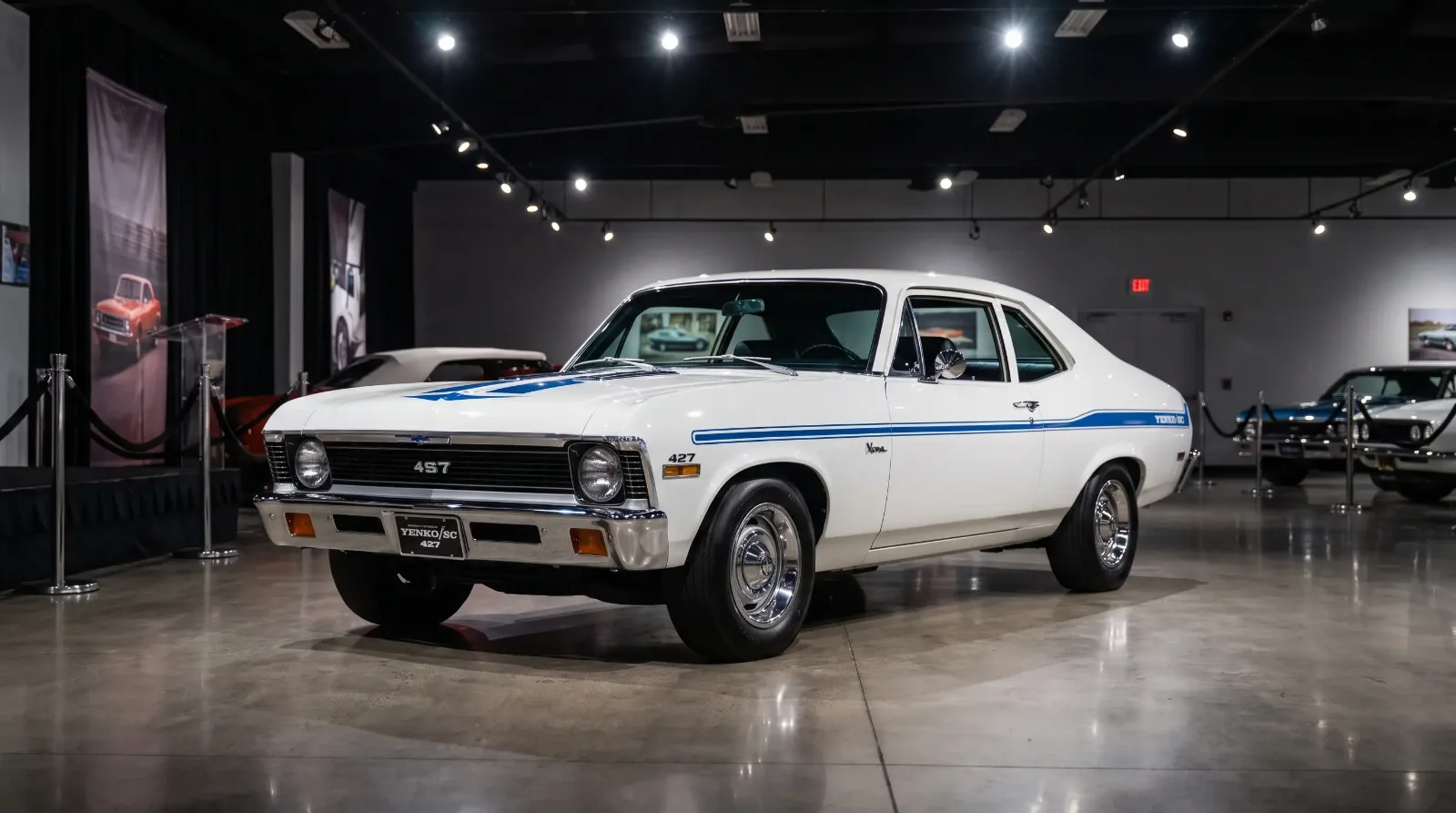
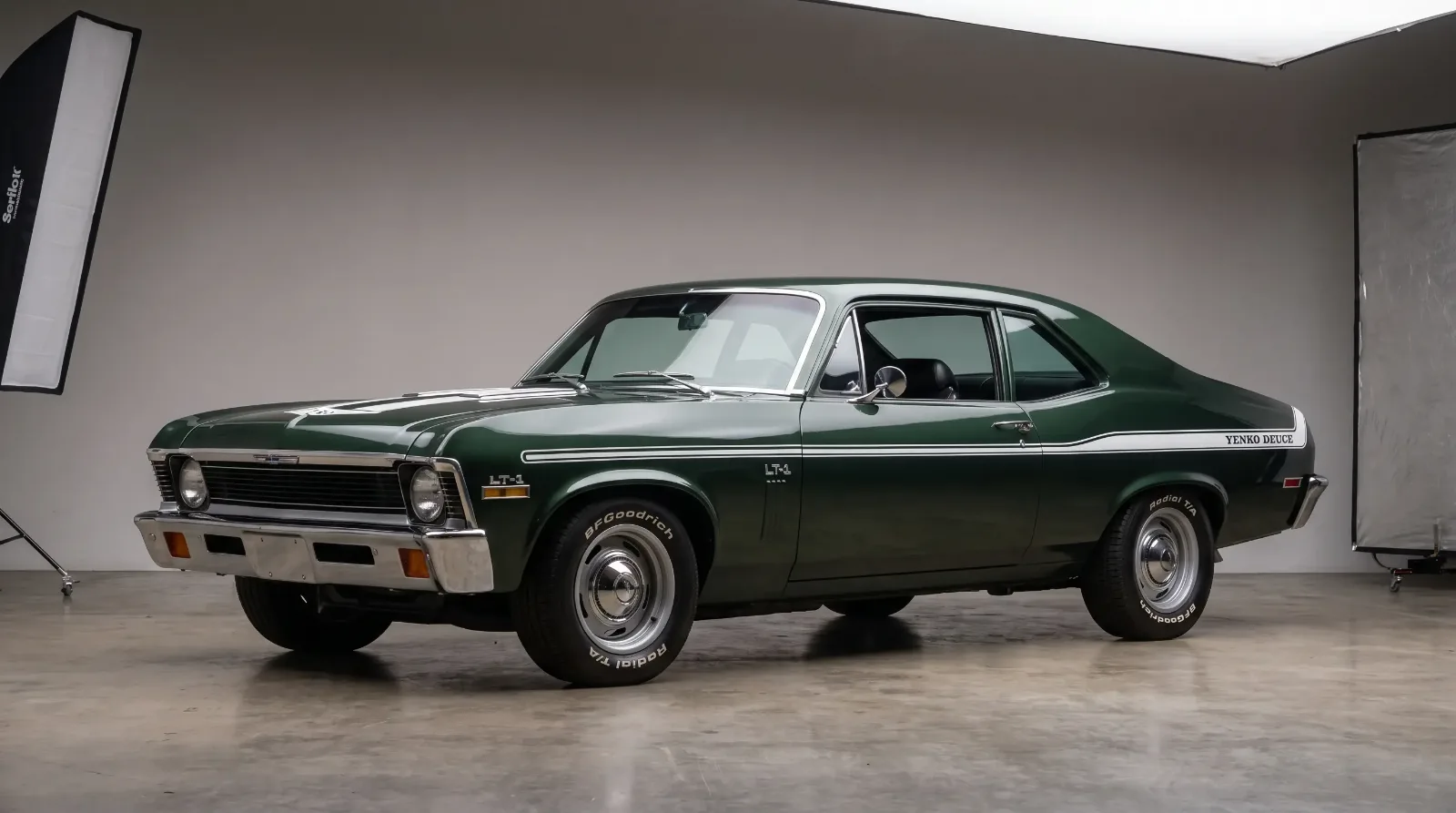
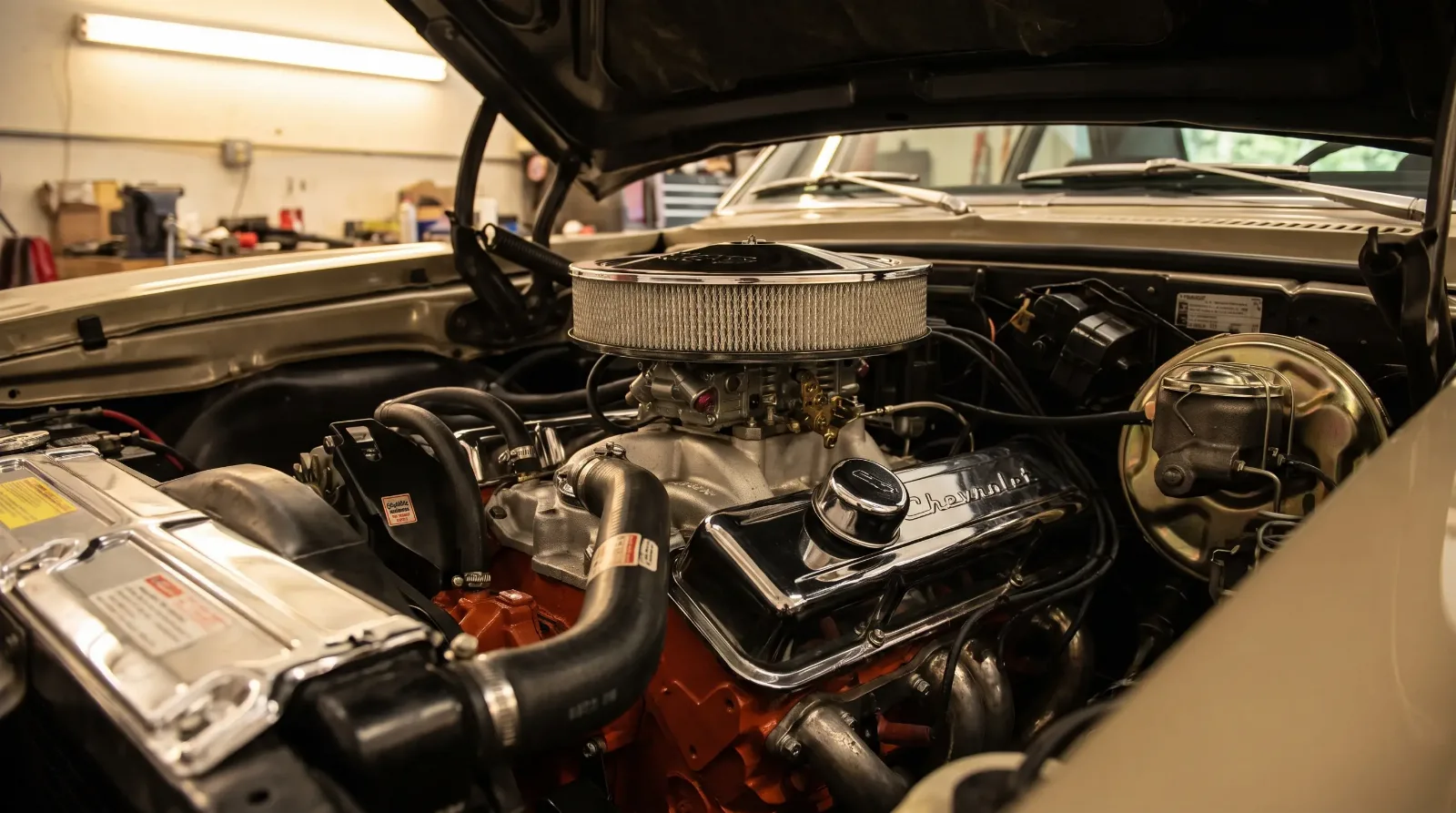
When I grade one of these cars, the mechanical specification is the easy part. What separates a documented #1 or #2 condition car from something softer is the paper trail: a Fisher body tag consistent with the claimed build, a dealer invoice naming Yenko Sportscar Inc. specifically rather than a generic Chevrolet dealer, and casting numbers on the block that align with the car's stated build date within a reasonable window. A car missing any one of those pieces is not automatically a fraud. It might simply be a genuine period 427 Nova converted by another performance dealer rather than Yenko's shop, which is a real and legitimate category, just a different one with a different value ceiling.
The mistake I see most often is a seller, sometimes unknowingly, applying Yenko-tier pricing to a car that is a perfectly genuine period 427 Nova without the dealer-specific documentation that actually justifies that number.
I also weigh how a claimed production figure interacts with the specific car in front of me. If a seller cites a total of, say, forty known survivors and cannot place their own car within that count through a registry number or a comparable cross-reference, that gap is worth asking about directly rather than accepting the headline figure as sufficient proof on its own. A production estimate is background information. It is not, by itself, evidence that any individual car is genuine.
| Condition tier | What it requires |
|---|---|
| #1 (concours) | Full Yenko dealer documentation, matching numbers, verified restoration or original condition |
| #2 (excellent) | Strong documentation with minor gaps, high quality restoration, matching drivetrain |
| #3 (good driver) | Partial documentation, some non-original components, solid mechanical condition |
| #4 (project) | Documentation incomplete or unverified, restoration needed |
Why liquidity matters as much as rarity
Rarity alone does not make a car easy to sell for what it is worth. A car this thin in production also means the pool of buyers who can confidently evaluate documentation is small, and that combination can slow a sale even when the underlying car is exactly what it claims to be. A #2 car with a thin paper trail is not really a #2 car when the check clears. It becomes a #3 with a good story, and the appraisal has to reflect that honestly rather than defer to what a seller hopes the car is worth.
This is exactly the terrain covered from a different angle in a companion piece on this site, which walks through how a factory COPO Nova and a Yenko dealer-converted Nova are two genuinely different cars, not two labels on the same build, and how that distinction drives very different price tiers once documentation enters the conversation.
"A #2 car with a thin paper trail isn't a #2 car when the check clears. It's a #3 with a good story, and the appraisal has to say so."
Marcus Feld
Putting the production question in perspective
None of this uncertainty should discourage a serious buyer. It should encourage a careful one. The scarcity of hard production numbers is itself part of what makes these cars significant, since it forces every transaction to be built on individual documentation rather than a generic reference to how many were built. For readers who want the fuller arc of how the Nova went from economy compact to the platform for cars like this, our Nova retrospective covers the full model history and gives useful context for where this small, contested production run fits into six decades of the nameplate.
Sources and notes
- Hot Cars: The Rarest Chevy Nova Ever Produced
- Skillset Magazine: 1969 Yenko Nova, The Incredibly Rare 427-Powered Nova
- Team Chevelle: '69 COPO 427 Production Totals
- Barn Finds: No COPO? Rare, Unconverted 1969 Yenko Nova
- Bonhams: Documented Double COPO, COPO 9737 Yenko Sports Car Chevelle
- The Supercar Registry: 1969 Yenko 427 Novas
Updated October 6, 2026: Corrected the COPO references: the 1969 427 Camaro and Chevelle were COPO 9561 and 9562, and there was no factory COPO 427 Nova, as the 1969 Yenko cars were dealer conversions.
Related Reading
Have a
Chevrolet Nova
for Sale?
Reach thousands of serious classic car collectors across the US.
Sell It Here →
Are You a Classic Car Dealer?
List your full inventory and connect with targeted classic car buyers.
Join as a Dealer →

About the author
Marcus Feld
Accredited collector-car appraiser who reads the market through hammer prices, condition tiers and risk.
Related Listings - Chevrolet Nova




Comments (2)
H
Hank Weaver
3 months ago
The documentation point can't be overstated. I've seen beautiful cars pass at auction because the seller couldn't back up what they were claiming.
P
Phil Ruggiero
4 days ago
Listen, a set of Yenko stripes and badges runs a couple hundred bucks, and a correct-looking L72 short block is easy enough to find if you've got the money. That's why the number matters so much. If a seller can't place his car in the 37 or 38, I'd price it like a nice 396 Nova and nothing more.
J
jdm_jess
3 days ago
Same deal with Supras now. Half the Turbos for sale have no import papers or history, and the clean ones bring way more.