
A journalist standing on a GM proving ground in the late summer of 1963 didn't know yet that the car in front of him would still be discussed sixty years later. He just knew it was new, it was smaller than the Impala parked next to it, and somebody from Chevrolet was clearly nervous about how the write-up would land. That tension, the quiet hope riding on a room full of automotive writers, is the real texture of a product launch, and it's the part that gets lost once a car becomes a legend.
History & Heritage
6 min read
The 1964 Press Launch Story
Before it became a legend, the Chevelle had to win over press, dealers, and buyers. Here's how Chevrolet introduced its new intermediate in 1963.
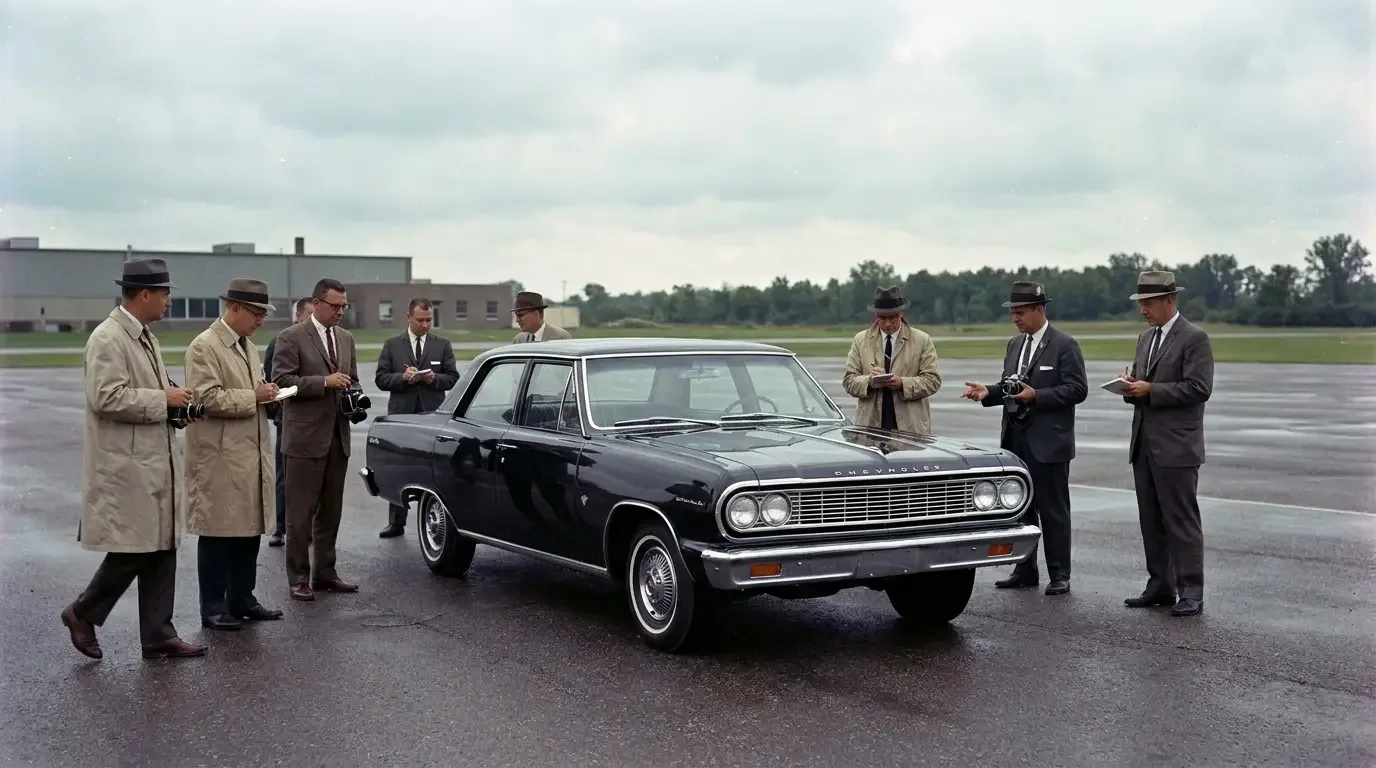
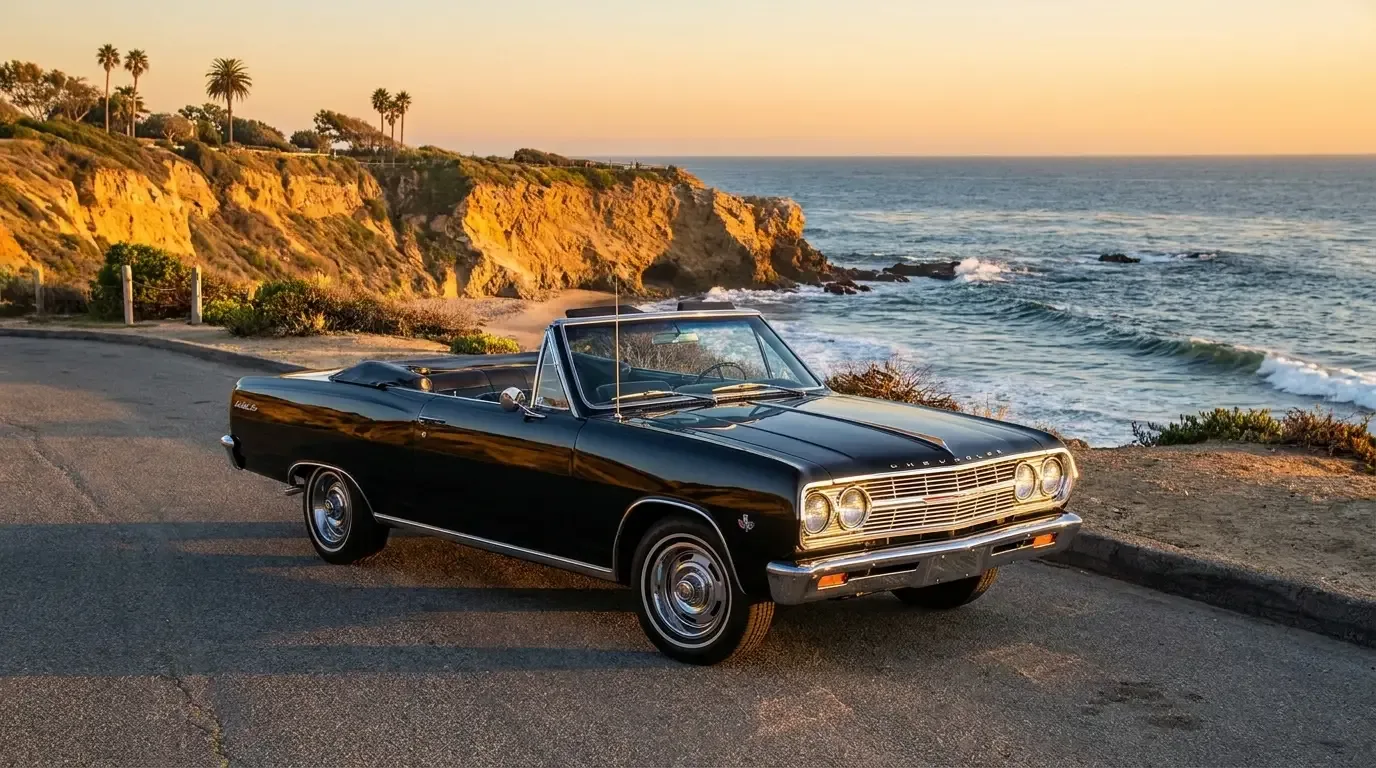
The Chevelle's public introduction happened in the fall of 1963 for the 1964 model year, and it followed the pattern GM had refined for years: press previews, dealer meetings, and a carefully staged unveiling meant to build word of mouth before a single car reached a showroom floor. For the fuller story of the car itself, first-gen Chevelle history covers what came after the introduction. This is about the introduction itself, the rooms and the reactions and the stakes riding on a brand-new nameplate.
What the press actually saw
Automotive journalists invited to preview the Chevelle got a car that occupied a strange middle ground on paper. It wasn't as small as the Chevy II, wasn't as large as the full-size Chevrolet lineup, and it wore styling that split the difference too, cleaner and tighter than the full-size cars without reading as compact or cheap. Writers at the time were working out how to describe a car that didn't map neatly onto the categories they already had, and that uncertainty shows up in a lot of the period coverage.
Chevrolet's messaging leaned hard into the idea of right-sizing, a car built for a buyer who'd outgrown a compact but didn't want the bulk or the price of a full-size sedan. That pitch mattered because Ford had already made a version of the same argument with the Fairlane, and Chevrolet needed the press to understand the Chevelle wasn't a follower, it was Chevrolet's own answer to a real gap in its lineup.
The dealer meetings
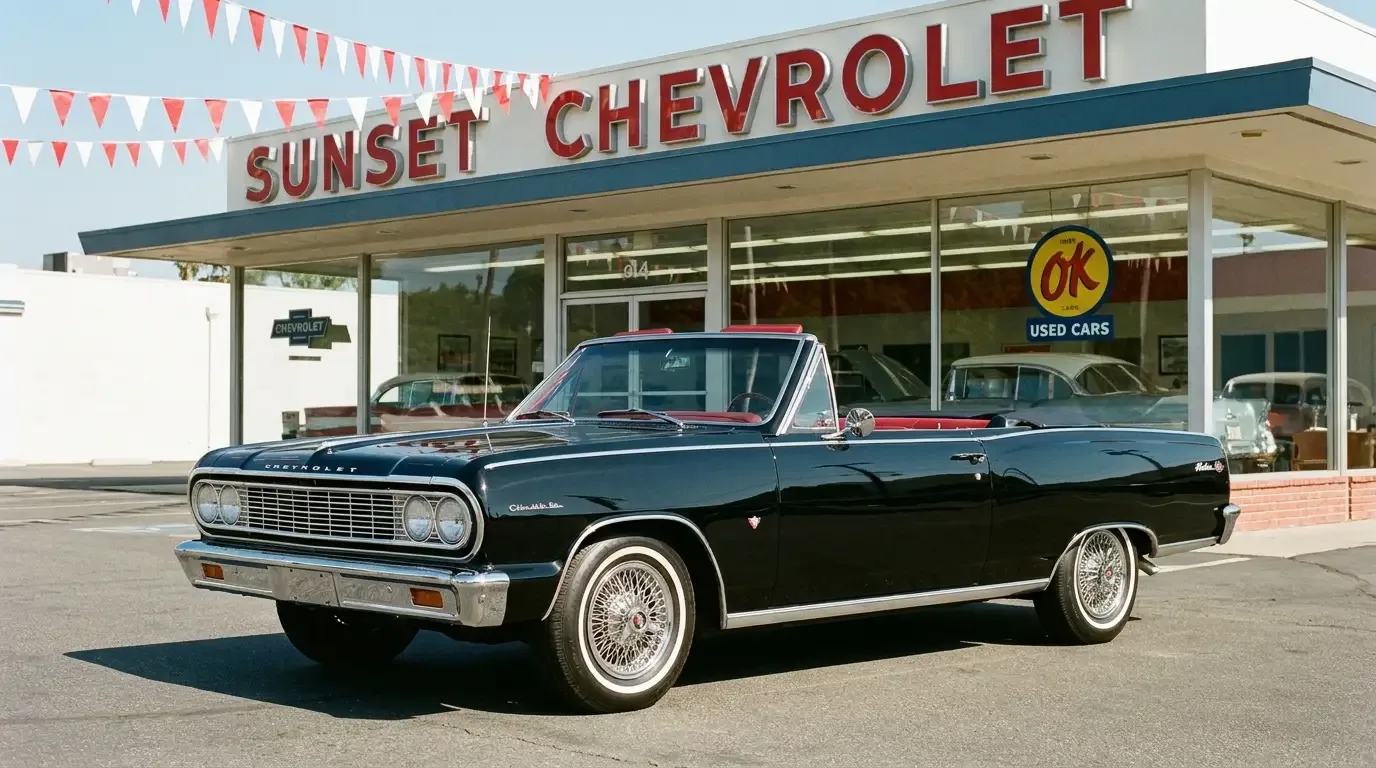
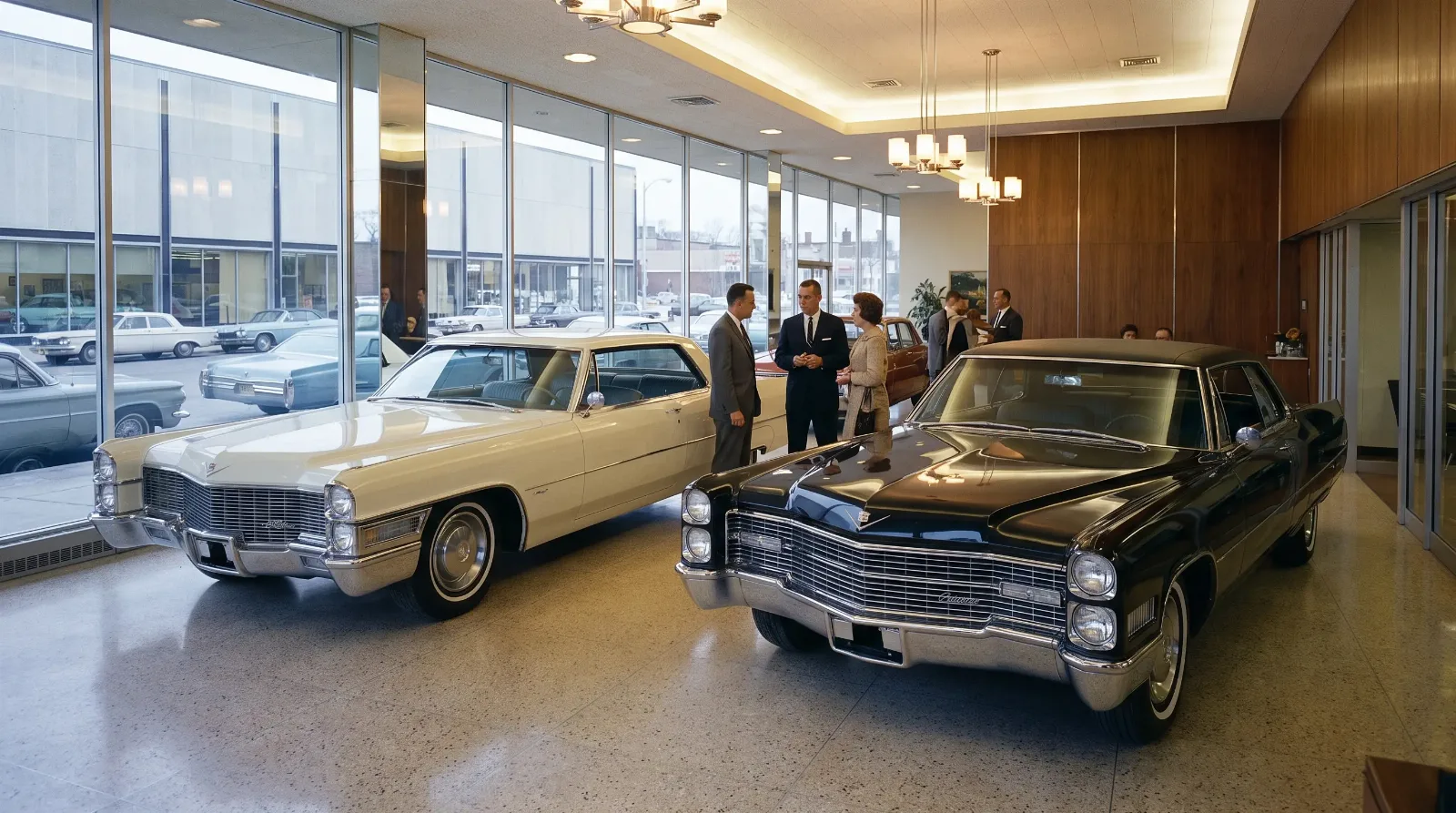
Before the public ever saw a Chevelle, Chevrolet dealers across the country sat through introduction meetings where regional managers walked them through the trim ladder, the color options, and the sales pitch they'd be expected to deliver. Dealers had their own stake in how this launch went. A new nameplate meant new floor plan financing, new parts inventory, new training for service departments who'd never touched this platform before.
Some of those dealers had lived through nameplate launches that fizzled. The Corvair had generated plenty of dealer-floor conversation that didn't always translate to showroom traffic, and a cautious dealer body wanted proof the Chevelle would actually move. Chevrolet's answer was volume of options and a price ladder wide enough to catch nearly any buyer walking through the door, from the base six-cylinder 300 sedan up through a well-equipped Malibu.
How the public responded
Once Chevelles actually reached dealer lots that fall, the response answered the question the press previews couldn't. Buyers who'd been cross-shopping a Fairlane or looking at a used full-size car had a new option that fit a payment they could manage and a size that fit their driveway. First-year sales numbers backed up the bet Chevrolet had made: 338,286 Chevelles left dealer lots in the 1964 model year, making the Chevelle the only genuinely all-new nameplate the entire U.S. auto industry introduced that year.
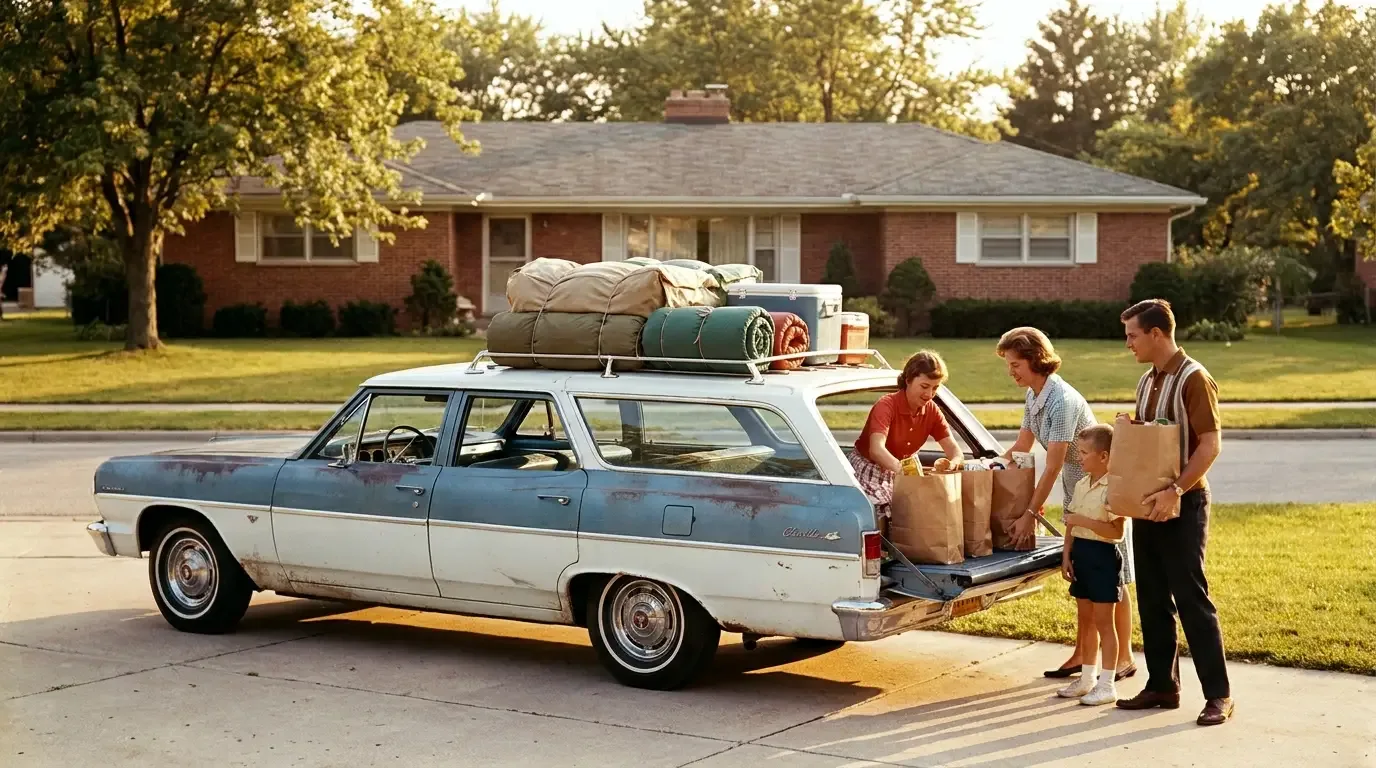
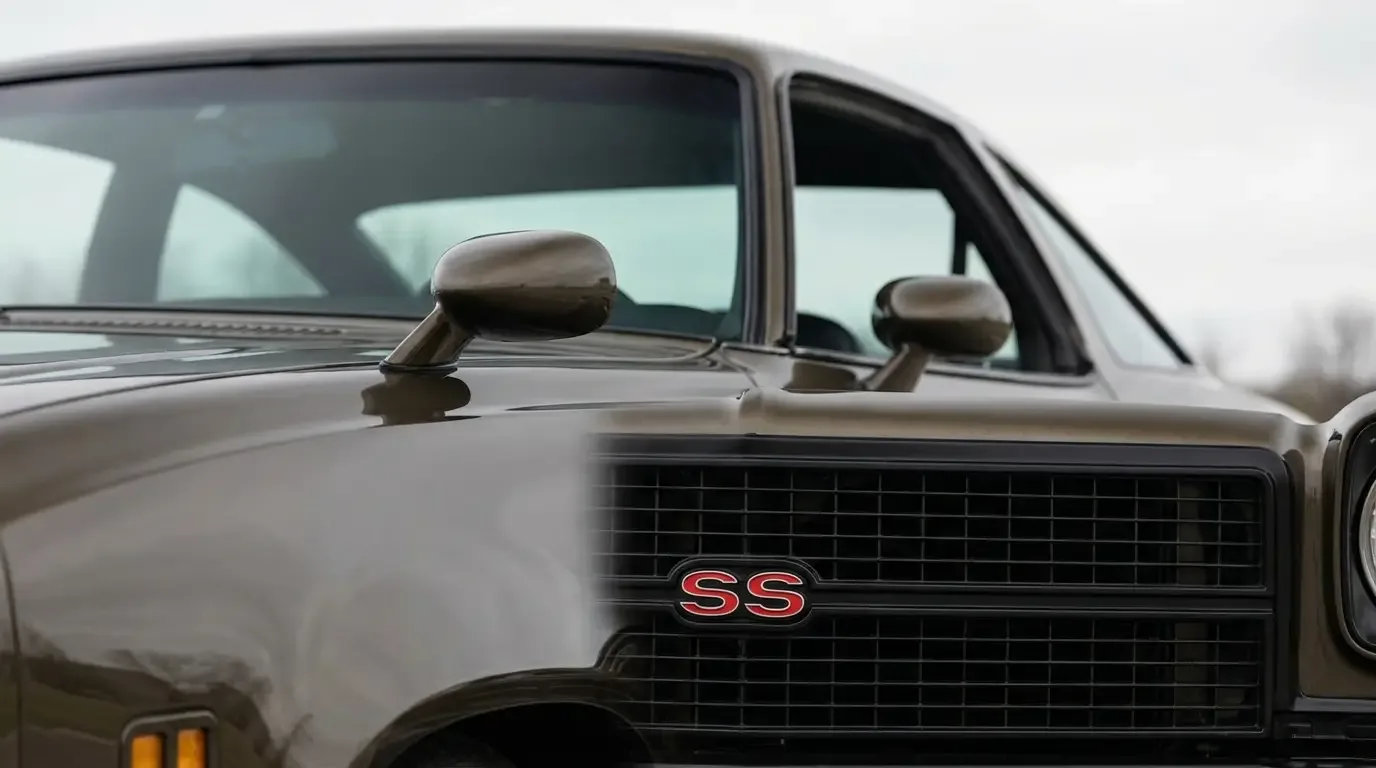
What's easy to miss, looking back, is how much of that early momentum came from ordinary buyers who never cared about performance at all. The SS package existed from the start, but most of that first wave of Chevelles went home as family cars, company cars, and second cars for households trading up from something smaller. The launch worked because it worked for the quiet majority, not just the buyers who'd eventually chase an SS396.
The trade press weighed in too
Beyond the consumer-facing magazines, trade publications aimed at dealers and fleet buyers carried their own coverage of the Chevelle's arrival, and that coverage tended to focus on numbers a car enthusiast might skip past: warranty terms, parts commonality with existing Chevrolet models, and projected service costs over the life of the car. Those articles mattered enormously to the dealers who'd staked money on Chevelle floor plan inventory, because a fleet buyer or a company car manager reading that coverage was the difference between a handful of showroom sales and a standing order for two dozen sedans a year.
Chevrolet's own internal materials for that launch season leaned on the same practical case, emphasizing that a Chevelle shared enough parts commonality with the rest of the Chevrolet lineup that dealer service departments wouldn't need an entirely separate parts catalog to support it. That's not a glamorous selling point, but it's exactly the kind of detail that convinced skeptical dealers this new nameplate wouldn't become a service headache six months after the introduction hype faded.
| Launch element | Detail |
|---|---|
| Model year introduced | 1964 |
| Public introduction | September 25-26, 1963 (first ads and press conference) |
| Initial trims | 300, 300 Deluxe, Malibu |
| Competing launch | Ford Fairlane (already established) |
"There's something quietly moving about a car launch that nobody expected to matter this much. The people in that dealer meeting in 1963 were worried about floor plan and parts inventory, not about whether this car would still be talked about generations later. That's usually how the real ones arrive. Not with fanfare, but with a room full of people just hoping the numbers work out."
Nora Beckett
The Chevelle's launch didn't announce itself as historic. It announced itself as practical, a car built to fill a gap, priced to move, and backed by a dealer network hoping it would sell. It did. And what came after that first showroom season, the trims, the SS packages, the wagons, all traces back to a launch that succeeded on the strength of an ordinary sales pitch delivered well. For the wagon body style that rounded out that first lineup, next: The First-Generation Chevelle Wagon Story picks up from here.
Sources and notes
- This Day in Automotive History: First Ads Run for the Chevrolet Chevelle, September 25, 1963
- Team Chevelle: Origin of the Name Chevelle (Bunkie Knudsen quote)
- Mac's Motor City Garage: The '55 Chevy Returns: 1964 Chevrolet Chevelle
- Wikipedia: Chevrolet Chevelle
- MotorCities: Remembering the Popular 1964 Chevrolet Chevelle
Related Reading
Have a
Chevrolet Chevelle
for Sale?
Reach thousands of serious classic car collectors across the US.
Sell It Here →
Are You a Classic Car Dealer?
List your full inventory and connect with targeted classic car buyers.
Join as a Dealer →

About the author
Nora Beckett
Automotive features writer and photographer who tells the human stories behind the cars, from show fields to cross-country road trips.
Related Listings - Chevrolet Chevelle
More in History & Heritage
Comments
Be the first to comment on this article.