
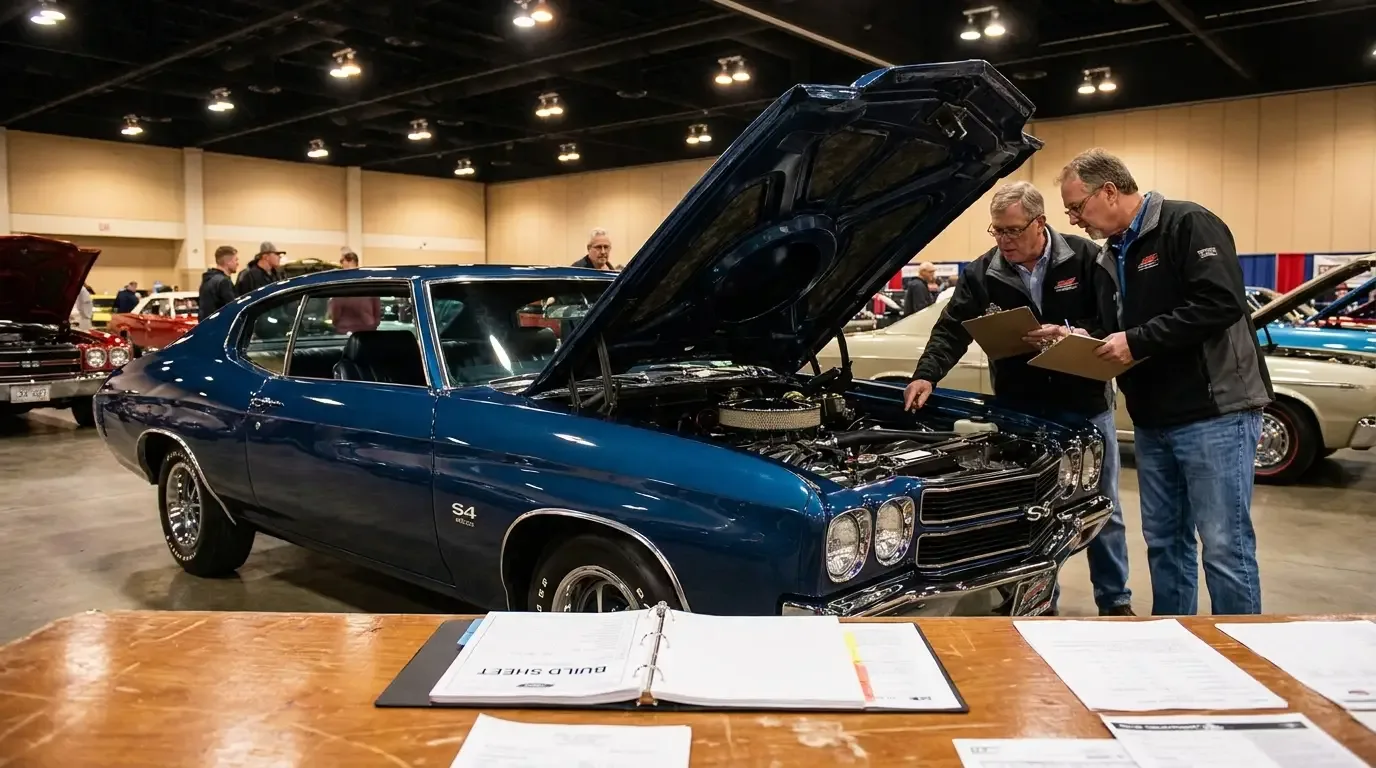
There's a guy at every big car show who's got the same story. He bought his Chevelle in high school, drove it through college, parked it for a decade when kids and mortgages took over, and pulled it back out once things settled down. Ask him what year it is and he doesn't say "a Chevelle." He says "a '66," specific as a birthday, because for that whole generation of owners the first Chevelles weren't a category of car. They were a moment, and the moment had a year attached to it.
History & Heritage
9 min read
First-Generation Chevelle (1964-1967): The A-Body Is Born
How the 1964 Chevelle launched Chevrolet's A-body, from the rare Z16 396 through the 1966-1967 SS396, and what these early cars are worth today.
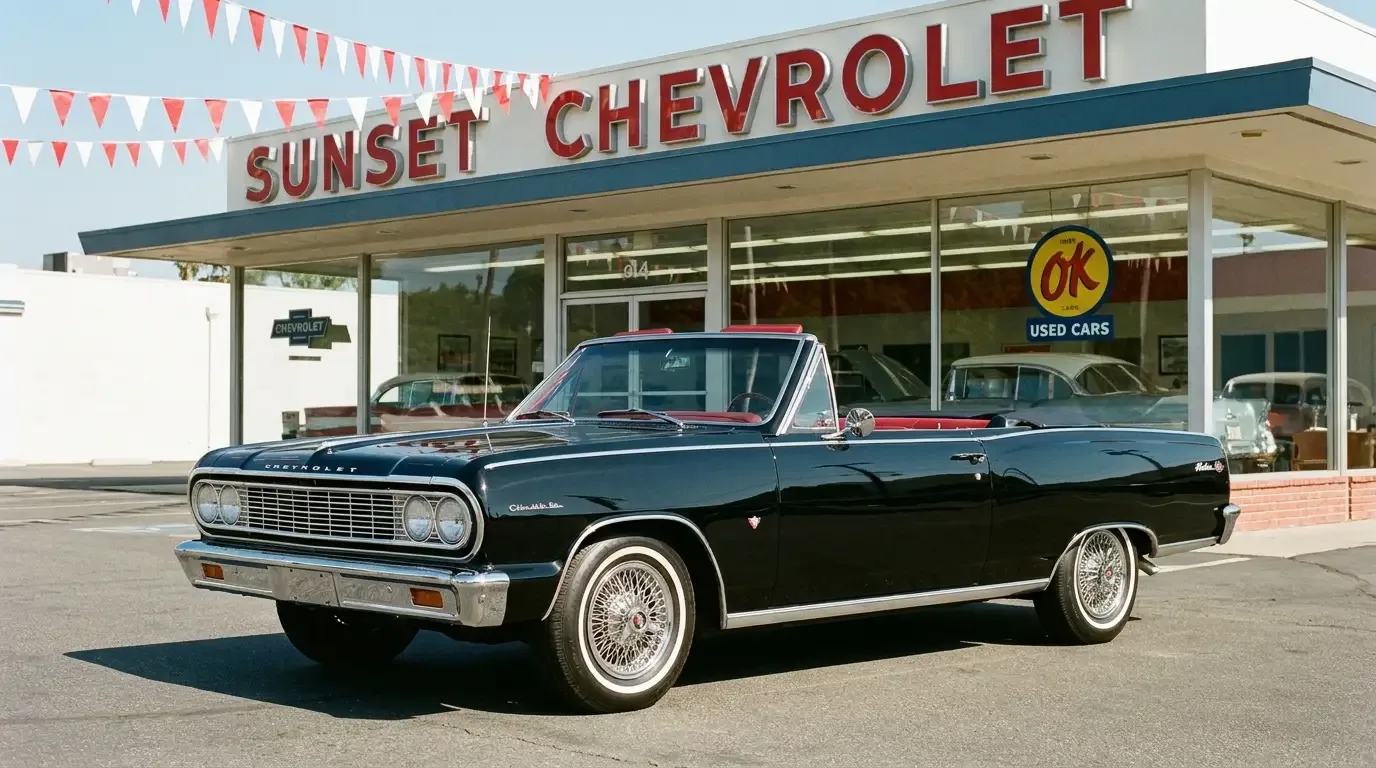
That's the thing about the 1964-1967 Chevelle that gets lost when people jump straight to talking about the big-block years that followed. This first generation is where the whole idea got proven out, on the street and at the dealership both, before Chevrolet knew for certain it had something special on its hands.
A new kind of Chevrolet for a new kind of buyer
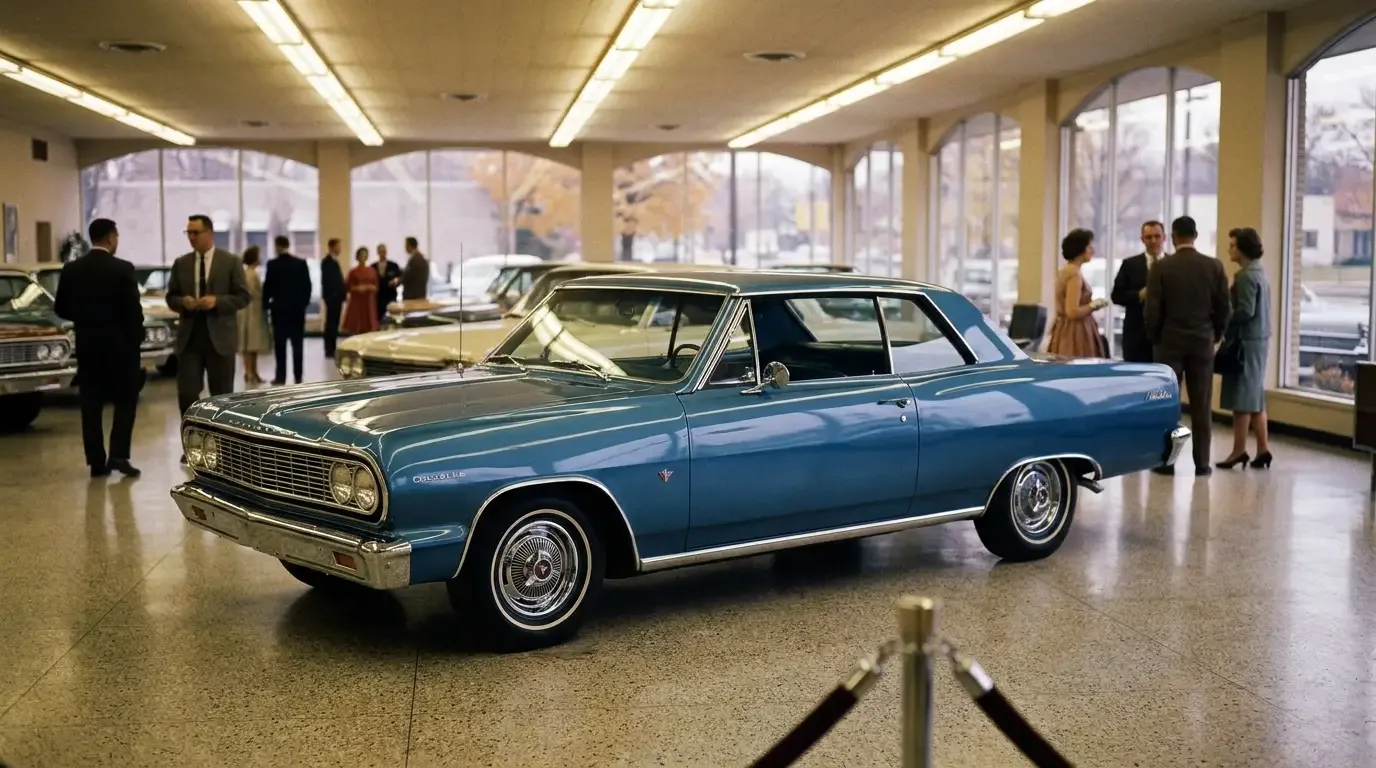
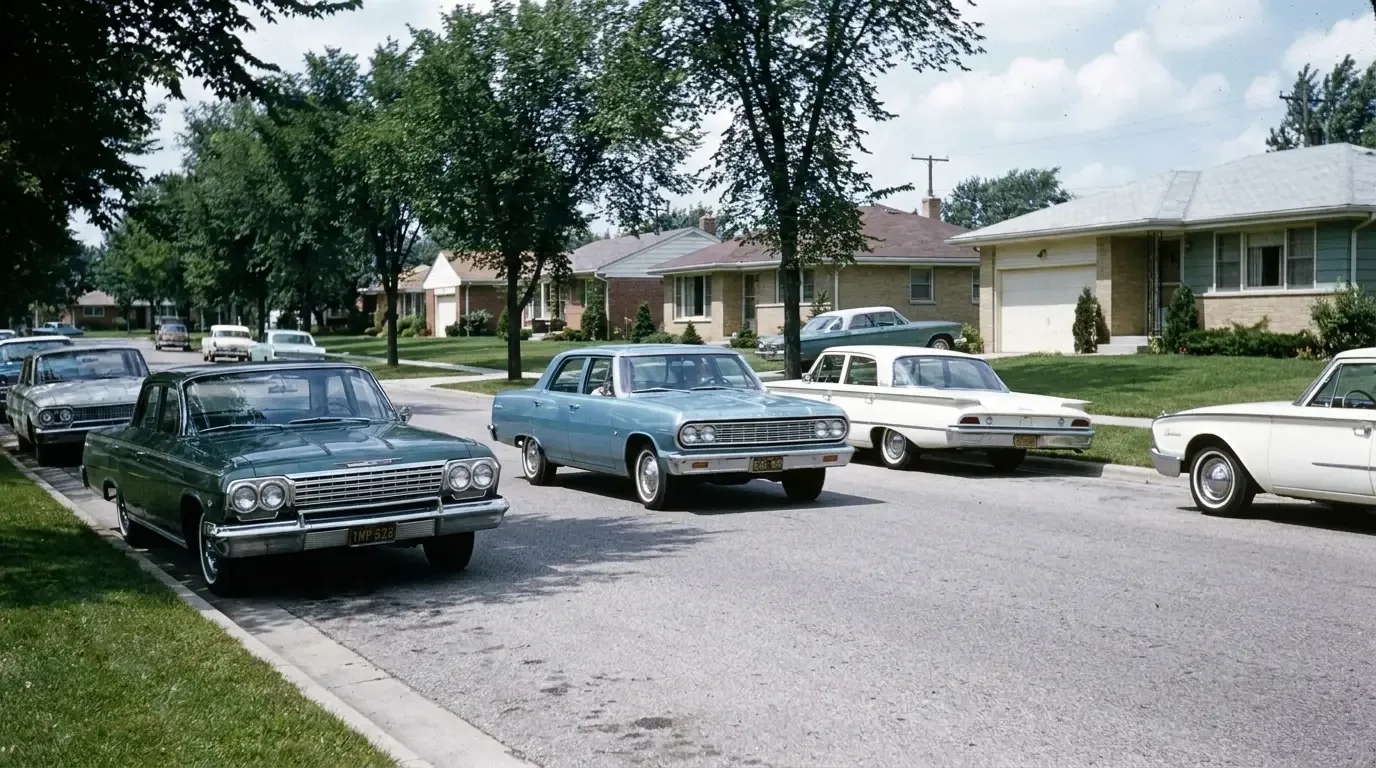
When the Chevelle launched for 1964, it landed in a genuinely different spot than anything Chevrolet had built before. Not as big as the full-size Impala, not as small and stripped-down as the Chevy II, it split the difference for a buyer who wanted something with real road presence but didn't want to pay full-size prices or drive something that felt like an economy car. That positioning mattered enormously in a market where the American family was starting to think about a second car, and where a lot of buyers wanted that second car to have some style to it.
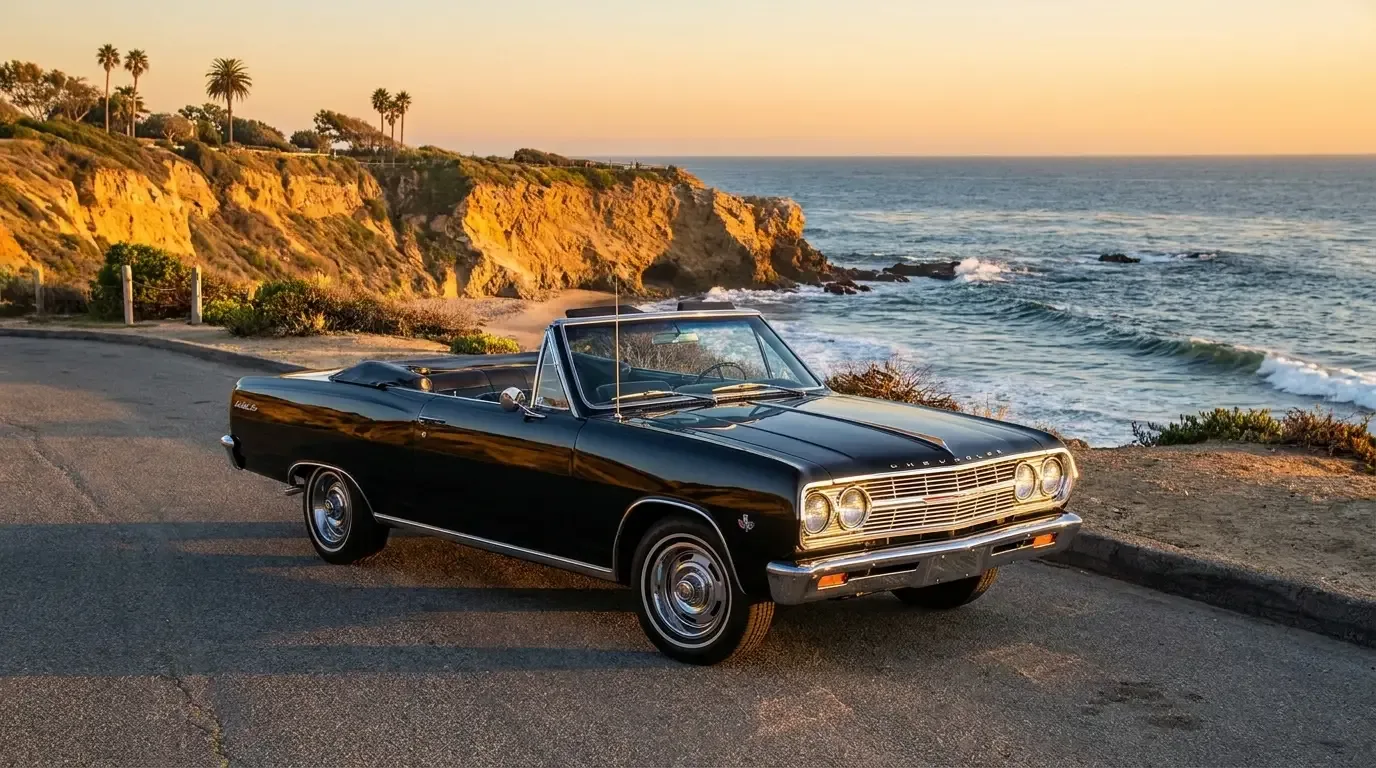
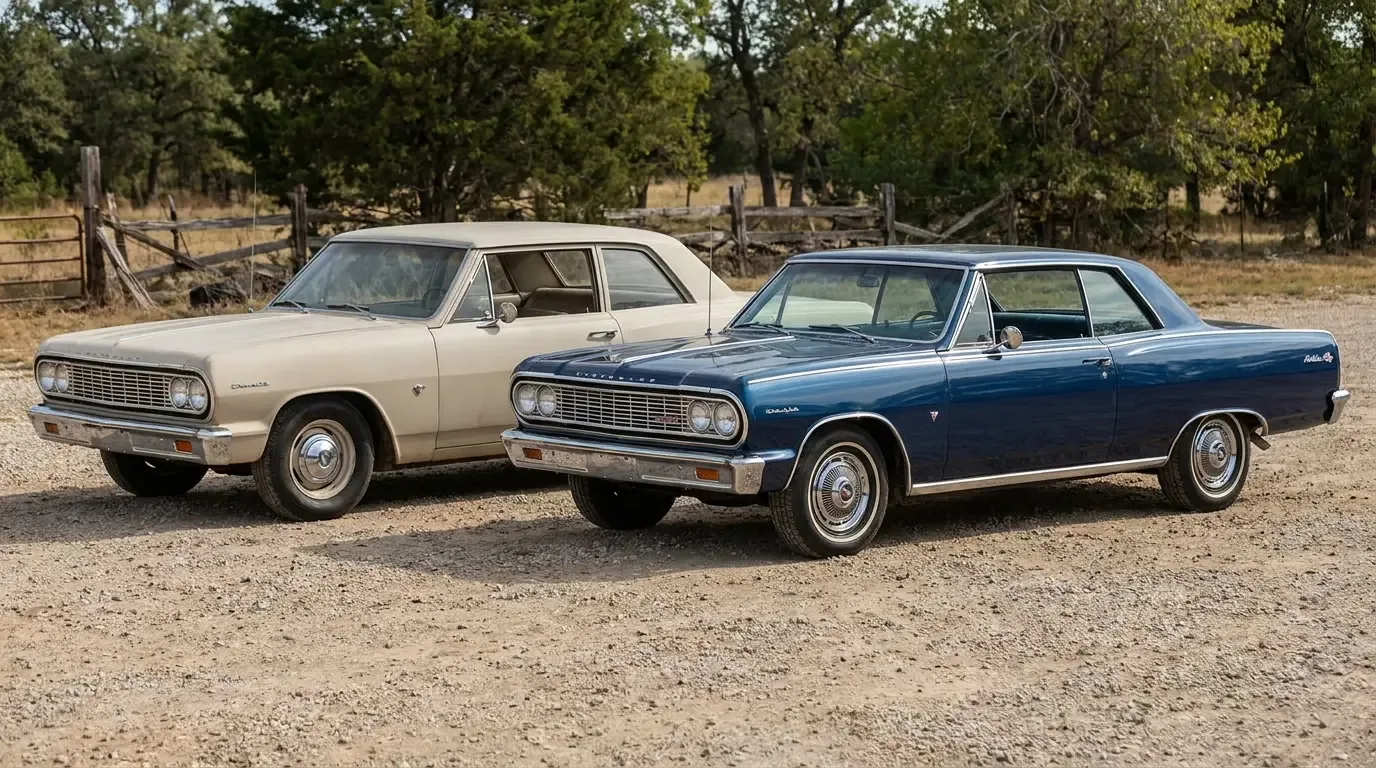
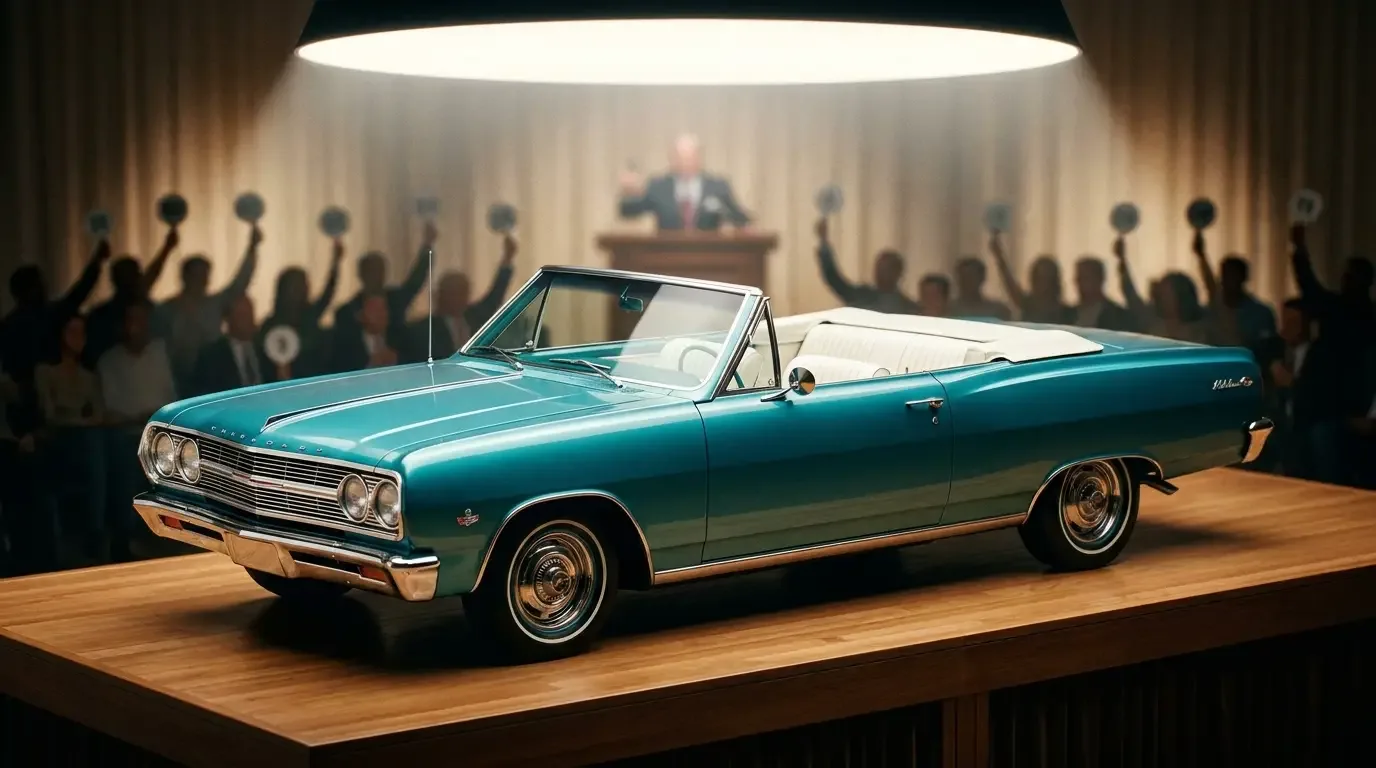
The body styles covered the full range a family might need: two-door hardtops and convertibles for the buyer chasing image, four-door sedans and wagons for the buyer who needed the practicality. That range is part of why these early cars sold in such strong numbers right out of the gate. The Chevelle wasn't a niche product. It was built to be somebody's only car as easily as it was built to be somebody's Saturday night car.
Talk to families who bought one new and you hear the same pattern over and over. Dad wanted something with a little muscle to it. Mom wanted something that could handle groceries and a station wagon's worth of kids on a Saturday. The Chevelle answered both without asking either of them to compromise much, and that's a harder trick to pull off than it sounds. A lot of manufacturers built one car or the other. Chevrolet built a platform flexible enough to be both, depending entirely on which options box got checked at the dealership.
1964: the first year, before the big-block arrived
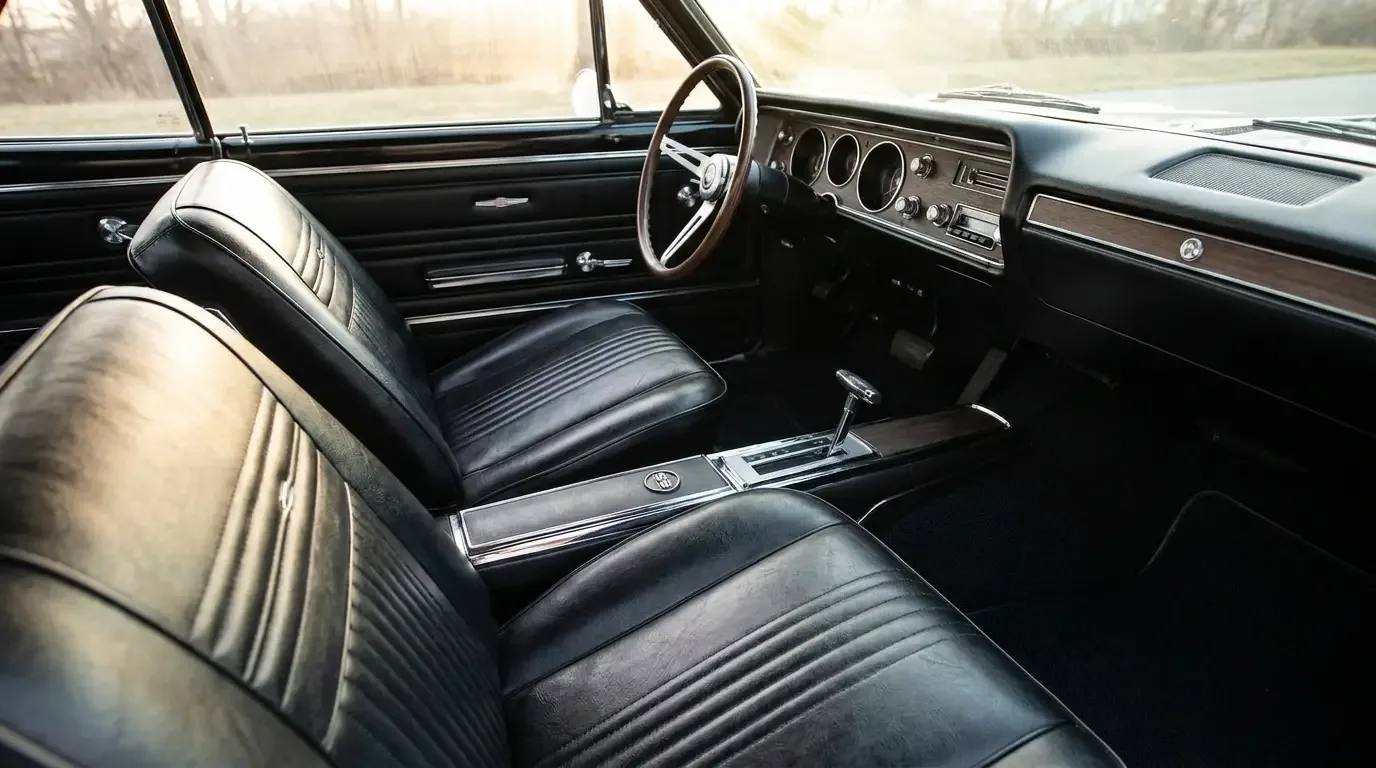
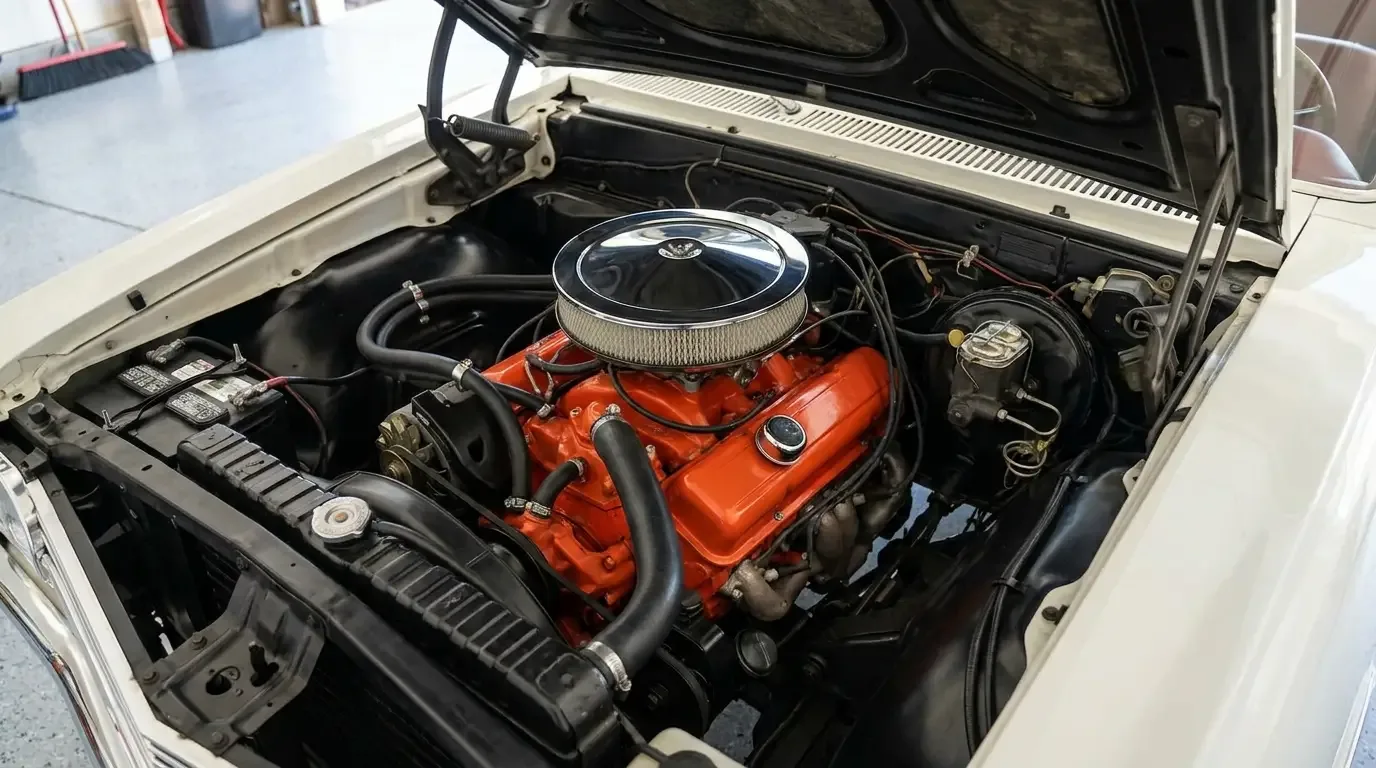
The debut year gets remembered today mostly as the calm before the storm. There was no big-block Chevelle in 1964, the hottest engine buyers could order was the 327 V8 in 300-horsepower tune, paired with the SS trim's bucket seats and console. Most buyers who wanted a sporty Chevelle that year checked that box, not knowing Chevrolet's engineers were already testing whether the platform could handle a lot more engine than it was built around.
That restraint is part of what makes the 1964 model significant in hindsight. Chevrolet needed to prove the mid-size formula worked commercially before it started dropping bigger engines into it, and the '64 did exactly that, selling well enough across every body style (Chevy's second-best-selling nameplate that year, behind only the full-size Impala) to convince the people upstairs the platform could carry a more ambitious performance version without scaring off the family-car buyers who made up the bulk of its sales.
1965: the Z16 proves the platform can handle a big-block
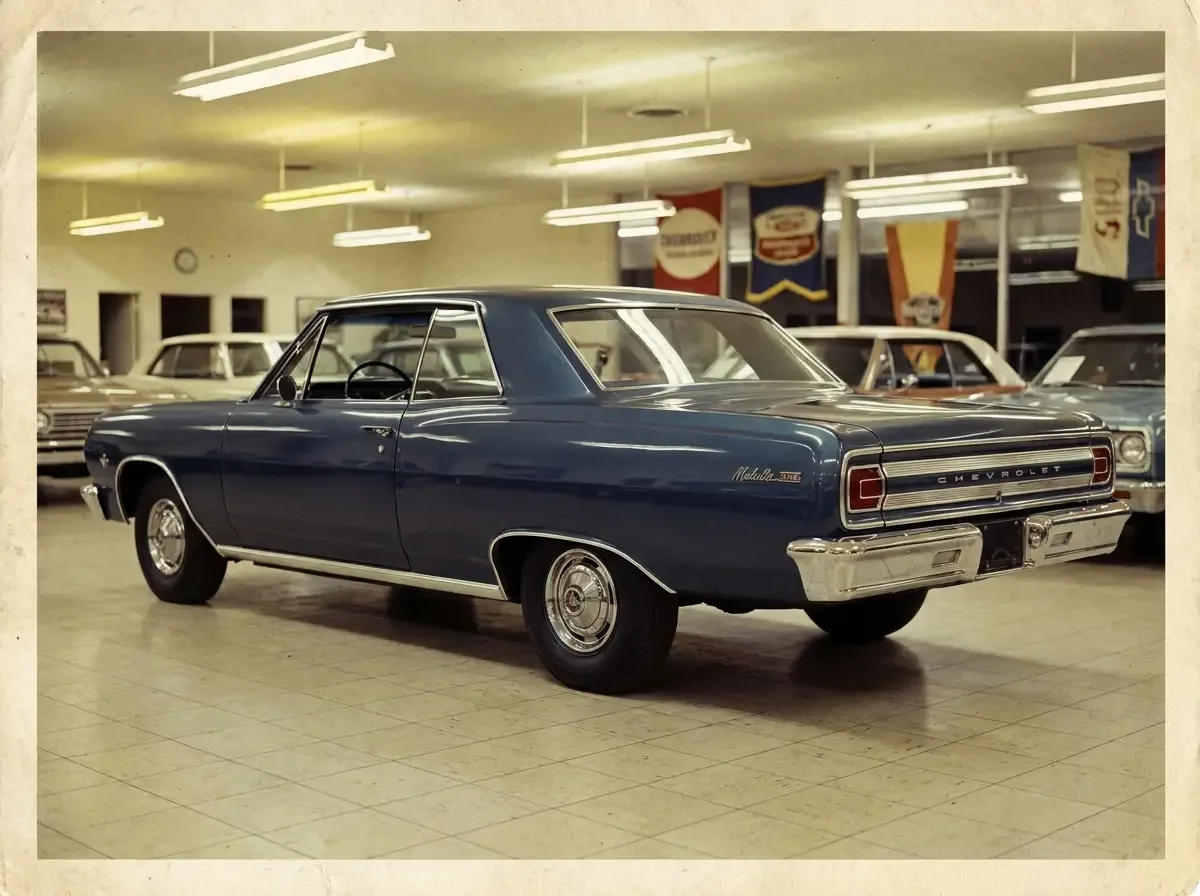
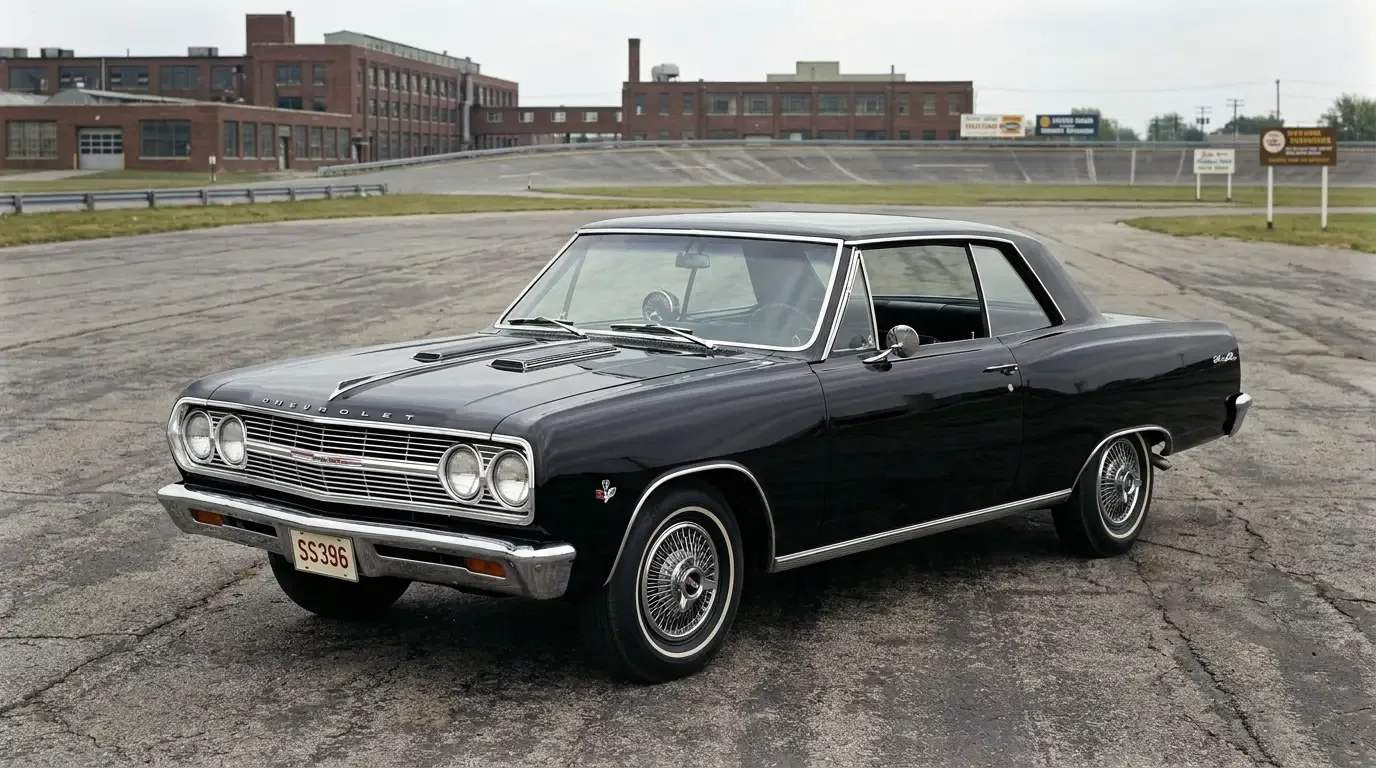
The answer arrived mid-year in 1965 with the Z16 option: a tiny run of 396-powered Chevelles, 201 cars in total including a single convertible built for a GM executive, fitted with a boxed convertible-spec frame, heavy-duty suspension, and a narrowed rear axle and brakes borrowed from the full-size Impala to handle the extra weight and torque up front. It wasn't a mainstream option, and it was never meant to be. Chevrolet built just enough Z16s to test the concept in the real world, and the car answered the question emphatically: this platform could take a real engine, and there was an appetite for it.
I've talked to people at shows who own Z16 cars, and the tone is always the same, a mix of pride and disbelief that the car survived at all given how few were built and how hard people drove them at the time. These aren't garage queens by nature. They were built to be driven hard, and the ones that survived usually did so by accident more than by careful preservation.
One owner told me his Z16 spent fifteen years under a tarp behind a barn before anyone in the family realized what they actually had. Nobody had kept records on purpose. The car just sat, forgotten in the way ordinary cars get forgotten, until somebody who knew what a Z16 badge meant happened to look under the tarp and recognized it for what it was. That's a common thread with these early rare cars. Their survival often has nothing to do with anyone treating them as collectible at the time. They just got parked and left alone long enough for the world to catch up to their value.
Later that same model year, the 396 also became available under its own RPO code in de-content form, without the full Z16 package, putting the big-block within reach of a slightly wider (though still small) group of buyers willing to pay for it. That's the seed of what the Chevelle SS396 would become in 1966.
| Model year | Notable development | Top performance engine |
|---|---|---|
| 1964 | Launch year, clean styling, no big-block yet | 327 (300 hp, top option) |
| 1965 | Z16 396 package debuts mid-year (201 built) | 396 (Z16, limited production) |
| 1966 | Styling refresh, SS396 becomes its own trim | 396 L78 |
| 1967 | Final year of first generation, added safety features | 396 L78 |
1966-1967: the styling matures and the SS396 comes into its own
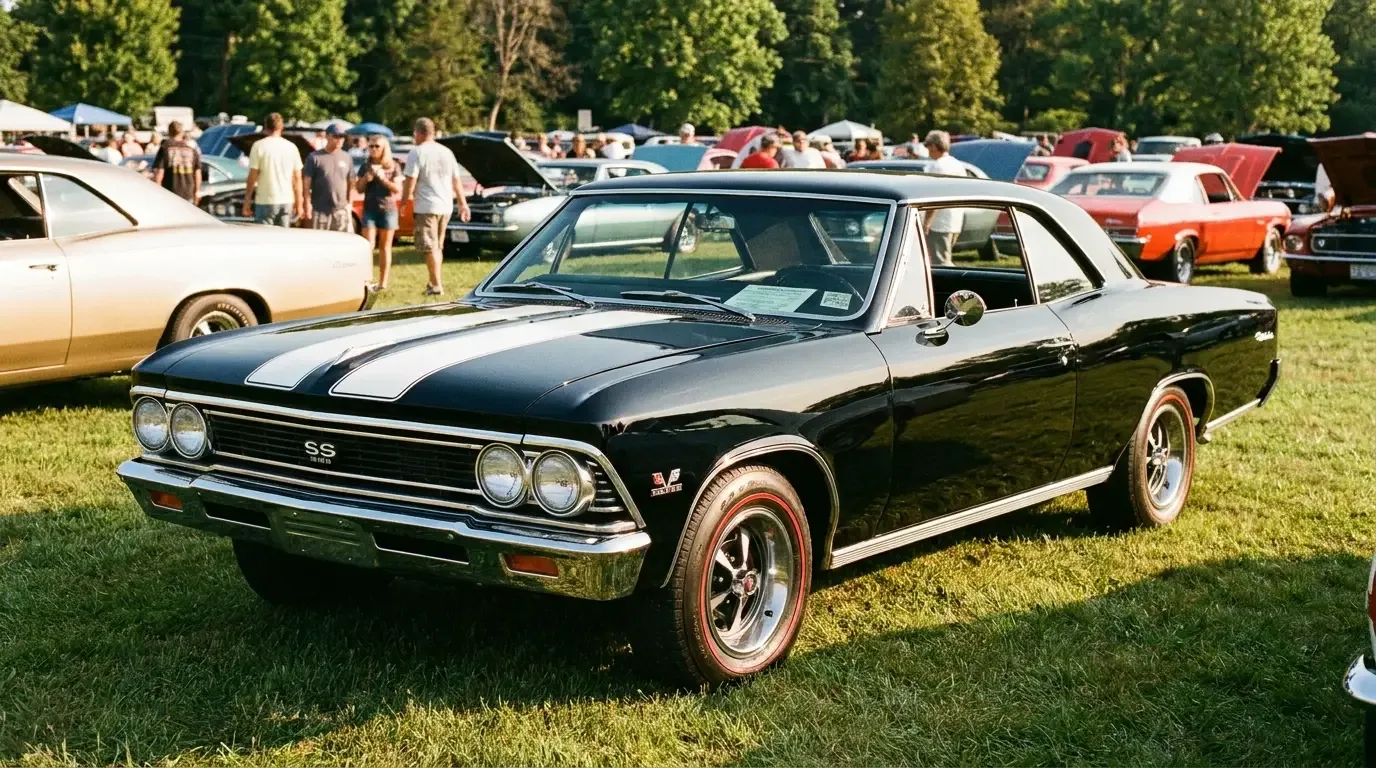
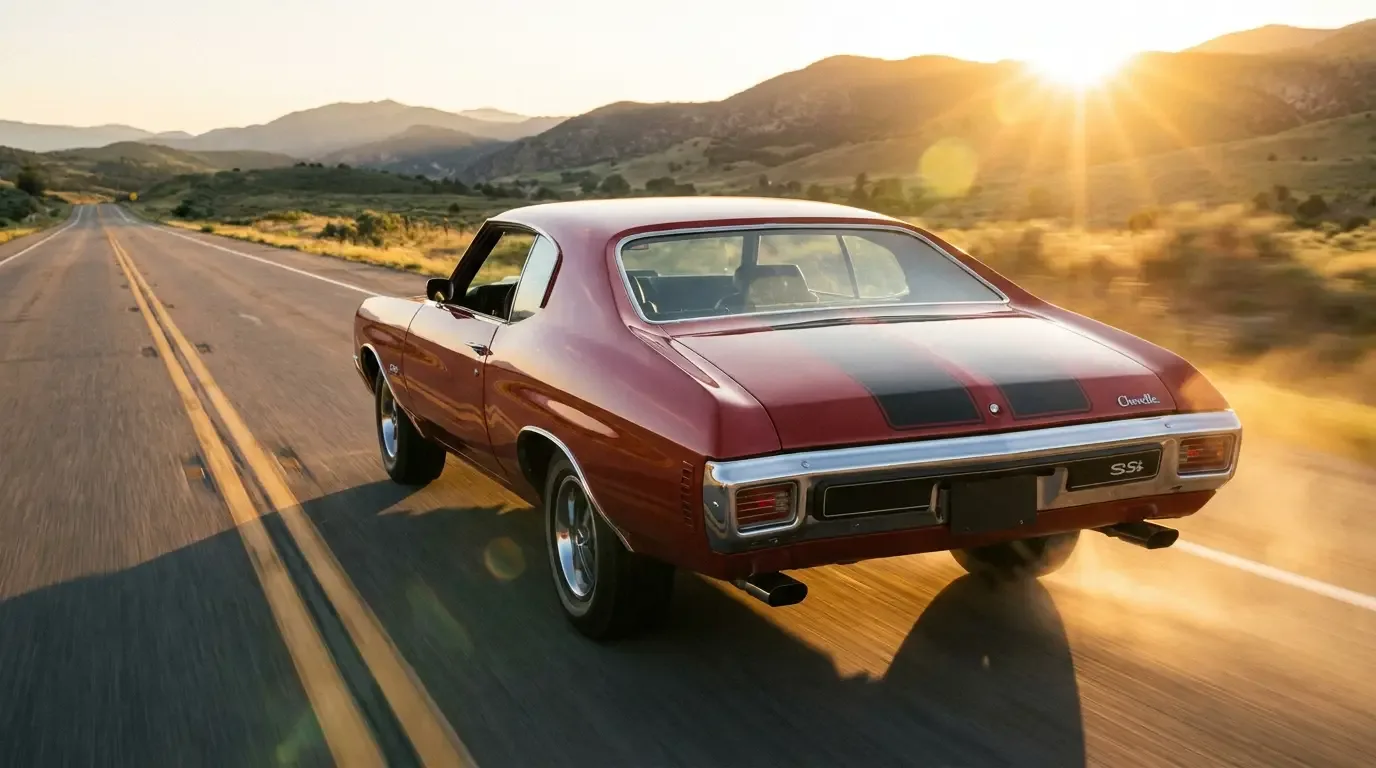
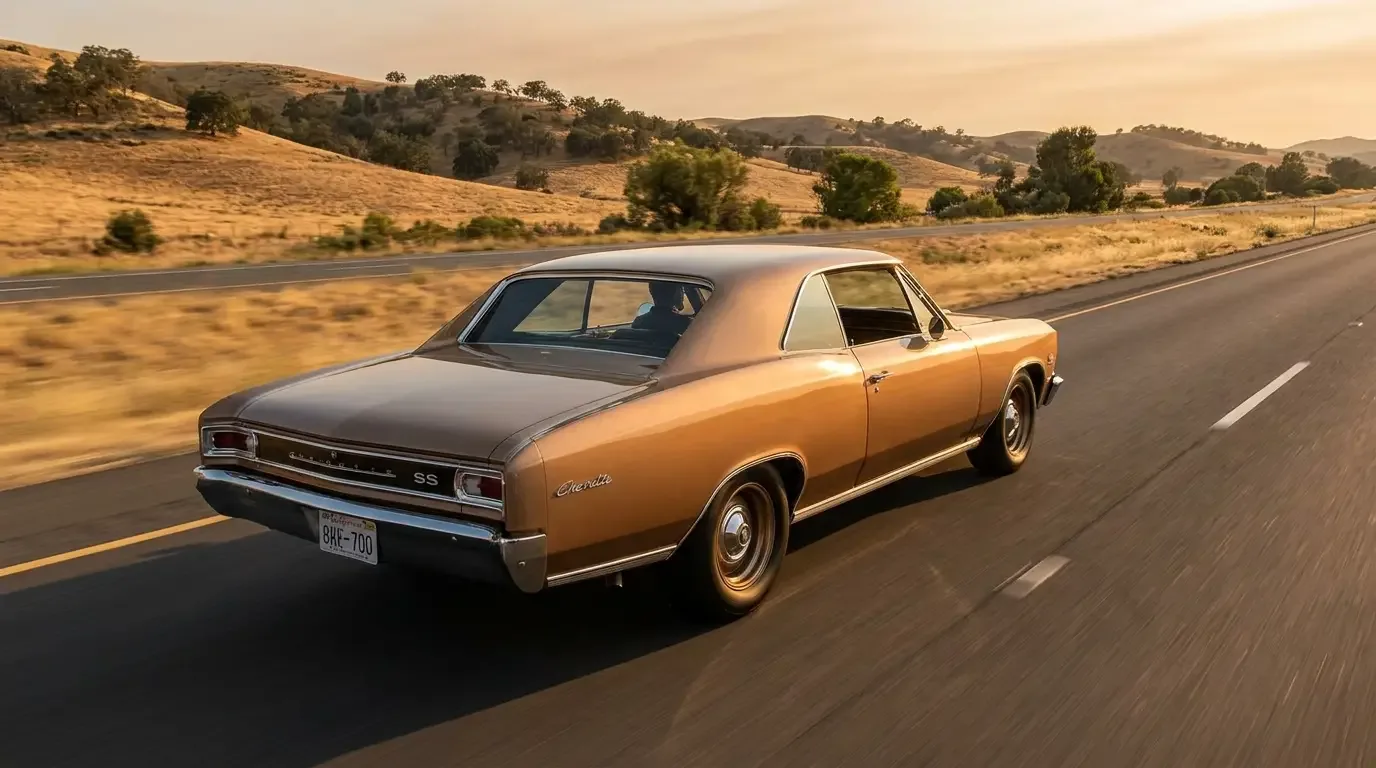
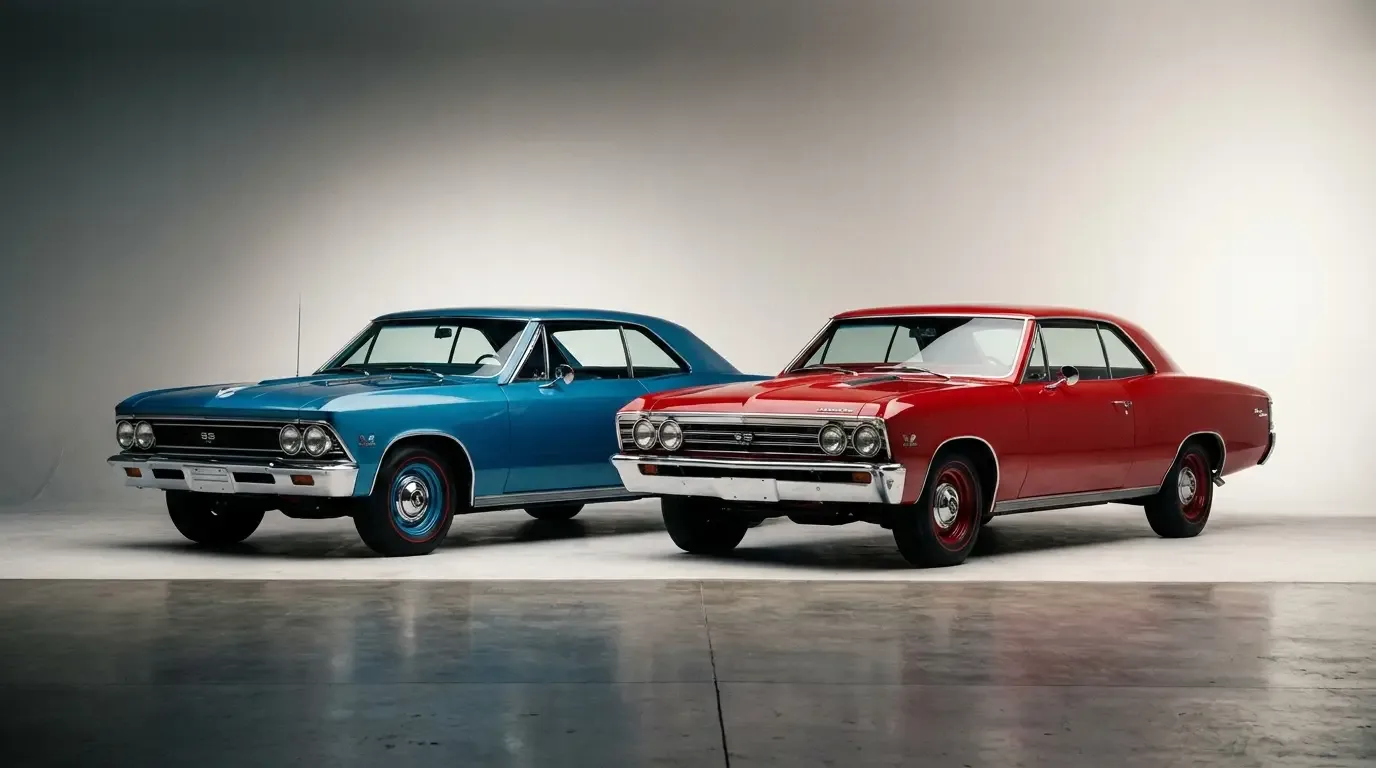
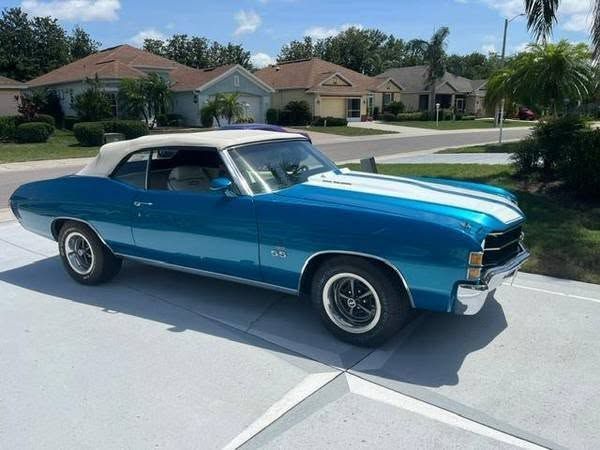
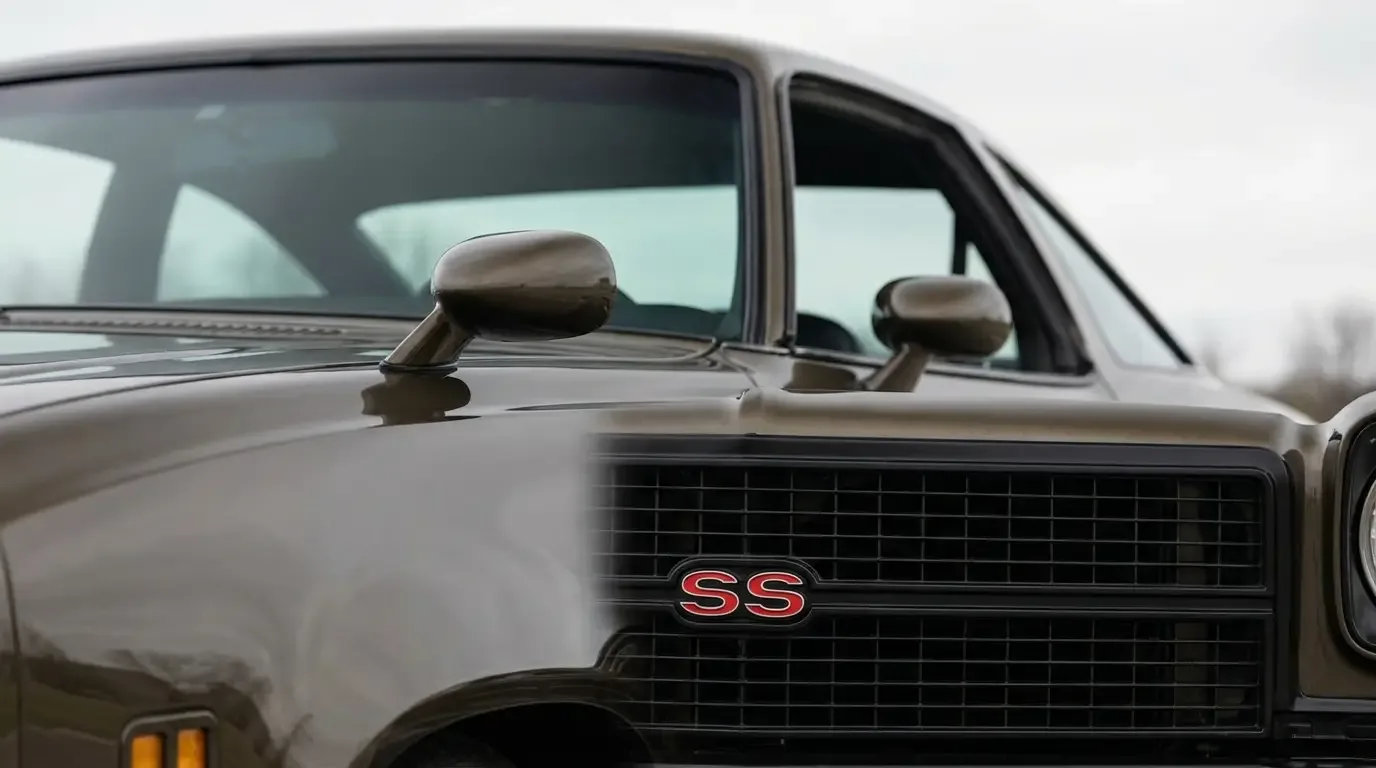
The 1966 restyle squared off some of the earlier car's curves and gave the SS396 its own distinct trim identity, separate enough from the base Malibu that you could spot one across a parking lot. This is the version of the first-generation Chevelle that shows up most often in period photography from cruise nights and drag strips, and it's easy to see why. The proportions had settled into something that reads as confidently as anything else on the road in 1966, without ever feeling showy about it.
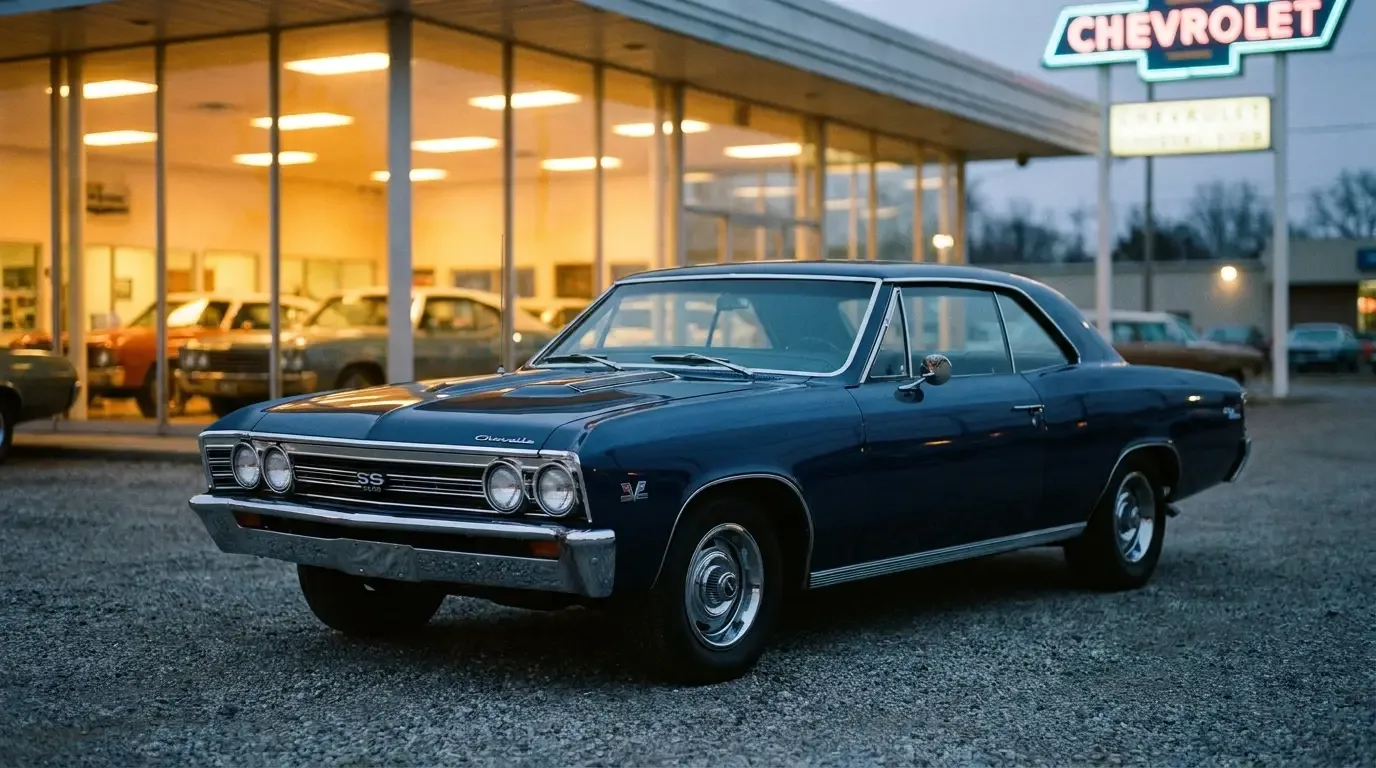
1967 closed out the generation with some early safety-driven changes, an energy-absorbing steering column among them, that don't change how the car looks or drives but do help date an unrestored survivor if the paperwork has gone missing over the decades. It's also, in my opinion, a slightly underrated model year. Everyone's chasing 1966 for the styling and 1970 for the LS6, and 1967 sits in between as a genuinely well-sorted car that gets overlooked simply for not being the flashiest year in either direction.
People who own 1967s tend to talk about them differently than owners of the flashier years. Less bragging about numbers, more talk about how the car actually drives day to day, how the four-speed shifts, how the seats hold up on a long highway run to a show three states away. It's a driver's-car reputation earned quietly, without the fanfare that follows the bigger engine years, and there's something honest about that.
Why these early cars still matter to the story
It's tempting to treat the first generation as a warm-up act for the 1968-1972 cars that get more attention at auction. That undersells what happened here. This is the generation that proved the concept, that showed Chevrolet a mid-size car with the right options could out-drive cars costing significantly more, and that set up everything the SS396 and eventually the LS6 454 would build on. If you want to see where that story goes next, onward to The Second-Generation Chevelle (1968-1972) covers the years when the platform hit its performance peak, built directly on the groundwork these first four model years laid down.
For the full arc of the nameplate from launch to the final Colonnade-era cars, the full Chevelle story ties all of it together in one place.
Sources and notes
- Curbside Classic, 1965 Chevelle SS396 Z16: 201 Built
- Mac's Motor City Garage: Birth of the Big-Block Chevelle: The 1965 Z16
- Chevy Hardcore: Chevelle Engine Options: 1966
- Chevy Hardcore: Engine Options for the 1964 Chevelle
- Smithsonian Institution, 1967 Chevrolet Energy-Absorbing Steering Column
- Chevy Hardcore: Chevelle Engine Options: 1967
"The guy I talked to at a show last year had owned his '66 since he was nineteen, bought it used for not much money at all. He'd been driving it to shows for decades, through breakdowns and repaints and one memorable summer where the water pump let go on the interstate. That's the kind of relationship these first-generation cars build with the people who own them. Not a garage piece. A companion."
Patrick Walsh
Finding one today
First-generation cars tend to be more affordable entry points into Chevelle ownership than the 1968-1972 big-block years, particularly the four-door and wagon body styles that don't carry the same collector premium as the two-door SS cars. That doesn't mean they're all bargains. A documented Z16 or an early SS396 in good condition commands real money, and rightly so given how few of those specific combinations survive. If you're curious what's out there right now across trims and body styles, early Chevelles for sale gives a good snapshot of where condition and originality are landing on price this year.
Related Reading
Article
The Classic Chevrolet Chevelle Story
Article
The Chevelle SS Story: Super Sport Heritage
Article
The Second-Generation Chevelle (1968-1972): Muscle's Golden Years
Article
1964: The Chevelle's Debut Story
Article
How the Chevelle Got Its Name
Article
The Mid-Size Gap the Chevelle Filled
Article
The Malibu Name's Origins
Article
300, 300 Deluxe and Malibu: The Trim Ladder Story
Article
The Early SS: 1964-65 Trim Story
Article
The 1965 Z16 SS396: A Rare One
Article
1966: The Restyle Story
Article
1967: The Last of the First Generation
Article
Styling Shift: '64-65 vs '66-67
Article
The First-Generation Convertible Story
Article
The Early 283 and 327 V8s
Article
The Six-Cylinder Chevelle Story
Article
The Chevelle's Indy Pace Car Myth and Its Real Racing Legacy
Article
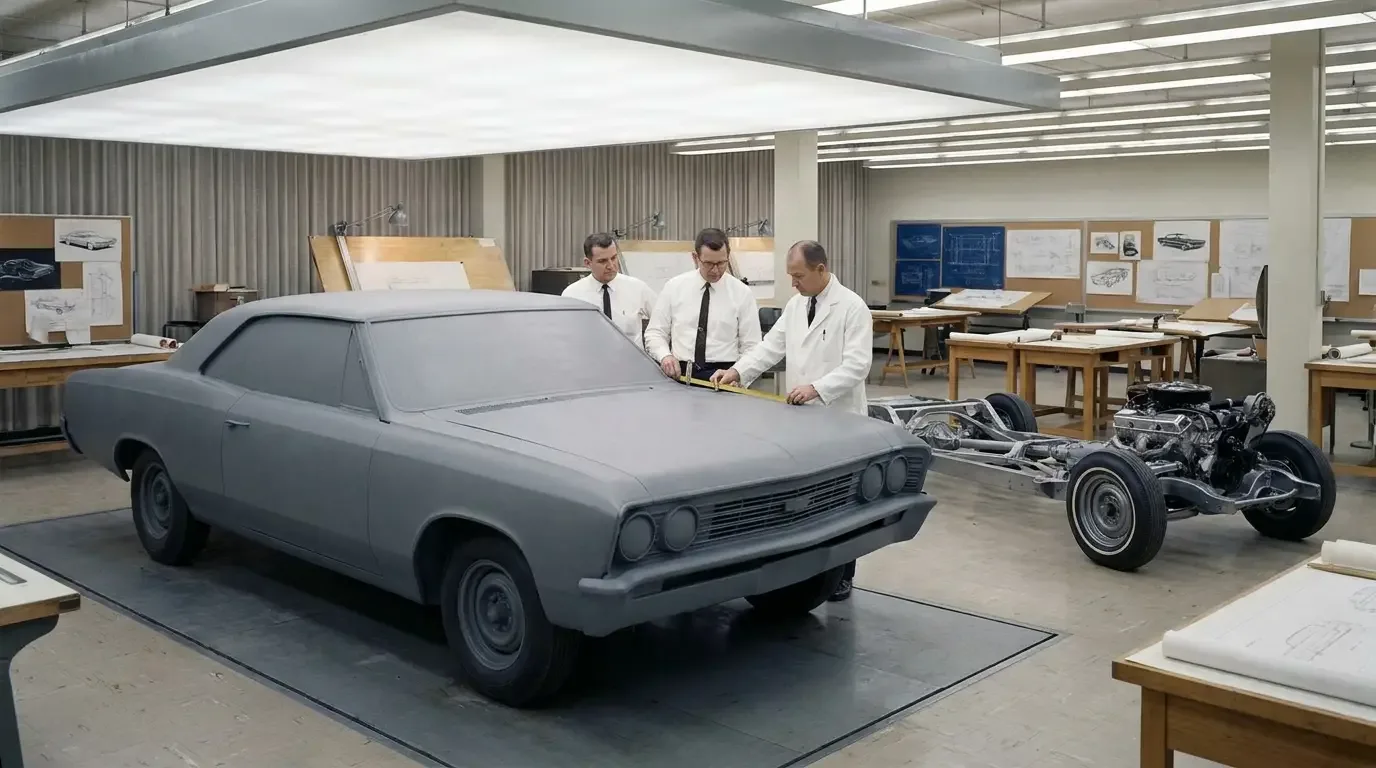
The A-Body Origins: GM's Strategy Behind the Chevelle
Article
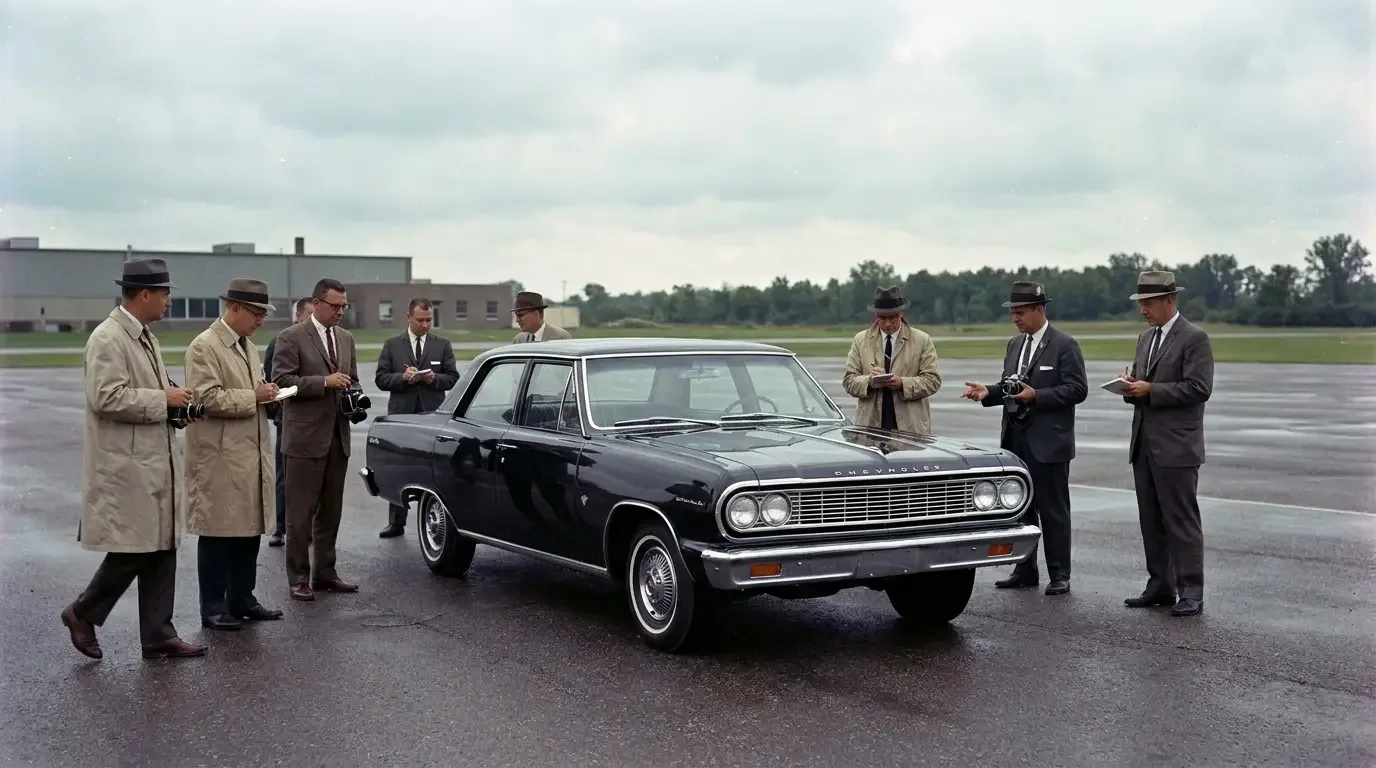
The 1964 Press Launch Story
Article
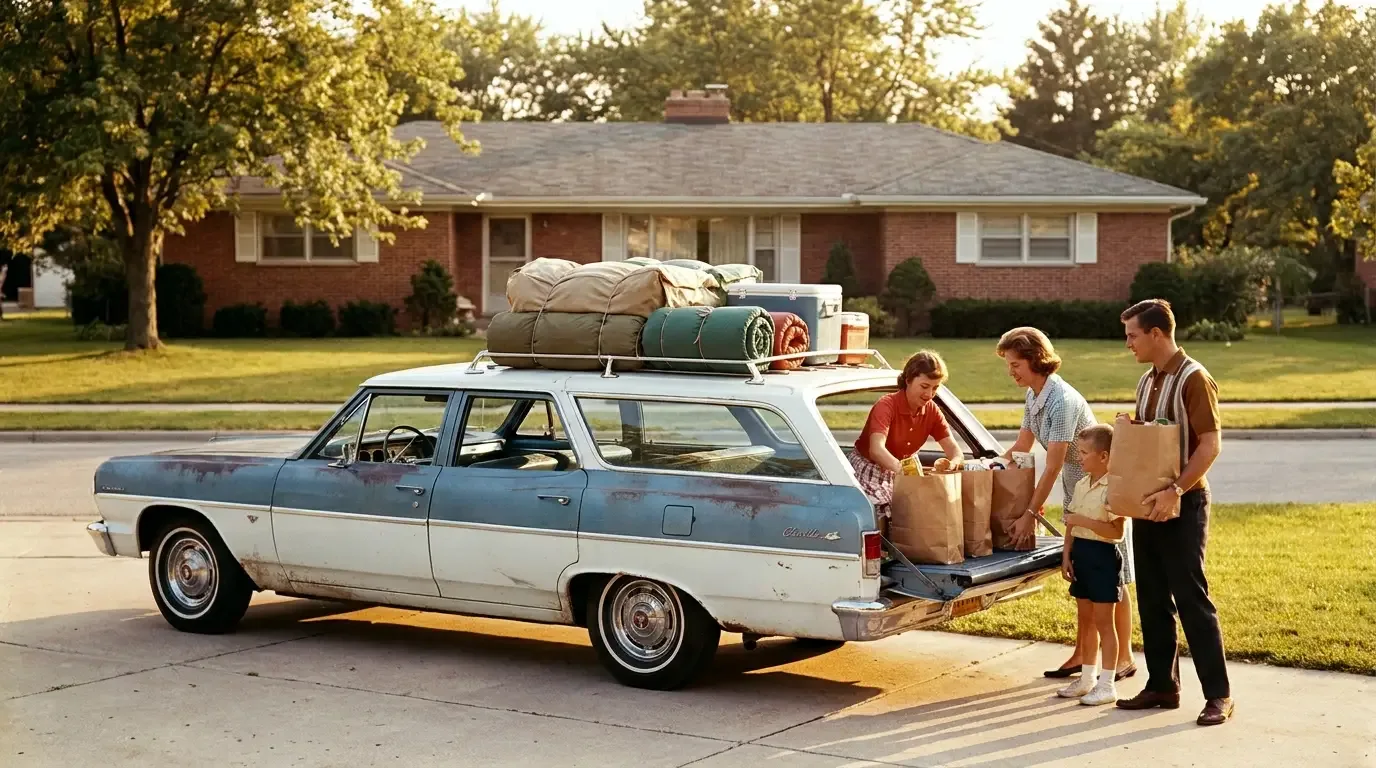
The First-Generation Chevelle Wagon Story
Have a
Chevrolet Chevelle
for Sale?
Reach thousands of serious classic car collectors across the US.
Sell It Here →
Are You a Classic Car Dealer?
List your full inventory and connect with targeted classic car buyers.
Join as a Dealer →

About the author
Patrick Walsh
Automotive journalist covering classic car shows, events, and the enthusiast community across North America.
Related Listings - Chevrolet Chevelle
More in History & Heritage
Comments
Be the first to comment on this article.