
Most option packages get built to sell volume. The Z16 got built to prove a point, and Chevrolet never intended to sell many of them. If you want to understand why this car matters more than its tiny production run suggests, start with the numbers, because that's the only honest way to talk about it.
History & Heritage
6 min read
The 1965 Z16 SS396: A Rare One
How Chevrolet tested the 396 big block in the Chevelle a year early with the ultra-limited Z16 package, and what makes it worth so much today.
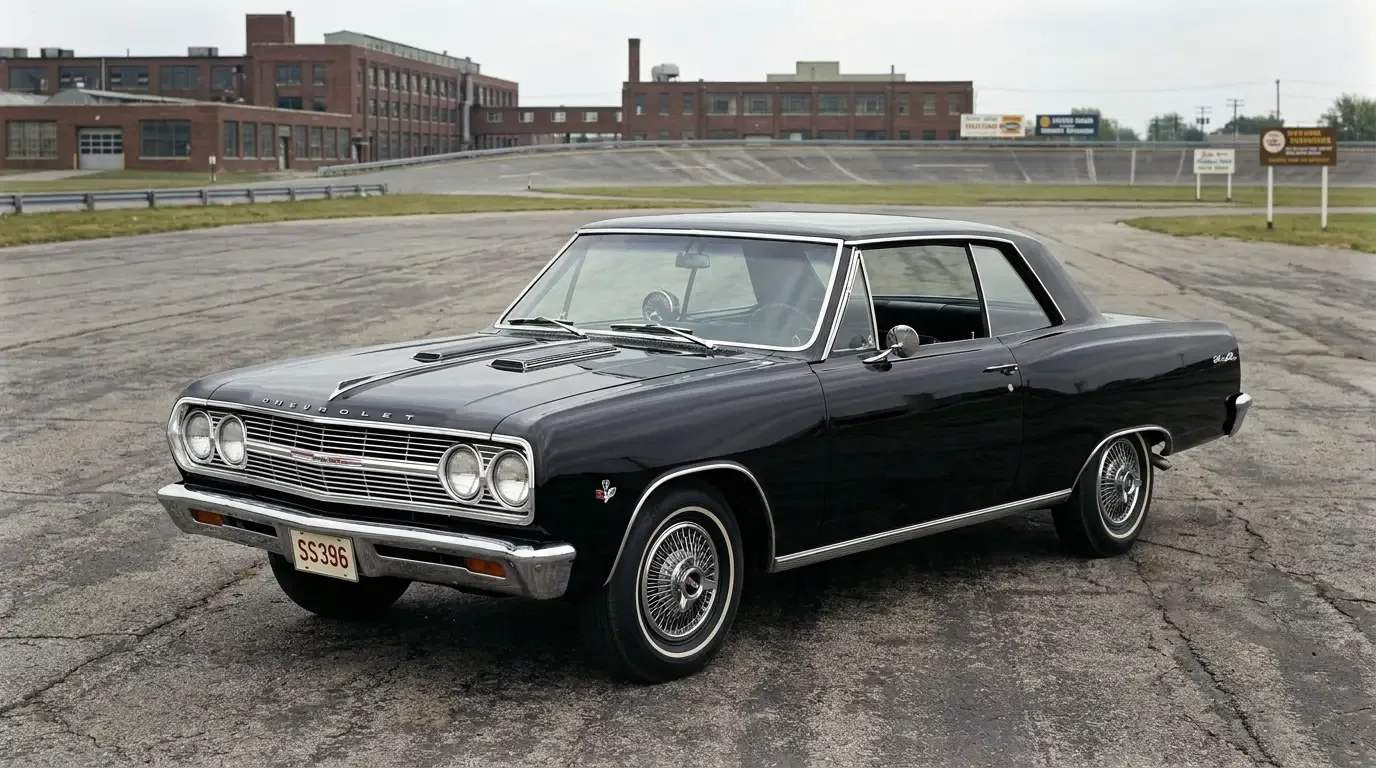
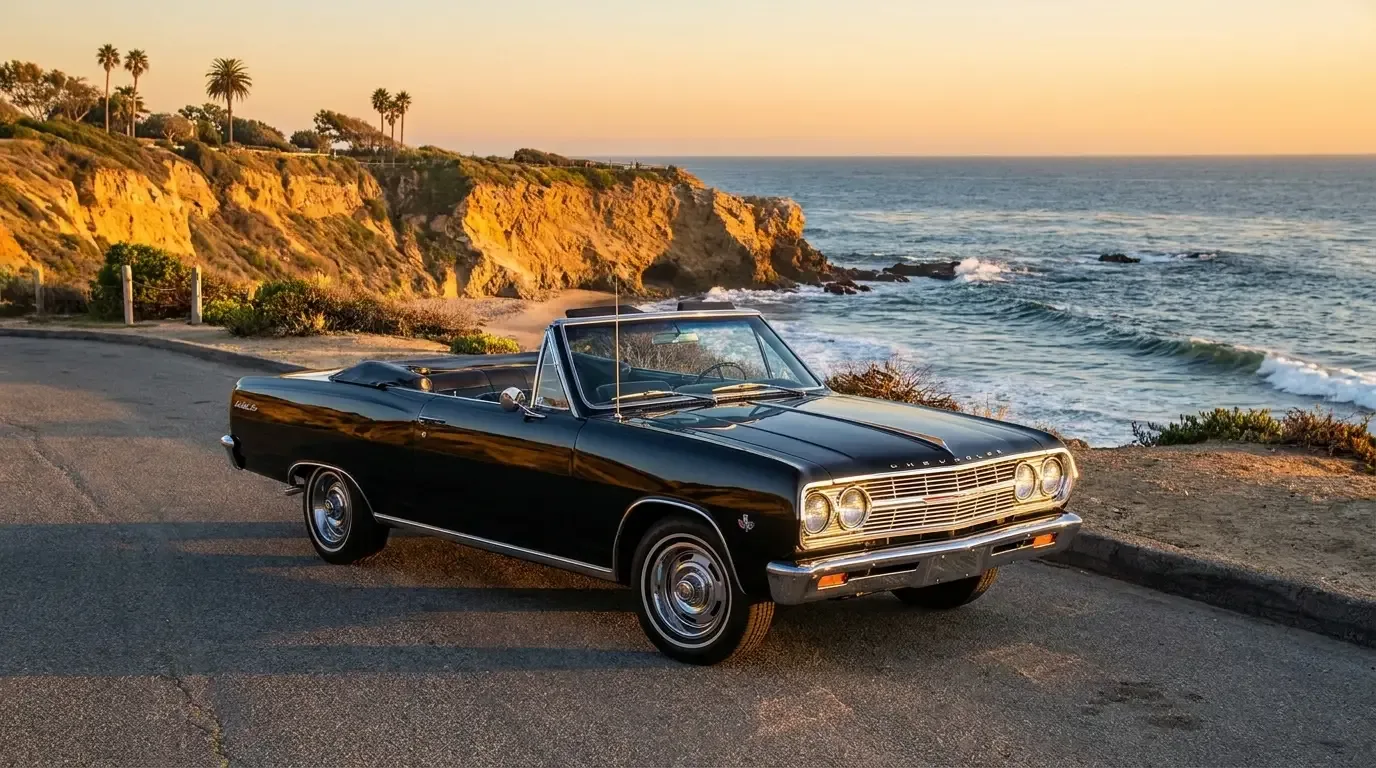
The Z16 dropped a 396 cubic inch big block into a car that had never carried anything bigger than a 327 small block, and it did that a full model year before the 396 became a regular production option across the Chevelle line. That's the whole story in one sentence. Everything else is detail.
The engine: L37 396, and what "375 horsepower" actually means here
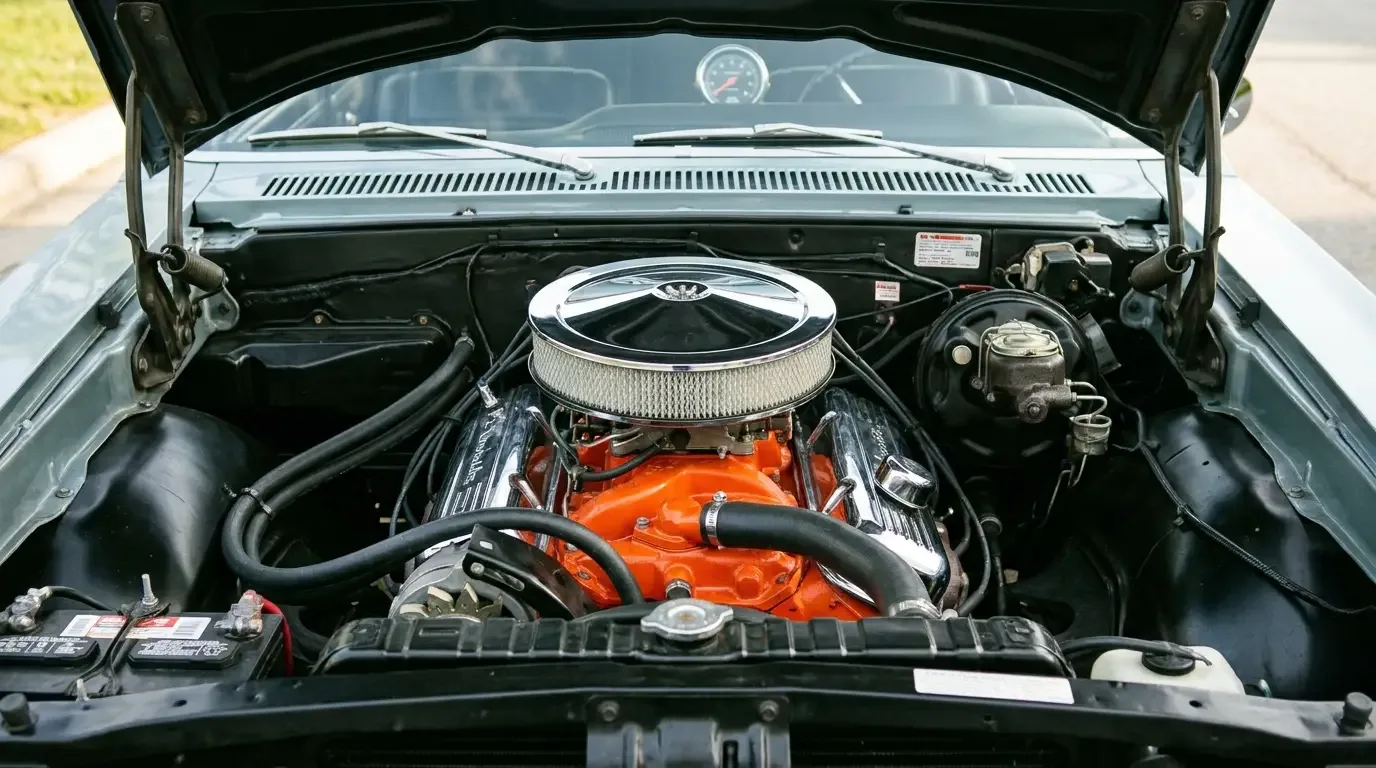
The Z16's 396 was the L37, factory-rated at 375 horsepower at 5,600 rpm and 420 lb-ft of torque at 3,600 rpm. That output number gets thrown around a lot without context, so here's the context: this wasn't a warmed-over 327 with bigger displacement. It was a genuinely different engine family, related to the big block that would go on to power full-size Chevrolets and eventually the Corvette. Putting it in a mid-size A-body was the whole point of the exercise. Chevrolet wanted to see what a proper big block felt like in a lighter chassis before committing to a wider rollout.
On paper, 375 horsepower doesn't sound dramatically higher than what the 327-powered SS could already do. On the street, the difference is torque, and torque is what actually launches a car off the line. A 396 making that kind of grunt in a car that weighed noticeably less than a full-size Impala is not a subtle upgrade. It's a different animal, and drivers who got seat time in one at the time said as much.
Chassis and drivetrain: it wasn't just an engine swap
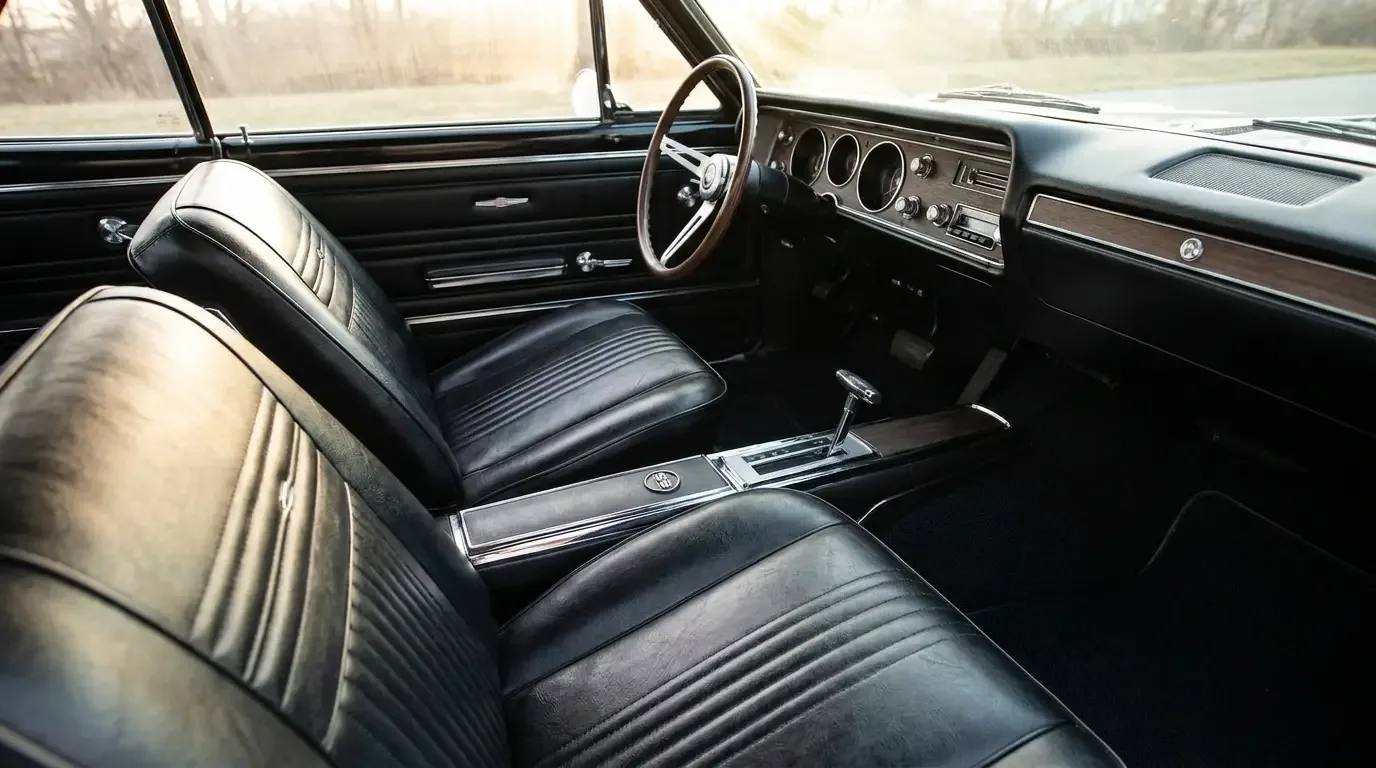
Chevrolet didn't just drop the big block into a standard SS and call it done. The Z16 package brought a 12-bolt rear axle, heavy-duty suspension components, a stiffer frame, larger brakes, and a specific dash arrangement with a tachometer. That matters because a big engine in a chassis that can't handle the torque just breaks parts. The engineers building this package understood that, and the supporting hardware reflects a genuine effort to make the car work as a system, not just make a number bigger on a spec sheet.
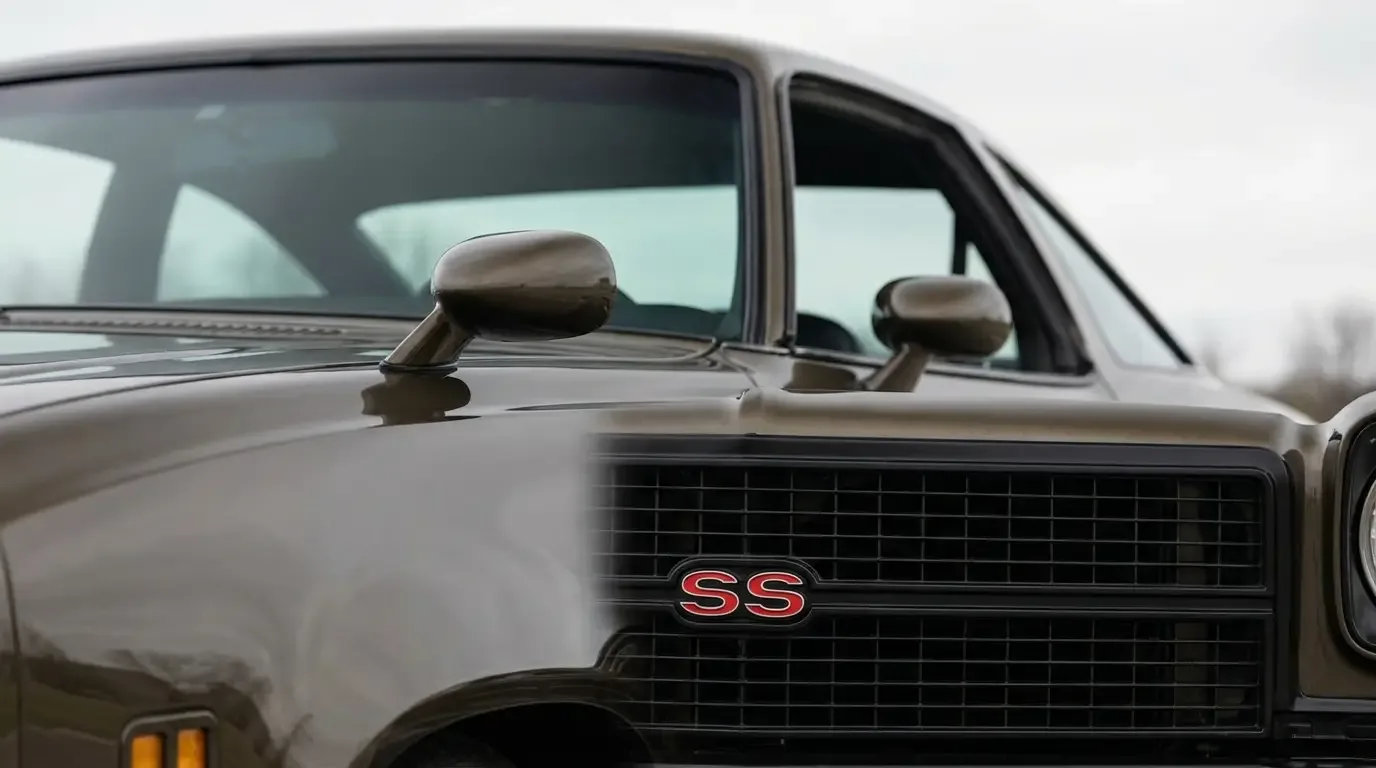
Standard SS wheels and trim carried over on the outside, so a Z16 doesn't necessarily look dramatically different from the A-body's early years lineup at a glance. The visual clues are subtle: specific badging, the tach, and underneath, a completely different rear end and suspension setup than a garden-variety 1965 SS.
| Spec | Z16 SS396 | Standard 1965 SS (327) |
|---|---|---|
| Engine | L37 396 cid | 327 cid small block |
| Horsepower (factory rating) | 375 hp | up to 300 hp (L74 327) |
| Rear axle | 12-bolt, heavy duty | 10-bolt |
| Production | 201 units (200 hardtops, 1 convertible) | several thousand |
The production number, and why it's worth getting right
Total Z16 production was 201 cars: 200 hardtop coupes and a single convertible, the latter built to Chevrolet general manager Semon "Bunkie" Knudsen's personal specification. That figure is well documented against factory and dealer records, so there's no need to hedge on it the way older bench-racing arguments used to. What's less certain is how many survive today; tracking efforts by Z16 owners and researchers have identified a majority of the cars, but a meaningful share remain unaccounted for decades later. If you're chasing a real one, get whatever paperwork exists in front of a marque expert before you write a check, because a car this rare draws its share of well-intentioned recreations and a few less well-intentioned ones.
Why Chevrolet built a test mule and called it an option code
GM's internal politics in the mid-1960s made a direct big-block Chevelle hard to greenlight outright. Corporate policy limited how much engine could go into an intermediate, and the Z16 was, in practical terms, a way to work around that limit on a small scale while corporate leadership sorted out where the line would actually sit long term. Building it as a dealer-order option code rather than a full production model kept the numbers small and the risk contained. If the concept flopped, nobody had to explain why they'd committed serious tooling money to it. If it worked, and it clearly did, the path to a wider 396 rollout the following year was already proven out on real cars, in real customers' driveways, not just on an engineering department's dyno.
That's the part of the story that gets lost when people talk about the Z16 purely as a rare collectible. It wasn't a museum piece when it was built. It was a live experiment Chevrolet ran with actual retail buyers as the test group, and the data it generated fed straight into how the 1966 SS396 got built and marketed a year later.
What it's worth and why the market treats it differently
Low production numbers combined with genuine historical significance is exactly the formula that makes a car command real money at auction, and the Z16 checks both boxes. Documented, numbers-matching examples sell for figures that put them well above a standard 1965 SS, and the gap isn't hype. It reflects actual scarcity plus a legitimate engineering story, not marketing spin. If you're shopping this end of the market, expect to see rare 1965 Chevelles for sale and treat any Z16 claim with the same scrutiny you'd apply to any six-figure engine swap claim: verify it before you believe it.
"A 396 in a '65 A-body sounds like a footnote until you put it on the dyno next to the 327 it replaced. The torque curve tells you everything. That's not a small upgrade, that's a different category of car."
Dan Reeves
The Z16 was the preview. The wide release came the following year, when the 396 went mainstream across the Chevelle line and reshaped what the SS badge meant going forward. That's next: 1966.
Sources and notes
- Birth of the Big-Block Chevelle: The 1965 Z16: Mac's Motor City Garage
- 1965 Chevelle SS396 Z16: 201 Built: Curbside Classic
- One of Only 201! 1965 Chevrolet Malibu SS396 Z16: Barn Finds
- Rare Rides: The 1965 Chevrolet Chevelle Malibu SS 396 Z16: Street Muscle
- How Much a 1965 Chevrolet Chevelle Z16 Is Worth Today: HotCars
- 1965 Chevelle Malibu SS 327/300 hp specs: Automobile Catalog
Related Reading
Have a
Chevrolet Chevelle
for Sale?
Reach thousands of serious classic car collectors across the US.
Sell It Here →
Are You a Classic Car Dealer?
List your full inventory and connect with targeted classic car buyers.
Join as a Dealer →

About the author
Dan Reeves
Performance engine builder from North Carolina's motorsports corridor, focused on swaps, forced induction and making real, repeatable power.
Related Listings - Chevrolet Chevelle
More in History & Heritage
Comments
Be the first to comment on this article.