
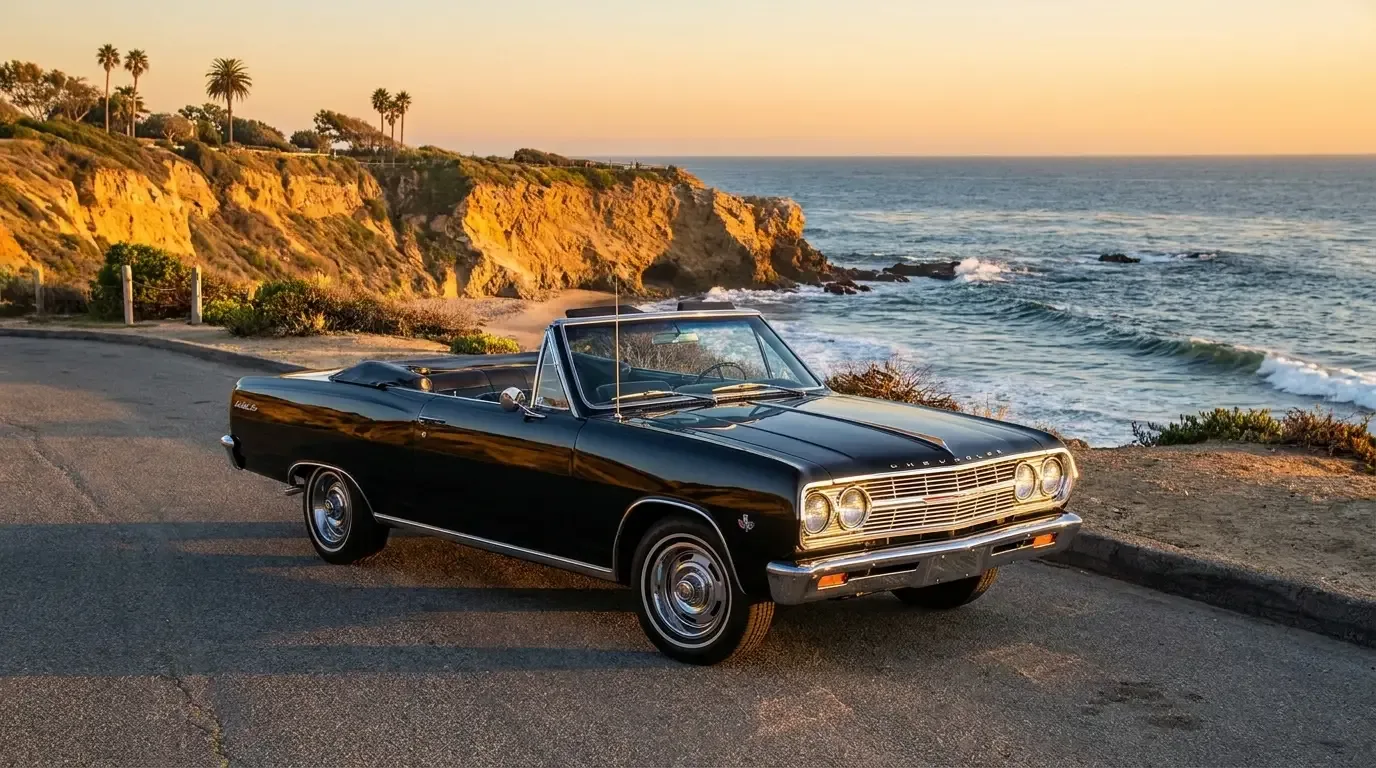
Every muscle car story needs a moment where the ordinary car quietly becomes something else, and for the Chevelle, that moment came fast. The SS package showed up partway into the 1964 model year, riding on top of the Malibu trim rather than replacing it, and it changed the conversation around the car almost overnight. To understand why the SS mattered so much, you have to remember how the Chevelle began: as a mid-size answer to a market that Chevrolet had been watching from the sidelines while Ford and Pontiac cleaned up.
History & Heritage
6 min read
The Early SS: 1964-65 Trim Story
How the Malibu SS package launched in 1964, grew into the 327-powered 1965 SS, and set up the Z16 big-block story that followed.
The early SS wasn't a fire-breathing big block yet. It was something more careful than that, a package built to look the part before the engineering fully caught up, and that's exactly what makes 1964 and 1965 such an interesting stretch to study.
What the 1964 Malibu SS actually was
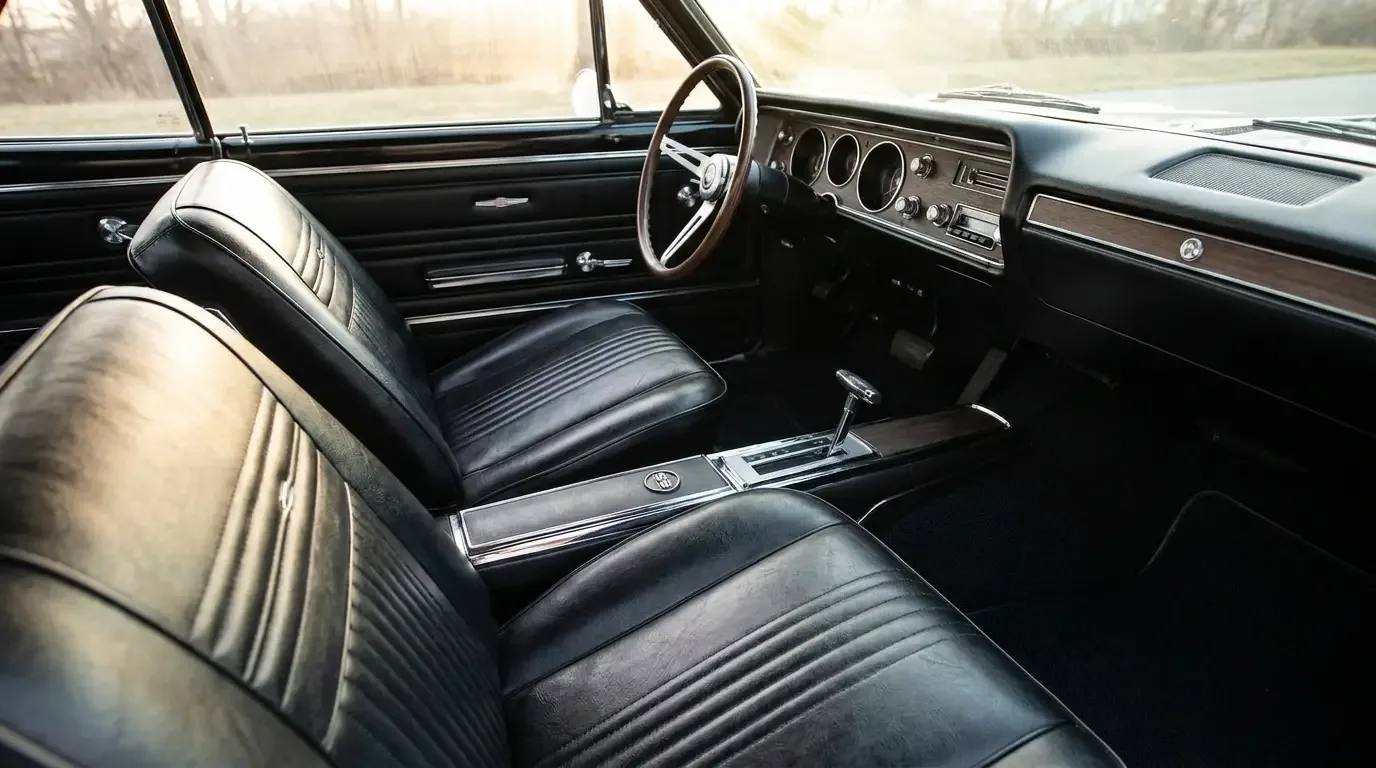
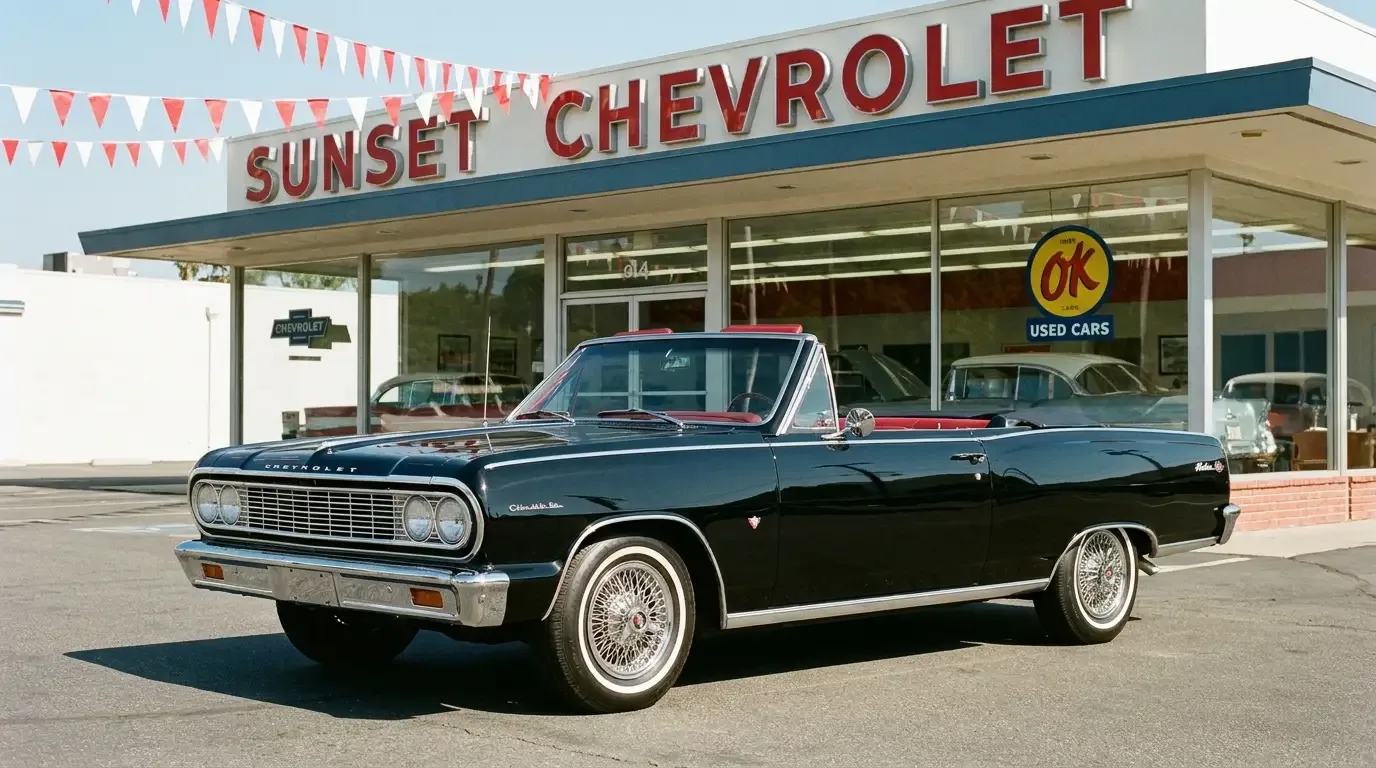
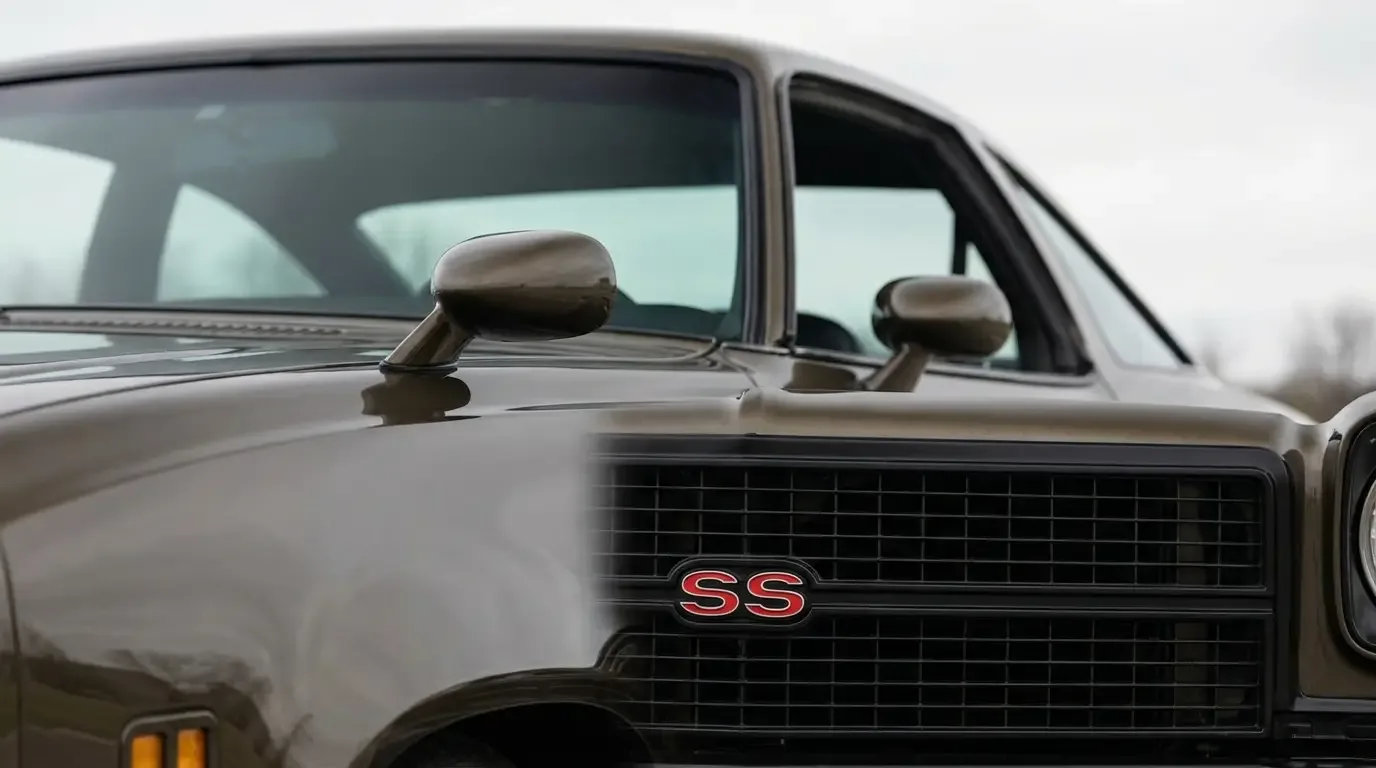
Chevrolet marketed it as the Malibu SS, not a standalone Chevelle SS, and the badge appeared on the console, the grille, and the rear trim. Inside, buyers got bucket seats as standard equipment on the SS, along with special wheel covers and simulated knock-off spinners that looked more aggressive than the mechanical package underneath actually was. The floor console and its shifter weren't part of the base package, though. Order the standard column-shifted three-speed and you got bucket seats with no console at all; the console only showed up when a buyer checked the box for the optional Powerglide automatic or the four-speed manual.
Under the hood, the 1964 SS could be ordered with a range of engines starting with the six-cylinder, moving up through the small V8s, and topping out at launch with the 283 cubic inch Turbo-Fire V8, which reached 220 horsepower with the four-barrel carburetor and dual exhaust. That's a respectable number for the era, but it wasn't the kind of engine that put fear into a stoplight full of GTOs. Late in the 1964 model year Chevrolet added a genuine performance option to the lineup, a 327 cubic inch V8 available at 250 or 300 horsepower, and, briefly, a Corvette-sourced 365 horsepower L76 327 for buyers who wanted something closer to a real hot rod. Those late-arriving 327s changed the character of the car well before the SS badge itself did anything new.
1965: the SS grows up a little
For 1965, Chevrolet kept the SS badge on the Malibu and carried the 327 small block forward as a full-year option this time, rather than the late-model-year addition it had been in 1964. Buyers who wanted the sportiest non-big-block Chevelle could option their car with a 327 rated up to 300 horsepower, which made the car genuinely quick for a mid-size family sedan turned coupe.
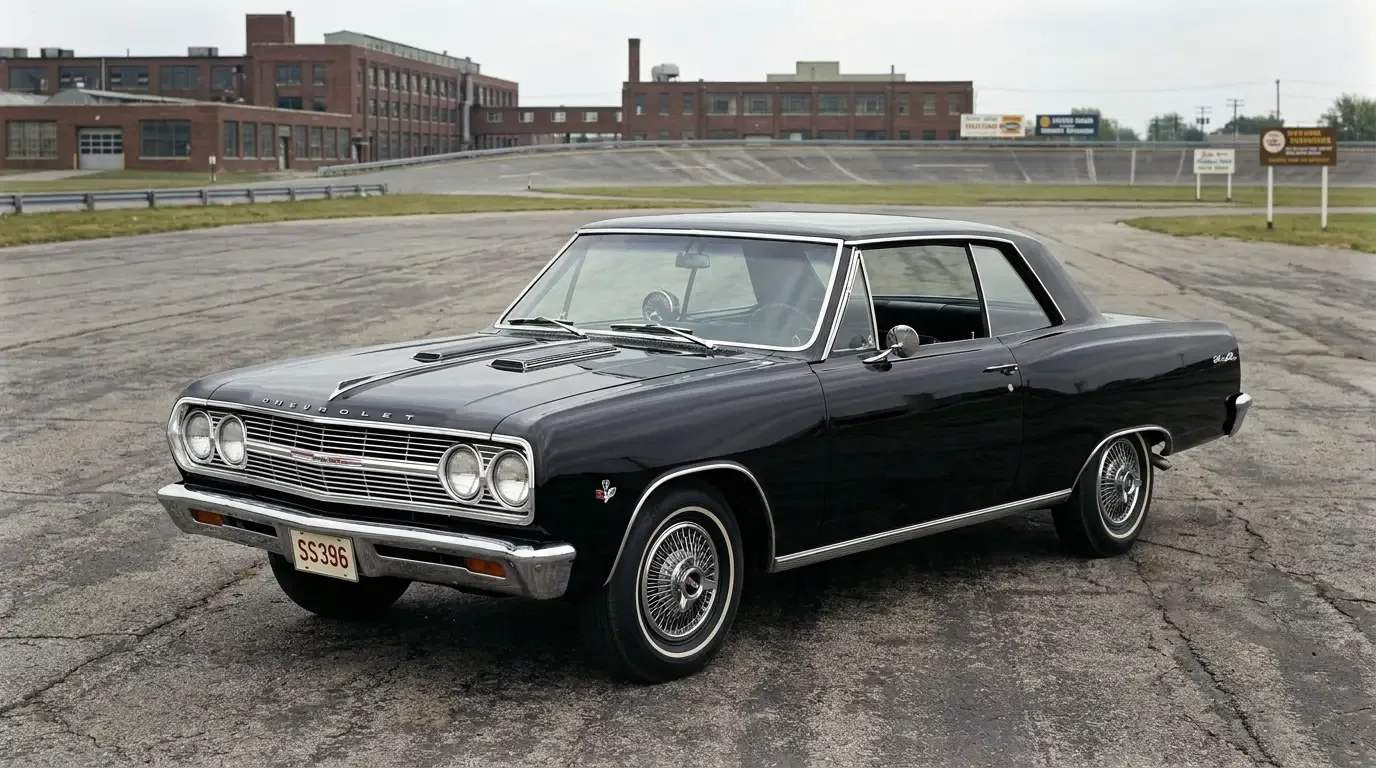
This is also the year Chevrolet tested the water with something far more serious: the Z16 option, a limited-production big block package that pointed straight at where the SS badge was headed. That story deserves its own space, and it's covered in full in next: The 1965 Z16 SS396, but it's worth noting here that the standard 1965 SS and the exotic Z16 SS existed side by side that year, which confused plenty of period buyers and still trips up collectors today.
| Year | SS trim basis | Top available engine | Notable feature |
|---|---|---|---|
| 1964 | Malibu SS | 283 V8 Turbo-Fire, up to 220 hp at launch; 327 V8 up to 300 hp (365 hp L76 briefly) added late in the model year | Bucket seats standard; console/floor shift only with automatic or 4-speed |
| 1965 | Malibu SS | 327 V8, up to 300 hp, now a full-year option | Z16 big-block option introduced alongside standard SS |
How the SS actually sold on the showroom floor
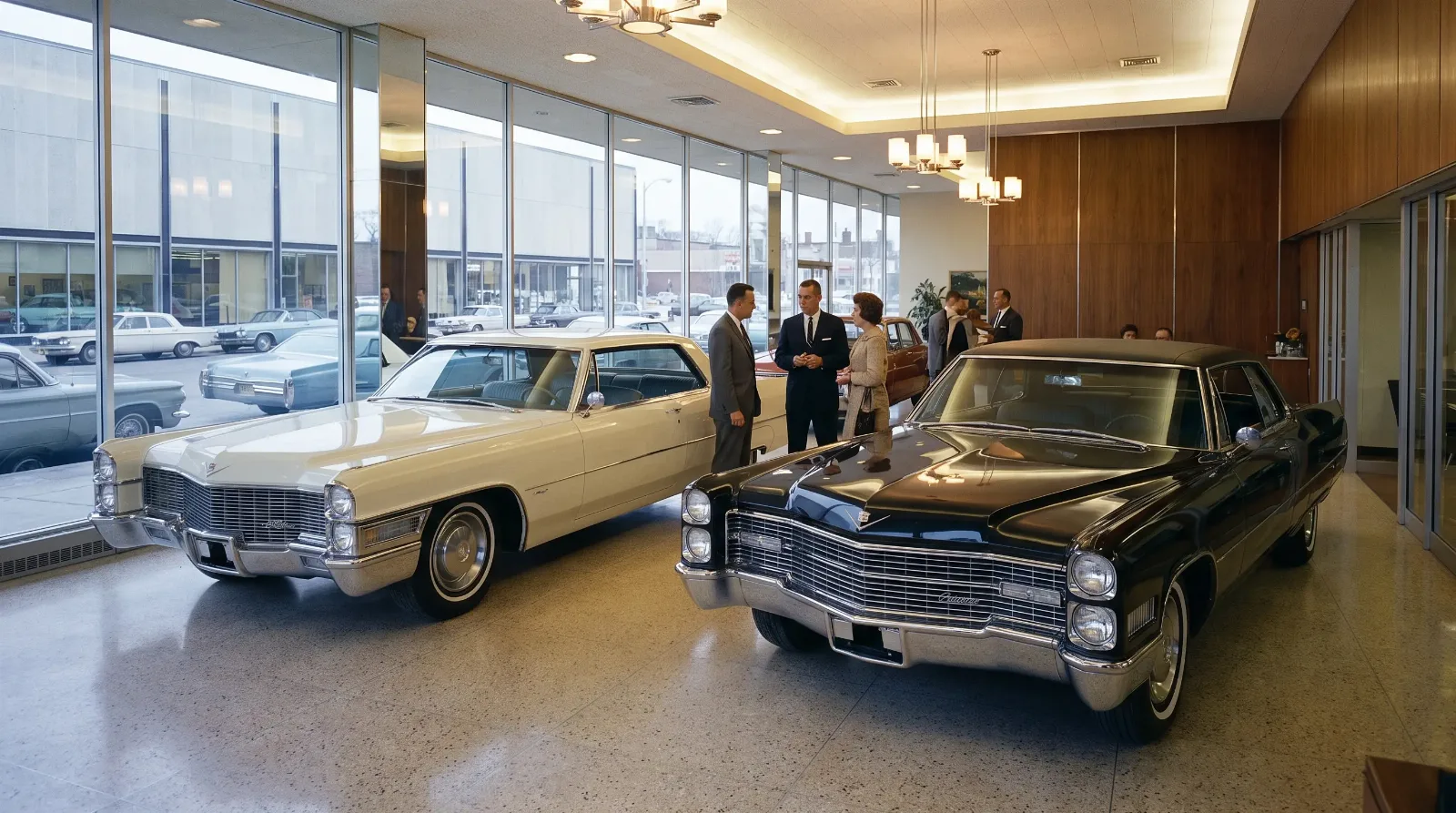
Chevrolet actually had the SS in showrooms from the very first day the Chevelle line launched in September 1963, badge and bucket seats included. What arrived partway through that first model year wasn't the SS package itself, it was the serious engine to go with it: the 327 small block, in 250 and 300 horsepower form, plus a short-run 365 horsepower Corvette-based L76 for buyers who wanted the hottest thing Chevrolet would sell them in a Chevelle that year. A dealer taking delivery in the fall of 1963 already had an SS to sell, badge, console option and all. By spring, that same dealer had a sharper pitch to go with it: the same reliable Malibu SS, now available with genuine V8 muscle instead of just the 283.
The interior told the SS story better than the engine bay did in year one. Bucket seats with a floor console were still a relatively new idea for a mid-size Chevrolet buyer, and Chevrolet knew it. The instrument cluster on SS cars carried a slightly different layout, and the simulated wood-grain wheel gave the cabin a more purposeful feel even when the engine underneath was still a mild-mannered small block. It's a good reminder that "sporty" in 1964 was as much about how a car felt to sit in as how fast it left a stoplight.
Spotting a real early SS versus a clone
Because the SS was an option package and not a separate VIN sequence, plenty of plain Malibus have picked up SS badges and wheel covers over the decades, some honestly restored to a spec they never left the factory with, some deliberately dressed up to bring more money. Look for the SS-specific console, the correct simulated wood-grain steering wheel where applicable, and documentation that ties the specific engine and trim combination to the factory build. A cowl tag or build sheet does more for a buyer's confidence than any amount of chrome trim ever will.
Prices for genuine, documented 1964-65 SS cars have climbed steadily as buyers have gotten more educated about what separates a real one from a well-dressed Malibu, so the paperwork question isn't academic anymore. It's the difference between paying driver money and paying SS money for the same-looking car.
"The first SS I ever rode in belonged to a guy who parked it outside a diner in Nashville every Friday night, and half the town showed up just to hear him start it. That's the effect the badge had before anybody argued about matching numbers. It just looked like it meant business."
Patrick Walsh
The early SS set the stage for everything that came after, and its story only makes full sense next to the classic Chevelle story as a whole, where the SS badge eventually grows into its own series entirely.
Sources and notes
- 1964 Chevrolet Chevelle fact sheet: Over-Drive Magazine
- 1964 Chevelle Malibu SS standard equipment: ChevelleStuff.net
- 1965 Chevelle Malibu SS 327/300 hp specs: Automobile Catalog
- 1964-1967 Chevrolet Chevelle Malibu SS: HowStuffWorks
- Chevrolet Chevelle: Wikipedia
- Before the muscle boom: the 1964 Chevelle Malibu SS: Fast Lane Only
Related Reading
Have a
Chevrolet Chevelle
for Sale?
Reach thousands of serious classic car collectors across the US.
Sell It Here →
Are You a Classic Car Dealer?
List your full inventory and connect with targeted classic car buyers.
Join as a Dealer →

About the author
Patrick Walsh
Automotive journalist covering classic car shows, events, and the enthusiast community across North America.
Related Listings - Chevrolet Chevelle
More in History & Heritage
Comments
Be the first to comment on this article.