
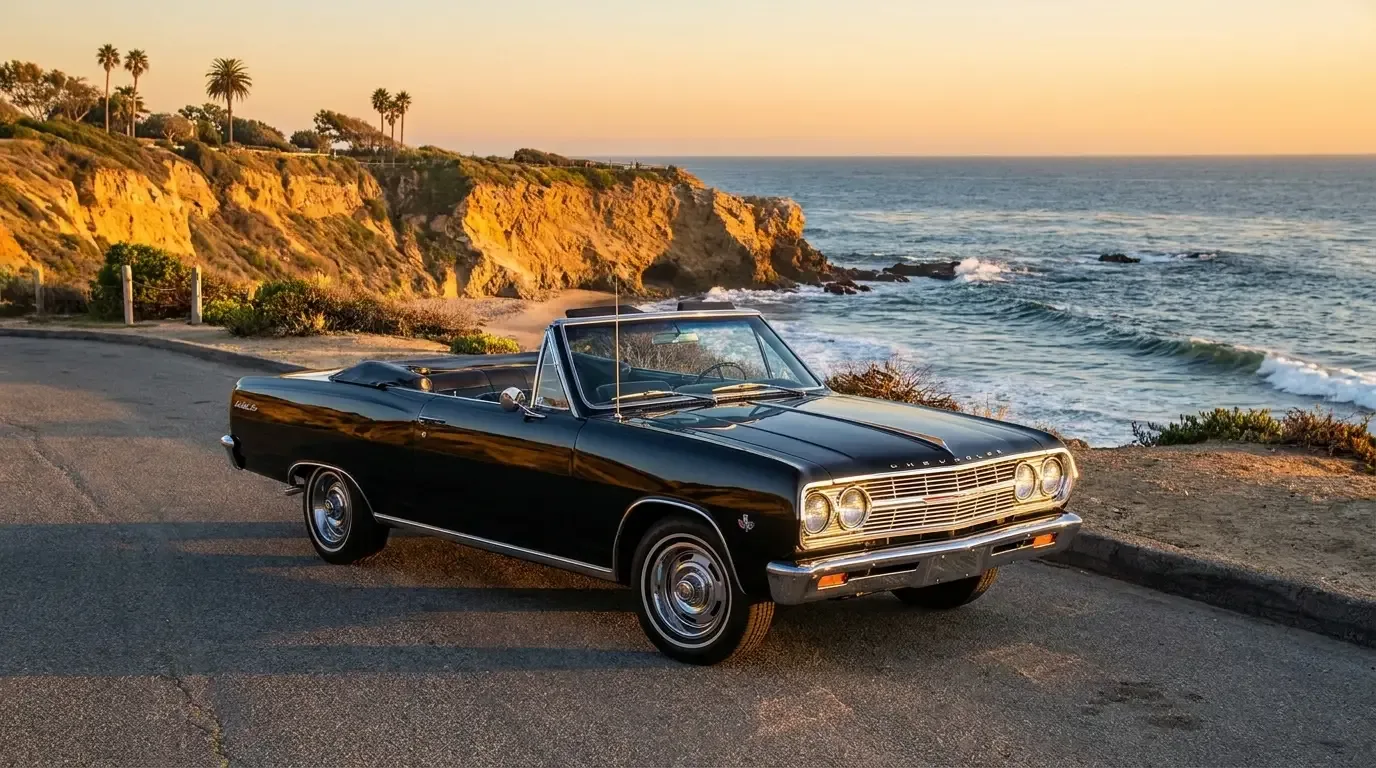
I've pulled apart enough of these to tell you straight: 1966 is the year the Chevelle stopped being a nice-looking mid-size Chevy and started being a car people actually cross-shopped against a GTO. Everything before it was a warm-up. The SS396 that showed up for '66 put a genuine big-block under a chassis that had been mostly small-block and six-cylinder territory the two years prior, and it changed what the whole Chevelle line meant on the street.
History & Heritage
6 min read
1966: The SS396 Debut
How the 1966 Chevelle SS396 answered the GTO, what the L35/L34/L78 engines actually delivered, and how to spot a correct car today.
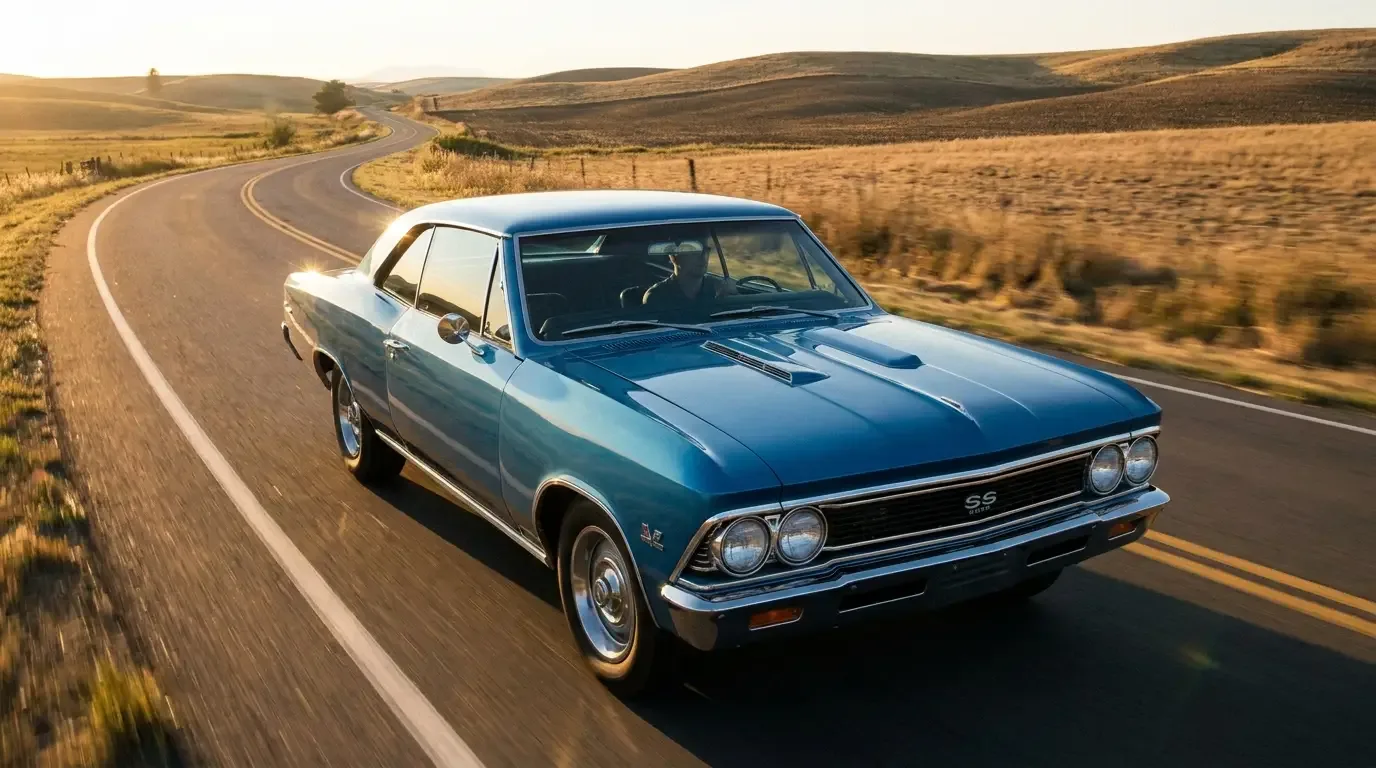
I've had a few of these come through my shop over the years, some correct, some wearing badges they didn't earn, and the difference between the two is never subtle once you're actually under the car. Before we get into that, if you want the bigger picture of how the SS legend grew across the whole run, that's the place to start. This one's about 1966 specifically, the year it went from option to statement.
Why 1966 mattered
Before '66, SS on a Chevelle meant bucket seats, a console, some trim, and suspension pieces you could order without touching the engine bay. That's a fine package. It's not what people mean when they talk about muscle cars. GM's internal rules had kept full-size big-blocks out of the mid-size Chevelle chassis for a couple years, the same corporate cap that slowed the GTO down before Pontiac worked around it. For 1966, Chevrolet stopped fighting that and built the SS396 as close to a factory answer to the GTO as the corporation was going to allow.
What that meant on the ground: a 396 cubic inch big-block, in one of three states of tune, in a chassis that got the suspension and brake upgrades to actually put that power down without falling apart in the first six months of ownership. That's not a small thing. Plenty of manufacturers in this era bolted a big engine into a chassis that wasn't ready for it. Chevy at least did some of the homework.
The engine lineup: L35, L34, L78
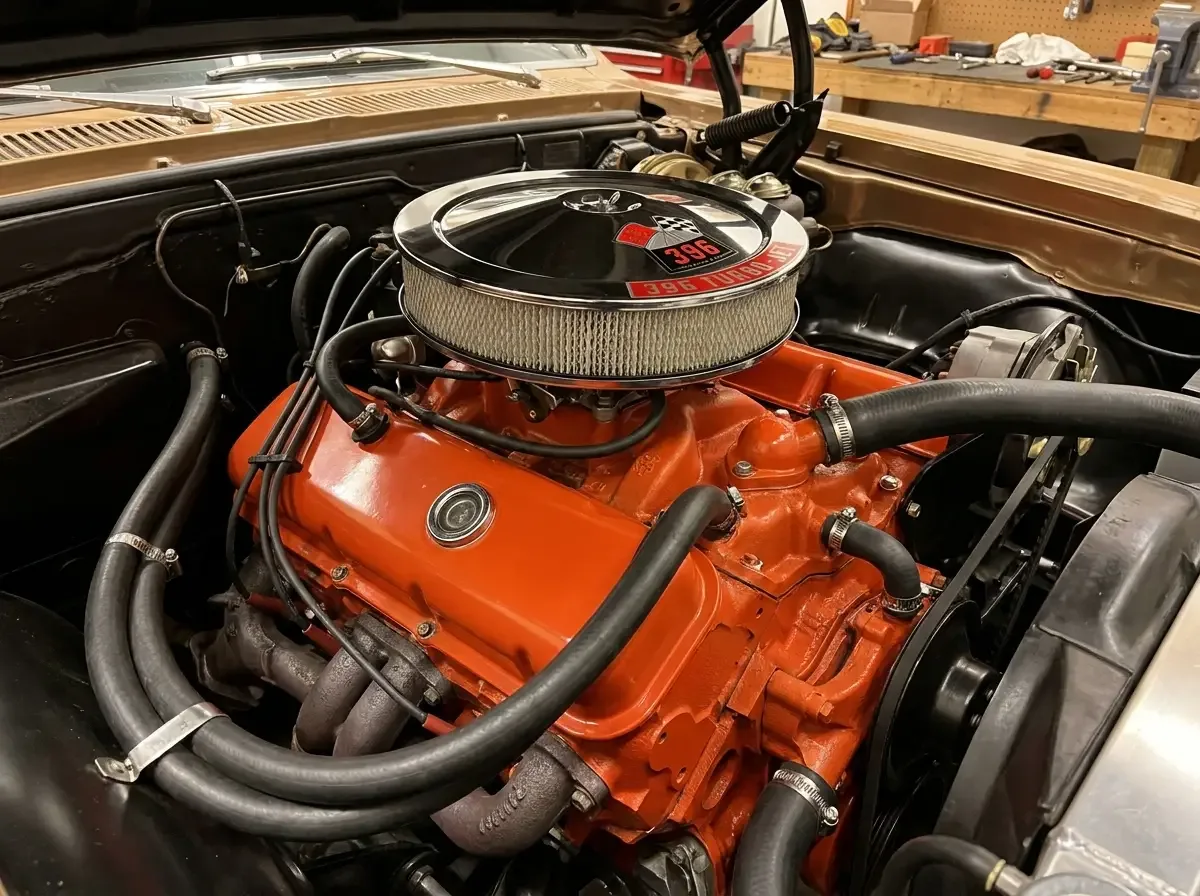
Three versions of the 396 were available across the model year, and knowing which one is sitting in front of you matters a lot more than the badge does. The base L35 was factory-rated at 325 horsepower, the L34 stepped up to 360, and the L78, the one everybody actually wants, was rated at 375 horsepower with solid lifters and a higher compression ratio built for buyers who knew what they were asking for.
The L78 wasn't available at the start of the model year in every case, it came in partway through production, so a car's build date matters as much as its option sheet when you're trying to confirm what you're looking at. I've seen more than one "L78" Chevelle that was actually an L34 with an engine swap somewhere in its life and a seller who either didn't know or didn't want to know the difference.
| Engine | RPO code | Approx. horsepower | Notes |
|---|---|---|---|
| 396 base | L35 | 325 hp | Most common SS396 engine, roughly 44,300 built |
| 396 mid-tier | L34 | 360 hp | Available across the model year, 24,811 built |
| 396 high-output | L78 | 375 hp | Solid lifters, mid-year availability, 3,099 built |
Spotting a real one today
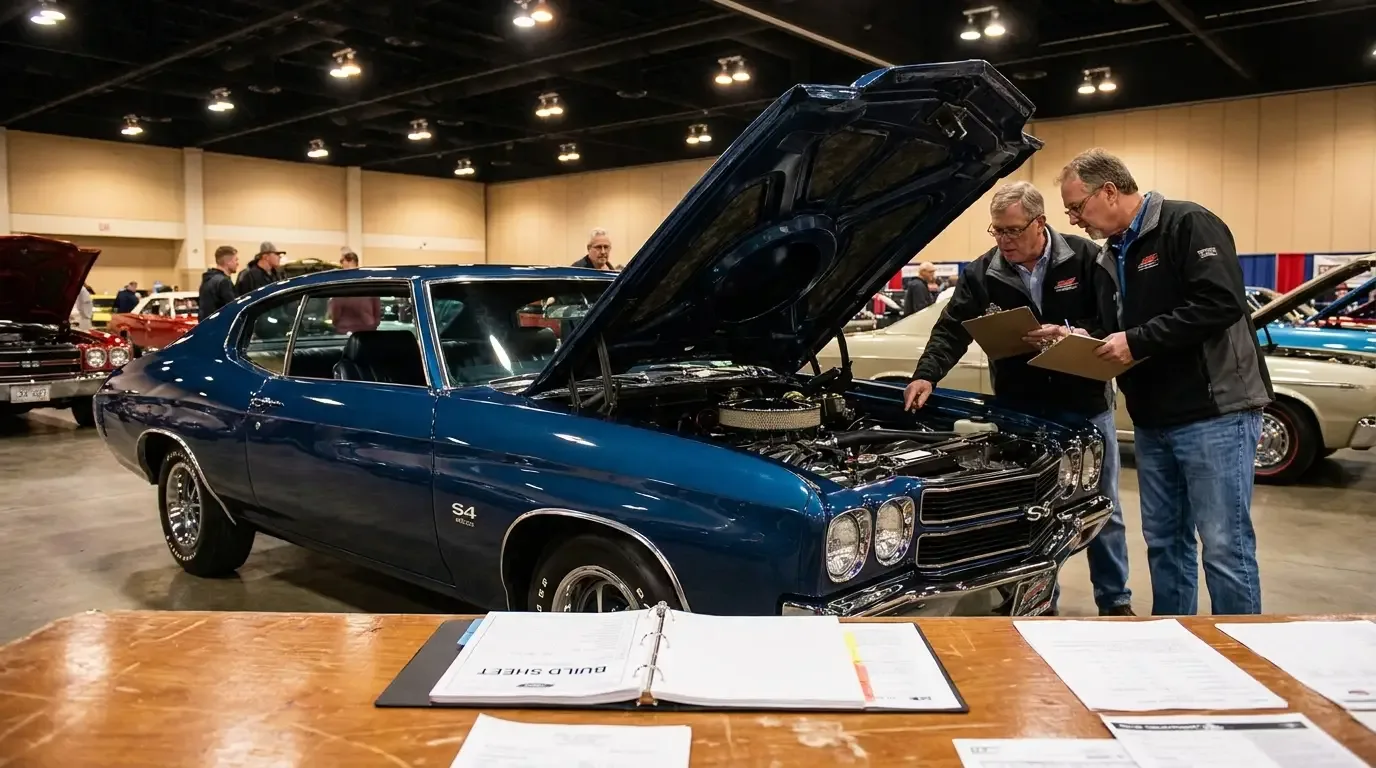
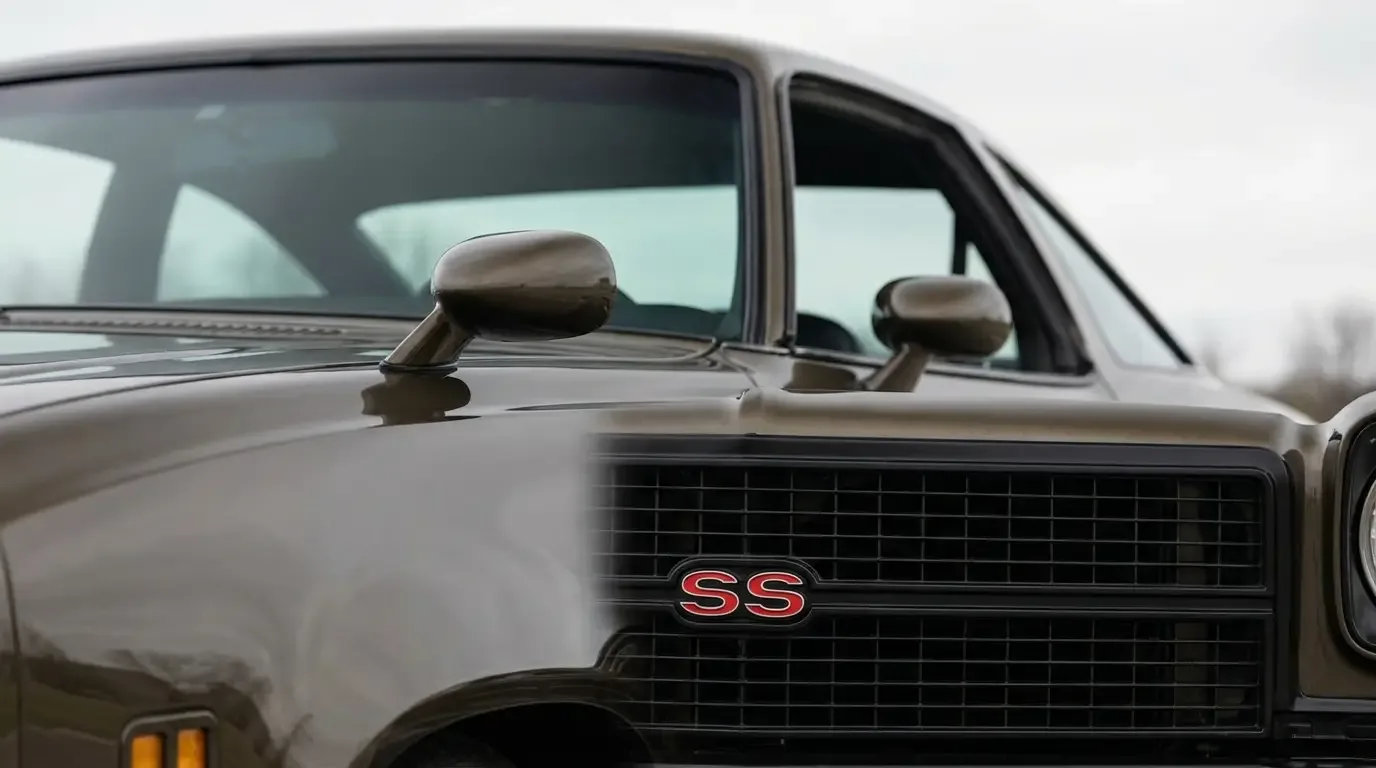
Badge, hood, and stripe kit tell you what somebody wanted the car to look like. They don't tell you what's actually under the hood or bolted to the frame. I check the cowl tag first, cross it against the VIN and, if the seller has one, the original build sheet. Casting numbers on the block should match what that engine code should carry for the year, not just be "a 396," because plenty of 396s got swapped between Chevelles and full-size Chevys over sixty years of ownership changing hands.
The suspension and brake upgrades that came with the SS396 package are worth checking too, not just the engine. A correct car has heavier front stabilizer bar hardware and the right spring rates for the added weight up front. I've seen restorations that nailed the cosmetics and skipped the mechanical parts nobody sees at a car show, which tells you something about what the restorer actually cared about.
🔧 Inspection Priorities
- Cowl tag against build sheet. Mismatched trim codes or engine codes are the first sign of a car that isn't what the badge claims.
- Casting numbers on the block. An L78-badged car with L35 casting numbers is an L35 with a badge, not an L78 with a lucky history.
- Correct SS suspension hardware, not just cosmetic trim. Underneath is where the real car shows itself.
What they're worth and where to find them
Correctly documented L78 cars command real money and rightly so, they're rare and they're the version most people mean when they picture a '66 SS396. L35 and L34 cars are more common, more affordable, and honestly more livable as a daily driver if you're not chasing numbers-matching perfection. If you're shopping this specific year, you can shop 1966 SS396 Chevelles and see current asking prices across the range, which will tell you more about where the market actually sits than any number I could quote you here.
Buy on documentation first, condition second, and paint job last. That order trips up a lot of first-time buyers who fall for a car that looks right at fifteen feet and turns out to be an average L35 dressed up to look like something rarer. The full arc of what came right after this debut year, next: 1968, is worth reading if you're trying to place where this specific car sits in the bigger timeline.
"The paint looks right at fifteen feet on half these cars. What's under the hood and what's in the paperwork tells you the actual story, and those two things don't always agree with each other."
Mike Sullivan
Sources and notes
- HowStuffWorks: 1966 Chevrolet Chevelle SS 396 profile
- Mac's Webs: RPO L35 396/325 engine reference
- SS396.com: 1966 Chevelle restoration information
- Sports Car Market: 1966 Chevrolet Chevelle SS 396 production and market data
- Old Cars Weekly: SS 396 engine lineup context
- Muscle Car Facts: 1966 Chevelle specifications
Related Reading
Have a
Chevrolet Chevelle
for Sale?
Reach thousands of serious classic car collectors across the US.
Sell It Here →
Are You a Classic Car Dealer?
List your full inventory and connect with targeted classic car buyers.
Join as a Dealer →

About the author
Mike Sullivan
Detroit-area muscle car enthusiast and restoration specialist with three decades of hands-on experience working on American iron.
Related Listings - Chevrolet Chevelle
More in History & Heritage
Comments
Be the first to comment on this article.