
Nine model years, one badge, and almost nothing stayed the same underneath it. That's the honest summary of the Chevelle SS run if you actually sit down with the build sheets and RPO codes instead of relying on what the name has come to mean in casual conversation. I've worked through enough of these cars, and enough factory paperwork behind them, to say the SS Chevelle isn't one car with different paint schemes. It's at least three distinct eras of GM decision-making wearing the same three letters.
History & Heritage
6 min read
The Evolution of the SS, 1964-1972
Year by year, how the Chevelle SS went from a trim package to its own series, then back to an option code, across nine model years.
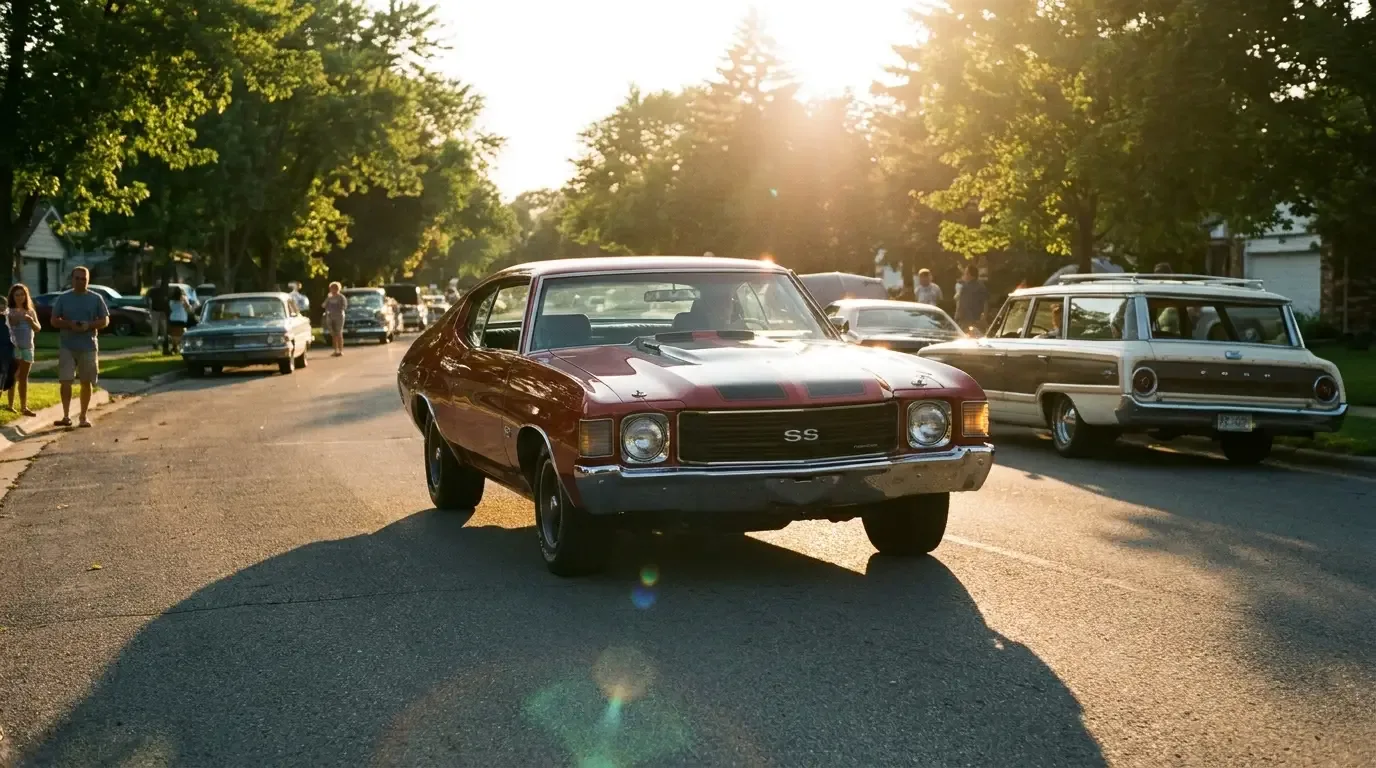
This is the year-by-year version, the one that fills in what actually changed and when. If you want the shorter explanation of what the letters meant at any given point rather than the full timeline, the Chevelle SS story covers that ground directly. Here, we go through the whole arc.
1964-1965: the trim package years
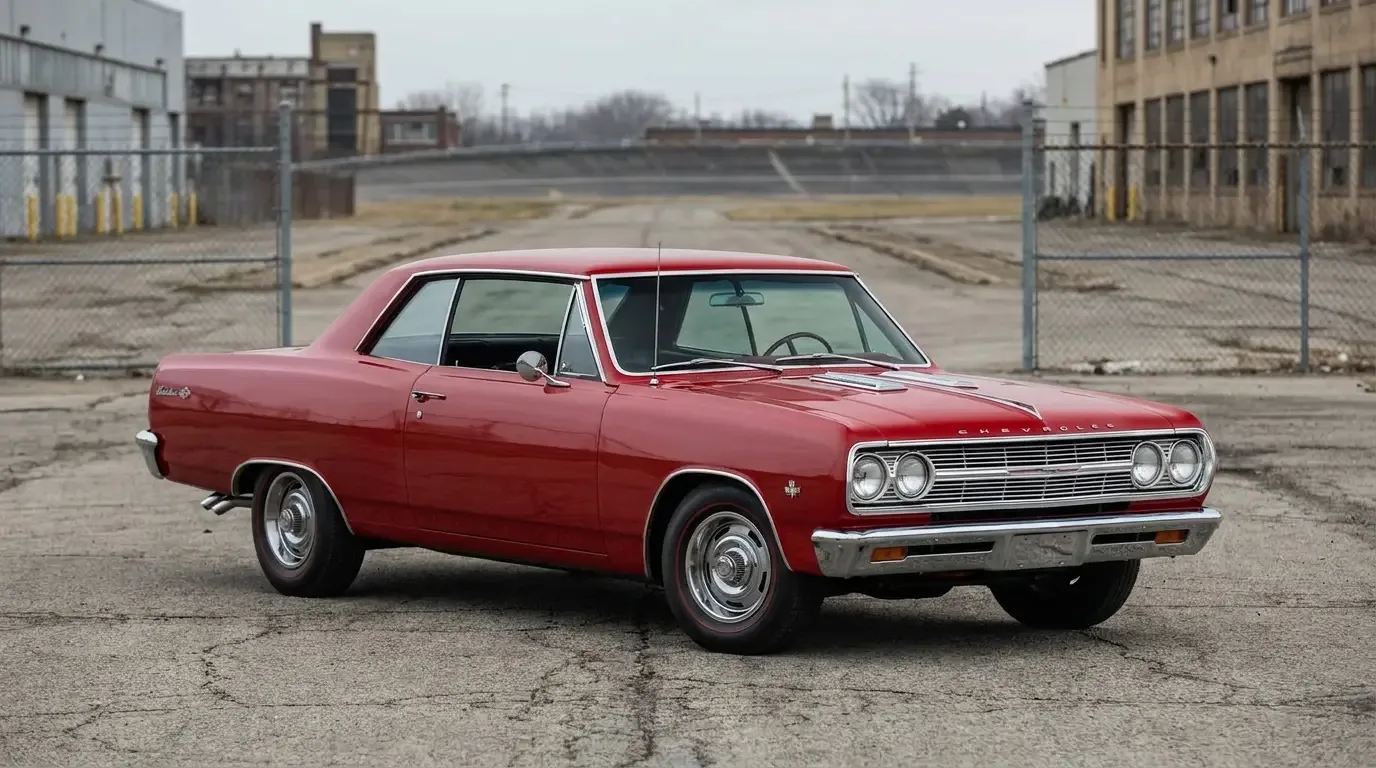
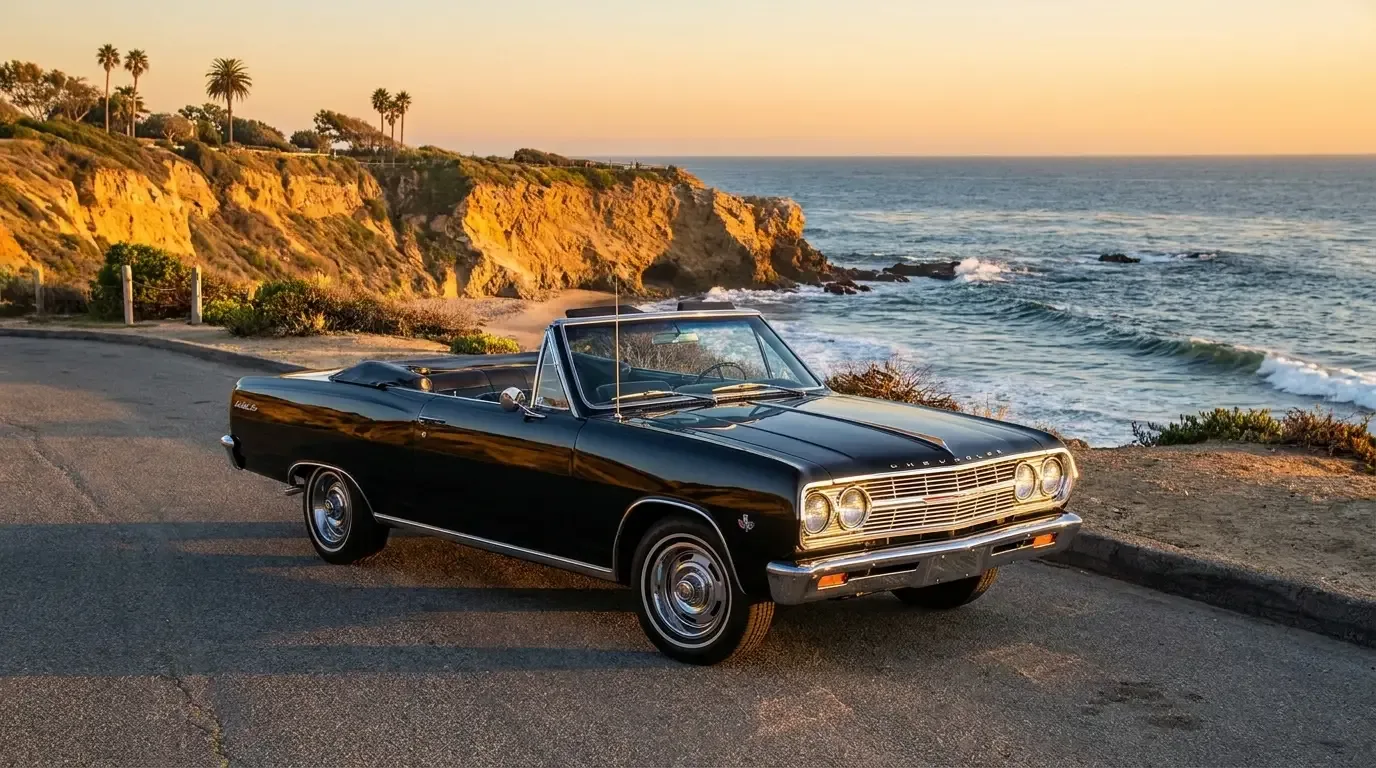
The Chevelle launched for 1964 with SS available as a Super Sport trim option, built around bucket seats, a center console, upgraded suspension, and specific badging, layered onto the Malibu. It was not tied to one specific engine. You could order a Chevelle SS with the base inline six through 1965, which surprises people who assume performance was baked into the badge from day one. It wasn't yet.
1965 brought the one-year-only Z16 package, a genuinely rare factory big-block build: 201 cars total, 200 hardtop coupes and a single convertible, each with a 396 shoehorned into the chassis along with reinforced suspension and braking to handle it. Z16 isn't the same thing as a regular SS 396, and conflating the two in a listing or a conversation is a mistake worth correcting gently whenever it comes up. Z16 was a proof of concept. The SS 396 that followed a year later was the production answer.
1966-1967: the SS 396 series
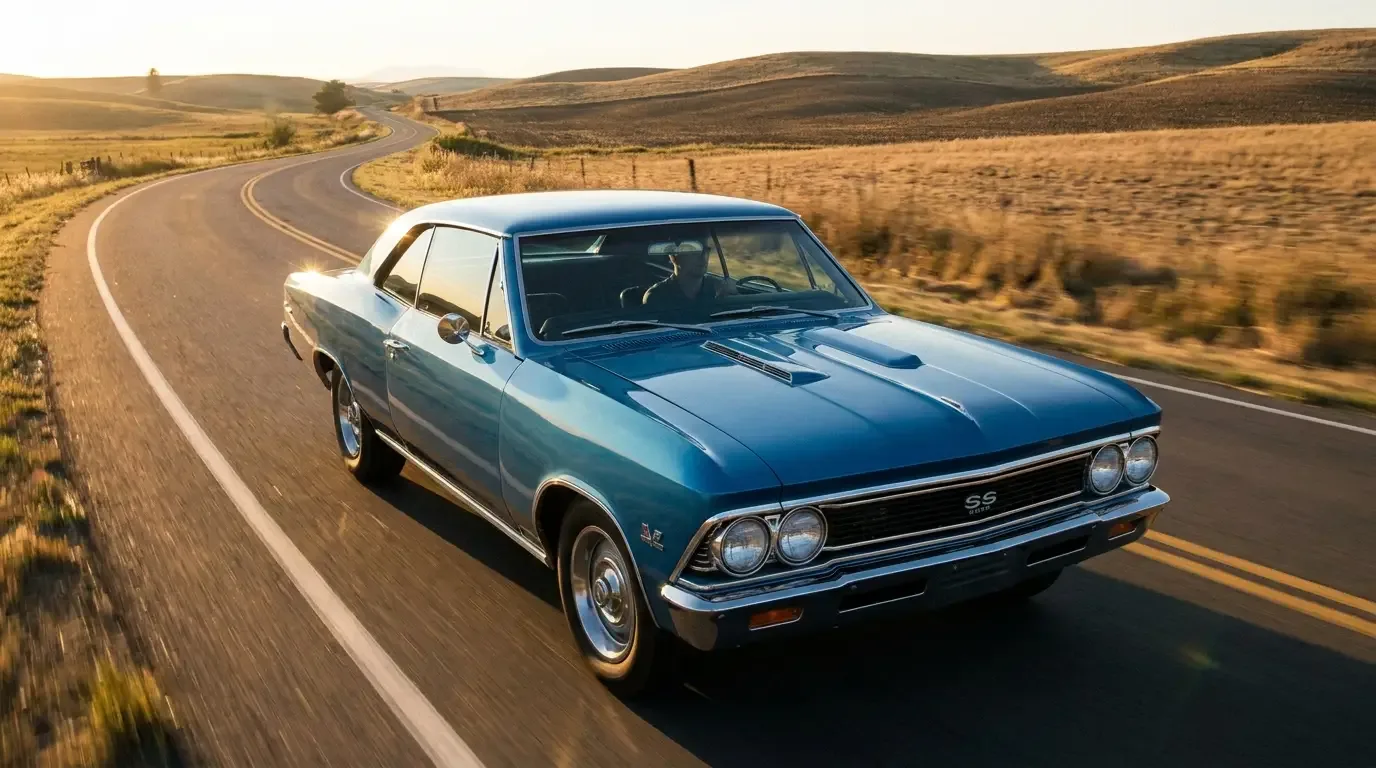
1966 is where most people's mental image of the Chevelle SS actually comes from. The Super Sport became its own series, badged SS 396, with the big-block effectively standard equipment rather than an add-on. Chevrolet offered a tiered lineup of 396 variants that model year, from a base output engine up through higher-compression, higher-output versions for buyers who wanted more, and total SS 396 production for 1966 came in at 72,272 units, a substantial jump that reflected how directly Chevrolet was answering the GTO's early success in the same segment.
1967 carried the formula forward with detail changes to trim, options, and safety equipment mandated across the industry that year, but the core proposition stayed the same: order the SS 396, get a genuinely quick mid-size car with the trim and suspension package to match. For the specific story of that debut year in more depth, next: 1966 goes further into the engine lineup and what actually shipped.
1968-1969: the redesign and the option shift
Chevrolet redesigned the Chevelle for 1968 onto a new body with a longer wheelbase for two-door models, and SS 396 carried over as its own series for one more year on that new platform. The engine lineup carried over in spirit, big-block options up through the 375-horsepower L78, but the badge now sat on top of a car that was, mechanically and structurally, a different platform than 1966-1967.
1969 is when the actual option shift happened: SS 396 stopped being a standalone series and became RPO Z25, something you checked on a Malibu order form rather than a separate model line in its own right. It's the year most collectors point to when they say SS "really" became just an option code rather than a model identity, since from that point on it was clearly one line item among several rather than the reason a buyer walked into the showroom.
| Period | SS status | Key change |
|---|---|---|
| 1964-1965 | Its own Malibu SS trim series, no RPO code | Not engine-specific; Z16 one-year rarity in 1965 |
| 1966-1968 | Distinct SS 396 series | Big-block effectively standard; redesigned body from 1968 |
| 1969-1970 | Option package, RPO Z25 (Z15 added for the 454 in 1970) | Same longer-wheelbase platform, now order-form option |
| 1971-1972 | Option package, RPO Z15, across engine range | Peak output in 1970, then emissions-driven decline |
1970-1972: peak output and the slow wind-down
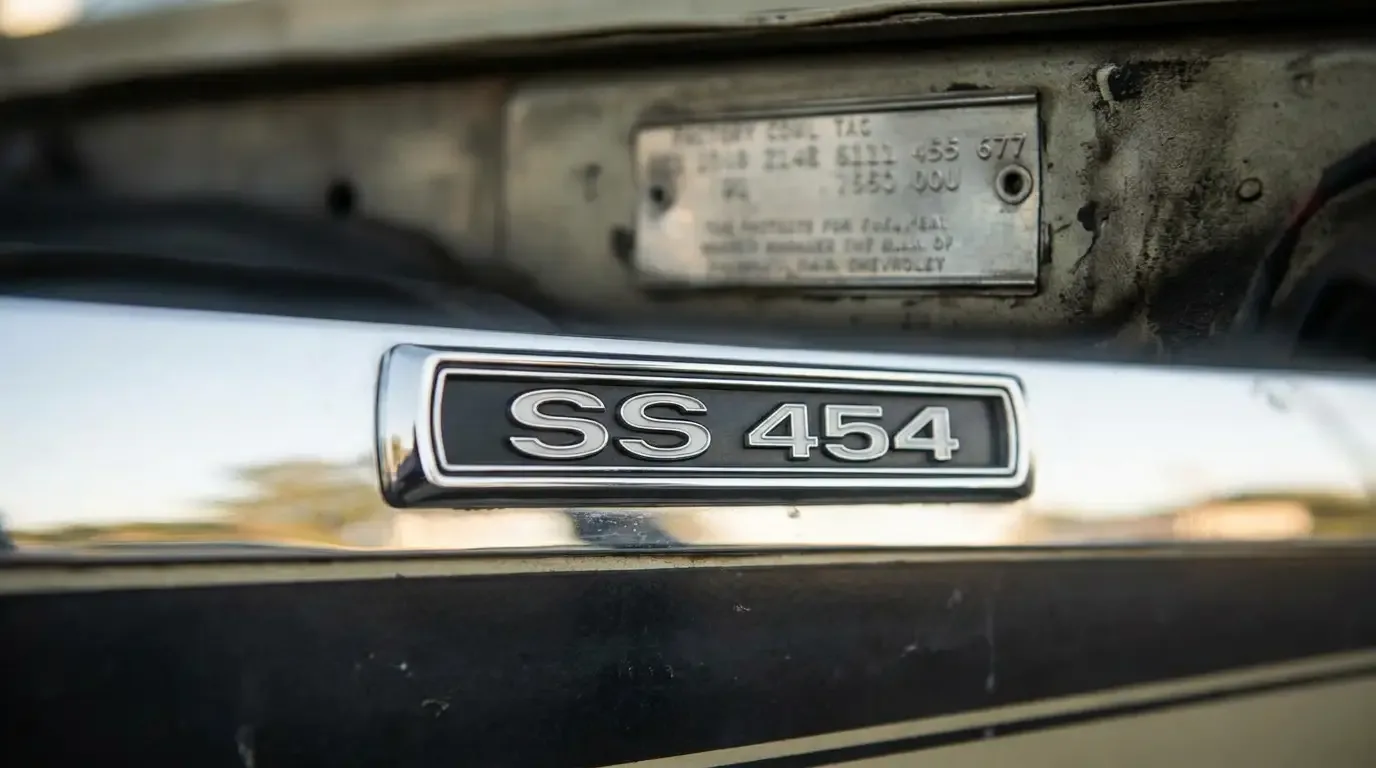
1970 is the horsepower high point of the run, with the LS6 454 rated at 450 horsepower on paper, among the highest factory ratings of the entire muscle car era. That car gets outsized attention relative to how many were actually built, and rightly so given what it represented, but it existed alongside a much larger volume of small-block and lower-output SS Chevelles that did the day-to-day work of the option package.
1971 saw compression ratios drop across the board as GM prepared for unleaded fuel and tightening emissions rules, softening horsepower ratings even where the hardware underneath hadn't changed as much as the numbers suggest. 1972 was the last model year most enthusiasts consider a true SS Chevelle before the platform's next redesign and the broader industry retreat from big-block performance options. After that, the badge lived on in diminished form, but the specific combination of chassis, engine range, and market context that defined 1964 through 1972 didn't come back.
🔧 Inspection Priorities
- Match the era to the expectation. Don't judge a 1968 SS by 1966 series standards, or a 1971 by 1970 LS6 output figures. Each era has its own baseline.
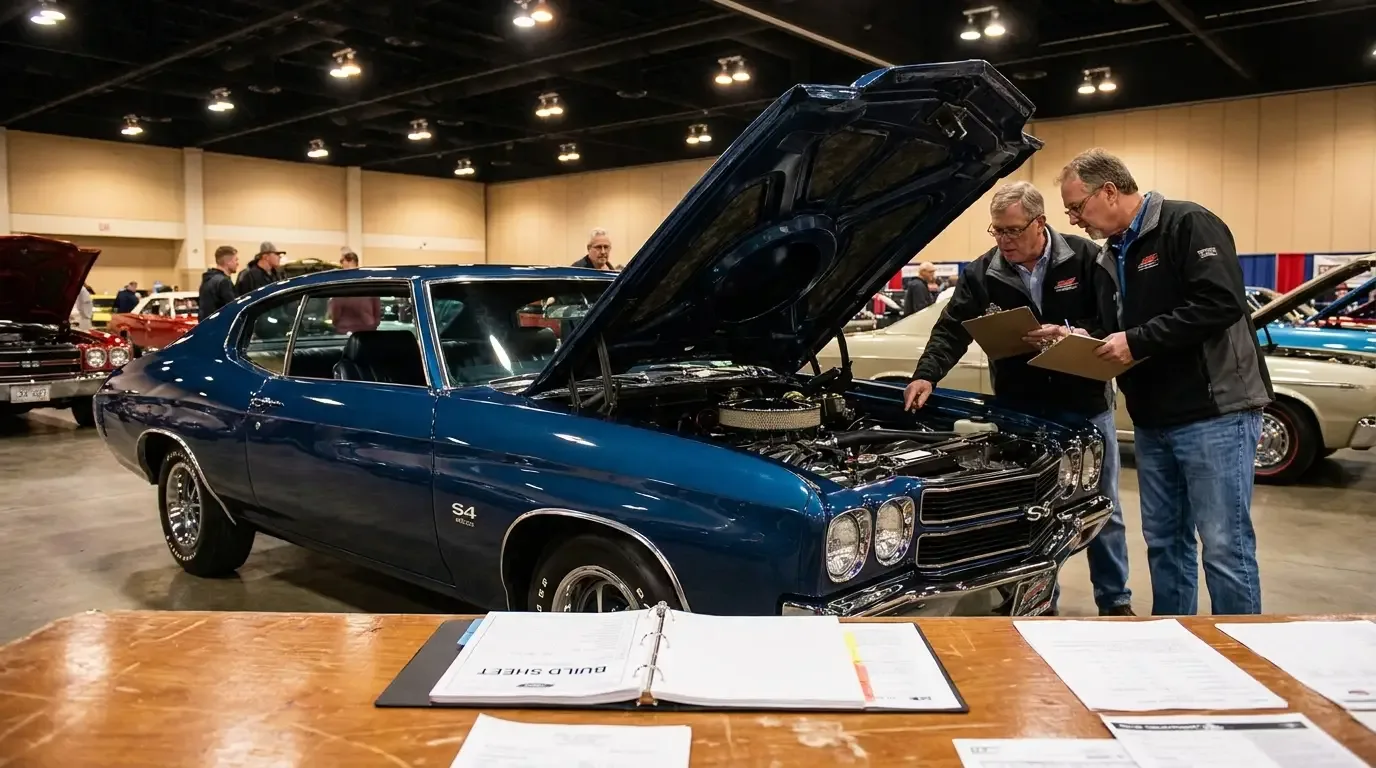
- Verify Z16 claims exhaustively. With so few built, misattributed Z16 cars show up in the market more often than the real production numbers should allow.
What the nine years actually add up to
Read straight through, the SS Chevelle's story is really the story of GM chasing, catching, then slowly stepping back from a specific performance moment in the American car market, with the same three letters riding along through every phase of it. That's useful context whether you're buying, restoring, or just trying to place a specific car in the right chapter of its own history.
"People want the SS badge to mean one fixed thing across nine years. It never did. The interesting part isn't that it changed, it's tracing exactly where and why, year by year, in the paperwork rather than the folklore."
Tom Ramirez
Sources and notes
- Mac's Motor City Garage: Birth of the Big-Block Chevelle, the 1965 Z16
- SS396.com: 1965 Chevelle restoration specifications and Z16 production
- Hagerty: The definitive 1968-72 Chevelle SS buyer's guide
- Automobile-Catalog: 1970 Chevrolet Chevelle SS 454 LS6 specifications
- Sports Car Market: 1966 Chevrolet Chevelle SS 396 production data
- MotoGallery: 1968-1970 Chevrolet Chevelle SS 396 specs and history
Related Reading
Have a
Chevrolet Chevelle
for Sale?
Reach thousands of serious classic car collectors across the US.
Sell It Here →
Are You a Classic Car Dealer?
List your full inventory and connect with targeted classic car buyers.
Join as a Dealer →

About the author
Tom Ramirez
Corvette researcher and historian based in Bowling Green, Kentucky. Two decades documenting Corvette production history from original factory records.
Related Listings - Chevrolet Chevelle
More in History & Heritage
Comments (1)
S
Steve Macaluso
3 weeks ago
Any suggestions on marque clubs for this car? Trying to find someone who really knows this platform in my region.