
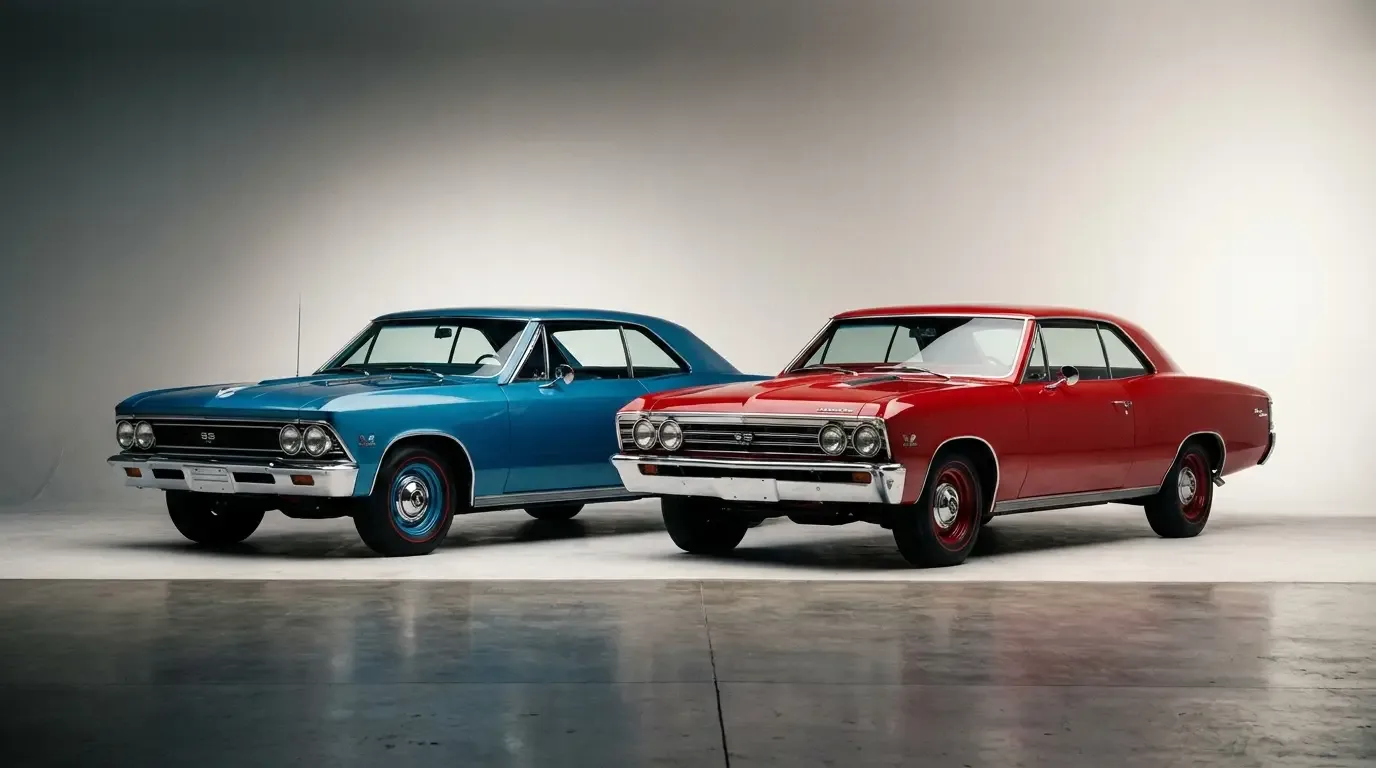
By 1967, the Chevelle had stopped being the new kid on Chevrolet's lot. It had three model years behind it, a loyal following building around the SS, and a body style that GM was already quietly retiring on the drawing boards in Warren, Michigan. Nobody buying a '67 knew it at the time, but this was the last lap for the car as it had been introduced in 1964. The following year brought a full redesign, and the '67 became the closing chapter of what collectors now call the first generation.
History & Heritage
7 min read
1967: The Last of the First Generation
Why the 1967 Chevelle closed out the original body style, with disc brakes, SS396 power, and what it means for buyers today.
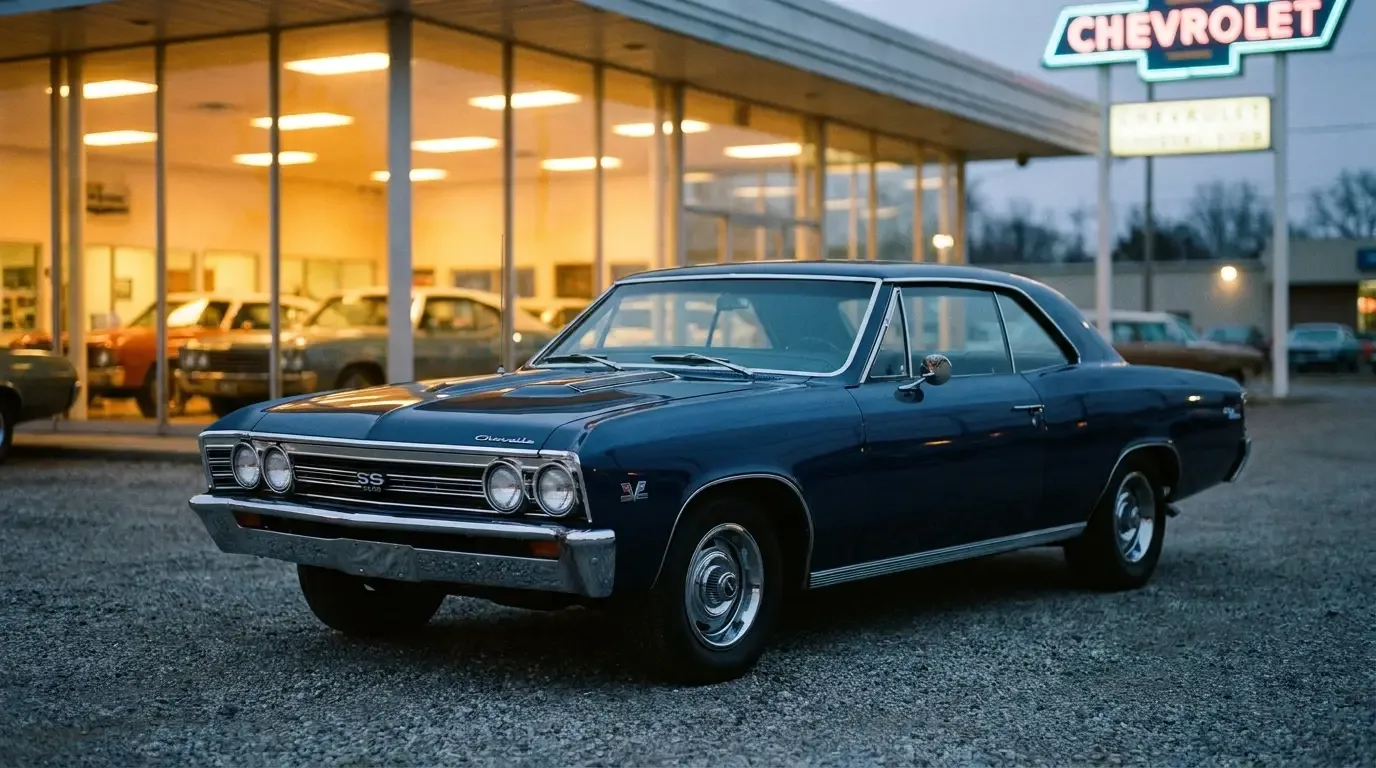
That context matters more than most people realize when they're looking at a 1967 Chevelle today. It's not just "one of the good years." It's the last one that shares its basic bones, glass, and proportions with the first-generation story that started three years earlier, and that makes it a specific kind of car to own and to understand.
A quiet farewell to the original body
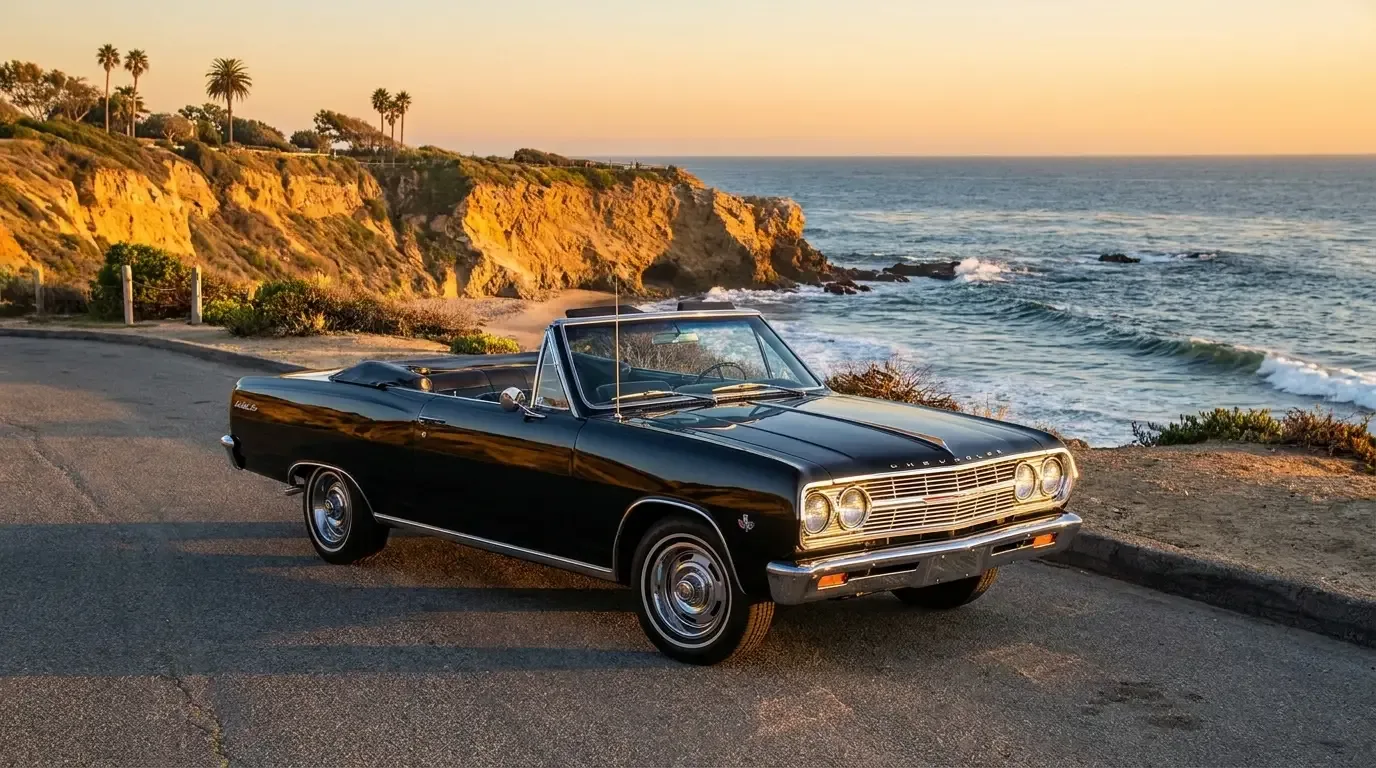
Chevrolet had restyled the Chevelle for 1966, giving it a more aggressive front end and sculpted flanks, but the basic structure underneath, the A-body platform GM introduced across Chevrolet, Pontiac, Oldsmobile, and Buick, stayed the same from 1964 through 1967. For 1967, the changes were the kind you'd call a facelift rather than a redesign. New grille texture, revised rear styling, and a cleaner look overall, but the same doors, the same roofline, the same basic silhouette people had been buying since the car launched.
What did change was safety equipment, and this is where 1967 quietly becomes an important year in the car's story. Front disc brakes became a factory option for the first time, a genuine functional upgrade rather than a trim tweak, and items like an energy-absorbing steering column and a dual-circuit brake master cylinder showed up as federal safety standards started reshaping Detroit engineering across the board. None of that shows up in a photo, but anyone restoring or shopping a '67 should know the car sits at that transition point.
The SS396 comes into its own
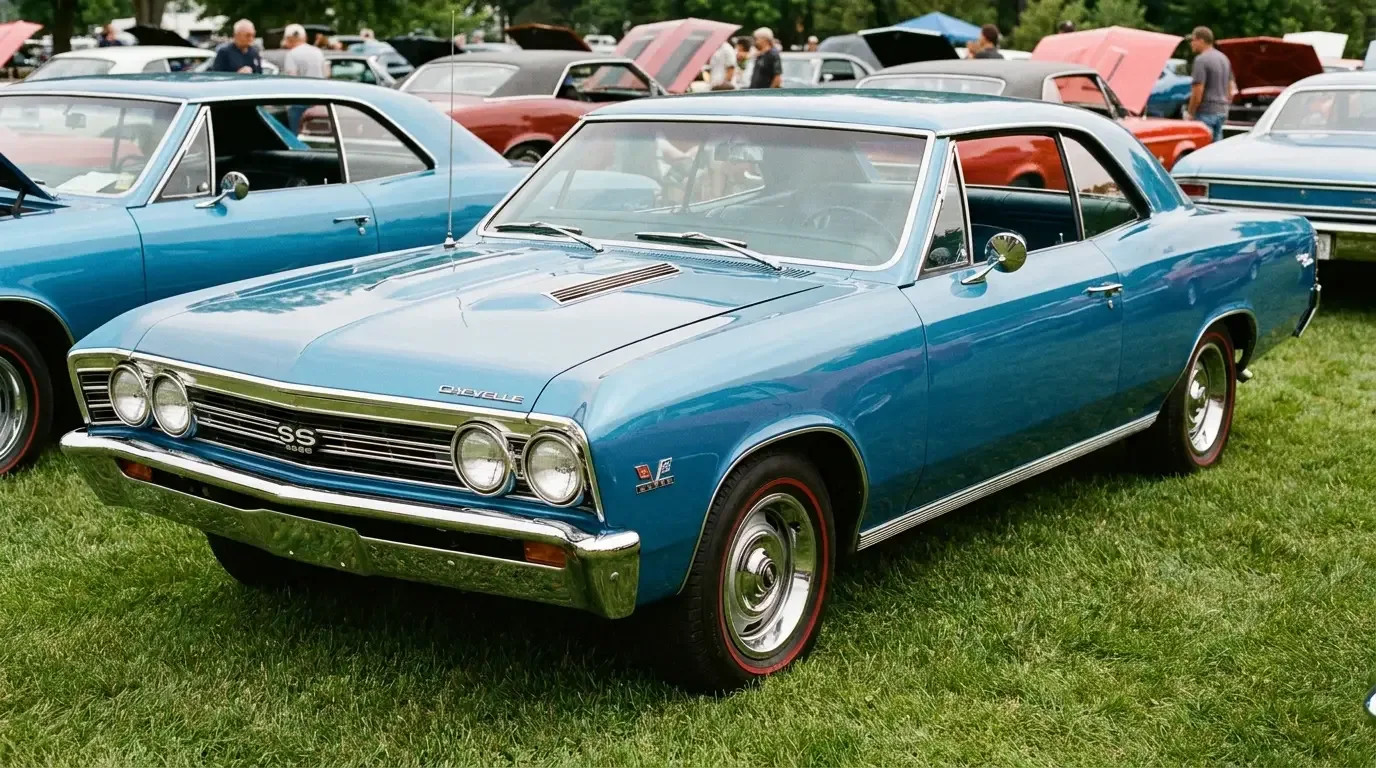
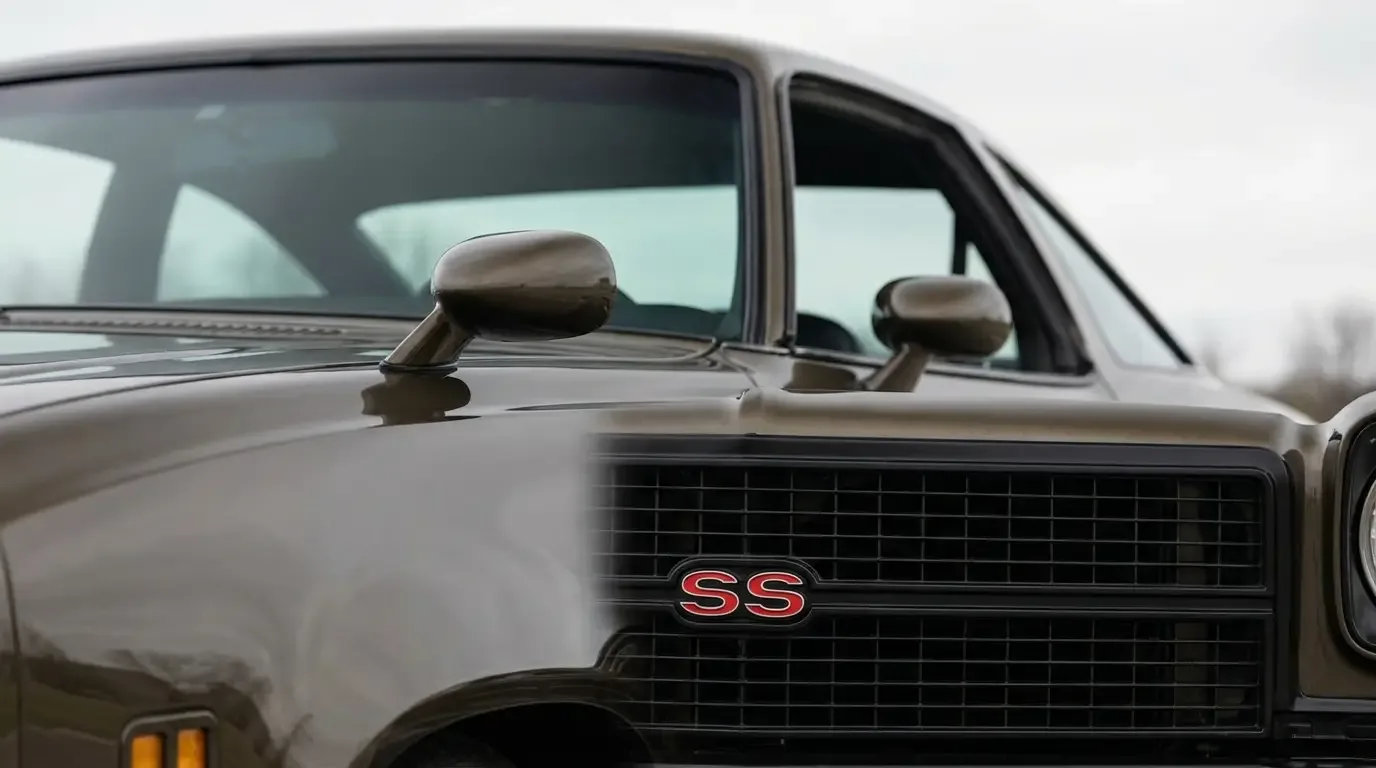
The Super Sport package had been building momentum since the Z16 experiment in 1965, and by 1967 the SS396 was a fully established part of the lineup rather than a rare option. Buyers could get a Chevelle with real muscle-car credentials without hunting down one of the scarce early cars. Engine choices topped out with the big-block 396, running from the base L35 at 325 hp to the L34 at 350 hp, with the L78 at 375 hp available as a dealer-installed, over-the-parts-counter option rather than a catalog choice. Chevrolet built over 63,000 SS396 Chevelles for 1967, so this wasn't a rare package by the standards of the segment.
What's notable about the '67 SS396 isn't just the power. It's that Chevrolet had figured out how to sell a genuinely quick mid-size car to a broad audience, not just hardcore enthusiasts. That's part of why the Chevelle held its ground against the Pontiac GTO and the Ford Fairlane in showroom traffic even as the muscle car segment got more crowded every year.
What the last first-gen year means for buyers now
Collectors treat 1967 Chevelles a little differently than the '66, even though the two share most of their sheet metal. Part of it is the disc brake option, which makes a '67 a more livable driver for someone who wants to use the car rather than trailer it to shows. Part of it is simply the "last of the breed" appeal, the same instinct that makes people chase the final year of any run before a redesign.
Values track closely with the SS package and engine choice, as they do across the whole first generation. A well-documented SS396 commands real money. A base six-cylinder sedan in decent shape is still an honest, affordable way into the hobby, and it's worth remembering that not every Chevelle needs to be a big-block car to be worth owning. If you want the full arc of how the car got to this point, the first-generation story covers the years leading up to it.
"I've talked to owners who specifically sought out a '67 because they wanted the last year before the big redesign, the same way some people always want the final model year of anything. It's a sentimental reason to buy a car, but it's not a bad one. This one happens to also be the most usable of the bunch thanks to the disc brakes."
Patrick Walsh
Living with a first-generation swan song
Parts support for these cars is strong across the board, since the Chevelle shared so much with other GM intermediates of the era and the reproduction parts market caught on to A-body demand decades ago. Rust in the usual spots, quarter panels, trunk floor, lower doors, is the main mechanical concern rather than anything specific to the 1967 model year. If you're shopping, that means the buying advice is largely the same as for any first-gen Chevelle: check the body first, verify the drivetrain matches what the paperwork claims, and don't overpay for an SS badge that isn't backed up by the right cowl tag codes.
For anyone actively looking, browsing what's actually available is the fastest way to get a sense of real-world pricing rather than guessing from memory. You can shop 1967 Chevelles for sale and see how the market is pricing SS versus base cars right now. From there, the natural next question is how different the '66 and '67 actually look side by side against the earlier '64 and '65 cars, which is exactly what the styling shift story gets into.
The transition year nobody planned for
What makes 1967 an interesting case study is that nobody at Chevrolet was treating it as a farewell tour while it was happening. Product planning for the 1968 redesign was already well underway inside GM by the time '67 models hit dealer lots, but the sales floor pitch for the '67 was the same as any other year: buy this car because it's good, not because it's the last of anything. That framing only got applied afterward, once buyers and then collectors could look back and see where the line actually fell.
That's worth remembering because it changes how you should read a '67 Chevelle's design choices. The facelift wasn't Chevrolet's stylists trying to give the car a proper send-off. It was business as usual, a mid-cycle refresh meant to keep the car looking current for one more season while engineering resources were already committed to the next generation. The fact that it reads today as a fitting closing statement is mostly hindsight talking.
None of that diminishes the car. If anything, it makes the '67 a more honest snapshot of where Chevrolet's mid-size lineup actually stood at that moment, safety equipment improving, performance options maturing, styling refined but not yet reinvented. It's a good car on its own terms, and the last-of-the-line status is a bonus for collectors rather than the reason the car was built the way it was.
Sources and notes
- Chevy Hardcore: Chevelle Engine Options 1967
- Old Cars Weekly: Car of the Week, 1967 Chevelle SS 396
- Team Chevelle forum: 1967 Chevelle front power disc brake discussion
- Chevy Hardcore: Chevelle front disc-brake option history
- MACSWEBS: 1967 SS 396 Engine Codes
- Chevy Hardcore: 1967 Chevelle SS396 feature
Related Reading
Have a
Chevrolet Chevelle
for Sale?
Reach thousands of serious classic car collectors across the US.
Sell It Here →
Are You a Classic Car Dealer?
List your full inventory and connect with targeted classic car buyers.
Join as a Dealer →

About the author
Patrick Walsh
Automotive journalist covering classic car shows, events, and the enthusiast community across North America.
Related Listings - Chevrolet Chevelle
More in History & Heritage
Comments
Be the first to comment on this article.