
By the 1950s, the two marques built the same car, yet the factory sold them to two different people. The Rolls-Royce went to the owner who rode in the back. The Bentley went to the owner who drove. This split was not an accident of engineering, because the engineering was identical. It was a deliberate marketing position, and it outlived the mechanical differences that once justified it. Long after a Silver Cloud and a Bentley S-Series became the same machine under the skin, the idea persisted that a Bentley was the car you chose if you held the wheel yourself.
History & Heritage
6 min read
Why Bentley Was Built as the Driver's Alternative to the Chauffeur-Driven Rolls-Royce
Why Bentley was sold as the owner-driver's alternative to the chauffeur-driven Rolls-Royce, and why the positioning outlived their shared engineering.
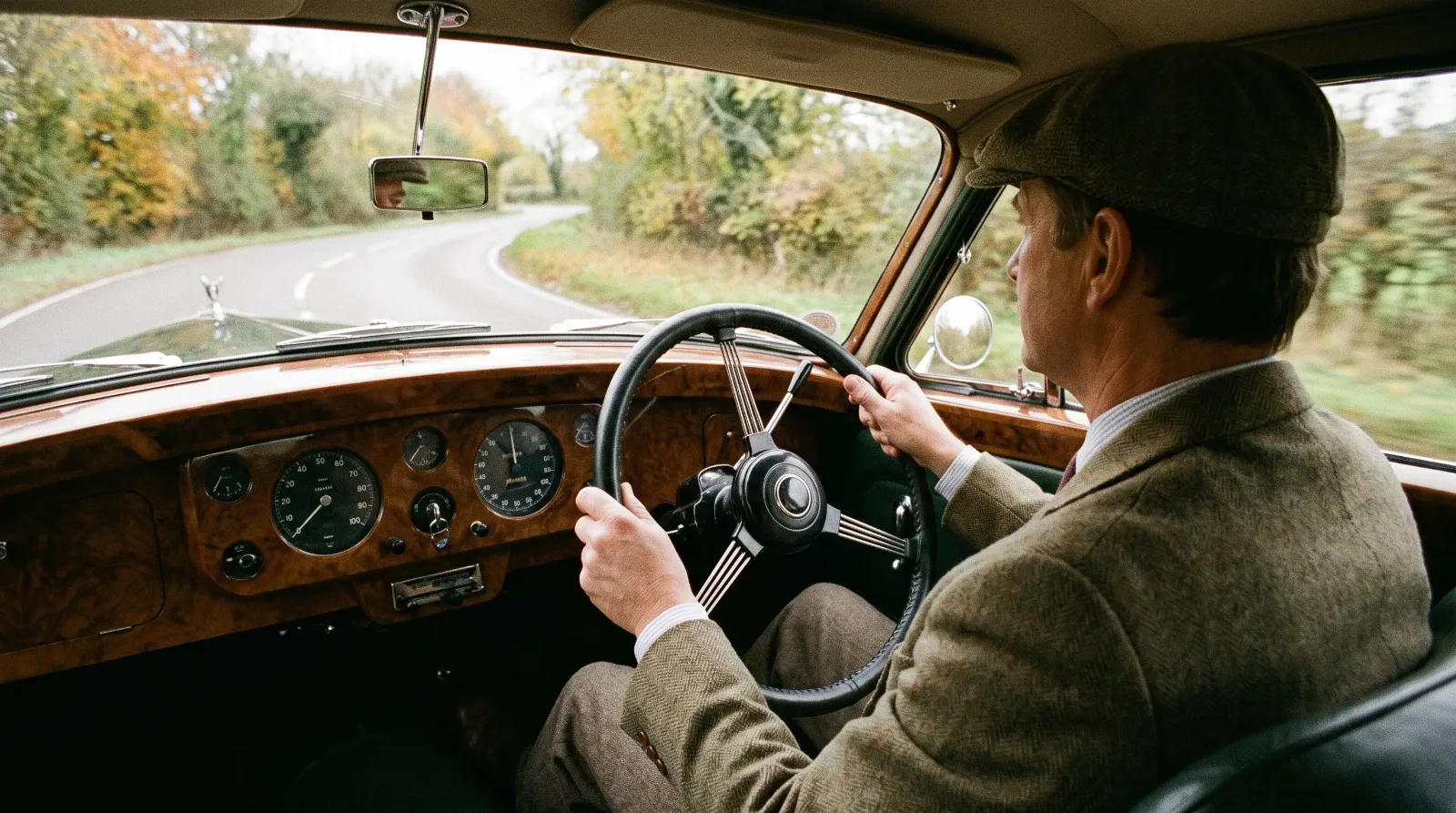
Making sense of that positioning is central to the Rolls-Royce/Bentley story, because it explains how a company sold nearly the same product twice without cannibalising itself. The answer lies in who each badge was meant to signal, not in what each car could do.
Where the driver's-car idea came from
The distinction predates the badge engineering entirely. It goes back to the Derby Bentleys of the 1930s, marketed as "the silent sports car," a phrase built to tell buyers that this Rolls-Royce-engineered machine was meant to be driven hard and enjoyed from the front seat. Rolls-Royce, by contrast, had spent decades cultivating an image of stately rear-compartment travel, the car a wealthy owner was conveyed in rather than the car he steered.
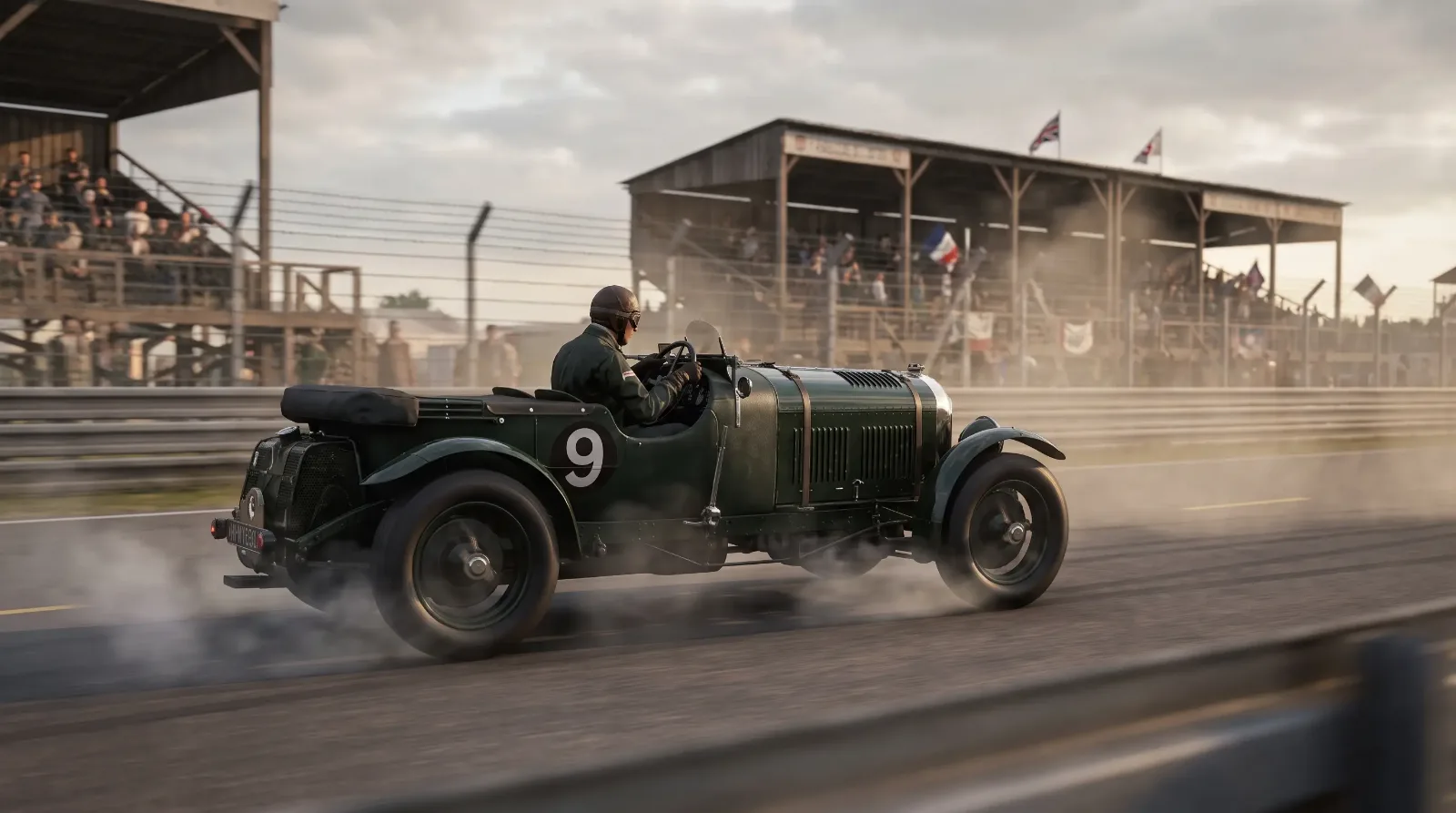
When Rolls-Royce absorbed Bentley in 1931, it inherited a name that already carried sporting weight from the Le Mans years. Rather than erase that reputation, the company put it to work. Bentley became the outlet for the driving enthusiast within the same customer base, a way to sell to the man who wanted Rolls-Royce quality but did not want the formality, or the chauffeur, that the Rolls-Royce name implied.
How the positioning worked in the showroom
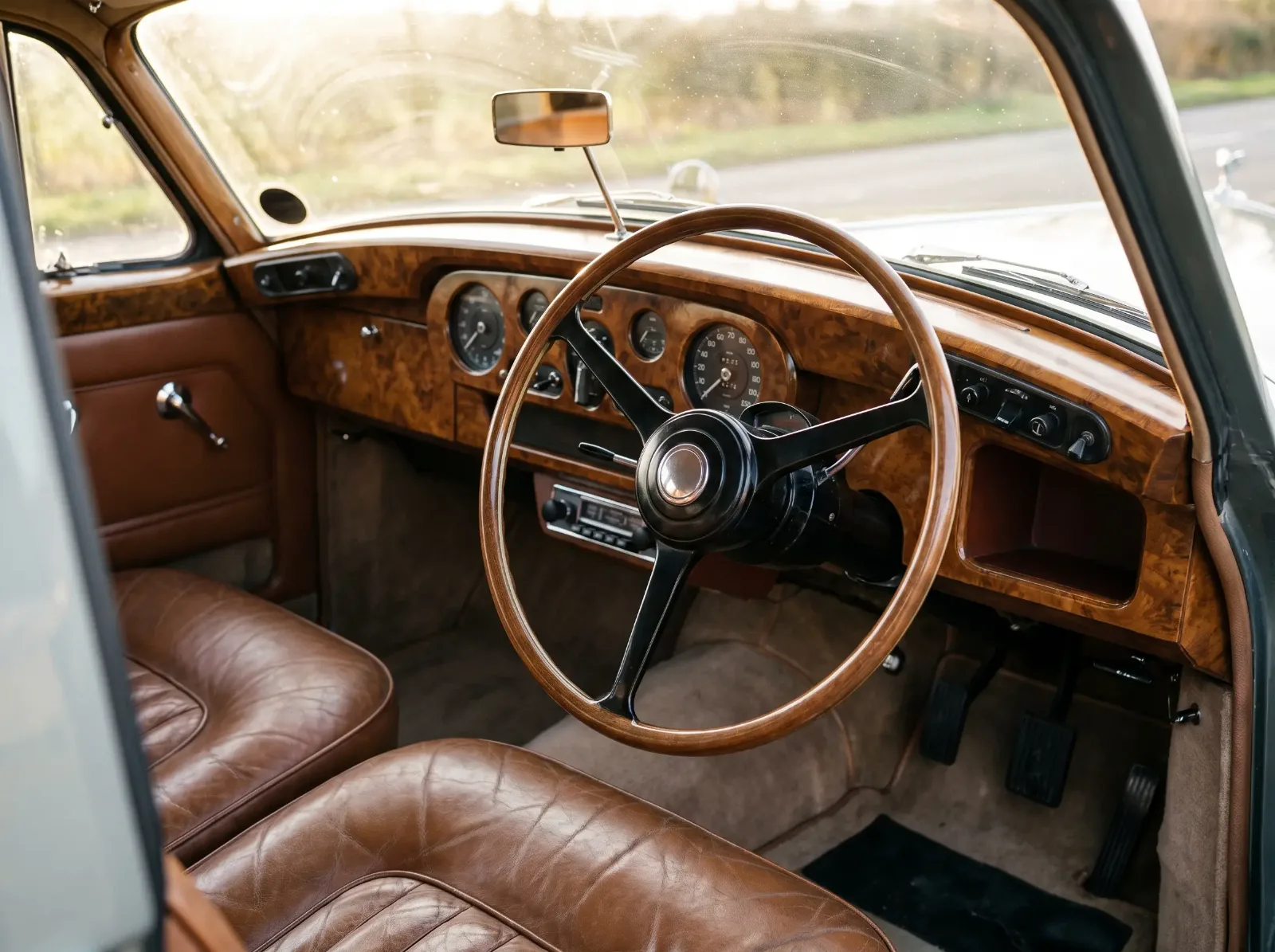
The clearest expression of the idea was the R-Type Continental of 1952, a fastback grand tourer built for fast, long-distance driving. It was among the quickest four-seat cars of its day, and it was sold as a Bentley precisely because Rolls-Royce did not want its formal marque associated with a machine meant for spirited work behind the wheel. The Continental was a driver's car in the most literal sense, and it fixed the Bentley identity for a generation. It was expensive, exclusive, and built in small numbers, and it did exactly what the marque needed. It gave the Bentley name a halo of speed and purpose that the shared saloons could then borrow, even when those saloons were mechanically no different from their Rolls-Royce twins.
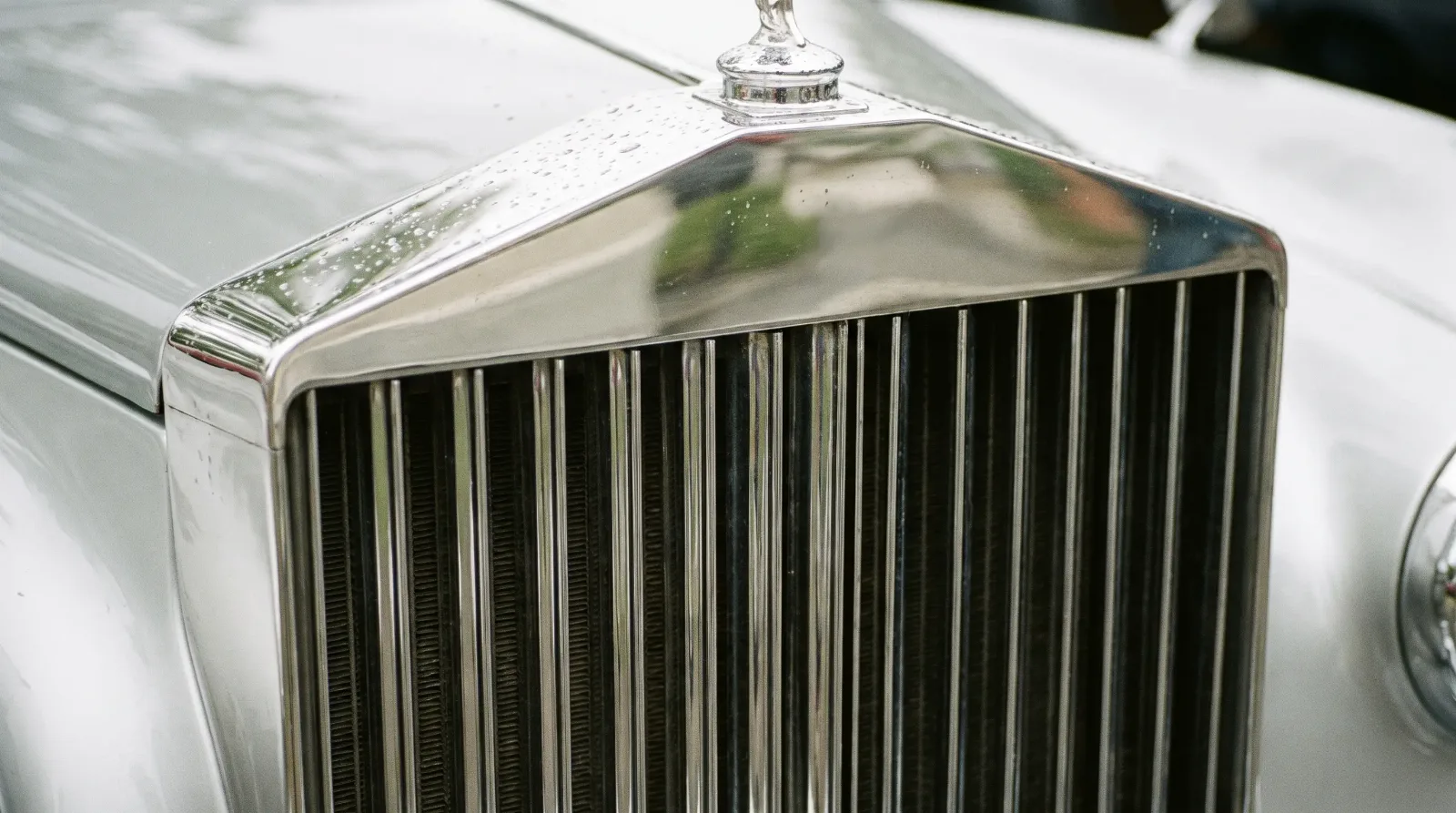
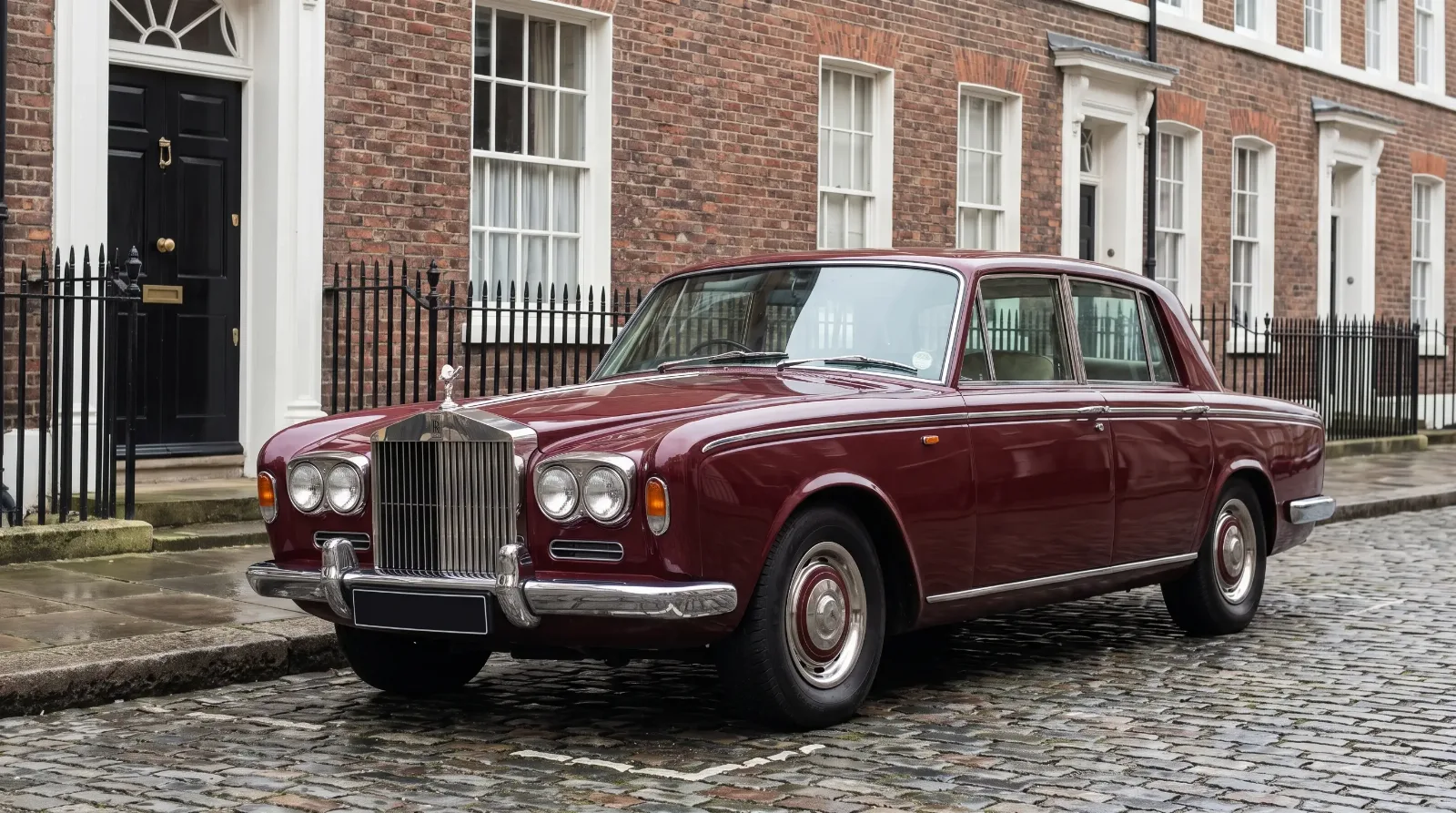
On the standard saloons, the positioning was subtler but no less deliberate. A buyer who ran a chauffeur and wanted to be seen arriving chose the Rolls-Royce, with its tall temple grille and its Spirit of Ecstasy announcing the car before it stopped. A buyer who drove himself, and preferred not to advertise, chose the Bentley with its lower, quieter grille. Same car, different message.
Why the split survived the shared engineering
Here is the paradox. By the Silver Cloud and S-Series era, the driver's-car claim had almost no mechanical basis. The two cars used the same engine, the same gearbox, and the same chassis, so the Bentley was not faster, sharper, or more focused than its Rolls-Royce twin. The difference was entirely in perception, and yet the perception held.
It held because the badge was doing social work that horsepower never touched. Choosing a Bentley said something specific about the owner: that he valued the engineering without the formality, that he drove rather than was driven, that he preferred understatement to display. Those signals had value independent of the car's behaviour, which is why the positioning endured even when the machinery converged completely.
There was a commercial logic to keeping it alive, too. Rolls-Royce and Bentley competed with each other only in the narrowest sense, since both profits flowed to the same parent. Every buyer the Bentley grille attracted was a buyer the company kept, one who might otherwise have gone to a rival marque entirely rather than accept a formal Rolls-Royce. Maintaining two distinct identities widened the net without doubling the engineering cost, and that arithmetic mattered to a firm building cars in small numbers to expensive standards.
"By the late 1950s the Bentley was not a sportier car in any measurable sense. It was a quieter statement about the person who bought it. The factory sold the same chassis to the man in the back and the man at the wheel, and let the grille tell them apart."
Sarah Whitfield
What the distinction means for buyers now
For a collector, the owner-driver framing is worth understanding because it still shapes how these cars are perceived and priced. The coachbuilt Bentleys built around the driver's-car idea, the R-Type Continental chief among them, command real premiums today, well above the equivalent formal Rolls-Royce saloons, precisely because that sporting identity was genuine at the top of the range.
Lower down, among the shared saloons, the distinction is largely one of taste. A buyer weighing a Bentley against its Rolls-Royce twin is choosing an image more than a driving experience, and both are sound cars to own. Anyone browsing classic luxury cars for sale will see the two badges priced within reach of each other at the saloon level, with the sporting Bentleys pulling away at the top.
The owner-driver split defined the marques through the body-on-frame years. It faced its real test when both cars moved to unibody construction in the mid-1960s, a change that reset the engineering and the character of the entire range. Read next: Silver Shadow vs Bentley T-Series to see how the driver's-car idea fared in the modern era.
Related Reading
Have a
Classic Car
for Sale?
Reach thousands of serious classic car collectors across the US.
Sell It Here →
Are You a Classic Car Dealer?
List your full inventory and connect with targeted classic car buyers.
Join as a Dealer →

About the author
Sarah Whitfield
Third-generation classic car collector specializing in pre-war American and European coachbuilt automobiles. Researcher and concours enthusiast.
More in History & Heritage
Comments
Be the first to comment on this article.