
In 1965 the two marques did something they had never done before. They abandoned the separate chassis. The Rolls-Royce Silver Shadow and its twin, the Bentley T-Series, were the first cars from either name built as unitary bodies, with the structure and the body pressed into one welded shell rather than a body bolted onto a ladder frame. It was the single largest engineering change in the postwar history of both marques, and it reset almost everything: the way the cars were built, the way they drove, and the way they could be bodied. The badge engineering carried on. The car underneath the badges was completely new.
History & Heritage
6 min read
Silver Shadow vs Bentley T-Series: The Unibody Era Begins
Silver Shadow vs Bentley T-Series compared: the first unibody Rolls-Royce and Bentley, what changed, what stayed shared, and why the T-Series is so rare.
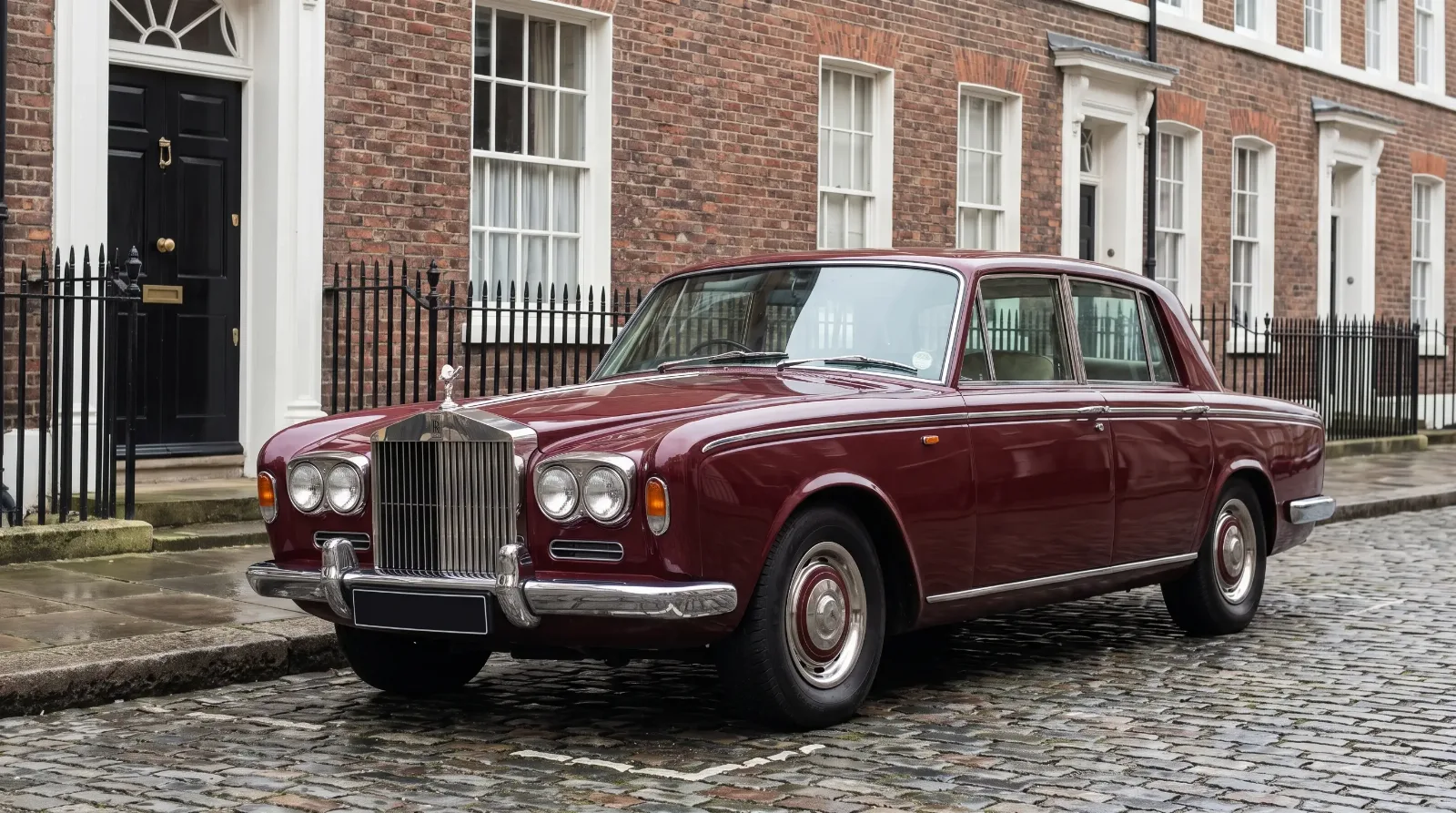
The Shadow and the T-Series are the modern chapter of the sibling rivalry explained, and they show the shared-platform strategy meeting the modern era head-on. The two cars were twins again, but this time the twin was a monocoque.
Why unibody changed everything
For decades, Rolls-Royce and Bentley had supplied a rolling chassis that a coachbuilder could clothe to order. The separate frame made that possible. When the Silver Shadow and T-Series moved to unitary construction, that model largely ended. A monocoque is engineered as a single stressed structure, and you cannot simply hand it to a coachbuilder to rebody without extensive re-engineering. The change that made the cars stiffer, lighter for their size, and more modern also closed the door on the traditional coachbuilt saloon.
The mechanical package matched the ambition. Both cars launched with the 6.2-litre V8 and gained a larger 6.75-litre version of it in 1970. They used four-wheel disc brakes, independent rear suspension, and a hydraulic self-levelling system built under licence from Citroën, technology far removed from the stately body-on-frame cars they replaced. These were genuinely modern luxury saloons, not updated versions of the old ones.
| Feature | Rolls-Royce Silver Shadow | Bentley T-Series |
|---|---|---|
| Production years | 1965-1980 (Shadow II from 1977) | 1965-1980 (T2 from 1977) |
| Construction | Monocoque (unibody) | Monocoque (unibody) |
| Engine at launch | 6.2-litre V8 | 6.2-litre V8 |
| Engine from 1970 | 6.75-litre V8 | 6.75-litre V8 |
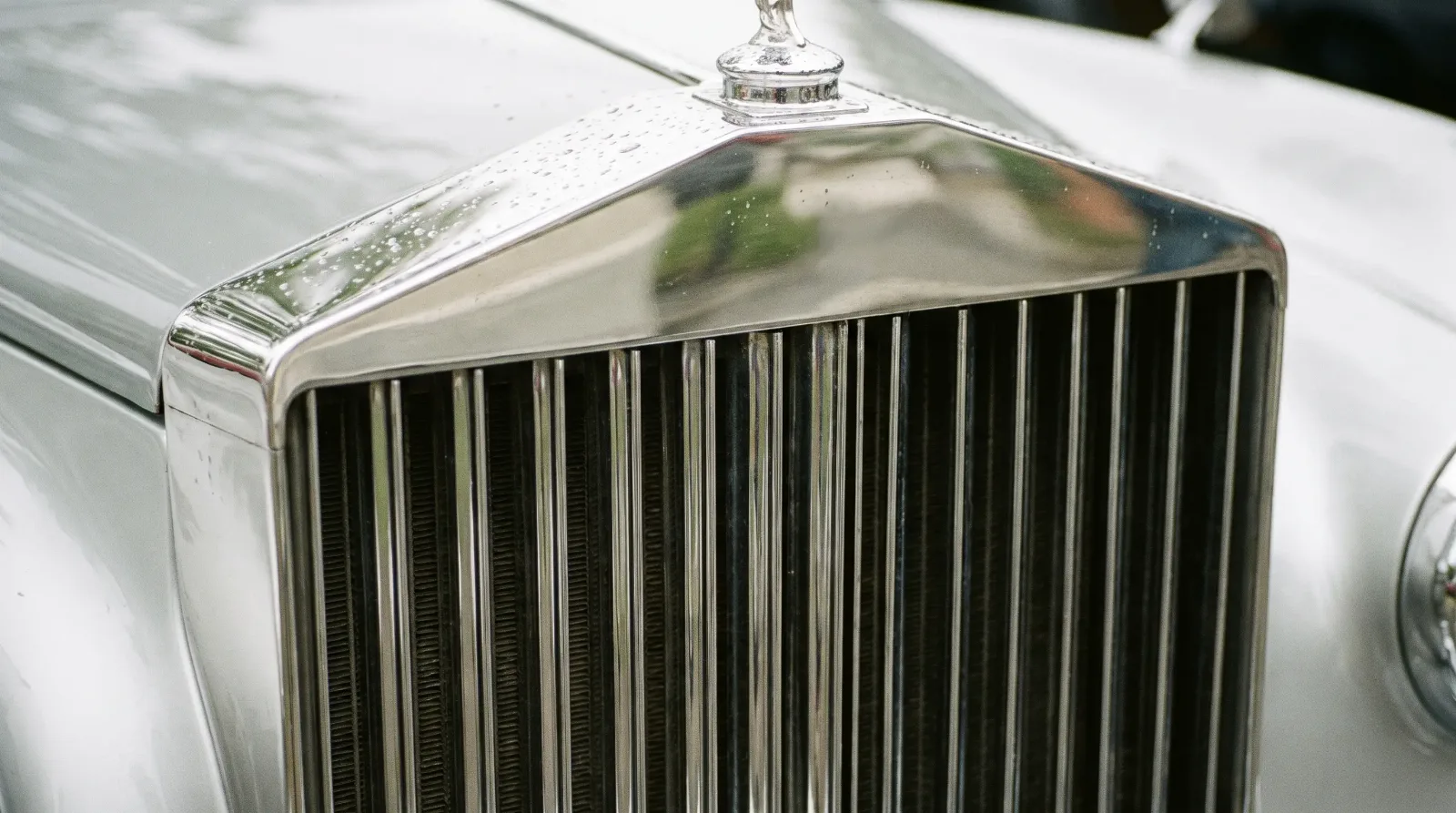
| Grille and mascot | Temple grille, Spirit of Ecstasy | Rounded grille, no Spirit of Ecstasy |
| Approx. production | Roughly 32,000 (all body styles) | Around 2,300 |
What still separated the twins
The differences were exactly what they had always been. The Silver Shadow wore the tall Rolls-Royce temple grille and the Spirit of Ecstasy. The Bentley T-Series wore the lower, rounded Bentley grille and never carried that figure. Underneath, the two were the same monocoque with the same V8 and the same running gear. A body panel from a Shadow fits a T-Series, because they are the same pressing.
What changed dramatically was the sales balance. Where Bentley had often outsold Rolls-Royce in the standard-steel saloon years, the unibody era went the other way, and heavily. The Silver Shadow became a genuine volume car by the standards of the marque, while the Bentley T-Series sold in tiny numbers. The driver's-car identity that had sustained Bentley through the 1950s had faded, and buyers who once chose the discreet grille now took the Rolls-Royce name instead.
That collapse in Bentley demand was not a small footnote. It nearly cost the marque its future. By the 1970s the winged-B had become an afterthought in the range, a badge selling a few hundred cars a year against a Rolls-Royce that sold thousands, and the driving character that once justified the name had been engineered out. It would take a later generation, and a turbocharged reinvention in the 1980s, to give Bentley a reason to exist again as something other than a quieter Silver Shadow.
Where coachbuilding survived
The move to monocoque did not kill coachbuilding entirely, but it changed its form. Because a two-door body needed heavy re-engineering of the unitary structure, the special-bodied cars became a distinct factory product rather than an outside commission. The two-door and drophead versions built by Mulliner Park Ward evolved into the Corniche from 1971, offered under both the Rolls-Royce and Bentley names, and these are the closest the Shadow generation came to the old coachbuilt tradition.
That is the careful distinction to hold onto. The standard saloons were pure badge-engineered twins, mass-produced in a shared shell. The two-door Corniche cars were semi-coachbuilt, hand-finished, produced in small numbers, and priced far above the saloons. Both realities coexisted in the same range, and both wore both badges.
"The Shadow and the T-Series are where the old coachbuilt world quietly ended. Once the chassis went away, the rolling frame a coachbuilder could clothe went with it, and the special bodies became a factory line rather than a bespoke commission."
Sarah Whitfield
How to weigh the two today
For a buyer, the Shadow and T-Series are among the most accessible entry points into either marque, and the mechanicals are shared, so maintenance and parts concerns apply equally. The self-levelling hydraulics and the complex braking system are the areas that punish neglect, and a car with a documented service history is worth far more than a cheap one hiding deferred work. The high-pressure system inherited from Citroën is capable and smooth when maintained, but it uses specialised components and specialised knowledge, and a neglected example can turn a bargain purchase into a long and costly recommissioning. This is the classic trap on cheap Shadow-generation cars, and it catches the same buyers on both badges. Condition and paperwork decide value here more than the badge on the grille.
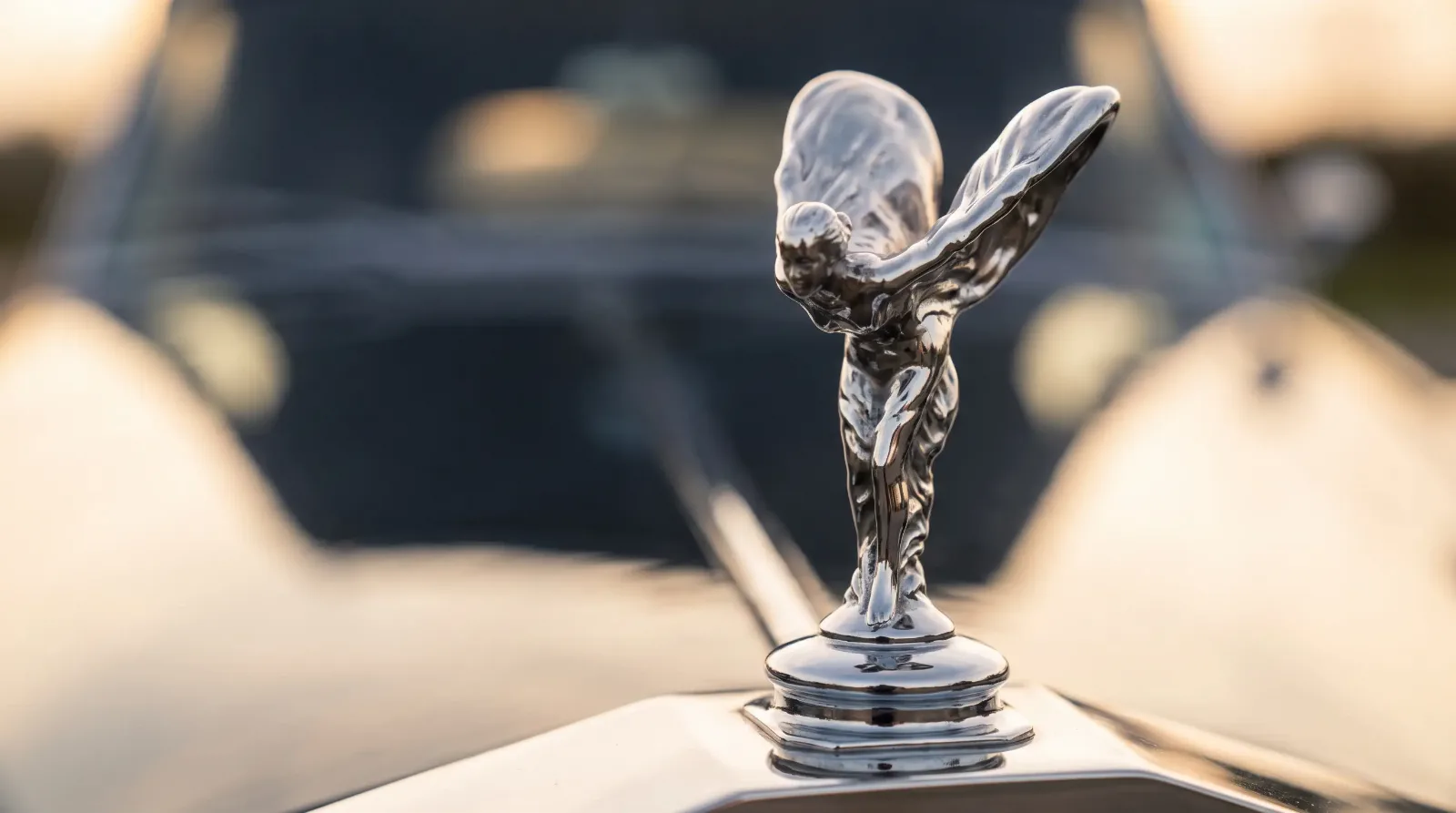
The T-Series rewards the buyer who values rarity and understatement, while the Shadow offers a deeper supply and a wider choice of examples. Neither is a bad car; both are the same car with a different face. The full arc of how these platforms shaped the luxury market runs through the full classic luxury car story. And the most visible thing that still tells a Rolls-Royce from a Bentley, then and now, is the figure on the radiator. Read next: The Spirit of Ecstasy.
Related Reading
Have a
Classic Car
for Sale?
Reach thousands of serious classic car collectors across the US.
Sell It Here →
Are You a Classic Car Dealer?
List your full inventory and connect with targeted classic car buyers.
Join as a Dealer →

About the author
Sarah Whitfield
Third-generation classic car collector specializing in pre-war American and European coachbuilt automobiles. Researcher and concours enthusiast.
More in History & Heritage
Comments
Be the first to comment on this article.