
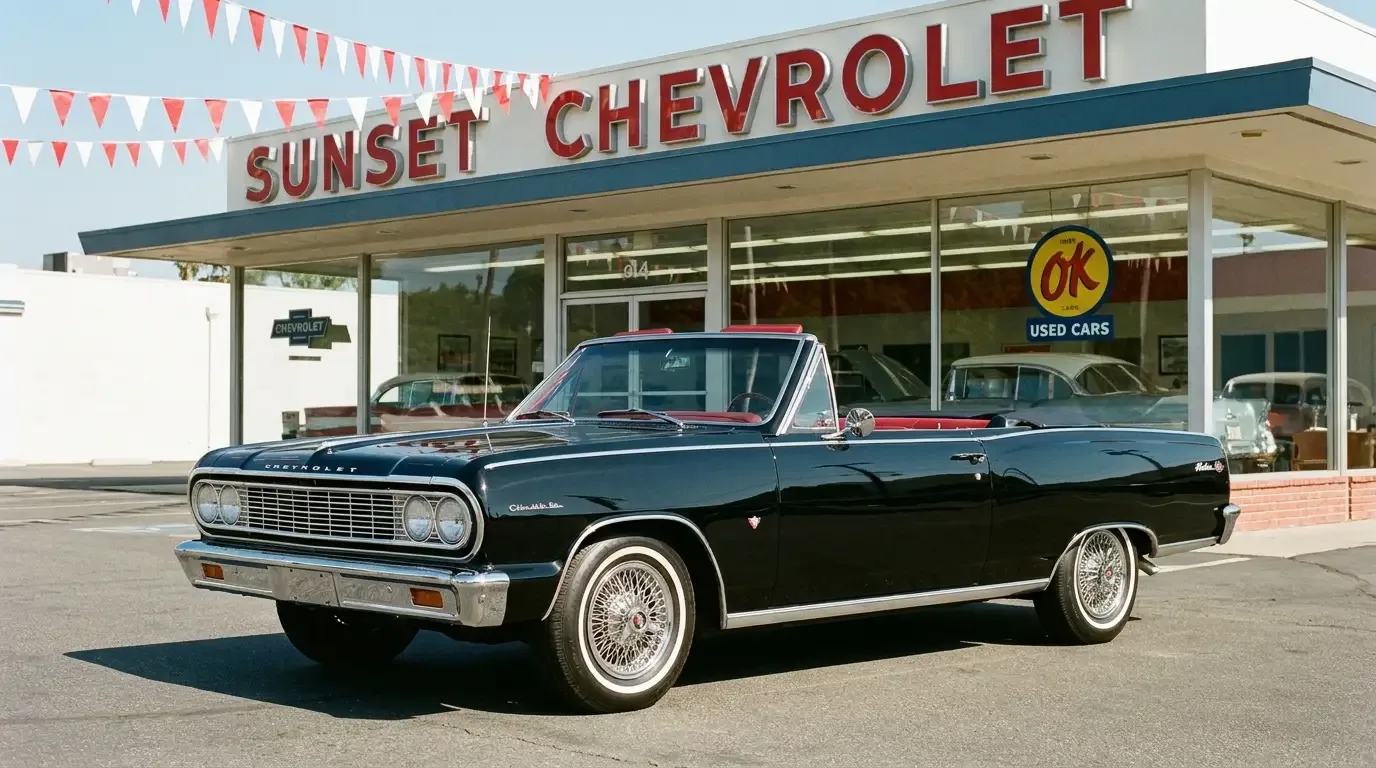
Ask a Chevrolet dealer in 1962 what he was losing sales to, and a lot of them would have said the same thing: Ford's Fairlane. Not the Falcon, not the full-size Galaxie, but that new intermediate Ford had slotted in between them. Chevrolet dealers had nothing to counter it with, and every month that gap stayed open was a month buyers walked across the street to a Ford lot instead.
History & Heritage
6 min read
The Mid-Size Gap the Chevelle Filled
Why Chevrolet built the Chevelle to fill the gap between the Chevy II and the full-size Impala, and how that gap set up its later muscle car career.
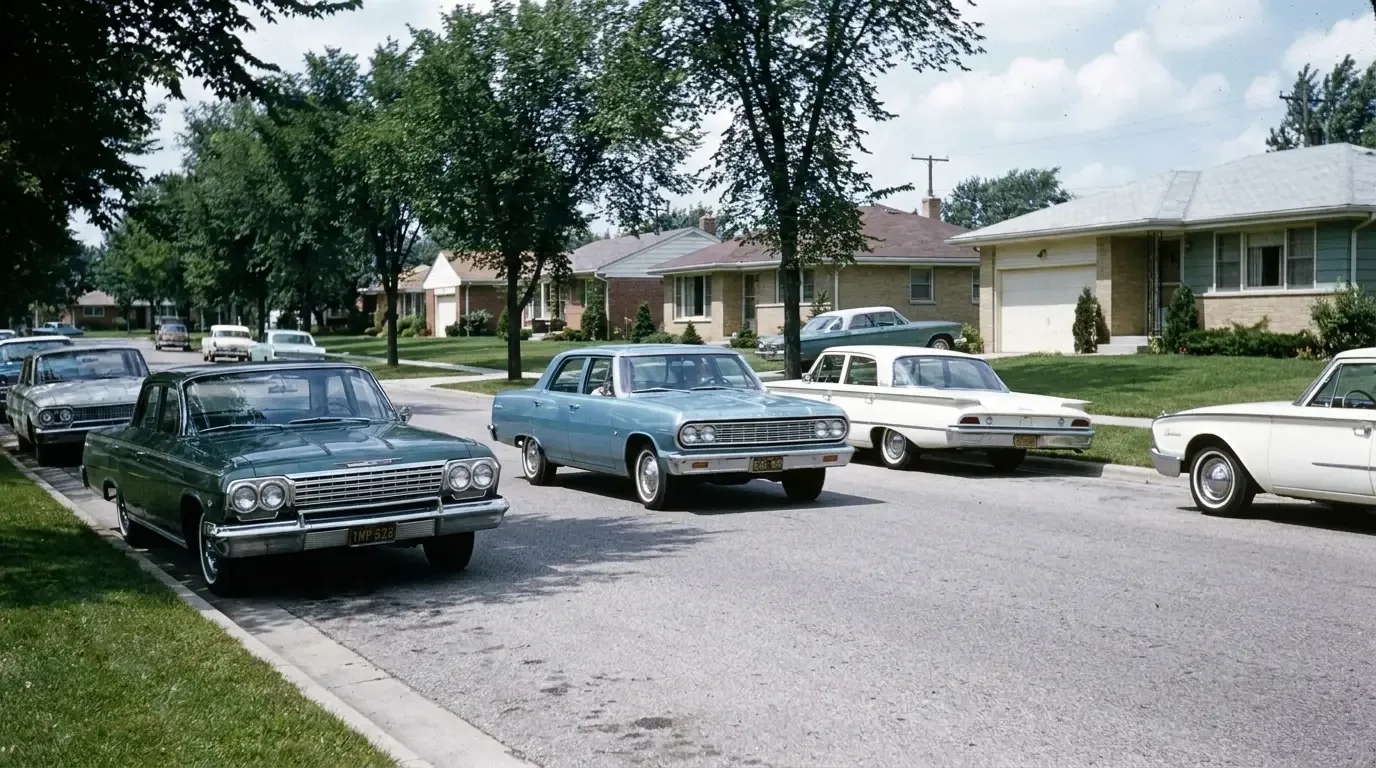
That gap is the real starting point for the Chevelle story, more than any styling sketch or engineering spec. Chevrolet built the car to solve a business problem first. Everything else, the trim levels, the eventual SS package, the reputation the nameplate built through the rest of the decade, grew out of a hole in the lineup that dealers had been complaining about for a couple of years running.
What the Chevrolet lineup looked like before 1964
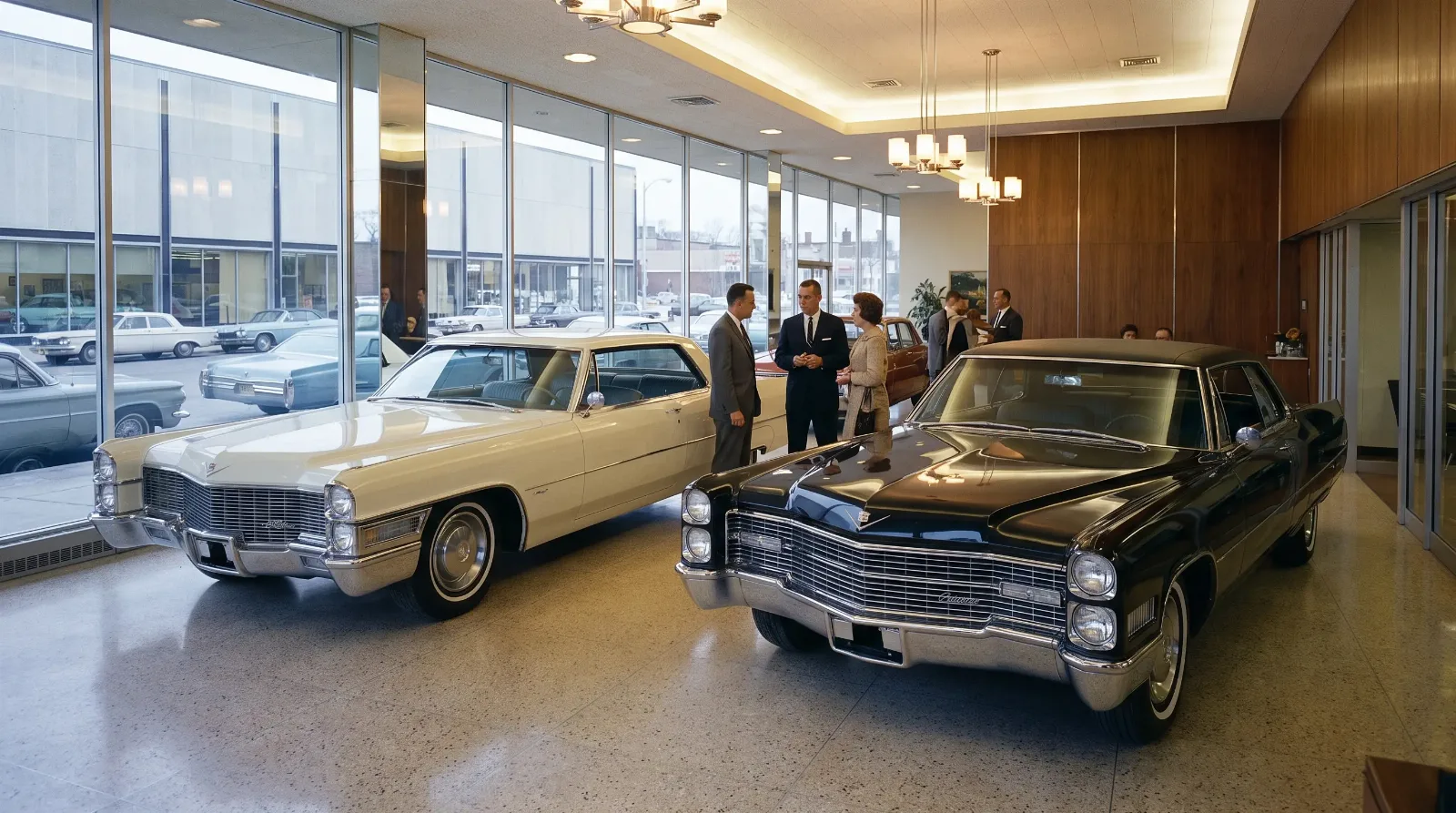
Walk into a Chevrolet showroom in 1963 and the choice was stark. On one end sat the Chevy II, Chevrolet's compact answer to the Falcon and Valiant, cheap and small and aimed at buyers who wanted basic transportation. On the other end sat the full-size cars: Biscayne, Bel Air, and Impala, all riding a chassis that had grown steadily larger and heavier through the late 1950s and into the 1960s.
Nothing sat in between. A buyer who wanted something bigger than the Chevy II but didn't need, or couldn't afford, the size and thirst of a full-size Impala had no Chevrolet to point to. That buyer either stretched the budget for the Impala, downsized more than they wanted into the Chevy II, or went looking at Ford and Plymouth showrooms instead, where intermediate options already existed.
How the market actually moved
Ford had read this shift first. The Fairlane, launched for the 1962 model year, gave buyers a car close to the exterior footprint of a mid-1950s full-size Ford, at a price and fuel economy that made more sense for a growing number of households. Plymouth followed with its own intermediate offerings. By the time Chevrolet's Chevelle reached showrooms for 1964, the segment wasn't a gamble anymore. It was a proven category that Chevrolet had simply arrived at late.
| Segment | Chevrolet's 1963 option | Chevrolet's 1964 option |
|---|---|---|
| Compact | Chevy II | Chevy II |
| Intermediate | none | Chevelle |
| Full-size | Biscayne / Bel Air / Impala | Biscayne / Bel Air / Impala |
Being late to the segment wasn't entirely a disadvantage. Chevrolet had the benefit of watching how Ford's Fairlane and Plymouth's intermediates performed in the market before committing its own resources, and the A-body platform it built with Pontiac, Oldsmobile, and Buick gave it a head start on engineering costs by sharing the basic architecture across four divisions. The A-body's early years reflect that shared-platform strategy clearly, four different cars wearing four different personalities over the same bones.
Why the gap mattered to real buyers
The appeal of the intermediate segment wasn't abstract. A growing share of American households in the early 1960s wanted a car sized for daily errands and a reasonable commute, not the boulevard-cruiser dimensions of a full-size sedan, but also not the stripped-down basics of a compact. Gas wasn't yet the crisis it would become in the following decade, but buyers were already feeling out the tradeoffs between size, cost, and practicality.
The Chevelle answered that directly. It offered nearly the interior room of a full-size car in a noticeably smaller, lighter, cheaper package, with four body styles covering everyone from a young couple wanting a coupe to a family that needed a wagon.
What dealers actually asked for
The pressure to close this gap wasn't coming from Chevrolet's engineers or its marketing department first. It was coming from dealers, the people standing on showroom floors watching customers walk in, ask about something the size of a Fairlane, and walk back out again when told Chevrolet didn't have one. Dealer feedback loops in this era ran through regional zone offices back to Chevrolet's central planning group, and by the early 1960s that feedback had turned into a steady, specific complaint rather than a vague sense that something might be missing.
That kind of pressure moves faster inside a company than an abstract market trend does. A sales report showing Ford's Fairlane numbers is one thing. A dealer network telling corporate, month after month, that named customers had gone across the street for a specific reason is another, and it's the second kind of pressure that tends to get projects greenlit quickly rather than studied for another product cycle.
A gap that became a launchpad
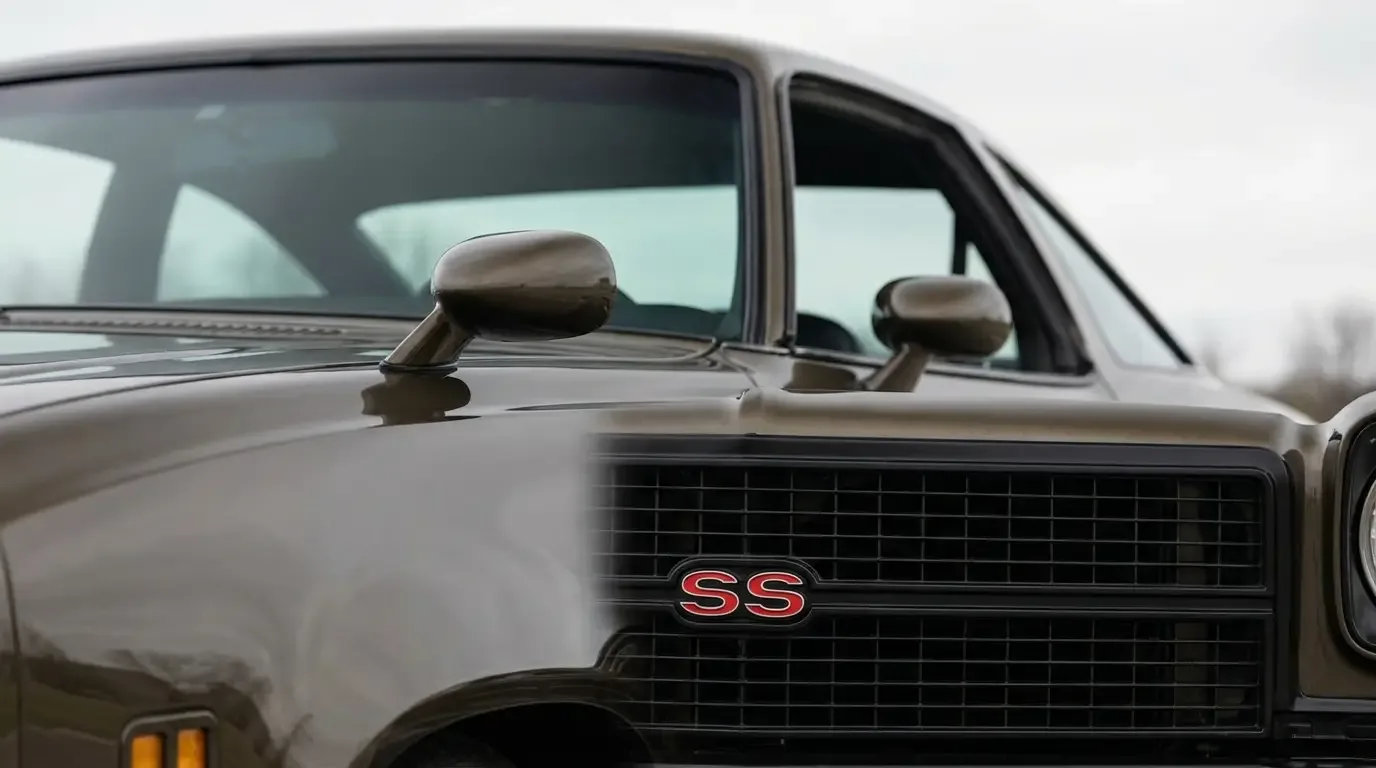
What's easy to miss, looking back from the era of SS396 and 454 big-block Chevelles, is that none of that performance reputation would have existed without this unglamorous starting point. Chevrolet built the Chevelle to stop losing sales to Ford, not to build a muscle car. The platform just happened to be stiff, light, and adaptable enough that once bigger engines became available mid-decade, the same car that filled a sales gap could also carry serious horsepower without much rework.
"Every muscle car story people love to tell about the Chevelle starts with an engine option a few years down the road. The real story starts earlier than that, with a Chevrolet dealer in 1962 tired of watching customers drive off in a Fairlane instead."
Patrick Walsh
That's the part of the Chevelle's history that tends to get skipped in favor of the horsepower numbers. The car existed because of a market gap, and understanding that gap explains a lot about why the Chevelle was built the way it was, practical first, with performance potential that came almost as a bonus once the platform proved itself. For the fuller picture of how all these threads connect, the Chevelle's complete history traces the whole arc from this 1964 debut through the car's biggest years.
The gap itself gets even more interesting once you look at how Chevrolet organized the trim levels inside that new intermediate lineup. Continue to next: The Malibu Name's Origins for the story behind the trim that came to define the Chevelle's image.
Sources and notes
- Wikipedia, "Ford Fairlane (Americas)"
- Indie Auto, "Ford got crushed in 1960s mid-sized field despite early entrance"
- Ate Up With Motor, "How Big Is Too Big? The Midsize Ford Fairlane and Mercury Comet"
- Hagerty, "Your handy 1964-67 Chevrolet Chevelle buyer's guide"
- Wikipedia, "Chevrolet Chevelle"
- HowStuffWorks, "1962-1965 Ford Fairlane"
Related Reading
Have a
Chevrolet Chevelle
for Sale?
Reach thousands of serious classic car collectors across the US.
Sell It Here →
Are You a Classic Car Dealer?
List your full inventory and connect with targeted classic car buyers.
Join as a Dealer →

About the author
Patrick Walsh
Automotive journalist covering classic car shows, events, and the enthusiast community across North America.
Related Listings - Chevrolet Chevelle
More in History & Heritage
Comments
Be the first to comment on this article.