
Somewhere in a General Motors naming meeting in the early 1960s, a list of words got shorter and shorter until one was left standing, and nobody wrote down exactly why. That's the frustrating truth at the center of this story. The Chevelle name has outlived the men who chose it, and the paperwork explaining their reasoning either never existed in a form anyone kept, or it's still sitting in a filing cabinet nobody has opened in sixty years.
History & Heritage
6 min read
How the Chevelle Got Its Name
Where the Chevelle name actually came from, GM's 1960s naming habits, and why a word with no fixed meaning suited the car so well.
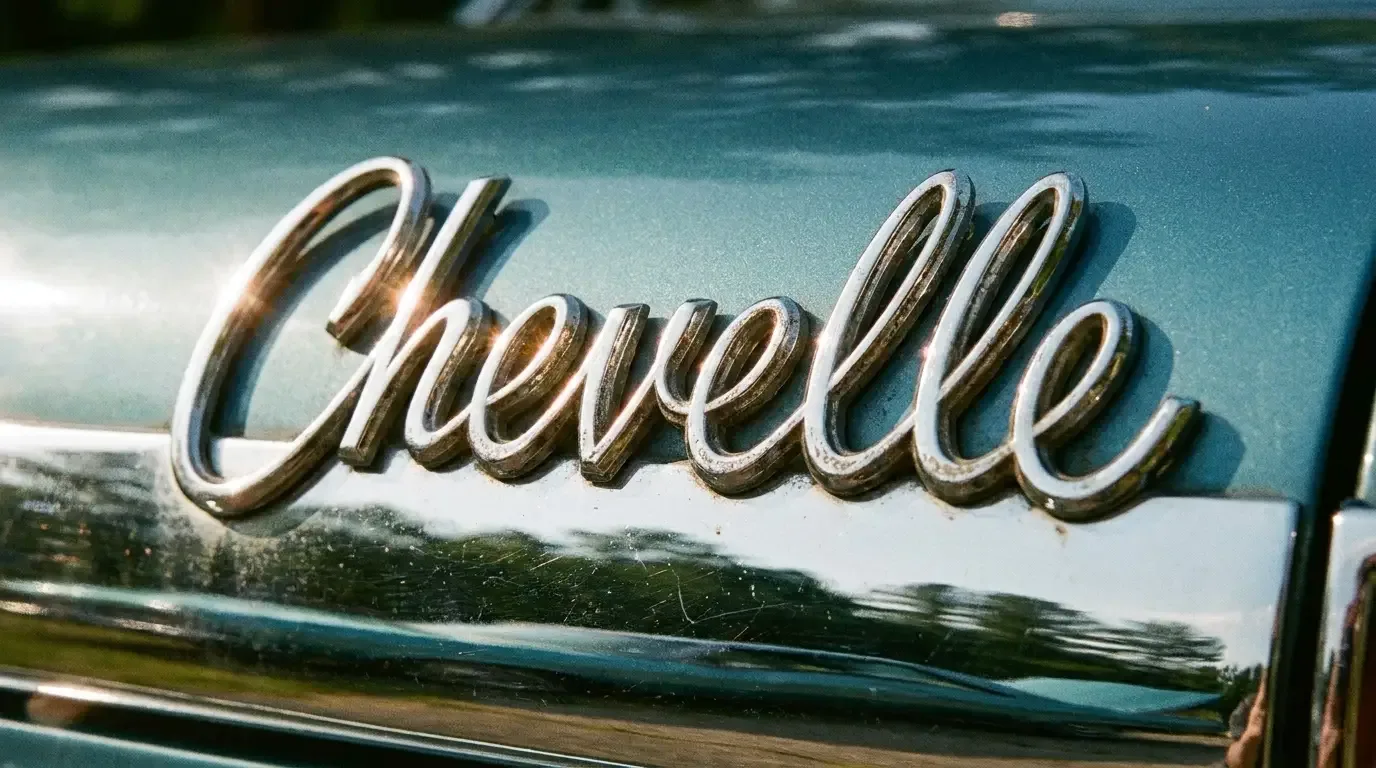
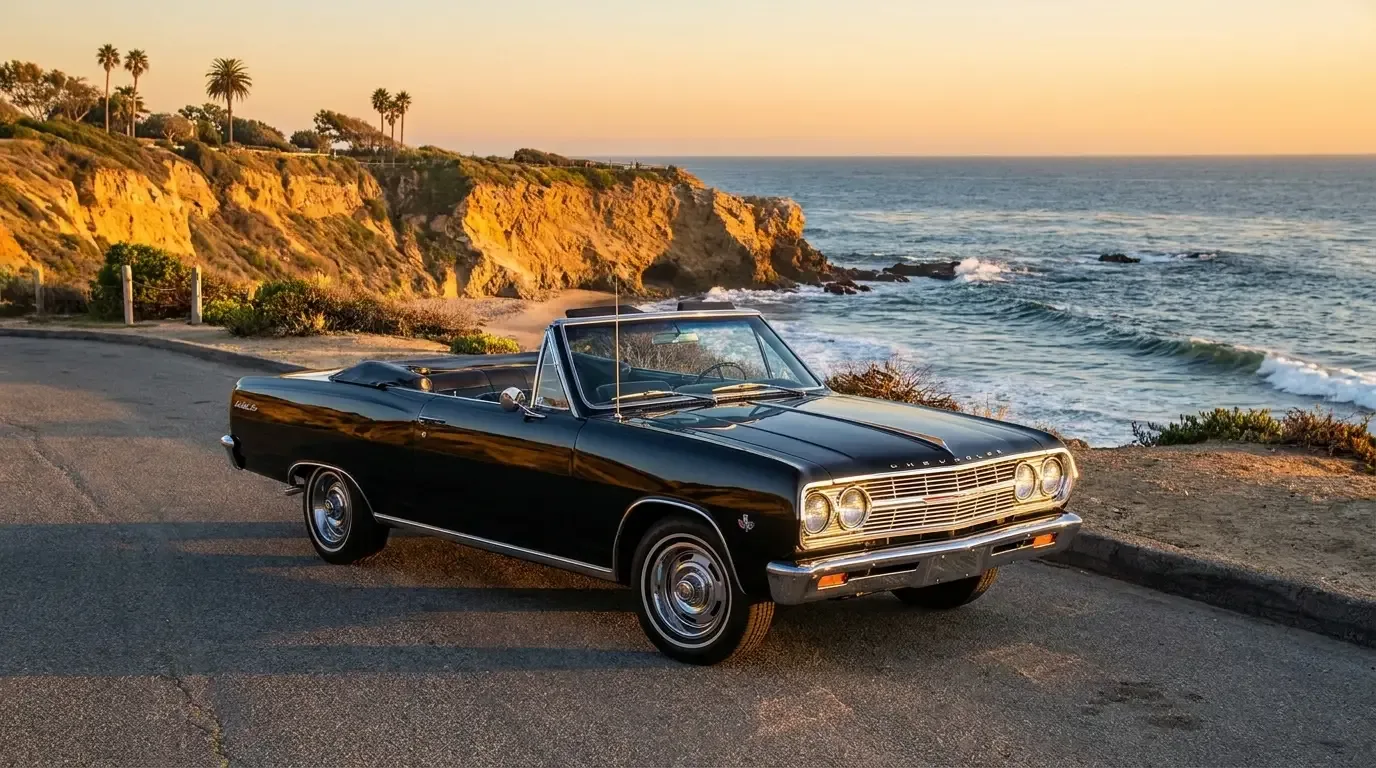
What we do know is the timing. Chevrolet needed a name for its new intermediate car before the 1964 model year, and it needed something that sounded like it belonged next to Impala, Corvette, and Bel Air, three names that had nothing to do with each other except that they all sounded good coming out of a salesman's mouth.
The word itself
Chevelle isn't a standard English word, and it isn't a standard French one either, though it has the shape and rhythm of French. The most common explanation, repeated in enthusiast circles for decades, is that GM's naming team built it as a play on "Chevrolet," softened with a French-sounding suffix to give it some elegance the harder-edged "Chevy" nickname didn't have. The Petersen Automotive Museum favors a related theory: that Chevelle is a portmanteau of "Chevrolet" and "gazelle," chosen to suggest speed without saying so directly. Chevrolet general manager Bunkie Knudsen, who introduced the car to the press in August 1963, gave reporters a blunter answer when asked directly what the name meant. By most enthusiast accounts of that interview, he called it a coined name that didn't mean anything on its own, then added that Chevrolet would make it mean something. Whichever version is closest to what actually happened in the naming meeting, no single surviving GM memo settles the question definitively.
What's clearer is the pattern GM was working within. Nameplates from this era at Chevrolet leaned toward evocative, faintly exotic-sounding words rather than descriptive ones. Nobody was going to call a car the "Chevrolet Intermediate." The division wanted a name that suggested something without quite meaning anything specific, and Chevelle fit that brief.
Why a made-up-sounding word worked
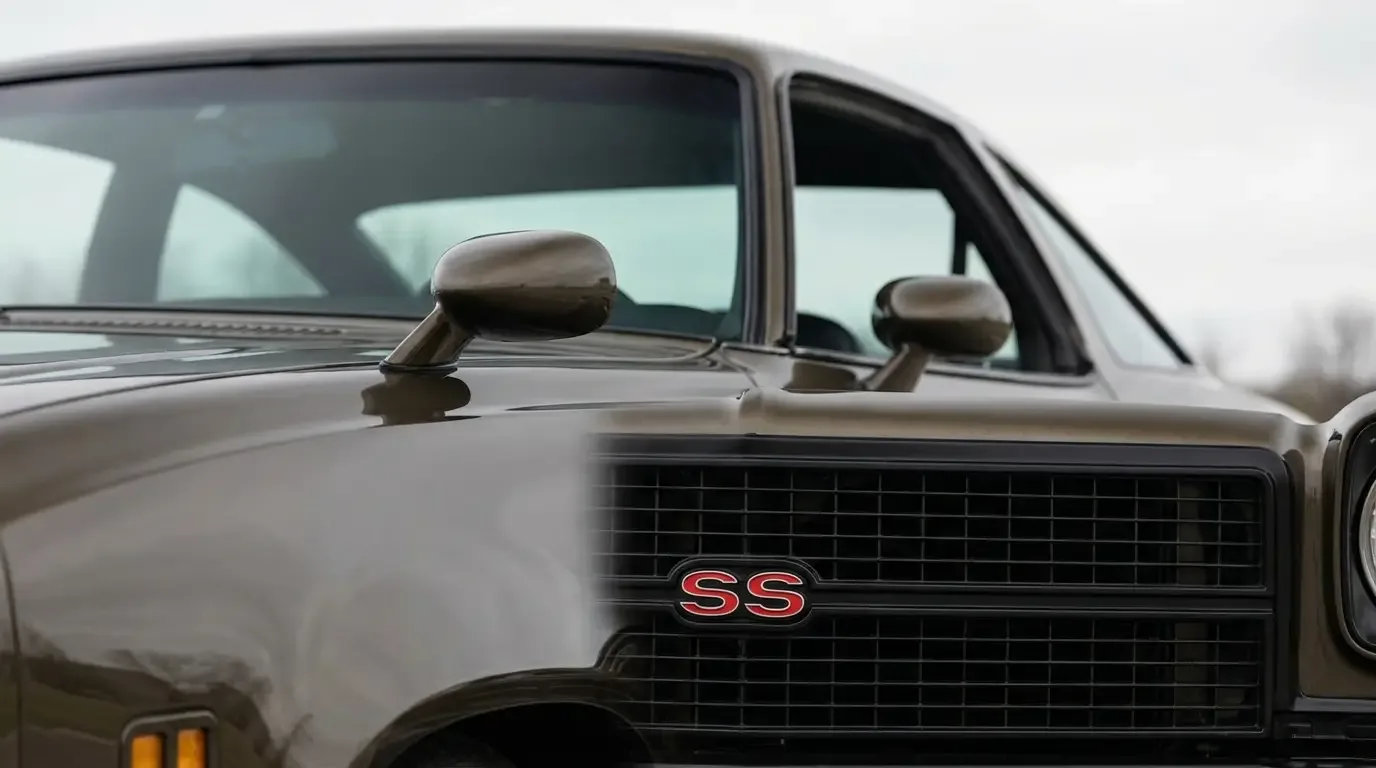
There's a reason car companies gravitate toward names like this instead of literal ones. A word that doesn't carry a fixed meaning gives the marketing department room to define it however the car turns out. Chevelle could be a mild-mannered family sedan in 300 trim or a menacing SS396 a few years later, and the name itself never had to contradict either version. A more literal name would have boxed the car in before anyone knew what it would become.
That flexibility mattered more than it might seem. The Chevelle's identity shifted dramatically over its production run, from economical intermediate to genuine muscle car icon, and a name with no fixed meaning rode along with all of it without ever feeling like a mismatch.
The naming climate at GM in the early 1960s
GM in this era ran naming almost like a small internal industry. Each division wanted its own distinct flavor of name, and there was real competition between divisions over which nameplates sounded more premium. Pontiac had Tempest and Le Mans. Oldsmobile had Cutlass and F-85. Buick had Special and Skylark. Chevrolet needed something in that same register for its new intermediate, something that sounded like it had already earned a place in the lineup rather than something invented for a spec sheet.
| GM division | Comparable 1960s intermediate name |
|---|---|
| Chevrolet | Chevelle |
| Pontiac | Tempest |
| Oldsmobile | F-85 / Cutlass |
| Buick | Special / Skylark |
Seen next to those names, Chevelle stops looking like an odd choice and starts looking like exactly what it was: a division playing the same naming game as its GM siblings, reaching for something that sounded distinctive without describing anything too specifically.
How buyers actually said it
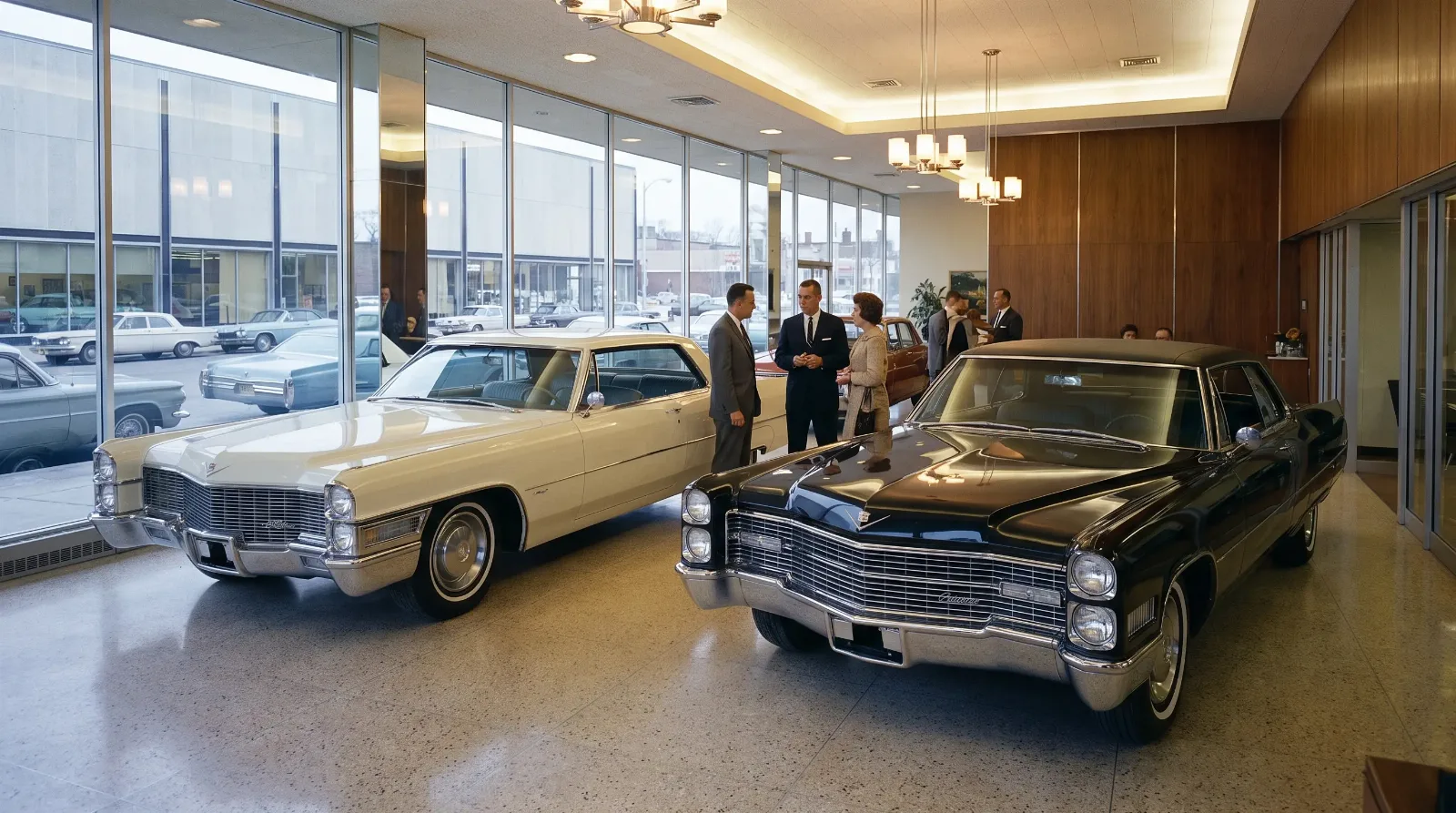
Pronunciation turned into its own small saga. Chevrolet's advertising leaned on a soft, three-syllable delivery, sha-VELL, that matched the French-adjacent spelling. Plenty of buyers in the Midwest and South said it differently, flattening the middle syllable or leaning harder on the first one, and dealers rarely corrected anybody who walked in ready to buy. A car doesn't need a single agreed-upon pronunciation to sell. It needs a name people remember well enough to ask for by name at the parts counter a decade later, and Chevelle cleared that bar regardless of how any one buyer chose to say it.
That regional variation is a small detail, but it says something about how thoroughly the name settled into everyday use. Nobody was reading it off a French phrasebook. They picked it up the way people pick up any brand name, by hearing it from a neighbor, a radio ad, or a salesman on a Saturday afternoon, and repeating it back however it came out naturally.
A name that outgrew its own mystery
What's remarkable, looking back, is how little the uncertain origin has mattered to the car's legacy. Nobody walking through a car show today stops in front of a numbers-matching SS396 to ask what the nameplate technically means. The word has accumulated its own meaning through fifty years of use, independent of whatever the original naming committee actually intended.
"Nobody at that first Chevelle press event in the fall of 1963 could have told you what the name would come to mean by 1970. It just sounded like a car people would want to be seen driving, and that turned out to be enough."
Nora Beckett
The mystery around the name is, in its own way, part of the appeal. A word invented to sound good rather than to mean something specific left room for the car itself to write the definition, one showroom, one press review, and eventually one drag strip at a time, going all the way back to how the Chevelle began as an answer to a gap in Chevrolet's lineup nobody had quite named yet either.
From there, the story moves to the market conditions that made a car like this necessary in the first place. Read next: The Mid-Size Gap the Chevelle Filled for how Chevrolet identified the hole in its own lineup and built a car to fill it.
Sources and notes
- Wikipedia, "Chevrolet Chevelle"
- The Autopian, on the Petersen Automotive Museum's Chevrolet-plus-gazelle naming theory
- HotCars, "10 Facts Everyone Forgot About the Chevrolet Chevelle"
- Team Chevelle forum, "Where did the name Chevelle come from?"
- Hagerty, "Your handy 1964-67 Chevrolet Chevelle buyer's guide"
- Wikipedia, "Semon 'Bunkie' Knudsen"
Related Reading
Have a
Chevrolet Chevelle
for Sale?
Reach thousands of serious classic car collectors across the US.
Sell It Here →
Are You a Classic Car Dealer?
List your full inventory and connect with targeted classic car buyers.
Join as a Dealer →

About the author
Nora Beckett
Automotive features writer and photographer who tells the human stories behind the cars, from show fields to cross-country road trips.
Related Listings - Chevrolet Chevelle
More in History & Heritage
Comments
Be the first to comment on this article.