
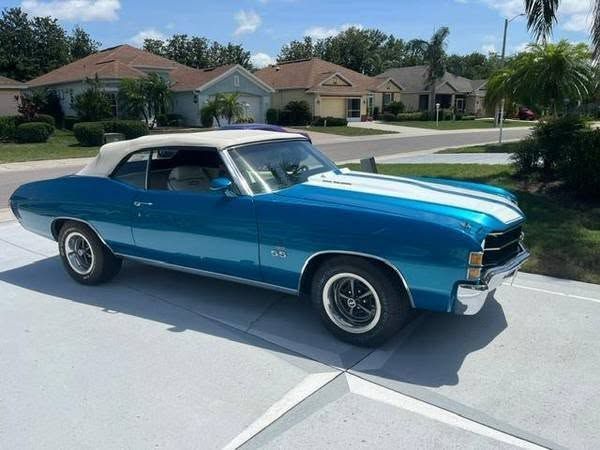
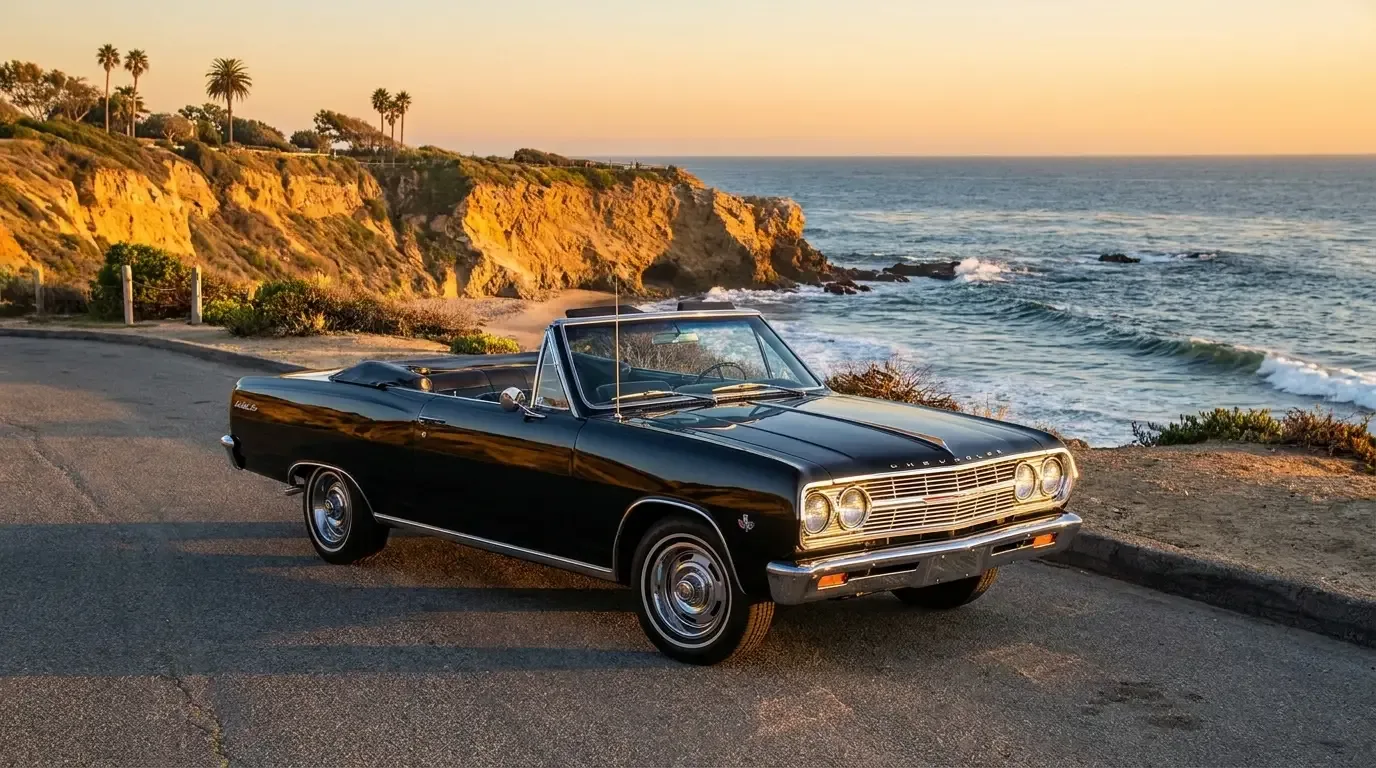
Every SS Chevelle body style tells a different part of the production story, but the convertible tells the part with the smallest sample size, and that's exactly why the documentation matters more here than almost anywhere else in the lineup. Hardtops and coupes were the volume sellers. The convertible was the car buyers chose when they wanted the SS statement and were willing to pay the premium and accept the compromises, fewer of them left the factory in any given year, and fewer still have survived in a condition worth calling original.
History & Heritage
6 min read
The SS Convertible Story
SS convertibles were always the minority order. Here's what the factory documentation says about production, rarity, and the 1970 LS6 convertible.
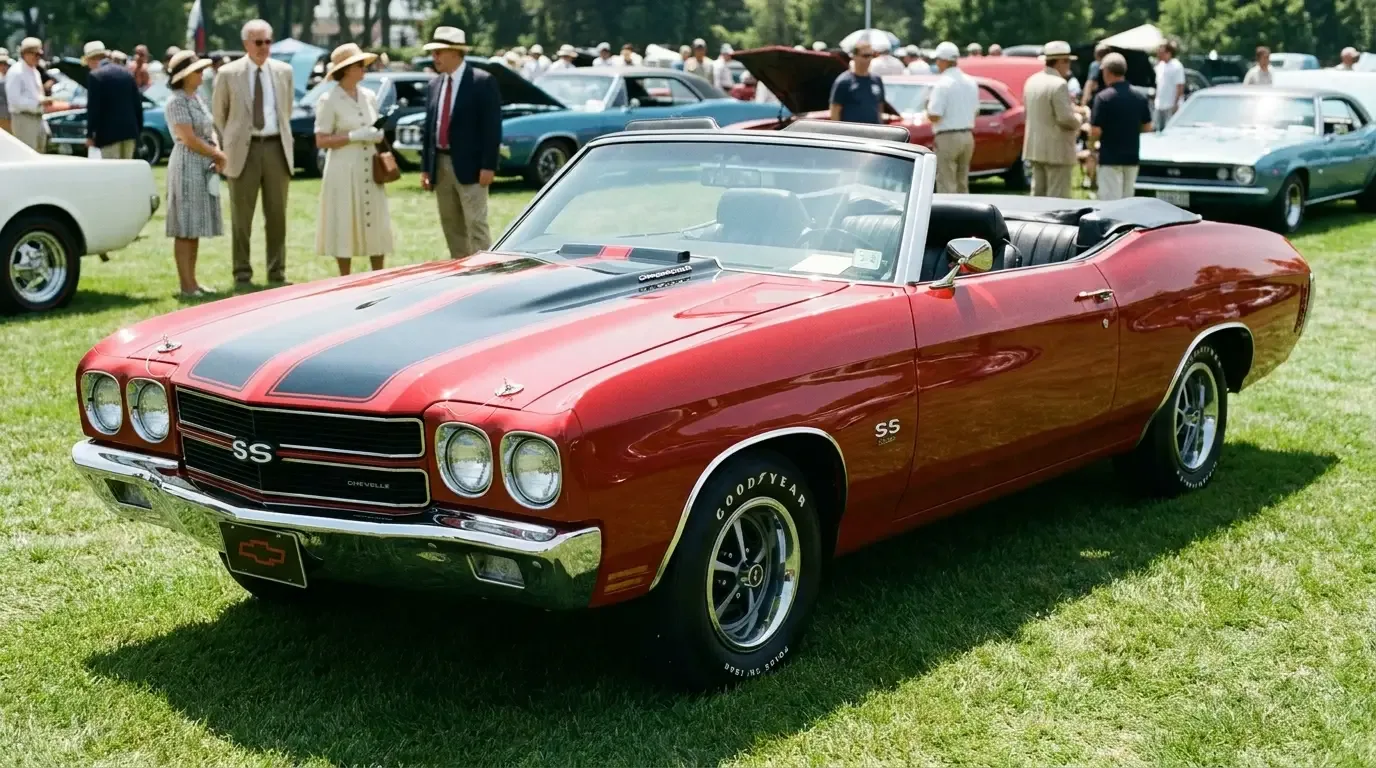
I want to walk through what the factory records actually show about SS convertible production, because the numbers that circulate informally don't always match what shows up in the documented build data, and this is a body style where the gap between story and paperwork matters more than usual. This chapter fits into how the SS legend grew, but it deserves its own accounting rather than a footnote.
Why the convertible was always the minority order
Across the SS years, convertible production trailed hardtop and coupe production by a wide margin in every single model year, a pattern that holds true across the whole muscle car segment and not just the Chevelle. Convertibles cost more to build, weighed more once the reinforced frame and power-top hardware were factored in, and gave up some of the structural rigidity a hardtop body offered. Buyers who wanted maximum straight-line performance for the dollar tended to gravitate toward the hardtop. Buyers who wanted the SS look and the top-down experience accepted the tradeoff and paid for it.
That tradeoff is exactly why convertible SS production numbers run so much lower across every engine option, from the base 350 up through the big-blocks. The percentage of total SS production represented by convertibles shifted from year to year depending on how the overall market for convertibles was trending nationally, so it's worth checking any specific model year rather than assuming a flat ratio held steady across the whole run.
The 1970 LS6 convertible and why it stands apart
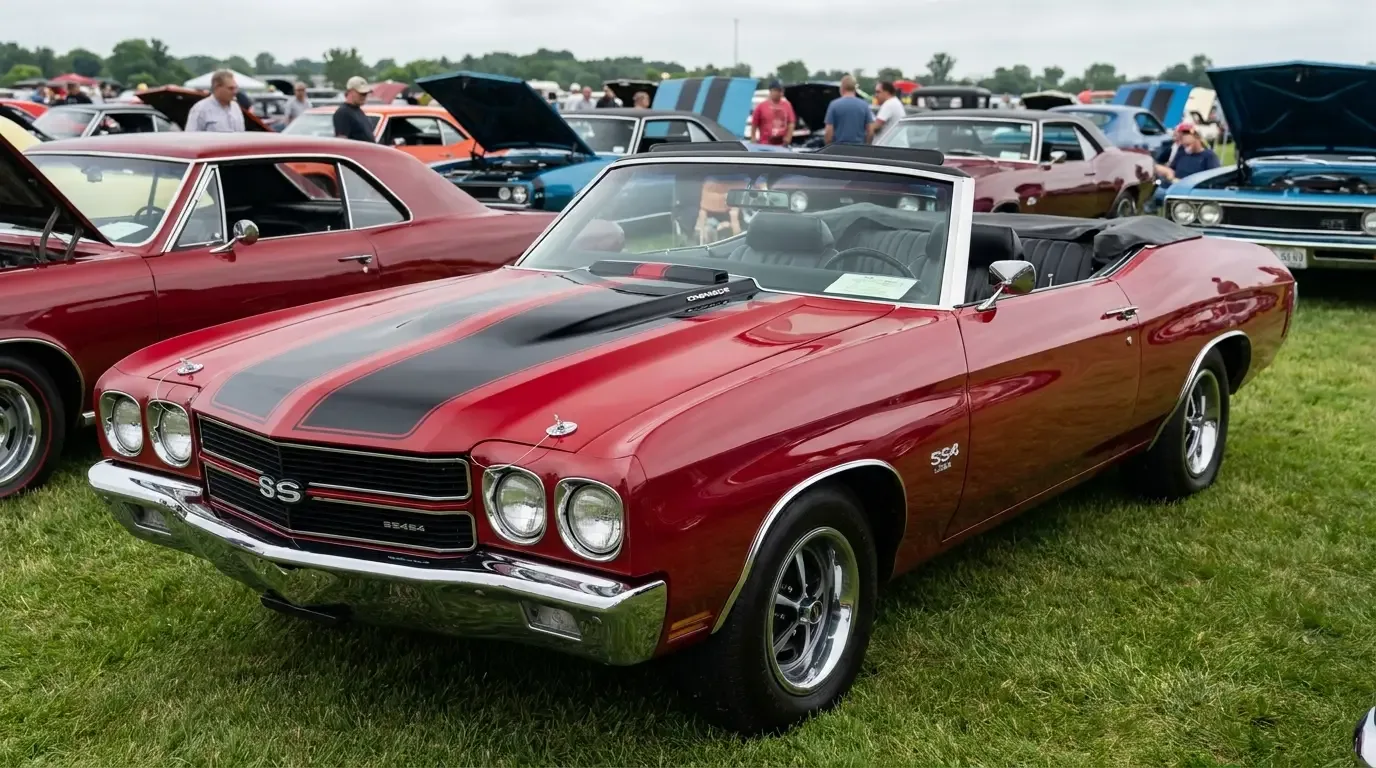
If there's one specific configuration that collectors talk about more than any other SS convertible, it's the 1970 LS6 454 convertible. Chevrolet built 4,475 Chevelles across coupe, convertible, and El Camino body styles with the LS6 that year, but the convertible-only breakdown is where the record gets thin. GM's build-out documentation from the era is incomplete, and estimates for surviving 1970 LS6 convertibles range depending on the source, from author Robert Genat's rough 200-unit ceiling down to the figure most Chevelle authorities actually lean on: somewhere between 19 and 26 cars. Whatever the precise count, pairing the rarest engine option in the SS lineup with the least common body style created a configuration where surviving, documented examples are genuinely scarce rather than just marketed as scarce.
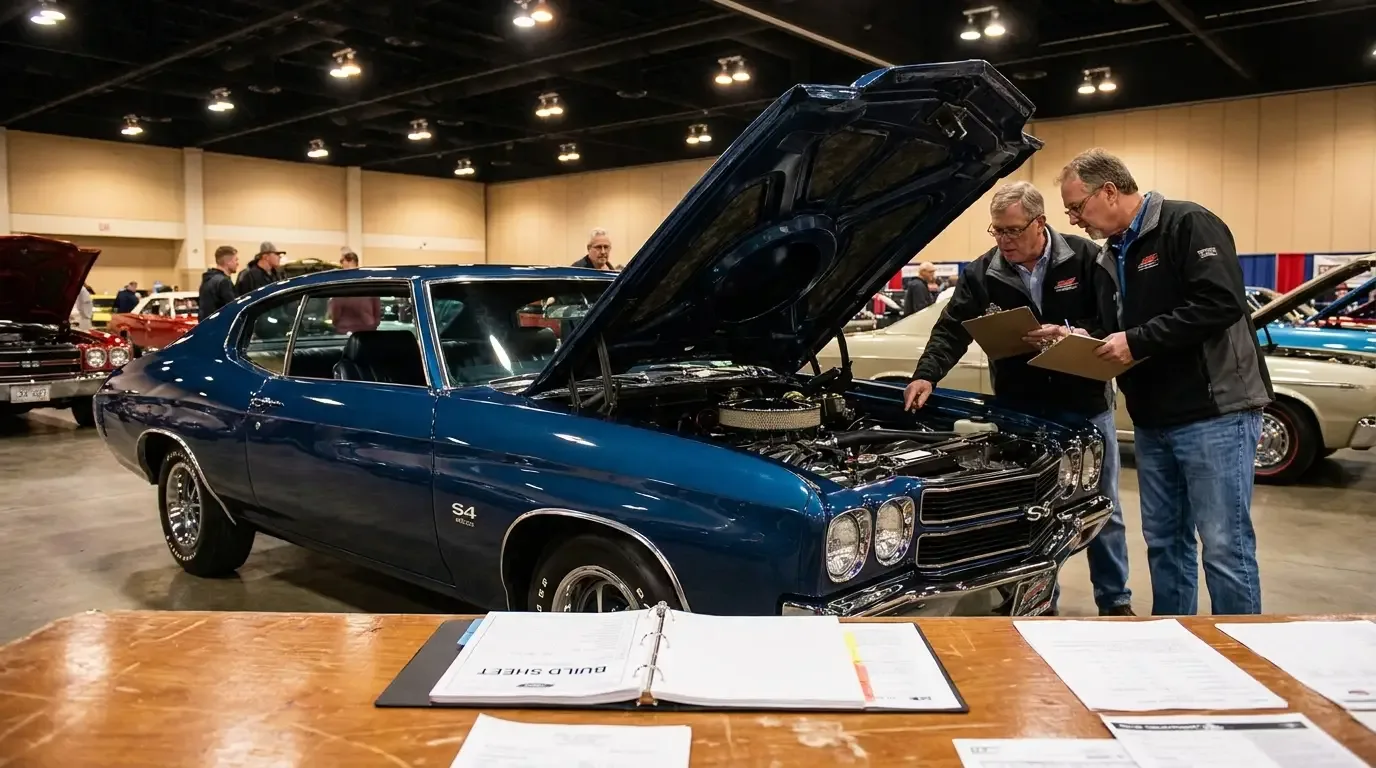
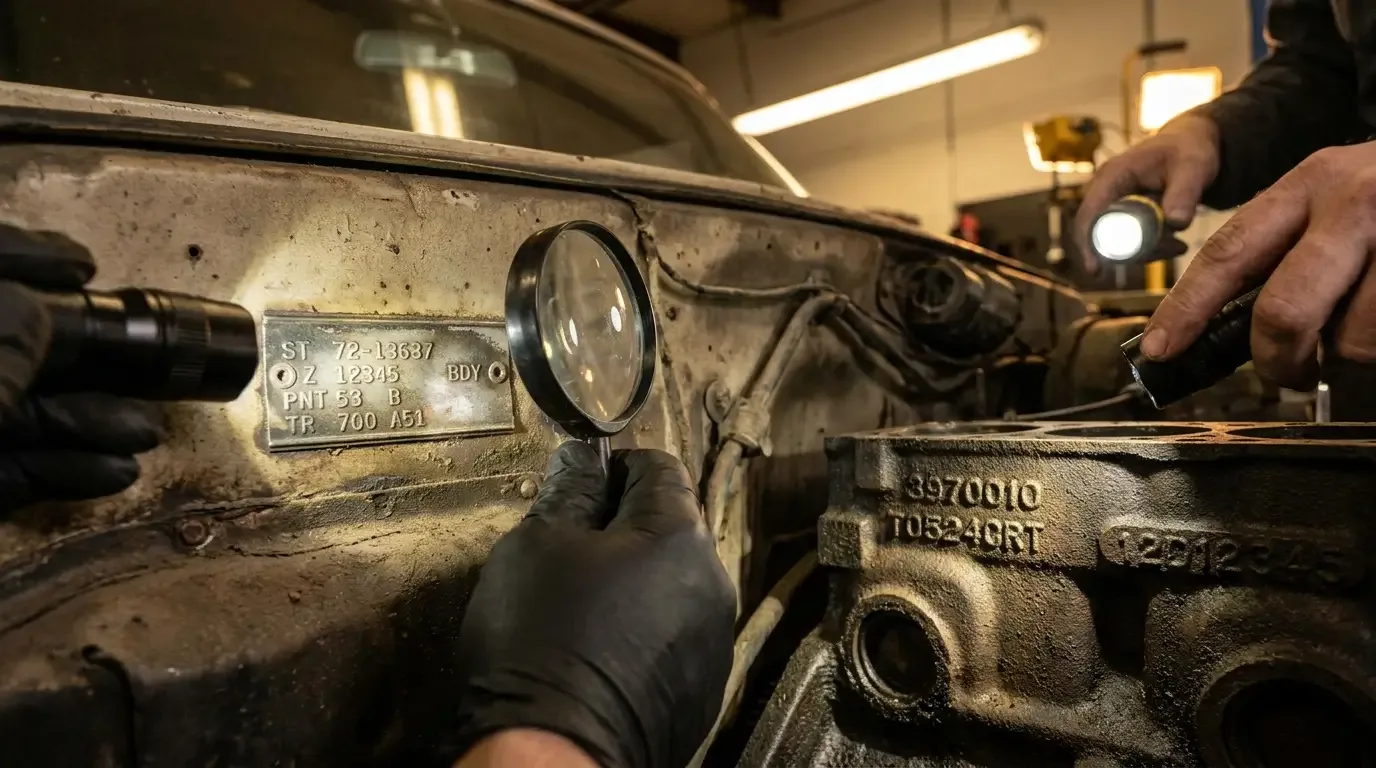
What isn't in dispute is that a documented LS6 convertible, with cowl tag, broadcast sheet, and engine casting numbers all lining up, sits at the top of the SS convertible hierarchy by a wide margin over anything else in the body style. That documentation requirement matters more here than with a common configuration, because the rarer and more valuable a specific combination is, the more incentive exists for a car to be represented as something it isn't.
| Consideration | Why it matters for convertibles |
|---|---|
| Cowl tag verification | Confirms body style, trim level, and originally installed engine code together |
| Top mechanism originality | Replacement power-top motors and frames are common; original hardware adds documented value |
| Frame reinforcement condition | Convertible-specific structural bracing is prone to hidden rust that a hardtop body doesn't share |
| Broadcast sheet or protect-o-plate | The strongest evidence tying a specific engine to a specific body from the factory floor |
What the rarity actually costs buyers
Because supply is thin across every SS convertible model year, prices for genuine, documented examples run well above a comparable hardtop with the same engine and trim. That premium widens further at the top of the engine range, where an LS6 or L78 convertible with solid paperwork can command a multiple of what an equivalent small-block convertible brings. Buyers chasing a convertible purely for the body style, without regard to documentation, will find plenty of cars available at more accessible prices. Buyers chasing a documented, numbers-matching example need to expect a longer search and a higher number when they find one.
The gap between those two buyer paths is worth understanding before you start shopping, because it's easy to see a convertible SS listing at what looks like a reasonable price and not realize the documentation that would justify a premium simply isn't there. That's not a reason to avoid an undocumented car if the price reflects that reality. It's a reason to make sure the price actually does.
"The convertible numbers get treated as an afterthought in most of the SS production breakdowns I've seen, and that undersells how thin the documented record actually is. When the paperwork lines up on one of these, it's worth more attention than people give it."
Tom Ramirez
Where the convertible fits in the bigger picture
The SS convertible isn't the car most people picture first when they think of the Chevelle SS story. That mental image usually belongs to a hardtop with a big-block rumbling underneath. But the convertible is the body style where scarcity and documentation matter most, and where the gap between a car with paperwork and a car without it shows up most clearly in what buyers are willing to pay. Anyone building a serious understanding of the SS lineage, rather than just chasing the loudest engine option, eventually has to reckon with how thin the convertible production numbers really are.
Buyers ready to look at real examples can find SS convertibles for sale and start comparing documentation before condition. And for the details on how the badging and stripe packages evolved across these cars, next: SS Badges and Stripes Lore picks up exactly where this leaves off.
Sources and notes
Related Reading
Have a
Chevrolet Chevelle
for Sale?
Reach thousands of serious classic car collectors across the US.
Sell It Here →
Are You a Classic Car Dealer?
List your full inventory and connect with targeted classic car buyers.
Join as a Dealer →

About the author
Tom Ramirez
Corvette researcher and historian based in Bowling Green, Kentucky. Two decades documenting Corvette production history from original factory records.
Related Listings - Chevrolet Chevelle
More in History & Heritage
Comments
Be the first to comment on this article.