
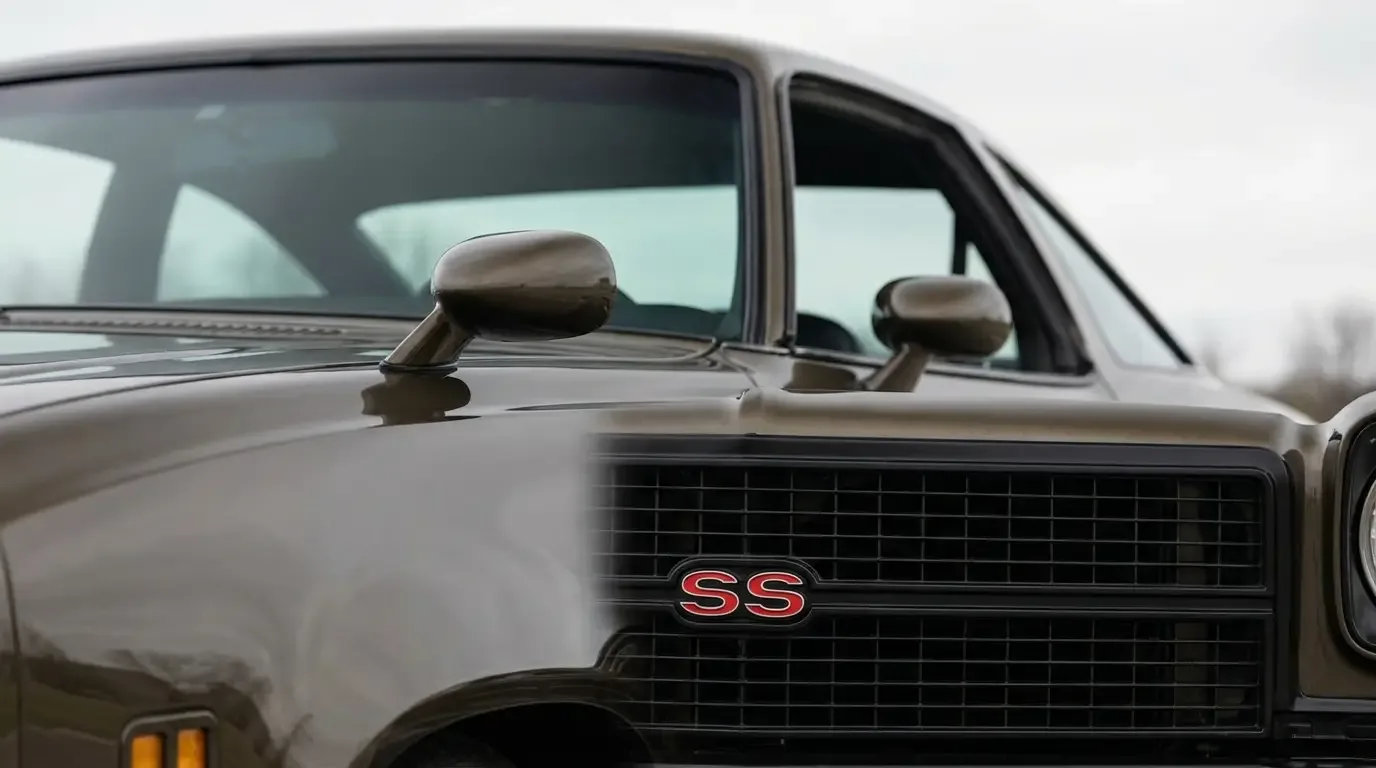
Every SS Chevelle tells you what it is before you ever pop the hood. The badge on the grille, the stripe running down the hood, the script on the deck lid, all of it was designed to be read at forty feet in a parking lot or a stoplight. Chevrolet's stylists spent eight model years refining that visual language, and the changes weren't random. Each update tracked what the car itself was becoming, from a mid-size hardtop with an options package to a genuine muscle car with its own identity.
History & Heritage
7 min read
SS Badges and Stripes Lore
How the Chevelle SS badge and bumblebee stripe evolved from 1964 to 1972, and what to check when the graphics don't match the car.
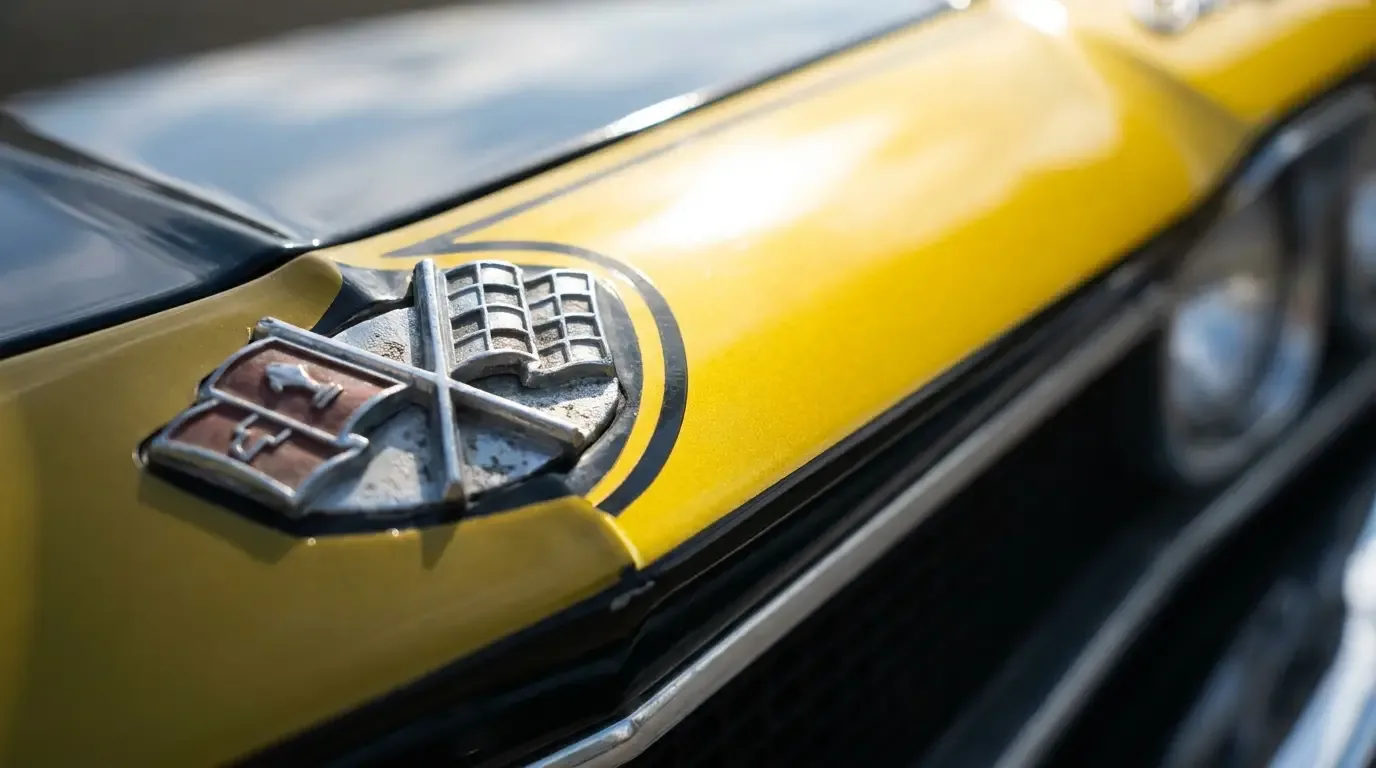
I've laid out a lot of stripe packages over the years, on customs and factory-correct restorations both, and the Chevelle SS graphics hold up as some of the best factory work of the era. Not because they're complicated. Because they're confident. A good stripe package knows exactly where it wants your eye to go, and the SS package never wastes a line.
The badge before there was a stripe package
In 1964, the first year of the Chevelle, SS meant Super Sport, and it meant it quietly. The badge was a small crossed-flag emblem on the grille and deck lid, borrowed visual language from the full-size Impala SS that had launched a few years earlier. There was no factory stripe kit offered that first year. The car relied on model-specific trim, bucket seats, a console, and simulated mag wheel covers to set it apart, not paint. If you want SS history in full, the badge-only approach of 1964 is the starting point for everything that came after.
The 1965 and early 1966 cars kept this restrained approach. The SS badge grew slightly more prominent on the grille, and Chevrolet added SS callouts to the rear quarter panels, but the car still sold its performance credentials through the badge and the engine, not through graphics. That changed the moment the 396 arrived.
Bumblebee stripes and the SS396 identity
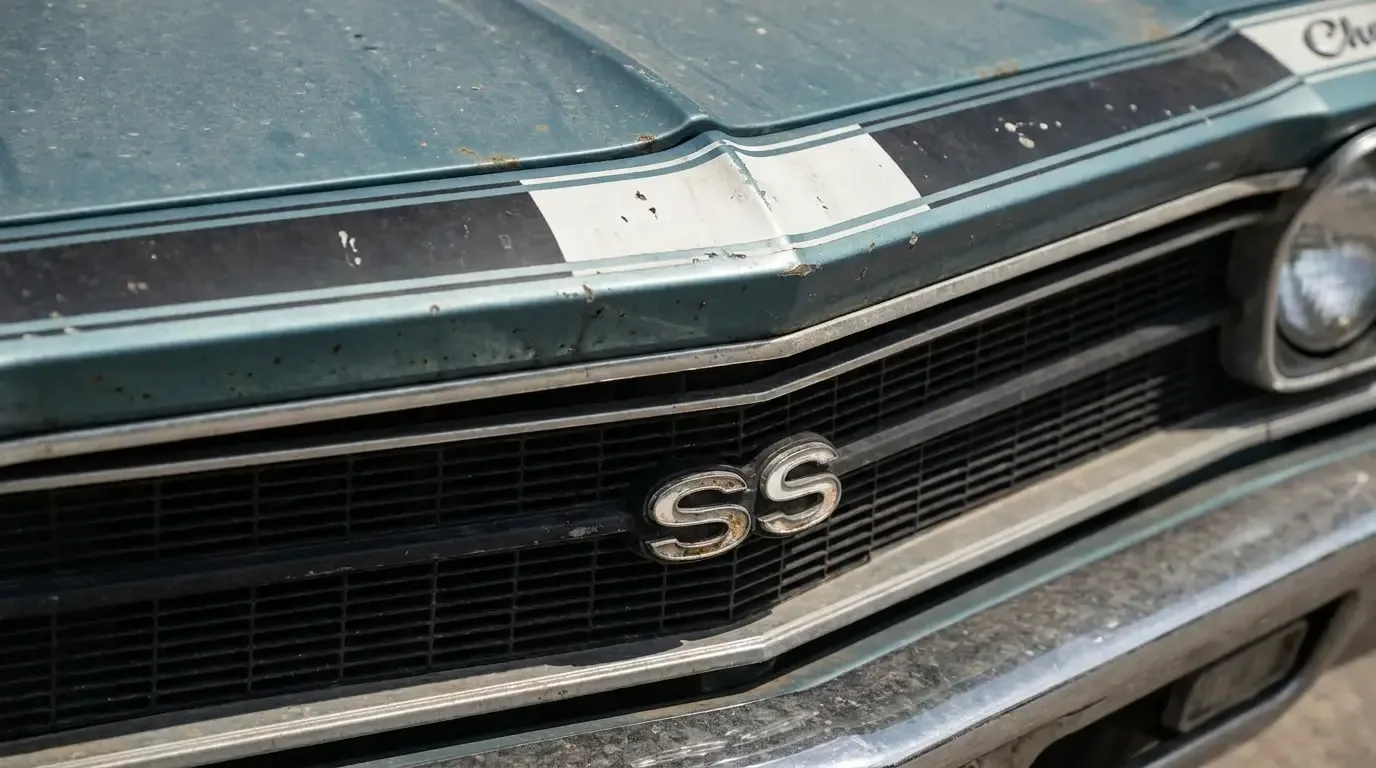
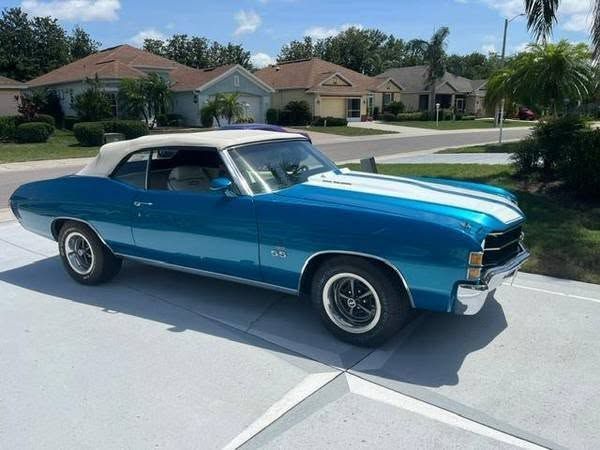
The bumblebee nose stripe, a wide reflective band wrapping the leading edge of the hood and front fenders, arrived as RPO D96 on SS396 cars starting in 1968 and carried into 1969 in black, white, blue, or red. It was an option, not standard equipment, which is worth remembering because plenty of real SS396 cars left the factory with a clean nose. The name comes from the same design language Chevrolet used across other performance cars of the period, and it did exactly what it was meant to do: it made the front of the car impossible to mistake for a base Malibu, even from a distance and even at night under sodium lights.
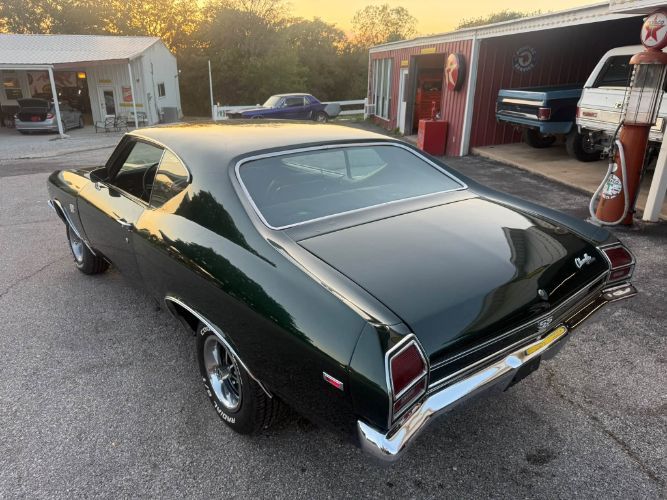
The 1968 and 1969 SS396 also carried a revised grille-mounted SS emblem, blacked-out grille inserts on many combinations, and SS callouts on the fenders just behind the wheel opening. Deck lid script stayed simple, usually just SS 396 lettering, letting the hood stripe carry the visual weight. This is the look most people picture when they hear "Chevelle SS," and it's the look that shows up hardest in the auction market today, which makes sense given how well the graphics package matches the car's reputation.
1970: cowl induction stripes and the SS454 grille
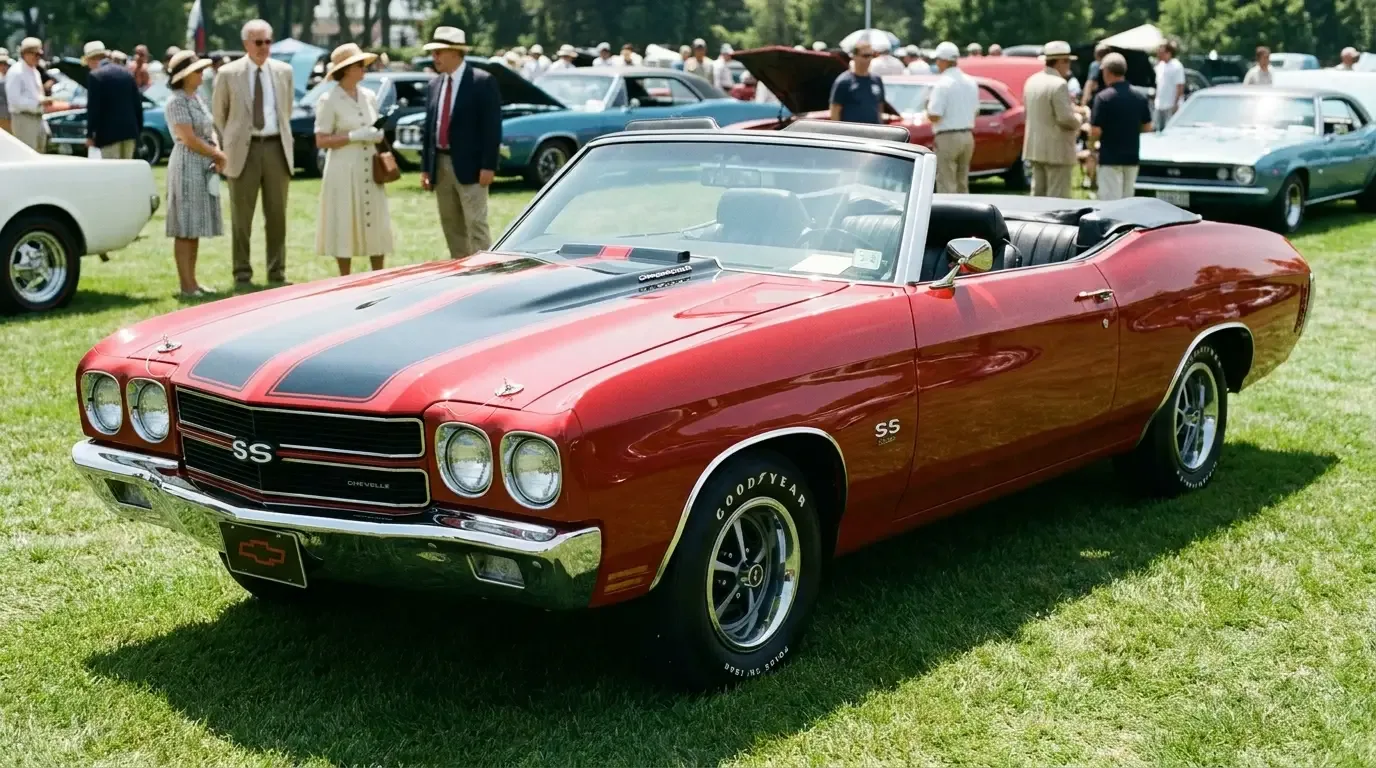
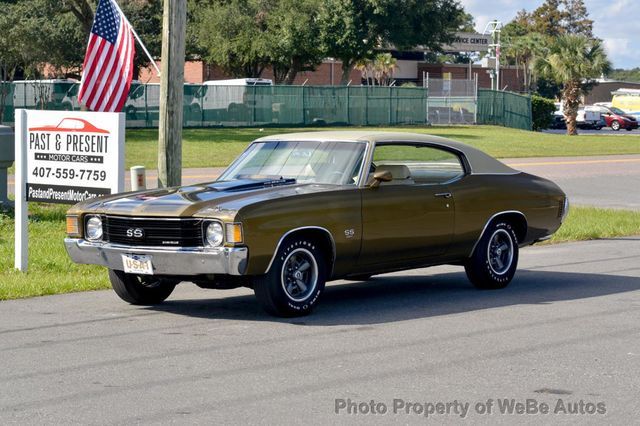
1970 brought the biggest visual shift in the whole run. The SS454 arrived with an optional cowl induction hood, a functional hood scoop that pulled cooler outside air into the engine, and Chevrolet gave it its own stripe treatment: twin dual stripes running back over the cowl induction bulge, distinct from the earlier bumblebee nose band. The SS grille emblem was redesigned again for 1970, larger and more angular, matched to a new SS fuel cap and SS callouts on the front fenders.
Buyers could still order the car without the cowl induction stripes, and plenty of real SS454 cars left the factory with a clean hood. That's part of what makes the stripe question so important for anyone chasing originality. A car with the stripes applied later, over a hood that never had them from the factory, is a common enough alteration that it's worth checking the paint under the tape edges before you take anyone's word for it. If you want the Chevelle's complete history, 1970 is the model year where the SS graphics finally caught up to how serious the hardware had become.
1971-1972: the last badges before SS became rare
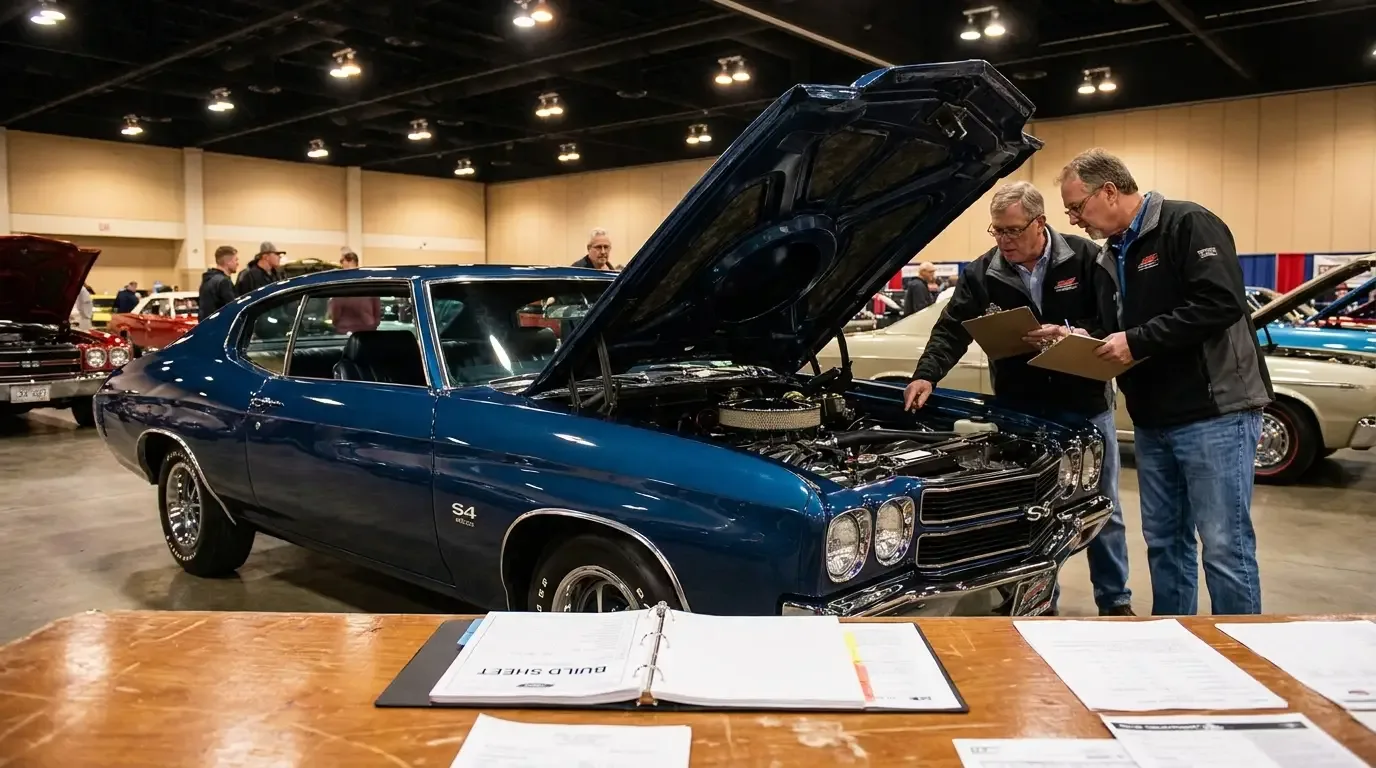
The 1971 and 1972 SS package carried a simplified version of the 1970 emblem, still grille-mounted, with SS fender badges continuing largely unchanged. Stripe availability continued but the emphasis shifted. By this point the SS had been an RPO option rather than its own model series for a couple of years already. Chevrolet dropped the standalone SS396 series after 1968 and folded it into the Malibu lineup for 1969 as the Z25 SS Equipment option, and that administrative change shows up in subtle ways on the cars themselves: badge placement and stripe callouts got a little less consistent car to car as SS became one line item among several rather than the headline of the build sheet.
By 1972, the last year most collectors consider a true SS Chevelle before emissions regulations and insurance surcharges reshaped the whole muscle car category, the badges were still there, but they were doing the same job with less behind them. A 1972 SS454 still wears the crossed-flag lineage back to 1964, even if the numbers under the hood had come down from where they peaked in 1970.
What to check when the graphics don't add up
Original stripe kits were applied with factory tooling and specific tape widths, and reproduction kits have gotten close but rarely perfect. A few things worth checking on any car wearing a stripe package:
| Detail | What it tells you |
|---|---|
| Stripe edge under the tape | Original paint should show a slight witness line; a crisp unbroken edge over old paint suggests a repaint after the stripe was removed and reapplied |
| Grille badge casting | Reproduction badges are often thinner-gauge than factory originals; weight and casting detail differ |
| Fender badge placement | Factory placement follows a consistent measurement from the wheel opening; badges mounted noticeably off that line were likely relocated |
| Deck lid script fasteners | Original clips leave specific hole patterns; extra holes patched underneath are a tell of a badge swap |
"A stripe package is graphic design applied to sheet metal, and Chevrolet's guys were good at it. The mistake I see restorers make is treating the stripe like an afterthought, something you tape off after the paint's done. Factory-correct means matching the exact width and the exact break points, not eyeballing something close. Close enough shows up the second you park next to a real one."
Jim Vasquez
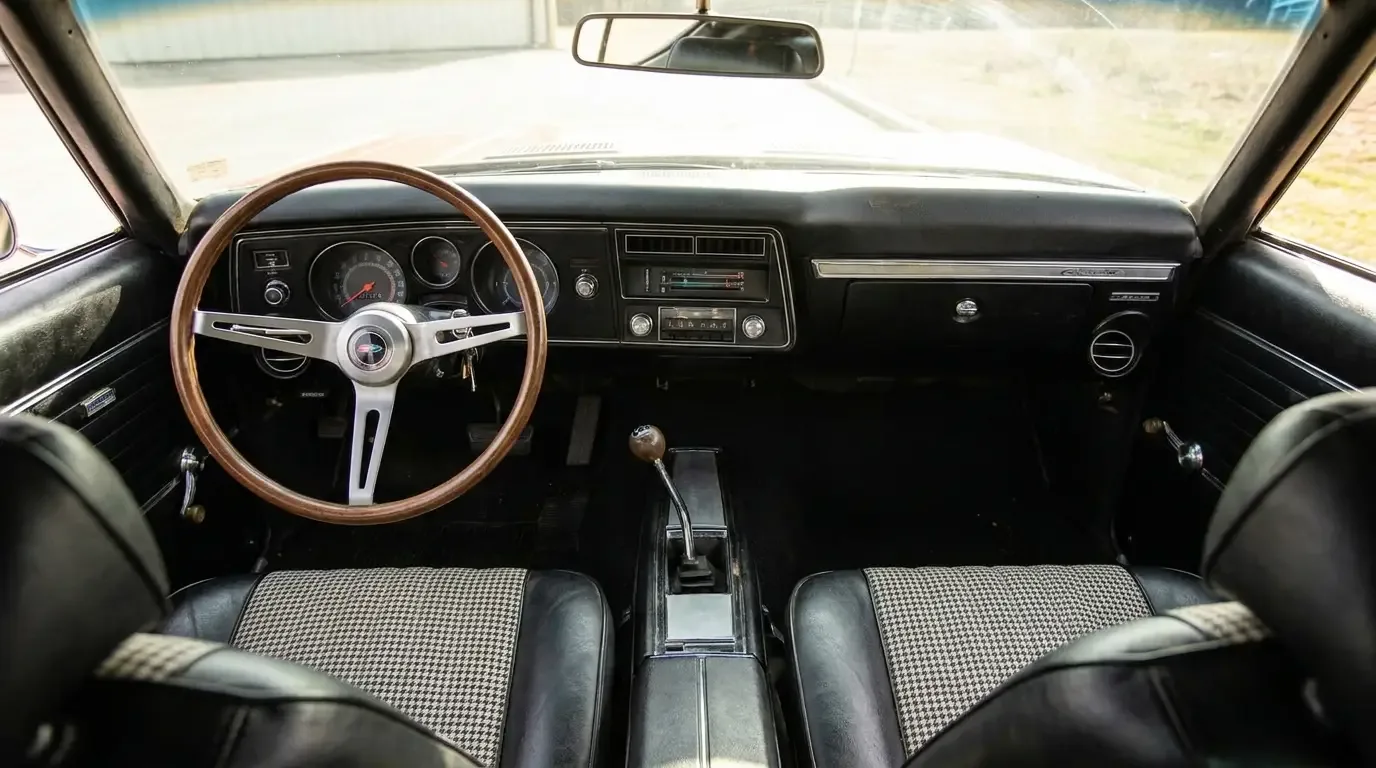
The badges and stripes never told the whole story on their own, they worked alongside the wheel choices and interior trim that rounded out the SS package, and the next: SS Interior and Trim Character piece picks up where the cabin took its own cues from the same design language.
Sources and notes
Related Reading
Have a
Chevrolet Chevelle
for Sale?
Reach thousands of serious classic car collectors across the US.
Sell It Here →
Are You a Classic Car Dealer?
List your full inventory and connect with targeted classic car buyers.
Join as a Dealer →
About the author
Jim Vasquez
Southern California hot rod and custom car builder with roots in the traditional kustom kulture scene.
Related Listings - Chevrolet Chevelle
More in History & Heritage
Comments
Be the first to comment on this article.