
I've had guys tell me 1972 doesn't count. Too soft, they say, too far past the good years, not worth the trouble compared to a 1970. I don't buy it, and I've pulled apart enough of these to tell you why. 1972 is the last year the Chevelle SS was still built to be a genuine performance car rather than a badge somebody kept around out of habit. The numbers had come down, sure. But the engineering underneath hadn't given up yet, and that's a different thing than people give it credit for.
History & Heritage
6 min read
1972: The Last True SS
1972 brought net horsepower ratings and the end of the LS6, but the Chevelle SS was still a real muscle car. What to check before you buy one.
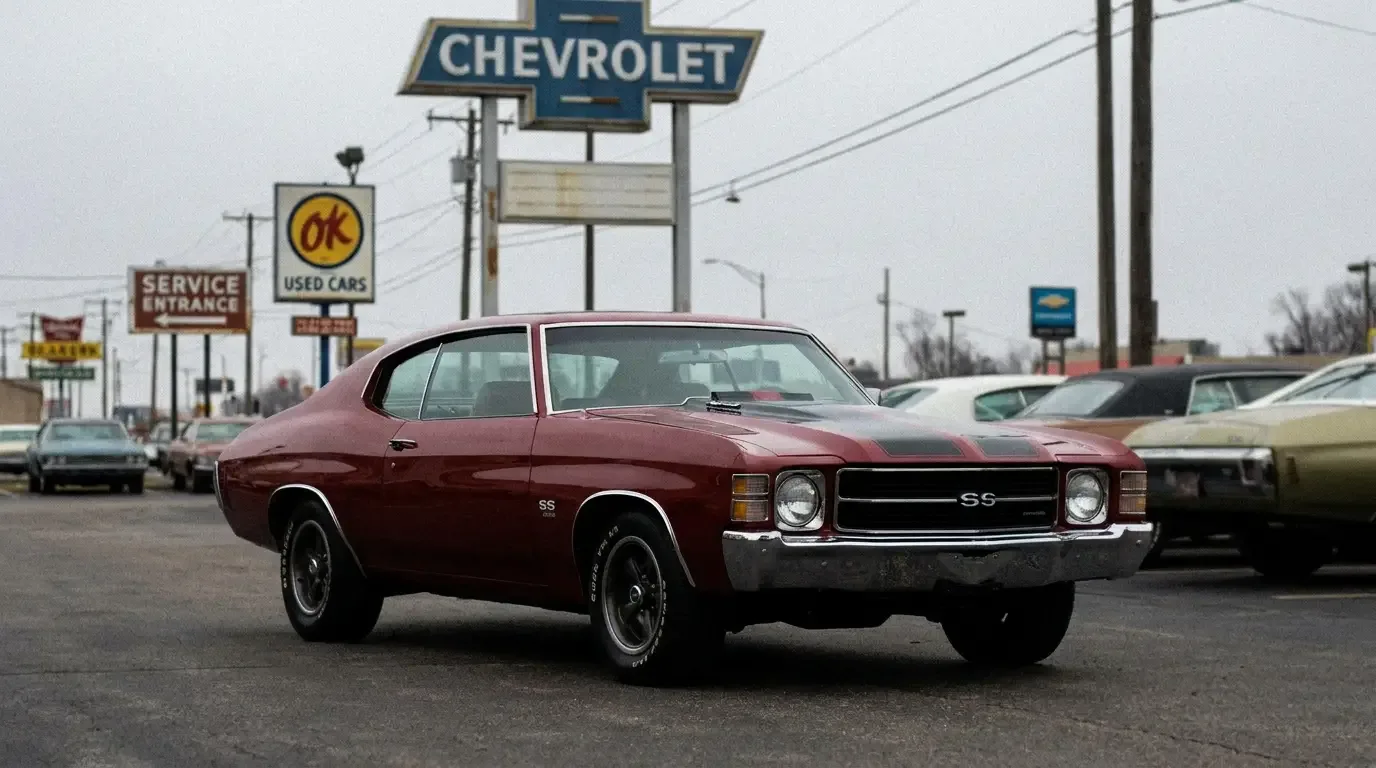
This is the year right before everything changed for good. 1973 brought the big-bumper redesign and a Chevelle that looked and drove like a different animal entirely. 1972 is the last gasp of the old formula, and if you're chasing the Chevelle SS story from the beginning, this is the chapter where the door closes.
Net horsepower changed the story on paper
1972 is the year GM switched over to SAE net horsepower ratings instead of the gross figures used before. That's not a small footnote. Net ratings measure the engine as installed, with accessories, exhaust restriction, and the factory air cleaner all bolted on, instead of a bare engine on a dyno stand the way gross figures were measured. The LS5 454 that year got rated at 270 net horsepower, essentially the same hardware as the 1971 engine's 365 gross rating, a number that looks like a dramatic collapse next to the gross figures from a couple years earlier. It wasn't nearly as dramatic a drop in real terms as the number on paper suggests. Guys who don't understand the ratings change see "270" and assume the engine got gutted. It didn't get gutted. It got measured honestly for the first time, and that honesty makes for an ugly-looking spec sheet.
The base SS engine that year was still the small-block 350, and the "396" big-block, actually 402 cubic inches by then, remained on the option sheet alongside the 454. No LS6 in 1972. That option was gone, another casualty of the compression and emissions squeeze that started the year before.
What to actually check before you buy one
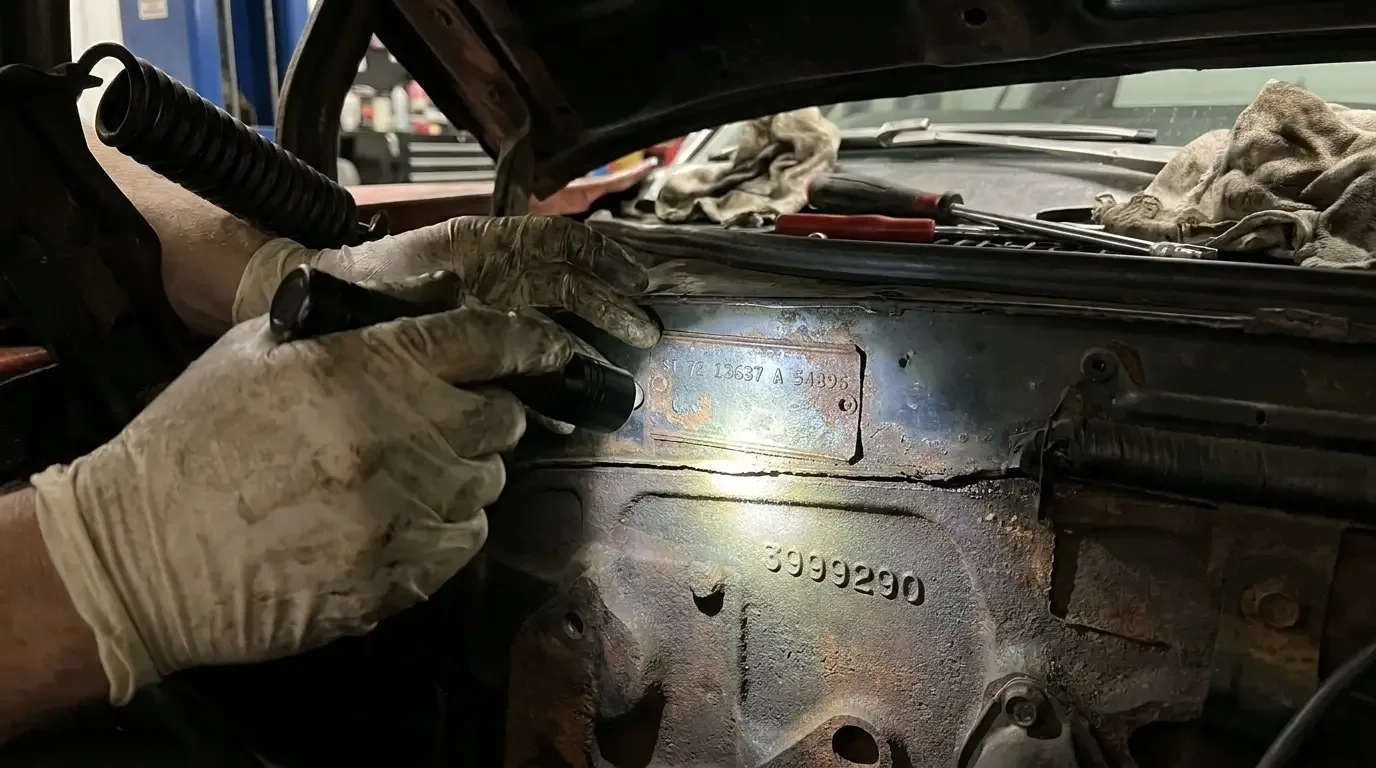
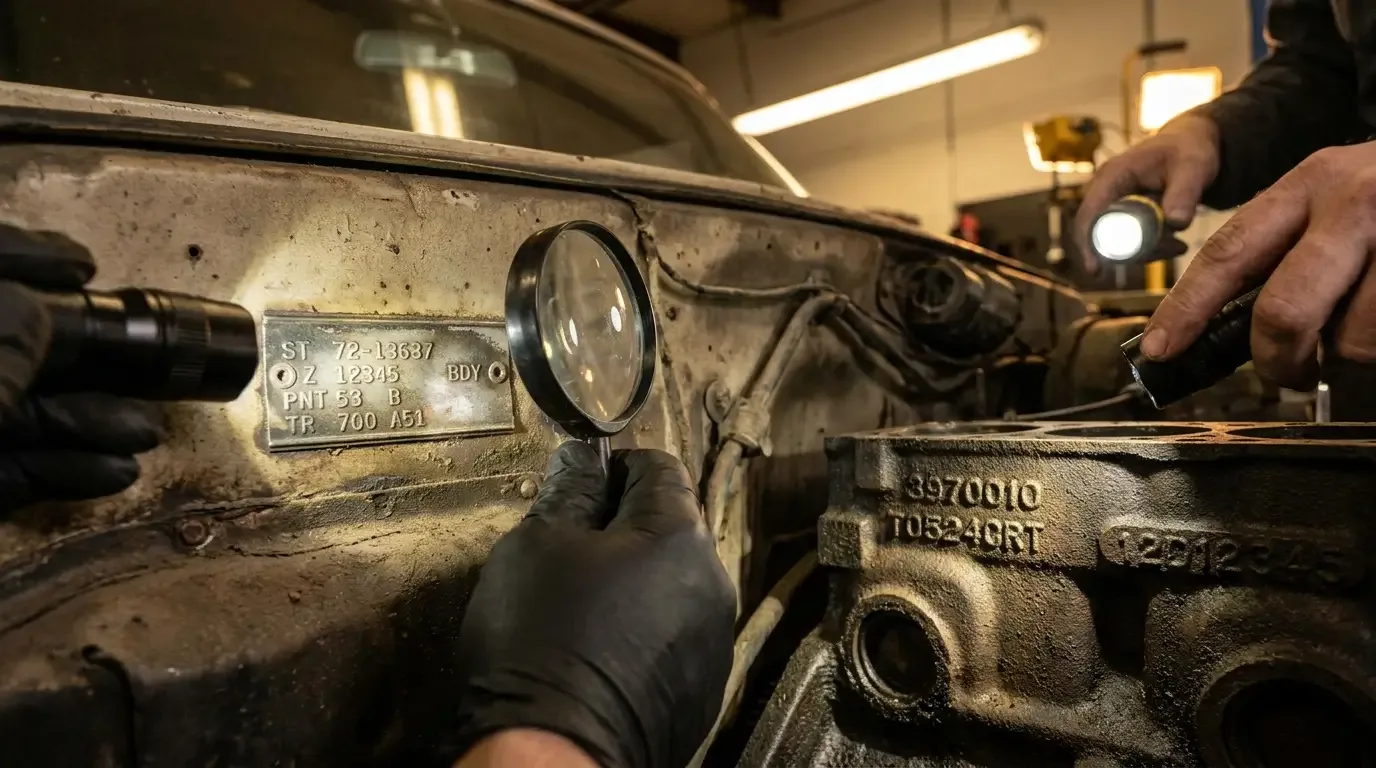
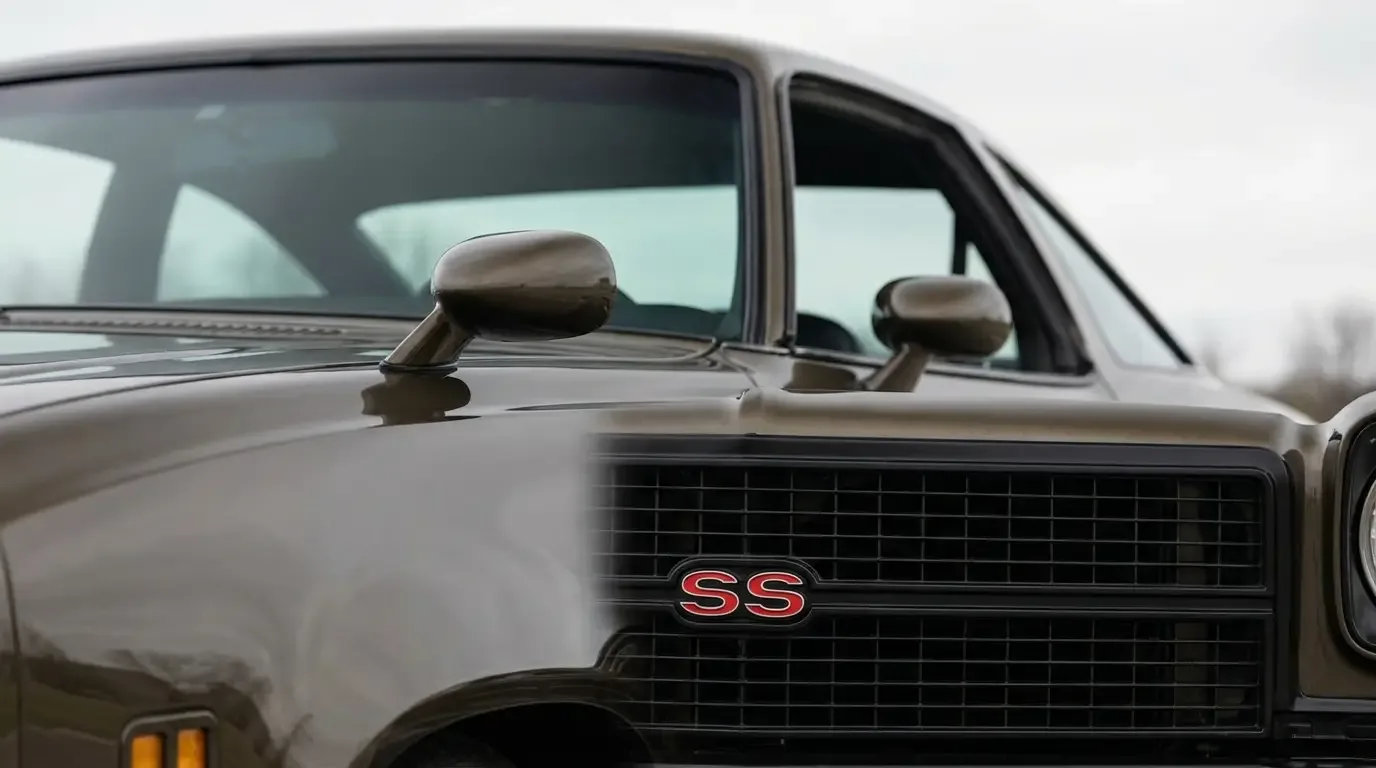
Here's where I get blunt, because this is where buyers get burned. A 1972 SS shell is easy to fake. The badge is cheap, the stripe kit is reproducible, and a small-block Malibu dressed up to look like a 454 SS will fool somebody who doesn't know what they're looking at. Before you hand over a deposit, pull the cowl tag and cross-reference the trim code against the engine that's actually sitting in the car. If the numbers don't line up, walk away or renegotiate hard.
🔧 Inspection Priorities
- Cowl tag vs. engine block casting numbers. Mismatches mean either a replacement engine or a badge job. Either changes the value conversation.
- Frame rails behind the front subframe mounts. These cars are past fifty years old now, and rust here means real structural work, not a bondo fix.
- Original exhaust manifolds vs. aftermarket headers. A lot of these got hacked up for performance decades ago. Matching manifolds add value and honesty to the car.
- Suspension bushings and springs. The SS package's heavier-duty suspension components wear out and get replaced with whatever was cheap at the time. Verify they're the correct application, not generic parts.
What these actually cost to bring right
A driver-quality 1972 SS with the 350 will run you noticeably less than a documented 454 car, and that gap has only widened as more buyers have figured out the difference matters. A solid-driver 454 SS, verified numbers matching, tends to sit in a meaningfully higher bracket than a small-block car wearing the same stripes, and a show-quality example with full documentation climbs from there. None of these figures hold still for long in this market, so treat any specific number as a starting point for research, not a price you should quote back to a seller.
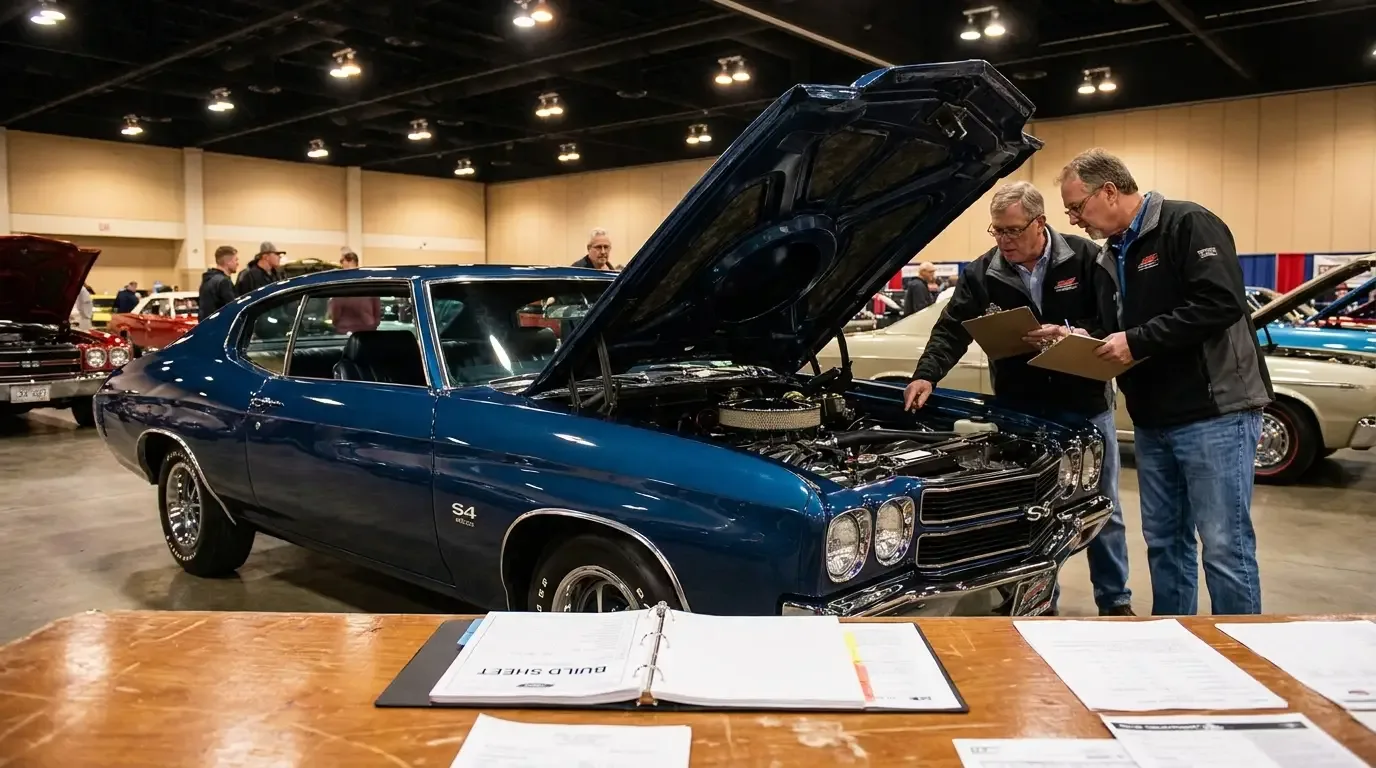
What moves the number more than anything else is documentation. A car with a broadcast sheet, a protect-o-plate, or factory invoice paperwork that confirms the engine matches the cowl tag is worth real money over an otherwise identical car with none of that. I've watched two nearly identical 1972 SS cars sell for very different prices at the same show because one guy had the paperwork in a folder and the other guy had a story.
"Guys write off the net-horsepower cars like the engineering quit trying. It didn't. The number on the sticker got honest, that's all. Pull the cowl tag, check the casting numbers, and stop judging the car by a rating system it didn't choose."
Mike Sullivan
Why I still respect this year
The reason I don't write 1972 off is simple. The frame, the suspension geometry, the body, all of it is still the same fundamentally sound Chevelle that made the earlier SS years what they were. The engines got detuned for emissions and measured more honestly, but the car underneath didn't get worse. It got quieter about what it could do, and there's something to be said for a machine that doesn't need to shout the biggest number on the fender to still be a genuinely serious piece of factory engineering.
If you're building a collection around the whole SS lineage rather than just the LS6 headline years, a documented 1972 belongs in it. Buyers ready to go looking should shop 1972 SS Chevelles and start with the paperwork before they fall for the paint job. And if you want to see how the story wraps up beyond the sedan and coupe, next: The SS Convertible Story covers the rarest body style in the whole lineup, and it connects back to the Chevelle's complete history if you want the full arc from the beginning.
Sources and notes
- 1972 W-code LS5 HP ratings net & gross discussion, Team Chevelle forum
- 1970-1972 Chevrolet Chevelle SS 454: Specs, History, Performance
- 1972 Chevrolet Chevelle SS 454 Sport Coupe specs, Automobile-Catalog
- 1964-1972 Chevrolet Chevelle SS454, Supercars.net
- '72 454 horsepower discussion, Team Chevelle forum
Related Reading
Have a
Chevrolet Chevelle
for Sale?
Reach thousands of serious classic car collectors across the US.
Sell It Here →
Are You a Classic Car Dealer?
List your full inventory and connect with targeted classic car buyers.
Join as a Dealer →

About the author
Mike Sullivan
Detroit-area muscle car enthusiast and restoration specialist with three decades of hands-on experience working on American iron.
Related Listings - Chevrolet Chevelle
More in History & Heritage
Comments
Be the first to comment on this article.