
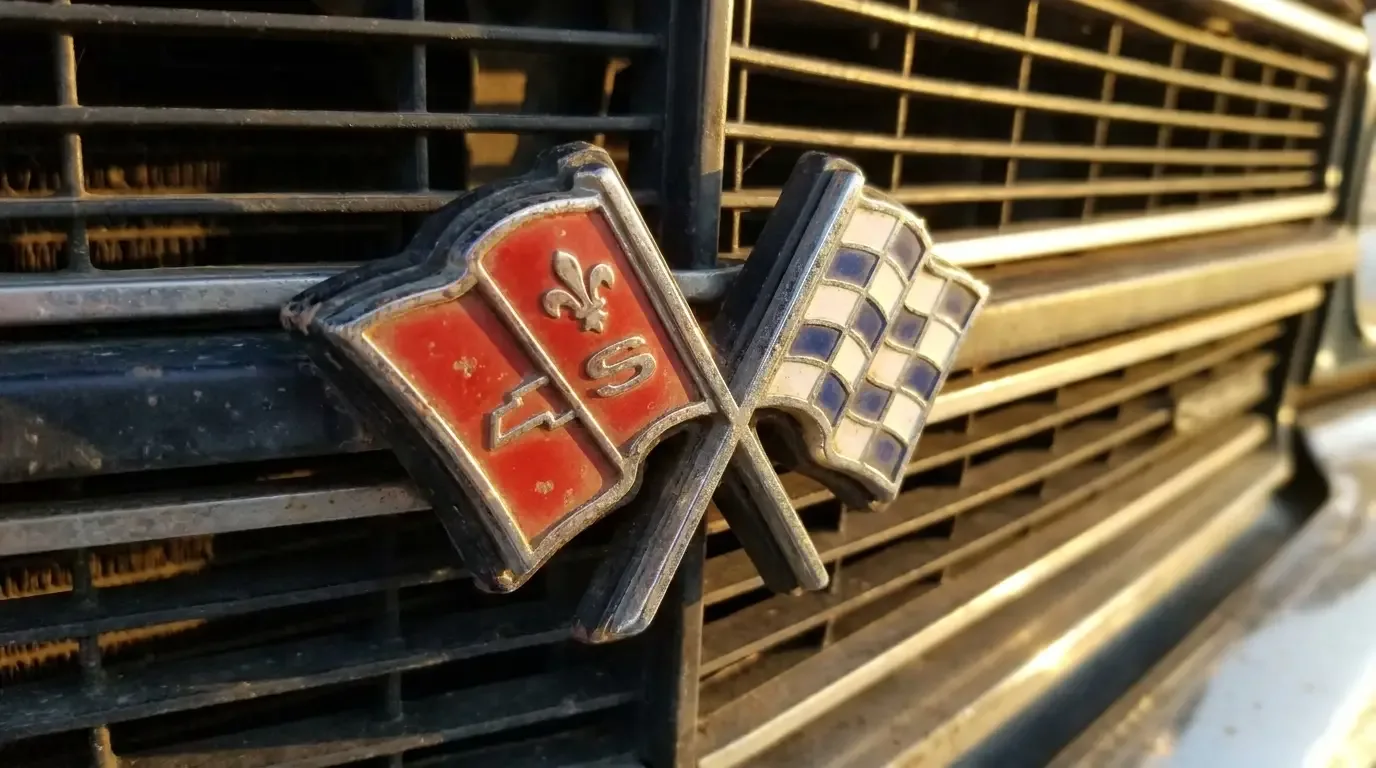
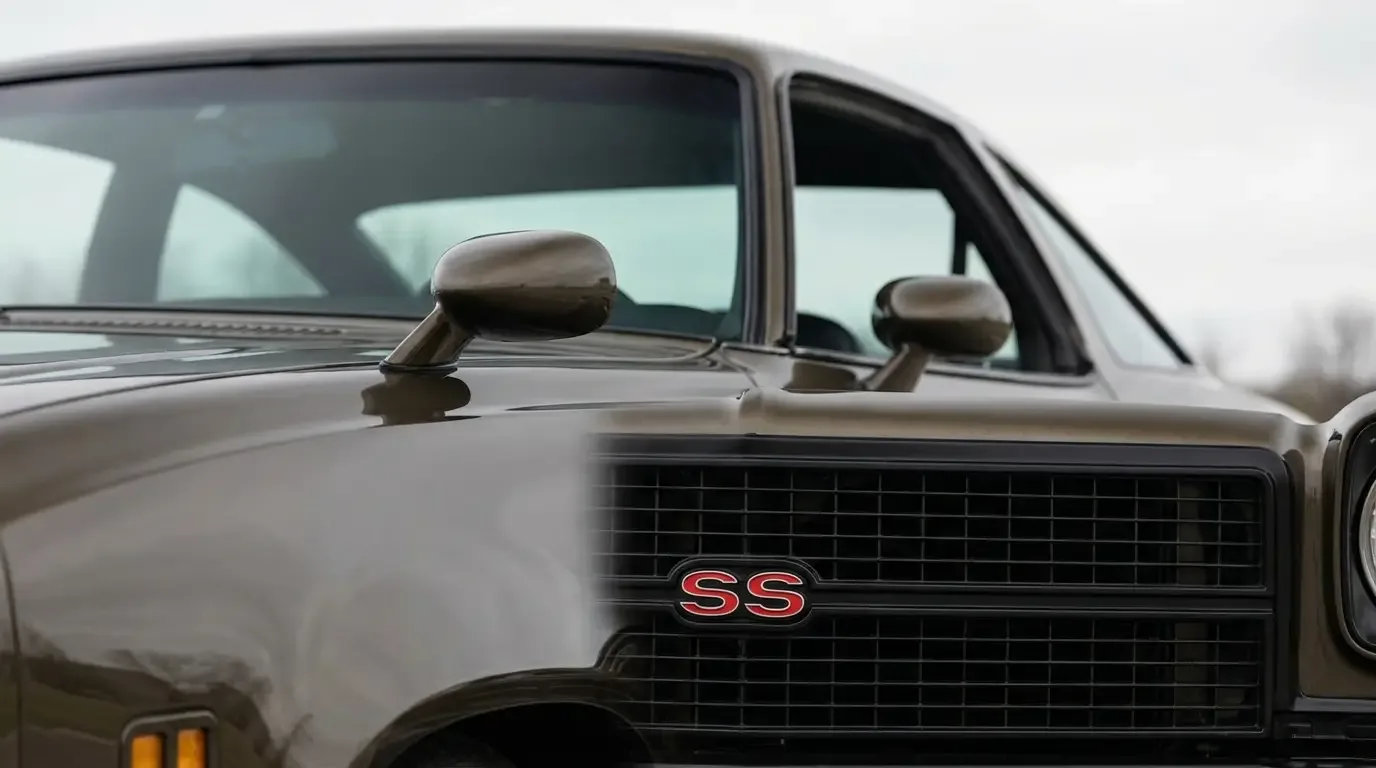
Ask ten Chevelle owners what the SS badge on their fender actually stands for and you'll get ten confident answers, and at least three of them will be wrong in some small but telling way. Super Sport. That part everybody gets right. What people get wrong is assuming it always meant the same thing, on the same terms, from the day it appeared to the day it disappeared. It didn't. The SS on a Chevelle changed shape more than once, and if you're trying to figure out what you're actually looking at on a car you own or want to buy, the badge alone won't tell you.
History & Heritage
7 min read
What "SS" Actually Meant on a Chevelle
The Chevelle SS badge changed meaning more than once between 1964 and 1972. Here's what the RPO codes actually tell you.
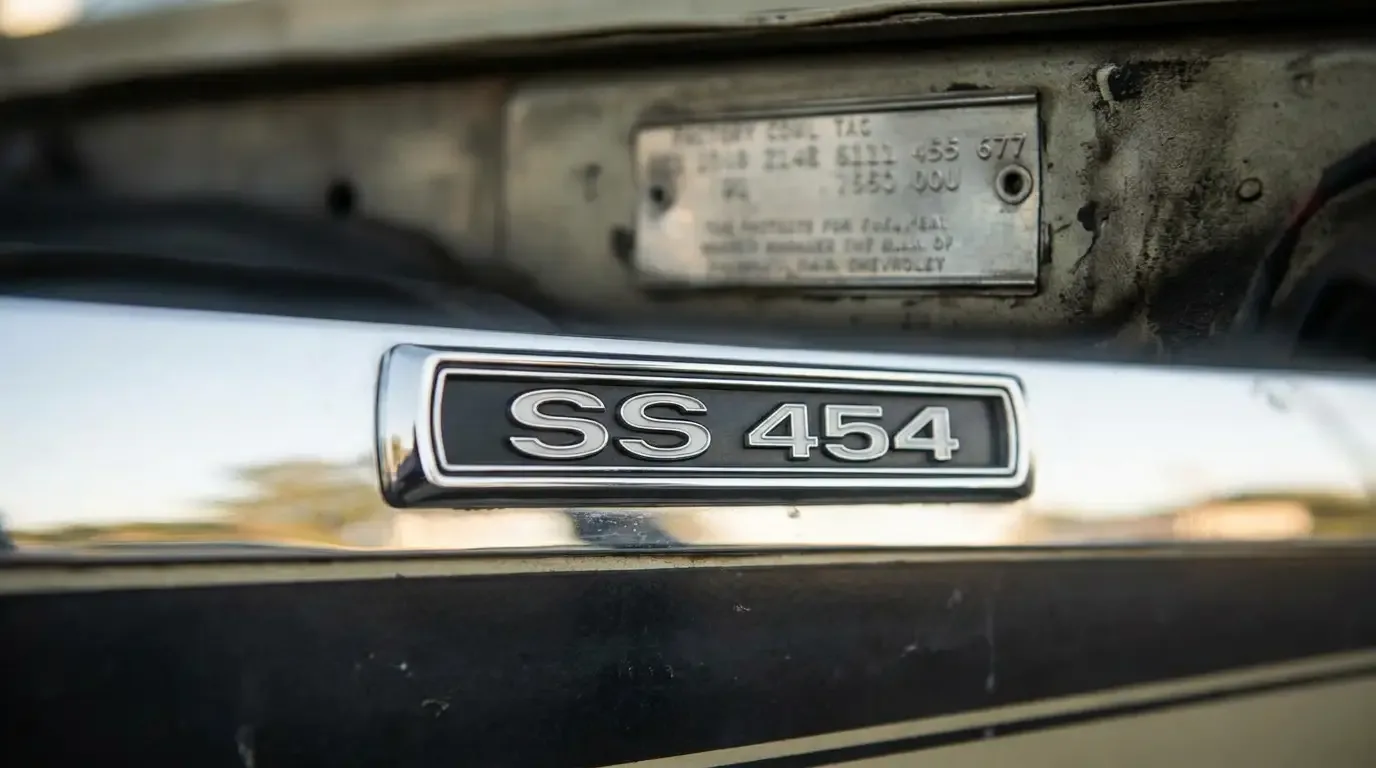
I've spent a lot of time with factory paperwork trying to untangle option codes that got simplified into shorthand somewhere between 1964 and now, and Chevelle SS is one of the better examples of how much gets lost when a good marketing name outlives the specific package it was created to describe. For the real timeline, year by year, the full SS story lays it out start to finish. This piece is about what the letters were actually attached to at any given point, and why that distinction matters more than most casual buyers assume.
The RPO code behind the badge
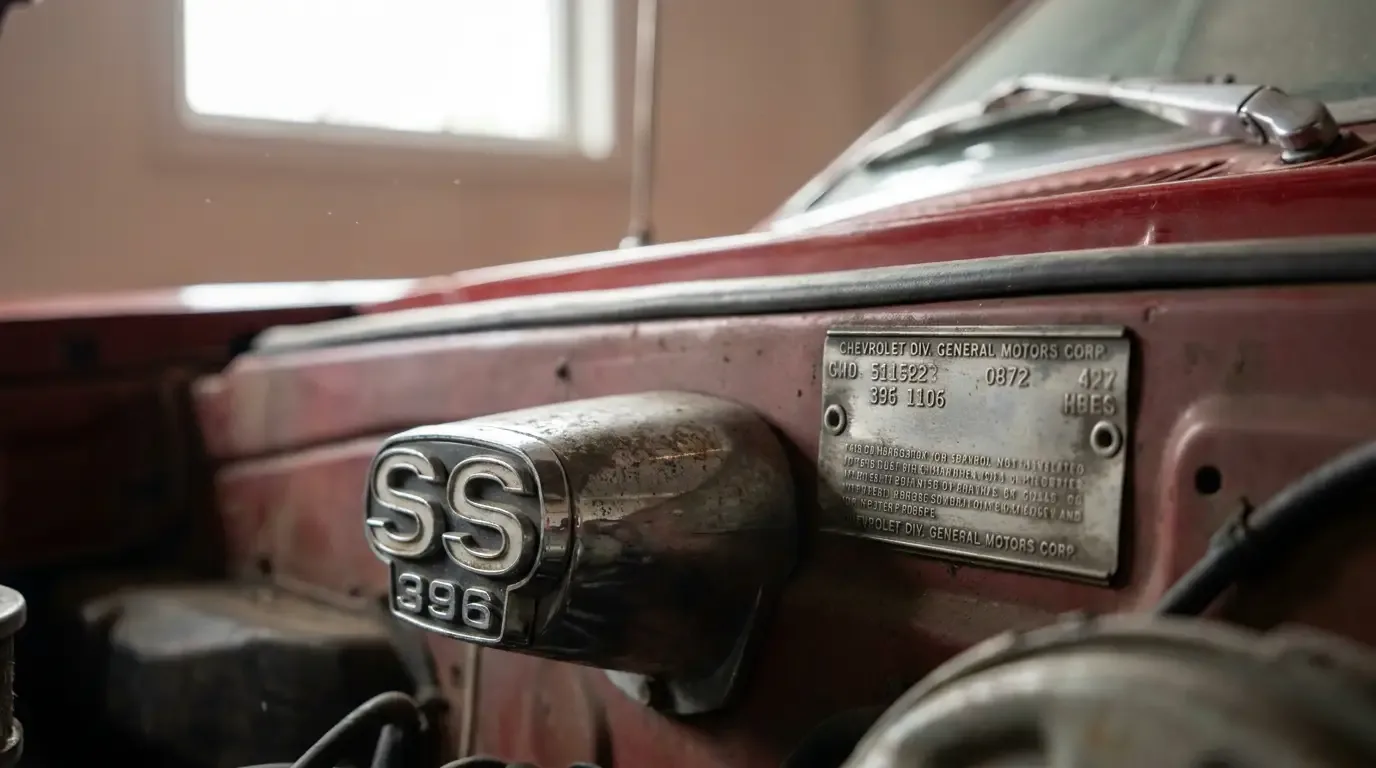
SS didn't start out as a single RPO-coded option at all. In 1964 and 1965 the Malibu SS was its own trim series, with distinct Fisher Body style numbers, not a box checked on an order form. RPO Z16 showed up for 1965 only, the one-year, 201-unit big-block special built on top of that Malibu SS series. It wasn't until 1969 that Chevrolet folded the Super Sport package into a single order-form option, RPO Z25, joined by Z15 for the 454 in 1970. That distinction is the thing that actually matters on a build sheet or a tank sticker, not the three letters stamped on the trunk lid. The badge is trim. The paperwork is what tells you whether the car in front of you got the suspension upgrades, the bucket seats and console option availability, the wheel covers, and in later years, the engine and driveline hardware that came bundled with the appearance package.
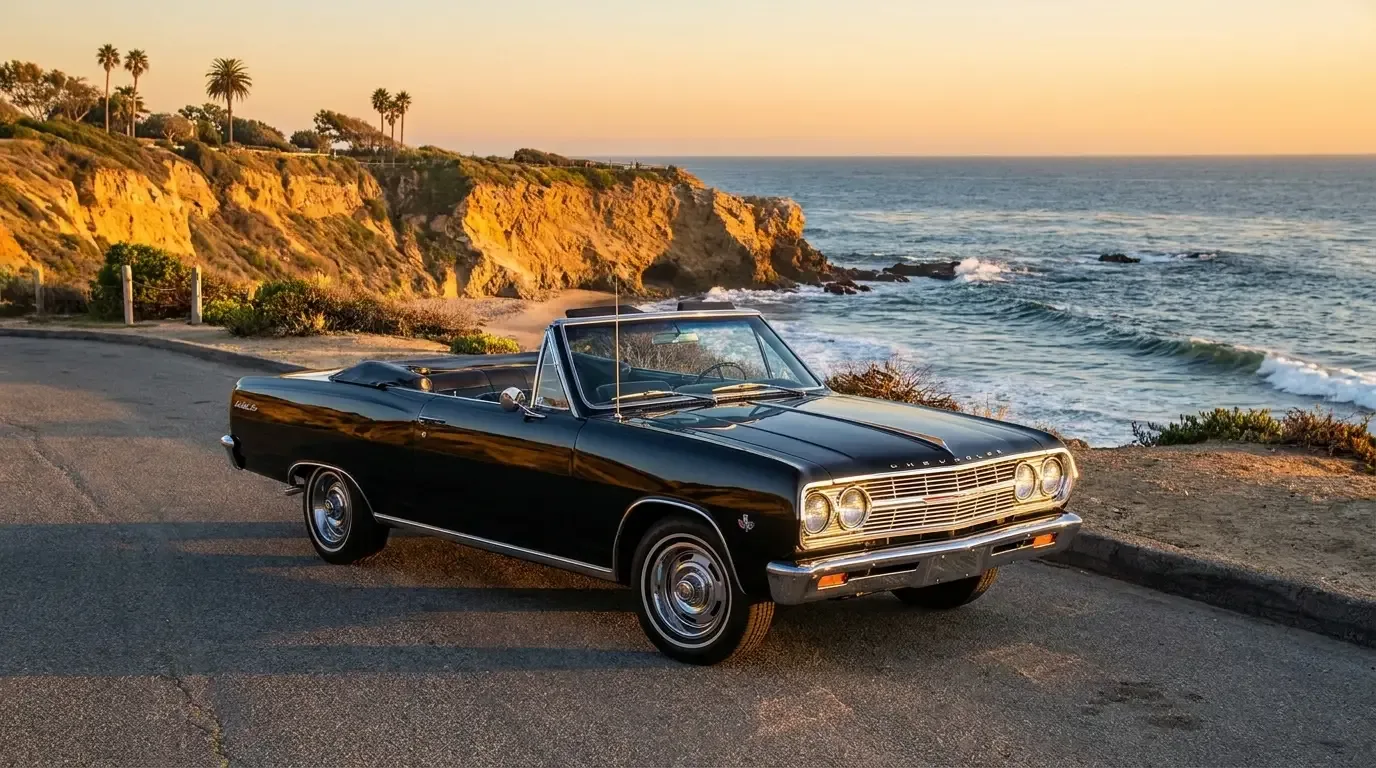
Early on, in 1964 and 1965, ordering SS bought you mostly a visual and trim package layered onto a Malibu, not a guaranteed engine. You could put SS badging on a car with the base inline six, and 1965 was the last year Chevrolet allowed a six-cylinder Malibu SS, which surprises people who assume SS always meant big horsepower from the factory. It didn't, not at first. It meant a specific trim level with performance-adjacent options available to the buyer, not bolted on by default.
Super sport before it meant big-block
The turning point most people actually mean when they say "SS" is 1966, when the Super Sport option got tied directly to the 396 cubic inch big-block and effectively became its own model line, the Chevelle SS 396. That's the version burned into most enthusiasts' memory: fender badges, twin simulated hood scoops, and a big-block under the hood as close to standard as GM allowed under its internal displacement rules for mid-size cars at the time. Before that, the SS package on a Chevelle was closer to a dress-up option with sportier hardware attached, not a performance guarantee.
That's the piece that trips up buyers looking at early cars. A 1965 SS Chevelle is a real, legitimate, collectible car. It is not the same animal as a 1966 SS 396, and pricing them, or restoring them, as if they're interchangeable variations on one theme is a mistake I see repeated in listings more than it should be.
What SS didn't mean, and where people get it wrong
The most common misconception I run into is treating "SS" as a guarantee of a specific engine across every model year. It wasn't. The SS designation drifted from a trim package, to a big-block-focused sub-model, to, later in the run, a set of appearance and suspension options you could order on nearly any Chevelle body style regardless of what engine went under the hood. By the time you get into the early 1970s, "SS" tells you less about what's under the hood and more about what the buyer checked on the order form, which is exactly why documentation matters more on later cars than on a 1966.
🔧 Inspection Priorities
- Cross-check the cowl tag and build sheet against the RPO code, not just the badge. A missing or mismatched build sheet on a claimed big-block SS is the single biggest value question you can ask before writing a check.
- Confirm the engine matches the year's documented SS availability. Engine swaps into SS-badged cars happened often enough over sixty years that badge presence proves nothing on its own.
- Check for the correct SS-specific suspension and brake hardware, not just cosmetic trim. Some sellers restore the visual package and skip the underlying mechanical content, which changes what you're actually buying.
How the meaning shifted, year to year
| Years | What SS meant | Engine tie-in |
|---|---|---|
| 1964-1965 | Its own Malibu SS trim series, no single RPO code | Not engine-specific, six-cylinder allowed |
| 1966-1968 | Distinct SS 396 series | 396 big-block effectively standard |
| 1969-1970 | Package option, RPO Z25 (Z15 added for the 454 in 1970) | 396 available, not guaranteed by badge alone |
| 1971-1972 | Package option, RPO Z15, across multiple engines | Engine chosen independently of SS badge |
That table simplifies a lot of nuance, and I'd rather say that plainly than pretend six model years of running production changes reduce cleanly to four rows. But it gives you the shape of the drift. If you want the granular year-by-year detail behind each of those periods, next: The Evolution of the SS, 1964-1972 goes through it properly.
Reading it right today
When you're looking at a Chevelle with an SS badge today, the honest question isn't "is this an SS." It's "SS as ordered with what, in what year, and does the paperwork back it up." The badge tells you the buyer, new or old, wanted the SS package attached to this car. It doesn't tell you the engine, the exact suspension spec, or whether what's under the badge today matches what left the factory with it. That's not a knock on the car. It's just what the letters have always actually meant, which is less fixed than the badge makes it look.
I'd rather a buyer understand that going in than fall for the assumption that three letters on a fender do all the explaining for them. They don't. The build sheet does. For the broader context of where the Chevelle itself came from and where SS fits into that arc, the Chevrolet Chevelle story is worth reading alongside this one.
"The tank sticker matters more than the badge ever will. A badge can be bought at a swap meet. A correct, matching build sheet can't be faked without somebody eventually noticing the numbers don't add up."
Tom Ramirez
Sources and notes
- Mac's Motor City Garage: Birth of the Big-Block Chevelle, the 1965 Z16
- ChevelleStuff.net: RPO Z16 documentation
- Hagerty: The definitive 1968-72 Chevelle SS buyer's guide
- Team Chevelle forum: 1965 Chevelle SS six-cylinder discussion
- OnAllCylinders: A brief history of the Chevy Super Sport trim
- MotoGallery: 1968-1970 Chevrolet Chevelle SS 396 specs and history
Related Reading
Have a
Chevrolet Chevelle
for Sale?
Reach thousands of serious classic car collectors across the US.
Sell It Here →
Are You a Classic Car Dealer?
List your full inventory and connect with targeted classic car buyers.
Join as a Dealer →

About the author
Tom Ramirez
Corvette researcher and historian based in Bowling Green, Kentucky. Two decades documenting Corvette production history from original factory records.
Related Listings - Chevrolet Chevelle
More in History & Heritage
Comments
Be the first to comment on this article.