
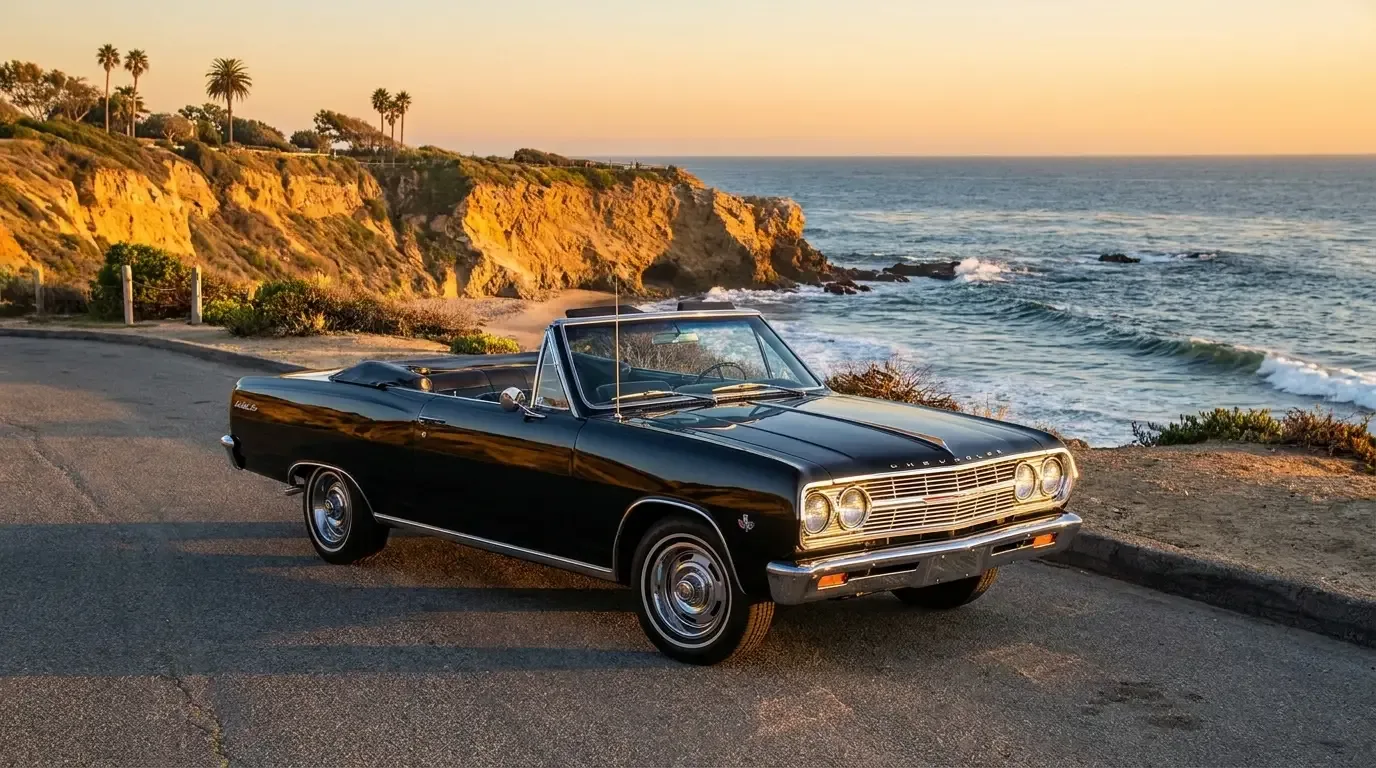
I was standing next to a black 1970 Chevelle SS454 at a car show a couple summers back when the owner of a Judge-orange GTO parked three spots down wandered over, looked the Chevelle up and down for a long minute, and said, "Yeah, but mine's a Pontiac." That was the whole argument. No numbers, no dyno sheets, just a guy who'd made his choice decades ago and never looked back. That's what the muscle car rivalry actually was, and still is at every show where these cars end up parked near each other. It was never really about which car won on paper. It was about which one you'd already decided to love.
History & Heritage
7 min read
SS vs the Muscle Car Rivals
How the Chevelle SS stacked up against the GTO, Road Runner, and Torino GT, and why the muscle car rivalry was never really about the spec sheet.
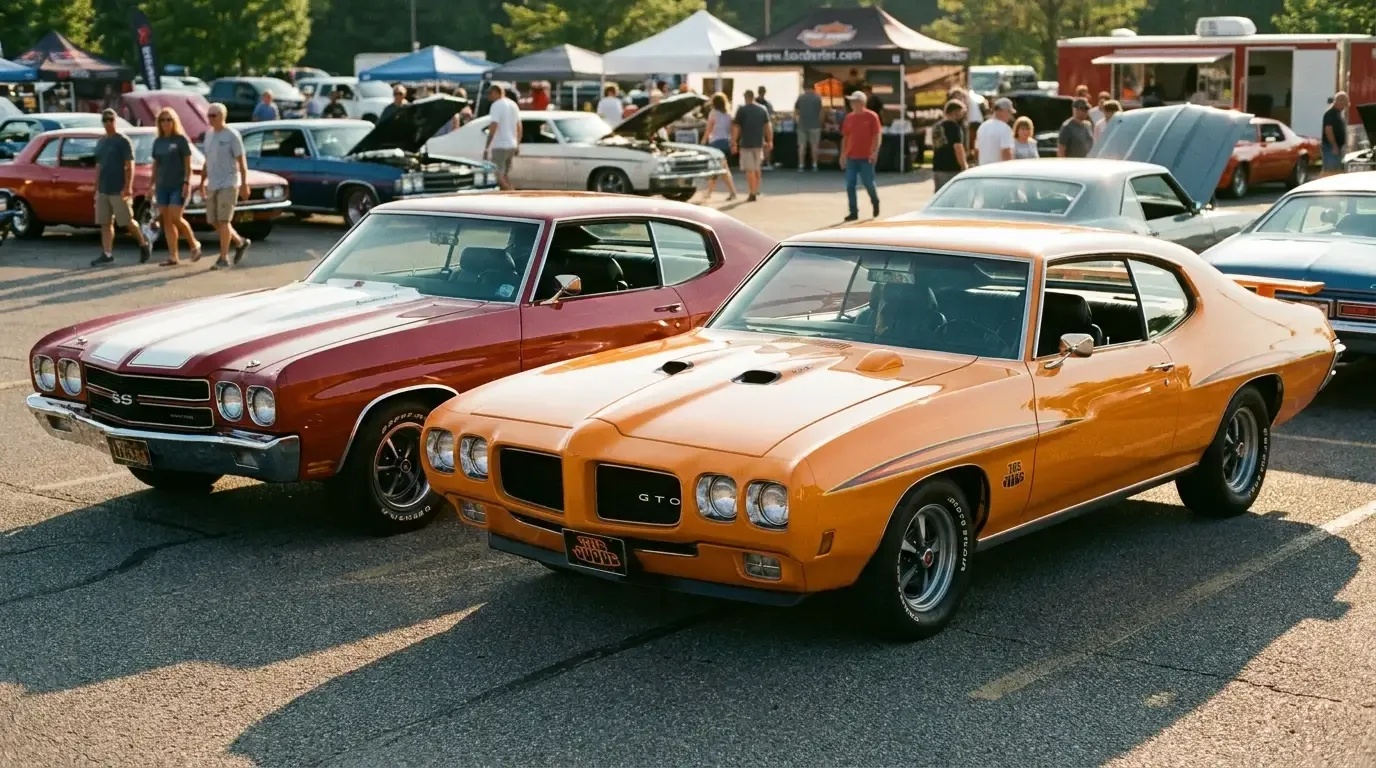
But the paper argument is worth having anyway, because the Chevelle SS spent its whole run in a genuinely crowded field, and knowing exactly who it was fighting tells you a lot about why the car turned out the way it did.
The Pontiac GTO: the one that started it
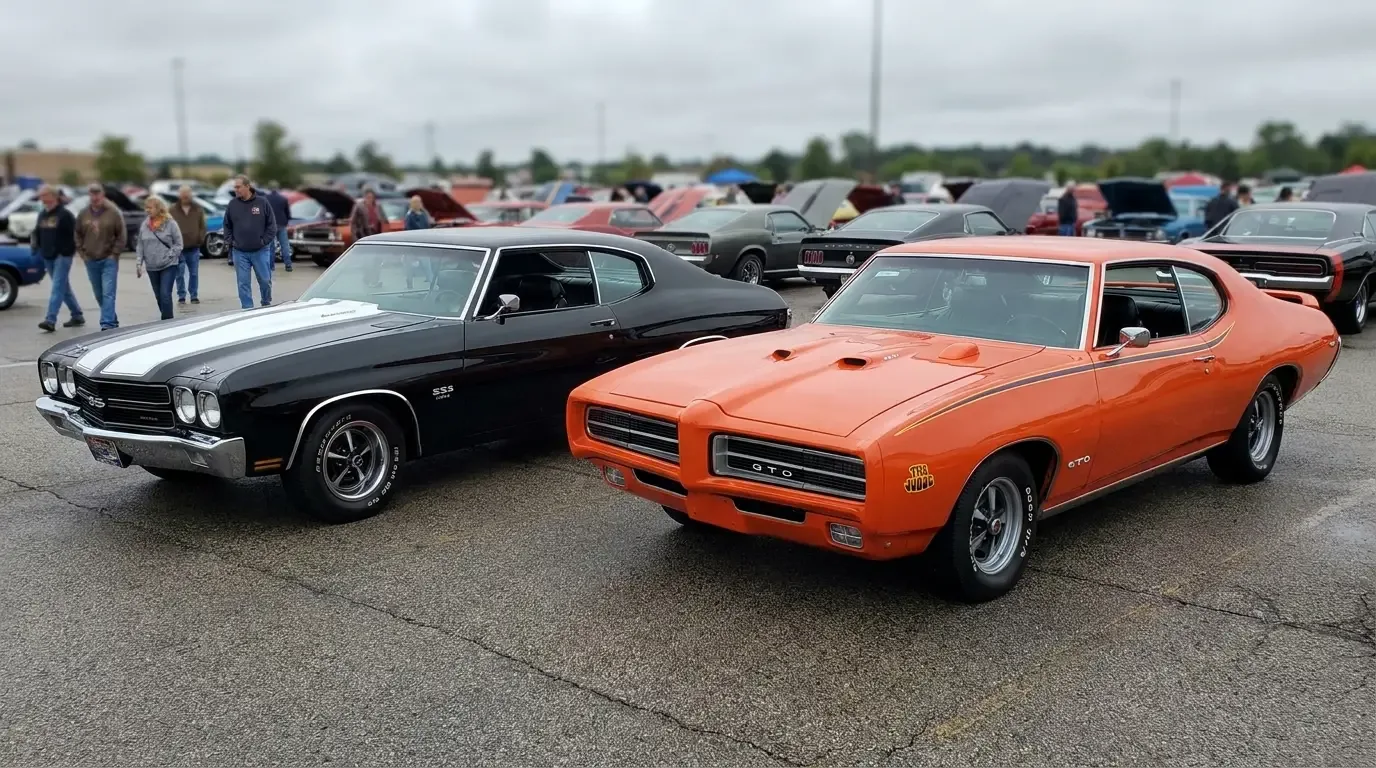
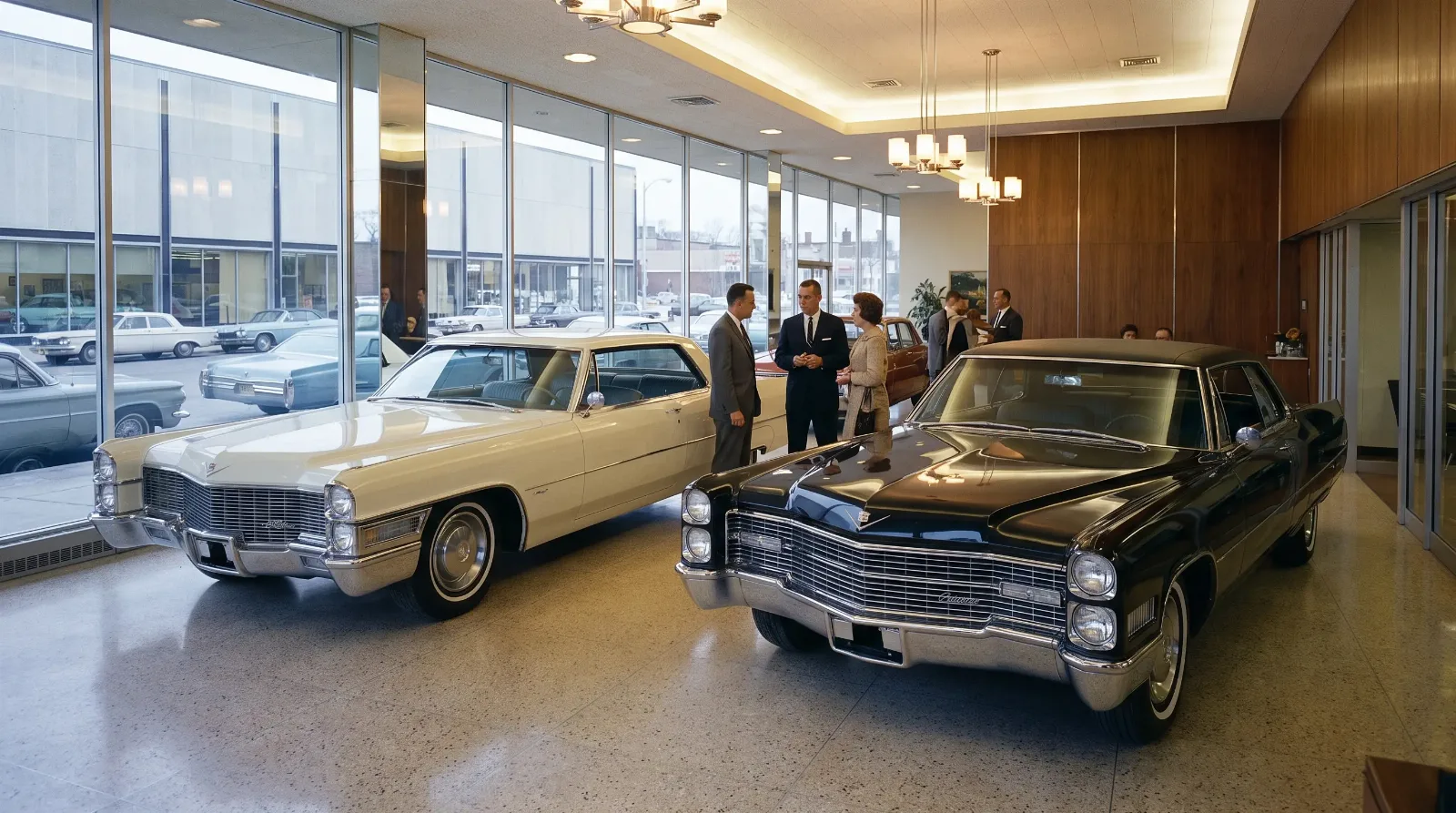
The GTO gets credit, fairly, for creating the category the Chevelle SS eventually competed in. Pontiac dropped a big engine into a mid-size body first, and everyone else spent the rest of the decade responding to that idea in their own way. By the time the Chevelle SS396 showed up for 1966, the GTO already had a couple of years of head start and a reputation to match. What the Chevelle brought to that fight wasn't novelty, it was Chevrolet's dealer network and a lower price of entry, which meant a buyer who wanted GTO-style performance without GTO-level cost had a real option sitting right there on the same showroom floor as a base Chevelle wagon.
The two cars ended up feeling different to drive, according to just about everyone who's owned both. The GTO leaned into a slightly more refined, boulevard-cruiser character in its ride, while the SS396 came across a bit more raw, a bit closer to the shop-floor feel Chevrolet's engineering culture tended to produce. Neither is objectively correct. It's the same argument that guy at the car show was making, just with more detail attached.
The Plymouth Road Runner: the no-frills answer
By 1968, Plymouth had figured out something the rest of the segment hadn't quite committed to yet: some buyers didn't want a luxury interior wrapped around a big engine, they wanted the engine and nothing else. The Road Runner stripped the concept down to a basic car, a serious 383 or 440 under the hood, and a cartoon horn that honked like the actual bird. It undercut the Chevelle SS on price in a lot of configurations and made no apology for the bare-bones approach.
That created a genuinely different kind of buyer split than the GTO comparison did. Where the GTO fight was about refinement versus rawness at similar price points, the Road Runner fight was about how much car you actually needed. A Chevelle SS gave you more standard trim, arguably a more complete package for someone who wanted to drive the car daily and still show up somewhere nice on a Friday night. The Road Runner gave you the same straight-line performance for less money if you didn't care about carpet quality. Both arguments still get made at shows today, usually by the same two guys who've been having it since 1969.
Ford's Torino and Mercury's Cyclone
Ford's answer came through the Torino GT and the related Mercury Cyclone, cars that leaned harder into styling and, later, into NASCAR-derived aerodynamic packages than most of their mid-size rivals did. The fastback Torino and Cyclone bodies had a distinct look on the street, and Ford's small-block and big-block options gave the cars a genuinely competitive performance case, particularly once the Cobra Jet engines arrived.
What kept the Torino and Cyclone from feeling like a direct Chevelle rival in the same way the GTO or Road Runner did was brand loyalty running deeper than the mid-size segment itself. A Ford family bought a Ford, a Mopar family bought a Mopar, and a GM family bought whatever bowtie or Pontiac arrowhead badge fit their budget. The competition existed on paper and at the drag strip, but plenty of buyers never cross-shopped at all. They walked into the dealership their father had used for twenty years and bought whatever that dealership was selling that year.
| Rival | Signature approach | How it differed from the Chevelle SS |
|---|---|---|
| Pontiac GTO | Refined performance image, category creator | Higher price point, more boulevard-oriented character |
| Plymouth Road Runner | Stripped-down, no-frills muscle | Lower price, fewer standard comfort features |
| Ford Torino GT / Mercury Cyclone | Styling-forward, NASCAR-linked image | Different brand loyalty base, distinct fastback silhouette |
| Dodge Charger R/T | Full-size-feeling coupe styling | Larger, more distinct body than the Chevelle's |
Where the Chevelle actually won the argument
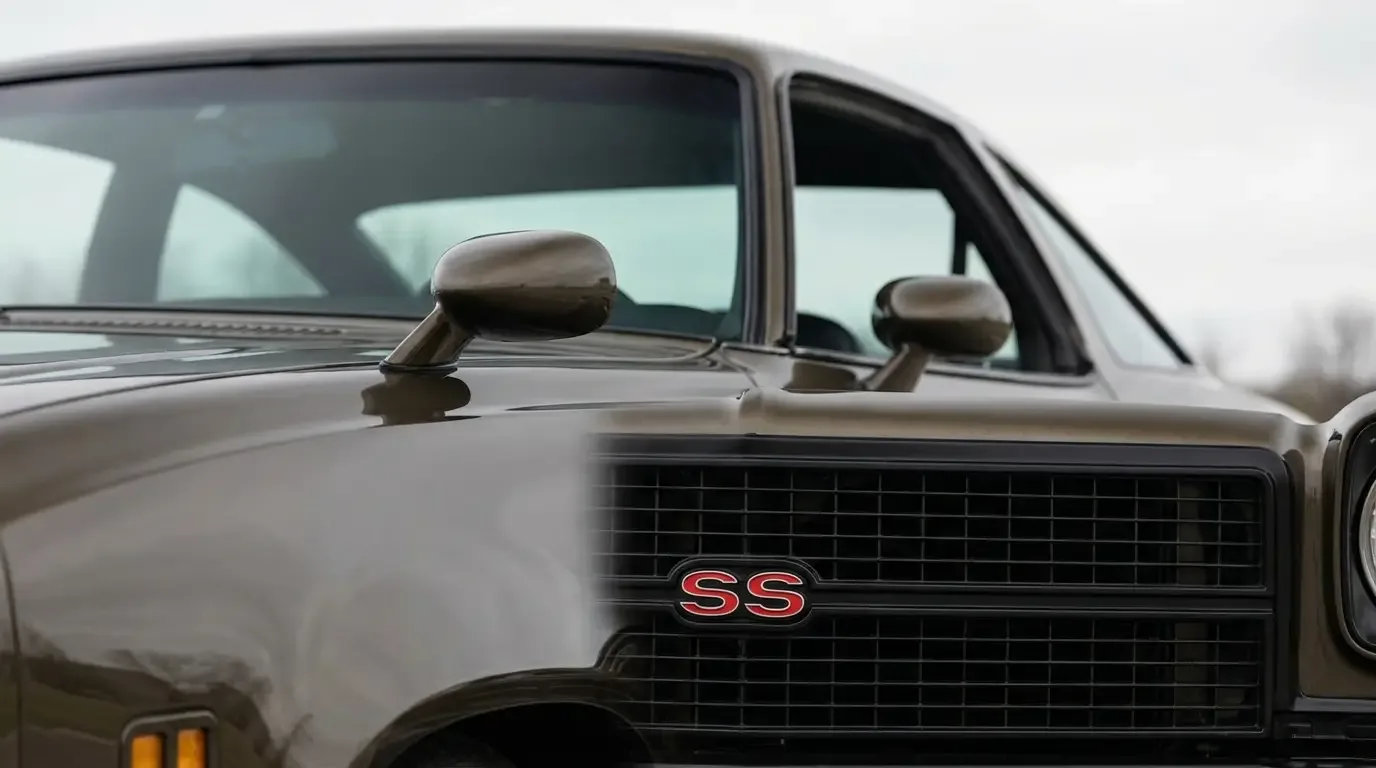
If you talk to enough people who cross-shopped these cars new, or who've owned two or three of them across a lifetime, the case for the Chevelle SS usually comes down to balance rather than any single category win. It wasn't the fastest in every configuration. It wasn't the cheapest. It wasn't the most stripped-down or the most styled. But it was consistently the car that did the most things well at once, a genuinely usable interior, real dealer support and parts availability through Chevrolet's network, and by 1970 an engine option, the SS454, that could go toe to toe with anything else in the segment on raw output.
"Every one of these cars has somebody who'll swear it was the best of the bunch, and every one of them is right, for their own reasons. The Chevelle's argument was never that it beat everybody at everything. It's that it never lost badly at anything, and that's a harder thing to build than one spectacular number on a spec sheet."
Patrick Walsh
That's still the argument you hear at shows, decades after the last of these cars rolled off an assembly line. Nobody's changing anybody's mind. The GTO guy still thinks his car's the one that mattered, the Road Runner owner still thinks everyone else overpaid for trim they didn't need, and the Chevelle owner just quietly points out that his car is still sitting there, still running, still drawing a crowd. For the full run of how the Chevelle's own performance story developed against that backdrop, how the SS legend grew covers the model year by model year. And the segment rivalry is only one thread in a much longer story, one the classic Chevelle story tells in full.
What actually settled these arguments, if anything did, wasn't a magazine comparison test or a quarter-mile time. It was whichever car a particular family already trusted, whichever dealer treated them right, and whichever color happened to be sitting on the lot the day they walked in with cash. The rivalry made for good advertising copy and better bench racing. The buying decision was almost always more personal than that. Next, The SS Name's Legacy After 1972 picks up where the badge went after the original muscle car era ended.
Sources and notes
- The $50,000 Secret Hidden In Every Road Runner's Horn - HotCars
- Beep Beep: The Irreverent Plymouth Road Runner - Ate Up With Motor
- Plymouth RoadRunner - Year-by-Year: History, Engines, Production
- Chevrolet Chevelle - Wikipedia
- 1968-1970 Chevrolet Chevelle SS 396: Specs, History
- 1970 is a 402 not 396 - Team Chevelle forum
Related Reading
Have a
Chevrolet Chevelle
for Sale?
Reach thousands of serious classic car collectors across the US.
Sell It Here →
Are You a Classic Car Dealer?
List your full inventory and connect with targeted classic car buyers.
Join as a Dealer →

About the author
Patrick Walsh
Automotive journalist covering classic car shows, events, and the enthusiast community across North America.
Related Listings - Chevrolet Chevelle
More in History & Heritage
Comments
Be the first to comment on this article.