
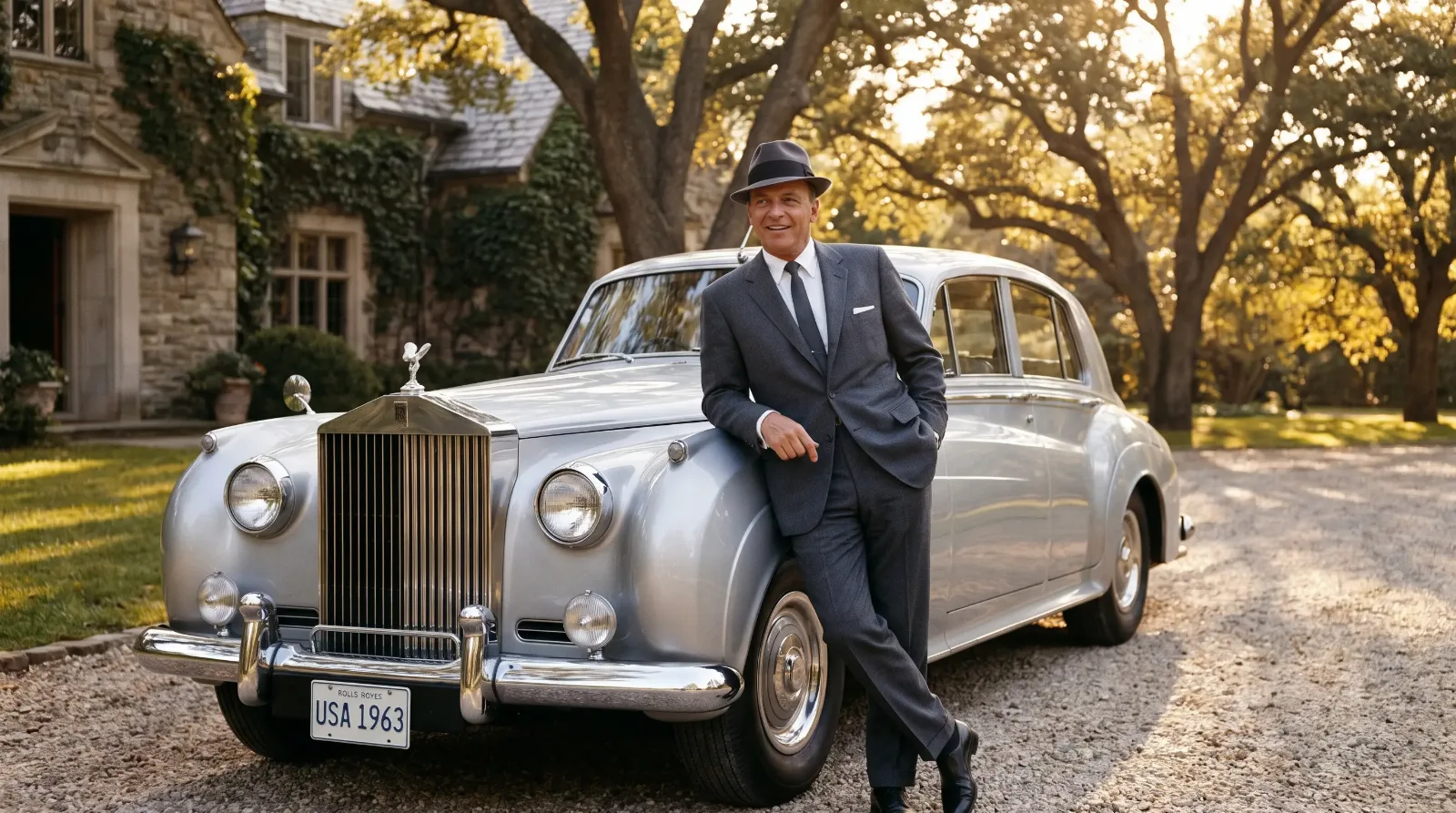
There is a photograph that turns up in almost every Elvis retrospective: the singer leaning against a Rolls-Royce in the Graceland driveway, grinning like a man who cannot quite believe his own luck. He bought his first one in the early 1960s, a kid from Tupelo who had made enough money to own the most famous car name on earth, and the choice said everything. In America, a Rolls-Royce was never just transportation. It was a announcement, and the people who bought them were usually people with something to announce.
History & Heritage
6 min read
Famous American Owners: Who Chose Rolls-Royce, Who Chose Bentley
Famous American owners of Rolls-Royce and Bentley: why entertainers like Elvis and Liberace chose the flying lady while old money chose the quieter badge.
Bentley played a quieter role on this side of the Atlantic, and that difference in how the two badges were worn by their American owners is one of the more revealing threads in the sibling rivalry explained. The same car underneath, sold to two very different American instincts about what money should look like.
Rolls-Royce as the American trophy
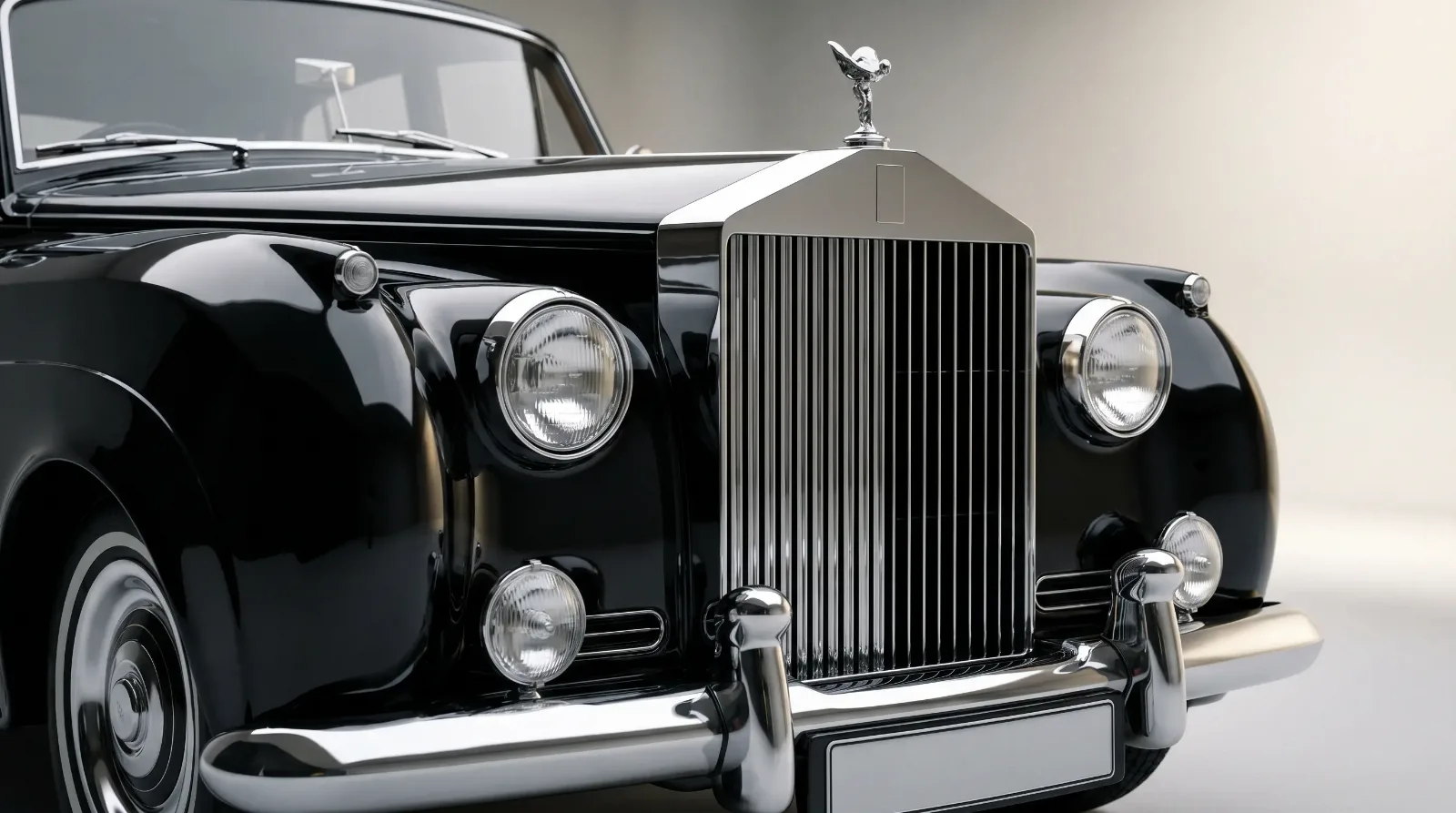
For most of the twentieth century, the American who wanted the world to know he had arrived bought a Rolls-Royce. The name had crossed over into ordinary language. To call something "the Rolls-Royce of" anything was to call it the best, and that borrowed prestige made the car irresistible to entertainers, whose whole business was being seen.
Elvis Presley owned several, including a Phantom V that he eventually let go to a charity auction, and the car became part of his legend as much as the jumpsuits did. Liberace, who never met a surface he did not want to decorate, kept a small fleet of customized Rolls-Royces, some of them mirrored and rhinestoned, and put them on display at his Las Vegas museum, where they drew as many visitors as the pianos. Frank Sinatra ran Rolls-Royces too, in a more restrained key that fit the Rat Pack image of casual, expensive ease. The pattern is consistent. The Rolls-Royce was the car you bought when the point was to be recognized.
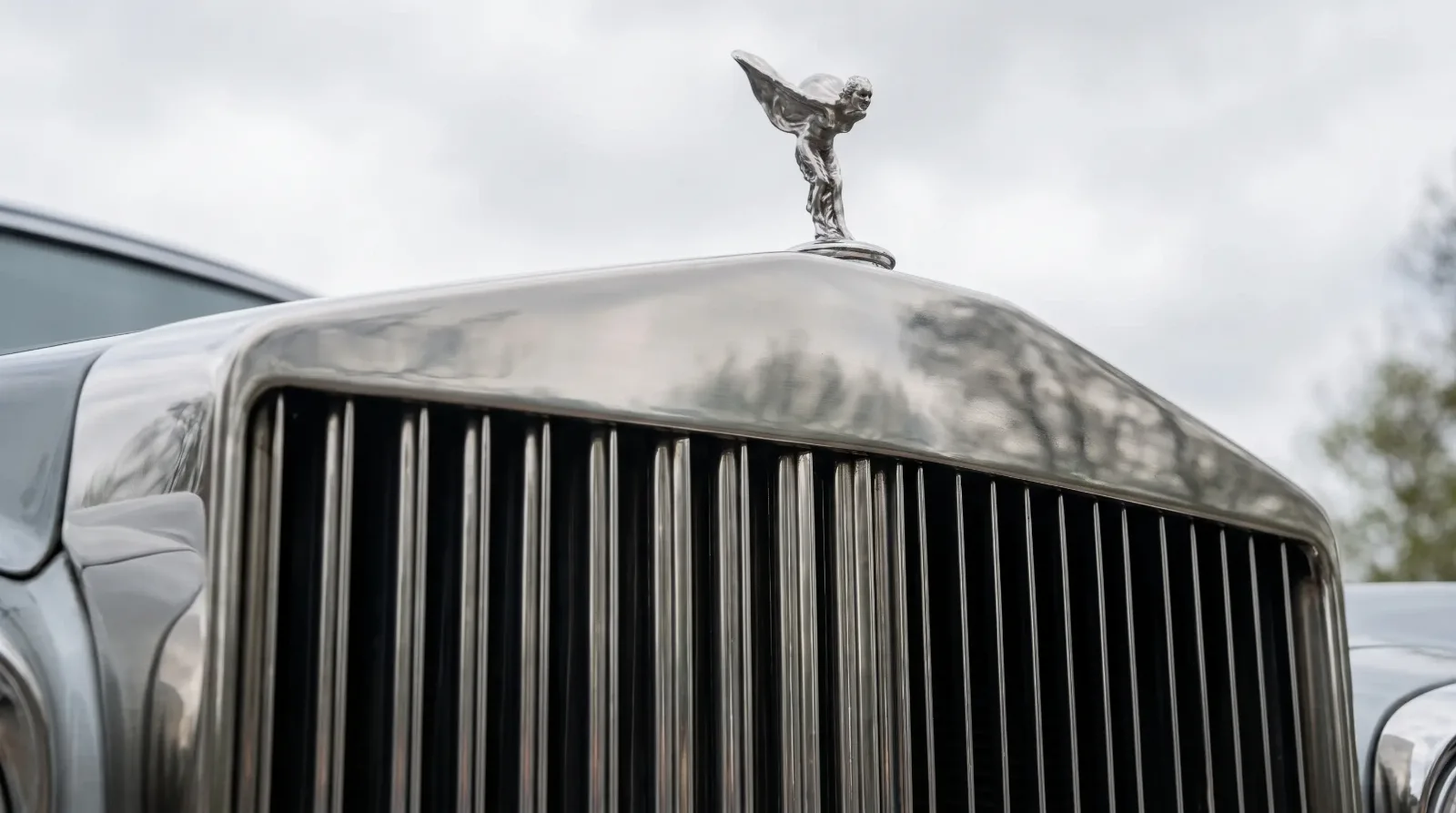
There was a practical dimension to it as well. Rolls-Royce built an American dealer and service presence over the decades, and the name carried enough recognition that a celebrity could buy one, be photographed with it, and know that every person who saw the picture understood exactly what it cost and what it meant. That legibility was the whole value. A car that half the audience cannot identify does no work as a status symbol, and the Rolls-Royce grille was the most identifiable shape in the business.
The Bentley instinct
Bentley asked a different kind of question of an American buyer, and it got a different kind of answer. Because the two cars were mechanically almost identical for most of the shared era, choosing the Bentley over the Rolls-Royce meant choosing not to be flashy. It meant you knew the car was the same underneath and you preferred the badge that fewer people could read at a glance. That is a specific personality, and it tended to appeal to old money, to people in the film business who worked behind the camera rather than in front of it, and to the sort of buyer who found the flying lady a touch much.
In the classic decades the American Bentley owner was harder to photograph precisely because the whole appeal was discretion. The marque never generated the same roll call of household-name owners as Rolls-Royce did, and that absence is itself the story. Bentley was the connoisseur's choice, the car for the person who wanted the engineering without the audience.
How the two rosters compared
Set the American ownership patterns side by side and the split is clear. One badge collected fame, the other collected the people who were quietly avoiding it. The table sketches the tendency rather than a complete census, and where a specific attribution is less than fully documented it is flagged.
| Trait | Rolls-Royce in America | Bentley in America |
|---|---|---|
| Typical owner image | Entertainers, self-made celebrity, visible wealth | Old money, industry insiders, understated buyers |
| Documented owners | Elvis Presley, Liberace, Frank Sinatra | Fewer household names by design |
| What the badge signaled | Arrival, recognition, status you could name | Knowing better, refusing the spotlight |
| Cultural shorthand | "The Rolls-Royce of" as a synonym for best | The insider's luxury car |
When Bentley found its American voice
The balance shifted much later, and it shifted hard. As Bentley reinvented itself around performance in the modern era, the marque found a new American audience that had nothing to do with old-money discretion. By the late 1990s and 2000s the Bentley had become a fixture of hip-hop culture, name-checked in lyrics and parked outside clubs, a symbol of success earned loudly rather than inherited quietly. It was a complete reversal of the marque's classic-era American character, and it happened just as Volkswagen was taking over and building the cars around the very performance image that made them aspirational. The understated English driver's car became, in America, a symbol of arrival every bit as loud as the Rolls-Royces Elvis once parked at Graceland.
"I've talked to enough collectors to know the tell. The Rolls-Royce guy wants you to see the car. The Bentley guy wants you to know he knows better. Same machine underneath, two completely different reasons to buy it."
Patrick Walsh
What the owners tell us about the cars
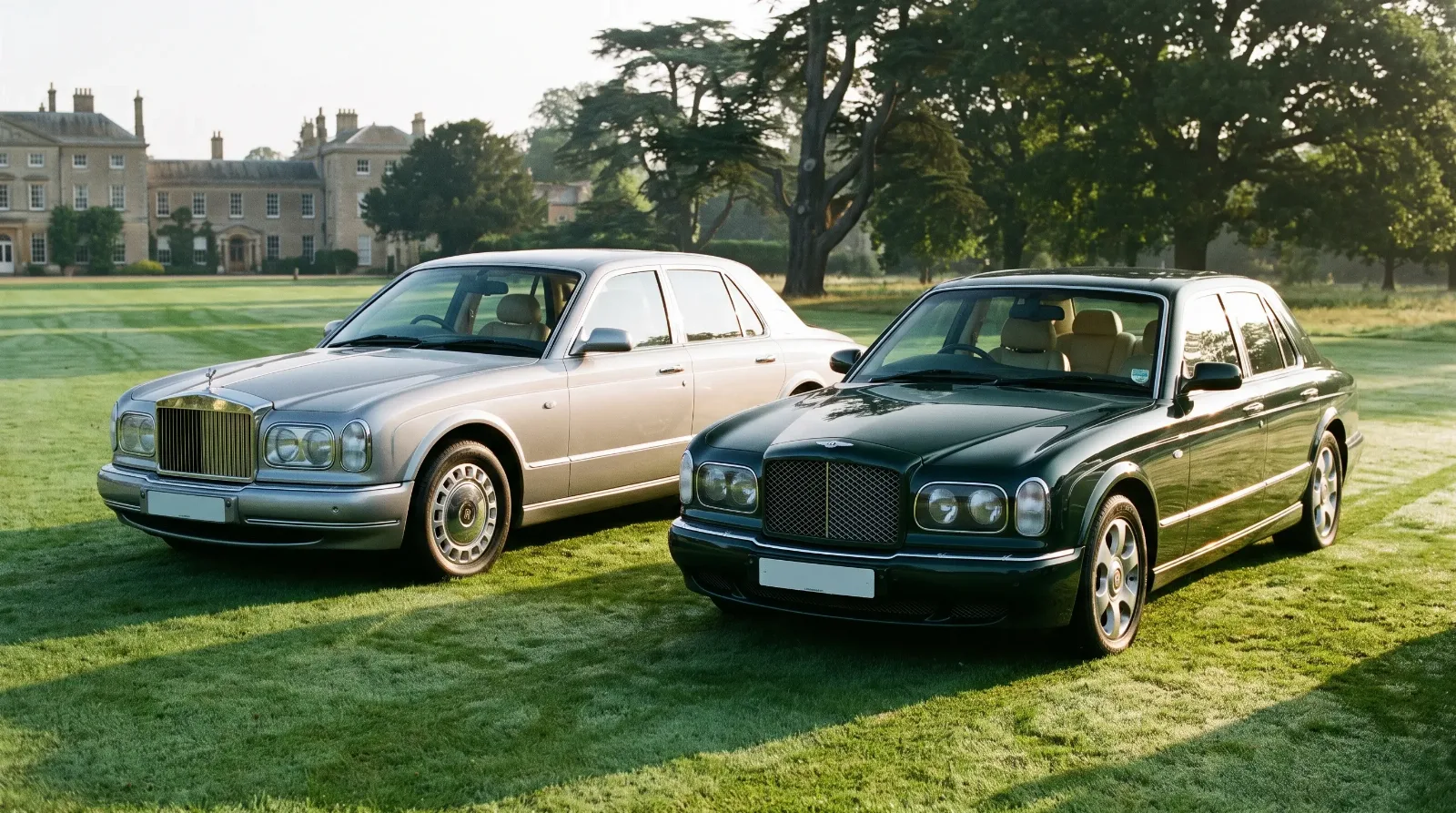
You can learn a lot about a car from who chose it and why, and the American ownership of these two marques is a case study in how a badge carries meaning that has almost nothing to do with the metal. For decades the metal was the same. A Silver Cloud and its Bentley twin left the same factory built from the same parts, and yet the American who bought one was making a different statement than the American who bought the other. That gap between identical engineering and opposite reputations is the whole point of the badge-engineered story, and it did not stay theoretical for owners, because it shaped everything from resale to how the cars were serviced. Read on: next: Parts and Service Commonality Between the Badge-Engineered Siblings.
Related Reading
Have a
Classic Car
for Sale?
Reach thousands of serious classic car collectors across the US.
Sell It Here →
Are You a Classic Car Dealer?
List your full inventory and connect with targeted classic car buyers.
Join as a Dealer →

About the author
Patrick Walsh
Automotive journalist covering classic car shows, events, and the enthusiast community across North America.
More in History & Heritage
Comments
Be the first to comment on this article.