
Lift the bonnet on a Rolls-Royce Silver Shadow and then on a Bentley T-series, and you would be hard pressed to tell them apart. The engine is the same, the gearbox is the same, the brakes and suspension are the same, and most of the parts carry the same numbers in the same catalogue. For most of the badge-engineered decades these were not merely similar cars. They were the same car with two grilles, and understanding exactly where the commonality ends is one of the most practical pieces of knowledge a buyer or owner can have.
History & Heritage
6 min read
Parts and Service Commonality Between the Badge-Engineered Siblings
How much did Rolls-Royce and Bentley siblings share? The same V8, gearbox, hydraulics and body, what differed, and why a Bentley T-series can be the smarter buy.
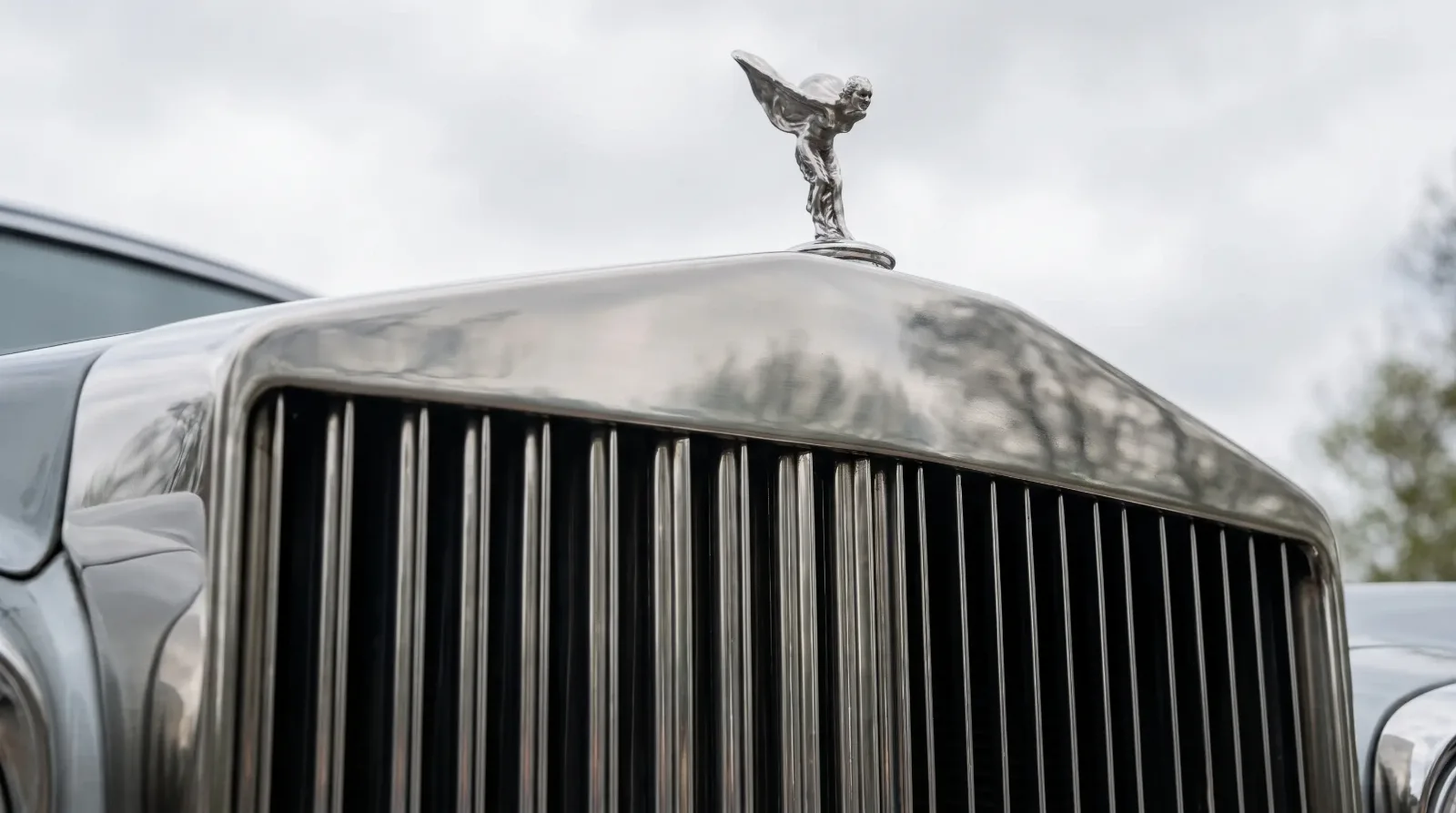
This shared mechanical DNA is the concrete reality behind the Rolls-Royce and Bentley sibling story. The marketing sold two characters. The parts department told the truth, and the truth was that a Bentley of this era is a Rolls-Royce underneath, serviced by the same specialists from the same shelves.
What the two cars actually shared
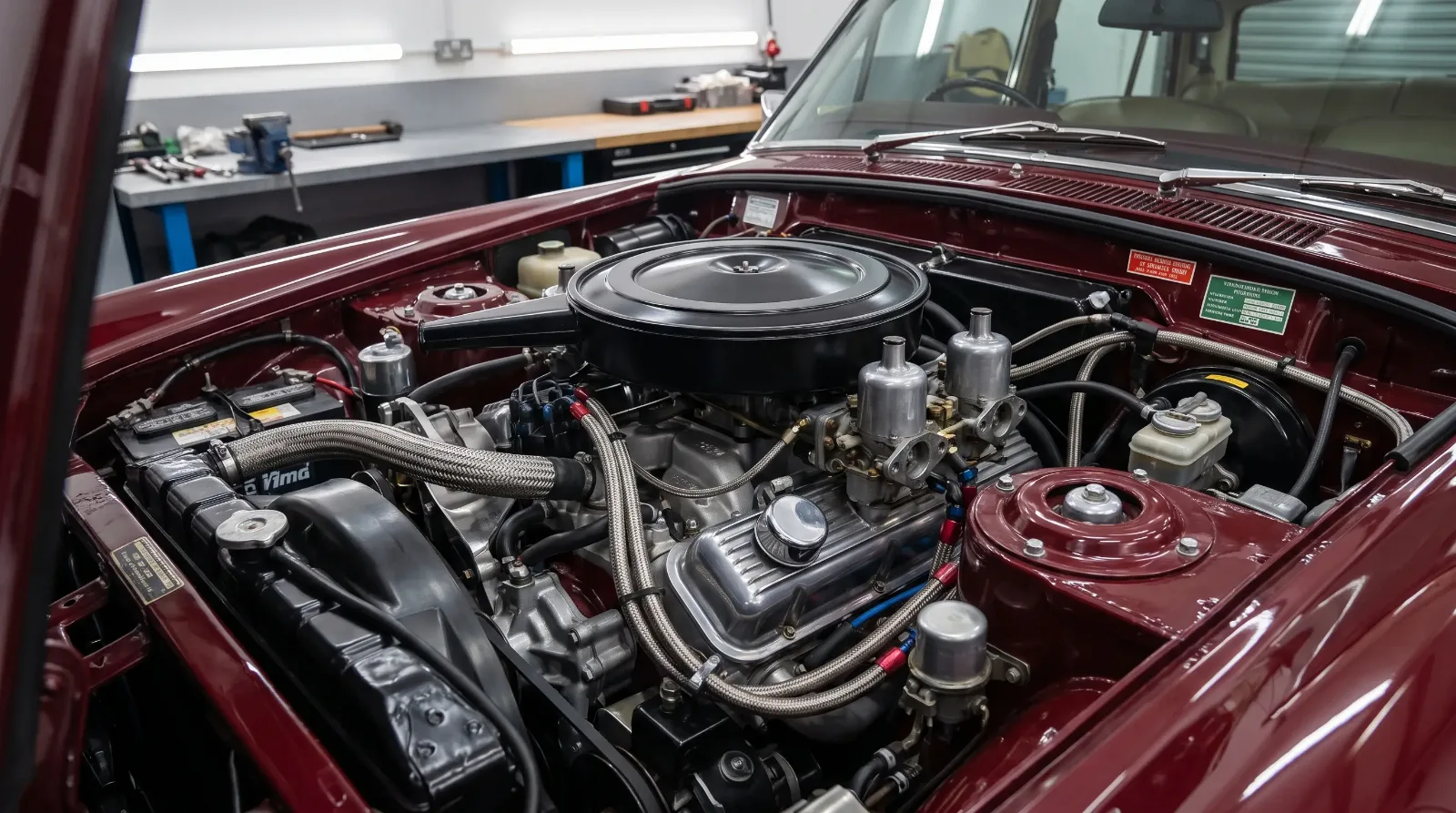
From the Silver Cloud and S-series onward, the mechanical package was common to both marques. The Silver Cloud and Bentley S1 shared a 4.9-litre inline-six. When the aluminium V8 arrived in 1959, it went into the Silver Cloud II and the Bentley S2 identically, and that engine, enlarged to 6.75 litres in 1970, powered both marques for decades. The Silver Shadow and Bentley T-series that followed in 1965 took the sharing further still, because the monocoque body was common too, so the cars were identical from the bumpers inward.
Two of the most important systems came from outside Crewe entirely, which is why they are shared so completely. The automatic gearbox was a General Motors Turbo-Hydramatic, built under license, so a Shadow and a T-series use the same transmission that GM was fitting to American cars. The high-pressure hydraulic system that ran the brakes and the self-leveling suspension was licensed from Citroën, and it too is identical across both badges. When a specialist services one of these systems, the marque on the grille makes no difference at all.
| Component | Shared across marques? | Detail |
|---|---|---|
| Engine (6.75 V8 and predecessors) | Yes | Identical unit in Rolls-Royce and Bentley twins |
| Automatic gearbox | Yes | GM Turbo-Hydramatic, built under license |
| Brakes & self-leveling suspension | Yes | Citroën-licensed high-pressure hydraulics |
| Monocoque body (Shadow/T era) | Yes | Same shell, same panels bar grille surround |
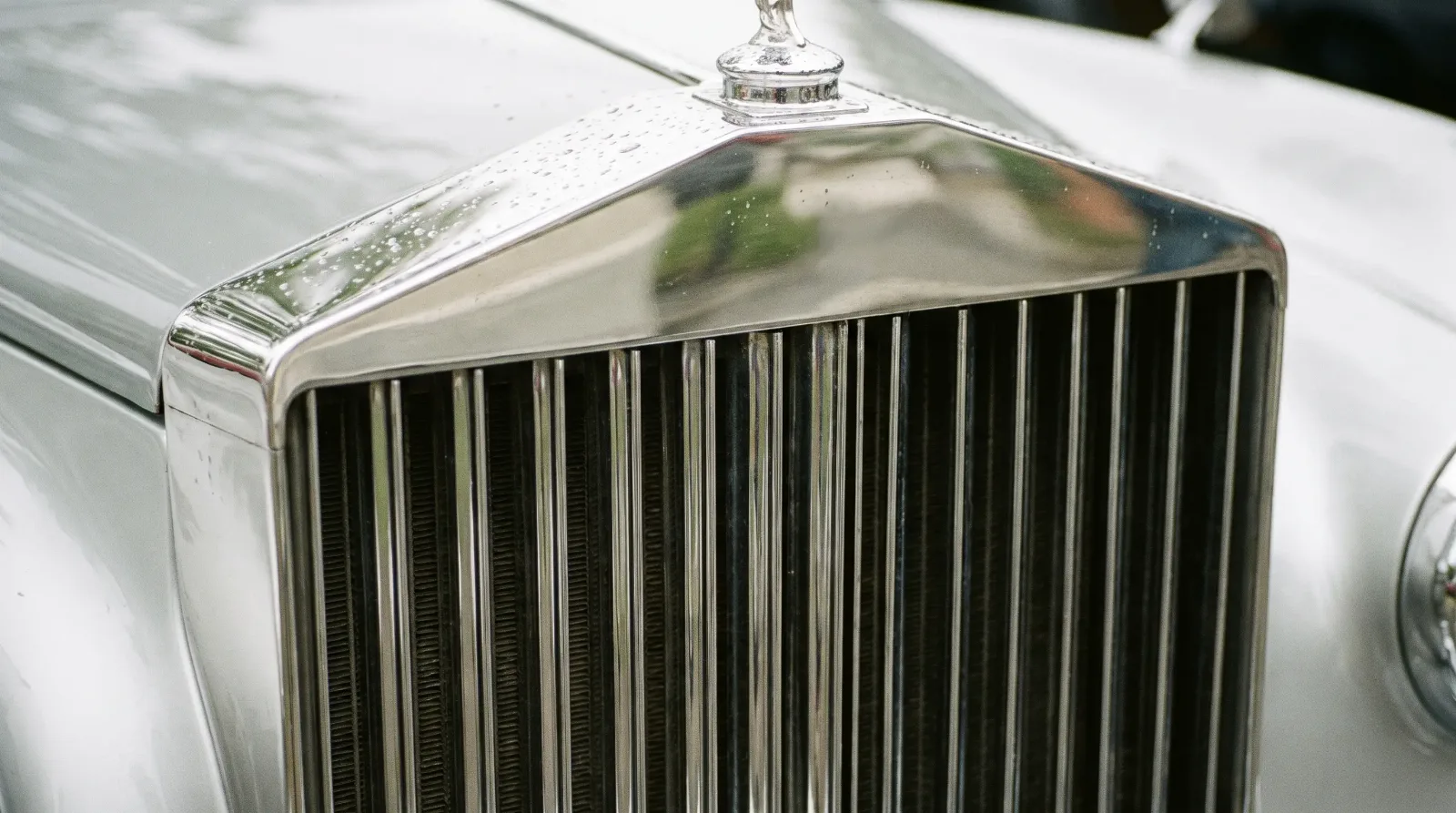
| Radiator grille & mascot | No | Rolls-Royce temple shell and Spirit of Ecstasy vs Bentley matrix |
| Badging & minor trim | No | Wheel centres, badges, some instrument details |
Where the differences actually are
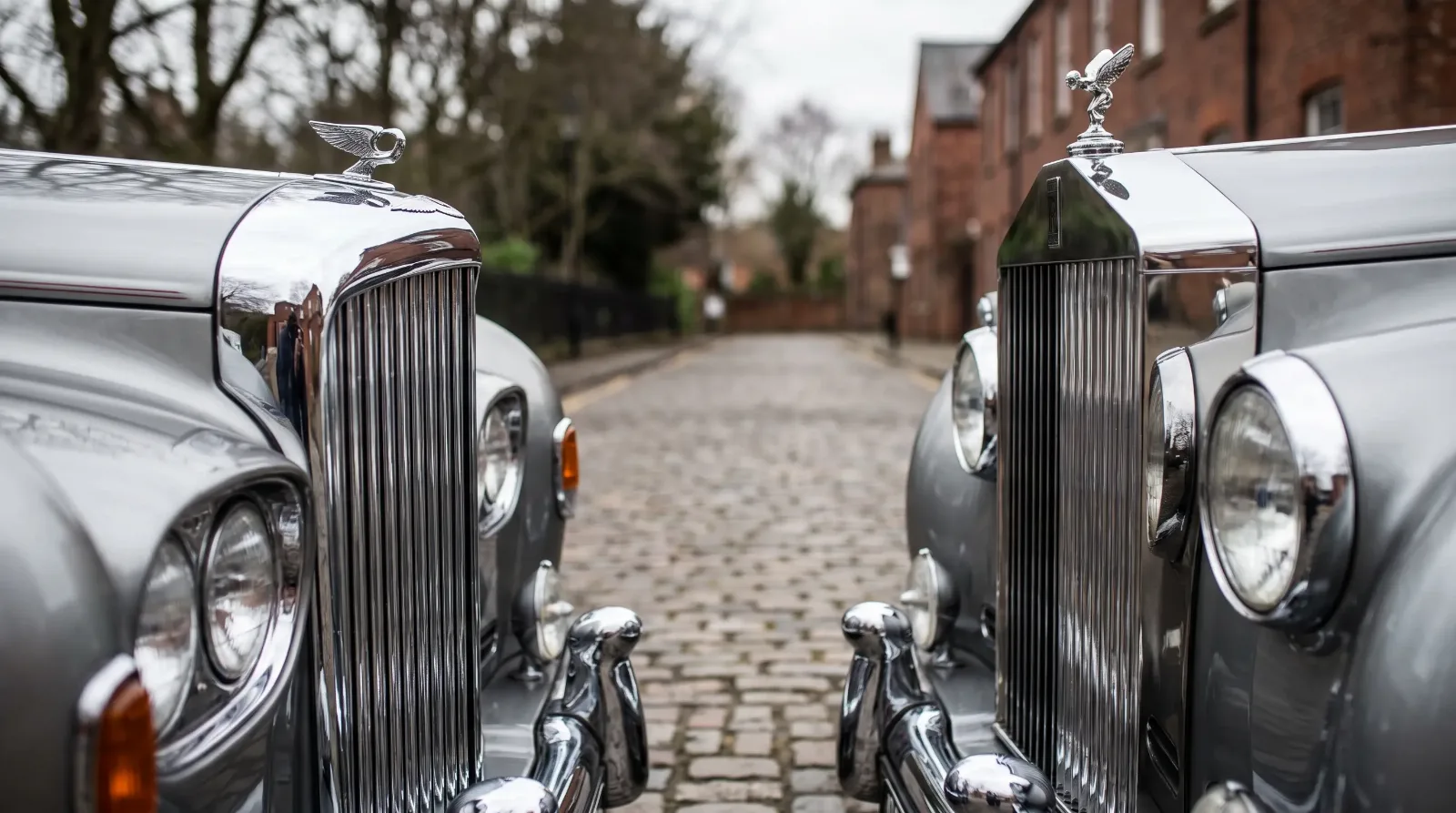
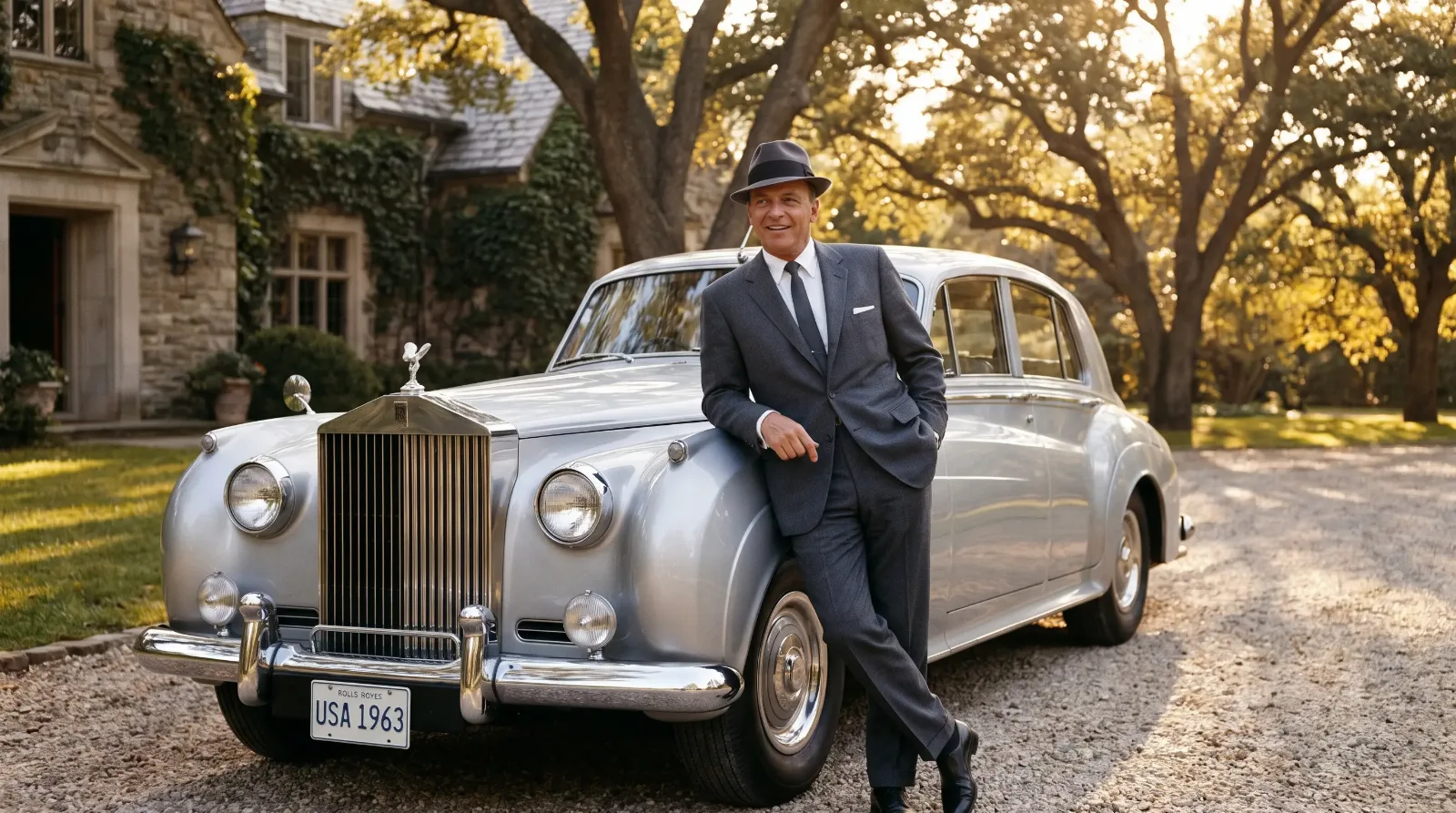
The genuine differences between a Rolls-Royce and its Bentley twin, through most of this period, come down to the radiator grille and the things bolted to or near it. The Rolls-Royce wears the tall, flat Grecian-temple shell and the Spirit of Ecstasy. The Bentley wears its rounded matrix grille and a winged B. Beyond that there are small trim variations, different badges, occasionally a different steering wheel boss or instrument detail, and that is close to the whole list. Two cars, one parts bin.
The exception that proves the rule
The commonality was not eternal. In 1982 Bentley broke from the shared script with the Mulsanne Turbo, bolting a turbocharger to the 6.75 V8 and, for the first time in decades, giving the Bentley a genuine mechanical advantage over its Rolls-Royce sibling rather than just a different badge. The Turbo R that followed added the chassis and steering to match. Those cars are still built on the shared platform, but the engine and its plumbing diverge, and a specialist has to treat the turbocharged Bentleys as their own thing. They are the moment Bentley started, mechanically, to become its own marque again, two decades before the corporate split made it official.
What the commonality means for owners
For anyone buying or running one of these cars, the shared engineering is genuinely good news, and it is worth being deliberate about how you use it.
The practical upshot is that these cars are far more maintainable than their reputation suggests, provided you go to someone who knows the shared platform. The expensive parts, the hydraulics above all, are expensive on both marques equally, and browsing classic luxury cars for sale with this in mind lets you weigh a Bentley and its Rolls-Royce twin on condition and history rather than on the badge alone.
"I always tell people to buy the best example, not the best badge. When a Silver Shadow and a T-series share the same engine, the same gearbox, and the same hydraulics, the car in better condition is always the better purchase, whichever name is on the grille."
Sarah Whitfield
Why the shared parts bin still matters
The mechanical commonality is not a footnote. It is the reason these cars can be kept on the road at all, because a shared platform means a shared specialist network and a deeper supply of parts than either marque could support alone. It is also the clearest evidence for what the badge engineering really was: a way of selling one very expensive car twice, to two kinds of buyer, without the cost of designing two. That single decision, made in the 1930s and carried through to the 1990s, runs underneath everything in the complete classic luxury car story. To see where it all began, you have to go back to the moment the two firms became one company. Read on: next: How Rolls-Royce Bought Bentley in 1931 and Made Them Corporate Siblings.
Related Reading
Have a
Classic Car
for Sale?
Reach thousands of serious classic car collectors across the US.
Sell It Here →
Are You a Classic Car Dealer?
List your full inventory and connect with targeted classic car buyers.
Join as a Dealer →

About the author
Sarah Whitfield
Third-generation classic car collector specializing in pre-war American and European coachbuilt automobiles. Researcher and concours enthusiast.
More in History & Heritage
Comments
Be the first to comment on this article.