
Seven model years, one platform, and more running changes than most people expect from a truck built before anybody was chasing horsepower wars on pickups. The first-generation Chevrolet C10 ran from 1960 through 1966, and if you're shopping this generation specifically, the differences between a 1960 and a 1966 truck matter a lot more than the family resemblance suggests at first glance.
History & Heritage
6 min read
First-Generation C10 (1960-1966): What Changed Year to Year
From the wraparound windshield of 1960 to the final squared-off grille of 1966, here is what actually changed year to year on the first-generation Chevrolet C10.
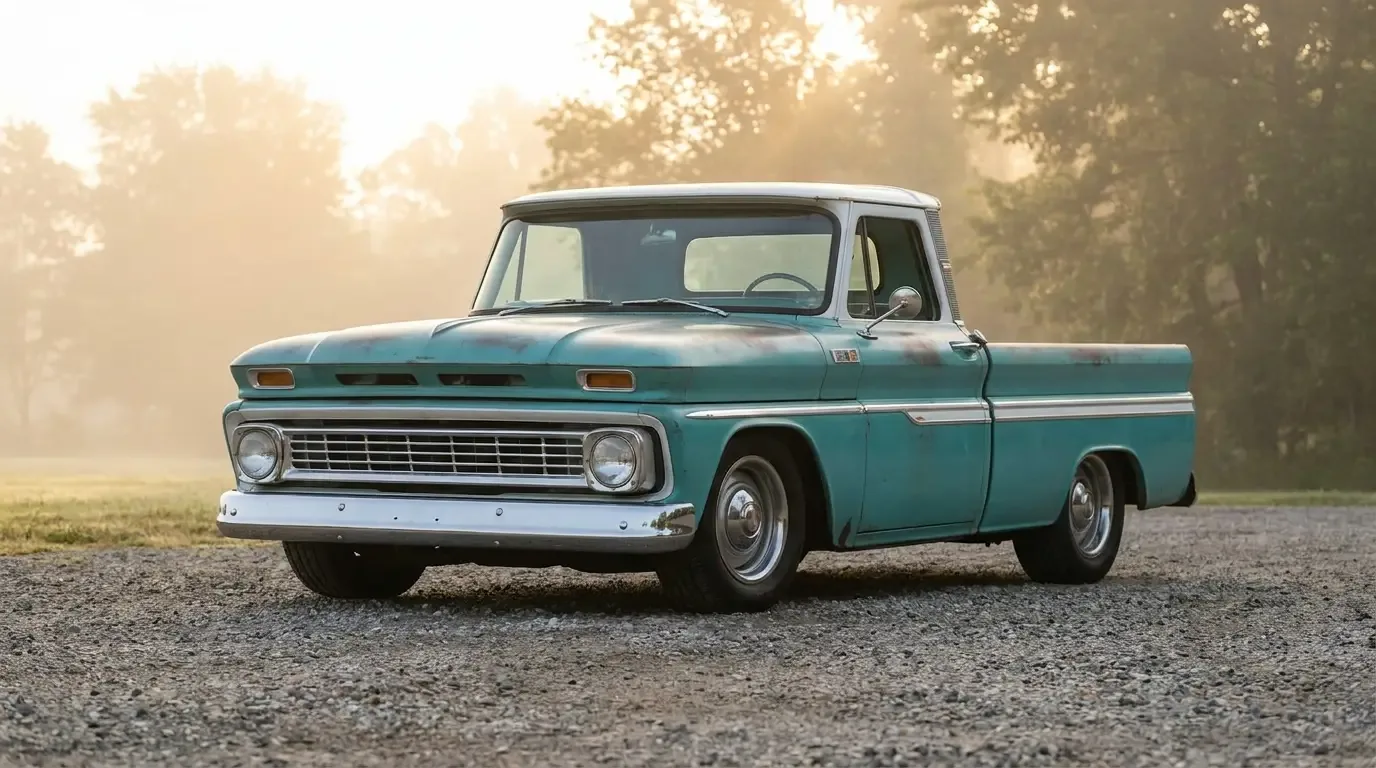
I've bought and sold enough of these early trucks to know that guessing a model year off a photo gets you in trouble. The grille, the windshield, the suspension, even the frame design shifted more than once across this seven-year run, and getting the year wrong on a parts order or a valuation is an expensive mistake. Here's what actually changed, year by year.
1960 to 1961: the all-new platform
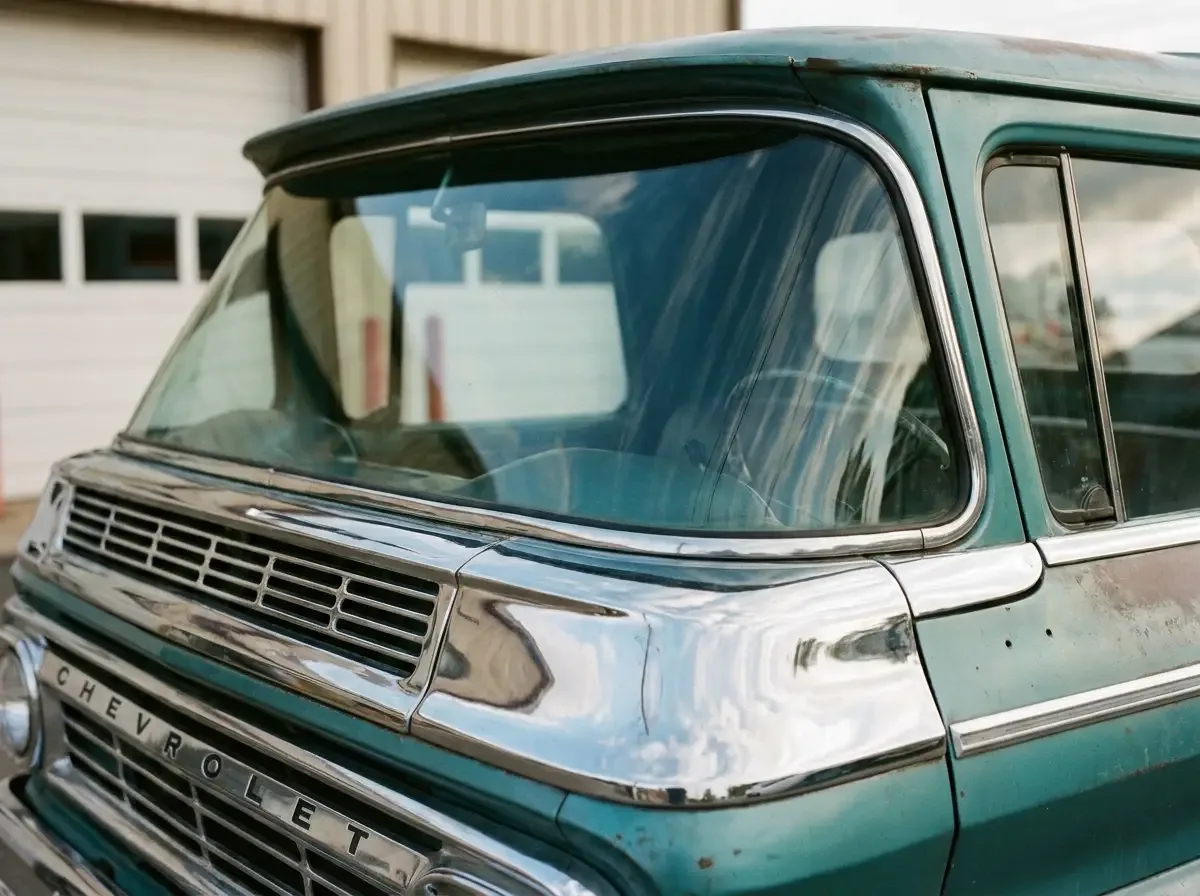
The 1960 model year introduced Chevrolet's completely redesigned truck platform, and it's the most significant single jump in this entire generation. Independent front suspension replaced the old solid-axle setup, giving these trucks a meaningfully smoother ride than anything Chevrolet had built before. The cab was wider and lower than the previous Task Force trucks, and the windshield on 1960 and 1961 models wraps around at the corners, a distinctive styling detail that Chevrolet dropped in the years that followed.
The 1961 model year carried the same basic look forward with minor trim differences. If you're looking at a truck with the wraparound windshield, you're looking at a 1960 or 1961, and that narrows the field considerably before you even check a tag. These earliest trucks are also the rarest survivors of the first generation, which pushes both their collector value and the difficulty of sourcing correct parts higher than later years in the same generation.
1962 to 1963: the flat windshield years
Chevrolet moved away from the wraparound windshield starting with the 1962 model year, switching to a more conventional flat windshield design that became the standard look for the rest of the generation. Grille details shifted again for 1962 and continued evolving through 1963, with changes to the horizontal bar arrangement and badge placement that help distinguish these two years from each other and from the earlier 1960 to 1961 trucks. 1963 also brought a front suspension redesign, with coil springs replacing the torsion bars used since the 1960 introduction, a change aimed at durability and tire wear rather than a softer ride.
Mechanically, these years saw real running changes rather than a straight carryover from 1960. Through 1962 the base engine was still the 235-cubic-inch six rated at 135 horsepower, but for 1963 Chevrolet retired the 235 in favor of a new 230-cubic-inch six (140 horsepower) and added a 292-cubic-inch six (165 horsepower) for buyers needing more grunt in heavier-duty configurations, alongside the carryover small-block V8 options. Specific horsepower and torque figures shifted with these running production changes, so always check them against year-correct factory literature rather than assuming they carried over unchanged from the 1960 introduction.
1964 to 1966: a redesigned cab and the final first-gen look
The 1964 model year brought a less visible but still significant update: Chevrolet redesigned the cab's windshield and A-pillar to eliminate the "dogleg" kink that earlier first-gen trucks carried at the base of the windshield, even while the roof and floor structure carried over largely unchanged. It's a subtler change than the wraparound windshield or the 1963 suspension work, but it's a real running change worth knowing if you're dating a truck closely within this generation.
Styling through 1964, 1965, and 1966 settled into what became the recognizable "final version" of the first-generation look, with a squared-off grille treatment that's noticeably cleaner than the earlier years of the generation. By 1966, Chevrolet was clearly preparing the ground for the completely redesigned second generation that would arrive for 1967, and some of the detail changes in these final first-gen years hint at that transition, even though the underlying platform stayed consistent through the end of the run.
| Years | Windshield | Key change |
|---|---|---|
| 1960-1961 | Wraparound | All-new platform, independent front suspension introduced |
| 1962-1963 | Flat | Windshield redesign, front coil springs replace torsion bars (1963), new 230 and 292 sixes replace the 235 |
| 1964-1966 | Flat | Cab and windshield A-pillar redesign (1964), final grille revisions before 1967 redesign |
"I've had guys swear up and down their truck was a 1962 because that's what the previous owner told them, and then we find a wraparound windshield under a bad respray. The truck doesn't lie even when the paperwork does."
Robert Halloran
Why the year matters when you're buying
Getting the model year right before you buy affects more than bragging rights at a car show. Parts fit, suspension components, and even body panel dimensions shifted across these seven years in ways that aren't always obvious from a casual look. Ordering a reproduction grille or trim piece for the wrong specific year range inside this generation is a common and avoidable mistake, and it's one I've seen plenty of first-time buyers make because they assumed "first-gen C10" meant one unchanging spec.
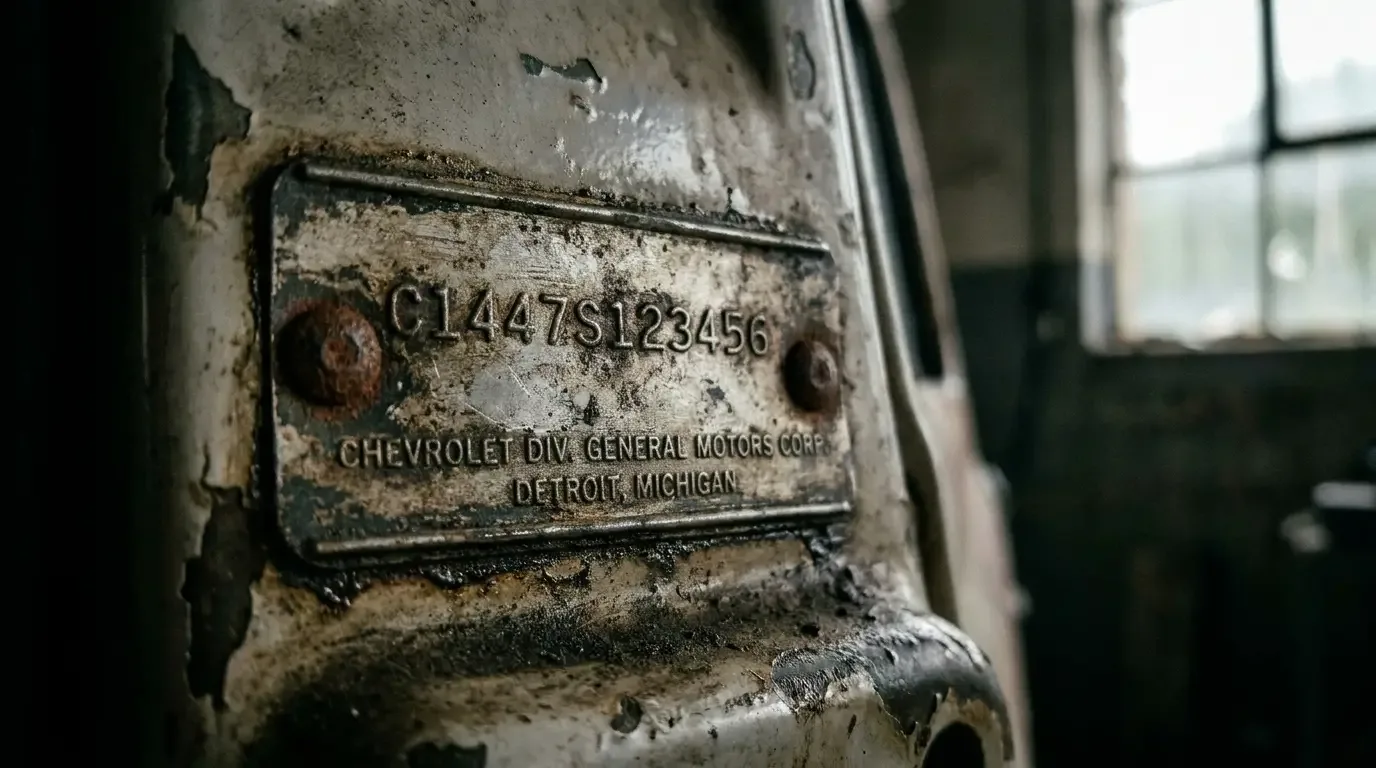
Confirming the year against the VIN and trim tag before you commit to a purchase price is always worth the extra ten minutes, especially on a generation where visual cues alone can be ambiguous once a truck has been repainted or had trim swapped over the decades. Getting the year right also matters for valuation, since the earliest 1960 and 1961 trucks with their distinctive wraparound windshield generally carry a premium over later years in the same generation, simply because fewer of them survive today.
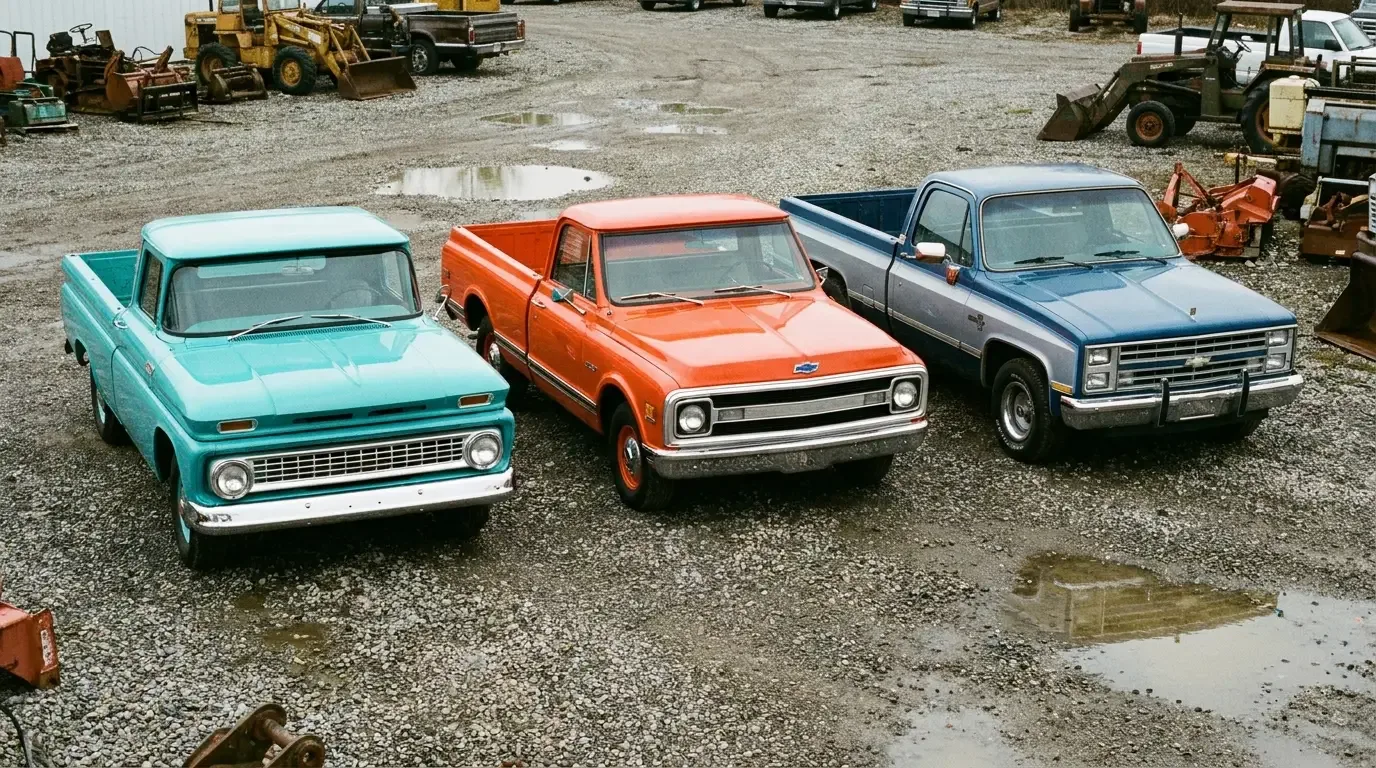
If you want the bigger picture of how this generation fits into the platform's full history, including how the first-gen years relate to the Action Line trucks that followed and the square body era after that, that ground is covered in more depth separately. Understanding C10 generations as a whole gives you the context to place these year-by-year first-gen changes correctly. And once you know which year range fits what you're after, it's worth browsing 1964 C10s for sale to see how that specific model year is currently trading, along with what came after in the Action Line era that followed.
None of this is trivia for its own sake. A seller who lists a truck as a "mid-sixties C10" without narrowing it further either doesn't know what they have or isn't being careful with the details, and neither one is a great sign before a purchase. Ask for the specific year. Confirm it against the windshield style, the grille, and the tag. A first-generation C10 bought with the year nailed down is a truck you can value correctly, source parts for accurately, and eventually sell to the next owner with confidence in what you're actually representing.
Sources and notes
Related Reading
Have a
Chevrolet C10
for Sale?
Reach thousands of serious classic car collectors across the US.
Sell It Here →
Are You a Classic Car Dealer?
List your full inventory and connect with targeted classic car buyers.
Join as a Dealer →
#classic trucks
#truck history
#chevrolet c10
#1960s trucks
#first generation C10
#C10 year identification

About the author
Robert Halloran
Texas-based classic truck enthusiast with decades of experience buying, restoring, and writing about American pickups from the 1940s through the 1980s.
Related Listings - Chevrolet C10
More in History & Heritage
Comments
Be the first to comment on this article.