
Ask ten people what a "C10" looks like and you'll get answers describing three different trucks. That's because Chevrolet built the C10 across three distinct generations spanning 1960 to the late 1980s, and each one has its own look, its own engineering, and its own following. If you're shopping this market, knowing which generation you're actually looking at, and why it matters, is the difference between buying the right truck and buying a truck that just happens to say Chevrolet on the tailgate.
History & Heritage
9 min read
The Chevrolet C10 Through the Generations
From the 1960 original to the square body era, here's how to tell the three Chevrolet C10 generations apart and what each one means for a buyer today.
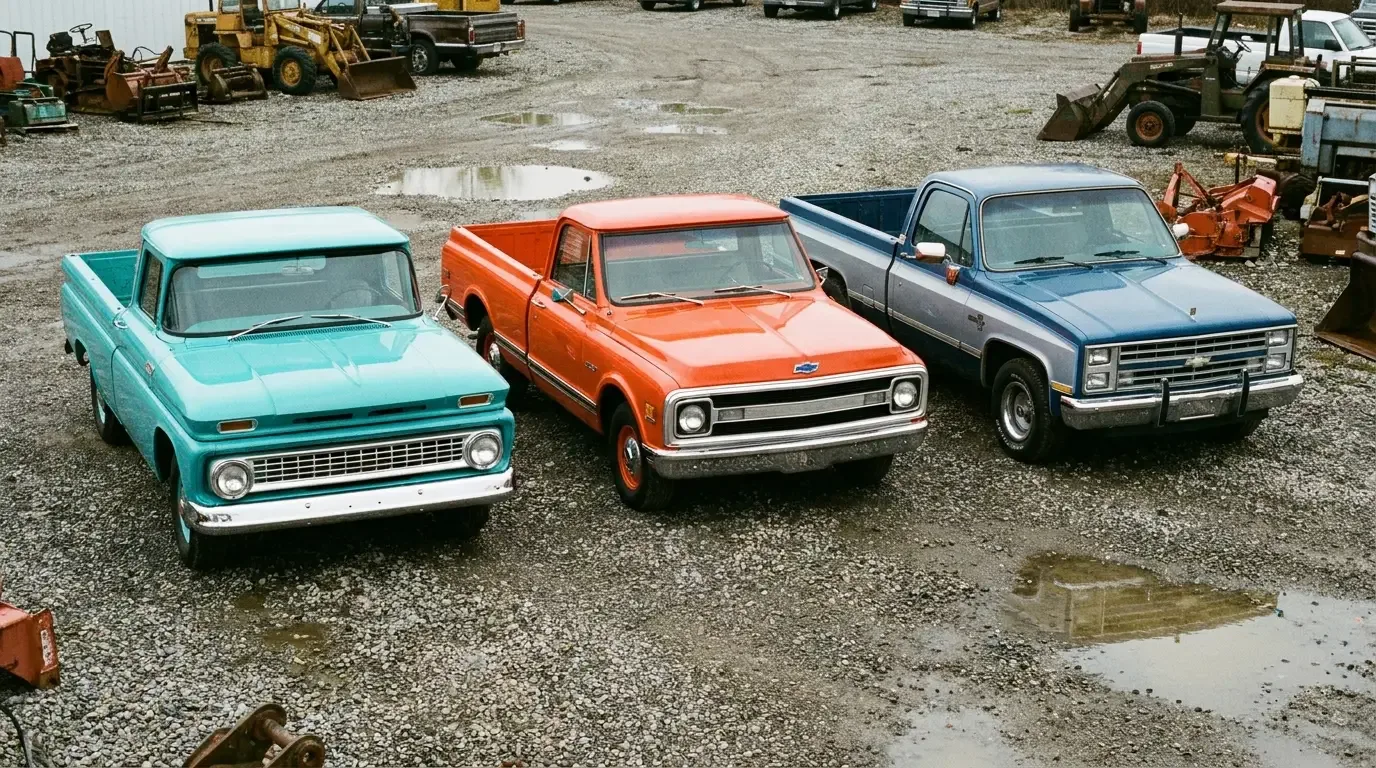
I've spent four decades around these trucks, and I still get buyers calling a square body a "sixties truck" or asking why their neighbor's first-gen doesn't have the round headlights they remember from growing up. This guide walks through the three generations in plain terms, what changed and when, and what each era means for a buyer today. For the full background on how the platform got started in the first place, read the full C10 story.
First generation: 1960 to 1966
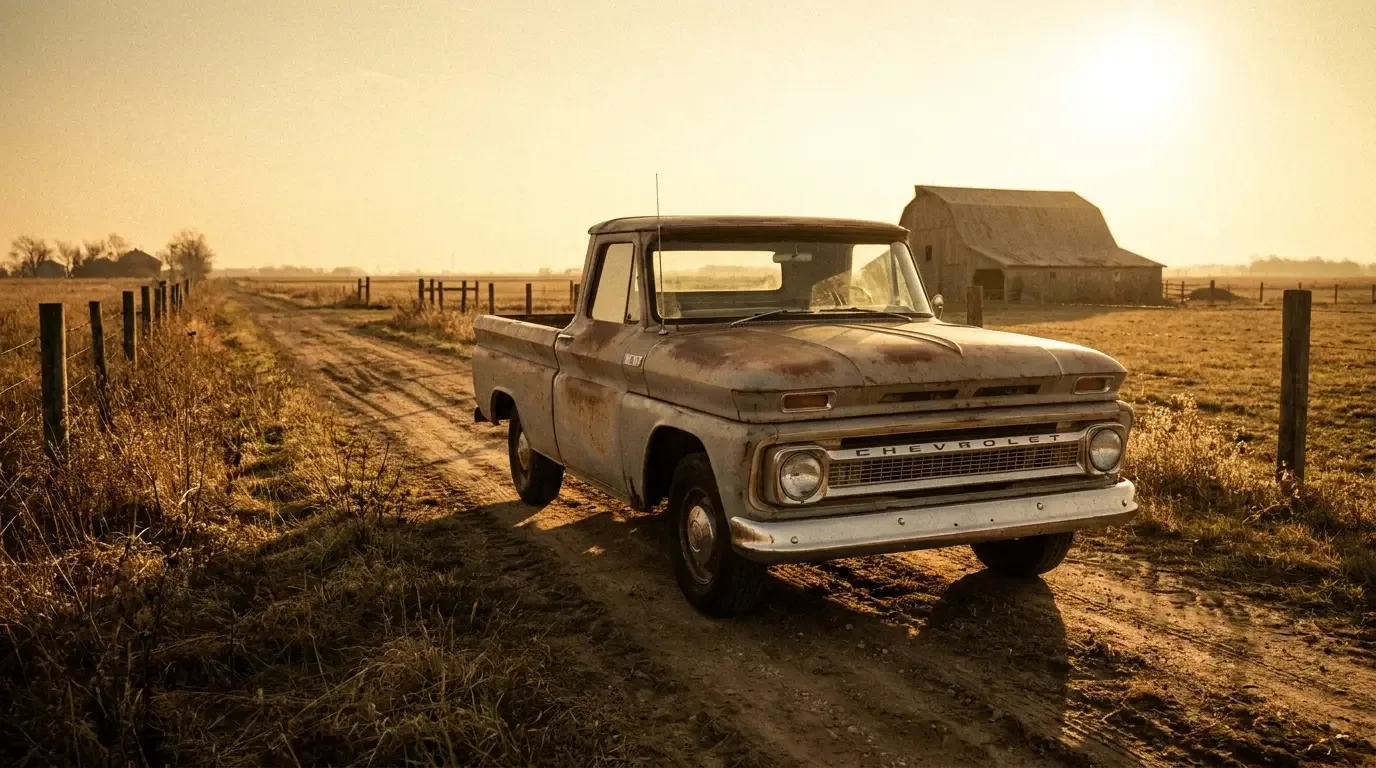
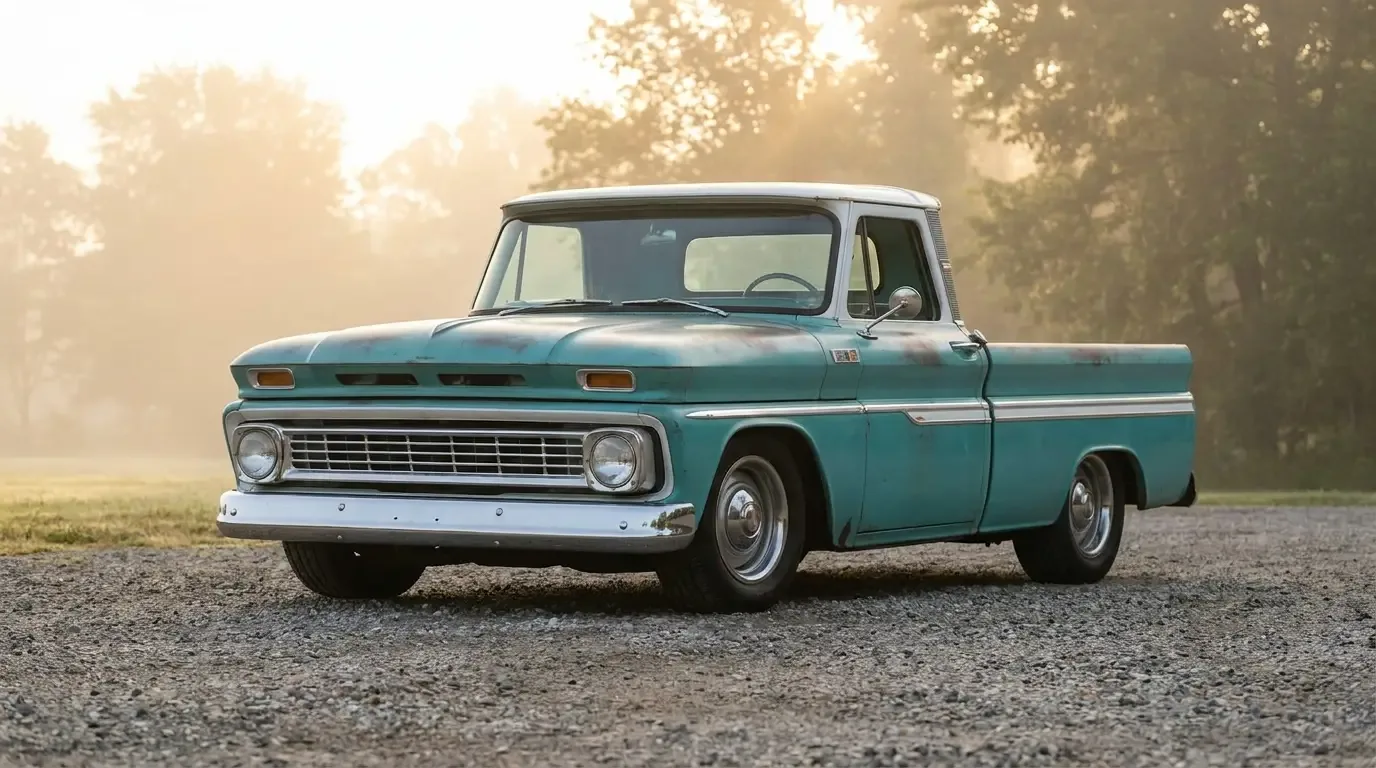
The first-generation C10 introduced a completely new platform for Chevrolet trucks, with independent front suspension replacing the old solid-axle setup and a wider, lower cab that improved both comfort and visibility. Early trucks in this generation, the 1960 and 1961 models especially, have a wraparound windshield that later years dropped in favor of a more conventional flat design.
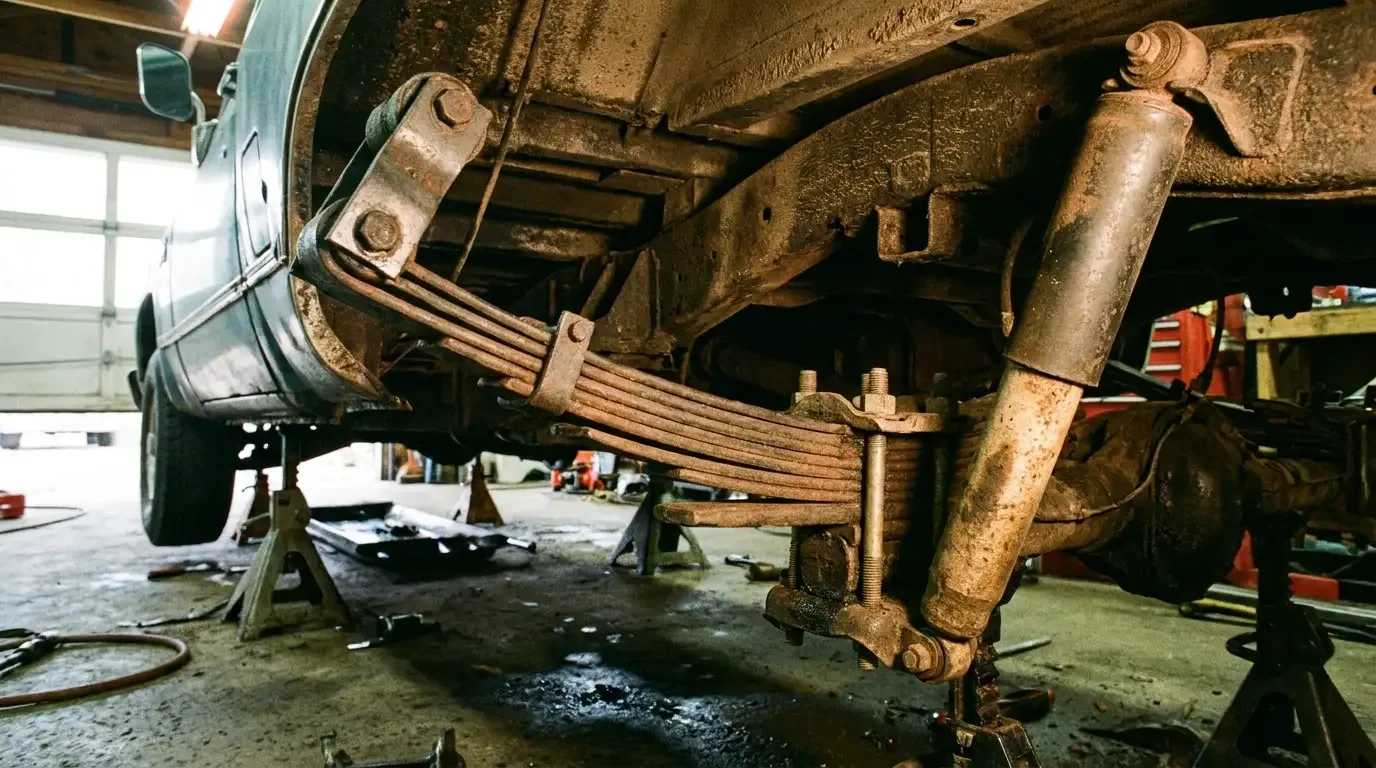
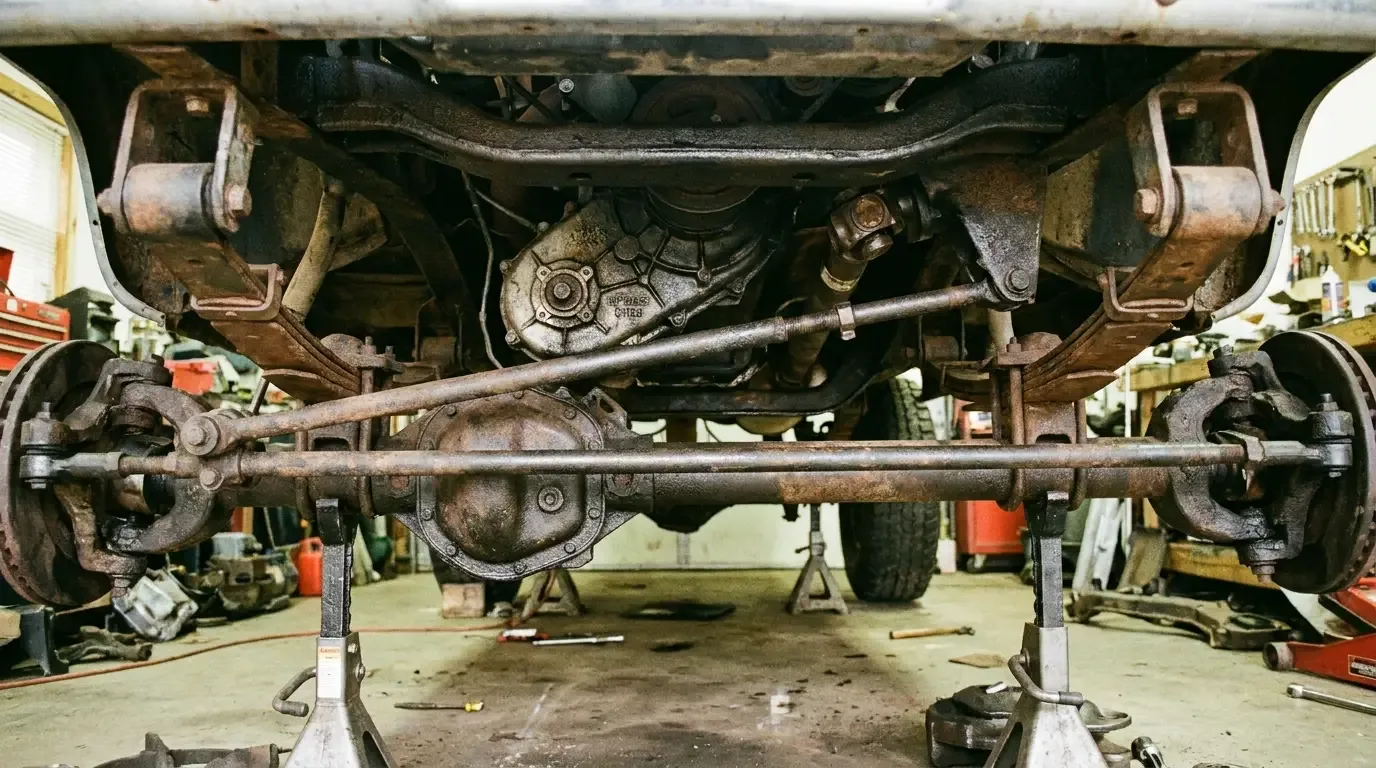
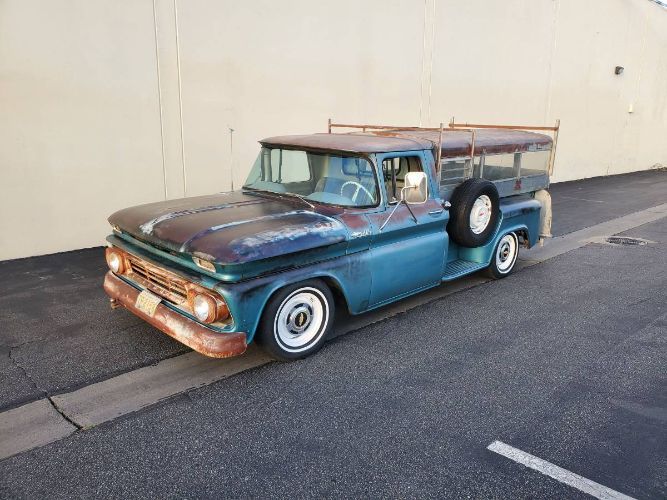
Grille styling changed almost every year through this generation, which is actually useful for dating a truck at a glance once you know what to look for. A 1960 grille is a wide horizontal design, while by 1964 the front end had picked up a cleaner, more squared-off look that carried forward with modifications through 1966. Engine choices ran from the base inline-six through small-block V8 options, and in 1963 the front suspension was redesigned with coil springs replacing the torsion bars used since the 1960 introduction, a durability-focused change more than a comfort one. The rear end, by contrast, ran coil springs standard on two-wheel-drive half-tons from the very start, with leaf springs reserved for heavier-duty and four-wheel-drive versions.
Parts for first-generation trucks are the hardest of the three generations to source, simply because fewer of them survive and the platform didn't carry forward unchanged into the next generation. If you're chasing a numbers-correct restoration on an early truck, budget extra time for parts hunting and expect to pay more for pieces that are a non-issue on a square body.
Second generation: 1967 to 1972
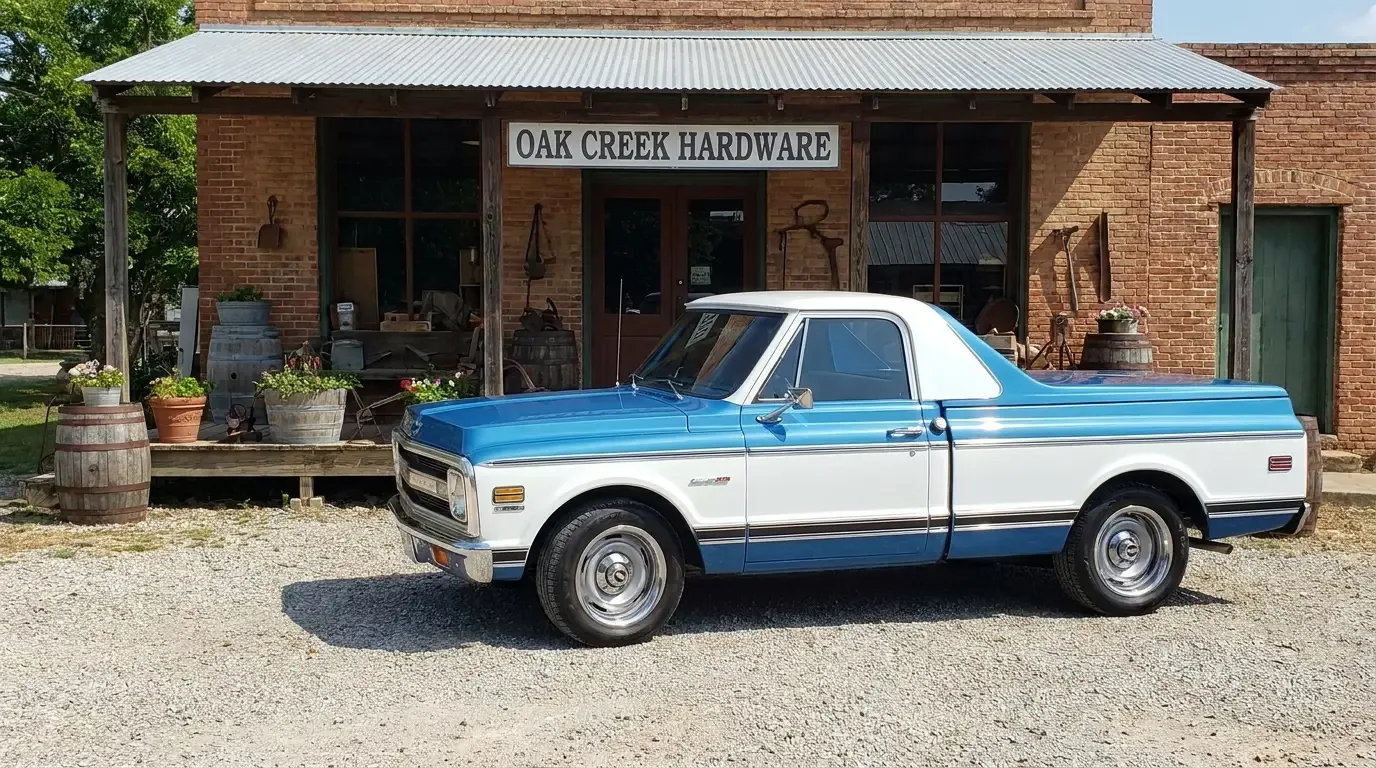
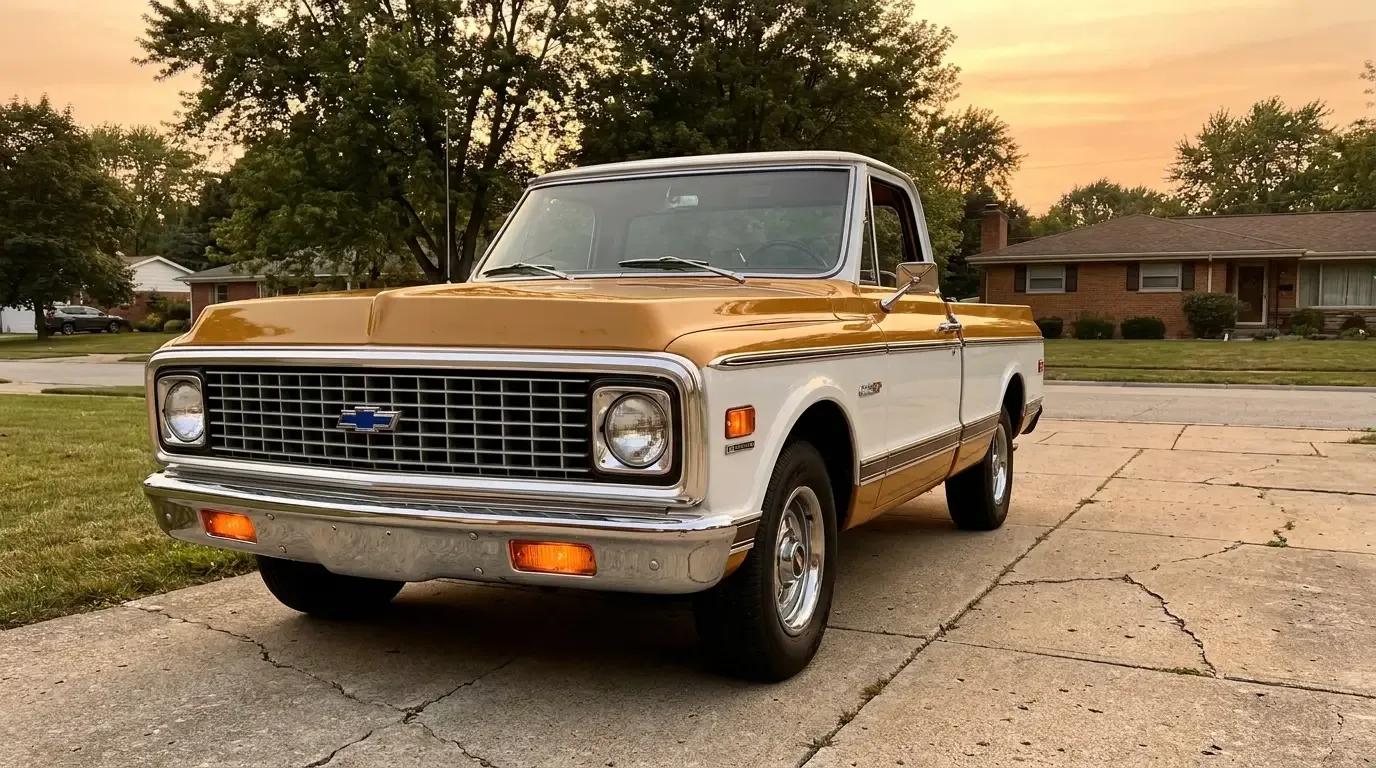
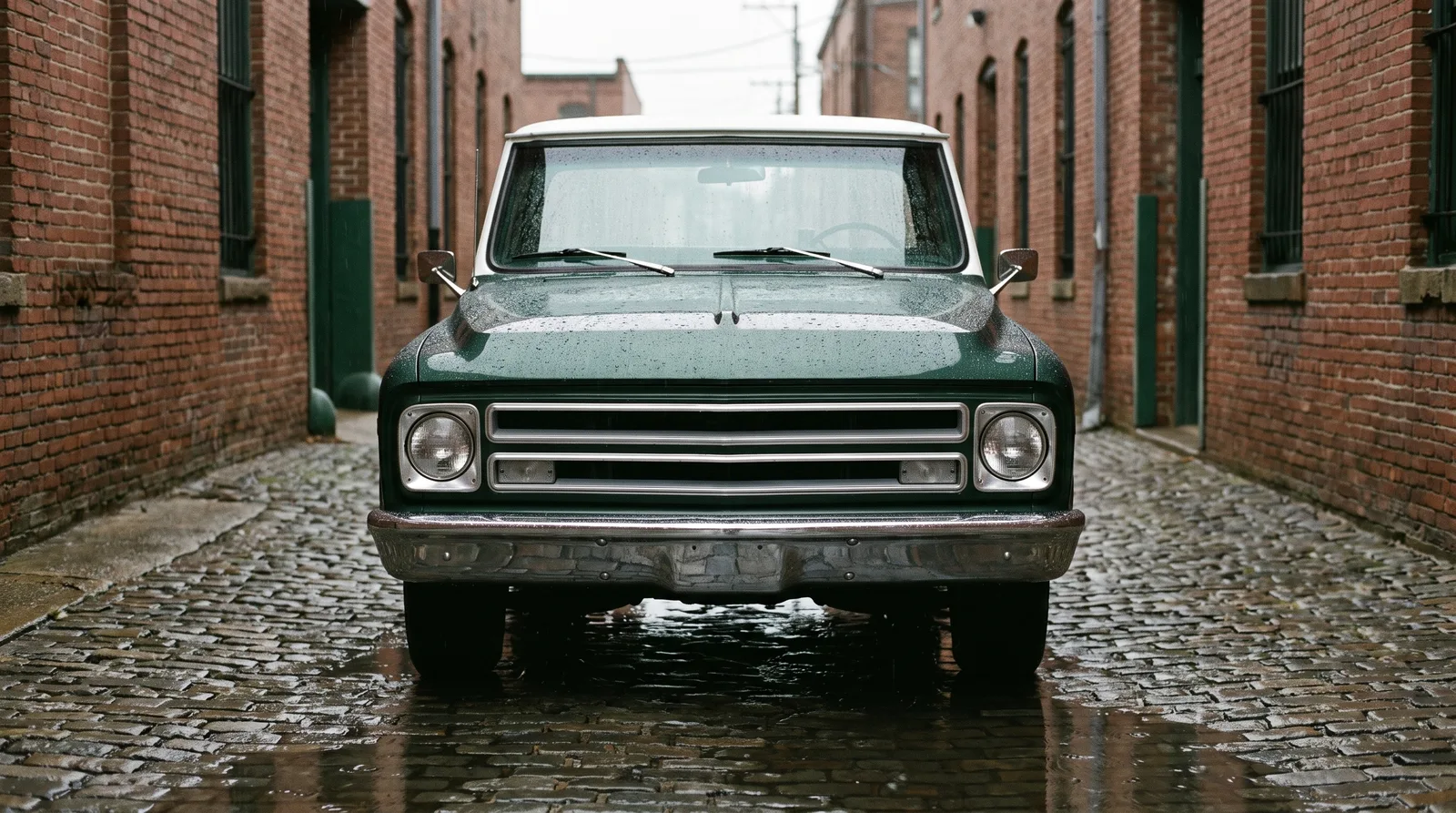
Chevrolet redesigned the truck completely for 1967, and this generation, often called the Action Line trucks, is where the C10 picked up the styling identity most people associate with the name today. The body got cleaner and more integrated, the cab grew again, and the overall look shed the last bit of prewar truck proportion that had lingered into the early sixties.
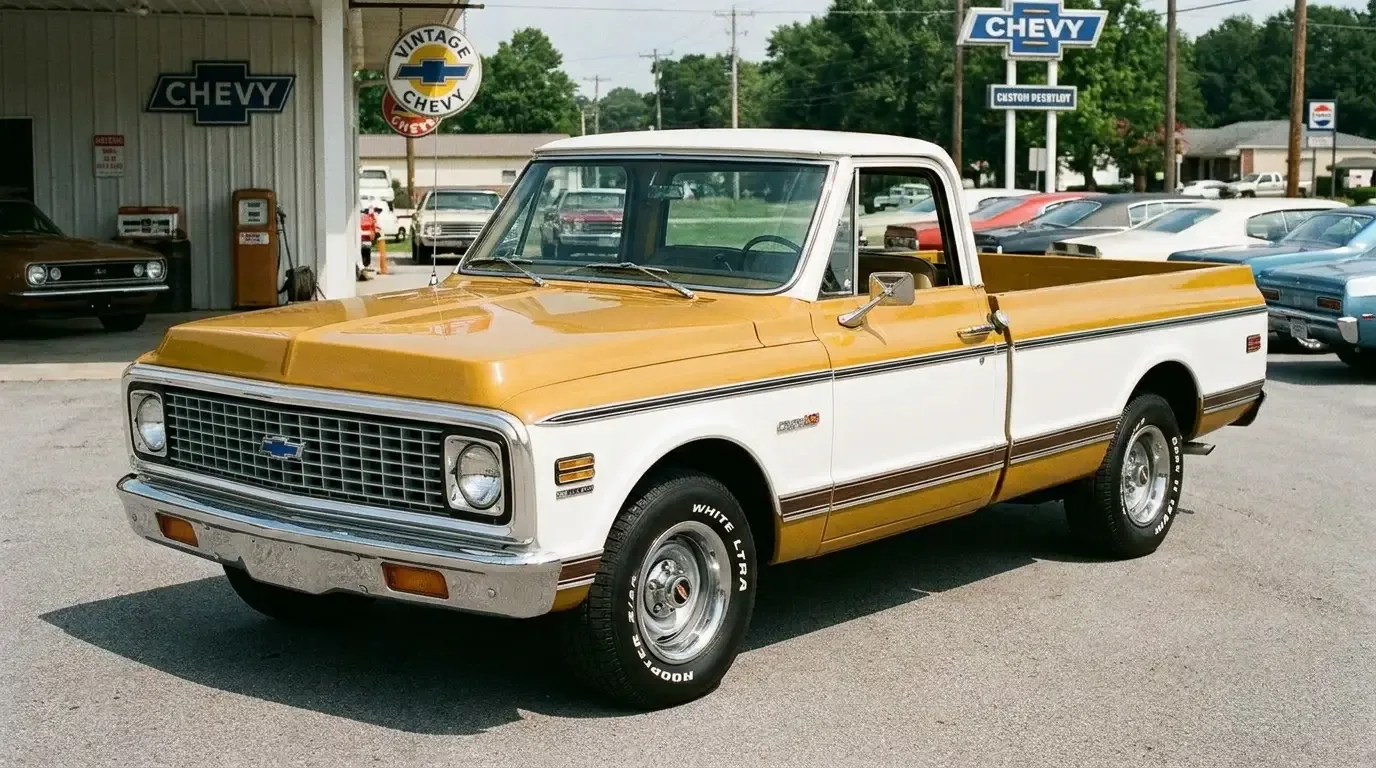
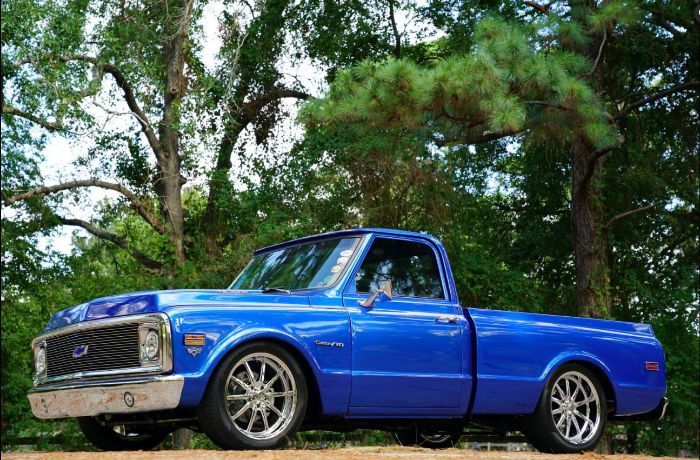
Running changes inside this generation matter more than people expect. The 1967 and 1968 trucks share a grille and side marker design that the 1969 through 1972 trucks moved away from, and 1971 in particular brought a new eggcrate grille with the Chevrolet bowtie moved back onto the grille from the hood and the parking lamps relocated into the front bumper. The Custom Sport Truck (CST) package launched right along with this generation in 1967 and is one of the most desirable factory options from this era, adding bucket seats and upgraded trim that pushed the truck toward personal-use buyers rather than strictly working ones.
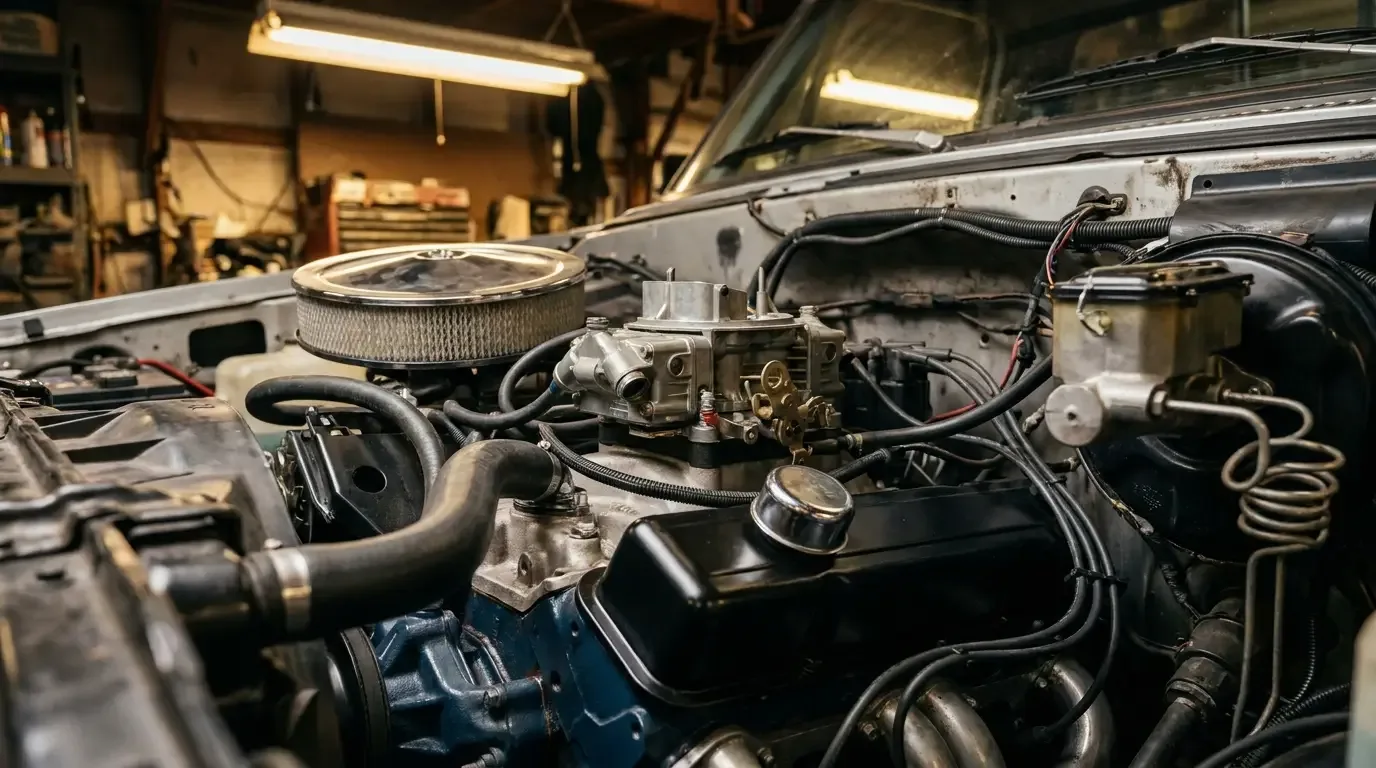
Engine options expanded significantly in this generation, with big-block V8s becoming available in half-ton applications for the first time in 1968, when the 396 (actually 402 cubic inches under the badge) arrived rated at 325 horsepower and 410 lb-ft. That same engine was detuned to roughly 300 horsepower by 1971-1972 under tightening emissions rules, even while being marketed as a 400, a reminder that exact output figures varied by model year and should be checked against factory documentation rather than assumed from a badge or a casual internet claim. A second-gen truck with a big-block and the Custom Sport Truck package is about as far from a base work truck as this platform gets, and the price gap between that configuration and a plain six-cylinder work truck can be substantial in the current collector market.
| Generation | Years | Body identifier | Notable option |
|---|---|---|---|
| First generation | 1960-1966 | Wraparound windshield (early years), evolving grille | Front coil springs replace torsion bars (from 1963) |
| Second generation | 1967-1972 | Action Line styling, integrated cab and bed lines | Custom Sport Truck package |
| Third generation | 1973-1987 | Square body, boxy upright cab | Silverado trim, 1981 facelift |
Third generation: 1973 to 1987, the square body
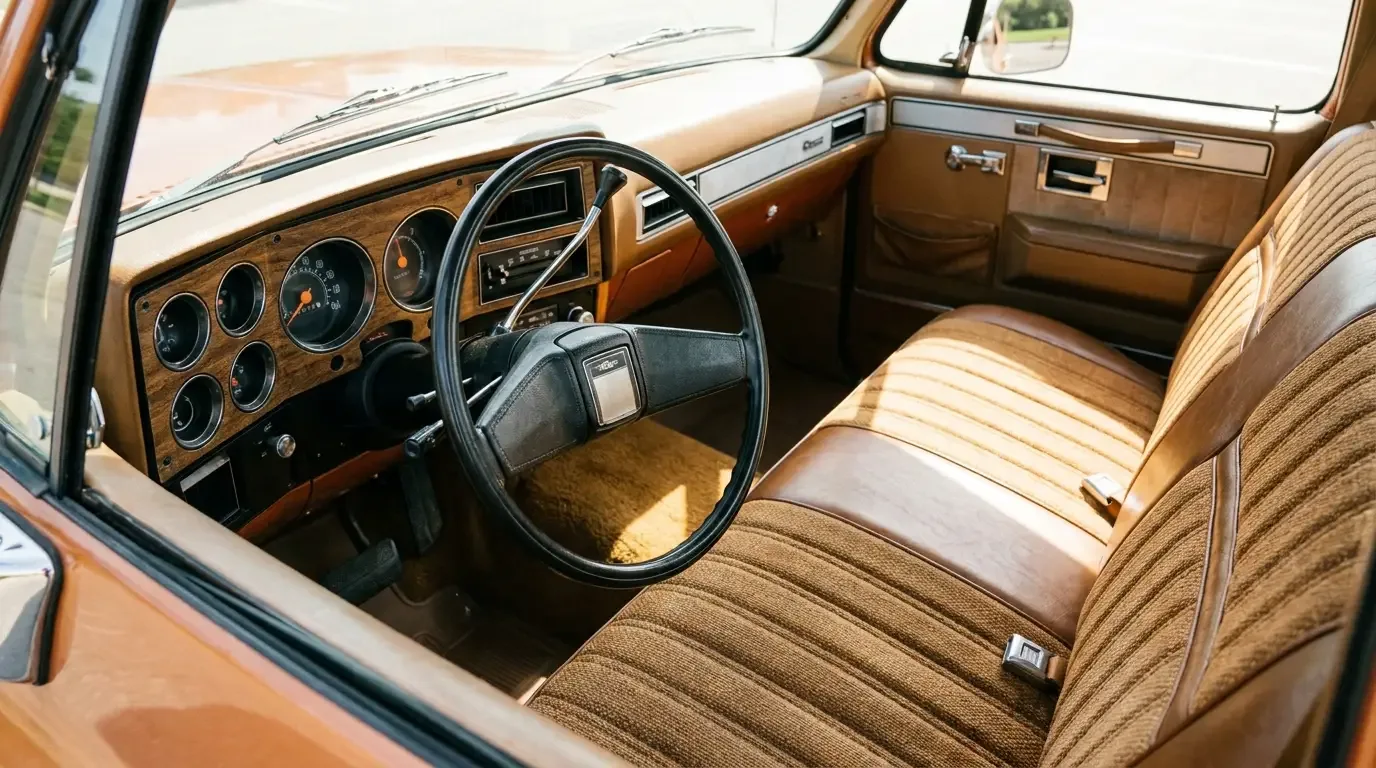
The third generation is the longest-running of the three by a wide margin, and it's what most people picture first when someone says "C10." Chevrolet introduced the square body for 1973 with a boxy, upright cab design that prioritized visibility and interior room over the swoopier lines of the second generation. A mid-cycle facelift around 1981 updated the front end and interior without changing the fundamental body architecture, and the platform ran through 1987 in half-ton form before Chevrolet moved to the GMT400 trucks.
Fifteen years is an enormous production span, and it means square body trucks vary a lot depending on where in that run you're shopping. Early square bodies (1973 to 1980) have a different grille and dash design than the post-facelift trucks (1981 to 1987), and trim naming shifted too, with Silverado becoming the top trim designation as the generation matured. This is also the generation where the C10 designation itself started giving way to C/K 10 naming on paperwork and badging, though enthusiasts still call the whole platform C10 out of habit.
Because so many square bodies were built and because the aftermarket parts supply for this generation is excellent, it remains the most accessible generation for a first-time buyer or a restoration project on a working budget. Rust is the main enemy here just like the earlier generations, and where a truck spent its working life matters more to its condition today than its build date does.
How to tell generations apart at a glance
If you're standing in front of a truck and need a fast read on which generation you're looking at, start with the cab shape. First-generation trucks have a rounder, more traditional look with a wraparound windshield on early years. Second-generation trucks have a lower, more integrated profile between cab and bed with cleaner side sculpting. Third-generation square bodies are, true to the name, boxier and more upright, with flatter panels and sharper edges throughout the body.
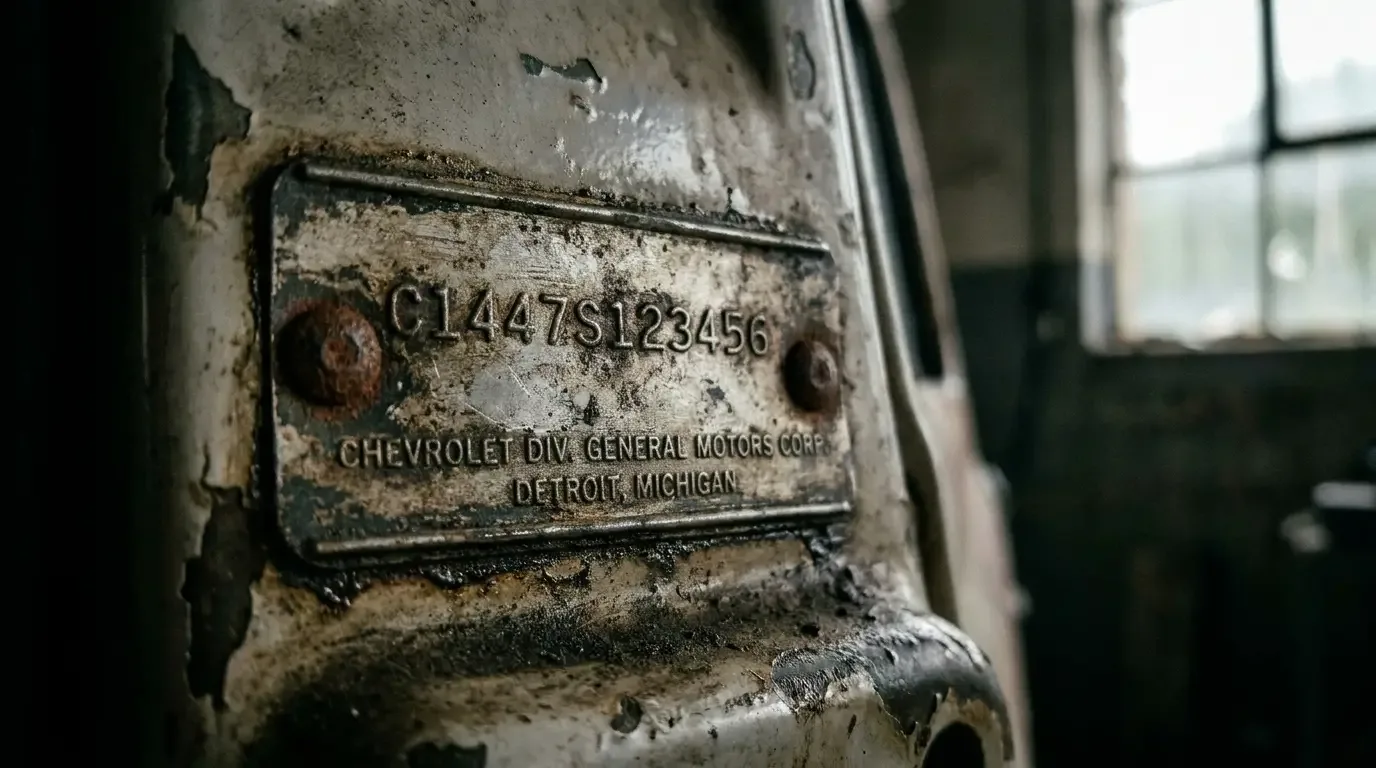
Beyond visual cues, the VIN and trim tag on the truck will tell you exactly what you're looking at, including model year, engine, and original configuration. That's a more reliable method than styling alone, especially on a truck that's been repainted, had a grille swapped, or otherwise doesn't match its original appearance anymore. If you want a full breakdown of how to read those tags, that's covered separately in detail.
"Guys ask me all the time which generation is the best one to buy. There isn't a best one. There's the one that matches what you actually want to do with the truck, and figuring that out before you shop saves more money than any negotiating tactic ever will."
Robert Halloran
What generation means for restoration and value
Generation drives nearly everything about a C10 project, from parts cost to resale value to how much work you'll put into it before it's driveable. First-generation trucks command a premium for rarity and are the hardest to source parts for, which makes them a project for someone specifically chasing that early look rather than a general-purpose classic truck buyer. Second-generation trucks split the difference, with strong collector interest in well-optioned examples and reasonable parts support, though not quite at square body levels.
Square body trucks remain the entry point for most buyers today, both because so many were built and because the restomod and resto-mod parts industry has built an entire ecosystem around this specific generation. If your goal is a driver-quality truck you can actually use, the square body era is usually the most practical starting point. If your goal is a numbers-matching restoration of historical significance, the earlier generations carry more weight with serious collectors, even though the path to get there is longer and more expensive.
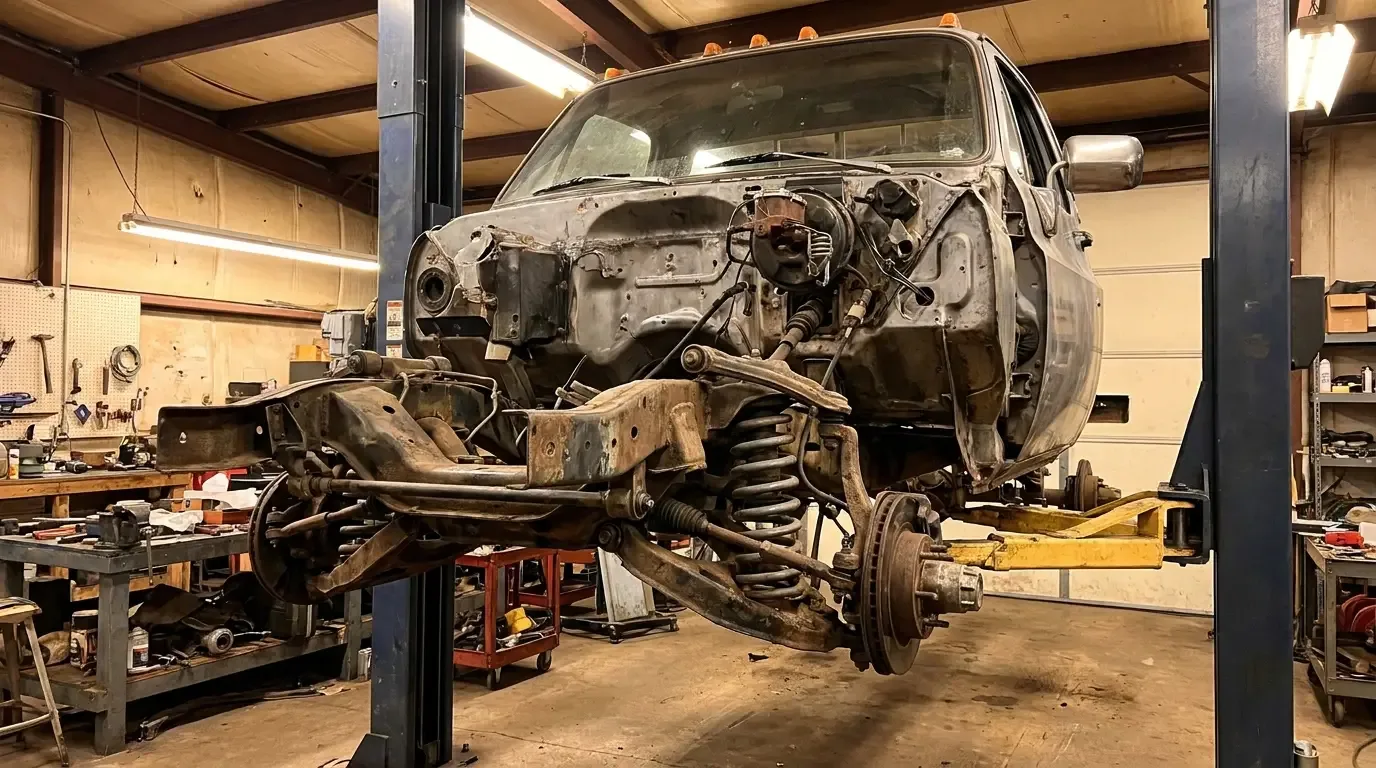
Whatever generation you land on, spend real time comparing options before committing. Look through C10s for sale by year across all three generations to get a feel for how price, condition, and configuration vary before you settle on the one that's actually right for your project. And if you're buying something that needs work, understand how to bring one back to life before you commit to a purchase price, because the generation you choose directly shapes what that restoration is going to cost you.
Sources and notes
- Chevrolet C/K first generation (1960-1966), suspension redesign details
- Chevrolet C/K second generation (1967-1972), big-block engine and 1971 grille changes
- Chevrolet C/K third generation (1973-1991), square body and Silverado trim history
- The History of Chevrolet Trucks in 15 Pickups, on the 1967 Custom Sport Truck package
- Square Body Chevy Identification Guide
- GMT400 platform overview, 1988 replacement for the square body
Related Reading
Article
The Chevrolet C10 Story: America's Half-Ton Icon
Article
How to Decode a Chevrolet C10 VIN Tag
Article
First-Generation C10 (1960-1966): What Changed Year to Year
Article
The Action Line Era: Spotting 1967–1972 C10 Model Years
Article
Square Body C10 (1973–1987): A Year-by-Year Breakdown
Article
Why the 1967 C10 Had One-Year-Only Features
Article
Understanding the C10 SPID Label and Factory Option Codes
Article
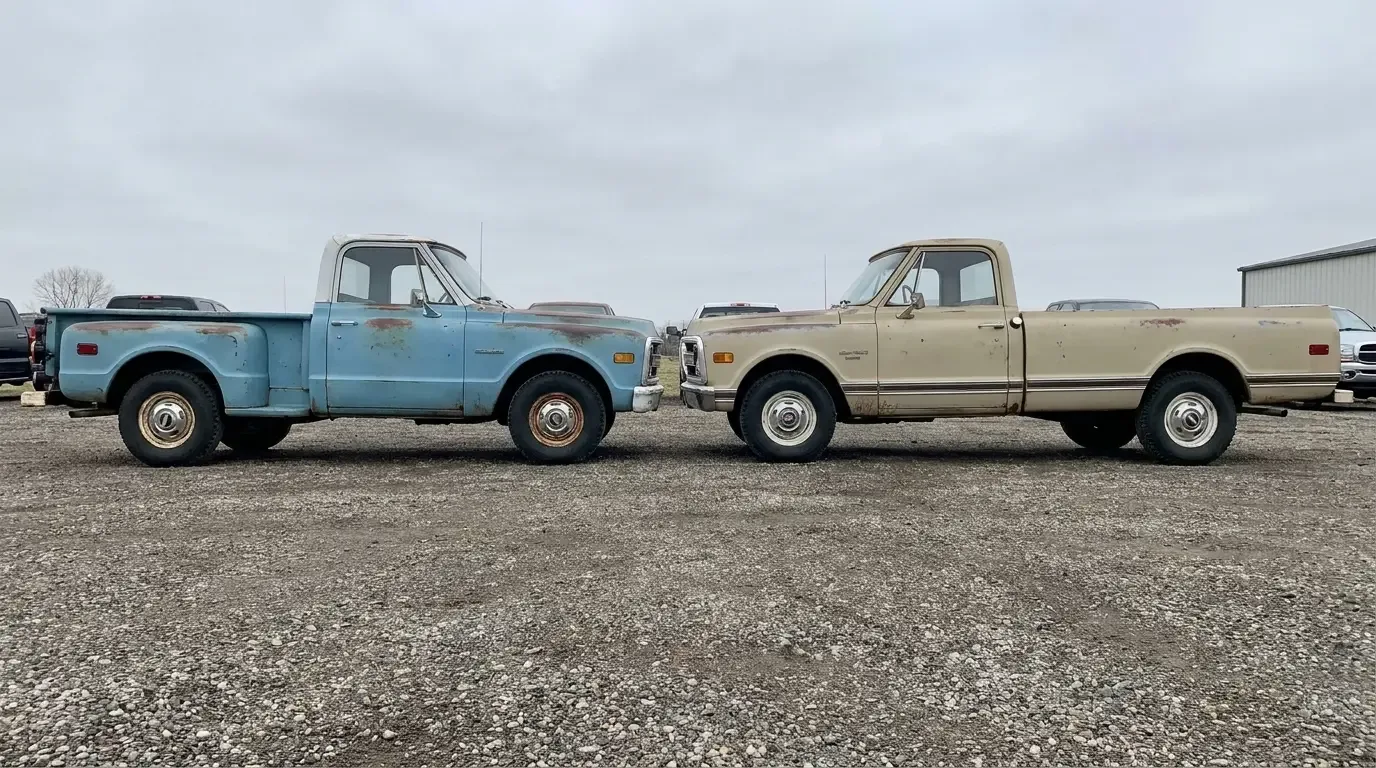
Stepside vs Fleetside: C10 Bed Production Numbers and History
Article
Factory Two-Tone Paint Schemes on Classic C10s
Article
Custom Deluxe, Cheyenne, and Big 10: C10 Trim Levels Explained
Article
Original Factory Engine Options, 1960–1987
Article
The C10 Custom Camper Package and Heavy-Duty Chassis
Article
What Made the "Big 10" Different: Payload Rules Explained
Article
C10 vs K10: What the Badge Actually Means
Article
The Evolution of C10 Front Grilles, 1960–1987
Article
Why 1972 Is Considered the Peak Action Line Year
Article
Short Bed vs Long Bed: C10 Production Ratios Explained
Article
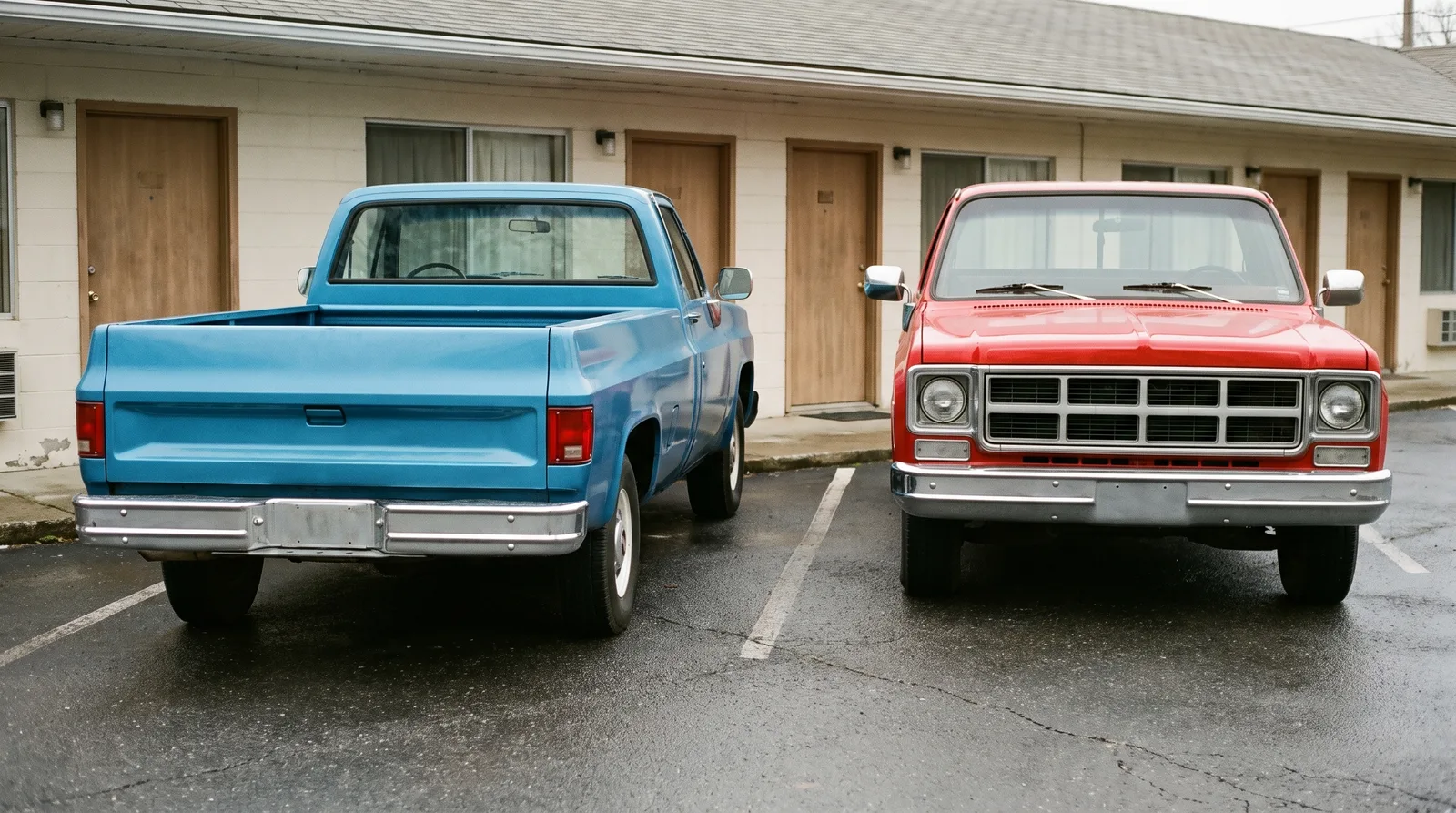
The GMC Twin: How the C15 Compares to the Chevy C10
Article
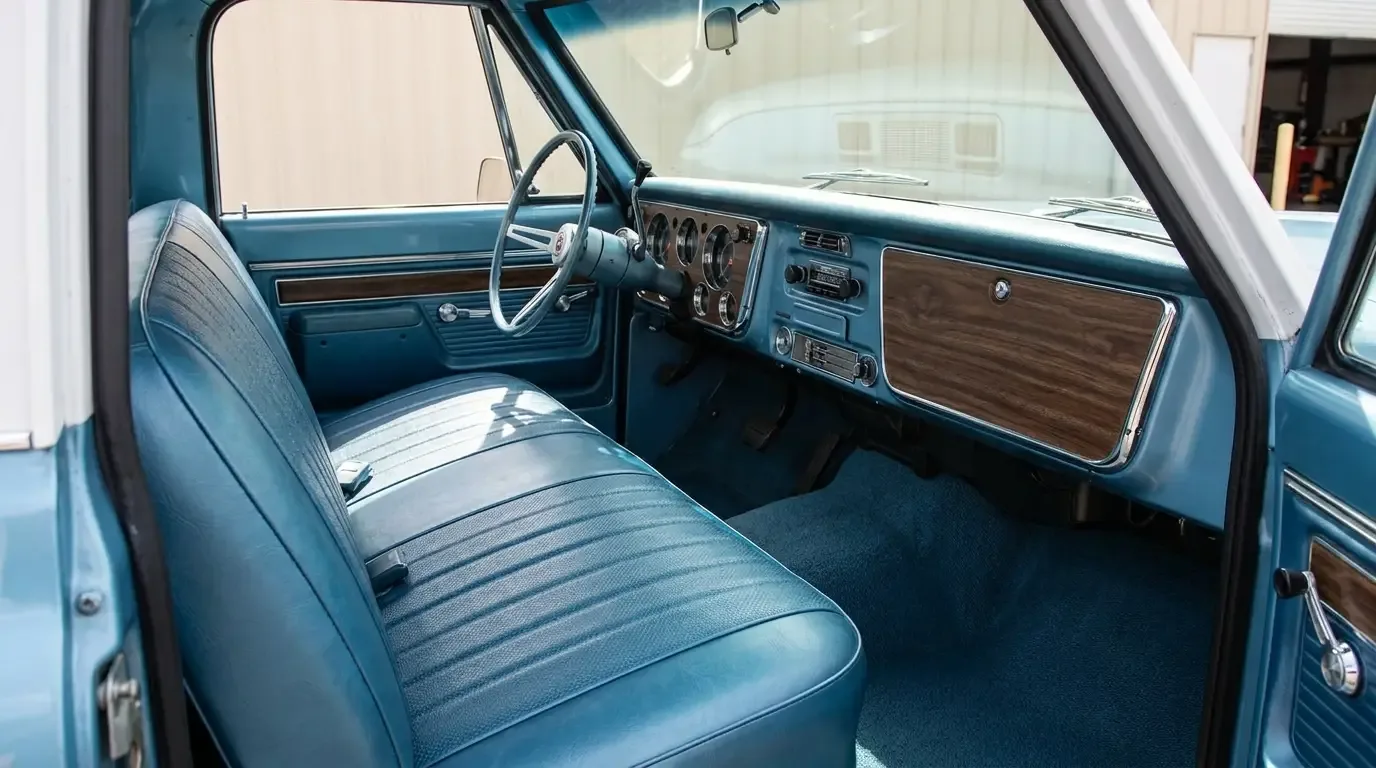
C10 Interior Options Across Three Generations
Article
The Legacy of the C10 in American Truck Culture
Article
The Complete Chevrolet C10 Restoration Guide
Article
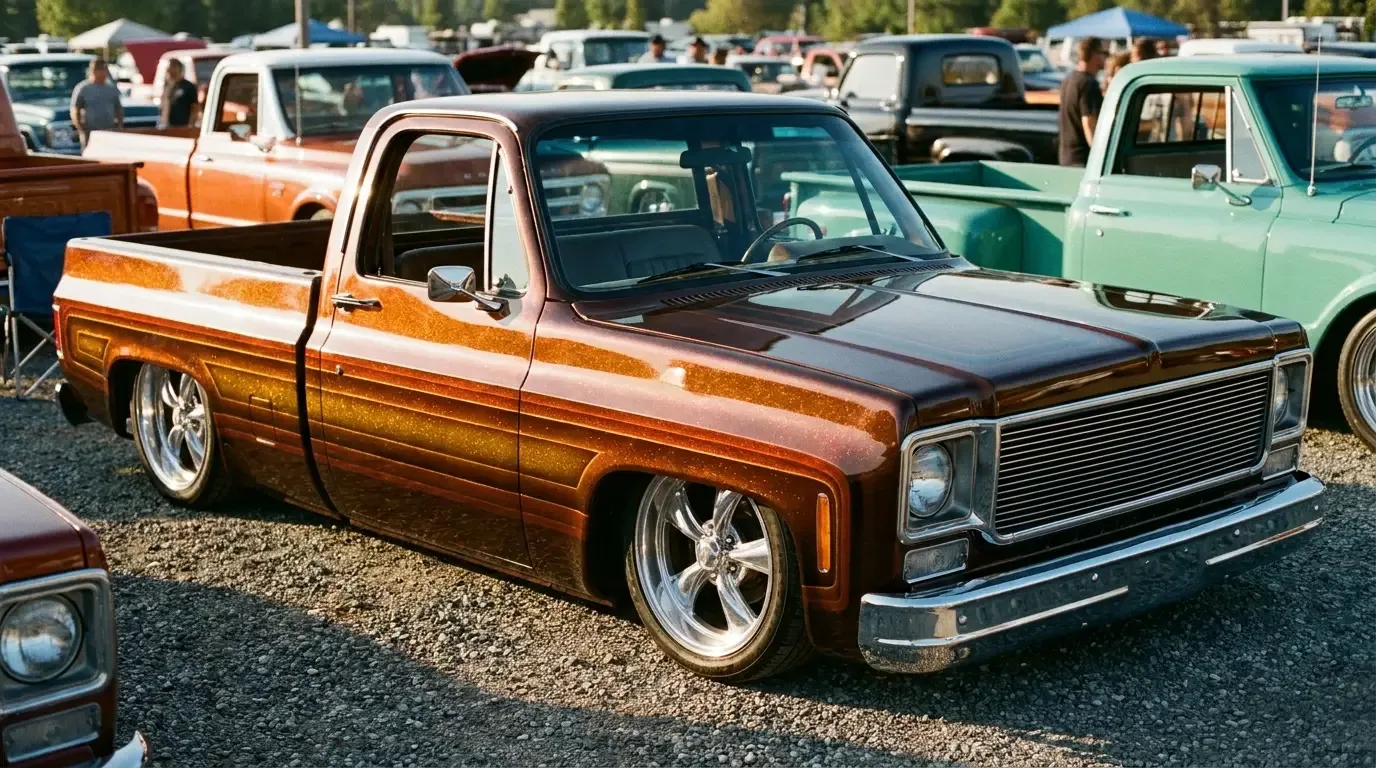
C10 Culture: How a Work Truck Became a Custom Icon
Have a
Chevrolet C10
for Sale?
Reach thousands of serious classic car collectors across the US.
Sell It Here →
Are You a Classic Car Dealer?
List your full inventory and connect with targeted classic car buyers.
Join as a Dealer →

About the author
Robert Halloran
Texas-based classic truck enthusiast with decades of experience buying, restoring, and writing about American pickups from the 1940s through the 1980s.
Related Listings - Chevrolet C10
More in History & Heritage
Comments (1)
L
Lou Vincenzo
1 month ago
The section on what a real restoration actually costs is something every buyer should read before deciding a project car is a bargain.