
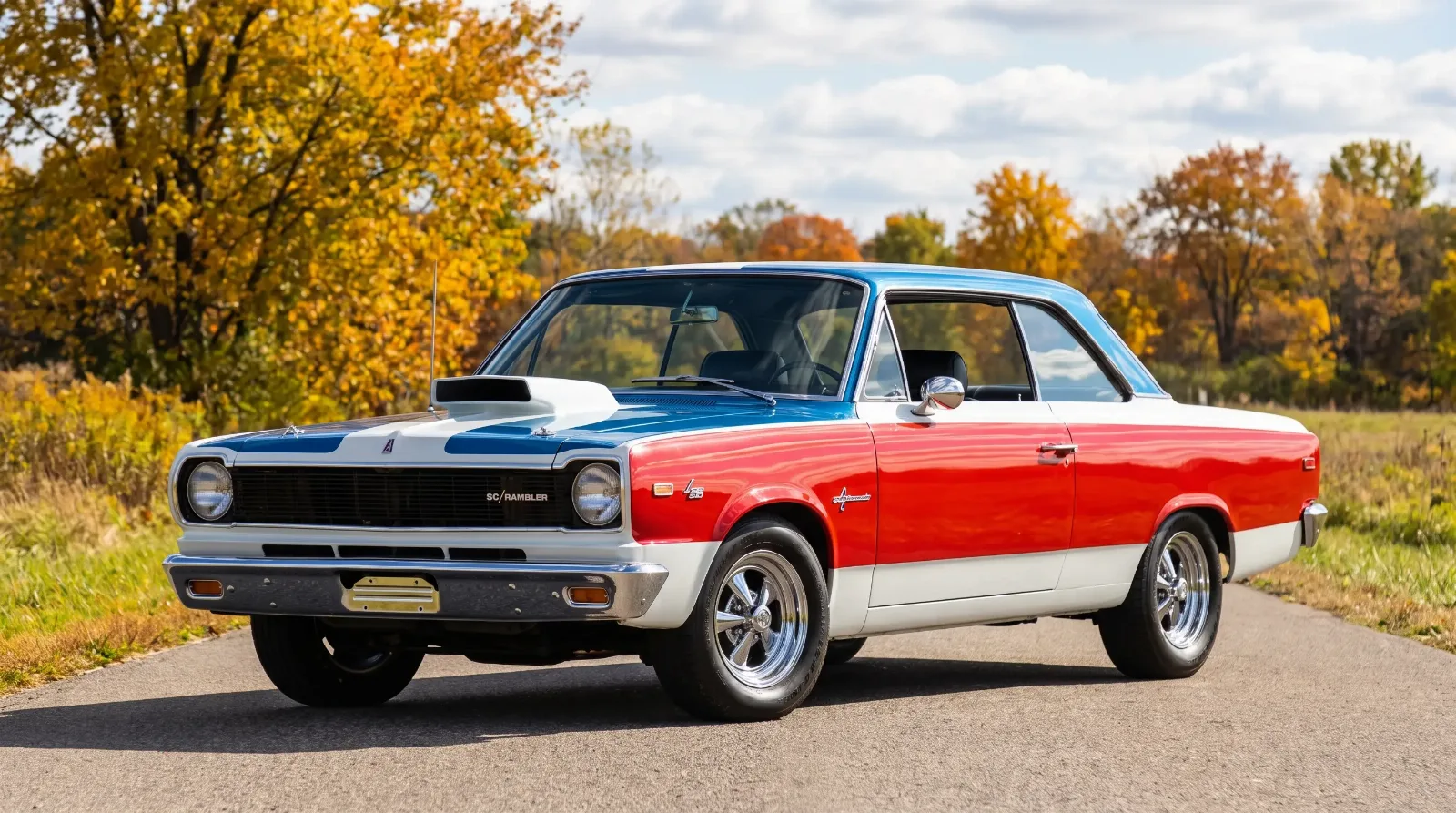
There is a guy I met at a cruise night in Tennessee who drives a red, white, and blue AMC. Every single time he parks it, somebody walks up and asks what it is. Not because it is obscure to him. Because the muscle car story got written around a handful of famous names, and everybody else got left in the margins. The GTO, the Chevelle, the Hemi cars, the Mustang. Those got the magazine covers and the movie roles. Plenty of genuinely fast, genuinely interesting machines never made the cut.
History & Heritage
6 min read
Forgotten Muscle Cars That Deserve More Recognition
The SC/Rambler, Duster 340, GSX Stage 1 and Torino Talladega ran with the legends and got skipped. Here are the muscle cars history forgot.
That is a shame, because some of the best engineering and the wildest stories of the era belong to the cars nobody talks about. These were built by the same people, in the same years, chasing the same quarter-mile. They just wore the wrong badge or came from the wrong company to become legends.
AMC built outsiders on purpose
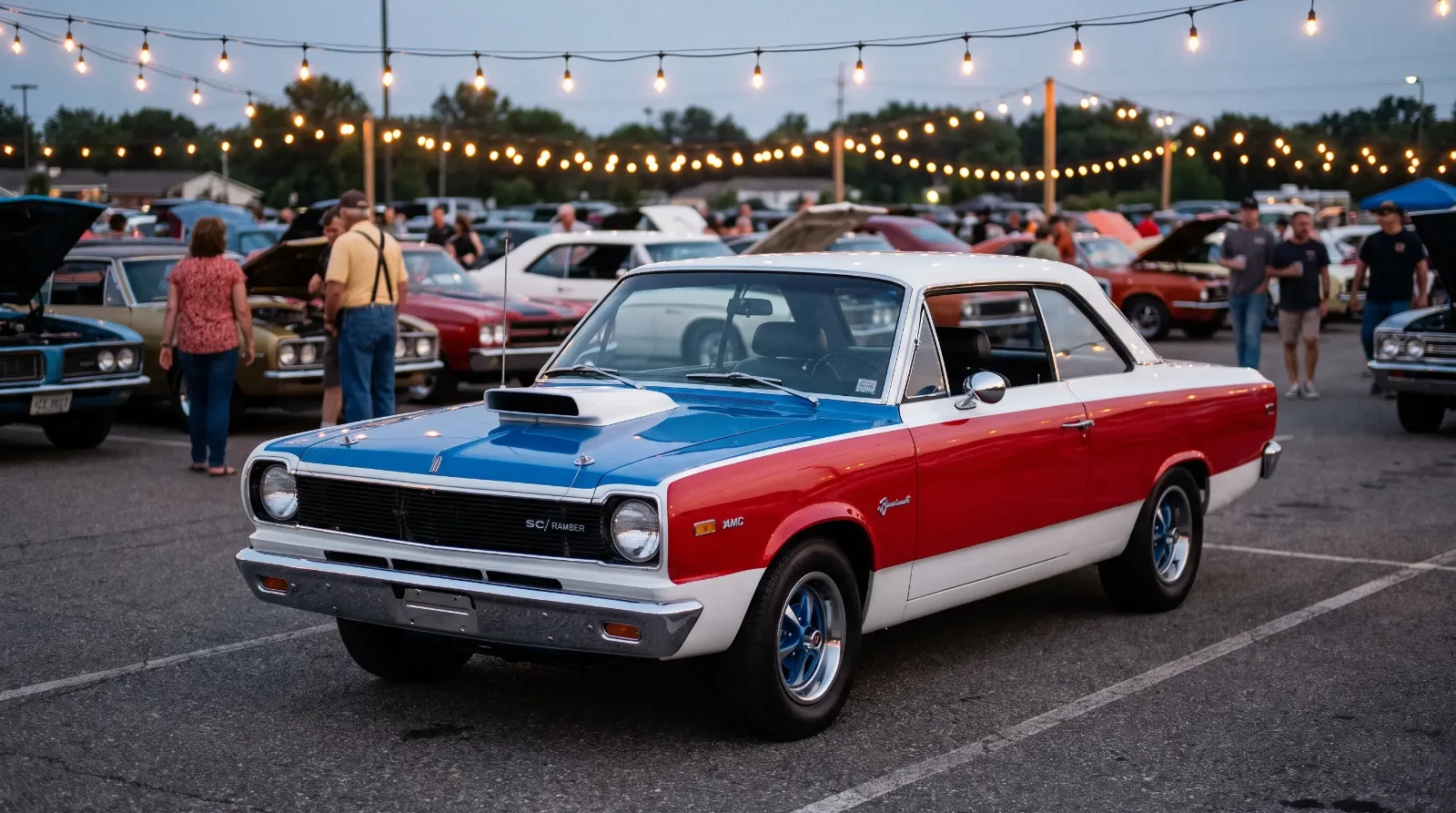
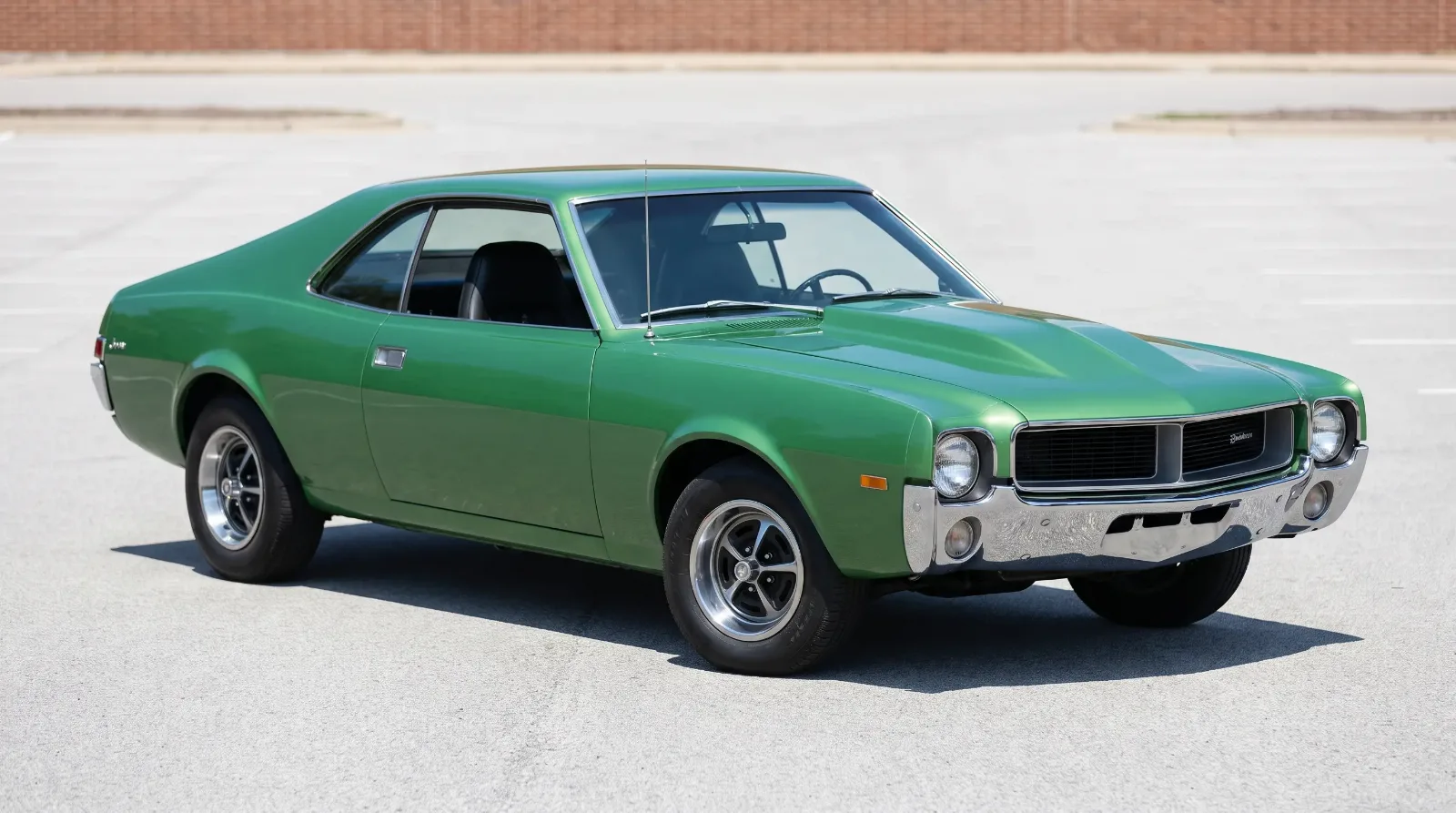
American Motors was the small company in a big fight, and it swung hard. The 1969 SC/Rambler, the car my friend from cruise night drives, took the compact Rogue body and stuffed in the 390 cubic-inch V8 rated at 315 horsepower. AMC painted most of them in a loud red, white, and blue scheme and gave them a Hurst shifter. Roughly 1,500 were built. It looked like a economy car and ran with cars twice its reputation.
The 1970 Rebel Machine was the follow-up, a mid-size with the same 390 tuned to about 340 horsepower. Around 2,300 left the factory. AMC never had the advertising budget of the big three, so these cars survived on word of mouth and drag-strip results. That is exactly why they got forgotten. No budget for legend-building.
There is a pattern here worth naming. The famous cars had a company willing to spend money making them famous. AMC did not. It fought the entire era from a position of weakness, which meant its performance cars had to justify themselves purely on the strip. They usually did. The Javelin and the two-seat AMX earned respect from the people who raced against them, and the AMX in particular set a stack of speed records when it launched in 1968. None of that translated into the cultural memory the Camaro and Mustang enjoy, because AMC could not buy the airtime to build it.
The Mopar underdogs that got overshadowed
Chrysler had famous muscle, but even inside Mopar some cars lived in the shadow of their siblings. The Plymouth Duster 340 is the clearest example. For 1970 it paired the excellent 340 cubic-inch small-block, rated around 275 horsepower, with a light and cheap A-body compact. It cost far less than a Road Runner and would surprise plenty of big-blocks in the real world. Buyers loved them then. History barely mentions them now.
The Dodge Coronet R/T deserves better too. It carried the 440 Magnum at 375 horsepower, and in Hemi form it was ferocious, but it always played second fiddle to the Charger and the Super Bee. Same bones, less fame. If you want the wider context on where these cars sit in the timeline, our muscle car history lays out the whole arc.
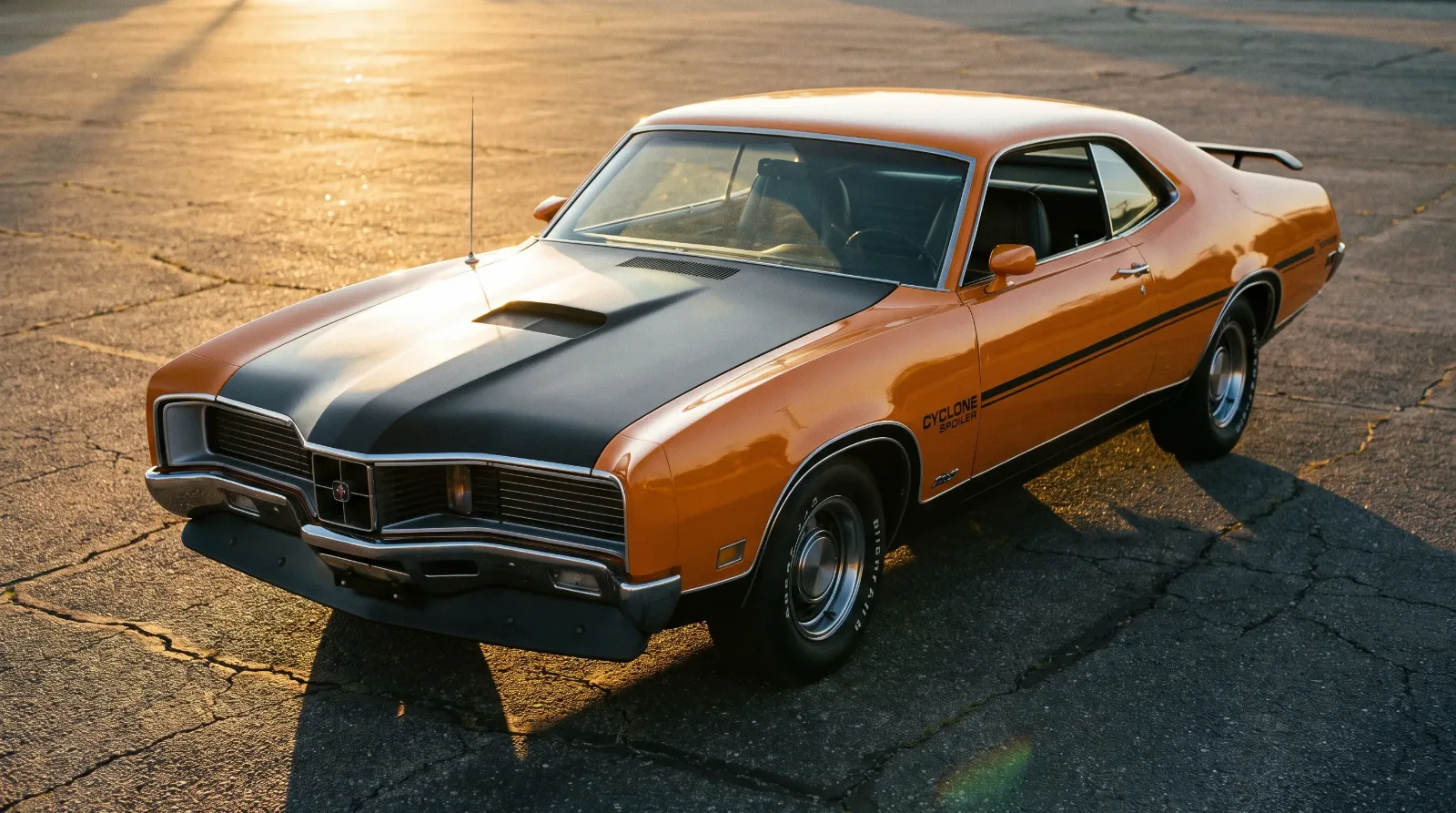
The Mercury Cyclone is another one that got lost inside its own family. It was essentially a dressed-up Ford Torino, and being the Mercury version meant it lived in Ford's shadow at every turn. The Cyclone GT and the Spoiler versions were legitimate performers, but Mercury never had a clear identity in the muscle world, so the cars fell between the cracks. Buyers who wanted a Ford bought a Ford. Buyers who wanted status bought a Lincoln. The Cyclone was left selling to almost nobody, which is exactly what makes a survivor interesting today.
Buick and the quiet torque king
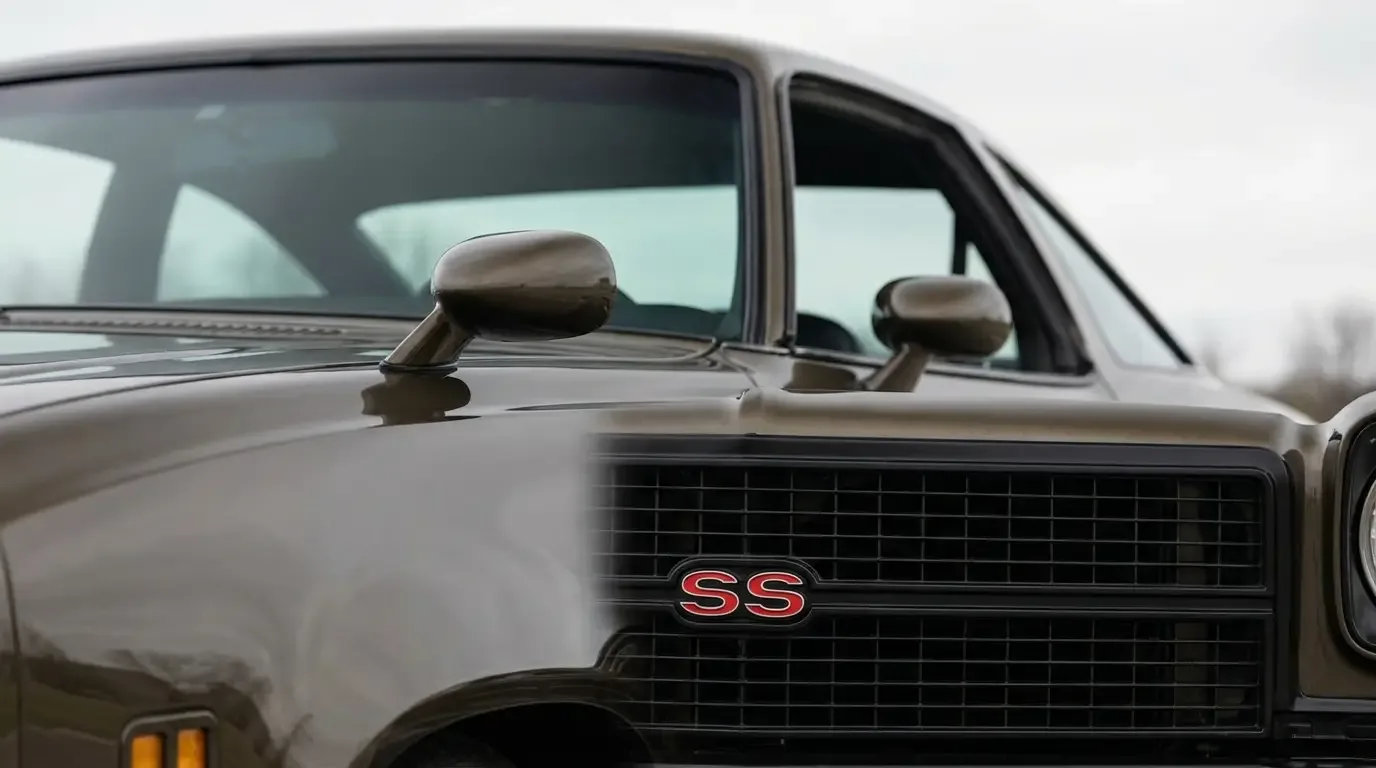
Buick built performance cars for people who did not want to shout about it, and the 1970 GSX Stage 1 is the one collectors overlooked for decades. The 455 was rated at 360 horsepower, which sounds ordinary until you get to the torque number. It made roughly 510 lb-ft, and that figure moved the car in a way the horsepower rating never suggested.
"The cars that get remembered are the ones that had a marketing department behind them. The cars that get forgotten are the ones that just happened to be fast. Fast and famous are not the same thing, and this hobby keeps proving it."
Patrick Walsh
For years you could buy a GSX for a fraction of a comparable Chevelle. That gap has narrowed as people caught on, but the Buick still does not carry the name recognition its performance earned. It was too polite about being brutal.
The aero warriors and forgotten Fords
Some cars got forgotten because they existed for a strange reason. The 1969 Ford Torino Talladega was built to homologate an aerodynamic nose for NASCAR, carrying the 428 Cobra Jet. Only about 750 were made for the street. Its Mercury cousin, the Cyclone Spoiler, shared the 428 Cobra Jet rated near 335 horsepower and the same racing purpose. These were serious machines built to win Sundays, and most people have never heard of them.
Why they are worth remembering
The market has slowly started to fix this. As the famous cars priced themselves out of reach, buyers went looking for the honest alternatives, and prices on the forgotten cars have climbed. A Duster 340 or a Rebel Machine is still attainable in a way a numbers-matching Hemi car is not. If you want to see what is actually changing hands, you can see muscle cars for sale and watch where the money is moving.
These cars matter because they fill in the real picture of the era. It was not four famous nameplates. It was dozens of companies and divisions throwing everything they had at the same idea, and the ones that got skipped were often just as good. Some of the most important years in the era produced their best work, which you can read the full story on to understand why the timing mattered so much.
Related Reading
Have a
Classic Car
for Sale?
Reach thousands of serious classic car collectors across the US.
Sell It Here →
Are You a Classic Car Dealer?
List your full inventory and connect with targeted classic car buyers.
Join as a Dealer →

About the author
Patrick Walsh
Automotive journalist covering classic car shows, events, and the enthusiast community across North America.
More in History & Heritage
Comments (1)
E
Eddie Carlisle
2 months ago
Family car growing up. Finally bought my own a few years ago. The mechanical simplicity is something I find genuinely appealing now.