
The man I met at a fairgrounds cruise-in outside Nashville bought his first fast Pontiac in 1966, when he was twenty and the gas cost thirty-two cents a gallon. He still talks about the sound it made pulling away from a light on a summer night, the way the whole car seemed to gather itself and go. That is the thing people forget about this era. Before the muscle car was a collectible or an investment, it was a feeling that a factory learned how to bottle and sell to ordinary people for the price of a decent used sedan.
History & Heritage
8 min read
Muscle Car History & Evolution (1964-1974)
How muscle car history unfolded from the 1964 GTO to the 1974 shutdown. The GM, Ford, Mopar and AMC arms race, the peak years, and what ended the era.
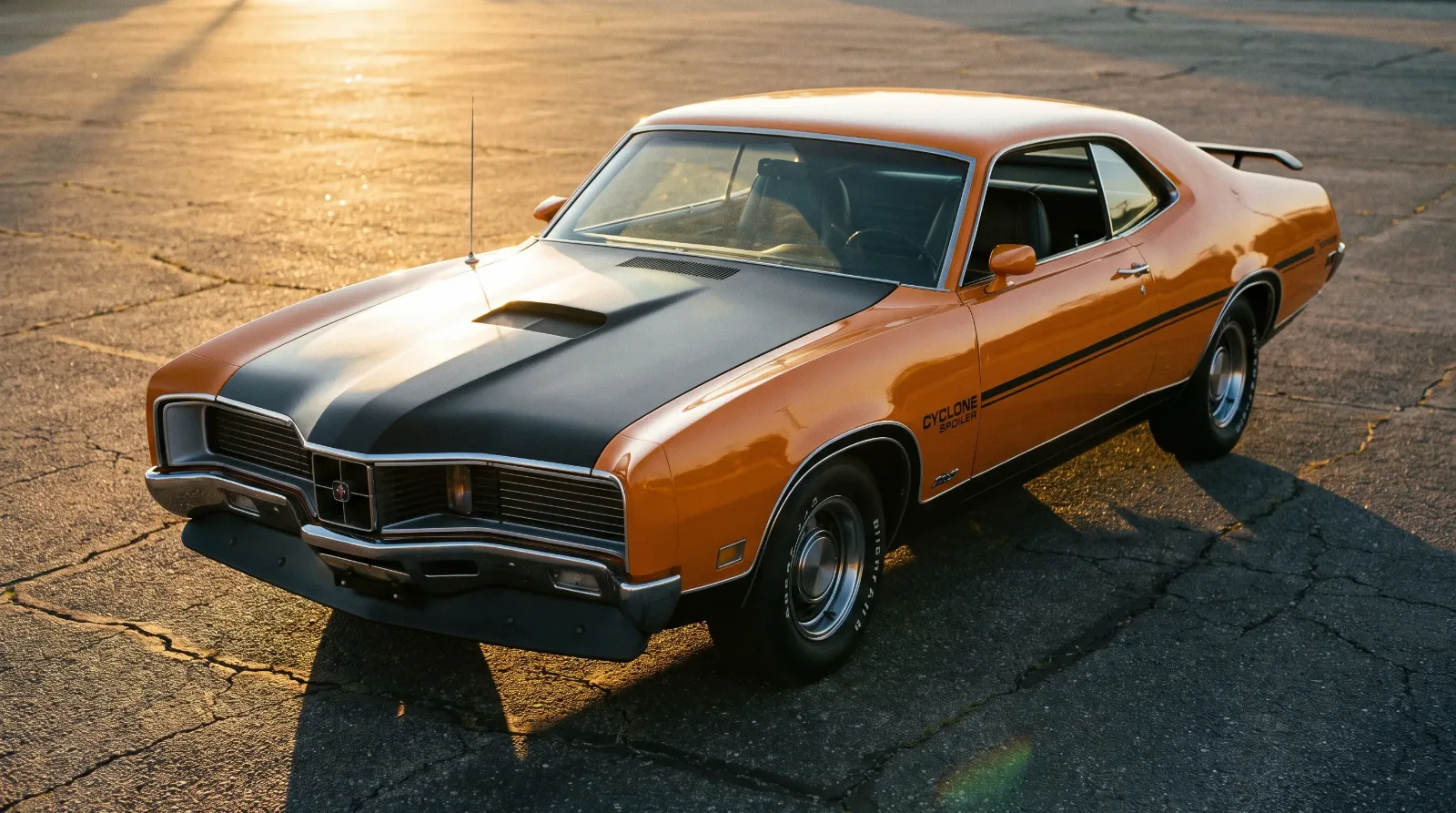
The story of muscle car history is really the story of one simple idea that got out of hand. Take a mid-size body, a car built to be cheap and light, and drop in the biggest engine the parent company builds. Do it before the accountants and the insurance men and the government catch up. For about ten years, from 1964 to 1974, Detroit did exactly that, and the results still fill show fields every summer. If you want the wider picture of how it all fits together, the pillar piece on american muscle cars lays out the whole arc.
Where the muscle car really began
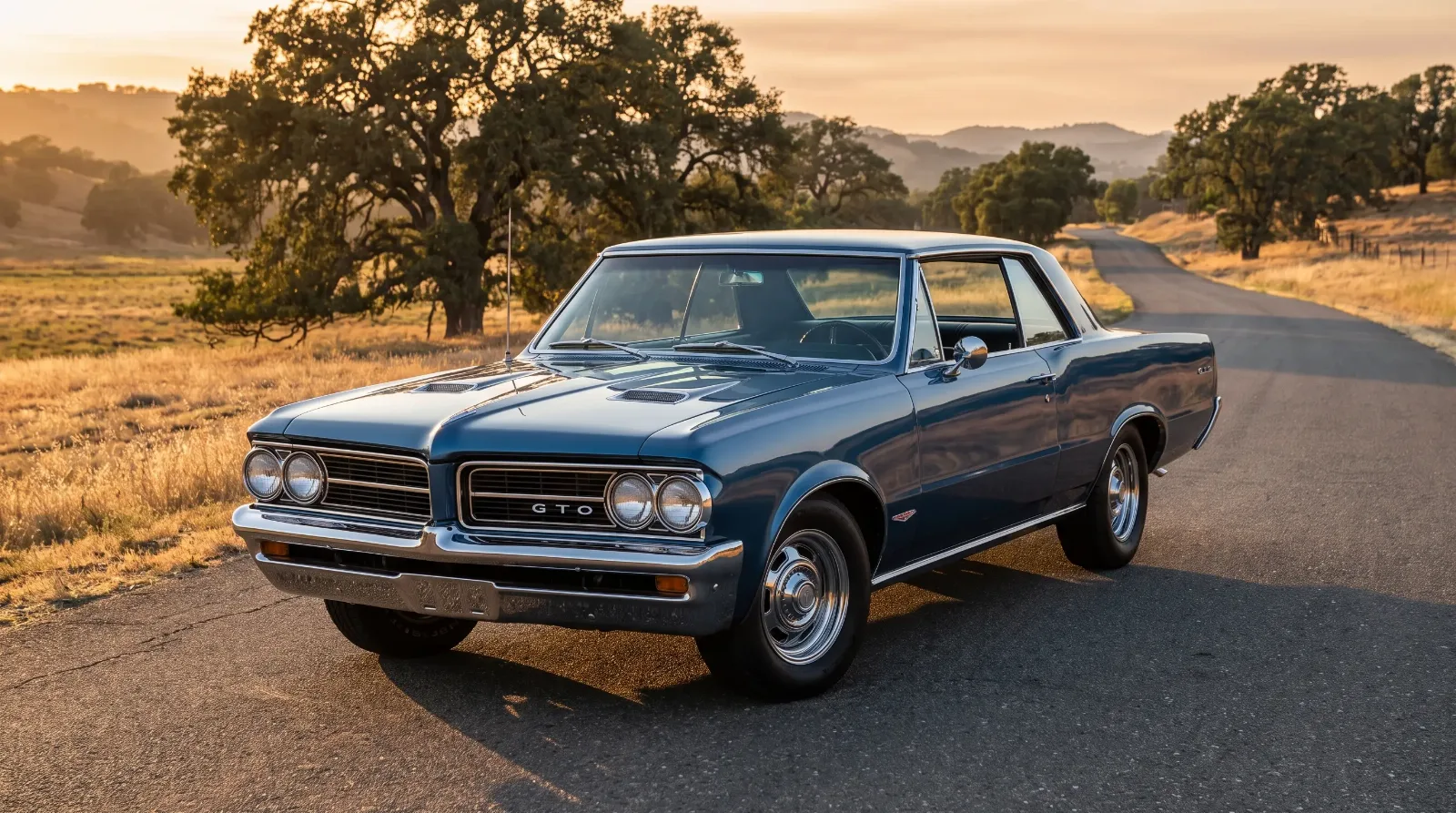
People argue about the first muscle car the way they argue about the first rock and roll record. There is a case for the 1949 Oldsmobile Rocket 88, a light body with a modern overhead-valve V8, and a better case for the Chrysler letter cars of the 1950s. But the recipe as we know it came together in 1964, and it came from a rulebook loophole.
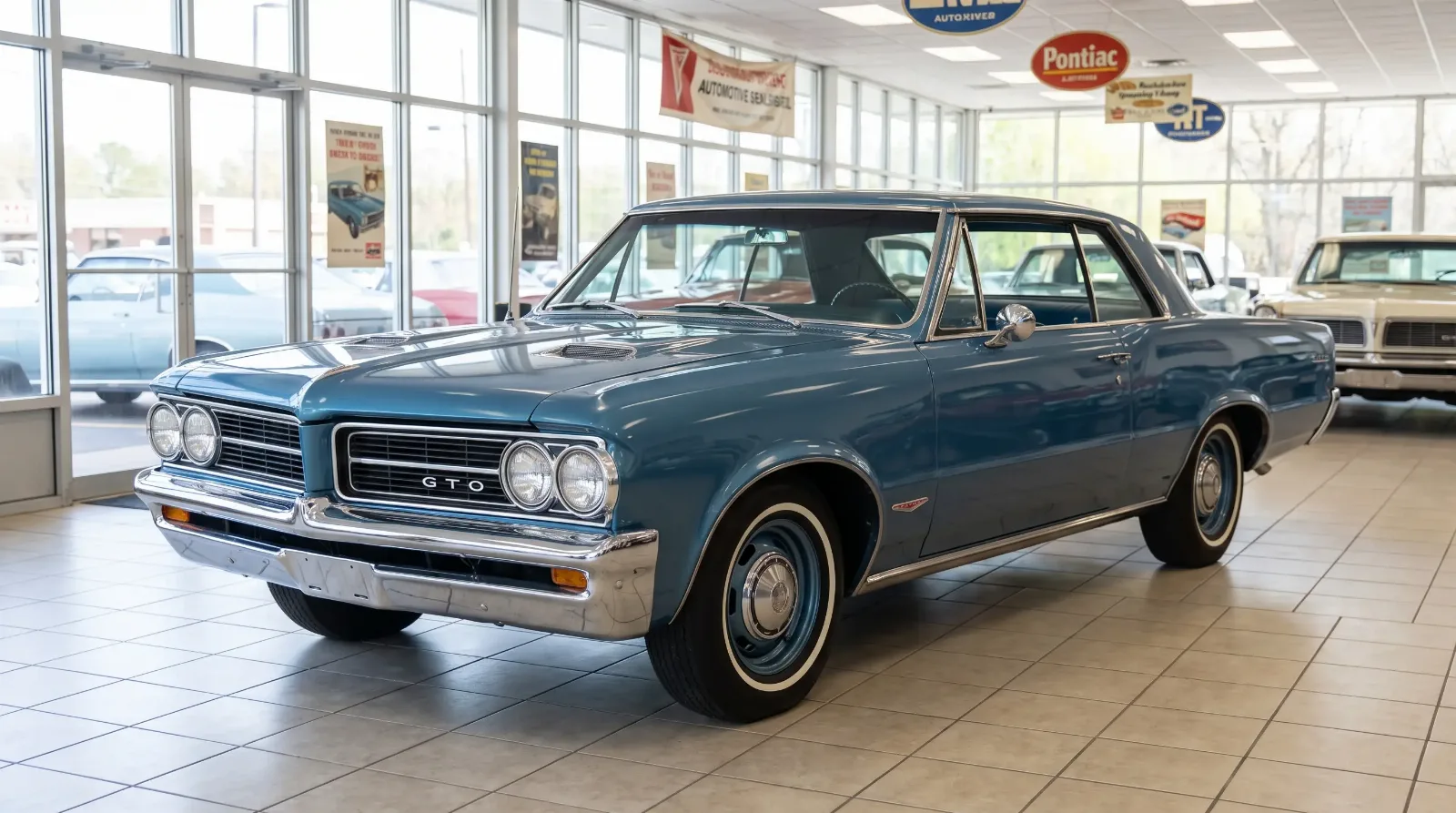
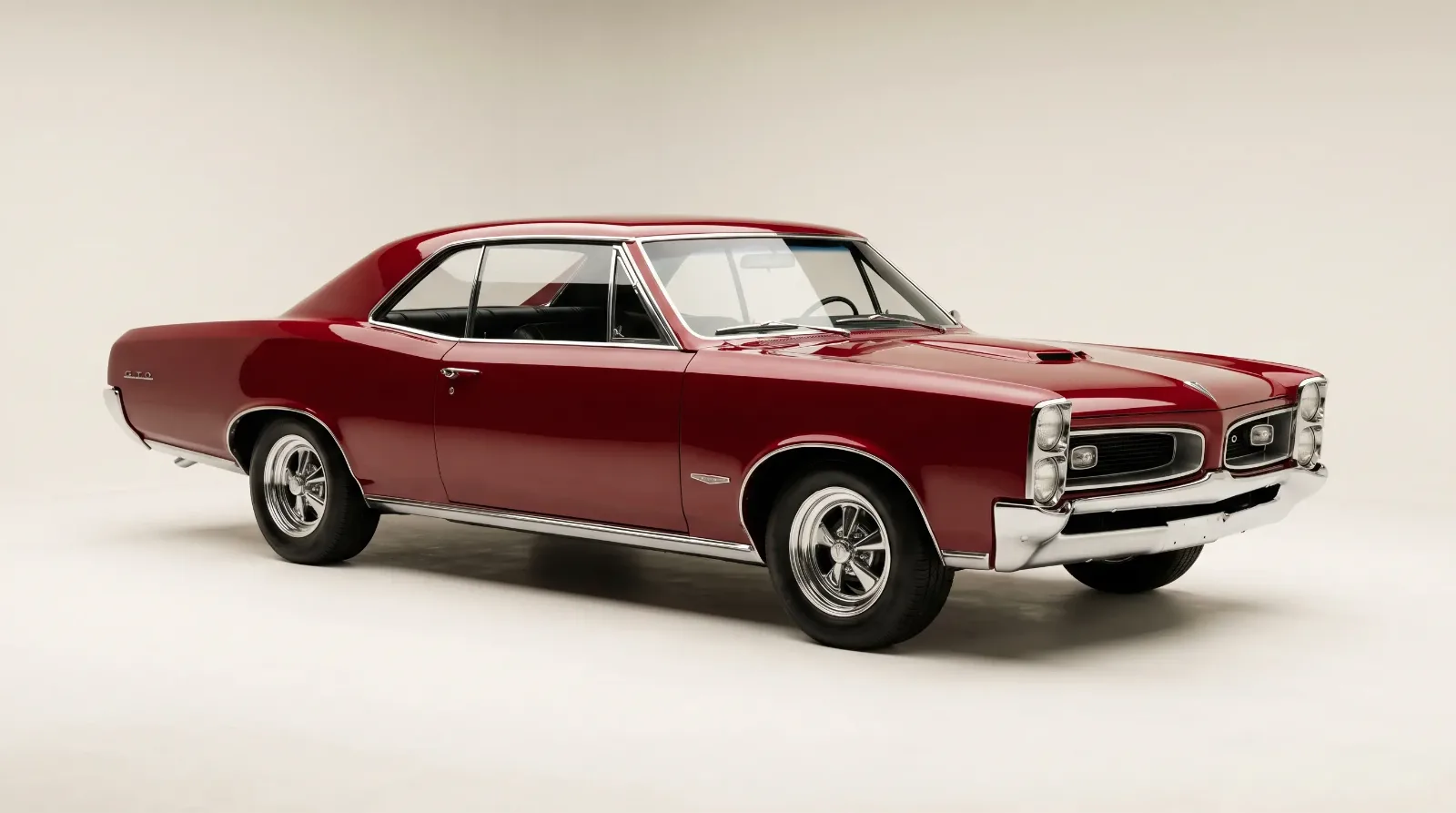
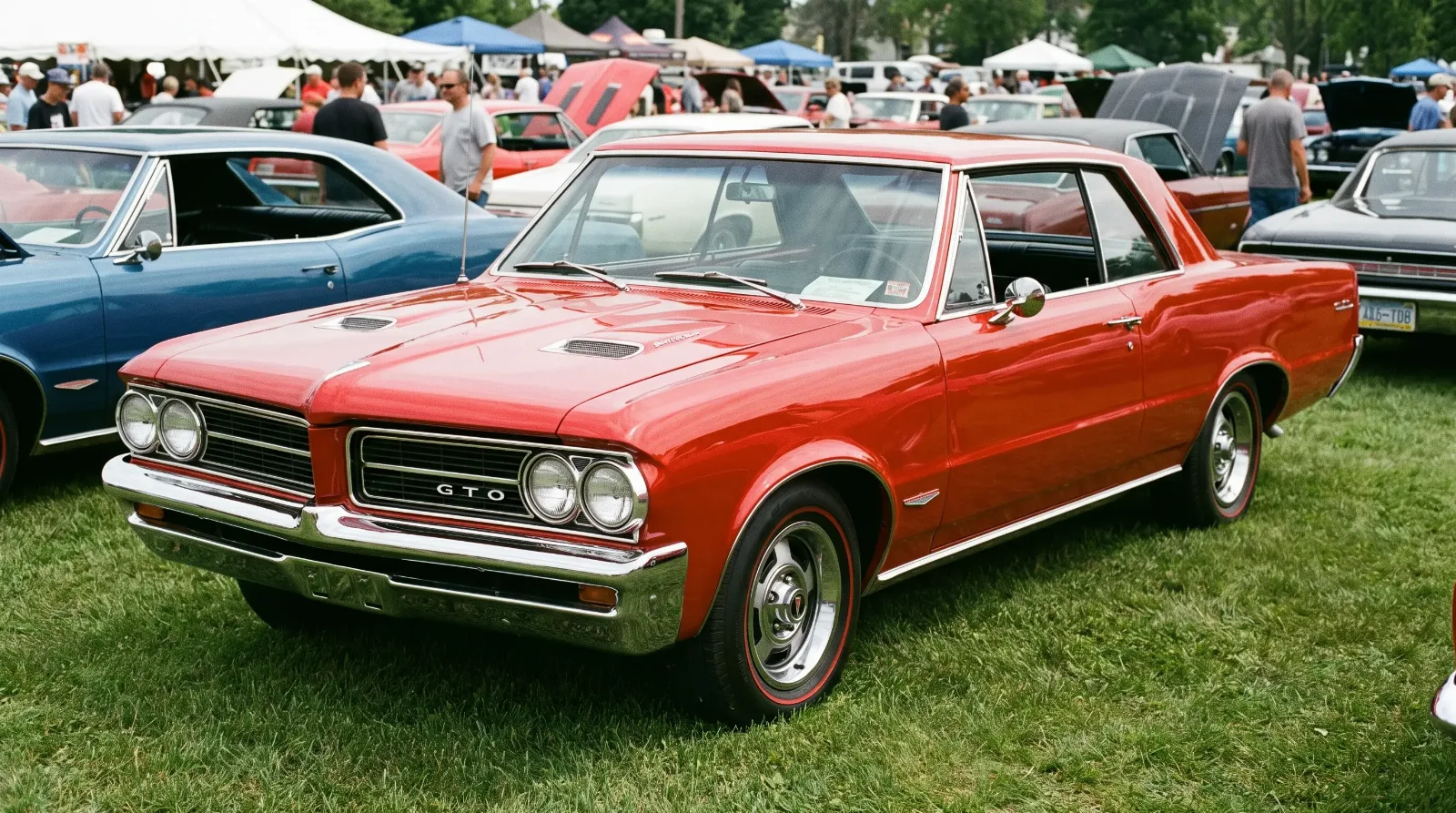
General Motors had a corporate policy against putting big engines in its intermediate cars. Pontiac's John DeLorean and his engineers found the gap. They offered the 389 cubic inch V8 as an option package on the mid-size Tempest, called it the GTO, and let dealers order it before head office could say no. The name came straight off a Ferrari, and the borrowed swagger was the whole point.
The 1964 spark and the years that followed
The GTO worked because it sold. Pontiac guessed it might move five thousand of them the first year and ended up building more than thirty thousand. Every rival division took the lesson. Within two seasons you could walk into almost any American dealership and order a mid-size car with a full-size engine and a name badge that promised trouble.
The pattern set the template. A buyer did not need to be rich. A young worker with a steady paycheck could finance one of these and beat cars that cost twice as much. That accessibility, more than any single spec, is why the era caught fire the way it did.
| Year | Landmark car | Headline engine | Why it mattered |
|---|---|---|---|
| 1964 | Pontiac GTO | 389 cu in V8 | Started the mid-size big-engine formula |
| 1966 | Dodge Charger / Street Hemi | 426 Hemi (~425 hp gross) | Put a race engine on the street |
| 1968 | Plymouth Road Runner | 383 cu in V8 | Stripped-down budget muscle under $3,000 |
| 1969 | AMC SC/Rambler; Boss Mustangs | 390 / 302 / 429 | Underdogs and homologation specials |
| 1970 | Chevelle SS454 LS6 | 454 cu in (rated 450 hp) | Peak of the displacement race |
How the big three answered each other
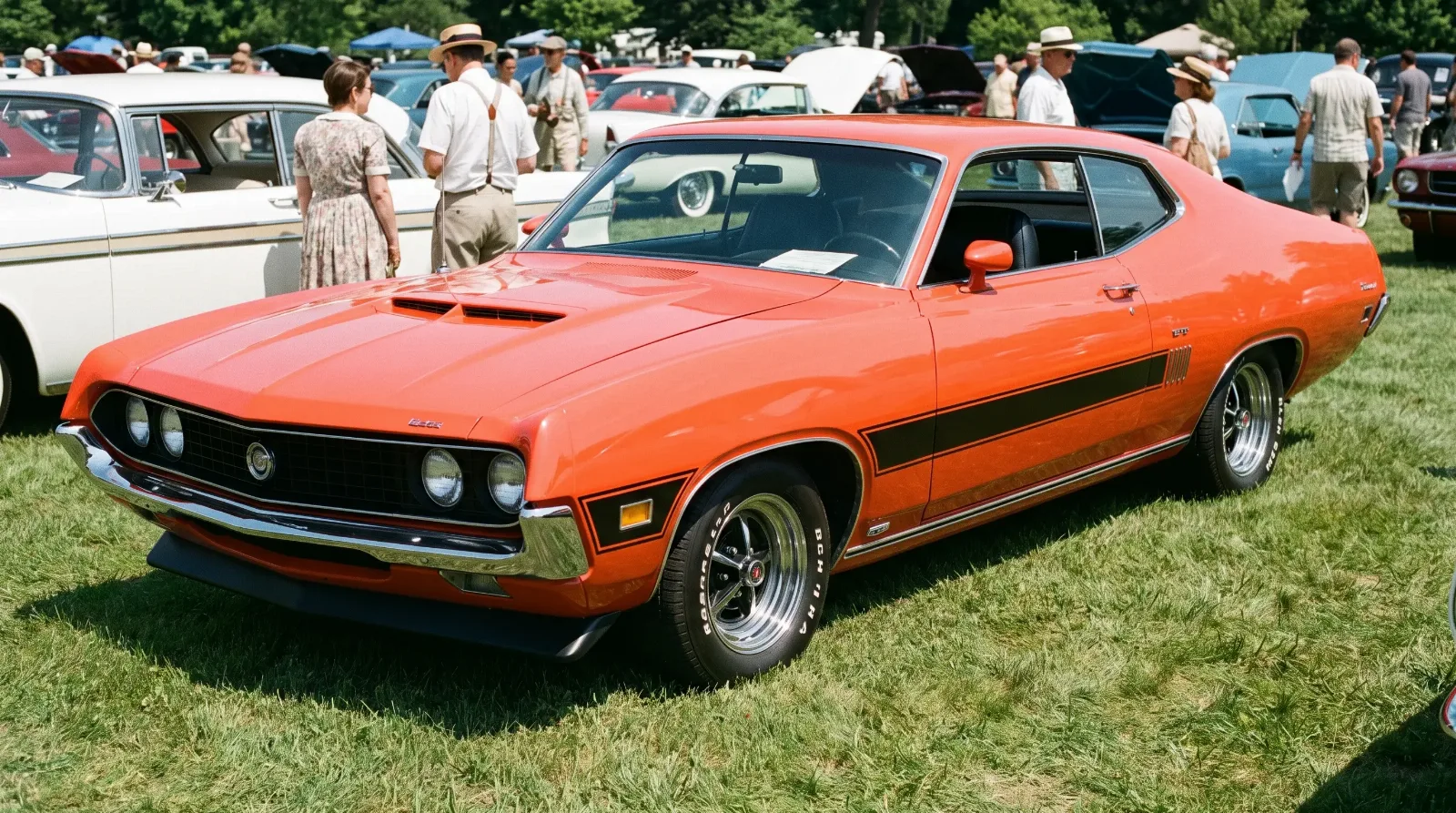
What made these years so rich was the arms race between rivals who all read each other's spec sheets. Chevrolet answered the GTO with the Chevelle SS and, later, the Camaro. Ford pushed the Mustang and the mid-size Torino. Chrysler leaned on its B-body cars, the Road Runner, the Super Bee, the Charger, and backed them with the 426 Hemi that had already terrorized stock car ovals.
The competition was not polite. When one division advertised a horsepower figure, the next one across town wanted a bigger number by the following fall. That escalation is a story of its own, and the engine side of it gets its full treatment in a companion piece if you want to read the full story. For now it is enough to say that by the end of the decade the numbers had stopped making much sense.
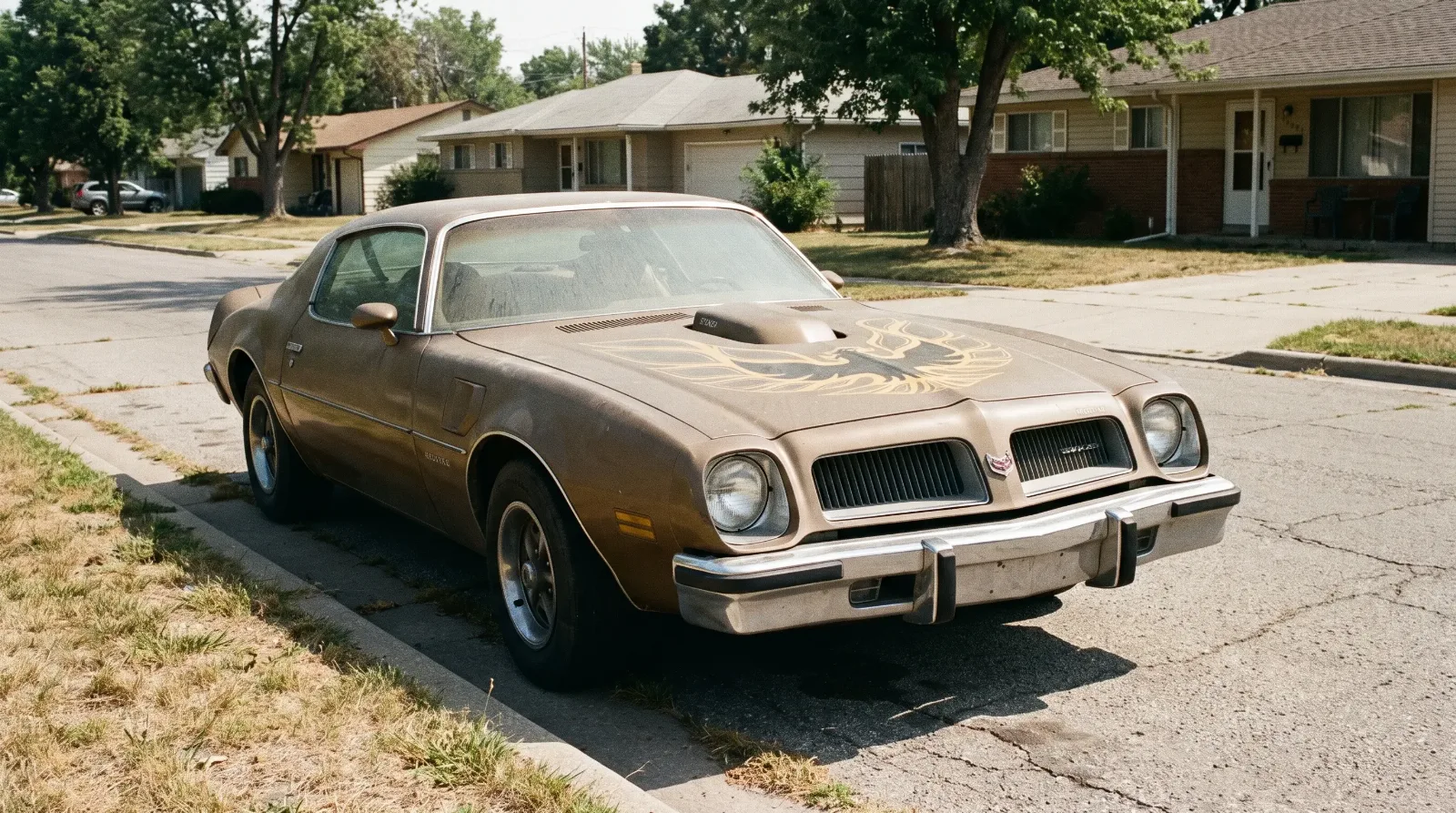
There was a second front to the war, and it opened in 1964 too. Ford's Mustang created the pony car, a small sporty coupe with a long hood and a low price, and it sold in numbers that stunned everyone. Chevrolet answered with the Camaro in 1967, Pontiac split off the Firebird, and Chrysler eventually countered with the Barracuda, the Challenger, and the Dodge cousins. Once you dropped the same big engines into these lighter bodies, the pony car and the muscle car blurred into the same fight. A Boss 302 Mustang or a Z/28 Camaro was every bit a muscle car, just built around handling a road course as much as a straight line.
The outsiders who crashed the party
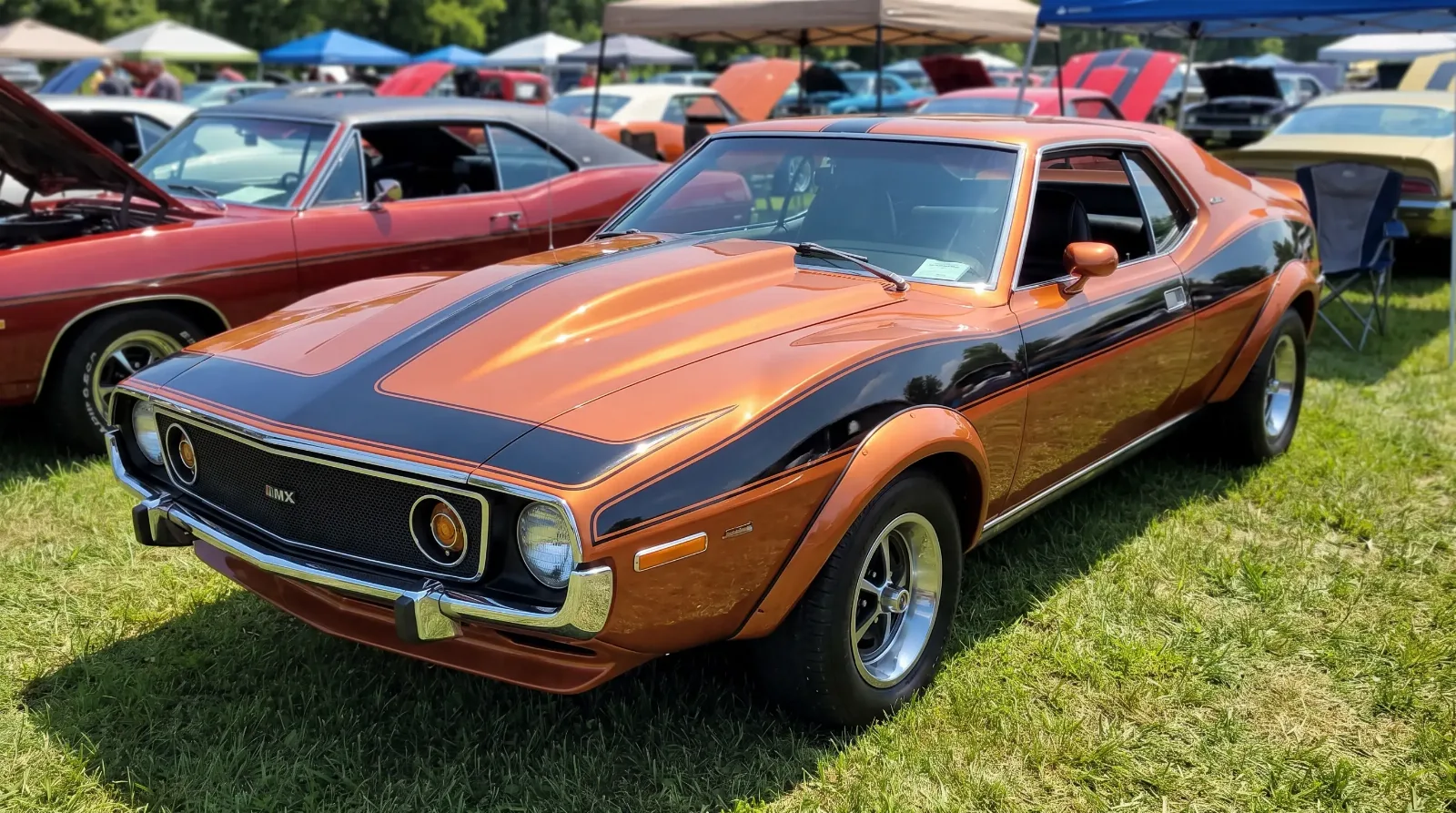
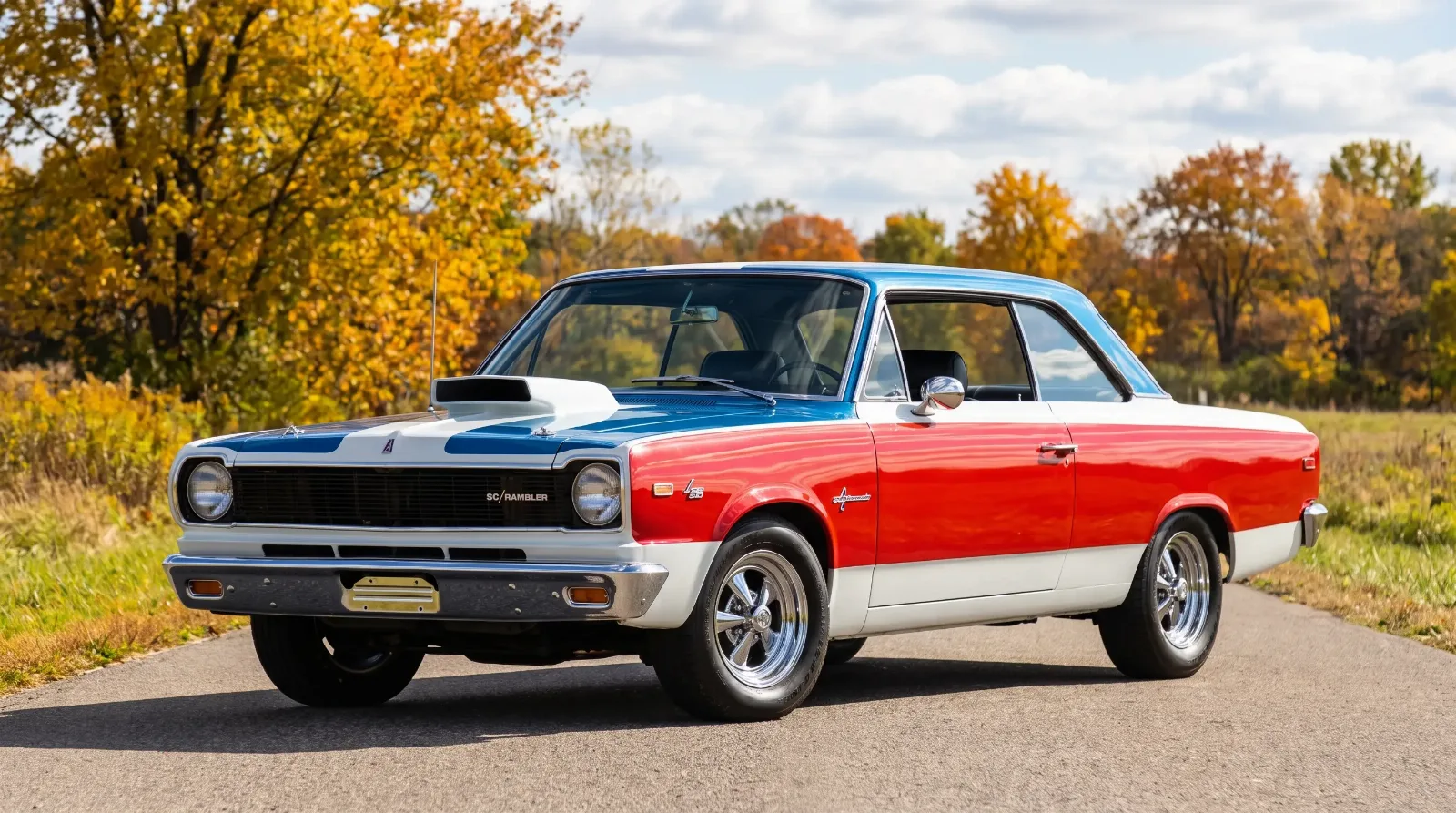
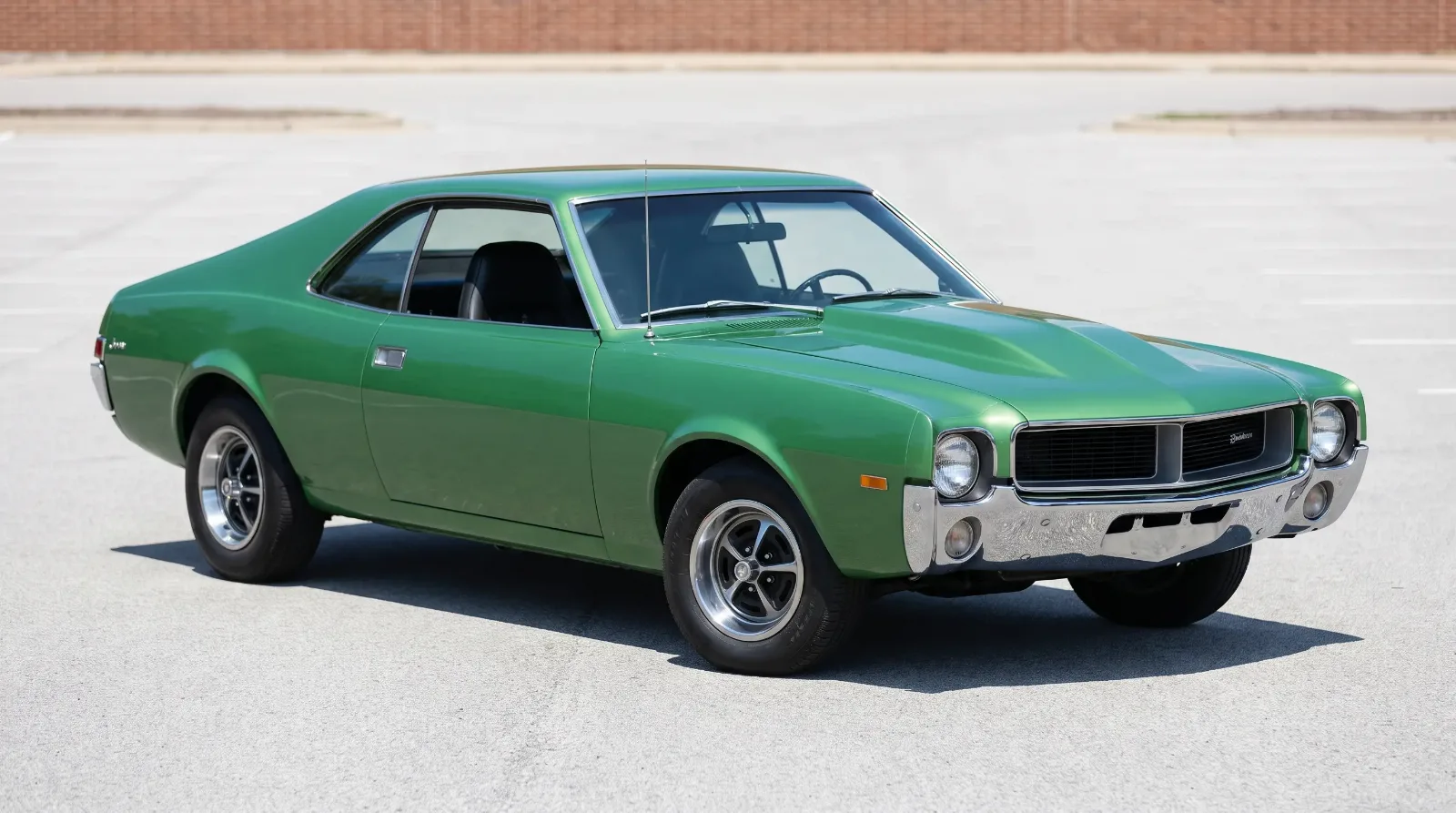
The big story usually leaves out the little company. American Motors was the smallest player in Detroit, the maker of sensible economy cars, and in the late 1960s it decided to build muscle anyway. The results had personality that the giants could not match. The 1969 SC/Rambler wore a red, white, and blue paint job so loud it looked like a mistake, and it ran deep into the fourteens straight off the lot. The AMX and Javelin gave AMC a genuine performance identity for a few glorious seasons.
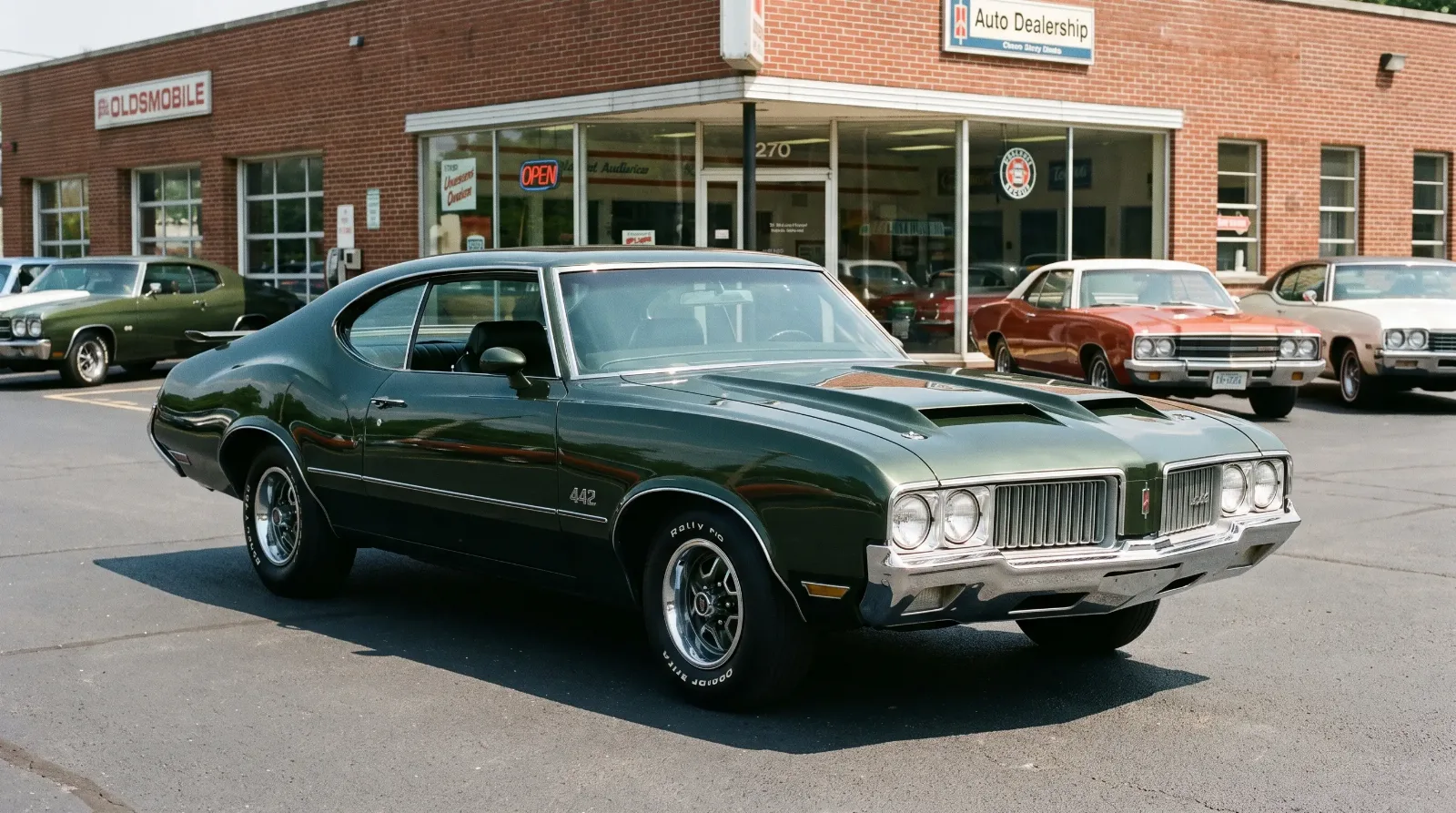
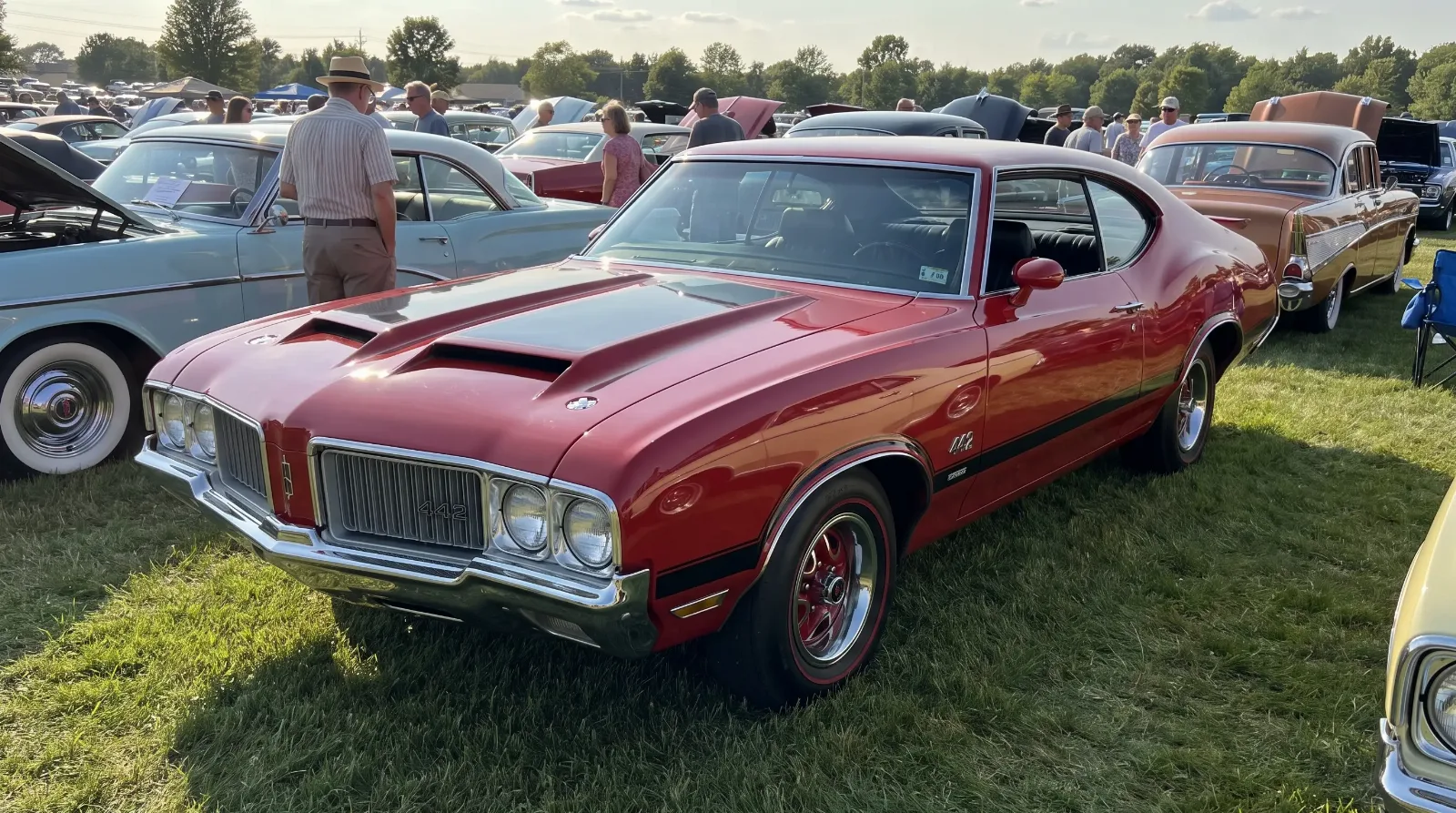
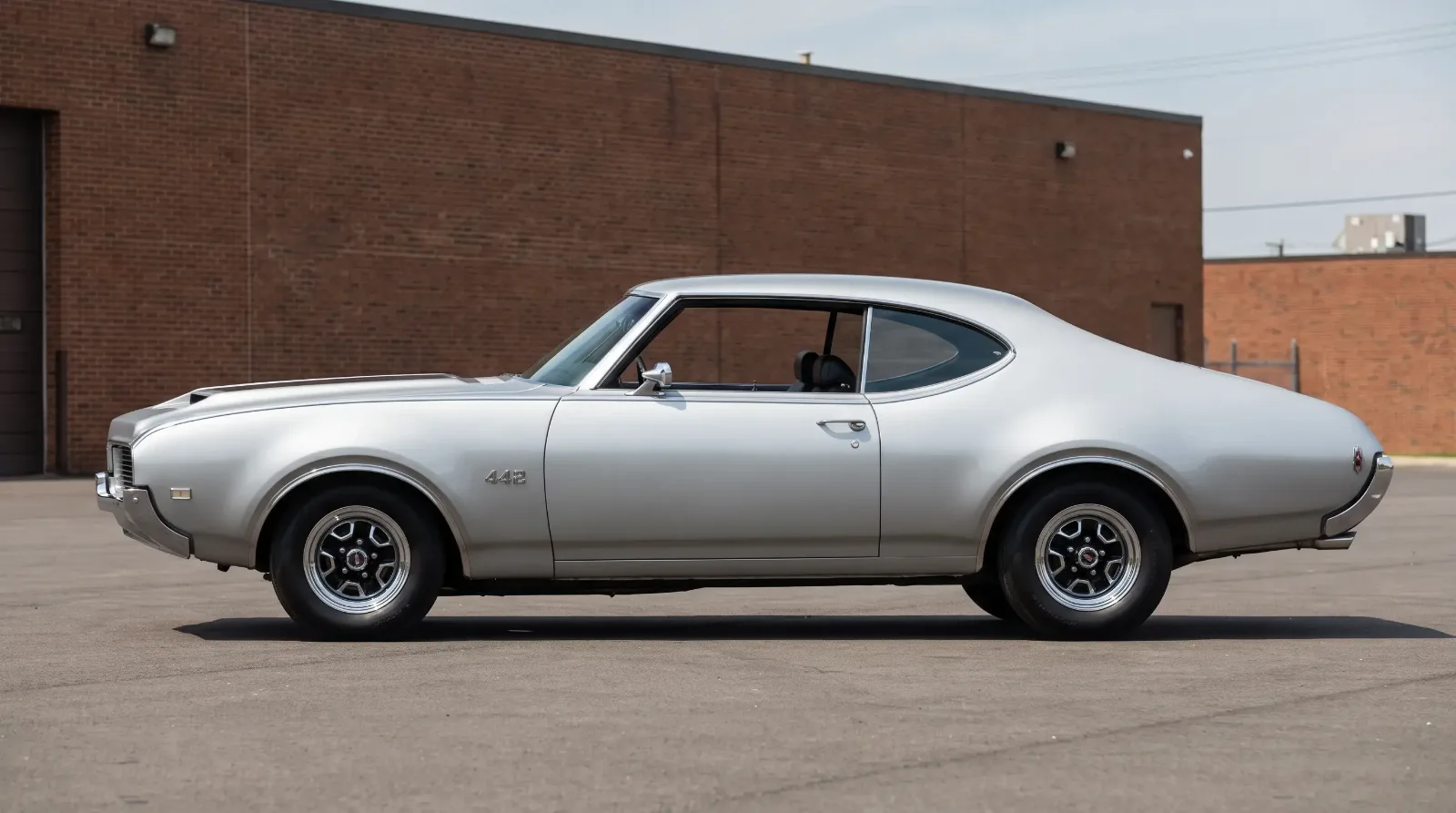
Buick and Oldsmobile, the so-called gentleman's brands, built some of the most underrated cars of the whole era. The Buick GSX with the Stage 1 455 made a modest horsepower claim and a monstrous torque figure, roughly 510 pound-feet, which meant it pulled like a freight train from just above idle. The Oldsmobile 442 and its W-30 package earned the same quiet respect. These were the cars that knew something the loud ones did not.
The peak years, 1969 to 1971
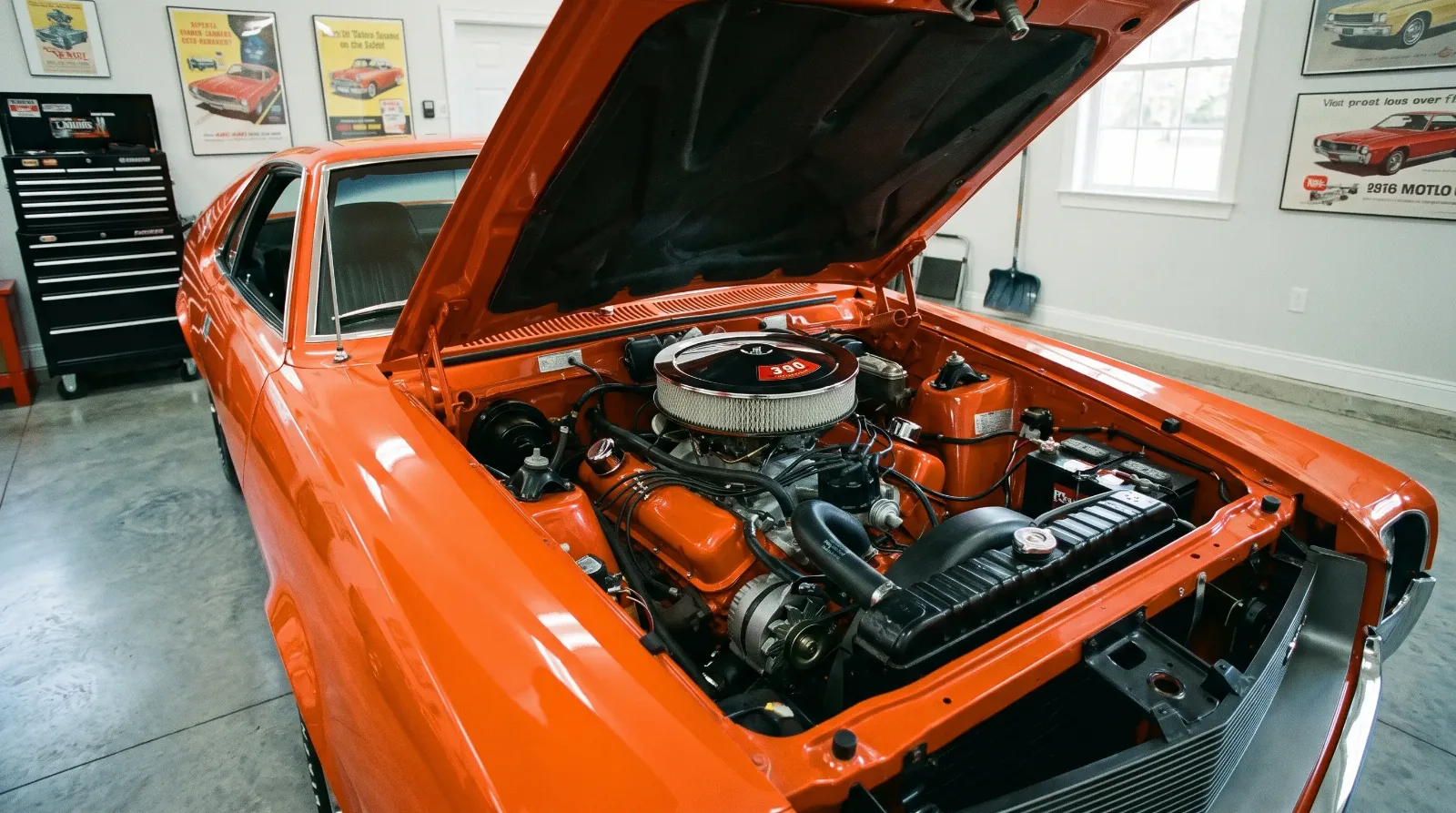
Everything crested right around 1970. General Motors finally dropped its own displacement limit for intermediate cars, and suddenly the 454 and the 455 were fair game. Chrysler had the Hemi and the 440 Six Pack. Ford had the Cobra Jet and the Boss cars. For two model years, roughly 1970 and 1971, you could buy factory horsepower that would not be matched again for a generation.
Then the numbers themselves changed. Starting in 1971 and 1972, the industry switched from optimistic gross horsepower ratings to more honest net figures measured with the engine's real accessories attached. A car that read 425 horsepower one year might read 300-something the next with barely a mechanical change. On paper the muscle car looked like it was collapsing. In truth the ground was shifting under it for reasons that had nothing to do with engineering.
What killed the muscle car
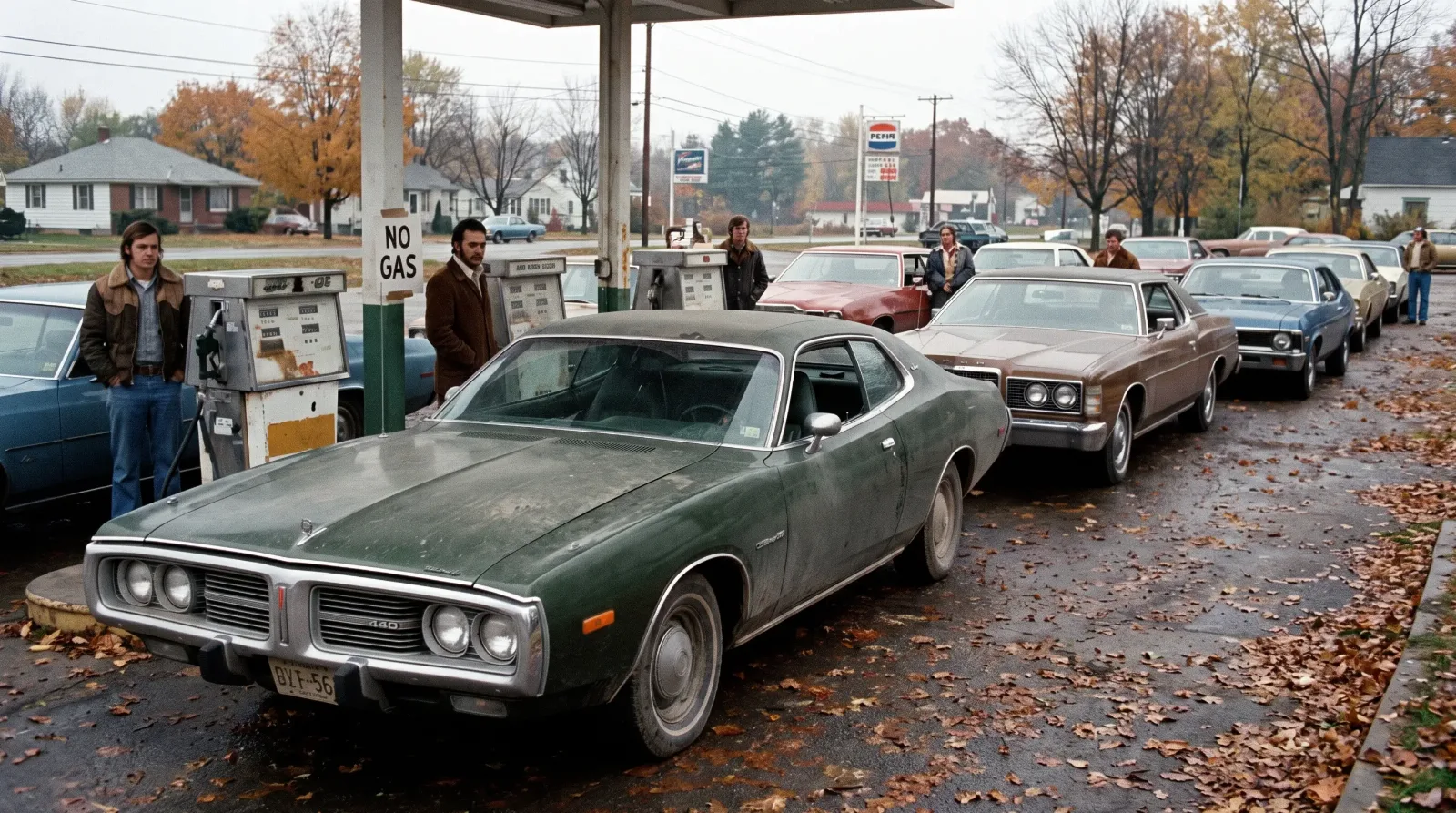
No single thing ended the era. It was squeezed from three sides at once. Insurance companies started loading heavy surcharges onto young men who wanted big-engine cars, which priced the core buyer right out of the showroom. Federal emissions and safety rules tightened every year, forcing lower compression and unleaded-ready engines that made less power. Then the 1973 oil embargo sent fuel prices climbing and gas lines snaking around the block, and a car that drank premium by the gallon suddenly looked less like freedom and more like a burden.
By 1974 the party was effectively over. The nameplates hung on, some for years, but the engines under them were shadows of what had come before. The cars got heavier, softer, and slower, and the culture moved on to other things.
Why the era still matters
Here is what the man at the Nashville cruise-in understood that a spec sheet never will. These cars mattered because they belonged to regular people during a specific slice of American time, and they carried a promise that anyone with a job and some nerve could taste real speed. That is why they still pull crowds, why grown adults get misty looking at a car they could not afford at sixteen, and why the values have climbed the way they have.
The good news is that the era left behind a deep and varied field of survivors, from six-figure documented rarities to honest driver-grade cars a working enthusiast can still enjoy. If the history has you itching to own a piece of it, you can browse muscle cars for sale and see what the market holds today. Ten model years produced a legend that has outlived nearly everyone who built it, and it is not done yet.
"The muscle car was never really about the horsepower number on the fender. It was about a factory selling ordinary people a feeling, once, at a price they could just barely reach, and a whole generation never forgot how it felt."
Patrick Walsh
Related Reading
Article
The Classic American Muscle Car Story
Article
Muscle Car Engines & the Horsepower Wars
Article
Rarity, Collectibility & Muscle Car Values
Article
Why 1964 Is the Birth Year of the Muscle Car
Article
The Rise and Fall of the Big-Block Era
Article
How Insurance Surcharges Strangled the Muscle Car
Article
The 1973 Oil Crisis and the End of Cheap Horsepower
Article
Why Horsepower Numbers Collapsed in 1972
Article
Emissions, Unleaded Fuel and the Muscle Car
Article
The Malaise Era: What Came After Muscle
Article
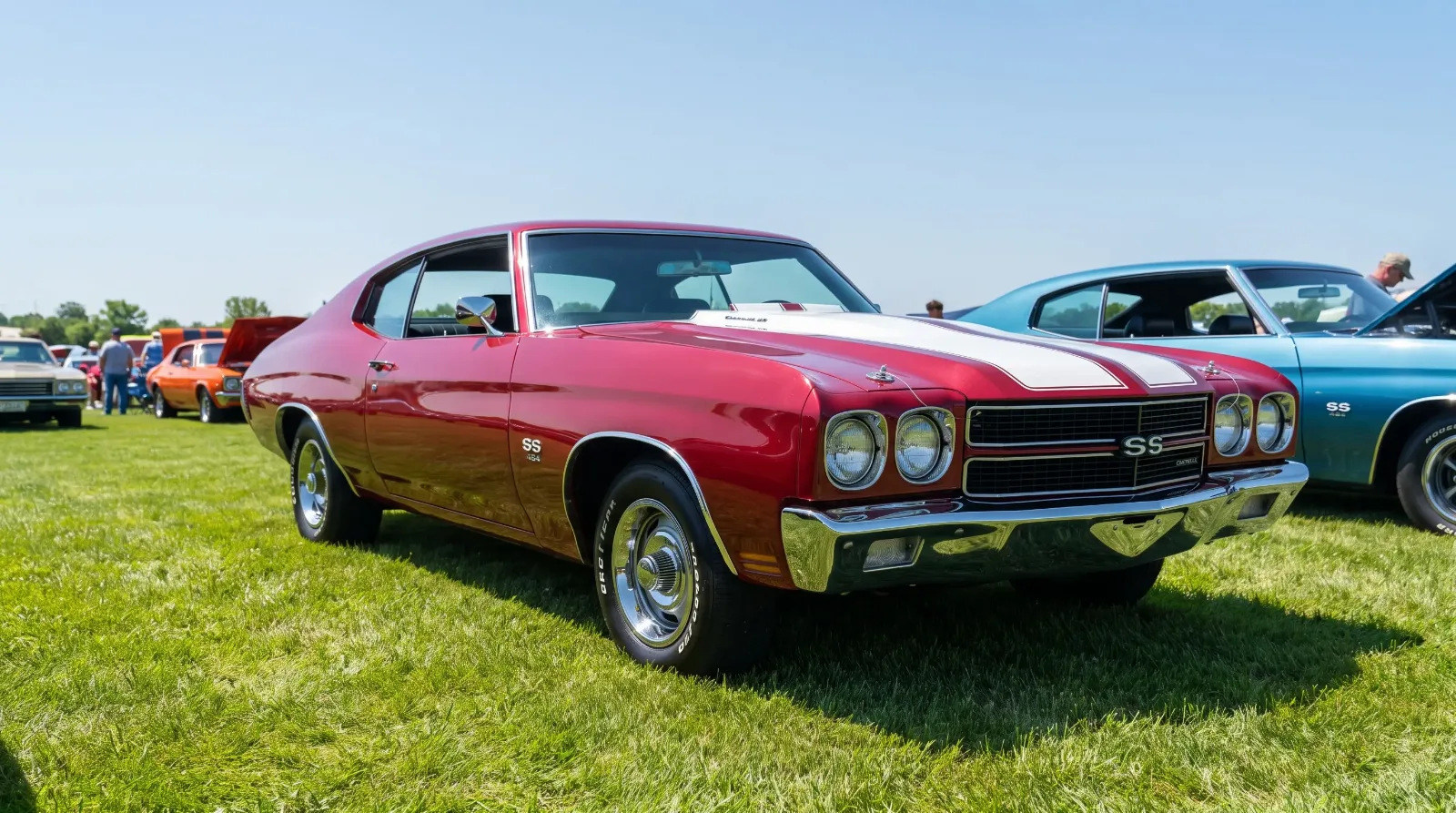
Muscle Cars of the 1960s vs the 1970s
Article
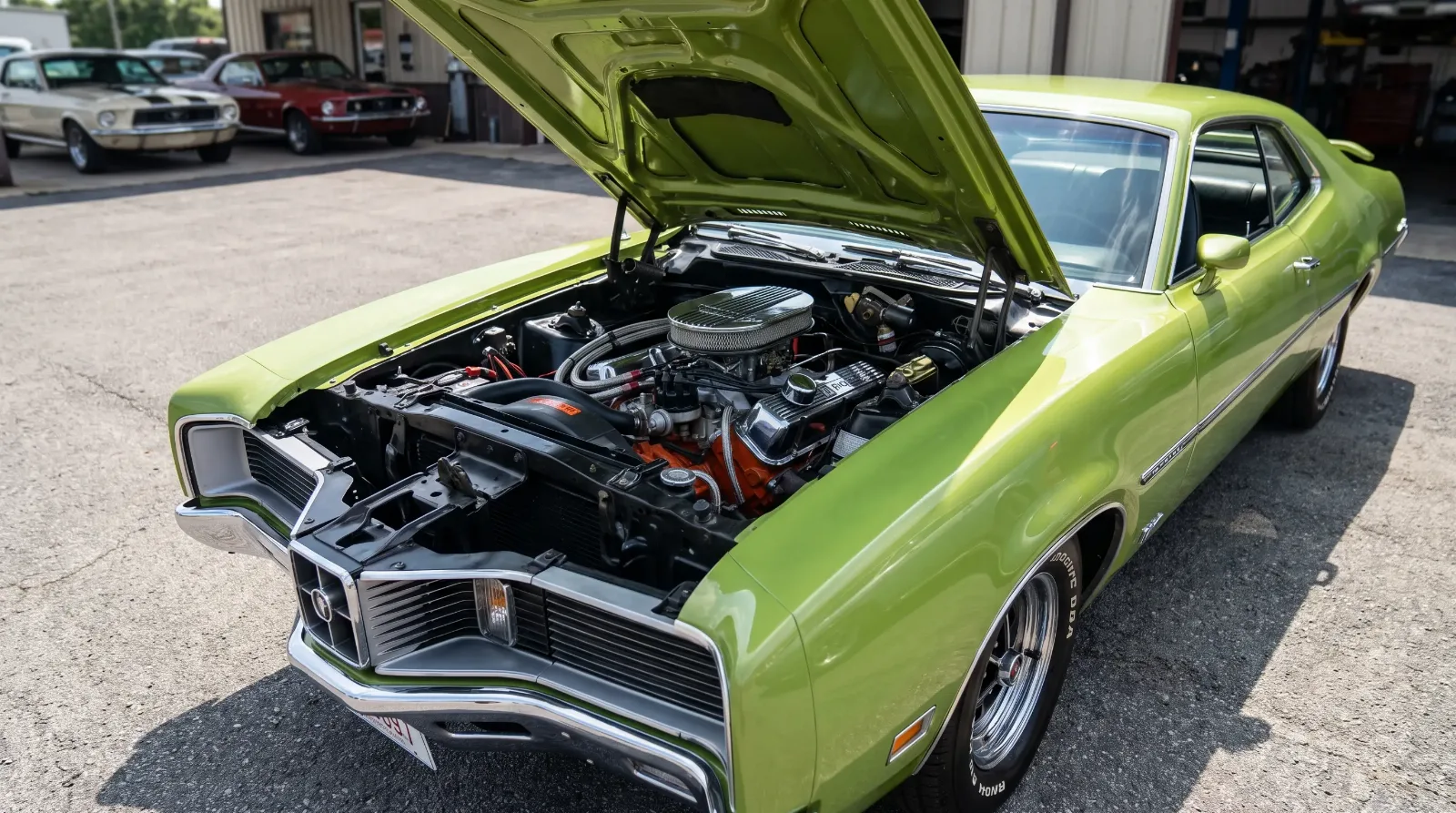
The Horsepower Wars: How Detroit Escalated
Article
Pony Cars vs Muscle Cars: The Real Distinction
Article
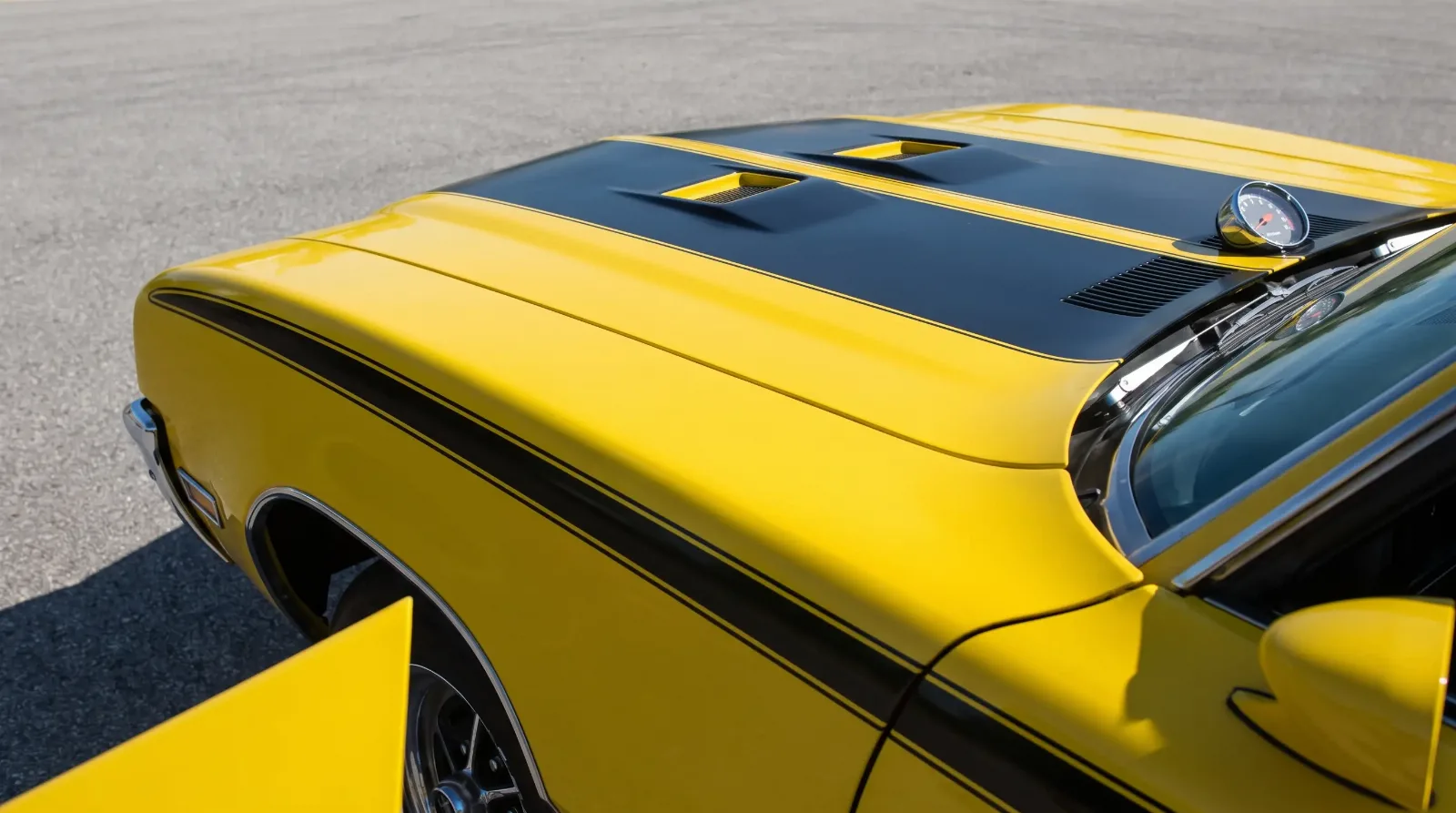
Why the Mid-Size A-Body Defined Muscle
Article
Forgotten Muscle Cars That Deserve More Recognition
Article
The Most Important Years in Muscle Car History
Article
How the Muscle Car Reshaped the American Auto Industry
Article
The First Muscle Car Debate: Rocket 88 to GTO
Article
The Golden Era 1968-1970: Why It Was the Peak
Article
Safety Regulations and the 5-mph Bumper Era
Article
What Counts as a 'True' Muscle Car?
Article
Intermediate vs Full-Size: The Muscle Car Divide
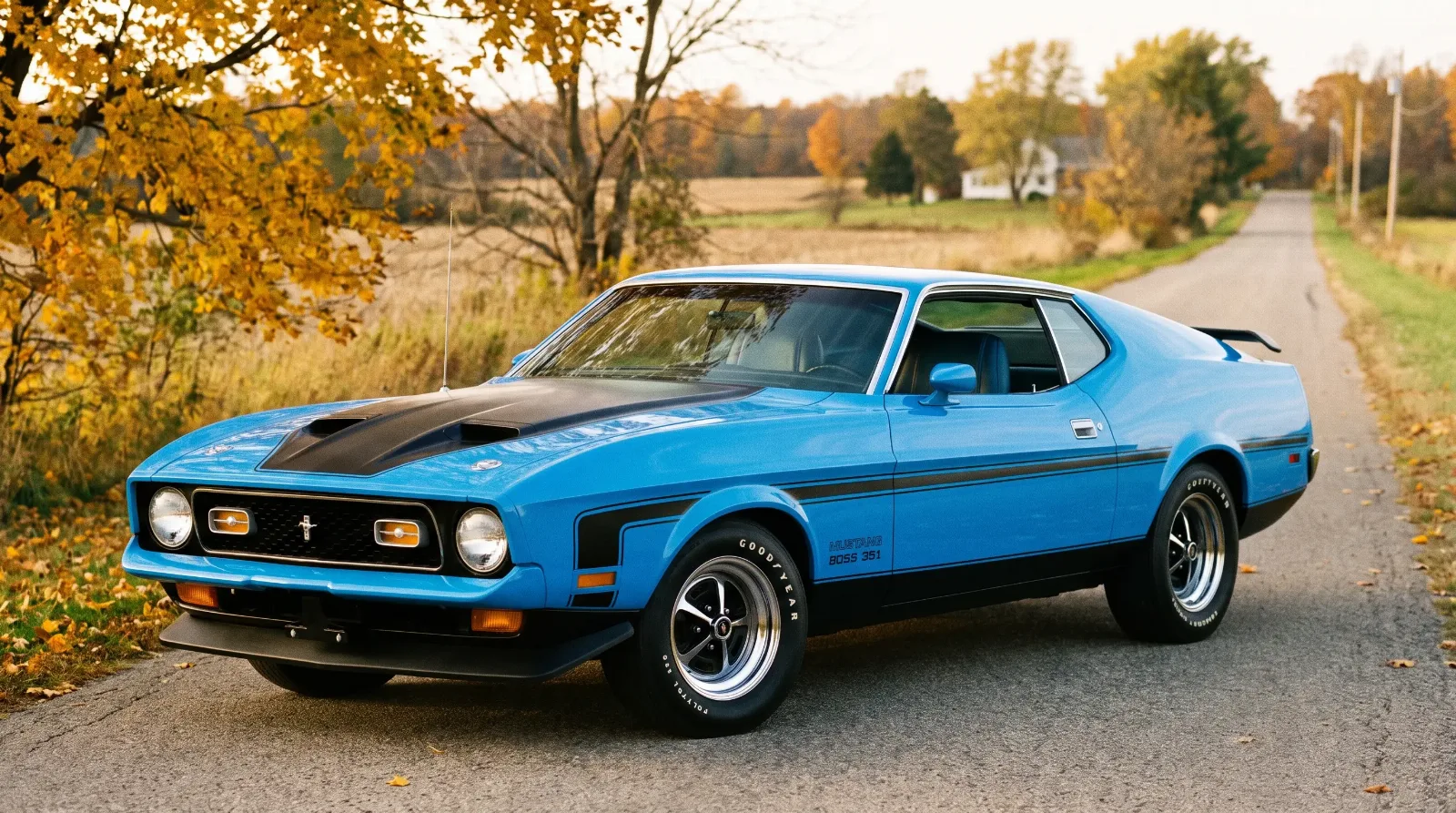
Article
The Last Real Muscle Cars (1971-1974)
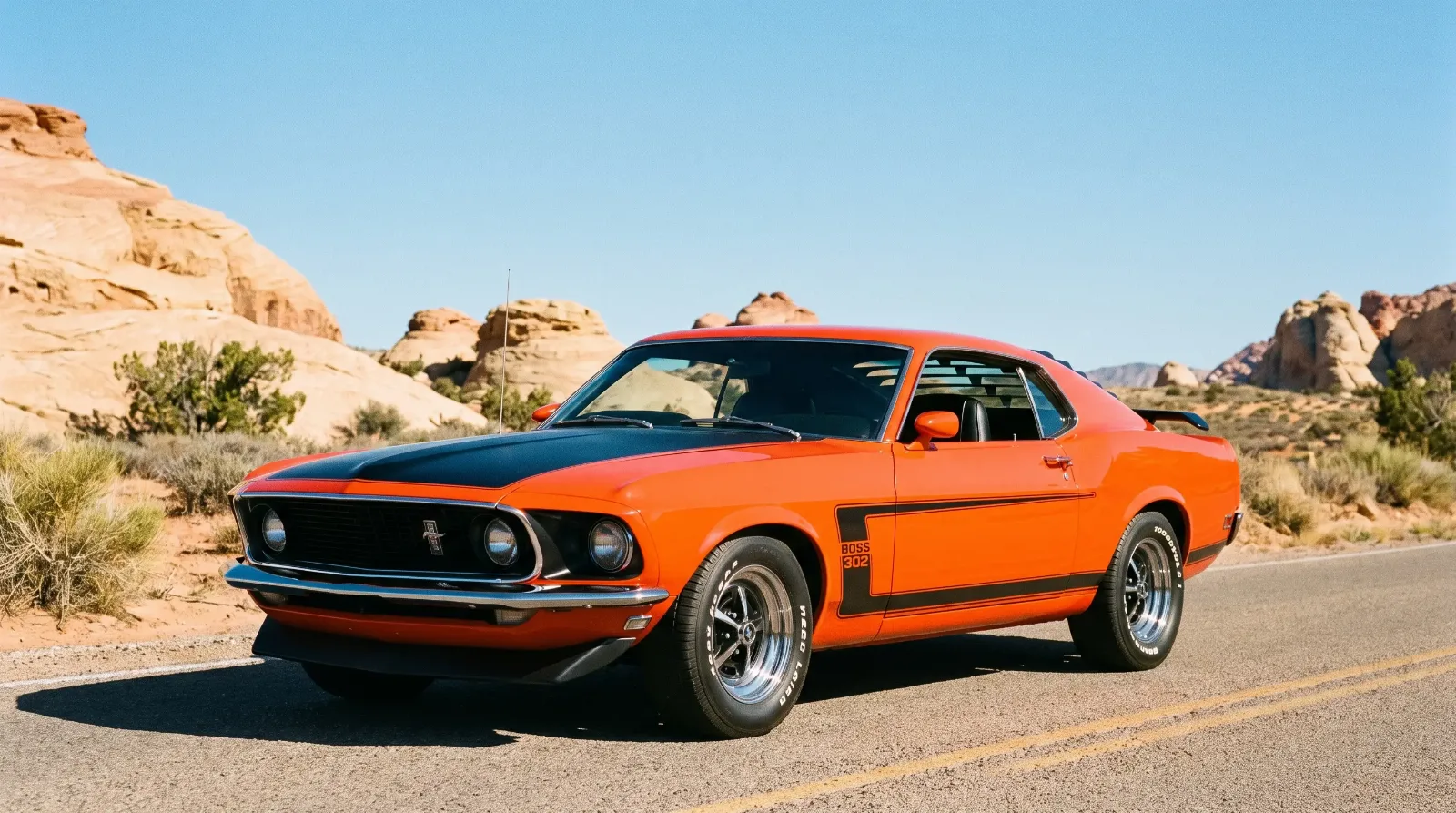
Article
How American Muscle Influenced Global Performance Cars
Have a
Classic Car
for Sale?
Reach thousands of serious classic car collectors across the US.
Sell It Here →
Are You a Classic Car Dealer?
List your full inventory and connect with targeted classic car buyers.
Join as a Dealer →

About the author
Patrick Walsh
Automotive journalist covering classic car shows, events, and the enthusiast community across North America.
More in History & Heritage
Comments
Be the first to comment on this article.