
People argue about which car started the muscle era, and that argument is worth having. But if you want to understand what the muscle car actually was as a machine, you look at the platform underneath it. For most of the golden years, that platform was General Motors' A-body: the mid-size intermediate that carried the GTO, the Chevelle SS, the 442, and the Buick GS. Get the size right and everything else follows. The A-body got the size right.
History & Heritage
6 min read
Why the Mid-Size A-Body Defined Muscle
The GM A-body carried the GTO, Chevelle SS, 442 and Buick GS. Here is why the mid-size intermediate platform became the definition of muscle.
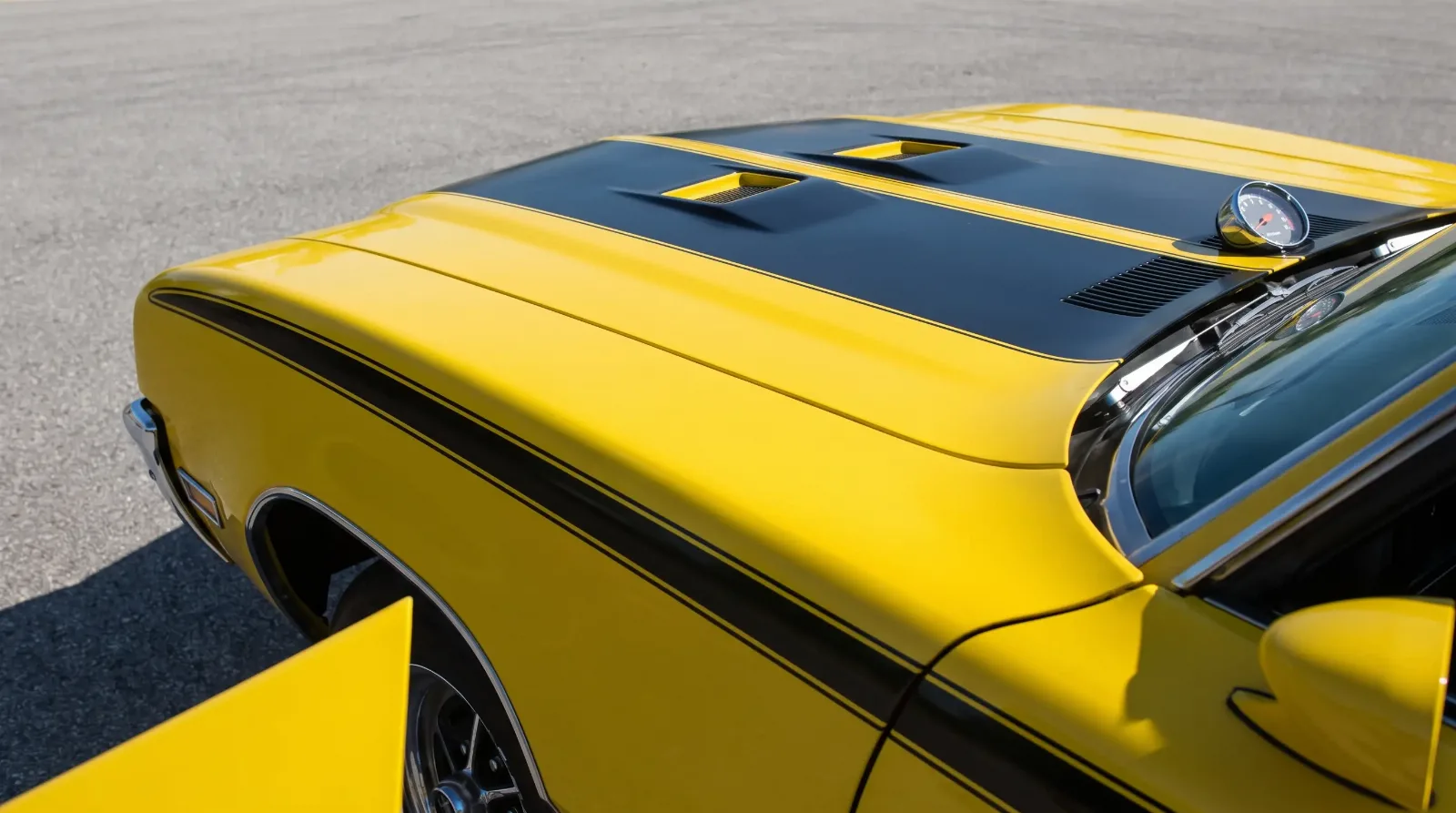
I have pulled apart enough of these to tell you the platform is the reason they drove the way they did. A full-size car with the same engine is a boat. A compact with that engine is a handful nobody could sell to a nervous father. The intermediate sat in the sweet spot, and Detroit knew it. For a closer look at muscle car history, the through line is almost always the body under the sheet metal, not the badge on the trunk.
What the A-body actually was
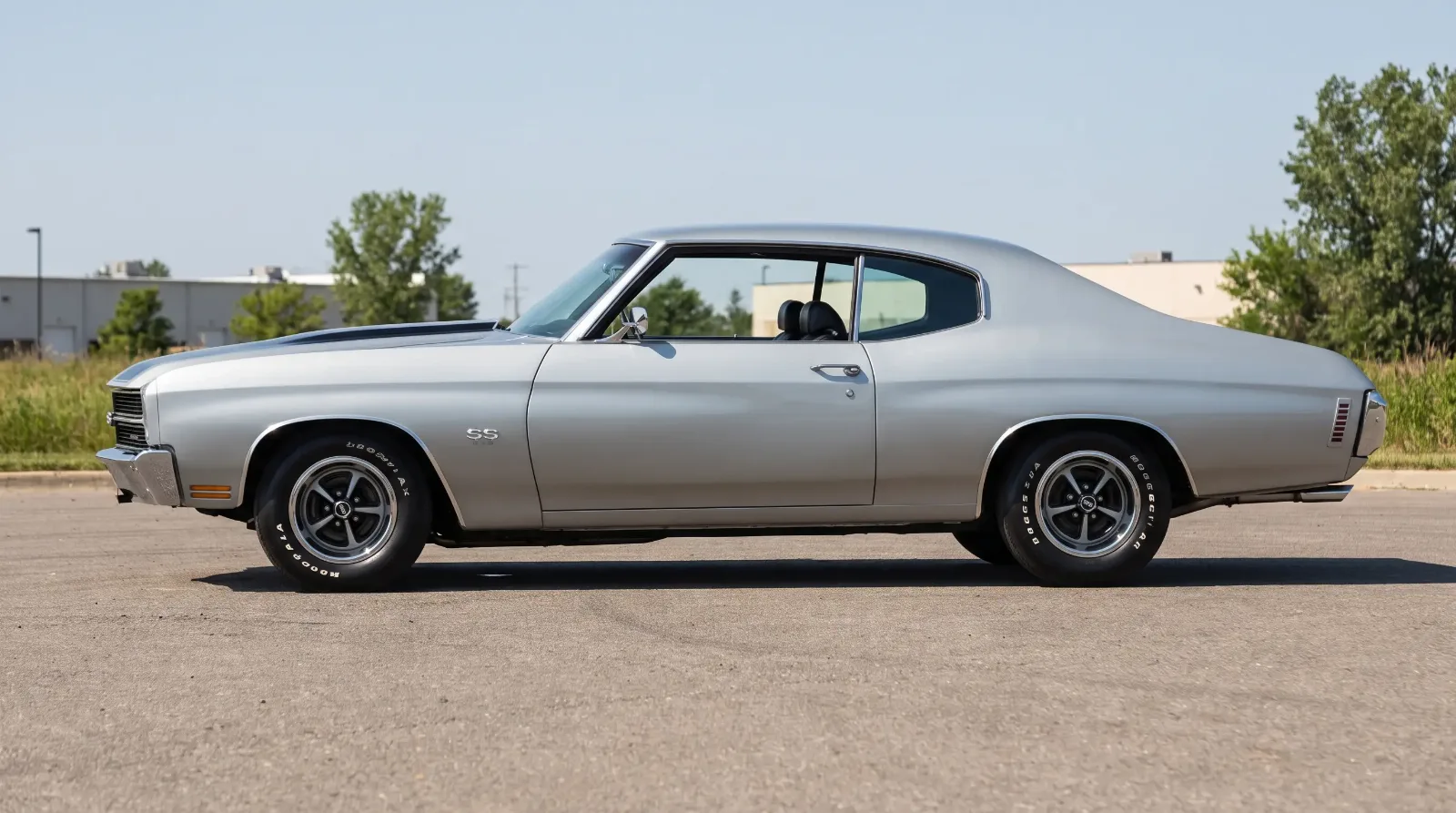
The A-body was GM's intermediate chassis, introduced in its muscle-relevant form for 1964. It underpinned five divisions worth of cars: the Chevrolet Chevelle, the Pontiac Tempest and LeMans, the Oldsmobile F-85 and Cutlass, and the Buick Special and Skylark. Same basic structure, different front clips, different interiors, different engines. That is the part people miss. One platform, badge-engineered across the whole corporation.
The early cars from 1964 through 1967 rode on a 115-inch wheelbase. When GM redesigned the A-body for 1968, the two-door coupes dropped to a 112-inch wheelbase while the four-doors stretched to 116. Curb weights ran roughly 3,400 to 3,800 pounds depending on the engine and trim. Compare that to a full-size Impala or Catalina pushing past 4,000 pounds and you start to see the math.
Why the size was the whole point
The muscle car formula is simple to say and hard to get right: take a big engine out of the full-size line and bolt it into the lighter mid-size body. The A-body was the ideal recipient. It had the engine bay to swallow a big-block, the frame to take the abuse, and a curb weight low enough that the power actually meant something at the stoplight.
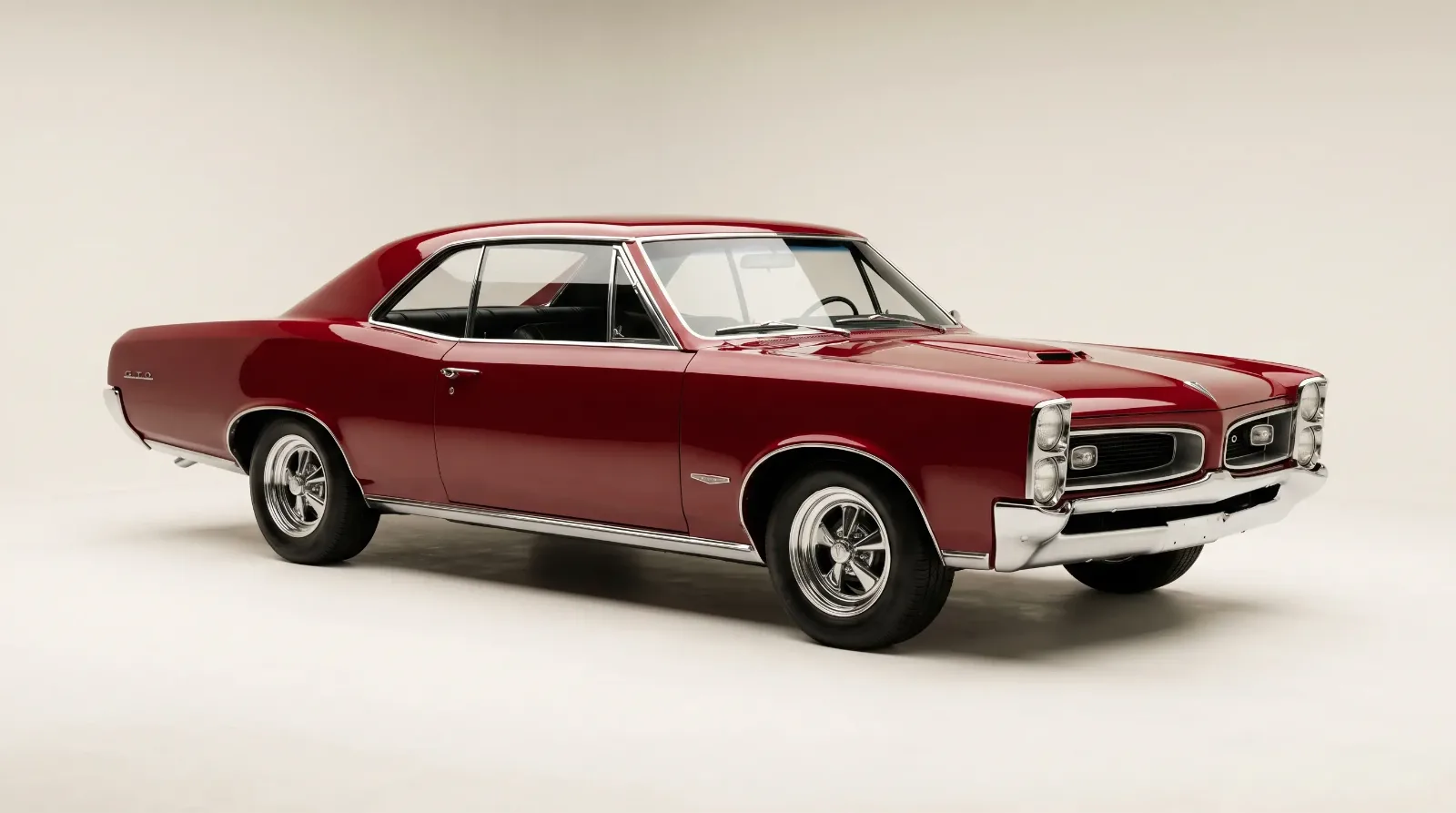
Pontiac proved it first. The 1964 GTO put the 389 cubic-inch V8 into the Tempest-based LeMans, rated at 325 horsepower with the four-barrel and 348 with Tri-Power. That was full-size Pontiac displacement in an intermediate that weighed several hundred pounds less. Every other division watched that sell and copied the idea inside two model years.
The A-body arms race across GM
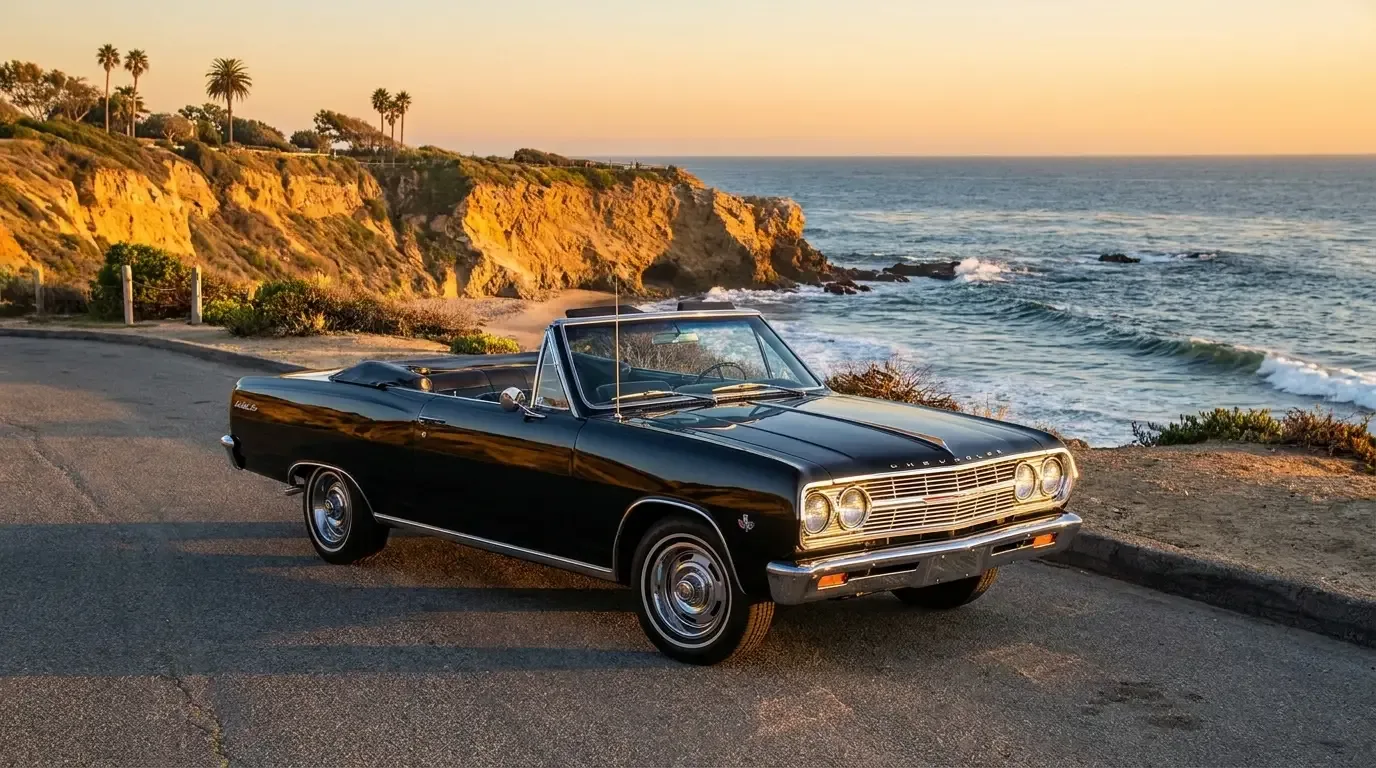
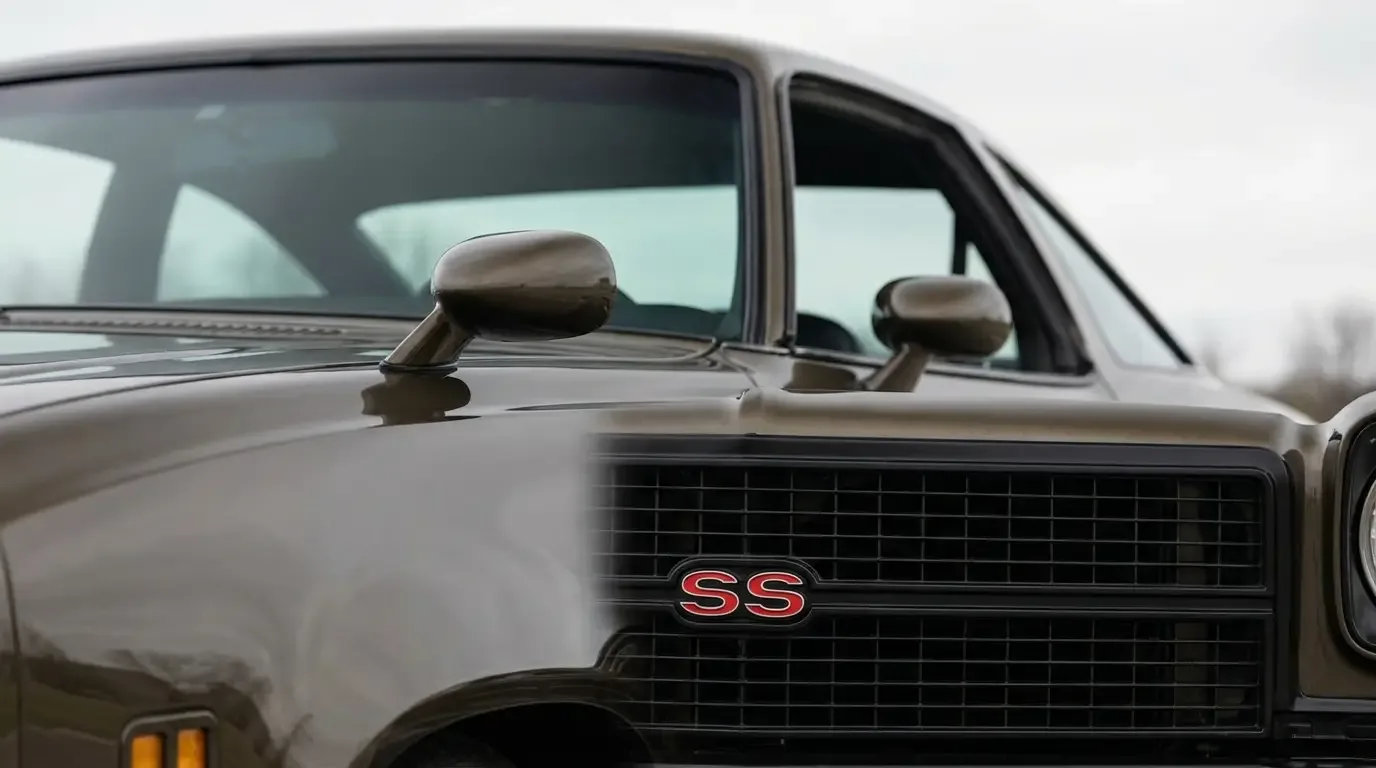
Once the formula worked, the divisions escalated. Chevrolet answered with the Chevelle SS396 in 1966, offering the 396 in 325, 360, and 375-horsepower tune depending on the year and option code. By 1970 the SS454 arrived, and the LS6 version carried a 450-horsepower rating that stood at the top of the era's power charts.
Oldsmobile built the 442, which by 1970 ran the 455 with the W-30 package rated at 370 horsepower. Buick ran the GS and then the GSX, the quiet torque monster of the group. Pontiac kept pushing the GTO, adding the 400 and eventually the 455. Same A-body underneath all of it. The engineering effort went into engines, axles, and suspension, because the basic body was already proven.
| GM division | A-body muscle model | Top big-block (1970) | Rated hp |
|---|---|---|---|
| Chevrolet | Chevelle SS454 | 454 LS6 | 450 |
| Pontiac | GTO | 455 (later 455 HO) | ~360 |
| Oldsmobile | 442 W-30 | 455 | 370 |
| Buick | GS 455 Stage 1 | 455 | 360 |
These figures are the factory advertised numbers and several of them were understated for insurance reasons, so treat them as period claims rather than dyno truth. If you want to see how the four A-body cars stacked up against each other head to head, the the a body muscle war which car actually won story digs into exactly that.
The platform also dictated how these cars drove, and not always for the better. The A-body used a perimeter frame with coil springs, which gave a decent ride but let the nose dive under a heavy big-block. The factory answers were stiffer springs, thicker sway bars, and beefed-up rear axles on the hot packages. A base Chevelle and an SS454 shared a body shell, but the suspension and driveline were built up specifically to cope with the weight and torque of the big engine sitting over the front wheels.
Chrysler and Ford answered with their own intermediates
GM did not own the mid-size idea for long. Chrysler had the B-body, which was technically a different platform but chased the same logic: a mid-size two-door with a big engine. That gave us the Dodge Coronet R/T and Charger, the Plymouth GTX, and the Road Runner. Drop the 440 or the 426 Hemi into a B-body and you had the Mopar version of the same argument.
"Everybody remembers the engine and forgets the car it came in. The engine is the loud part. But the reason these things worked is that somebody sized the body right, and once you understand that, the whole era makes sense."
Mike Sullivan
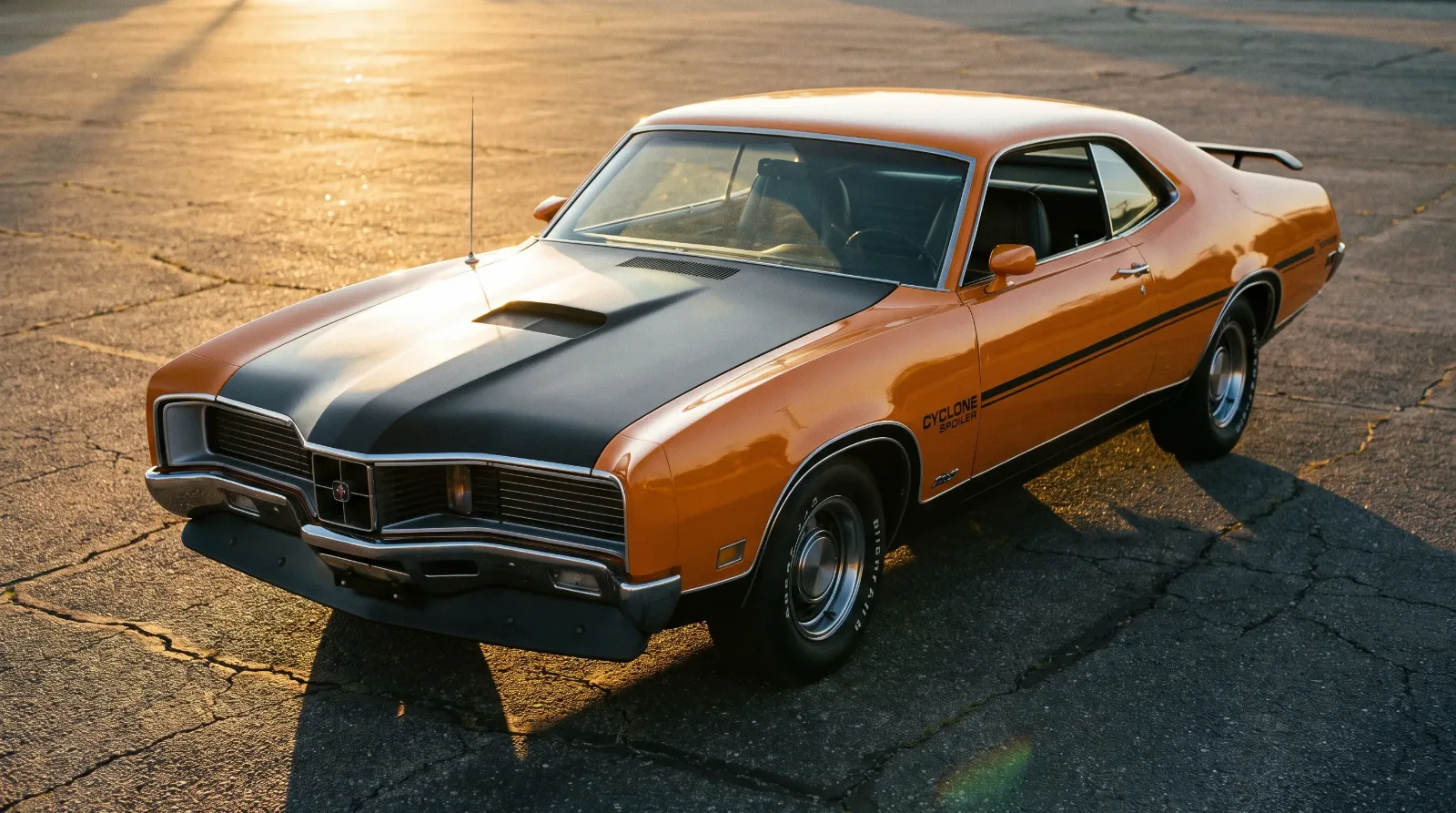
Ford's intermediate was the Fairlane and then the Torino, home to the 428 Cobra Jet and the aero homologation cars. Even AMC eventually joined with the mid-size Rebel and its performance offshoots. Different names, different corporate accounting, but the physics did not change. The intermediate body was the right tool, and every manufacturer arrived at it.
Why the platform still defines the category
When people picture a muscle car, they picture an A-body silhouette or its Mopar cousin. Two doors, a long hood over a big V8, a body that is substantial but not enormous. That image is not an accident. It is the direct result of the intermediate platform being the correct answer to the problem Detroit was trying to solve.
The full-size performance cars faded because they were too heavy. The compacts and pony cars carved out their own lane. The mid-size stayed the definition, and plenty of the cars that never got their due were built on exactly this recipe, which you can read the full story on if you want the overlooked names.
The A-body's run as a muscle platform ended when GM redesigned it into the heavier Colonnade body for 1973, right as insurance and emissions were killing the whole segment anyway. By then the damage to the category was done, but the shape had already been set in stone. Every restoration I have worked on from those years tells the same story under the paint: a sensible intermediate body that somebody turned into a weapon by choosing the right engine and backing it with the right hardware. That is the whole trick, and the A-body is where it was perfected.
The A-body did not just carry the muscle car. It set the shape of what a muscle car is, and nothing since has moved that definition.
Related Reading
Have a
Classic Car
for Sale?
Reach thousands of serious classic car collectors across the US.
Sell It Here →
Are You a Classic Car Dealer?
List your full inventory and connect with targeted classic car buyers.
Join as a Dealer →

About the author
Mike Sullivan
Detroit-area muscle car enthusiast and restoration specialist with three decades of hands-on experience working on American iron.
More in History & Heritage
Comments
Be the first to comment on this article.