
A door hinge is not usually where a car earns its place in design history. The 1961 Lincoln Continental is the exception. By hanging its rear doors from the back rather than the front, Lincoln gave a luxury sedan a single feature that instantly separated it from everything Cadillac was building, and that feature has outlived the car, the era, and most of the arguments about which marque was better. The rear-hinged door, known then and now by the grim nickname suicide door, became the Continental's signature and one of the most recognizable design decisions in American automotive history.
History & Heritage
6 min read
Suicide Doors vs Conventional: The Continental's Design Icon Status
How the 1961 Lincoln Continental's suicide doors became a design icon while Cadillac kept conventional doors, and why it still matters to collectors.
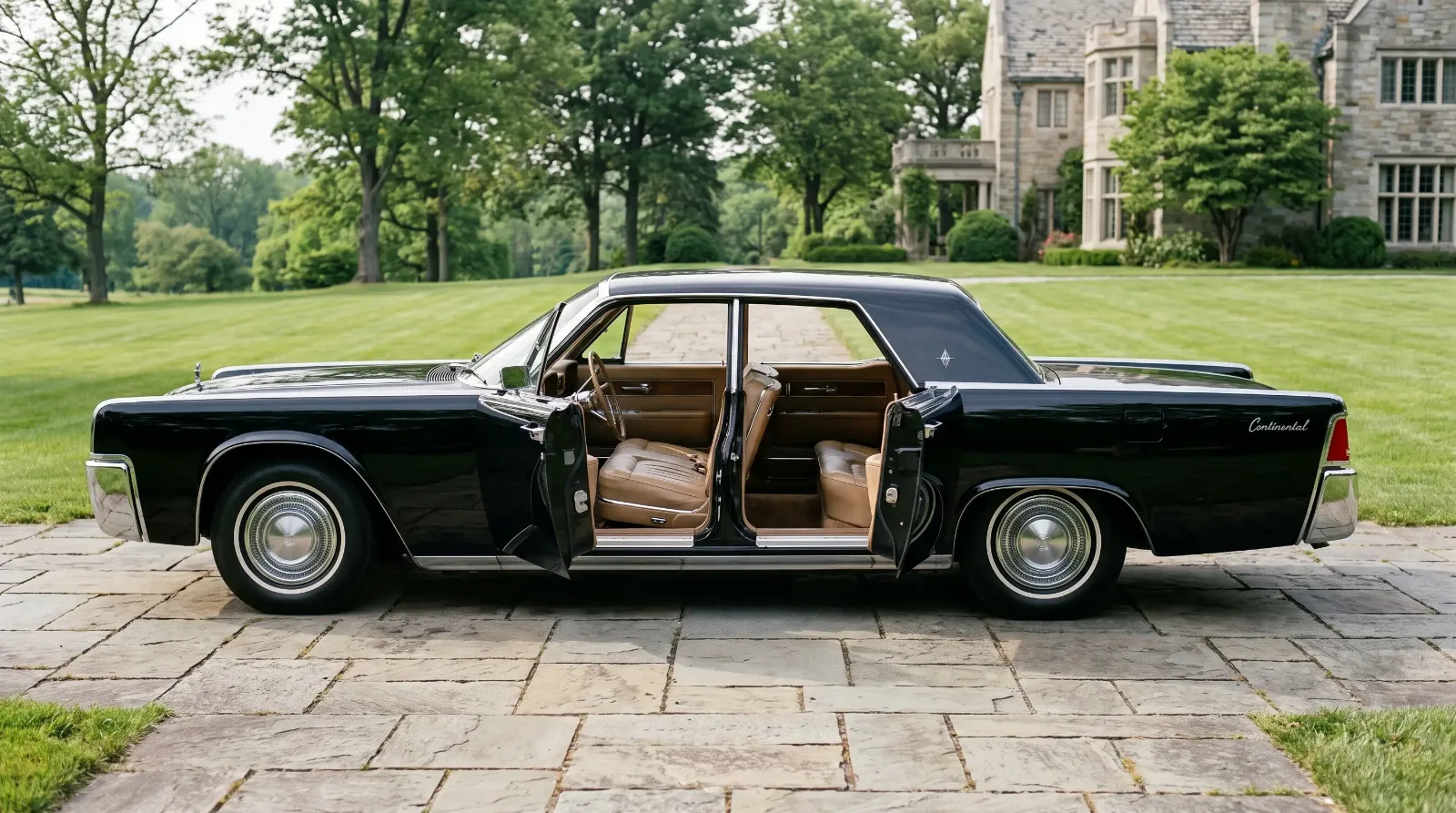
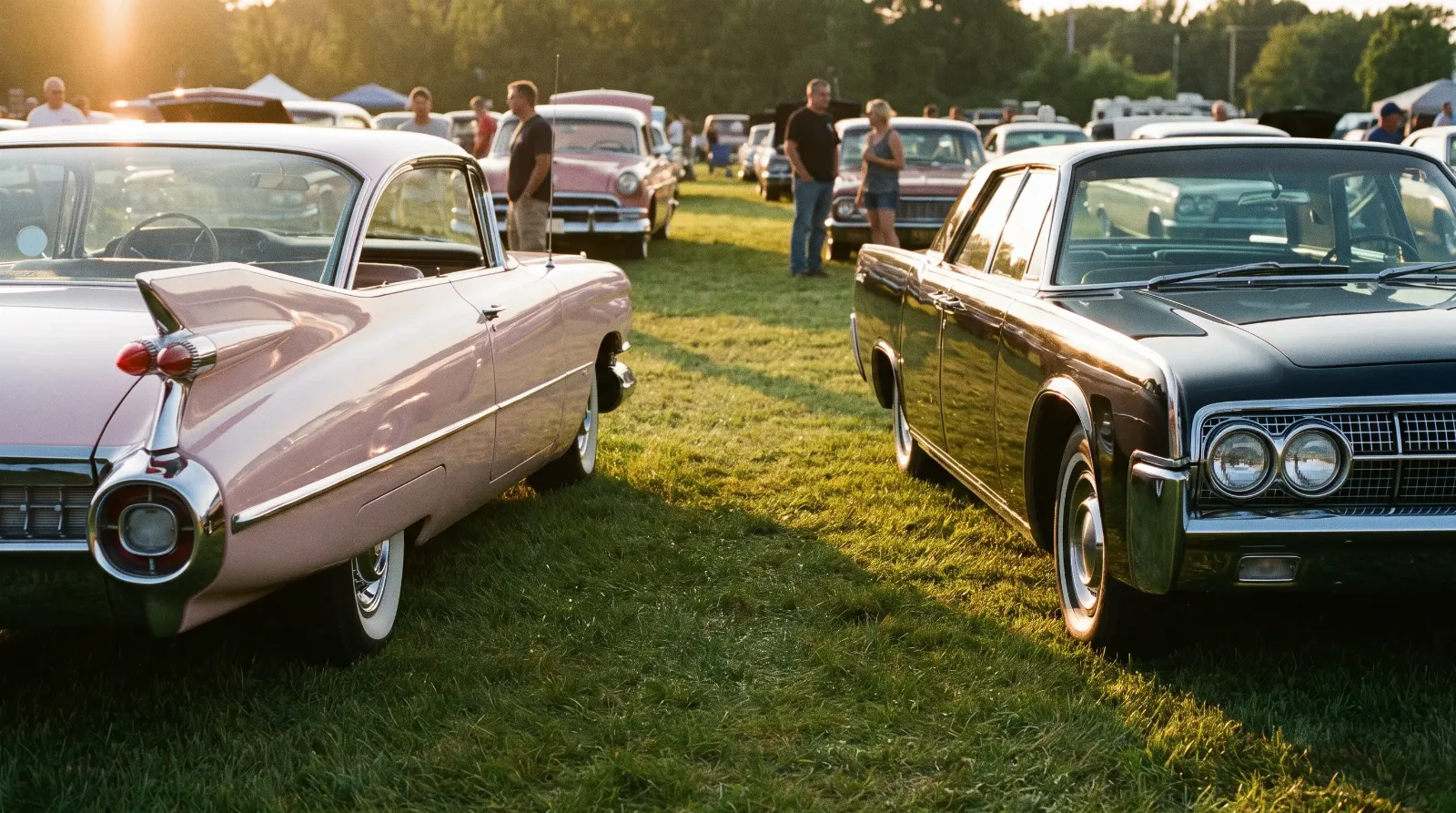
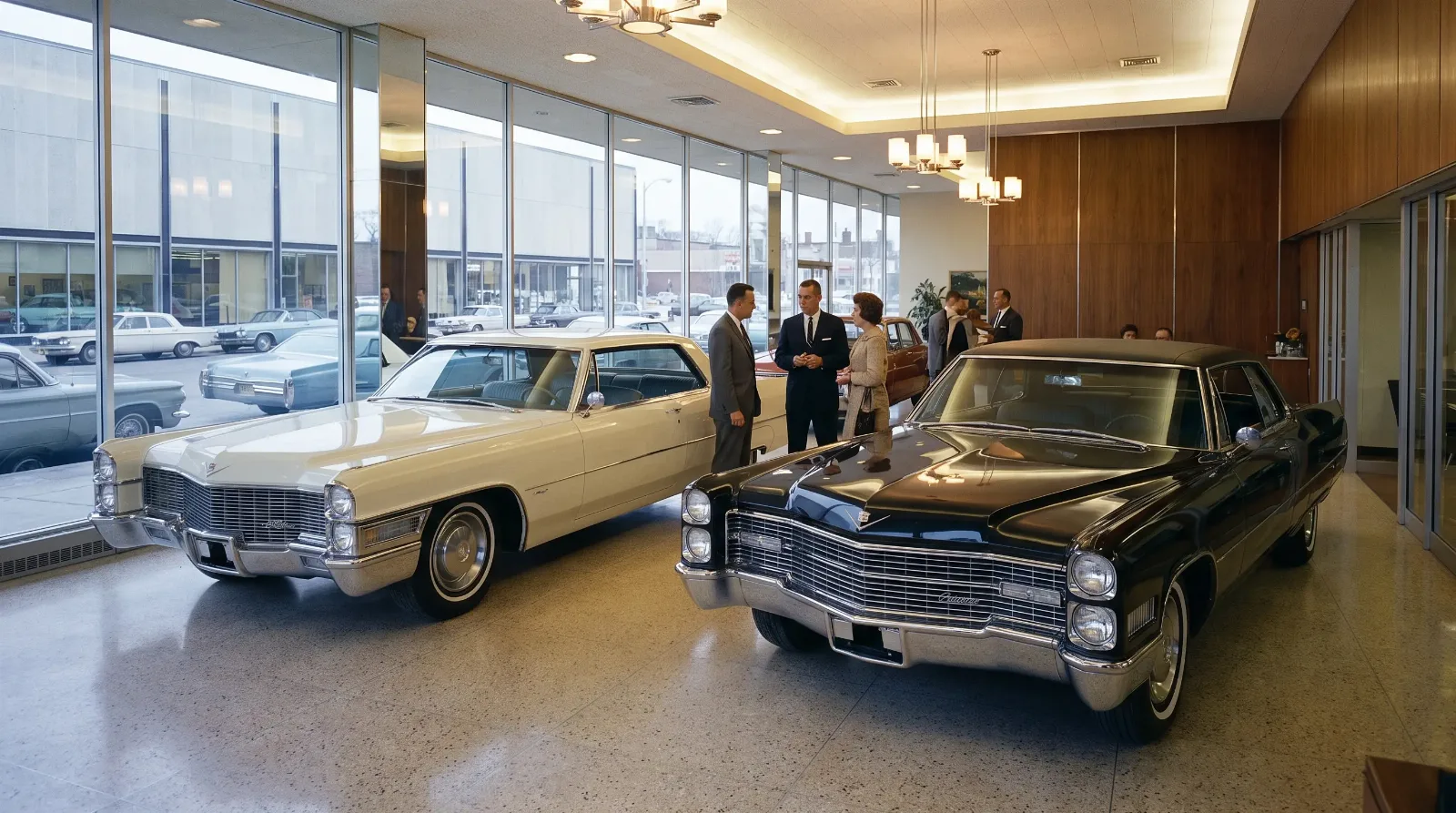
The choice sat inside a much larger difference in philosophy that ran through the Cadillac vs Lincoln luxury war. Cadillac in this period was still trading on presence, chrome, and the memory of its finned excess. Lincoln, starting with the 1961 car, went the other way entirely, toward restraint, clean surfaces, and a formal dignity that the door treatment quietly reinforced. To understand why the hinge mattered, you have to understand what the whole car was arguing.
What the 1961 Continental was arguing against
The Continental that arrived for 1961 was a deliberate rejection of the direction American luxury had taken in the late 1950s. The industry had spent the decade piling on tailfins, chrome, and length, and the results had grown ungainly. Lincoln's own late-1950s cars were among the largest and most heavily styled of all. The 1961 car reversed course. It was cleaner, more compact than its immediate predecessors, and built around straight lines and slab sides rather than sculpted fins.
The four-door body was the heart of it, and the rear-hinged doors were central to the composition. With no B-pillar interruption to fight and both doors opening from a shared center, the car presented a clean, symmetrical flank that read as a single considered gesture. The design was influential enough to earn formal recognition from the industrial design community in its debut year, a bronze medal from the Industrial Design Institute, a rare thing for a production car. Lincoln had not just built a handsome sedan. It had made a statement about taste, and the doors were the punctuation.
The doors themselves, and the nickname
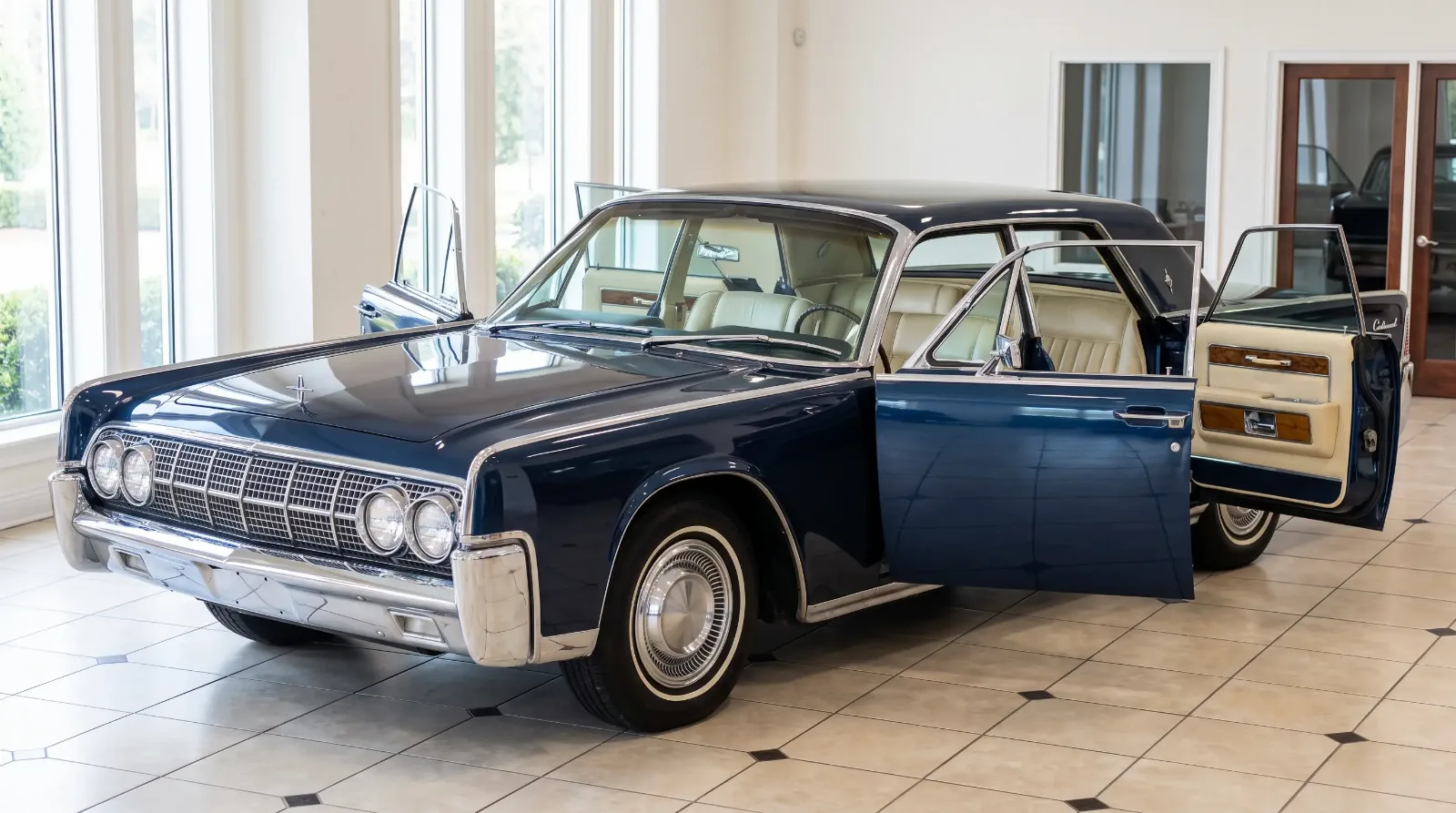
The term suicide door predates the Continental by decades and comes from a real hazard. A rear-hinged door that comes unlatched at speed catches the airflow and flings itself open rather than pressing shut, and in the era before modern latches this could be dangerous. By the time Lincoln adopted the layout, the engineering had matured, with sturdier latches and, on these cars, safety interlocks tied to the transmission and doors to reduce the risk. The name stuck anyway, because it was vivid and because it set the car apart.
There was a genuine practical case for the design beyond its looks. Rear passengers could step into the car facing forward and exit the same way, which suited a formal sedan meant to carry people who were being driven rather than driving. For a chauffeured luxury car, dignity of entry and exit is not a trivial concern, and the rear-hinged door served it well. The feature was, in that sense, not a gimmick but a considered answer to how the car would actually be used.
"The Continental's doors are the rare case where a functional detail and a symbolic one are the same object. They made the car easier to be chauffeured in, and they made it impossible to mistake for anything else on the road. Cadillac never had a single feature that did both jobs at once, and that is why the hinge outlived the horsepower arguments."
Sarah Whitfield
Cadillac's conventional answer
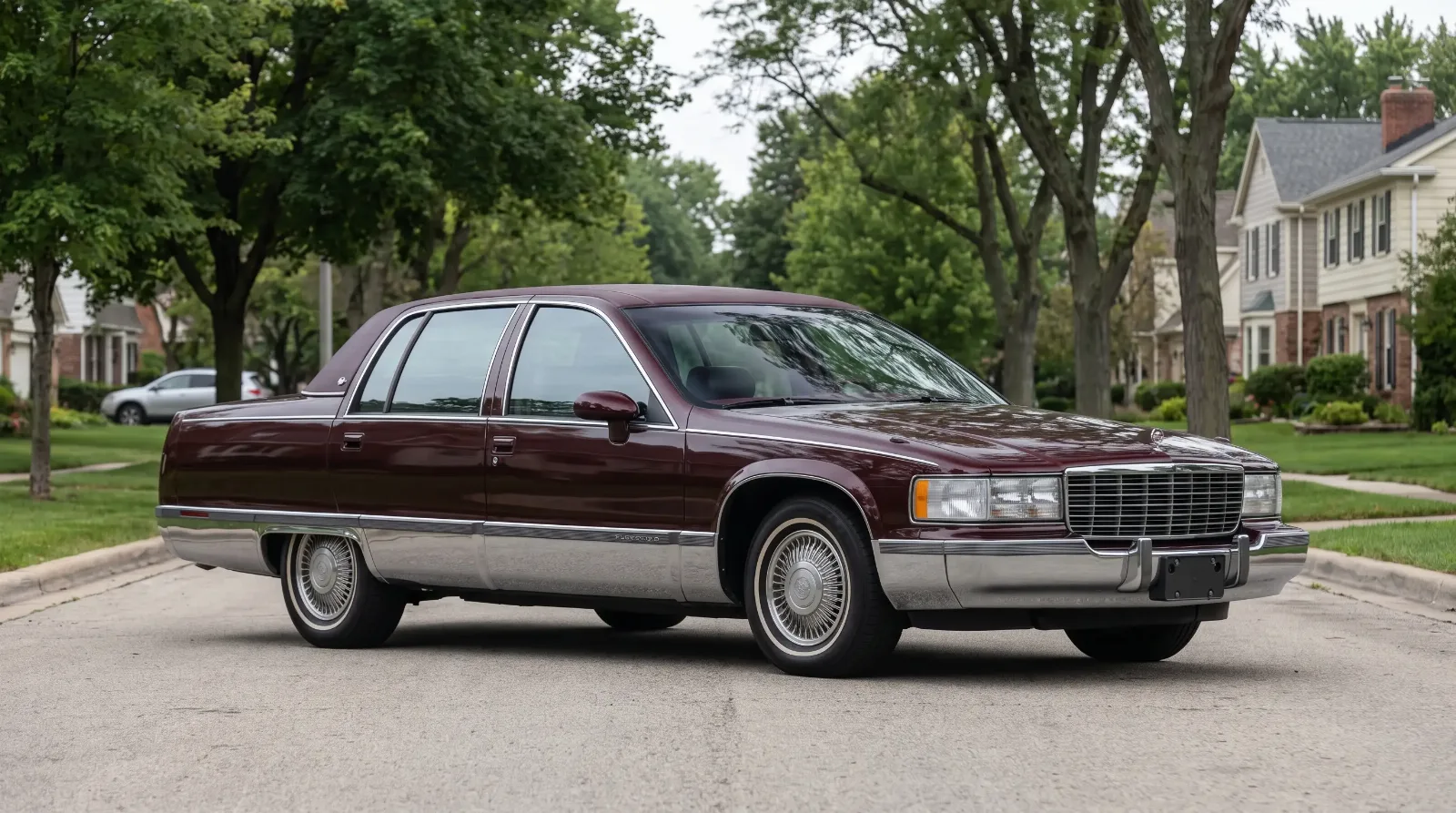
Cadillac, through the same years, kept to conventional front-hinged doors on its sedans, and it is worth being fair about why. The standard arrangement is simpler, cheaper to engineer for crash safety, and entirely adequate. Cadillac was not missing anything obvious by declining to follow Lincoln down this path. The brand competed on other ground, on ride, on model breadth, on the sheer familiarity of its shape. It did not need a distinctive door because it already had a distinctive name.
The difference in approach maps neatly onto the two brands' larger strategies of the moment.
| Dimension | Lincoln Continental (1961-69) | Cadillac (conventional) |
|---|---|---|
| Rear door hinge | Rear-hinged (suicide) | Front-hinged (conventional) |
| Design language | Clean, slab-sided, formal | Presence, chrome, familiar shape |
| Rear entry and exit | Step in facing forward | Standard |
| Signature feature | The doors themselves | The badge and reputation |
| Body novelty | Four-door convertible offered | Conventional body styles |
Cadillac's choice was rational. Lincoln's was memorable. In a rivalry where both brands built genuinely capable cars, memorability turned out to be the scarcer and more durable asset.
Why the icon status stuck
The rear-hinged Continental ran through the 1960s and then the layout faded from mainstream American cars, which only sharpened its identity. Because almost nothing else used the feature, the suicide door became permanently attached to this one car in the public memory. Later designers and customizers revived rear-hinged doors specifically to invoke that association, which is the clearest proof that Lincoln had created something iconic rather than merely unusual. An icon is a form so tied to a meaning that borrowing the form borrows the meaning.
For collectors, the doors are a meaningful part of the car's value, and originality matters here as much as anywhere. A correctly functioning rear-hinged door system, with its interlocks and proper latches intact, is part of what makes a 1961 to 1969 Continental worth what it commands. The feature that made the car famous is also the feature a careful buyer should inspect most closely. The Continental proved that a luxury car could win on ideas rather than sheer size, though the size argument was far from over. That contest returned in full at the end of the classic era, and it is next: Fleetwood vs Town Car, where the last big American sedans made their final case.
Related Reading
Have a
Classic Car
for Sale?
Reach thousands of serious classic car collectors across the US.
Sell It Here →
Are You a Classic Car Dealer?
List your full inventory and connect with targeted classic car buyers.
Join as a Dealer →

About the author
Sarah Whitfield
Third-generation classic car collector specializing in pre-war American and European coachbuilt automobiles. Researcher and concours enthusiast.
More in History & Heritage

Comments
Be the first to comment on this article.