
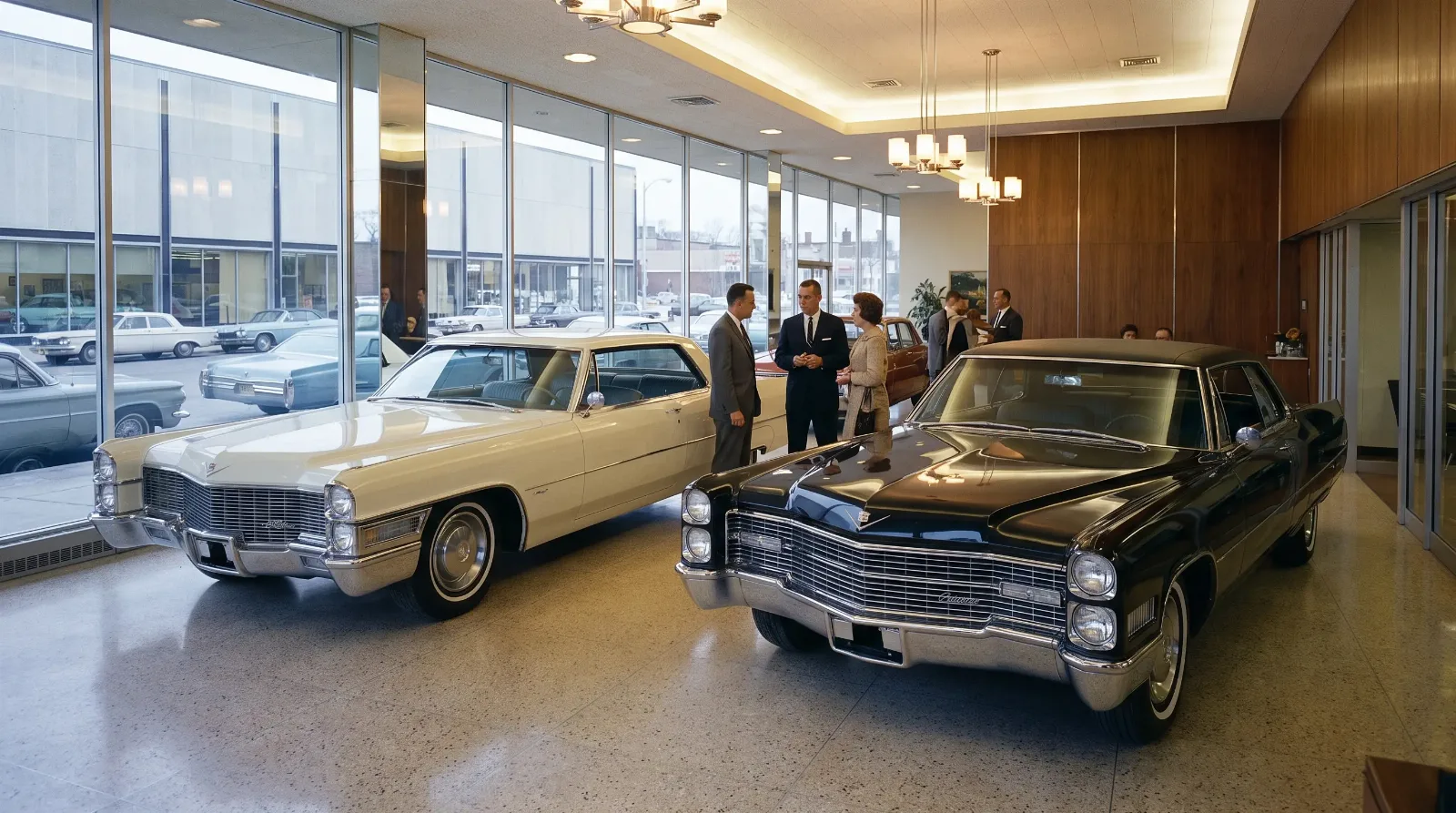
The floor at the 1963 press preview wasn't loud. That's the thing people forget about the Chevelle's debut. There was no confetti, no drag strip demonstration, no big number painted on a banner. Just a lineup of clean, mid-size Chevrolets sitting under the lights, and a room full of automotive writers trying to figure out exactly where this new car fit in Chevrolet's family.
History & Heritage
6 min read
1964: The Chevelle's Debut Story
How Chevrolet built the 1964 Chevelle to fill the gap between the Chevy II and the Impala, and why its quiet debut mattered.
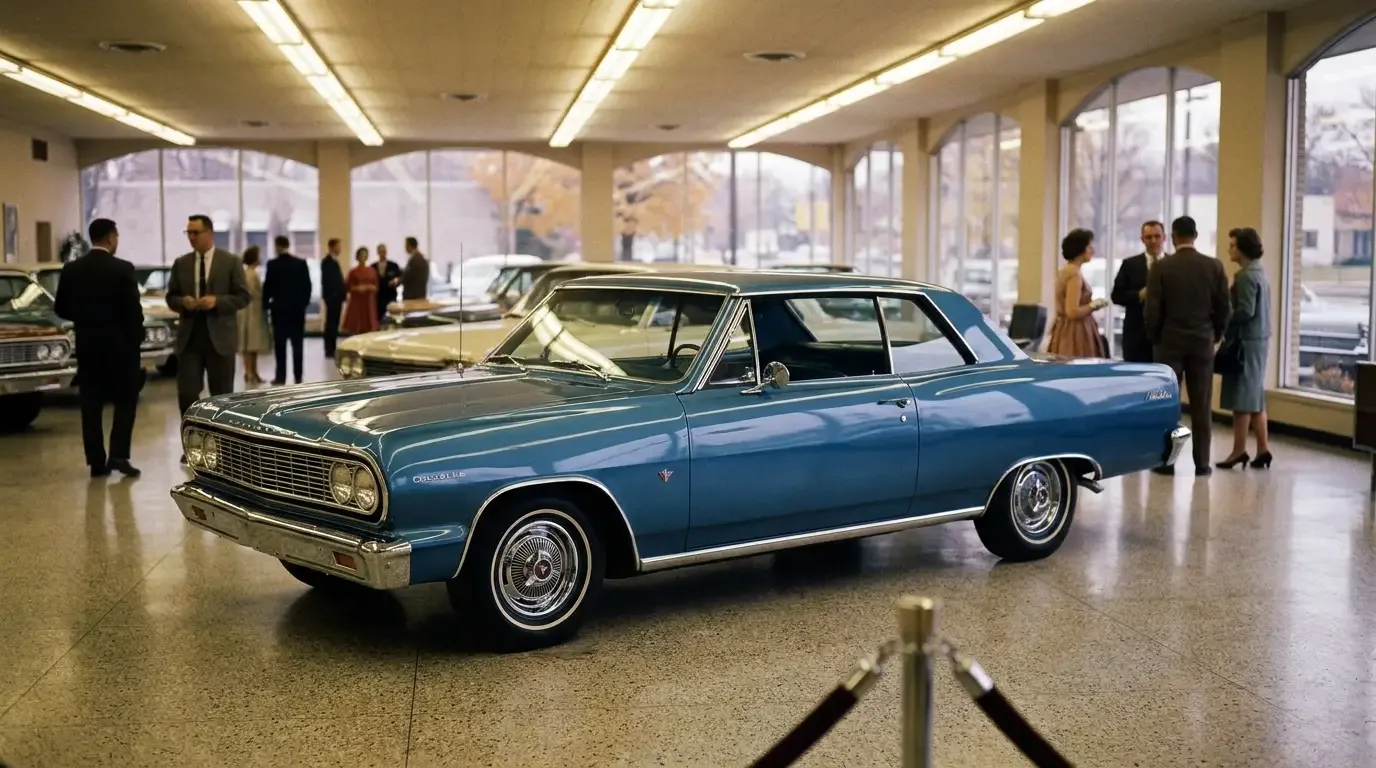
By the fall of 1963, Chevrolet dealers had a hole in the lineup that everybody in Detroit could see. The compact Chevy II covered small and cheap. The Impala and Bel Air covered big and comfortable. In between sat nothing, and Ford had already found the gap with the Fairlane a few years earlier. General Motors' answer was a new intermediate platform, the A-body, and Chevrolet's version of it arrived wearing a name nobody had heard on a car before: Chevelle.
Why Chevrolet needed a car like this
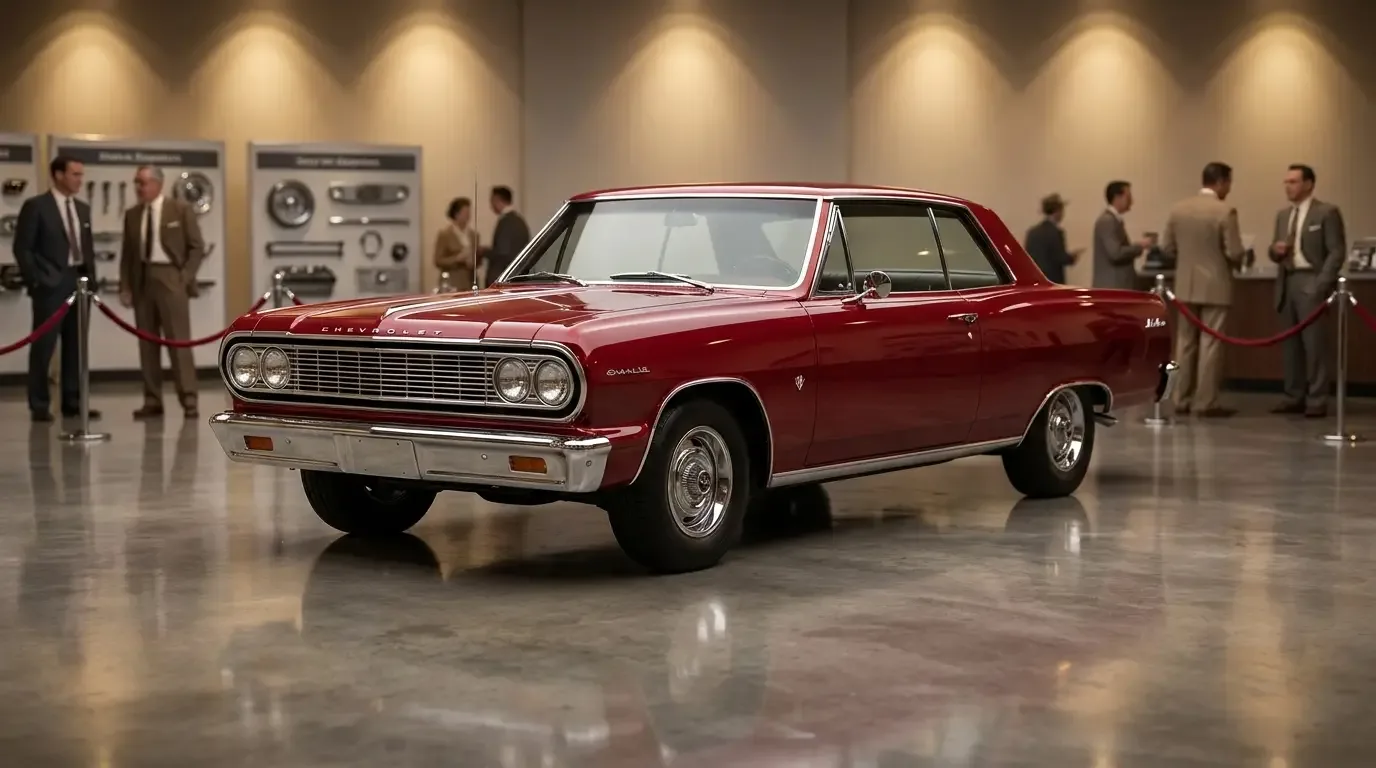
The early 1960s were a strange stretch for American car buyers. Full-size cars had grown wider, heavier, and more expensive through the late 1950s, and a segment of buyers wanted something closer to the size of a 1955 Chevrolet, without going all the way down to compact economy-car territory. Ford had proven the appetite existed. The Fairlane, introduced for 1962, sold well enough that Chevrolet's own dealers were asking corporate for a competitor.
Chevrolet's answer wasn't rushed, but it also wasn't shy about who it was chasing. The Chevelle shared its basic body-on-frame architecture with the Pontiac Tempest, Oldsmobile F-85, and Buick Special, all riding on GM's new A-body platform. Each division dressed the car differently and aimed it at a slightly different customer, which was standard GM practice at the time. Chevrolet's version leaned toward value and broad appeal rather than the sportier angle Pontiac took with the Tempest.
The result, when it reached showrooms for the 1964 model year, was a car that read as sensible rather than showy. That was intentional. Chevrolet needed volume in this segment, not a halo car, and the first-generation story of the Chevelle really begins with that practical mission rather than any performance ambition.
What the 1964 lineup actually looked like
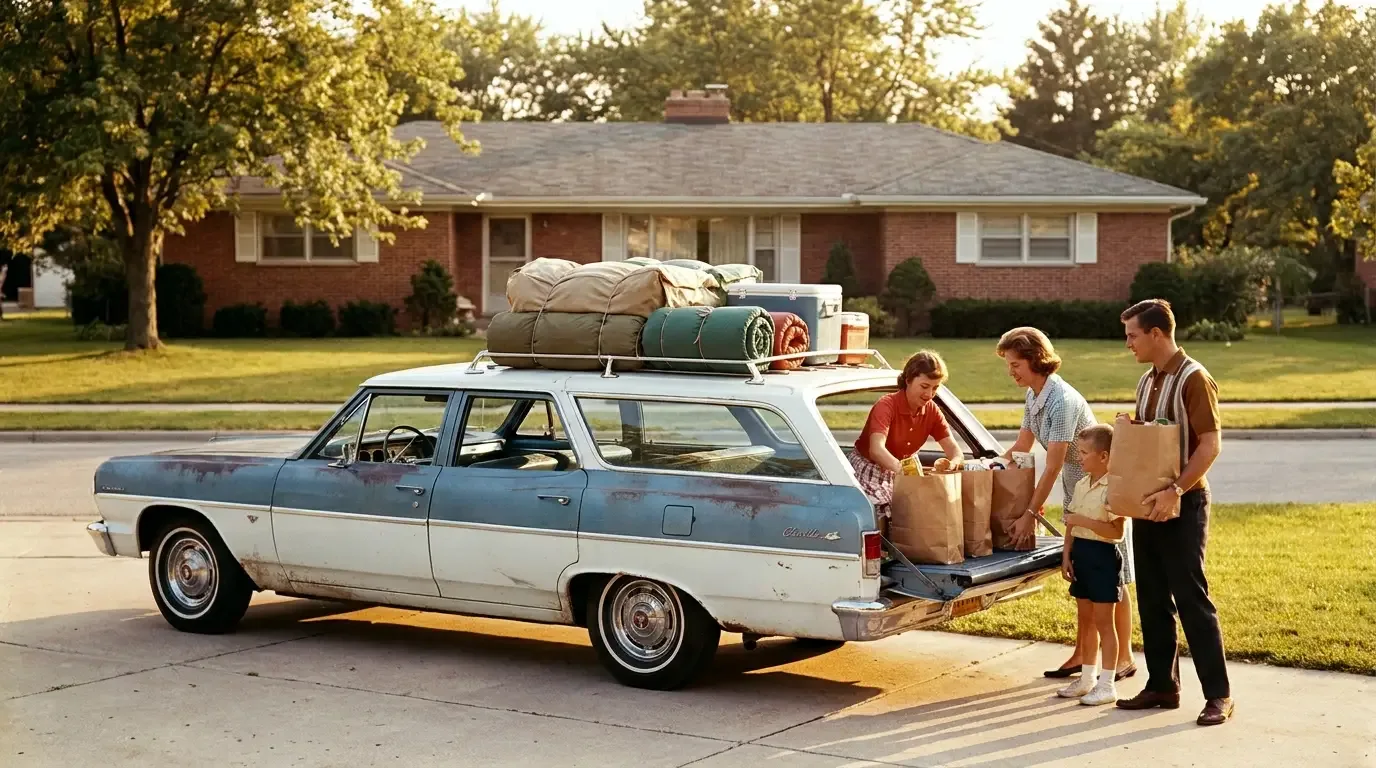
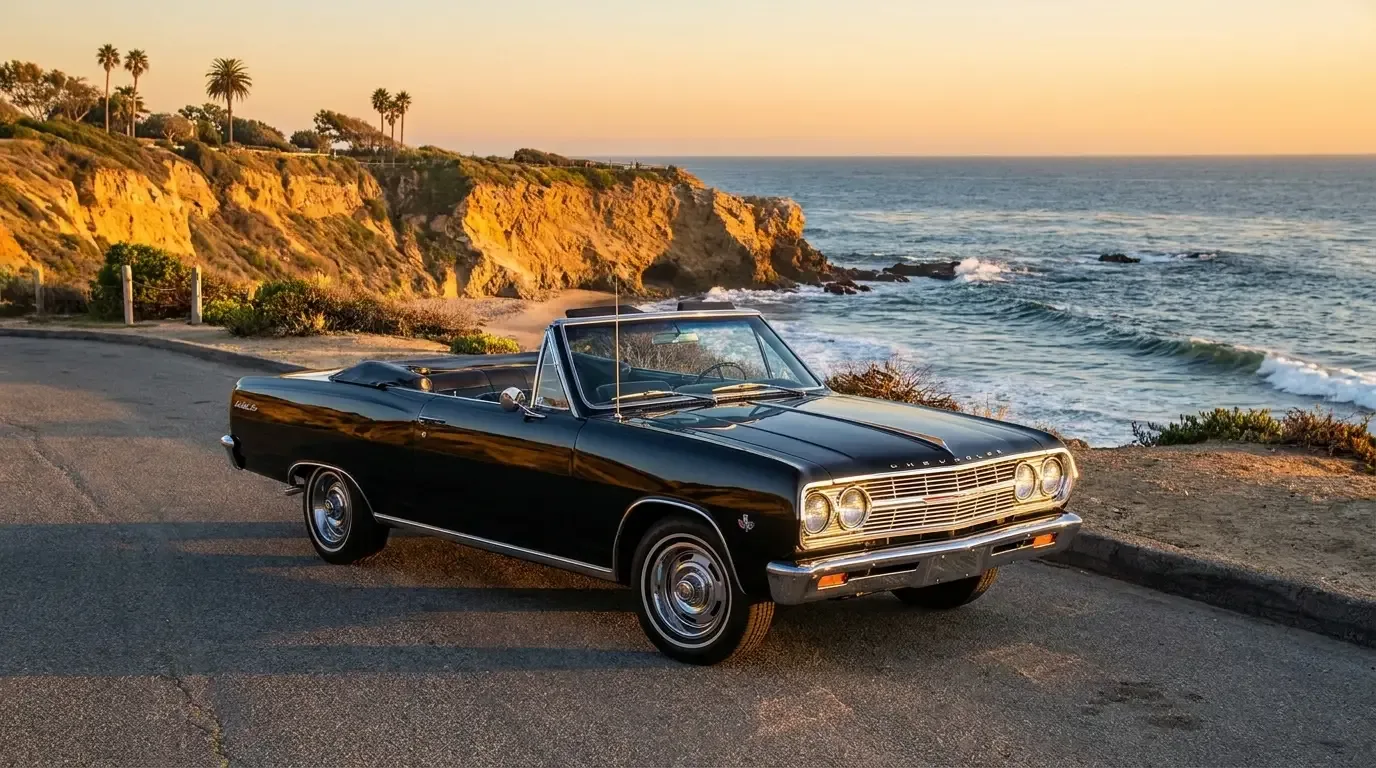
The 1964 Chevelle arrived in four body styles: two-door sport coupe, two-door convertible, four-door sedan, and a four-door wagon. Trim ran in three steps, from the base 300 series up through 300 Deluxe and topping out with the Malibu, which carried nicer trim, better upholstery, and the styling cues Chevrolet wanted buyers to notice on the showroom floor.
Engine choices covered a wide range on purpose. A 194 cubic inch inline six was the standard engine in the lower trims, with a 230 cubic inch six available as a step up. For buyers who wanted V8 power, Chevrolet offered a 283 cubic inch small block, and partway through the model year a 327 cubic inch V8 became available in higher states of tune. None of this was flashy. It was Chevrolet giving dealers a car that could be optioned as cheap family transportation or dressed up with a little more muscle, depending on what walked through the door.
| Spec | 1964 Chevelle detail |
|---|---|
| Platform | GM A-body (new for 1964) |
| Body styles | 2-door coupe, 2-door convertible, 4-door sedan, 4-door wagon |
| Trim levels | 300, 300 Deluxe, Malibu |
| Base engine | 194 cid inline six |
| Available V8s | 283 cid, 327 cid |
| First model year | 1964 |
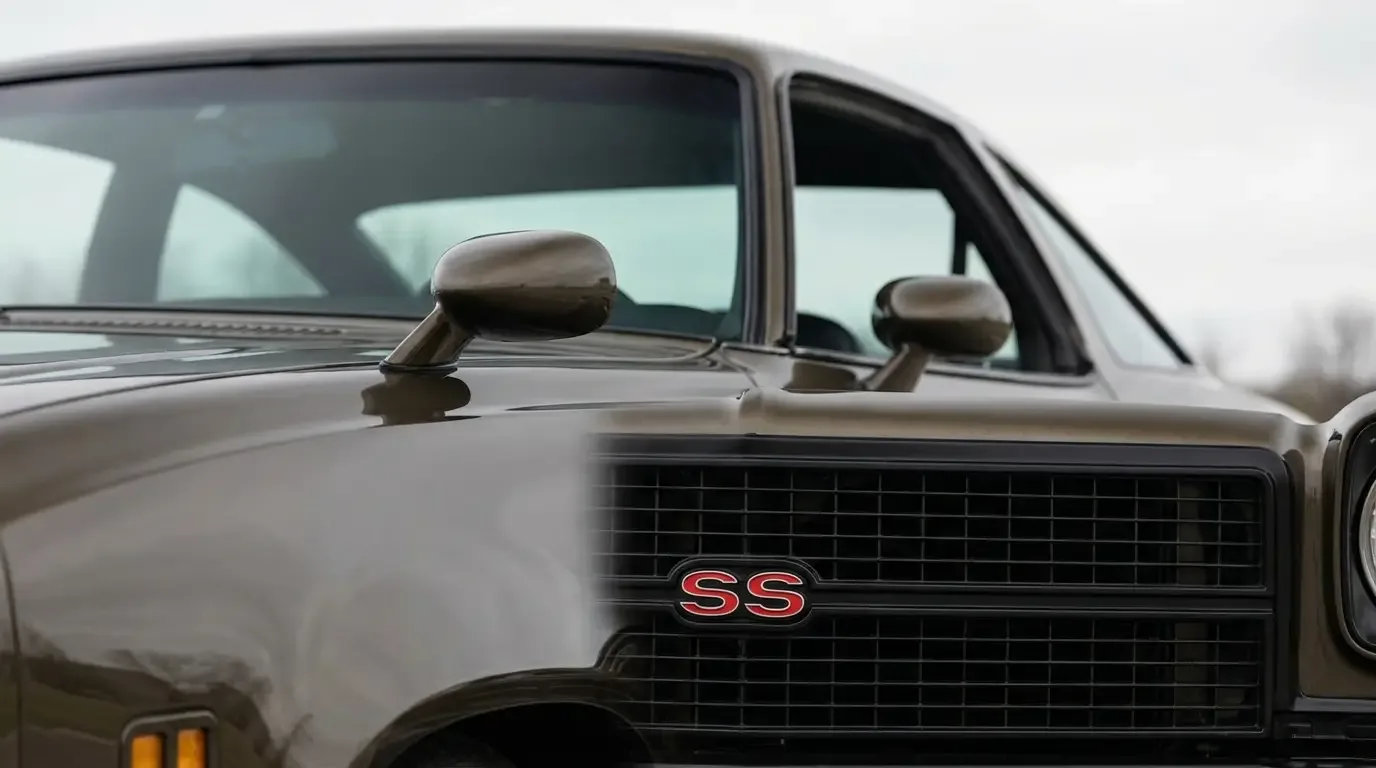
None of the 1964 Chevelles carried the SS396 or Z16 hardware people associate with the nameplate today. That performance reputation came a little later, but the groundwork, a chassis stiff enough and light enough to take a big engine, was already sitting there in the 1964 car waiting to be exploited.
How the press actually reacted
Contemporary road tests treated the Chevelle as competent rather than exciting, which was more or less what Chevrolet wanted to hear. Writers noted the ride quality was closer to a full-size car than the compacts buyers had been choosing from, and that the Malibu trim in particular looked like it belonged a class above its price. That was the whole point of the intermediate segment: give buyers full-size comfort cues in a smaller, more affordable package.
Total 1964 model-year Chevelle production is usually cited somewhere in the 328,000 to 371,000 range depending on the source and whether Canadian-built cars are counted, but even the conservative end of that range was a strong debut for a car that hadn't existed twelve months earlier. That number mattered more to Chevrolet than any single road test. It confirmed the intermediate segment wasn't a fluke Ford had stumbled into. It was real demand, and Chevrolet had just claimed a healthy piece of it.
Why the debut still matters
It's easy to look at a 1964 Chevelle today and see it as a warm-up act for the SS396 and the 454 cars that came later in the decade. That undersells what happened at the debut. Chevrolet had correctly read where American car buyers were heading, toward a size and price point that split the difference between economy and luxury, and it built a platform flexible enough to become something much bigger than a family sedan.
"The guy who bought a Malibu coupe in the spring of 1964 wasn't thinking about a Super Sport. He wanted something that looked a little sharper than his neighbor's Bel Air and cost a lot less than a Buick. That's the car Chevrolet actually built, and everything that came after grew out of it."
Patrick Walsh
The 1964 launch set the template that would carry the nameplate through its most famous years. Read the Chevrolet Chevelle story for the fuller arc of how a modest family car became one of the defining muscle car platforms of the 1960s, and stick around for next: How the Chevelle Got Its Name to see where that unusual name actually came from.
Sources and notes
- Hagerty, "Your handy 1964-67 Chevrolet Chevelle buyer's guide"
- MotorCities, "Remembering the Popular 1964 Chevrolet Chevelle"
- ChevelleStuff.net, "1964 Chevelle Production Numbers By Plant"
- ChevelleStuff.net, "1964 Chevelle Production Numbers by Series/Model"
- Wikipedia, "Chevrolet Chevelle"
- Supercars.net, "Chevrolet Chevelle (1963-1977)"
Related Reading
Have a
Chevrolet Chevelle
for Sale?
Reach thousands of serious classic car collectors across the US.
Sell It Here →
Are You a Classic Car Dealer?
List your full inventory and connect with targeted classic car buyers.
Join as a Dealer →

About the author
Patrick Walsh
Automotive journalist covering classic car shows, events, and the enthusiast community across North America.
Related Listings - Chevrolet Chevelle
More in History & Heritage
Comments
Be the first to comment on this article.