
Every luxury marque eventually faces the same problem. The badge means something, but the price keeps a lot of willing buyers on the sidewalk looking in. Cadillac and Lincoln both answered that problem in the 1920s and 1930s the same way. They built a junior line, a car that carried some of the prestige for meaningfully less money. Cadillac gave us the LaSalle. Lincoln gave us the Zephyr. Neither survived the war, but both did something their parent brands could not do alone.
History & Heritage
6 min read
LaSalle vs Zephyr: Each Marque's Junior Line
How Cadillac's LaSalle and Lincoln's Zephyr broadened two luxury marques downmarket, one launching GM styling, the other saving Lincoln in the Depression.
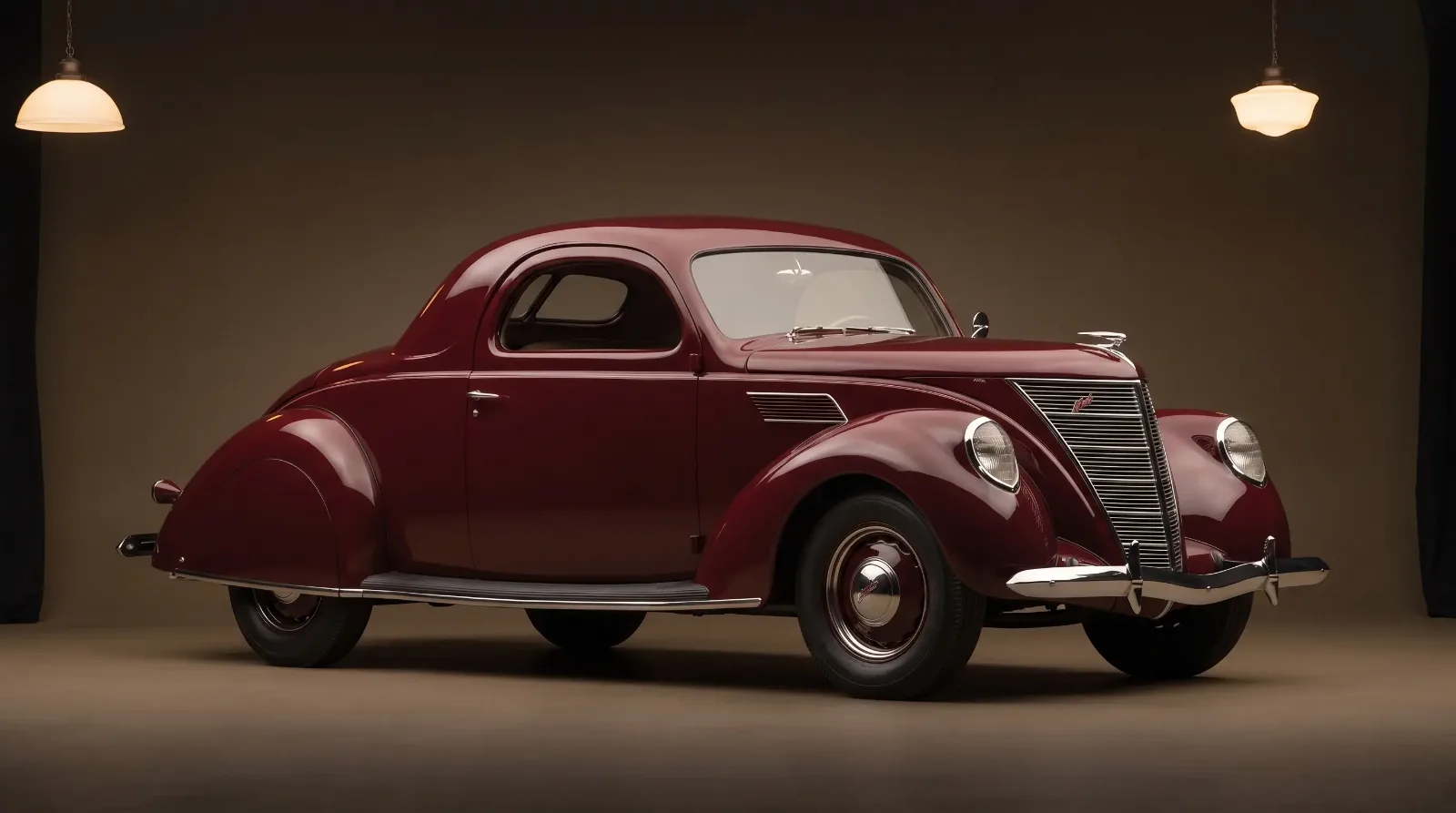
The two cars came at the idea from different directions and different decades, and that difference is the whole story. One was a styling exercise that launched a legend's career. The other was a streamlined gamble that arguably saved its division. Both are threads in the ongoing Cadillac-Lincoln feud, and both are worth knowing if you care how these companies thought about reaching further down the market.
The LaSalle and the birth of automotive styling
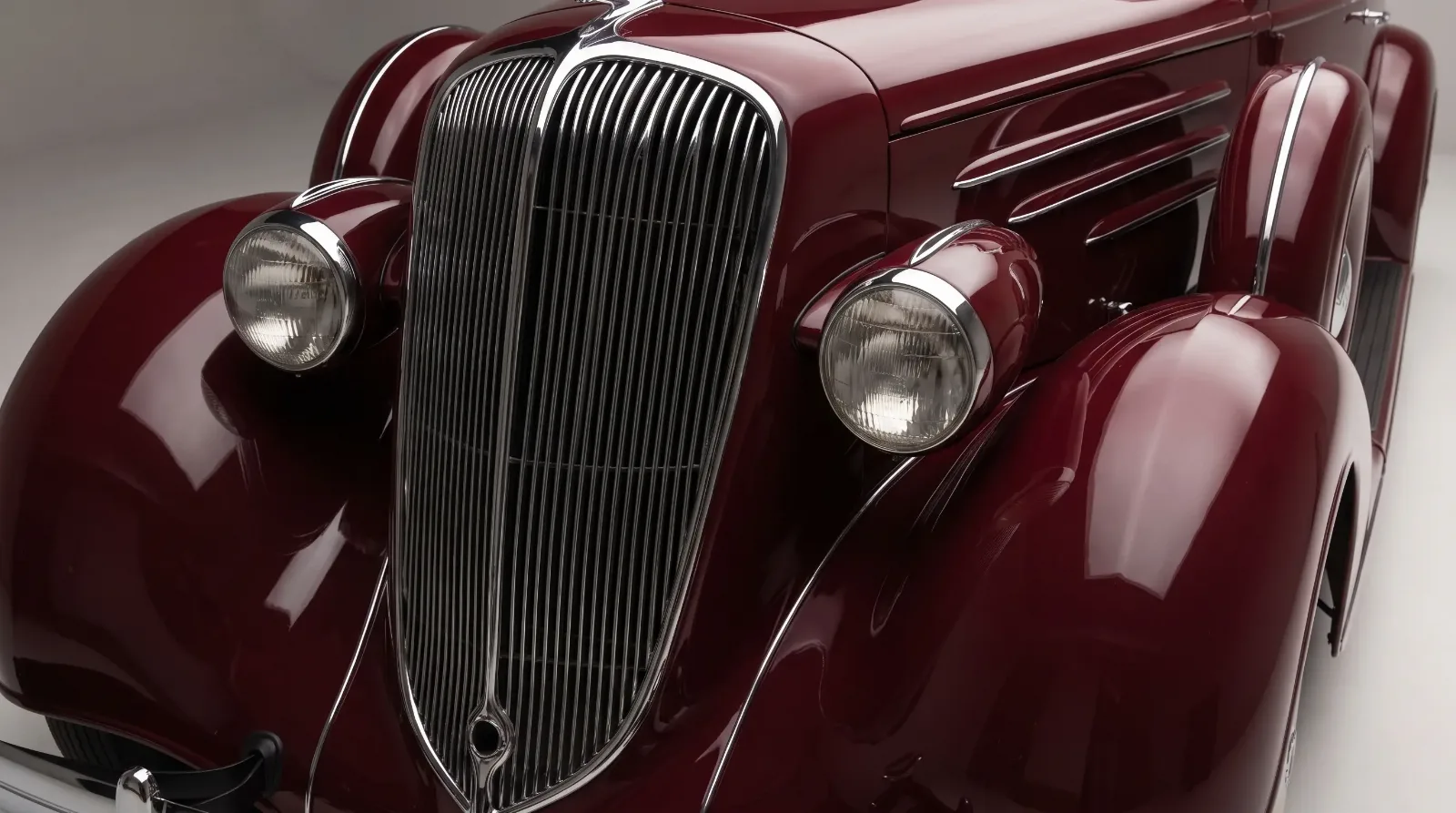
The LaSalle arrived in 1927 as a companion make to Cadillac, sold through Cadillac dealers and priced just below the senior cars. What makes it matter beyond the showroom is the man who shaped it. General Motors hired a young Californian named Harley Earl to design the first LaSalle, and the 1927 Series 303 became the first mass-produced American car styled by a professional designer rather than an engineer. Earl went on to run GM's Art and Colour section and effectively invented the job of automotive stylist. The LaSalle was where it started.
For most of its run the LaSalle used a V8 and rode a shorter wheelbase than Cadillac's flagship cars, giving it a lighter, more athletic feel that some period drivers preferred to the bigger sedans. It looked like a Cadillac from across the street and cost noticeably less, which was exactly the point. The line ran through 1940 before GM folded its market position back into a lower-priced Cadillac series.
The styling stayed ahead of its price for years. The 1934 LaSalle in particular is remembered for its tall, narrow grille and pontoon fenders, a look that influenced the whole GM lineup and read as expensive well beyond what the car cost. That was the LaSalle's real trick. It let a buyer who could not quite reach a Cadillac drive something that carried the same visual confidence, and it did so without embarrassing the senior brand parked next to it on the showroom floor.
The Lincoln-Zephyr and a streamlined gamble
Lincoln came to the junior-car idea nearly a decade later and in worse weather. By the mid-1930s the Depression had gutted demand for the enormous Lincoln K-series V12s, cars that only the wealthy could still consider. Edsel Ford wanted a Lincoln that ordinary prosperous buyers could reach, and the answer was the Lincoln-Zephyr, launched for 1936.
The Zephyr was streamlined in a way the upright K-series never was, its shape developed from earlier aerodynamic work by John Tjaarda and refined under Edsel Ford and designer Bob Gregorie. It carried a V12, an unusual choice at its price, built as a smaller L-head twelve to keep the Lincoln name attached to something more than a badge. The car sold in numbers the K-series could never have reached and kept Lincoln solvent through the back half of the decade. Its body and chassis also became the basis for the first Continental of 1940.
The V12 was both the Zephyr's calling card and its weak spot. The engine ran hot and could suffer if maintenance slipped, and period owners learned to respect its cooling needs. But it gave the car a smoothness and a badge of seriousness that a straight-eight or a six would not have delivered at that price. Edsel Ford understood that a Lincoln had to feel like a Lincoln even when it cost a fraction of the K-series, and the twelve was how he kept that promise.
| Detail (approx.) | Cadillac LaSalle | Lincoln-Zephyr |
|---|---|---|
| Production years | 1927-1940 | 1936-1942 |
| Engine | V8 | L-head V12 |
| Design credit | Harley Earl (1927) | Tjaarda / Gregorie, under Edsel Ford |
| Market role | Priced below Cadillac | Priced below the K-series |
| Legacy | Launched GM styling | Basis for the 1940 Continental |
Two different reasons to exist
Here is the contrast that stays with you. The LaSalle existed to broaden Cadillac's reach in good times and to give a brilliant young designer his first canvas. The Zephyr existed because Lincoln might not have made it through the Depression without it. One was ambition. The other was closer to survival. Both worked, in their fashion, and both eventually became victims of their own success as their parent brands absorbed what they had proven.
The LaSalle died in 1940 partly because Cadillac had learned to build a lower-priced car under its own name and no longer needed a separate badge to do it. The Zephyr name faded after the war, but its engineering carried forward into the postwar Lincolns and, most famously, into the Continental. Neither car was a failure. Each simply finished the job it was created to do.
"The LaSalle gave a young Harley Earl his start, and the Zephyr kept Lincoln's lights on. Two junior cars, two completely different stakes, and the industry was never quite the same after either one."
Patrick Walsh
What the junior lines mean to collectors
For enthusiasts today, both cars offer a way into pre-war luxury history without the pre-war luxury price at the very top. A clean LaSalle convertible from the mid-1930s carries real Art Deco presence, and its place in design history gives it a story most cars its size cannot match. The Zephyr, with its streamlined body and unusual small V12, appeals to people who like the engineering oddities as much as the shape. The V12 is a maintenance commitment, so buyers should go in with eyes open about parts and specialists.
Both cars reward owners who care about why they were built, not just how they look at a show. They are the middle chapters of a rivalry that was always about more than the flagships. To see how one of these marques carried its story into a far darker moment of American history, read next: JFK's Lincoln and the Assassination That Shadowed the Marque.
Related Reading
Have a
Classic Car
for Sale?
Reach thousands of serious classic car collectors across the US.
Sell It Here →
Are You a Classic Car Dealer?
List your full inventory and connect with targeted classic car buyers.
Join as a Dealer →

About the author
Patrick Walsh
Automotive journalist covering classic car shows, events, and the enthusiast community across North America.
More in History & Heritage
Comments
Be the first to comment on this article.