
Ask a room of collectors whether Cadillac or Lincoln holds more value today and you will get a fast answer and a wrong one. The honest answer depends entirely on the era, the model, and the documentation. Across the full sweep of both marques, Cadillac carries the higher ceiling, driven by its pre-war multi-cylinder cars. But in specific pockets, Lincoln commands money that no equivalent Cadillac can touch. Value here is not brand loyalty. It is condition, rarity, and how many serious buyers are chasing the same handful of cars.
History & Heritage
6 min read
Cadillac or Lincoln: Which Marque Do Collectors Value Higher Today
Cadillac vs Lincoln collector value compared: where Cadillac holds the higher ceiling, where Lincoln commands a premium, and what moves the price.
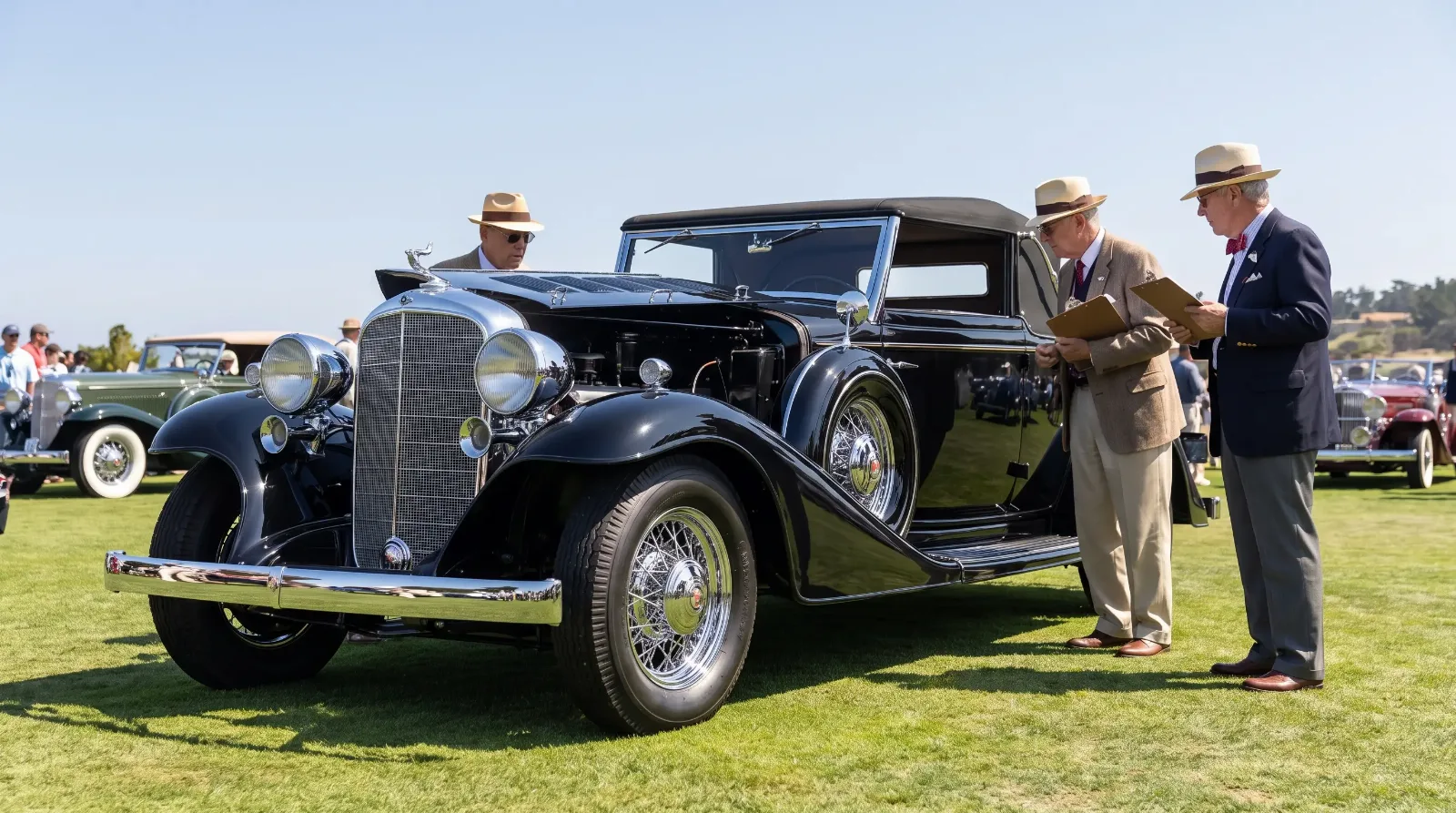
This comparison sits inside America's luxury war, and the market data tells its own version of that story. I track auction results across both makes, and the pattern has held for years: the peaks belong to different decades, and the middle of the market behaves very differently from the blue-chip top.
Where Cadillac holds the higher ceiling
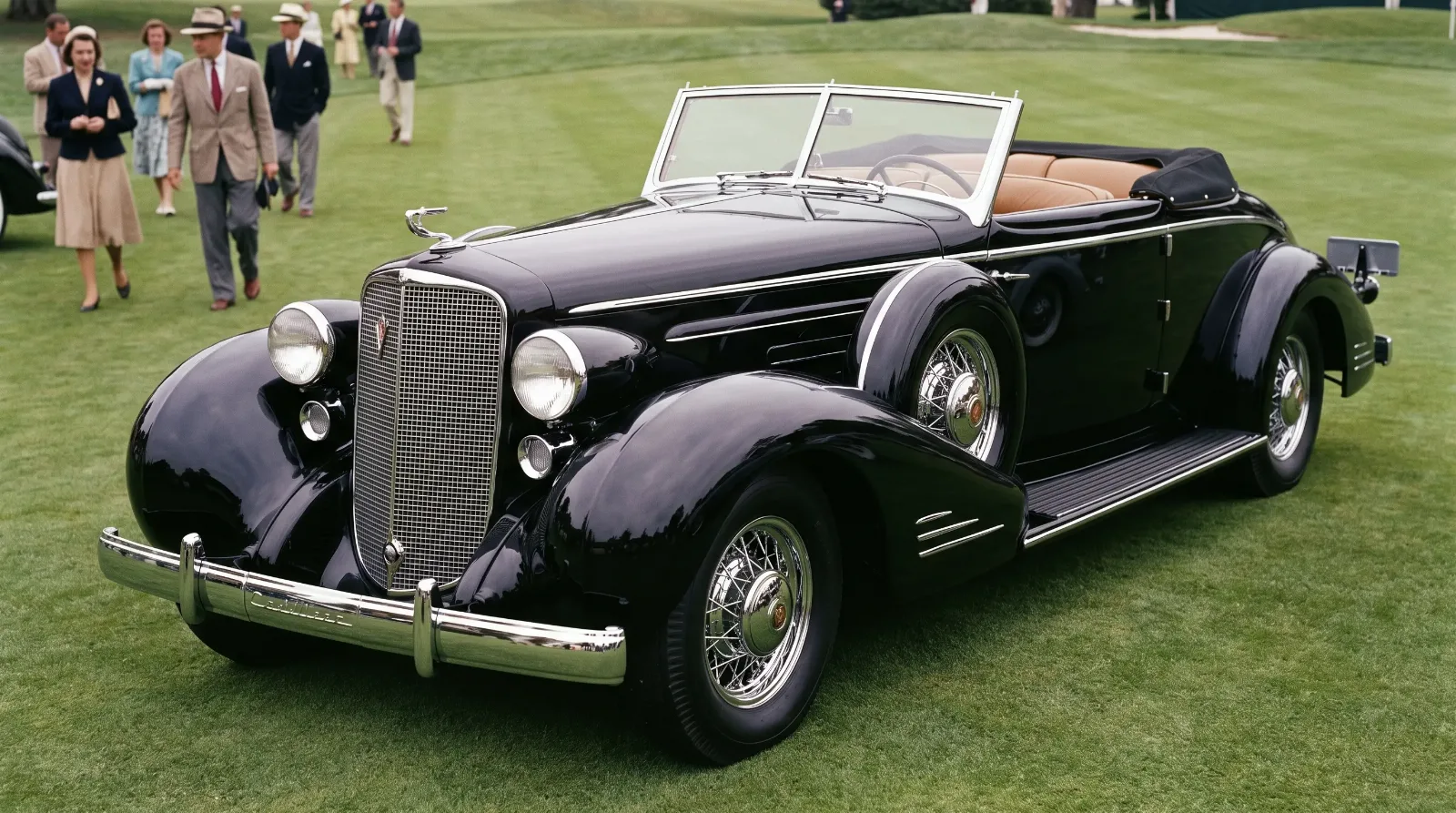
The strongest Cadillac values live in the pre-war years. The V16 cars of 1930 to 1937, particularly the custom-bodied Fleetwood examples, are legitimate six-figure cars, and the best coachbuilt roadsters and convertible sedans have crossed well past that at the top auctions. These are the cars that set Cadillac's absolute ceiling, and Lincoln has no direct answer to them in raw dollars.
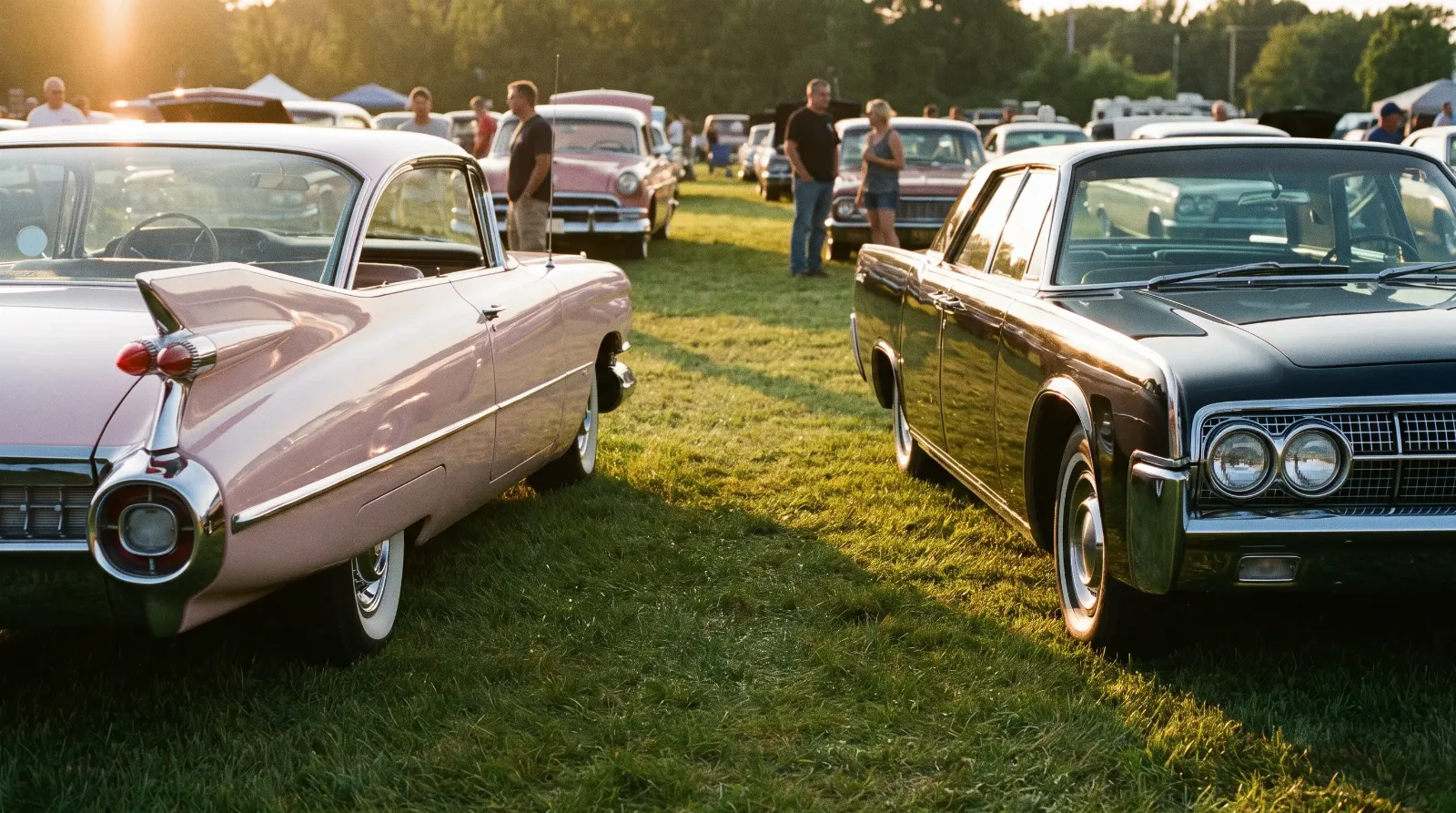
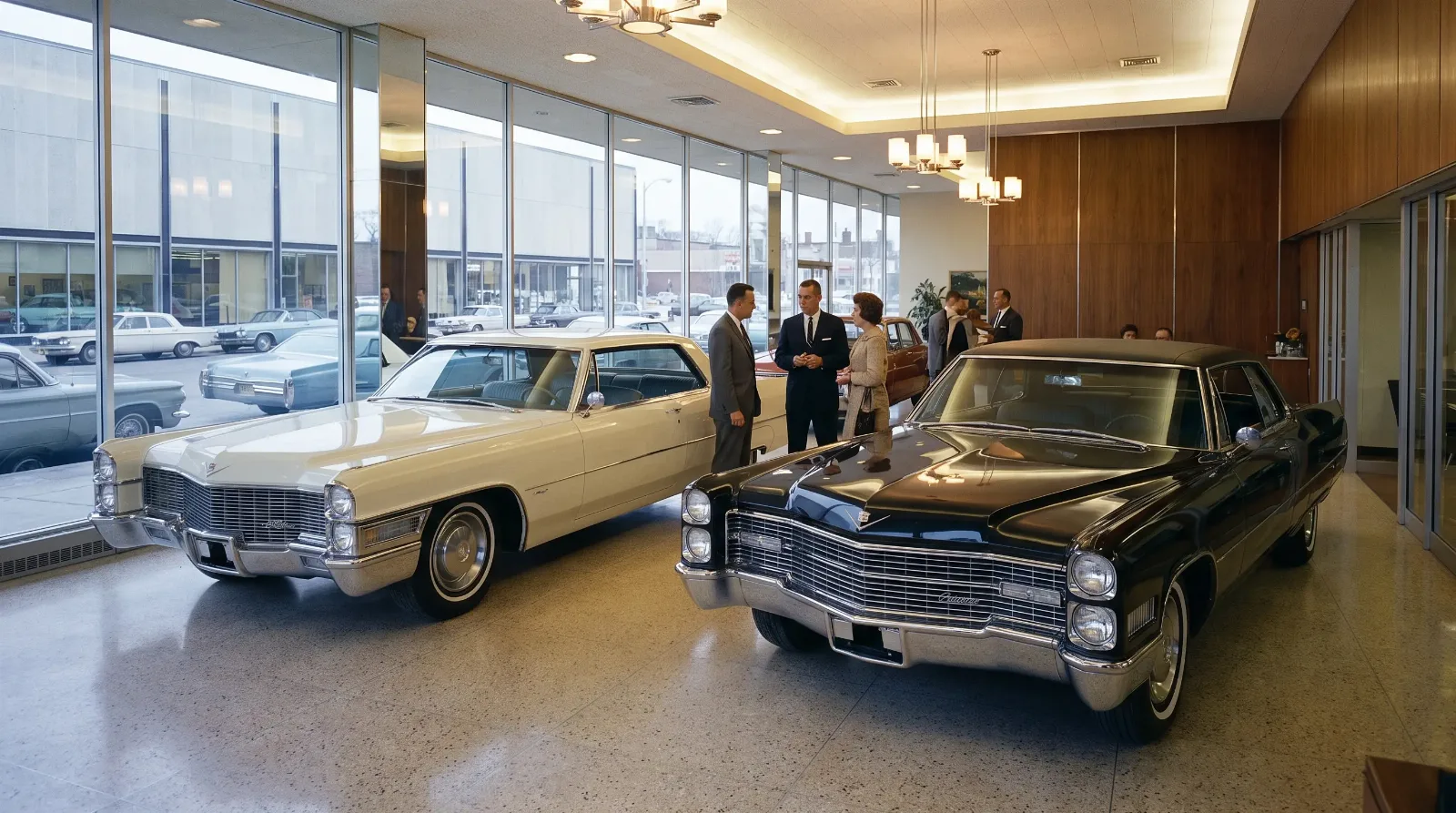
Postwar, Cadillac's high points narrow to a few names. The 1957 to 1958 Eldorado Biarritz convertibles, the earliest Eldorados of 1953, and the tri-power and fuel-injected specialty cars carry premiums. The tailfin-era convertibles trade actively. But the broad run of postwar Cadillac sedans, the ones produced in enormous numbers, remains affordable and is likely to stay that way because supply is deep.
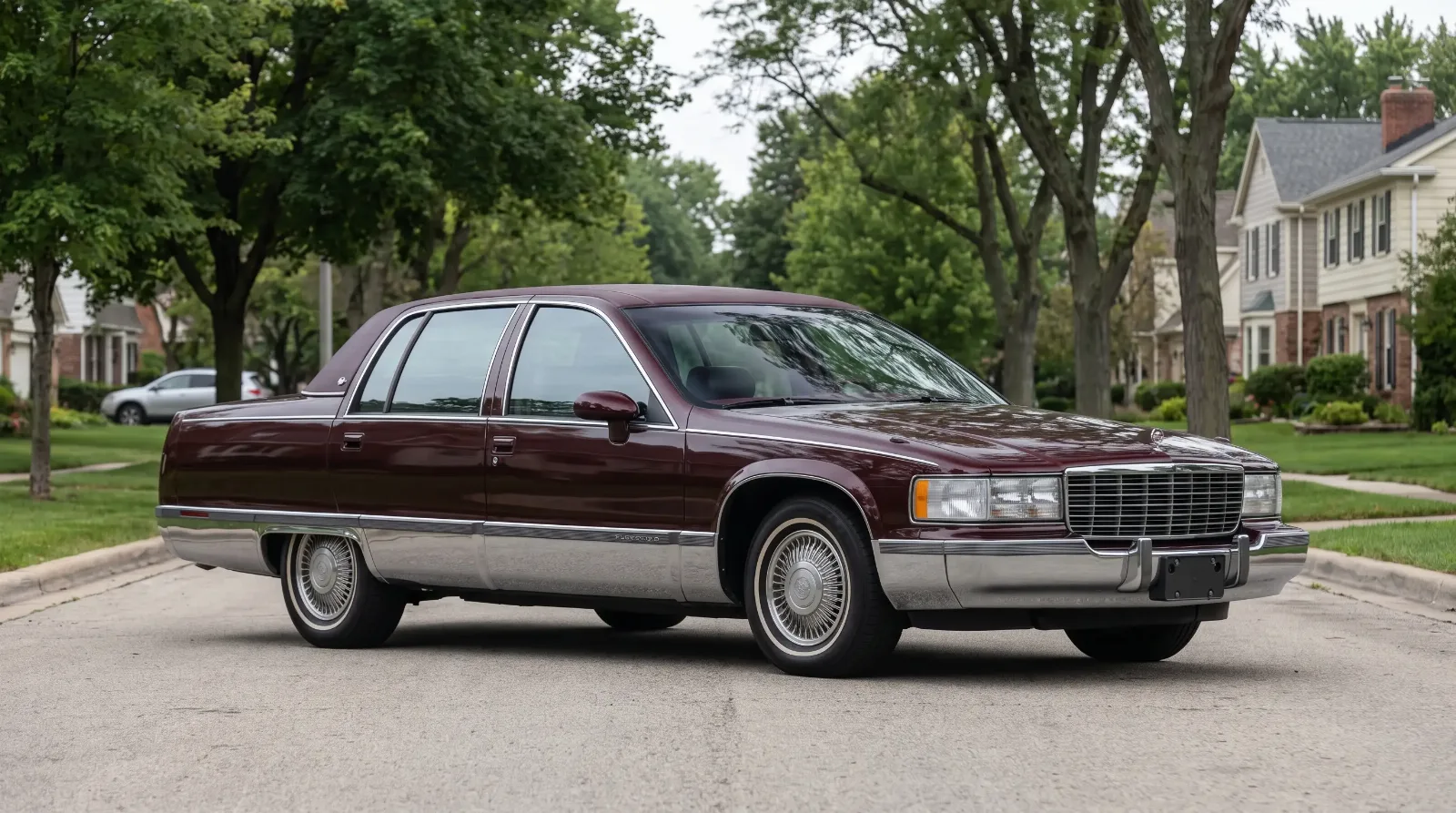
That depth of supply is the quiet story behind Cadillac's numbers. The company sold hundreds of thousands of Series 62 and De Ville cars through the 1950s and 1960s, and survivors are plentiful. Plentiful cars stay affordable no matter how good they are, which is why a clean 1959 four-window sedan can still be bought for the price of a used pickup while a 1959 Eldorado Biarritz convertible sells for many times that. Rarity, not badge, sets the ceiling within the brand itself.
Where Lincoln commands the premium
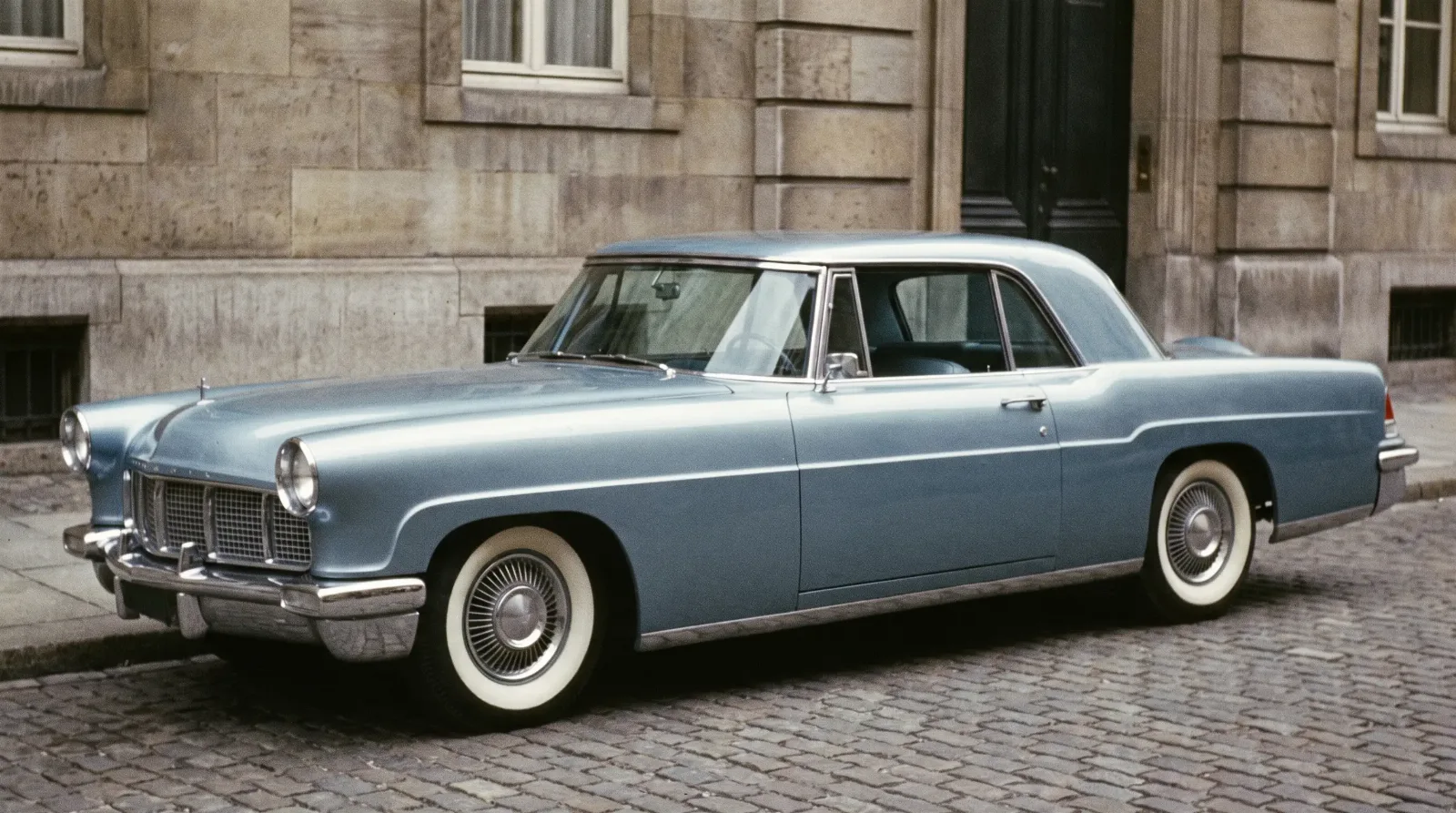
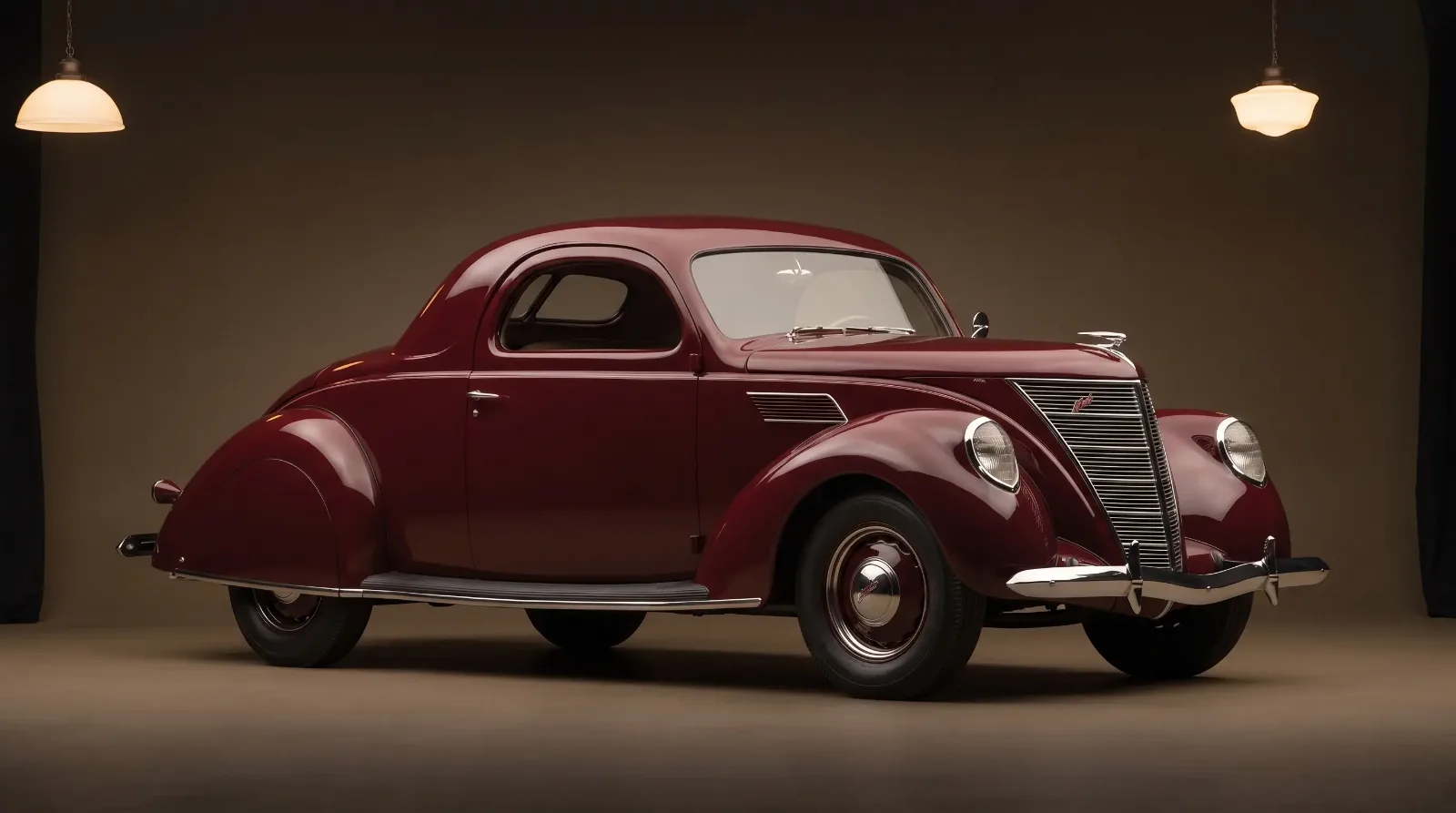
Lincoln's peaks are fewer but genuinely strong. The 1956 to 1957 Continental Mark II is the clearest case. Ford built it as a near-hand-assembled flagship, reportedly losing money on every car, and today the best examples sit among the most valuable American cars of their decade. The pre-war Lincoln K-series V12s, with formal coachwork by LeBaron, Brunn, and others, occupy the same rarefied tier as the coachbuilt Cadillacs.
The other Lincoln that punches above its weight is the 1961 to 1969 Continental, the slab-sided car with the rear-hinged doors. It has a design following that reaches well beyond the traditional collector base, and clean four-door convertibles in particular have climbed steadily. That car proves value is not only about production rarity. Sometimes it is about a shape that never stopped looking modern.
| Blue-chip tier (approx.) | Cadillac | Lincoln |
|---|---|---|
| Pre-war peak | V16 coachbuilt (1930-37) | K-series V12 coachbuilt |
| Postwar peak | Eldorado Biarritz 1957-58 | Continental Mark II 1956-57 |
| Design-driven riser | Tailfin-era convertibles | 1961-69 Continental convertible |
| Deep, affordable supply | Postwar full-size sedans | Town Car, later Continentals |
What actually moves the price
Documentation separates a good sale from a great one, and it does so more sharply at the top of both marques. A V16 Cadillac or a Mark II with a known ownership chain, original body tags, and a credible restoration history will outrun a cosmetically similar car with a thin paper trail. Buyers at this level are pricing risk, not just paint. The gap between a documented car and a pretty one widens every year.
Originality matters most on the rarest cars and least on the common ones. A numbers-correct Eldorado or a matching-engine Continental convertible earns a premium that a restored-to-taste driver does not. Below the blue chip, condition and usability drive the market more than provenance, because these cars are bought to enjoy rather than to preserve as artifacts.
Restoration cost is the trap that catches new buyers in both marques. A pre-war V16 or a Mark II needs specialist work, correct trim that is hard to source, and interior materials that cost real money to reproduce. A car that looks cheap at purchase can double in cost before it is sorted, and that math sits behind every soft asking price you see on a project car. Buying the best example you can afford almost always beats saving a rougher one, because the restoration bill rarely closes the gap in your favor.
"Cadillac owns the higher ceiling because of the V16 cars, but a top Continental Mark II will out-sell almost any postwar Cadillac. The right question is never the brand. It is the specific car."
David Mercer
Reading the two markets side by side
The practical takeaway is that these are two different markets wearing the same "American luxury" label. Cadillac offers more entry points, a deeper supply of affordable cars, and the single highest peaks in the pre-war multi-cylinder cars. Lincoln offers fewer options but a handful of models, the Mark II and the 1961-to-1969 Continental chief among them, that hold value with unusual conviction. If you are buying for appreciation, the concentration in Lincoln's best cars is a feature, not a limit.
For a buyer weighing the two today, budget usually decides the lane before brand loyalty ever enters the picture. Anyone shopping the blue-chip tier is choosing between a coachbuilt pre-war Cadillac and a Mark II or K-series Lincoln, and both are sound long-term holds when the documentation is real. You can see what is currently available among classic luxury cars for sale to gauge where asking prices sit against recent results.
The verdict for now
On absolute value, Cadillac wins on the strength of its pre-war V16 cars. On the postwar era, Lincoln's Continental Mark II is the single most valuable regular-production luxury coupe either marque produced, and the 1961-69 Continental keeps climbing. Neither answer settles the rivalry, which is exactly why it endures. The smart money studies the specific car and its paperwork, then decides. To follow the story into the companion makes that started both brands downmarket, read next: LaSalle vs Zephyr.
Related Reading
Have a
Classic Car
for Sale?
Reach thousands of serious classic car collectors across the US.
Sell It Here →
Are You a Classic Car Dealer?
List your full inventory and connect with targeted classic car buyers.
Join as a Dealer →

About the author
David Mercer
Classic car market analyst with two decades of experience tracking collector car valuations, auction results, and investment trends.
More in History & Heritage
Comments
Be the first to comment on this article.