
Park a 1969 Road Runner next to a 1974 model and a lot of people can't tell you why one costs three times as much. Same name. Same basic idea. Similar shape if you squint. But those two cars come from opposite sides of a line that runs right through the early 1970s, and once you know where that line falls, you can never un-see it. The 1960s muscle car and the 1970s muscle car are cousins, not twins.
History & Heritage
5 min read
Muscle Cars of the 1960s vs the 1970s
The 1960s and 1970s muscle car are cousins, not twins. Compression, horsepower ratings, fuel and insurance split them, plus which decade to buy into.
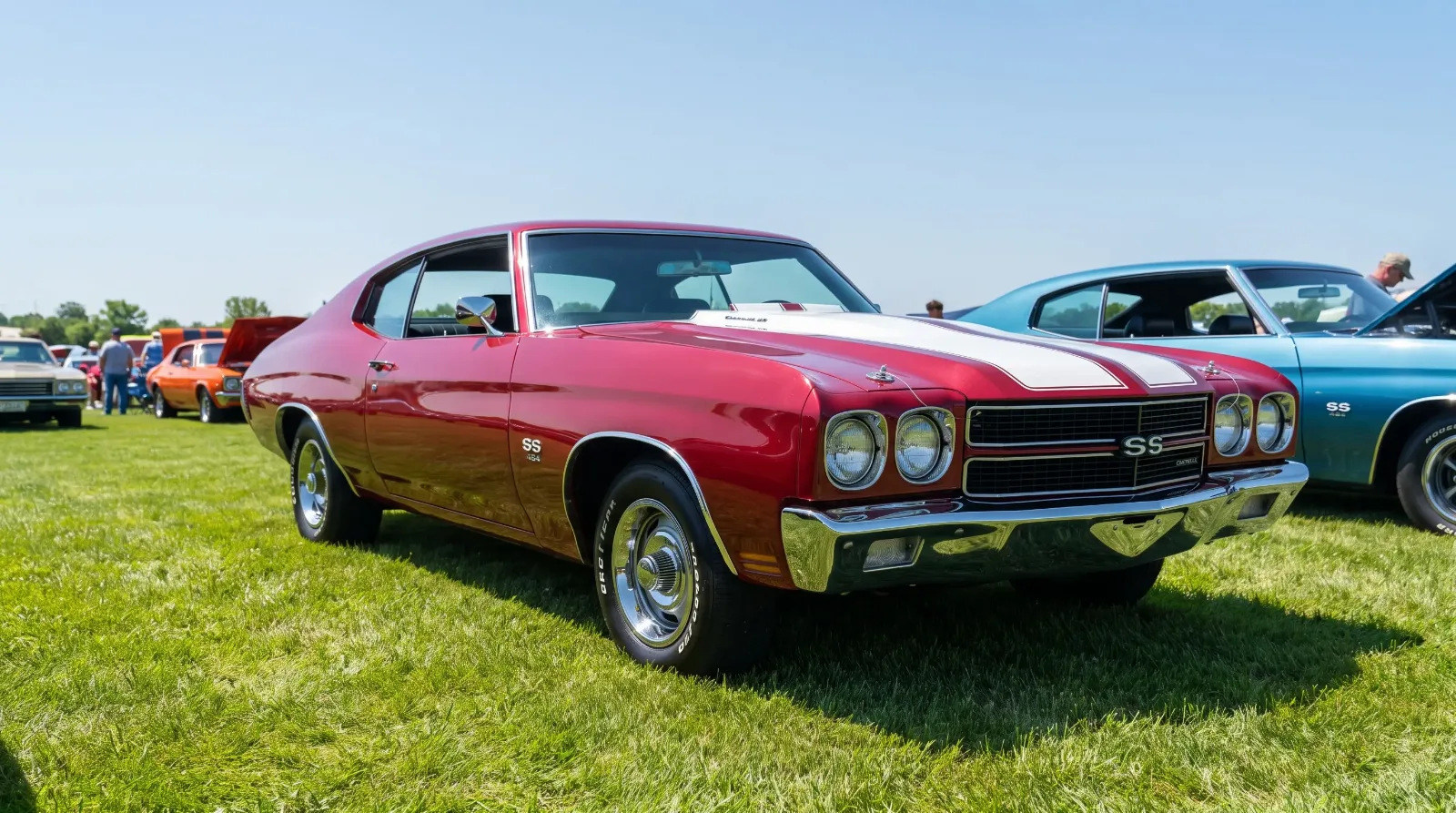
The split isn't really about styling, though the styling changed. It's about what the industry was allowed to build, and what buyers were willing and able to pay to run. A decade of cheap gas and light regulation gave way to a decade of oil shocks and federal rulebooks, and the cars carried every bit of that change on their spec sheets. If you want the full timeline, you can dig into the details in the main history piece. Here I just want to stand the two decades next to each other.
Two decades, two different cars
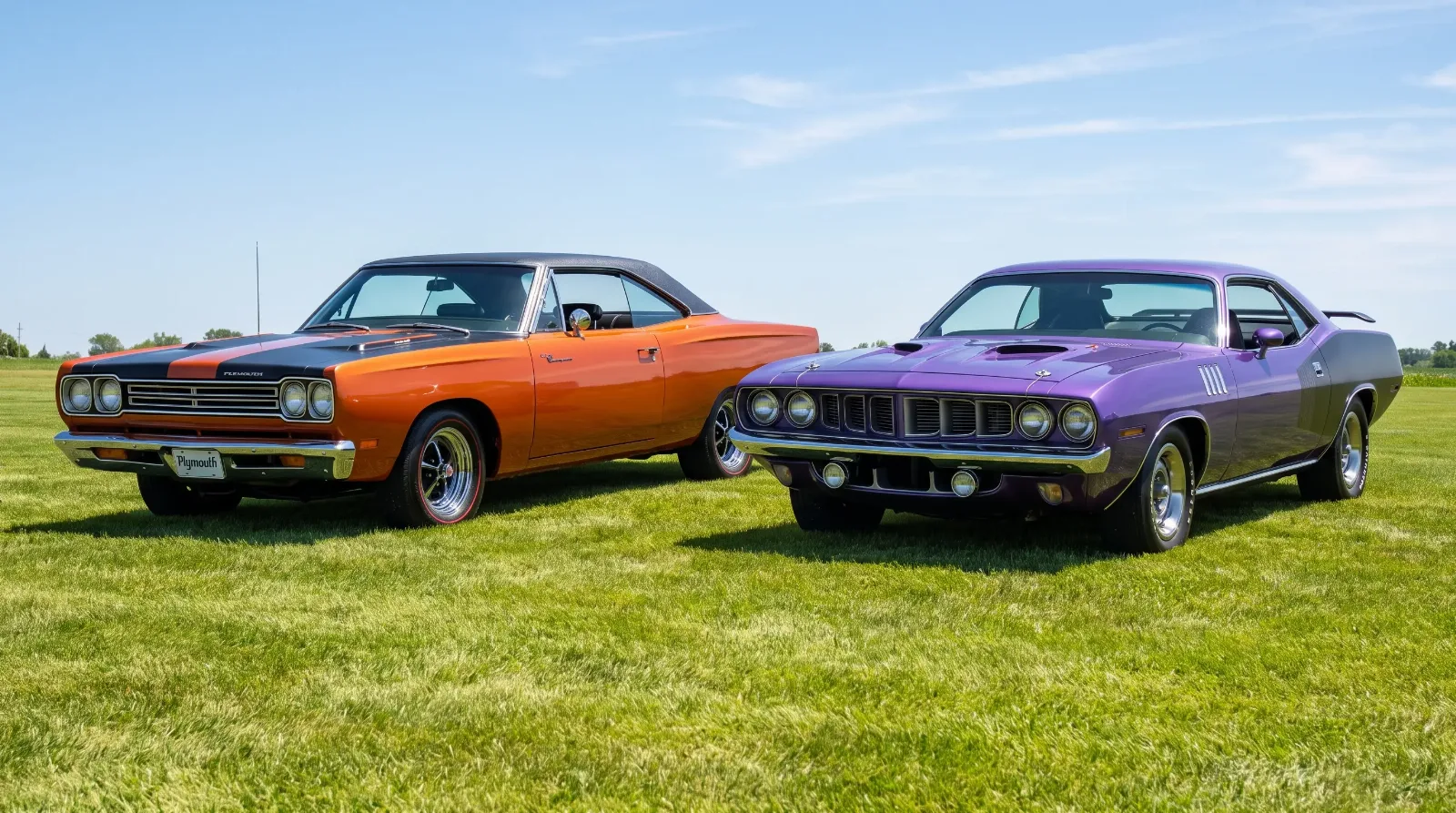
The 1960s muscle car was born in 1964 when Pontiac dropped a 389 into the mid-size Tempest and called it the GTO. The recipe was simple and it stayed simple for most of the decade: take an intermediate body, bolt in the biggest engine you can, keep the price where a young buyer can reach it. High compression, cheap high-octane leaded gas, and a horsepower rating measured gross, meaning at the flywheel with no accessories dragging it down.
The 1970s muscle car started from the same idea and then got taxed, regulated, and rationed until it was a different animal. By 1972 the ratings had switched to net, the compression had already dropped, insurance companies had figured out how to price these cars out of a kid's budget, and the first oil embargo was months away. The badges survived. The formula didn't.
What the 1960s cars had going for them
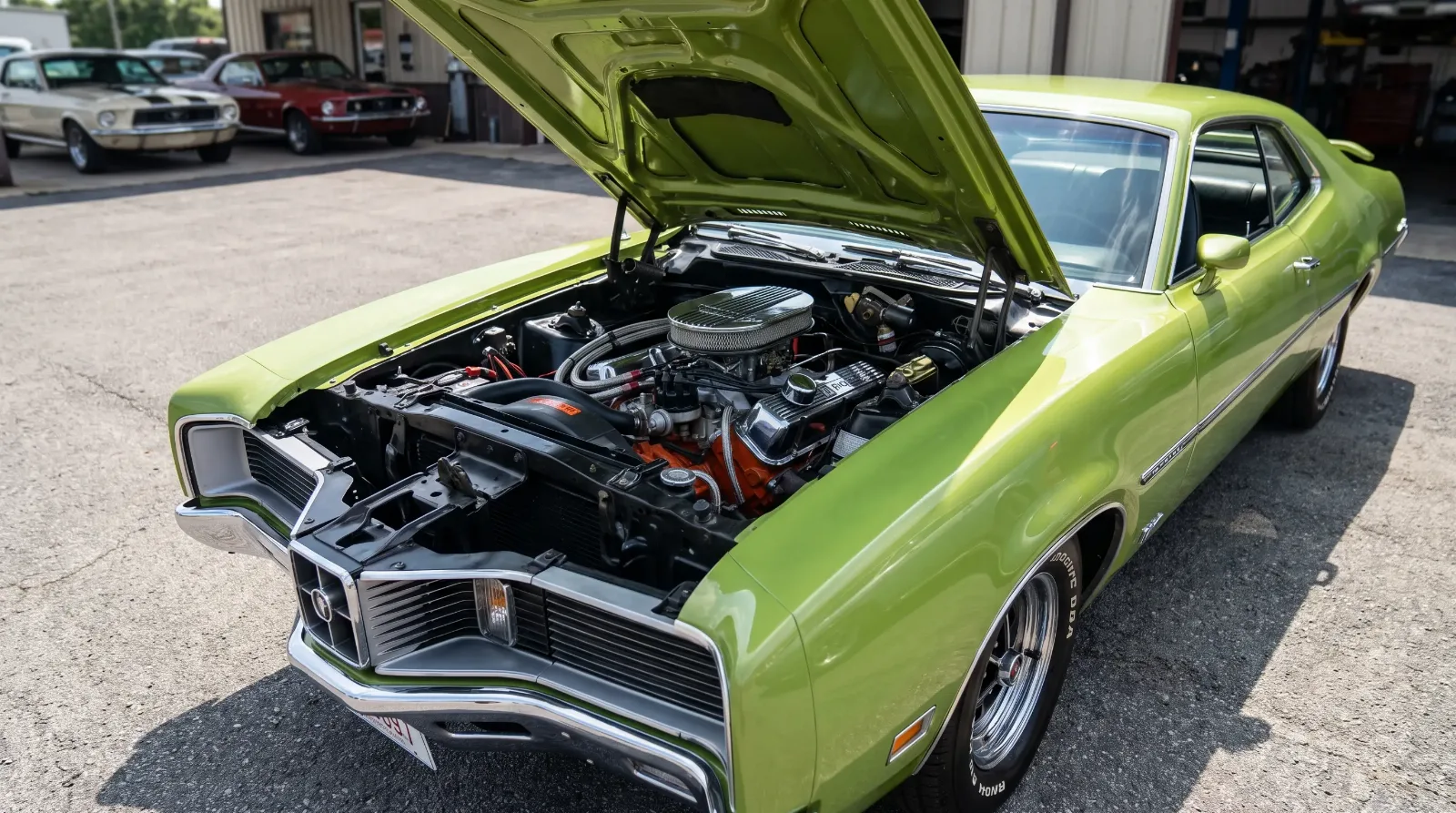
The peak, and almost everyone agrees on this, was 1970. That model year is where the horsepower and the freedom lined up perfectly, right before the rules caught up. You could walk into a dealer and order a Chevelle with the LS6 454 rated at 450 horsepower gross, a Hemi Charger, a 440 Six Pack, a Boss 429 Mustang. Compression sat around 10.5:1 and higher, premium leaded was cheap, and nobody at the factory was engineering for a catalytic converter yet.
Those cars are raw in a way the later ones simply aren't. They pull hard, they run hot, they want good fuel and frequent tuning, and they reward a driver who knows what a big-block wants. The reason the 1970 cars command the money they do at auction now is that they represent the last unfiltered year of the idea. Everything after leans a little softer.
Where the 1970s cars changed
The change came fast and it came in layers. For 1971 GM lowered compression across its engine lineup so the cars could run on lower-octane, unleaded-capable fuel. For 1972 the industry moved to SAE net horsepower ratings, which measure the engine as installed, with the air cleaner and exhaust and accessories all fighting it. That change alone knocked a big chunk off every number in the brochure, even before the engine itself lost any real output.
Then the outside world piled on. The 1973 oil embargo made big-block thirst a genuine problem. Federal 5-mph bumper rules bolted heavy chrome onto the ends of the cars. And insurance surcharges on high-performance models, which had started biting around 1968, had matured into a wall that priced young buyers out entirely. The car that a factory worker's kid could afford in 1966 was, by 1973, a luxury nobody in that bracket could insure.
| Trait | 1960s muscle | 1970s muscle |
|---|---|---|
| Compression | often 10.5:1 to 11:1 | around 8.5:1 after 1971 |
| HP rating | SAE gross | SAE net from 1972 |
| Fuel | cheap leaded premium | unleaded required by 1975 |
| Insurance | affordable early, biting by 1968 | punitive surcharges |
| Peak | 1970 | survivors, not peaks |
Driving one against the other
Get behind the wheel of each and the difference is physical, not just numerical. The 1960s car feels urgent and a little unruly, ready to spin the tires and light up on cheap gas that no longer exists in the same form. The 1970s car feels calmer, heavier at the corners because of those bumpers, and geared to survive a fuel crisis rather than embarrass the guy next to you at a light.
Neither one is wrong. They're answers to different questions. And if the specifics of how the industry escalated the power race in the first place interest you, read the full story on how Detroit talked itself into the horsepower wars before the whole thing came apart.
Which decade to buy into
For the money, the 1960s cars are the blue chips and priced like it. A documented 1970 big-block car is an investment-grade object now, and you pay for the privilege. The 1970s cars, the survivors and the appearance-package coupes, are where the value and the character both hide, because the market spent years ignoring them.
"People ask me which decade was better and that's the wrong question. The 1960s cars are the ones the myth is built on, no argument. But the 1970s cars are the ones that lived through the hard part, and there's a story in a 1974 that a perfect 1970 will never tell you."
Patrick Walsh
Buy the 1960s car for the legend and the appreciation. Buy the 1970s car for the affordability and the honesty of a machine that had to adapt or die. Just know which side of that line you're standing on before you write the check, because the badge on the fender won't tell you.
Related Reading
Have a
Classic Car
for Sale?
Reach thousands of serious classic car collectors across the US.
Sell It Here →
Are You a Classic Car Dealer?
List your full inventory and connect with targeted classic car buyers.
Join as a Dealer →
#muscle car history
#1970 muscle cars
#muscle cars 1960s vs 1970s
#gross vs net horsepower
#classic muscle comparison

About the author
Patrick Walsh
Automotive journalist covering classic car shows, events, and the enthusiast community across North America.
More in History & Heritage
Comments
Be the first to comment on this article.