
The horsepower wars weren't a plan. Nobody in Detroit sat down and drew up a ten-year escalation. It started with one division breaking a rule everybody had agreed to follow, it worked, and then the rest had no choice but to answer. I've had most of these engines apart at one time or another, and the thing that strikes you is how quickly cubic inches piled on top of cubic inches once the race was on. Six years took the American V8 from respectable to ridiculous.
History & Heritage
6 min read
The Horsepower Wars: How Detroit Escalated
How the 1960s horsepower wars pushed the American V8 from the GTO to the 454 LS6, why the ratings were half fiction, and what it means for buyers today.
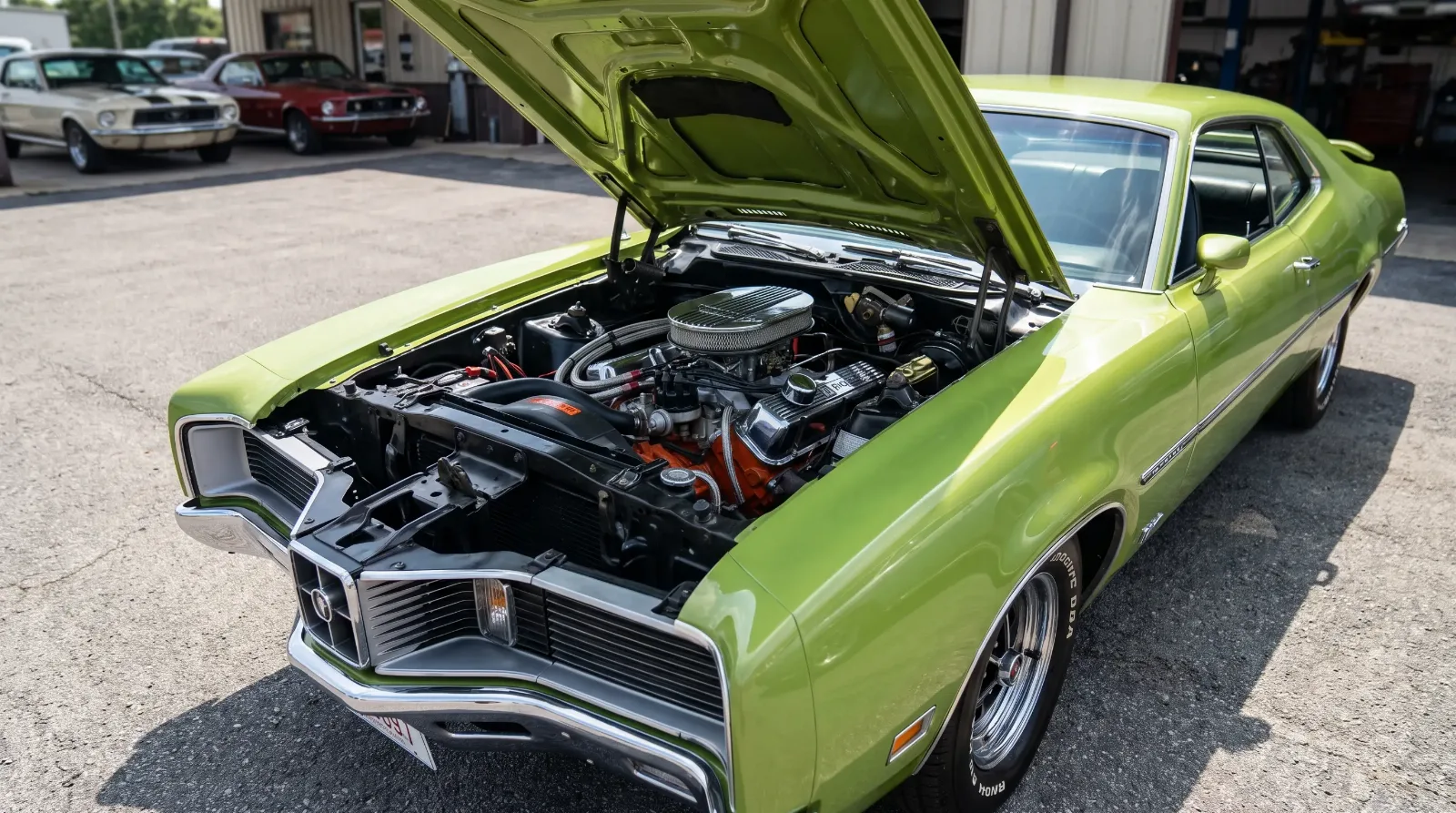
What makes the whole run fascinating is that the published numbers were half fiction the entire time. The factories were lying up and lying down depending on who was asking, insurance companies or drag racers, and untangling what these engines actually made is still an argument at every show. For the wider setting, the story of muscle car history frames it. This is the engine-room version.
How the war started
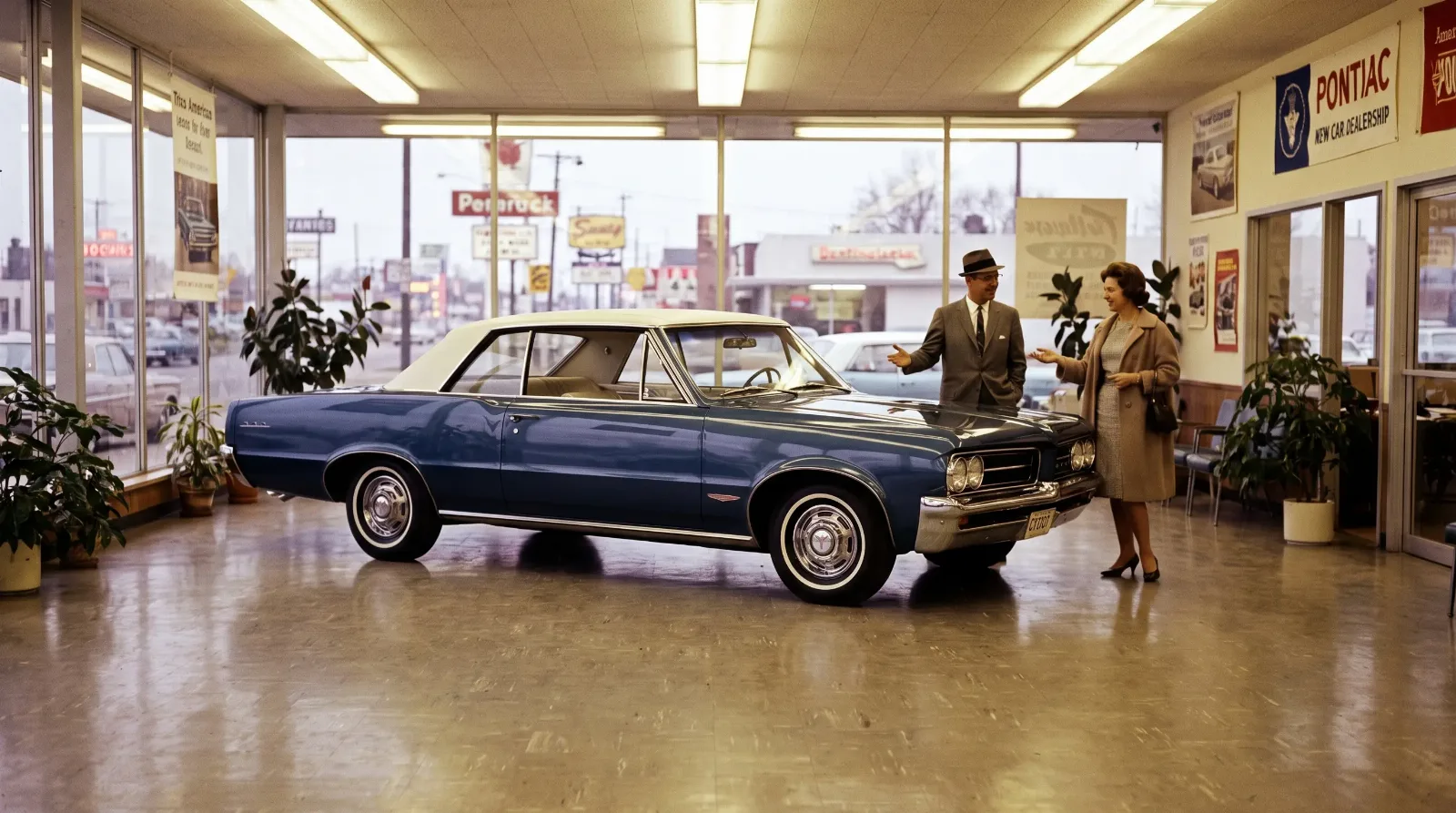
Back in 1957 the Automobile Manufacturers Association got the domestic makers to sign an agreement pulling out of factory racing and easing off performance advertising. On paper everybody complied. In practice they spent the next decade finding ways around it, funneling parts to racers through back channels and selling street cars that were race cars with license plates.
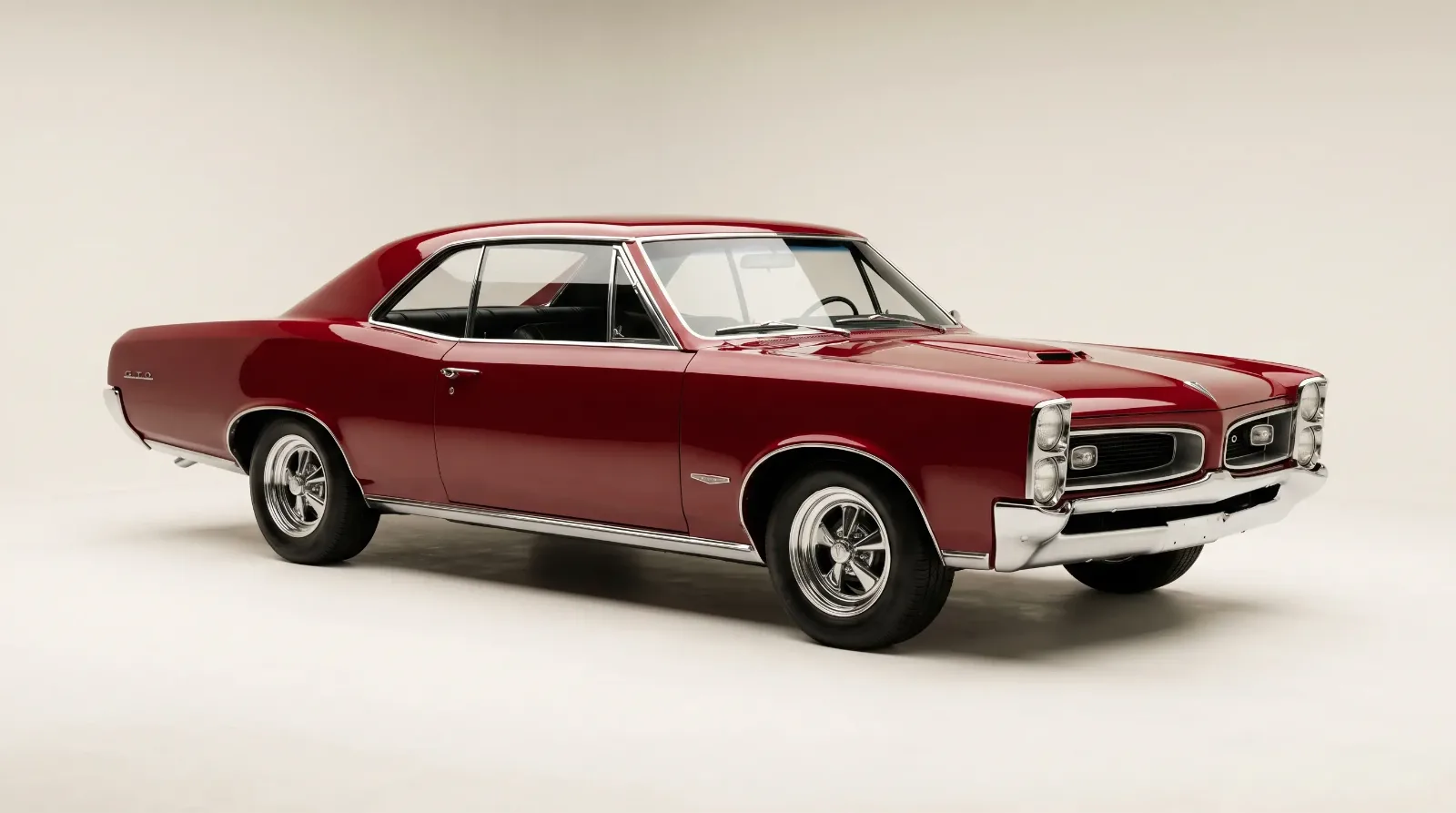
The spark most people point to is 1964, when Pontiac slipped a 389 into the mid-size Tempest against corporate policy and sold it as the GTO. It moved in numbers nobody expected. That's all it took. Once Pontiac proved that a young buyer would pay for a big engine in a light body, every division had to have an answer, and the ceiling started climbing.
The escalation, engine by engine
Follow the displacement and you follow the war. Each maker kept reaching for more cubic inches and more carburetion because the guy across town just did. This is the short list of the heavy hitters, and none of these numbers should be taken as gospel, because the factories massaged them for their own reasons.
| Engine | Rough era | Rated gross hp (as published) |
|---|---|---|
| Pontiac 389 Tri-Power (GTO) | 1964 | 348 |
| Chevrolet 396 (L78) | 1965 on | 375 |
| Chrysler 426 Street Hemi | 1966 on | 425 |
| Ford 428 Cobra Jet | 1968 on | 335 (widely seen as underrated) |
| Chevrolet 454 LS6 | 1970 | 450 |
Look at the 428 Cobra Jet. Ford rated it 335 horsepower and almost nobody believed it, because a Cobra Jet Mustang ran quarter miles that a 335-horse car has no business running. The underrating was deliberate, and it happened up and down the industry for two very specific reasons.
The gross horsepower game
Every one of those figures was measured gross, meaning the engine was on a stand with open headers and no accessories, no alternator dragging, no air cleaner, no full exhaust. It's the friendliest possible way to measure an engine and it flattered every number. That's why the switch to net ratings in 1972 looked like the sky fell, because net measures the engine the way it actually sits in the car.
Then there was the outright lying, and it went both directions. Some engines got rated high because horsepower sold cars. Others got rated low on purpose. A drag racer wanted a low factory rating because stock classes were figured on weight-per-horsepower, so an underrated engine got a favorable class. And insurance companies were starting to price by horsepower, so a lower published number kept the premium down. The Corvette L88 is the famous case, rated at 430 horsepower when the real figure was well north of 500.
The unofficial ceiling and how it broke
For most of the 1960s there was a soft cap around 425 gross horsepower that the makers mostly respected on paper, whatever the engines actually did. It was partly the ghost of that old AMA agreement and partly a sense that publishing a bigger number invited trouble from regulators and insurers who were already circling.
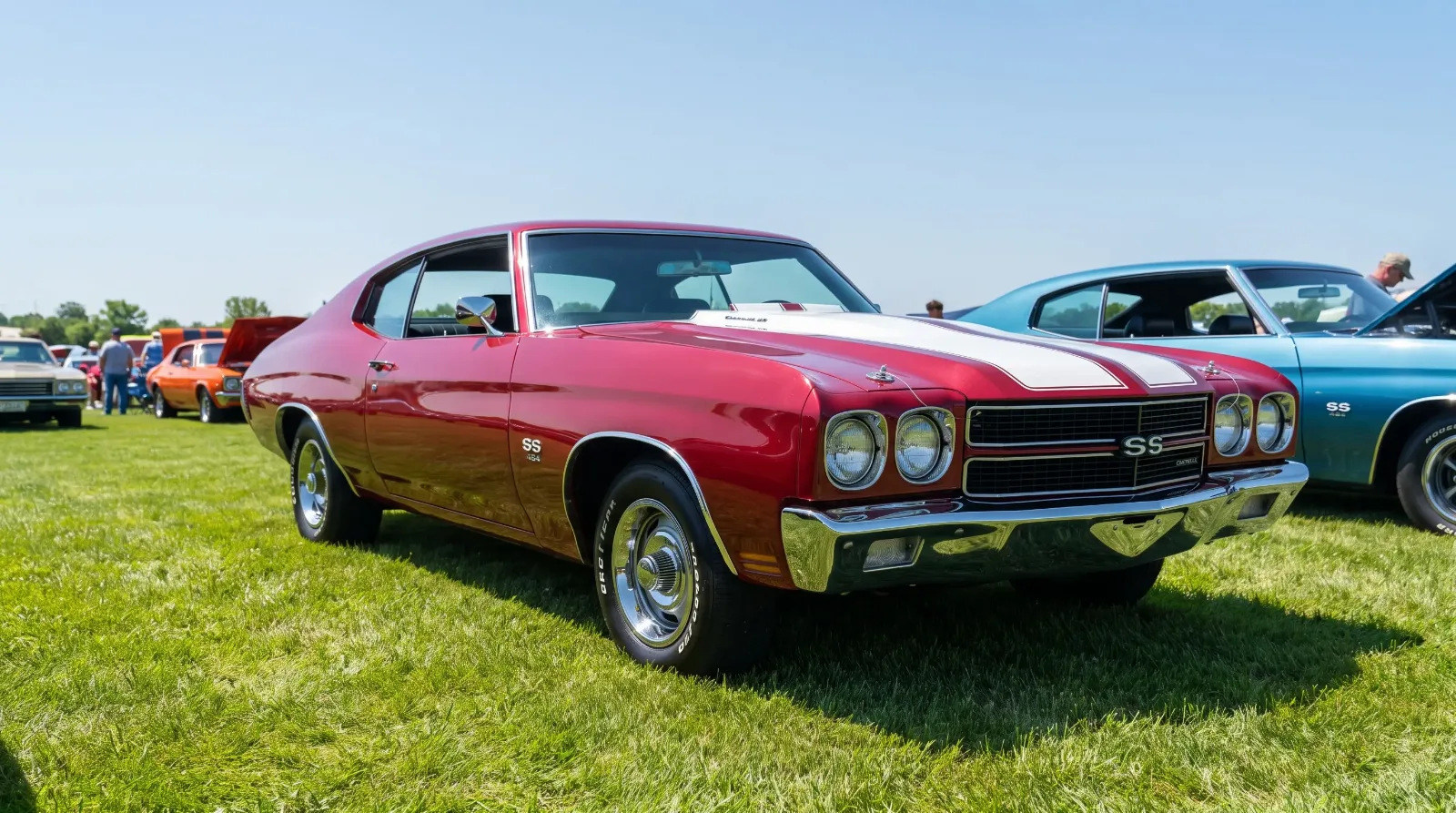
That ceiling held until 1970, when Chevrolet published 450 horsepower for the LS6 454 and stopped pretending. It was the top of the mountain and it lasted about a year. Because the same forces that made the factories nervous about big numbers, insurance and emissions and safety pressure, were about to end the whole race. The high-water figure and the collapse came almost back to back. For the full sweep of American muscle cars and how the badges outlived the engines, the feature story carries it past this point.
What the war means when you're buying today
Here's where the horsepower wars matter to a buyer standing in front of a car with a checkbook. The published rating on a fender badge is not evidence of anything. I've seen sellers quote factory horsepower like it's stamped in stone, and it isn't. What matters is whether the engine in the car is the engine the paperwork says it is, and whether the casting numbers and date codes back up the story.
"Everybody wants to talk about the horsepower number on the window sticker. I don't care what the sticker said. I care whether the block casting number matches the year, whether the heads are right, and whether somebody stamped a fake pad to turn a plain 396 car into an L78. The war made these numbers famous, and it also made them worth faking."
Mike Sullivan
The escalation is exactly why authentication is such a big deal on these cars. The rare high-output engines from the peak years are the ones that made the war, and they're the ones people clone and fake because that's where the money sits. If you want to see what's genuinely out there, shop muscle cars up for grabs and read the fine print on the drivetrain before the paint. And if you're still sorting out where the pony cars fit into all of this, read the full story on how those two categories actually differ.
Related Reading
Have a
Classic Car
for Sale?
Reach thousands of serious classic car collectors across the US.
Sell It Here →
Are You a Classic Car Dealer?
List your full inventory and connect with targeted classic car buyers.
Join as a Dealer →

About the author
Mike Sullivan
Detroit-area muscle car enthusiast and restoration specialist with three decades of hands-on experience working on American iron.
More in History & Heritage
Comments
Be the first to comment on this article.