
A GMC C15 pulls up next to a Chevy C10 at a truck show and half the crowd walks past thinking they just saw the same truck twice. They're not wrong to think that. But they're not entirely right either, and the differences between these two are worth understanding if you're cross-shopping one against the other or just trying to make sense of why one badge sells for less than the other on what looks like the identical truck.
History & Heritage
7 min read
The GMC Twin: How the C15 Compares to the Chevy C10
The GMC C15 shared its platform with the Chevy C10 down to the frame, but grille styling, trim naming, and dealer network set the two badge-engineered twins apart.
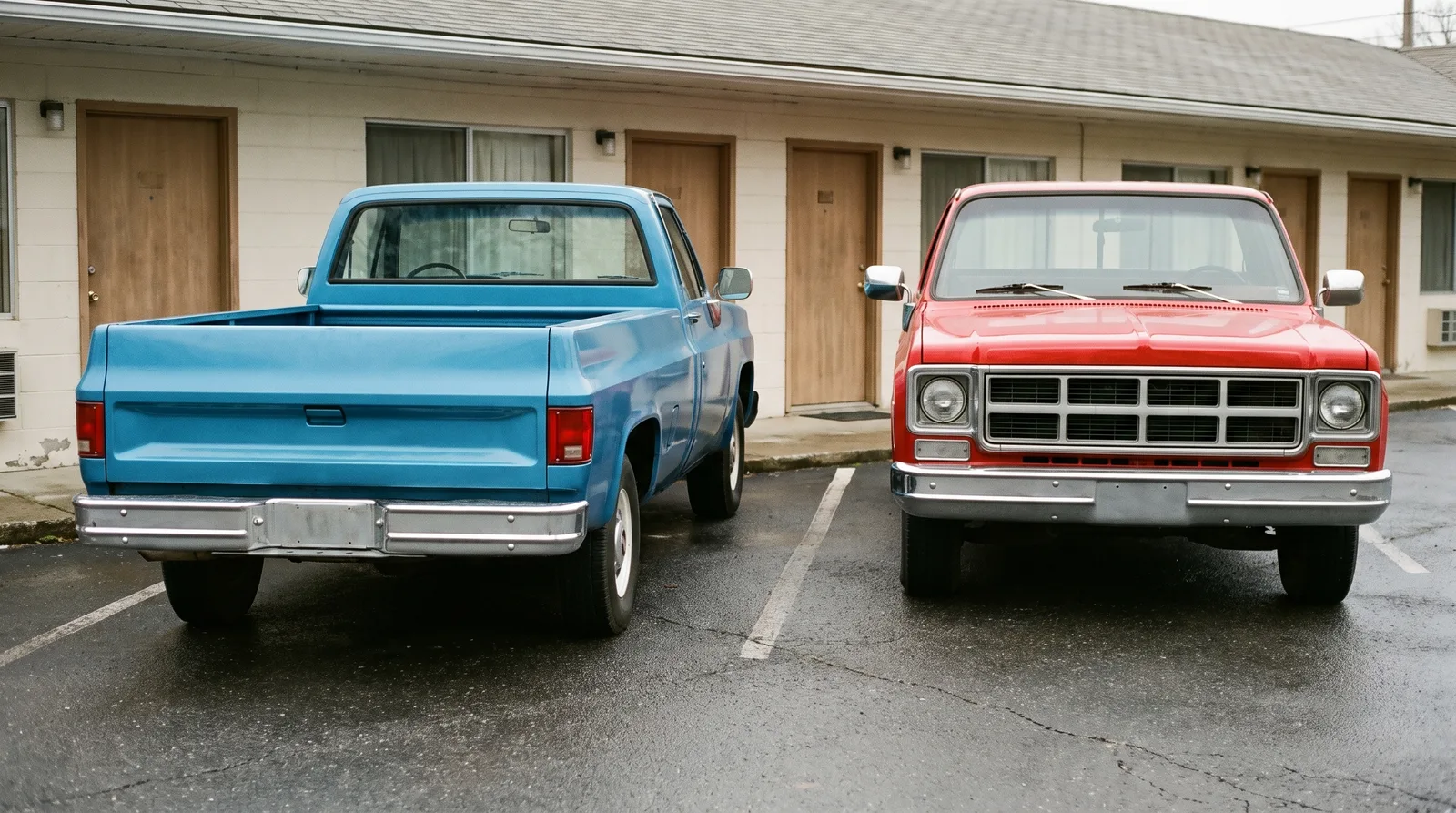
Same platform, different dealer network
General Motors built the C15 and C10 on the same body and frame, sharing sheet metal, cab structure, and most of the mechanical layout across both. The split existed because GM sold trucks through two separate dealer networks, Chevrolet and GMC, and needed a product for each without engineering two completely different trucks. This is the same badge-engineering logic that gave GM twins across other model lines, just applied to the truck side of the business. If you already know the C10 generations timeline, the C15 followed that same body-style calendar year for year, since it was riding the identical platform underneath.
What actually separated the two was trim, badging, some grille treatments, and in certain years, engine or option availability that leaned toward one network over the other. GMC buyers tended to be more commercial and fleet-oriented in some regions, and GMC's marketing pitched the truck slightly differently even when the sheet metal underneath was identical.
Where the visual differences actually show up
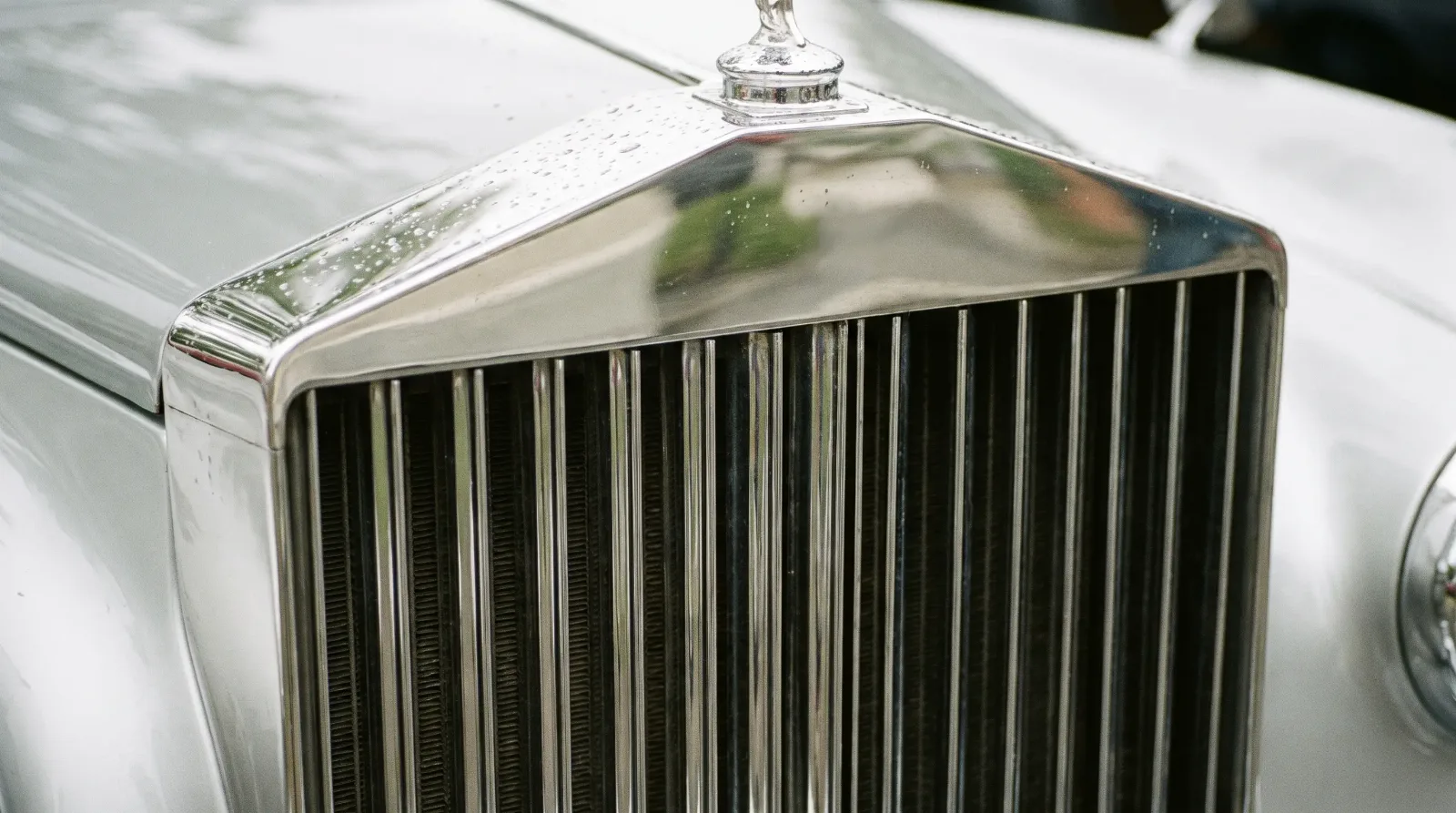
The grille is the fastest way to tell them apart at a glance. GMC ran its own grille designs across the Action Line and square body years rather than just wearing a Chevy grille with different badges, and GMC used its own hood ornamentation and tailgate lettering. Trim packages carried GMC-specific names rather than the Chevy equivalents, so a loaded GMC didn't call itself a Cheyenne or Silverado, it had its own naming convention for the same basic content level, and that naming shifted more than once across the production run.
For what it's worth, in 1972 and through the 1973-1974 square body model years, the top-shelf GMC trim ran under the Sierra Grande name, sitting in the same spot in the lineup as a Chevy Cheyenne Super, with Super Custom a notch below that, roughly matching a Custom Deluxe. That changed once Chevrolet introduced Silverado as its new range-topping trim for 1975: GMC's equivalent became Sierra Classic, and Sierra Grande slid down to a mid-pack position matching the Chevy Scottsdale instead. I've never seen the nameplates cross over, which is exactly why a GMC and a Chevy sitting side by side at a show can be running the same content level under two completely different names, and why a buyer scanning listings for "Silverado" will walk right past an equally loaded Sierra Classic (or, depending on the year, Sierra Grande) without ever knowing it.
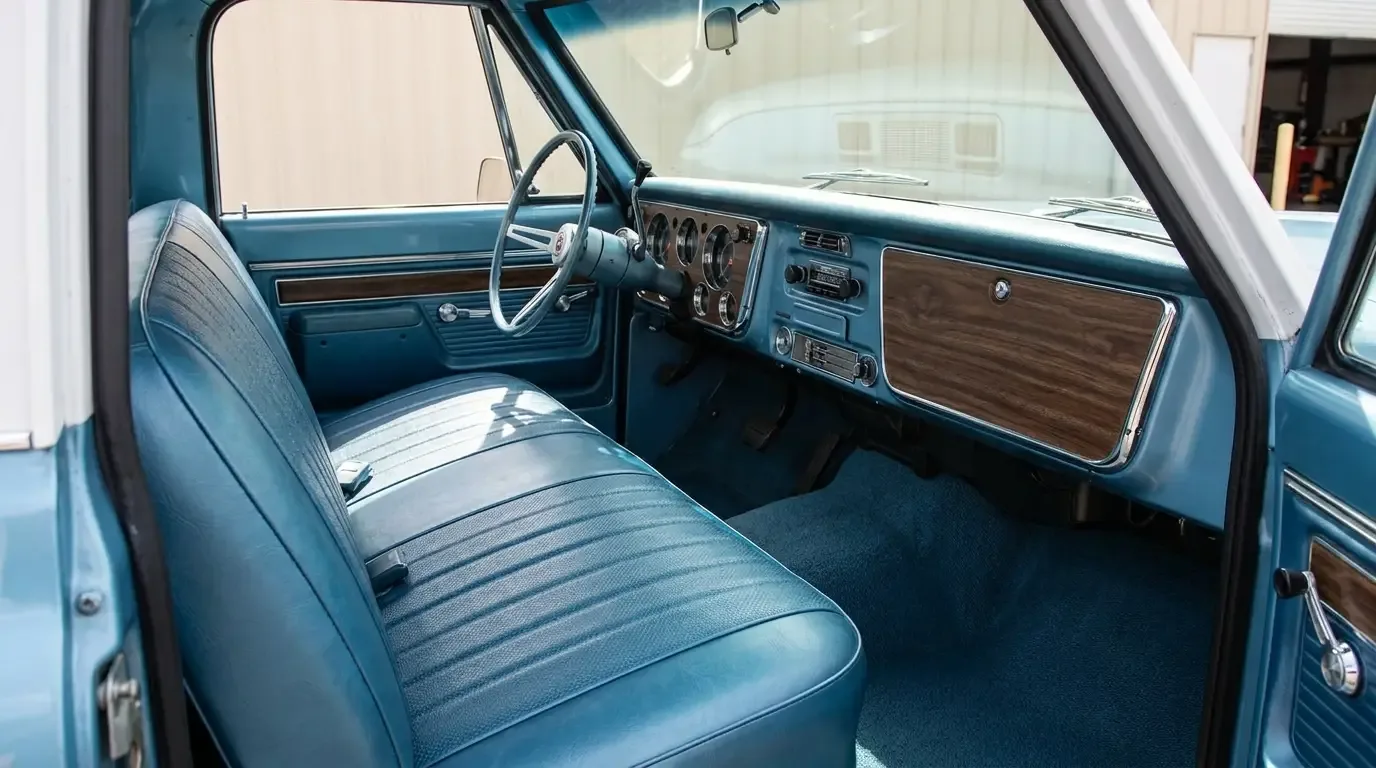
Interior treatment mostly tracked whatever Chevrolet was doing at the same trim level, though the badging on the dash and steering wheel is the obvious tell. If you're weighing how the two actually felt to sit in day to day, how the cabins differed inside is worth a look, since cabin equipment moved in lockstep with the Chevy side more often than the exterior styling did.
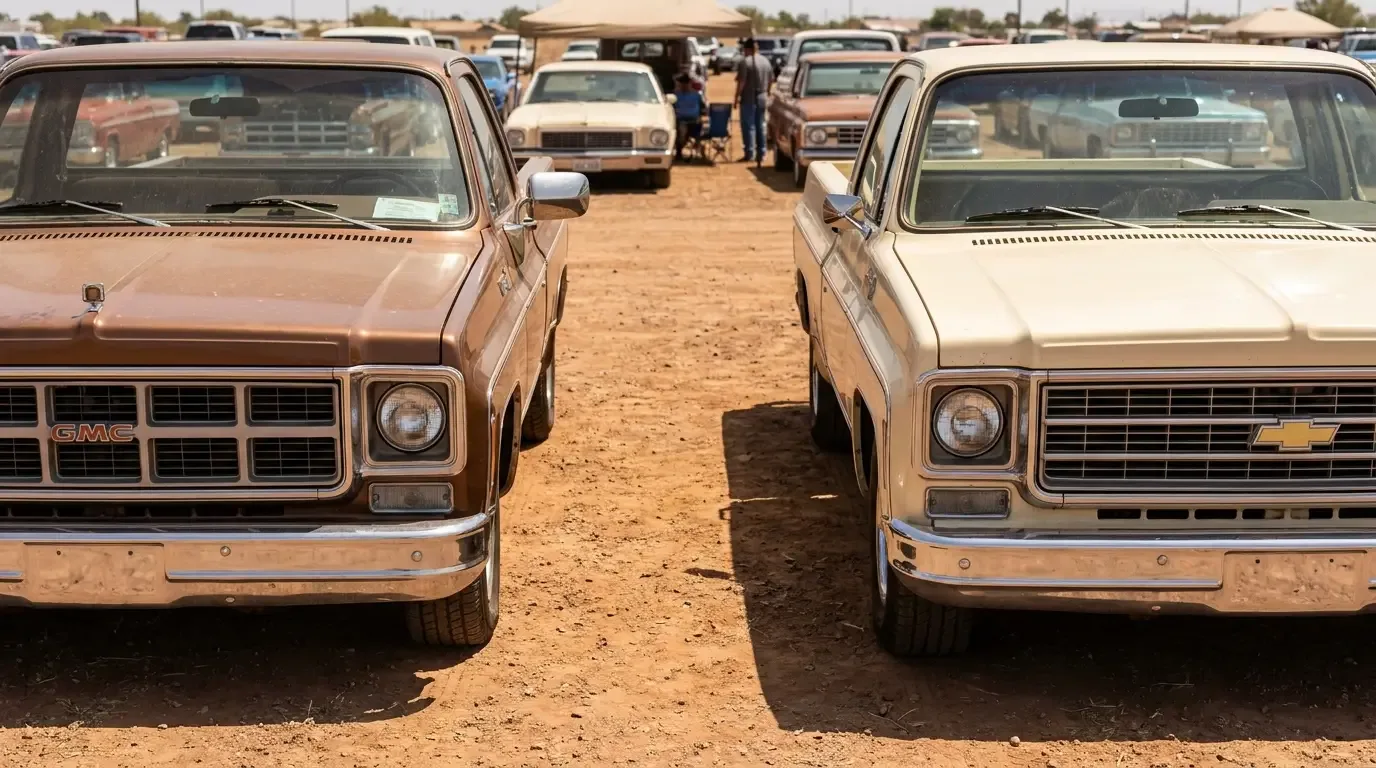
Engine and drivetrain differences worth knowing
Mechanically these trucks are closer to identical than most buyers expect. Both pulled from the same GM engine family for the era, six-cylinder base engines stepping up through small-block and available big-block V8 options depending on year and configuration. GMC did run some of its own engine branding: the division built its own 60-degree V6 gas engines and, later, Toro-Flow V6 diesels that Chevrolet never offered, though those were mostly a medium- and heavy-duty story, and by 1974 GMC had dropped its own gas V6 line entirely in favor of the shared Chevrolet inline six and small-block V8 lineup that powered the light-duty C15. For the most part, a mechanic working on a C10 can work on a C15 without relearning much of anything.
| Area | Chevy C10 | GMC C15 |
|---|---|---|
| Platform | Shared GM light truck body/frame | Identical shared platform |
| Grille and badging | Chevy-specific styling and trim names | GMC-specific styling and trim names |
| Engine lineup | Standard GM inline six and V8 range | Largely the same in the light-duty C15; GMC ran its own V6 gas and diesel engines in earlier and heavier-duty applications |
| Dealer network | Chevrolet dealers | GMC dealers, more commercial-leaning marketing |
Why this matters for value and buying decisions
Lower production numbers for the GMC badge cut both ways in the market. Rarity should, in theory, support a stronger price, and for the right buyer, a documented C15 in good condition can be a genuinely interesting alternative to the more common C10 crowding every truck show field. But name recognition still drives most of the demand in this hobby, and the Chevy badge carries more weight with casual buyers who don't know or care about the GMC connection. That gap between actual rarity and market recognition is where a patient buyer can find a mechanically identical truck for less money, provided they're not precious about which bowtie or which letters are on the tailgate.
I've steered a few buyers toward a clean C15 specifically because the truck they wanted, in the condition and configuration they wanted it, simply wasn't showing up under the Chevy badge at a price they'd pay. Worth keeping in mind if you're locked into "must be a Chevy" for reasons that don't actually hold up once you're standing in front of the truck.
Sources and notes
- 73-87 Chevy/GMC pickup trim level hierarchy by year
- GMC Sierra Grande, High Sierra, and Sierra Classic history
- Hagerty 1973-87 Chevrolet/GMC truck buyer's guide
- GMC V6 engine history
- GMC straight-six engine background
- 1973 GMC Sierra Grande example listing
Parts sourcing is where the GMC side gets genuinely harder, not just theoretically rarer. I've stood at swap meets around Fredericksburg where a table might carry three or four reproduction Chevy grille inserts and exactly zero GMC ones, because reproduction manufacturers build to whatever sells the most units, and Chevy volume wins that math every time. Trim pieces, tailgate lettering, and grille components that are a phone call away for a C10 can take months of hunting for a C15, and that sourcing headache is a real cost even when the truck itself is cheaper to buy up front.
"Underneath the badge and the grille, you're looking at the same truck. The only real question is whether you can get past the letters on the tailgate to see it."
Robert Halloran
Bottom line on the C15 versus C10 question
These aren't rival trucks so much as siblings sold through different front doors. Buy based on condition, documentation, and the specific configuration you actually want, not brand loyalty to a badge that didn't change much of anything under the skin. If the right GMC shows up at the right price, there's no mechanical reason to pass on it just because it isn't wearing a bowtie.
Related Reading
Have a
Chevrolet C10
for Sale?
Reach thousands of serious classic car collectors across the US.
Sell It Here →
Are You a Classic Car Dealer?
List your full inventory and connect with targeted classic car buyers.
Join as a Dealer →

About the author
Robert Halloran
Texas-based classic truck enthusiast with decades of experience buying, restoring, and writing about American pickups from the 1940s through the 1980s.
Related Listings - Chevrolet C10
More in History & Heritage
Comments
Be the first to comment on this article.