
Endings in the car world are rarely clean. The muscle car did not die on a single date with a headstone. It faded across a few model years, and in that fade there were a handful of cars that refused to go quietly. The last real ones. The cars built after the party was clearly over, by engineers who apparently did not get the memo, or got it and ignored it.
History & Heritage
6 min read
The Last Real Muscle Cars (1971-1974)
The last muscle cars: the 1971 Hemi Cuda swan song, the compression cuts, and Pontiac's 1973-74 SD-455 Trans Am, the final true holdout.
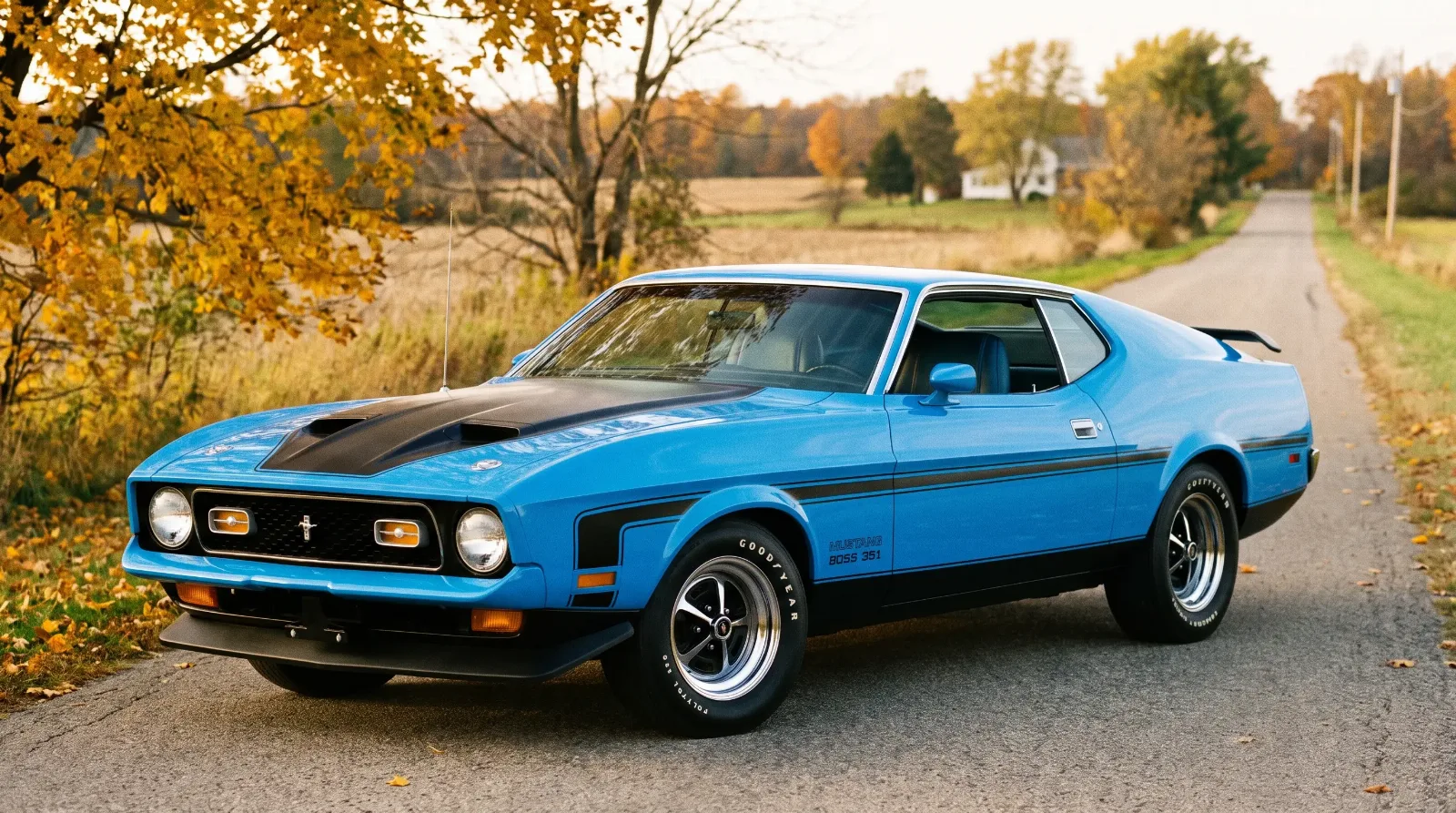
Those final holdouts, roughly 1971 through 1974, are some of the most interesting cars of the whole run. They were built against the current, and you can feel it. Here is who kept swinging after the bell.
The clock was already ticking in 1971
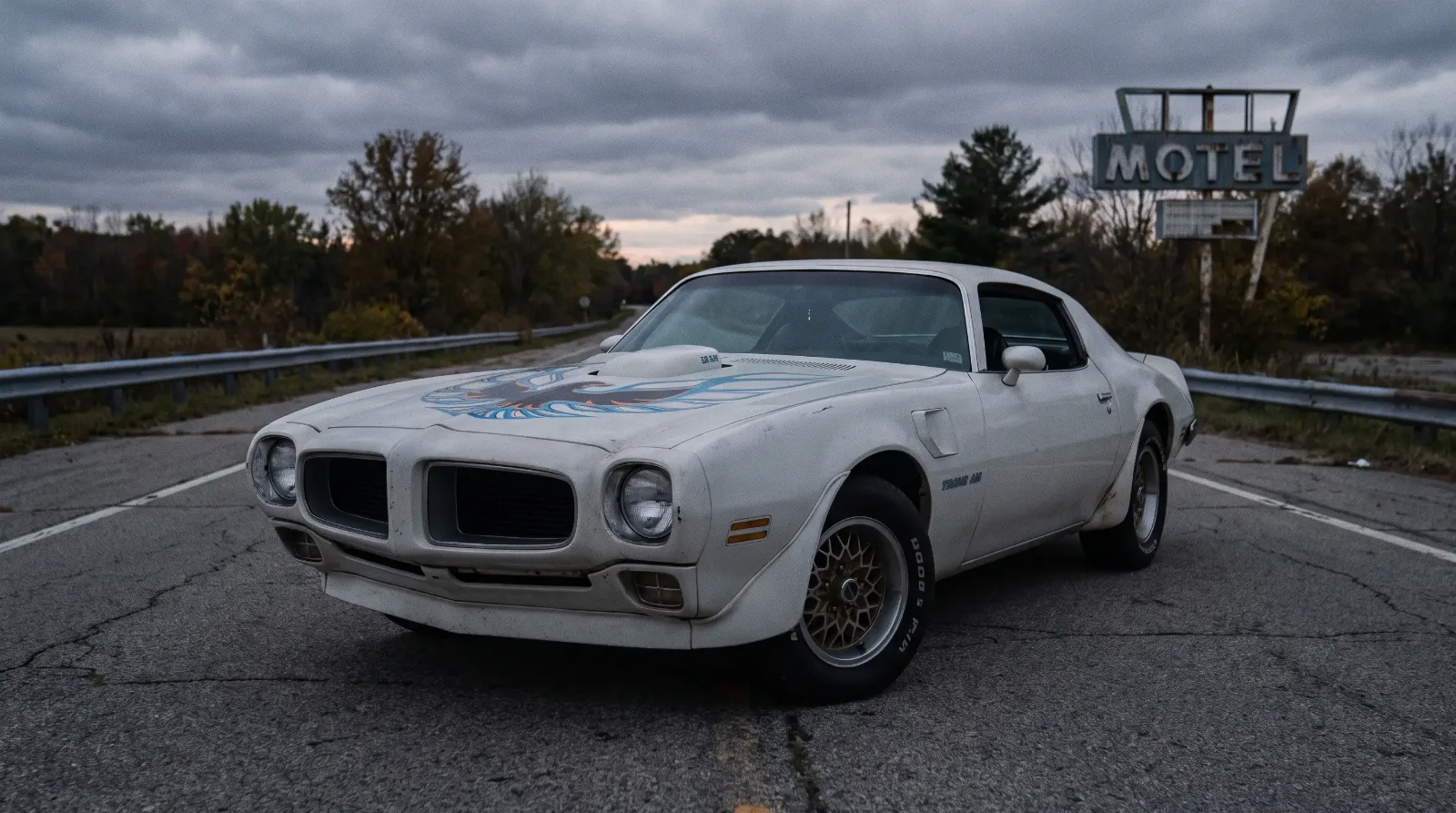
For 1971 the manufacturers dropped compression ratios across the board to get ready for unleaded fuel and tougher emissions rules. That single change pulled real power out of nearly every engine on the market. Then for 1972 the industry switched from the optimistic gross horsepower ratings to the more honest net figures measured with the accessories bolted on, and suddenly every spec sheet looked cut in half.
The insurance surcharges aimed at young buyers were already biting. The market was shrinking. Most divisions quietly let their performance packages wither. But not all of them, and not all at once. If you want the full timeline of the decline, classic muscle car history lays out how each piece fell.
1971: the last of the big compression
The 1971 model year is where a lot of collectors draw the line for the last true muscle cars, because it was the final year for some of the legends. Chrysler offered the 426 Hemi and the 440 Six Barrel for one last season in the Cuda and Challenger before pulling the plug. Those 1971 Hemi cars are among the rarest and most valuable muscle cars ever built, precisely because everyone knew the end was near.
| Last-stand car | Years | Why it counts |
|---|---|---|
| Plymouth Hemi Cuda | 1971 | Final year for the 426 Hemi |
| Chevrolet Chevelle SS454 | 1971 | Big-block SS soldiered on, lower compression |
| Buick GS 455 Stage 1 | 1971 | Still huge torque after the cut |
| Ford Boss 351 Mustang | 1971 | Last of the Boss small-blocks |
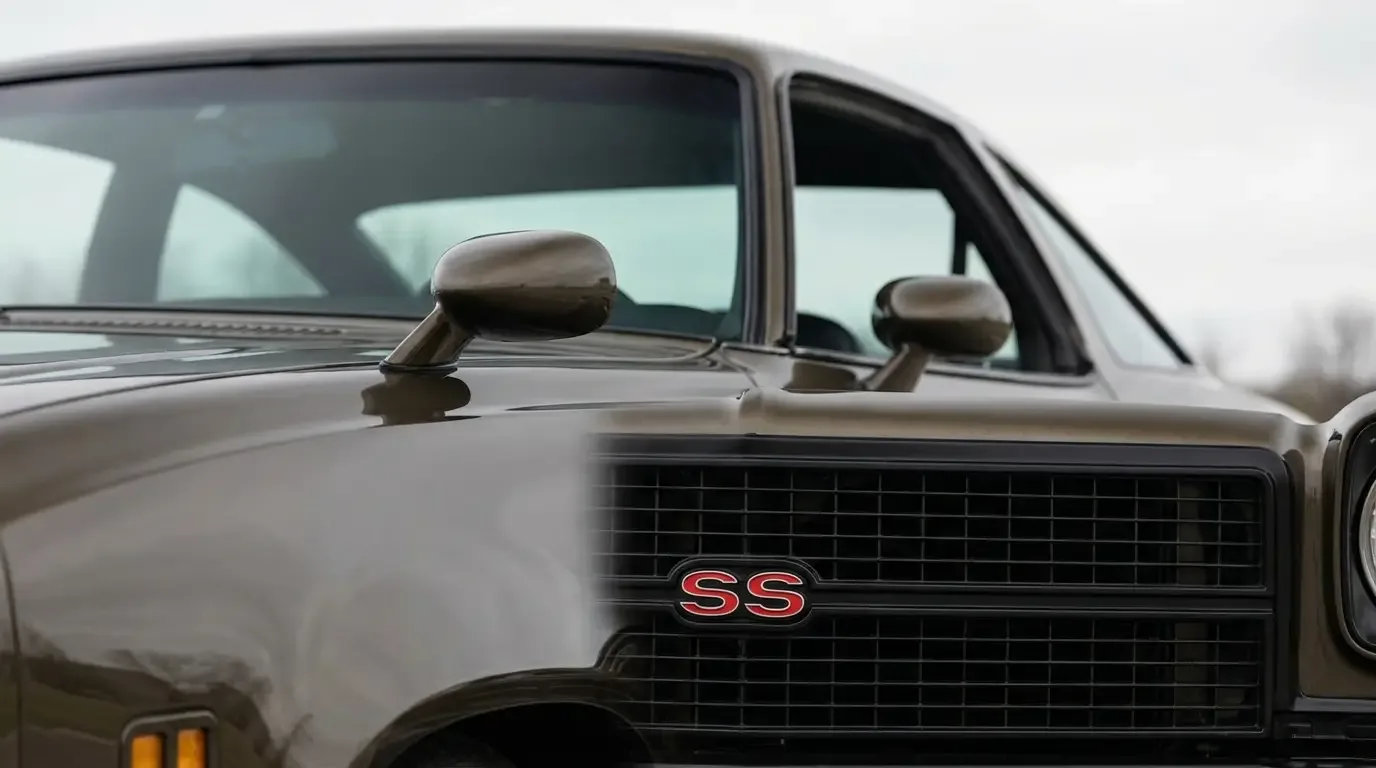
| Pontiac Trans Am SD-455 | 1973-74 | The genuine final holdout |
Chevrolet kept the Chevelle SS454 going, Buick still sold the GS 455 Stage 1 with torque that ignored the compression cut, and Ford sent off the Boss line with the Boss 351 Mustang. These were real performance cars, just running with less on the dial than the year before. The character was intact. The numbers had started their long slide.
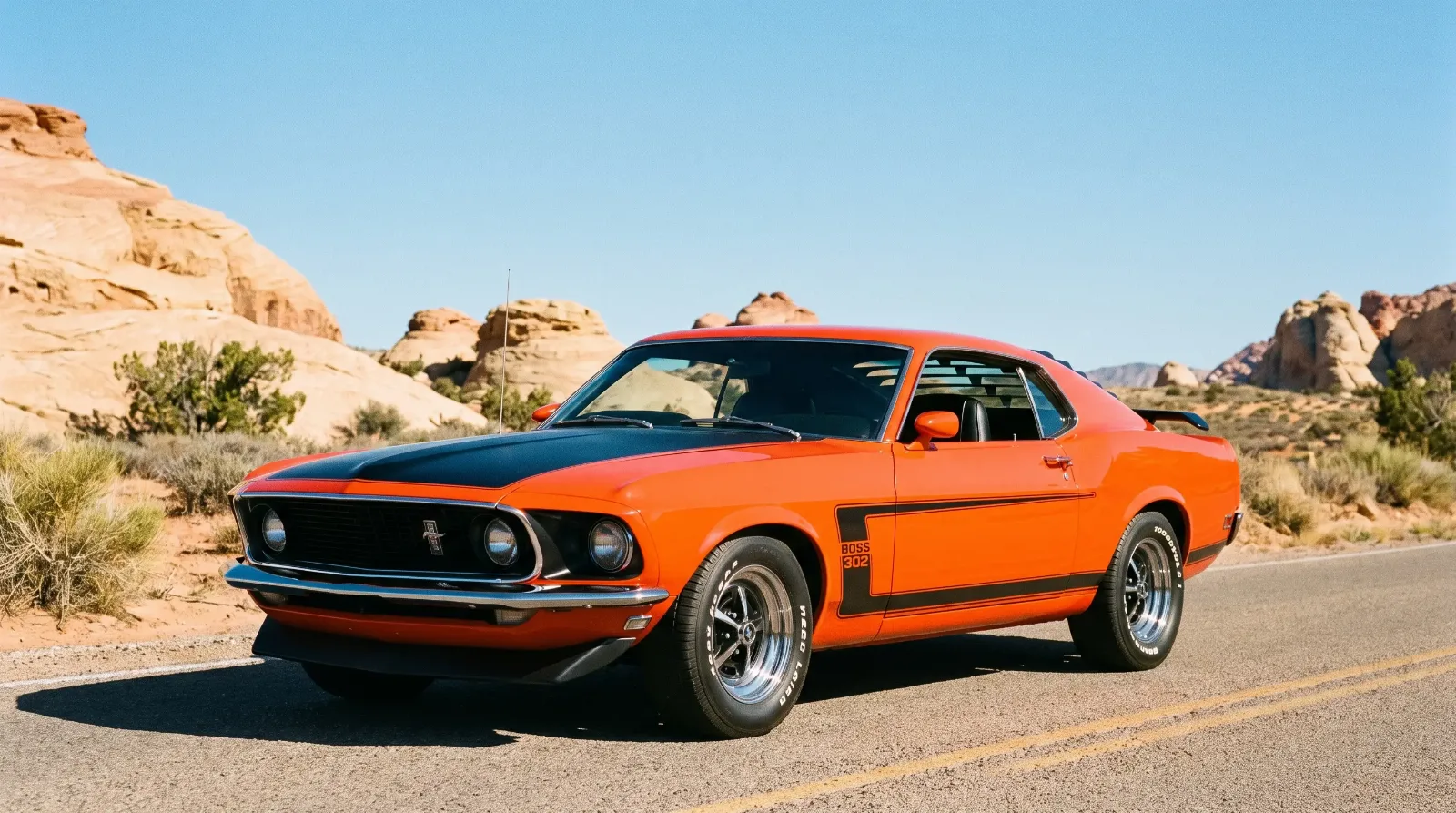
There were small-block specials in this stretch too, and they deserve a mention. Chrysler built the AAR Cuda and the Dodge Challenger T/A around 1970 as homologation cars for Trans-Am racing, with triple-carb 340s and side-exit exhaust. Ford ran the Boss 302 Mustang for the same series. These were not the biggest engines on the block, but they were sharp, purpose-built cars that came right at the tail end of the good years. They prove the effort did not stop cold in 1970. It tapered, and the tapering produced some of the most focused cars of the whole era.
The Super Duty holdout
Then there is the car that gets the last word. In 1973 and 1974, when almost everyone else had surrendered, Pontiac released the Super Duty 455 in the Trans Am and Formula. This was not a warmed-over leftover. The SD-455 was a purpose-built performance engine with a tough block and serious internals, developed right in the teeth of the emissions era.
Rated conservatively at around 290 net horsepower, the SD-455 outran cars that had bragged about far bigger gross numbers a few years earlier. Because net ratings tell the truth, that figure meant more than it looked. Plenty of historians call the 1973-74 Super Duty Trans Am the genuine last real muscle car, the final American production car built with no apology while the whole industry was backing away.
"By 1973 everybody had thrown in the towel except a few stubborn engineers at Pontiac. They built the Super Duty anyway, right when it made no business sense. That is exactly why people love it. It is the sound of somebody refusing to quit."
Patrick Walsh
What "last" really means
Draw the line wherever you like and someone will argue. Some say 1970 was the real end and everything after was decline. Some hold out for the 1971 Hemi cars. The Pontiac faithful will die on the Super Duty hill. They are all pointing at the same truth from different angles. The thing that made a muscle car special, cheap power with no excuses, got harder to build every year until it was gone.
There is a market angle to all of this that collectors understand well. Scarcity plus a known endpoint drives value, and these final cars have both. The 1971 Hemi cars were the last of their kind and were built in tiny numbers because the market had already turned. The Super Duty Trans Ams came late, sold slowly, and survived in small quantities. Cars built at the end of an era, in low volume, by a company that knew it was closing the book, tend to become exactly the cars everyone wants forty years later. The endings are where the value hides.
What makes these final cars matter is that they were built knowing the end was coming. There is honesty in that. No pretending the rules were not tightening, no pretending the buyers were not leaving. Just a few last cars made with conviction. The idea did not vanish, though. It went underground and then overseas, and you can read the full story of how American muscle shaped fast cars around the world long after Detroit stopped building them. The last real muscle cars were an ending. They were not the end of the influence.
Related Reading
Have a
Classic Car
for Sale?
Reach thousands of serious classic car collectors across the US.
Sell It Here →
Are You a Classic Car Dealer?
List your full inventory and connect with targeted classic car buyers.
Join as a Dealer →

About the author
Patrick Walsh
Automotive journalist covering classic car shows, events, and the enthusiast community across North America.
More in History & Heritage
Comments
Be the first to comment on this article.