
Two cars can both have a 427 under the hood and be nothing alike. That is the thing people miss when they lump all the sixties performance iron together. A full-size Impala with a 409 and an intermediate Chevelle with a 396 came from the same company in the same decade, and they were built to do different jobs. One is a heavyweight. The other is the car that actually defined the muscle era.
History & Heritage
6 min read
Intermediate vs Full-Size: The Muscle Car Divide
Intermediate vs full-size muscle: how weight, wheelbase, and the 1964 GTO decided why the mid-size A-body won and full-size performance cars faded.
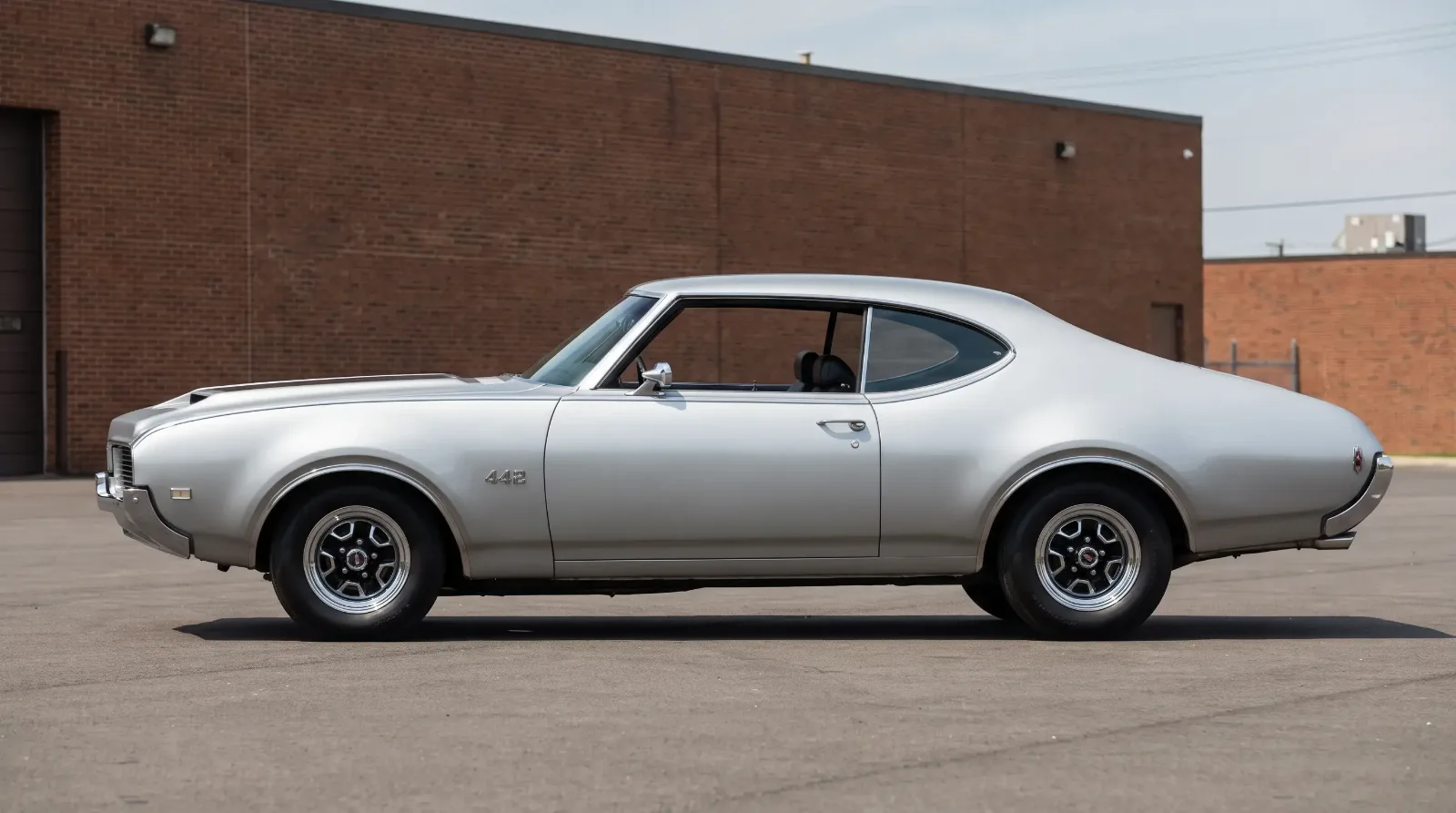
I have worked on both, and the difference is not subtle once you get a wrench on them. It comes down to size, weight, and where the engineers were pointing the whole package. Here is how the two branches split.
Two different recipes
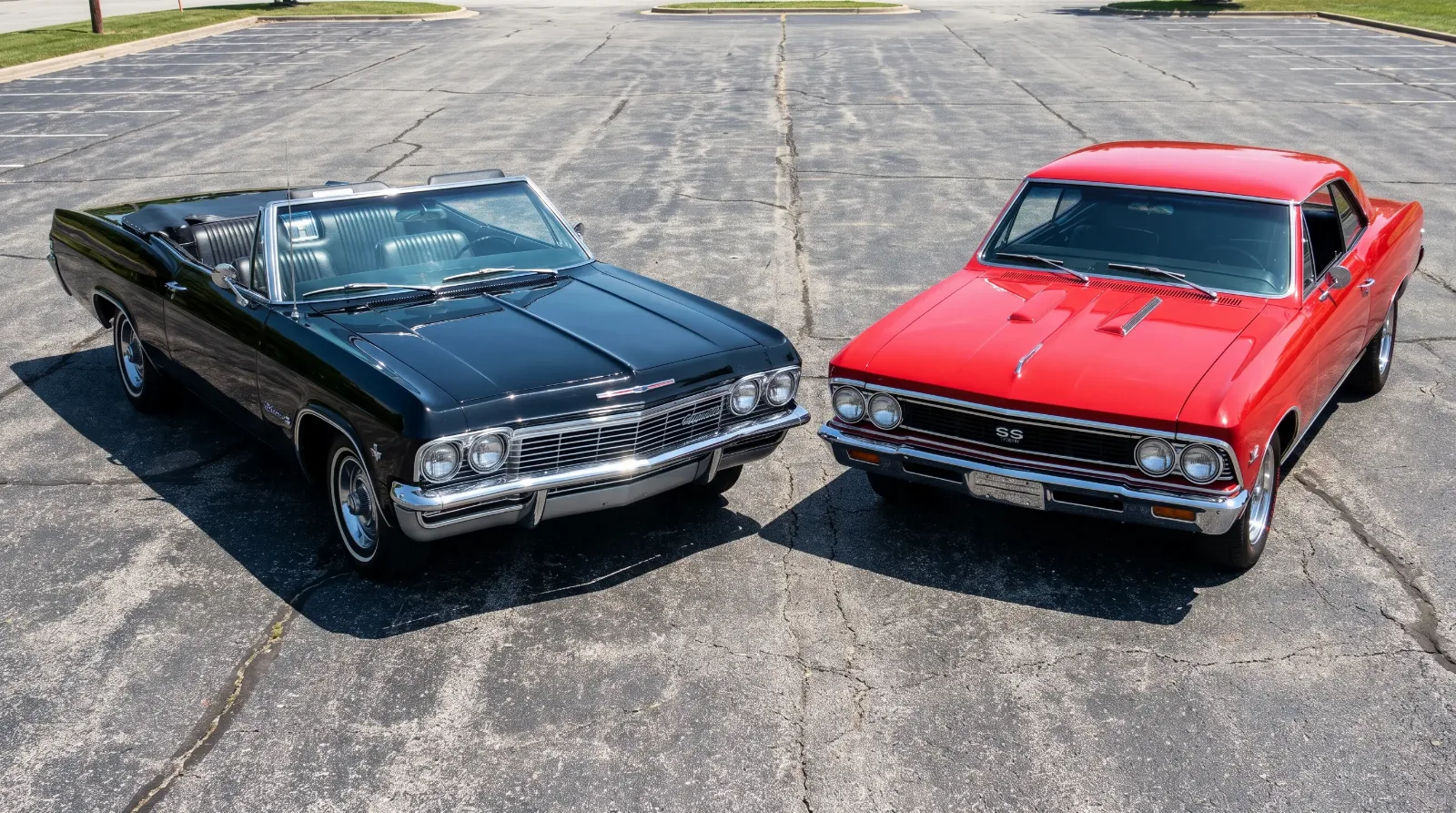
The full-size cars, the B-body Chevrolets, the big Fords and Chryslers, rode on wheelbases around 119 to 121 inches and tipped past two tons with a big engine in the nose. The intermediates, the A-body Chevelle and GTO and their cousins, sat on roughly a 112-inch wheelbase and came in several hundred pounds lighter. Same engines were available in both. The math on power-to-weight was not close.
That weight difference is the whole story. Bolt a big block into a full-size car and you get a fast highway cruiser that runs out of breath the moment you ask it to change direction. Bolt the same engine into the lighter intermediate and you get a car that launches hard and feels alive. The the muscle car history overview walks through how the industry figured this out, but the punchline is simple. Less car around the same engine wins.
The full-size era came first
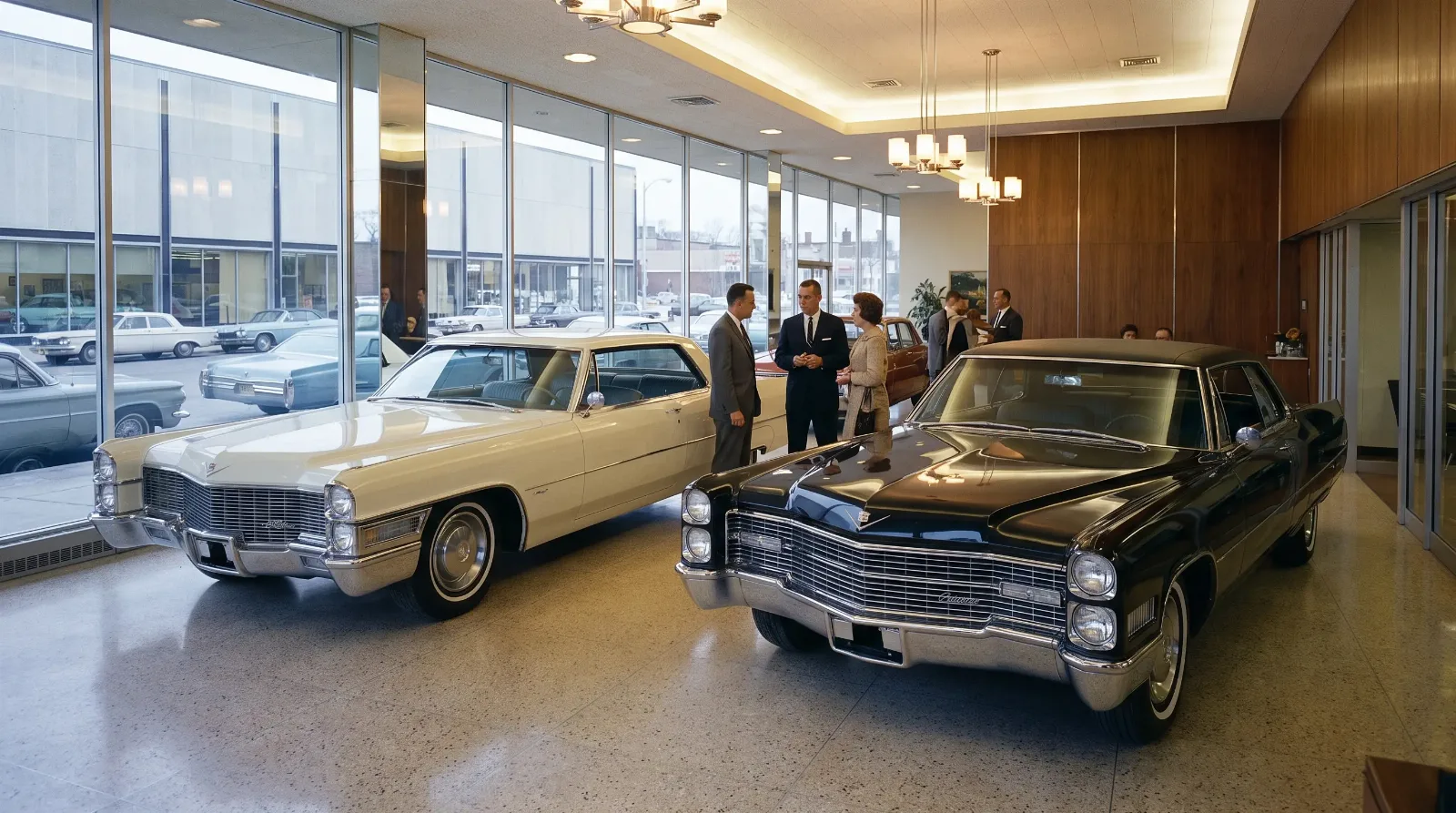
Here is the part people forget. The full-size performance cars got there first. In the early sixties, before the GTO changed the rules, if you wanted the biggest engine your dealer had, it went in the big car. The Impala SS 409 that the Beach Boys sang about. The Ford Galaxie with the 427. The Chrysler 300 letter cars. Pontiac's full-size Catalina 2+2. Those were the fast cars of 1961 through 1963.
| Class | Typical wheelbase | Rough weight | Classic example |
|---|---|---|---|
| Full-size (B-body) | ~119-121 in | 4,000+ lb | 1963 Impala SS 409 |
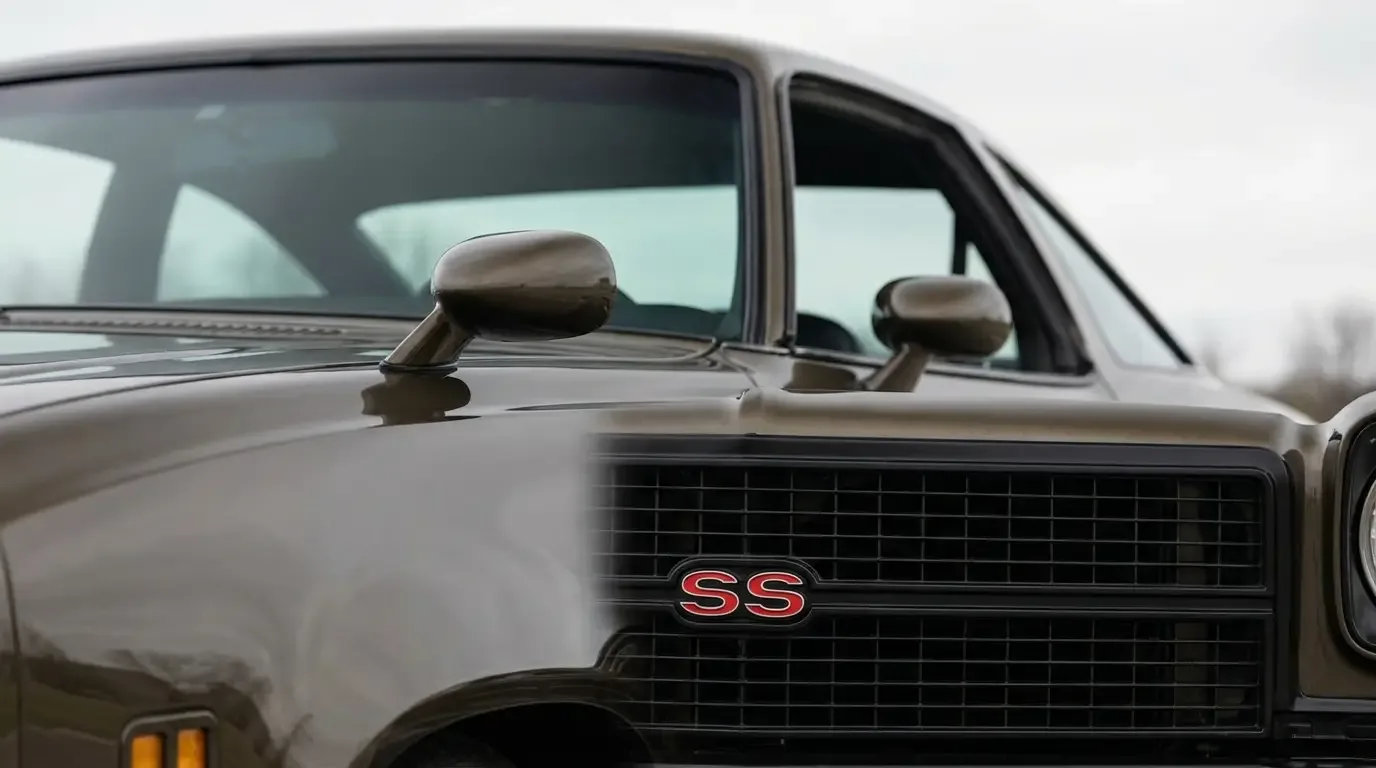
| Intermediate (A-body) | ~112-115 in | 3,400-3,800 lb | 1966 Chevelle SS 396 |
The weights above are approximate and shift with options and body style, but the gap is real and it matters. There were even factory lightweight full-size drag cars, the aluminum-panel Impala Z-11 and the Ford Thunderbolt, built to beat the class by stripping weight out of the big body. Those were specials for the strip, not showroom cars, and they hint at the problem the factories were solving. The big car was too heavy, so they either lightened it or moved the engine to a smaller one.
Why the intermediate body won
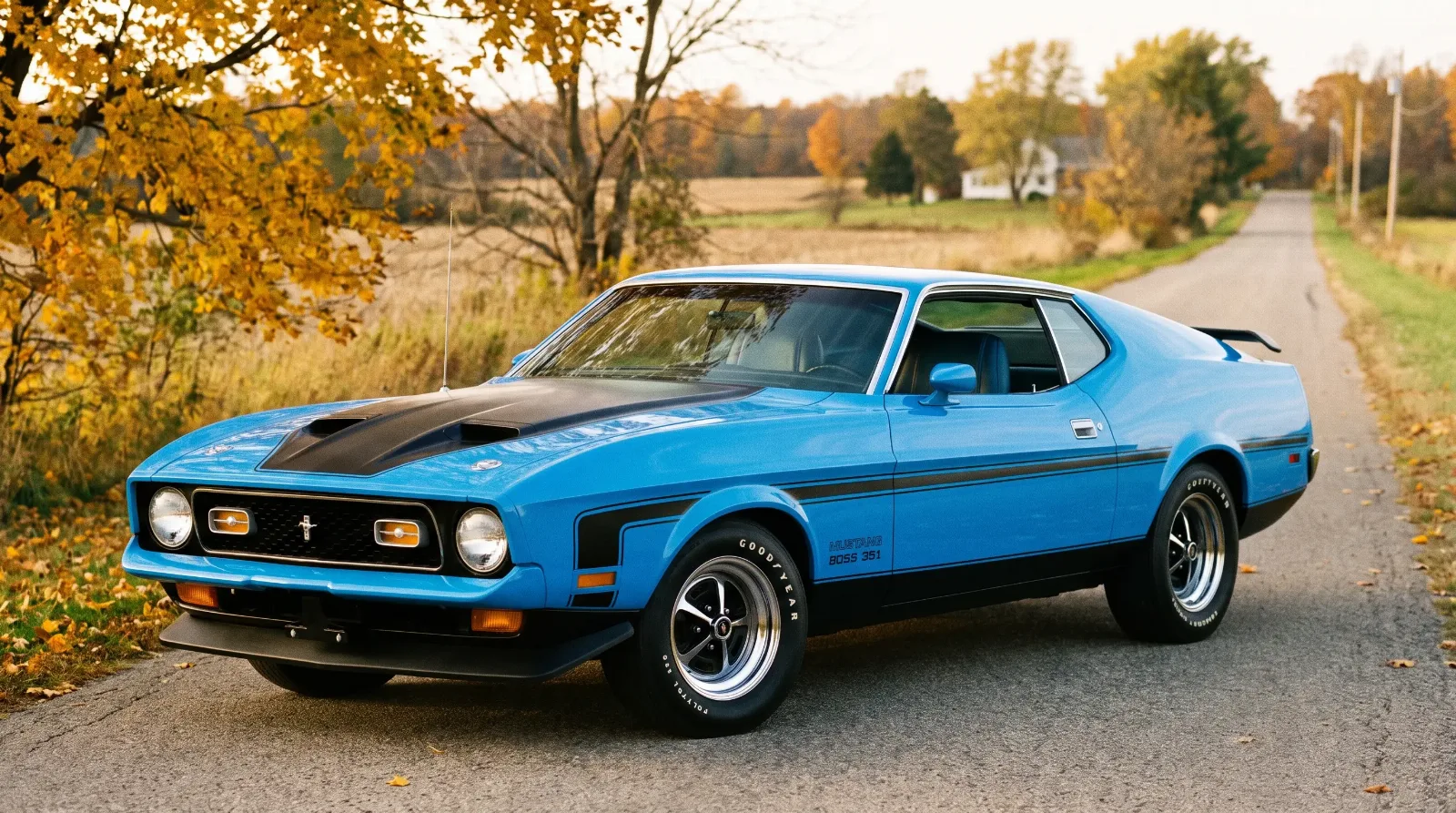
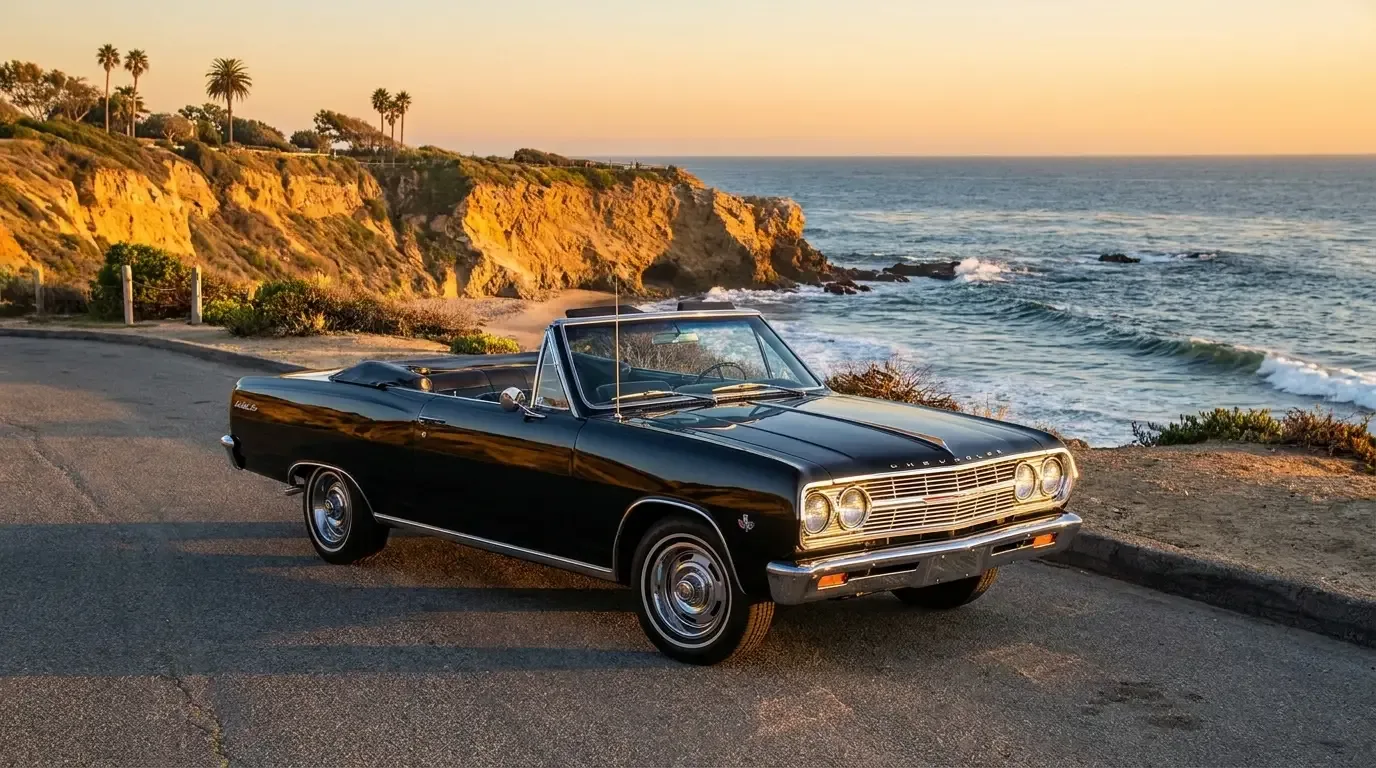
Once the GTO proved a young buyer would pay for a big engine in a light mid-size car, the full-size performance market withered fast. Why buy the heavy car when the lighter one was quicker and cheaper. By the middle of the decade every division had an intermediate muscle package. The Chevelle SS, the 442, the Buick GS, the Road Runner and Super Bee. The full-size big-engine cars did not vanish, but they stopped being the point.
The reason is mechanical, not fashion. A lighter car accelerates harder on the same power, stops shorter, and puts less strain on its brakes and tires. For a car sold on straight-line speed at a working man's price, the intermediate was simply the better tool. The full-size cars became what they had always really been, comfortable fast highway cars for a slightly older buyer.
There is a handling angle too, though nobody bought these cars to corner. Weight out over the front wheels makes a car push wide and wear its brakes fast. The full-size cars carried a big cast-iron engine hung over a heavy chassis, and it showed the first time you asked one to do anything but go straight. The intermediate was not a sports car either, but it was closer to balanced, and on a back road that gap is easy to feel. For a young buyer who wanted a car that felt quick everywhere, not just on the highway, the lighter car simply delivered more of what he was paying for.
What this means for a buyer today
The market followed the same logic collectors did in period. Intermediate muscle cars, the Chevelles and GTOs and 442s, command the strong money because they are what people mean when they say muscle car. The full-size performance cars have always sat a step behind on value, which makes them the sleeper play for somebody who wants a big engine and a real story without paying peak intermediate prices.
"A full-size 427 car will run with anything on the highway and it costs less than the mid-size stuff. Everybody wants the Chevelle. Nobody remembers the Impala had the same engine and half the buyers chasing it."
Mike Sullivan
Both branches were fading by the early seventies as the whole segment came under pressure, and you can read the full story on how the final years played out. If you are trying to decide which branch fits your garage and your budget, it helps to look at what is actually out there, so see current muscle car listings and compare a light intermediate against a big-block full-size car side by side. The prices will show you exactly how the market settled this argument fifty years ago, and it has not really changed its mind since.
Related Reading
Have a
Classic Car
for Sale?
Reach thousands of serious classic car collectors across the US.
Sell It Here →
Are You a Classic Car Dealer?
List your full inventory and connect with targeted classic car buyers.
Join as a Dealer →

About the author
Mike Sullivan
Detroit-area muscle car enthusiast and restoration specialist with three decades of hands-on experience working on American iron.
More in History & Heritage
Comments
Be the first to comment on this article.