
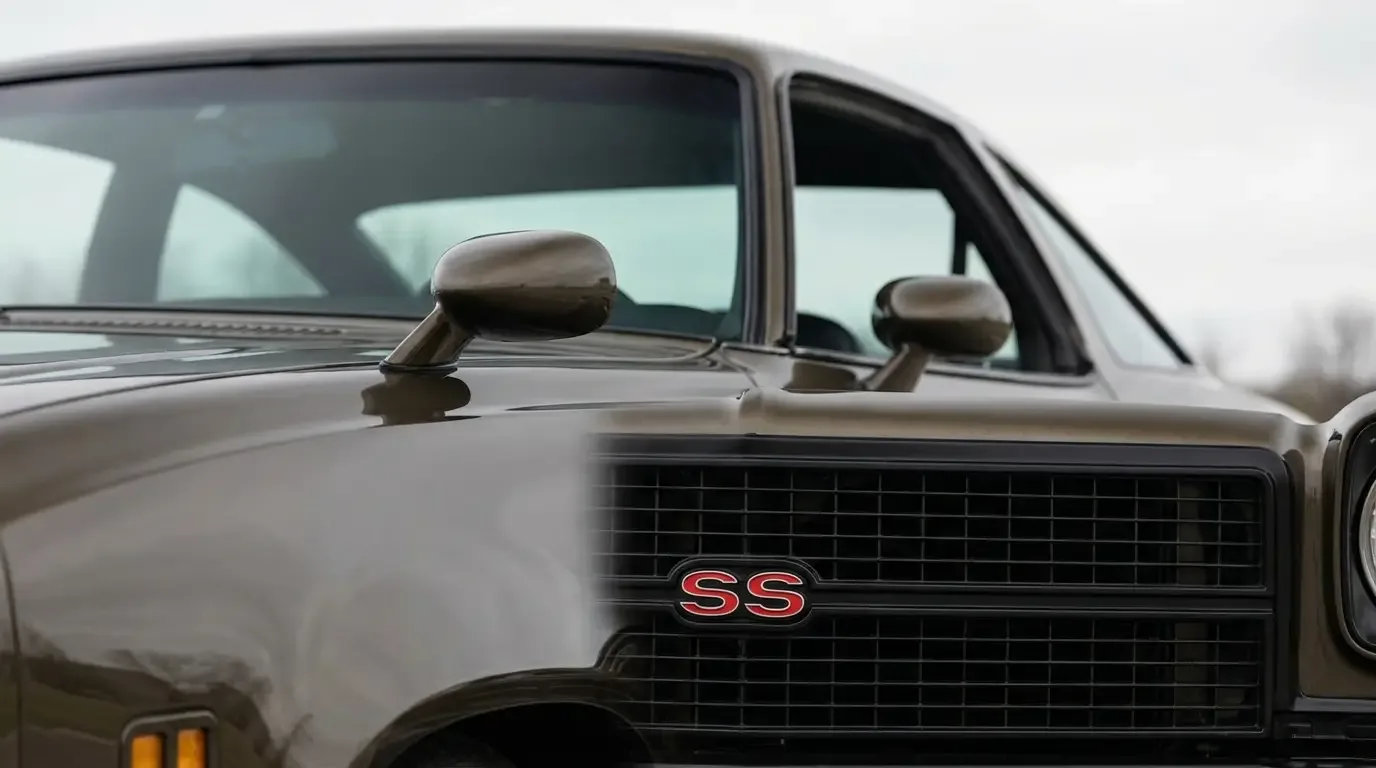
1973 was the last year you could order an SS badge on a Chevelle. That's the short answer. The longer answer is more interesting than a single model year cutoff, and it comes down to three things stacking on top of each other at the same time: insurance underwriters pricing muscle cars out of reach for a lot of buyers, emissions regulations gutting the numbers those cars used to advertise, and a sales chart that told Chevrolet exactly where the real money was going. None of that is nostalgia. It's just what the paperwork says happened.
History & Heritage
5 min read
Why the SS Badge Disappeared After 1973
The take-rate, insurance, and horsepower numbers behind the Chevelle SS badge's disappearance after 1973, and what replaced it in the lineup.
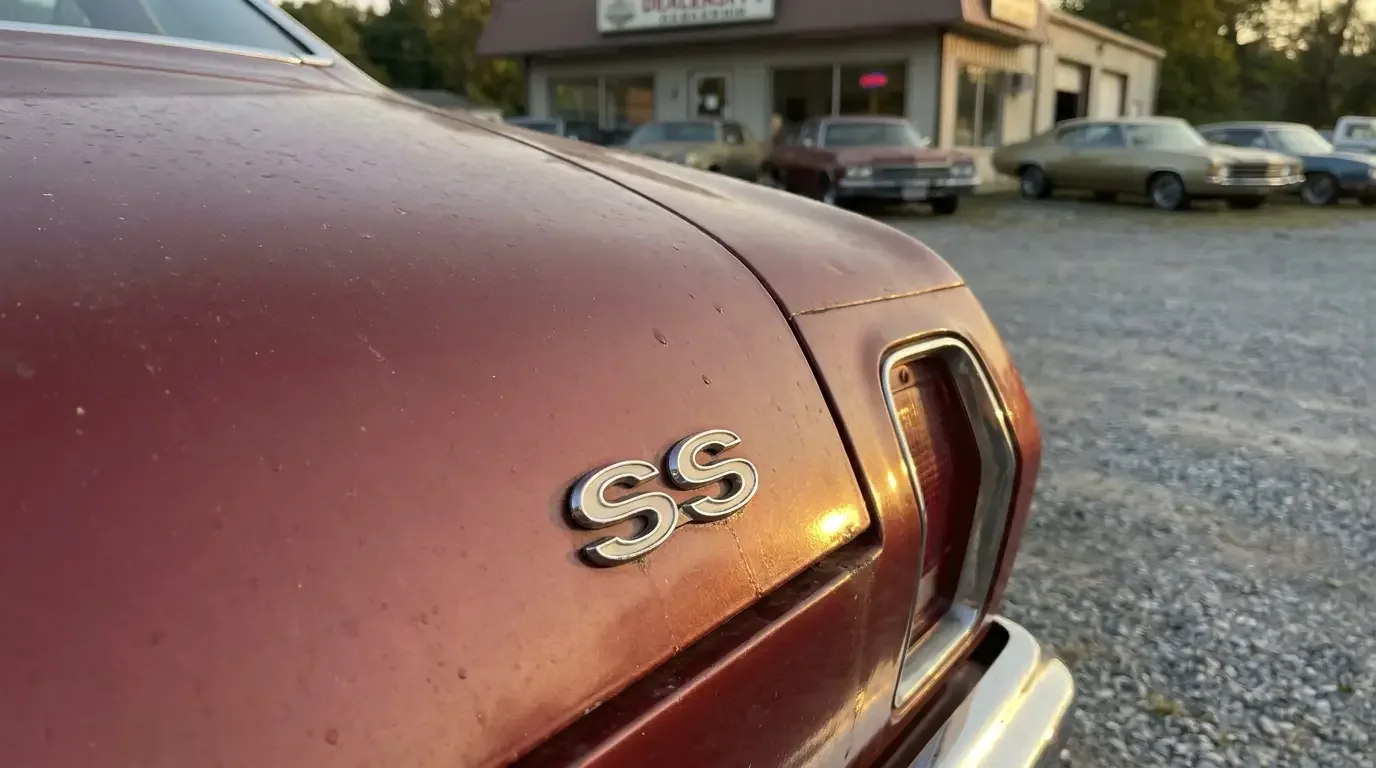
The number that actually killed the badge
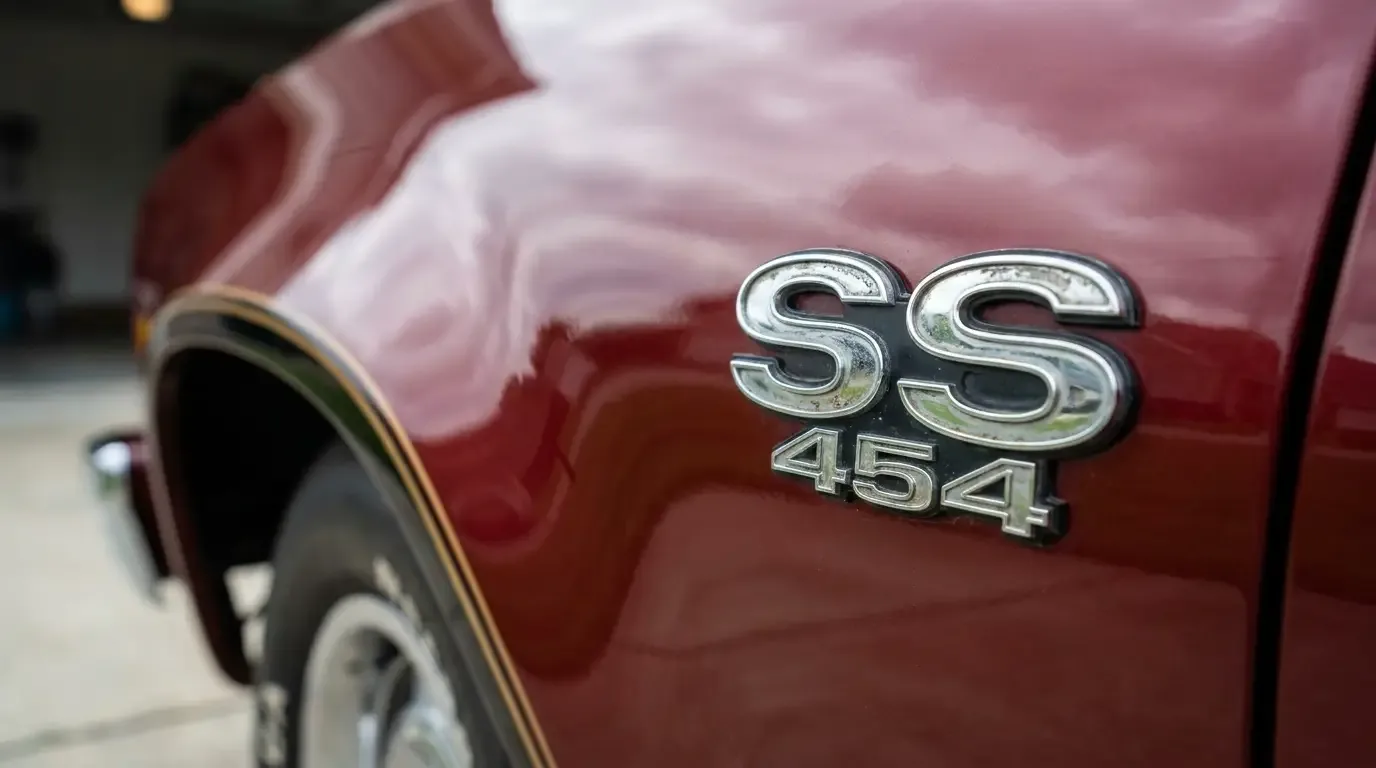
Take rate is the number that matters here, not styling opinions. SS package orders on the Chevelle had been sliding hard since the start of the decade. Insurance surcharges on cars with big-block options had gotten aggressive by 1973, and a buyer looking at the premium difference between a 350 small-block Malibu and an SS454 often did the math and walked away from the badge. Chevrolet doesn't build a package nobody's ordering. The SS wasn't discontinued because Chevrolet stopped believing in performance. It was discontinued because the order sheets stopped supporting it as its own line item.
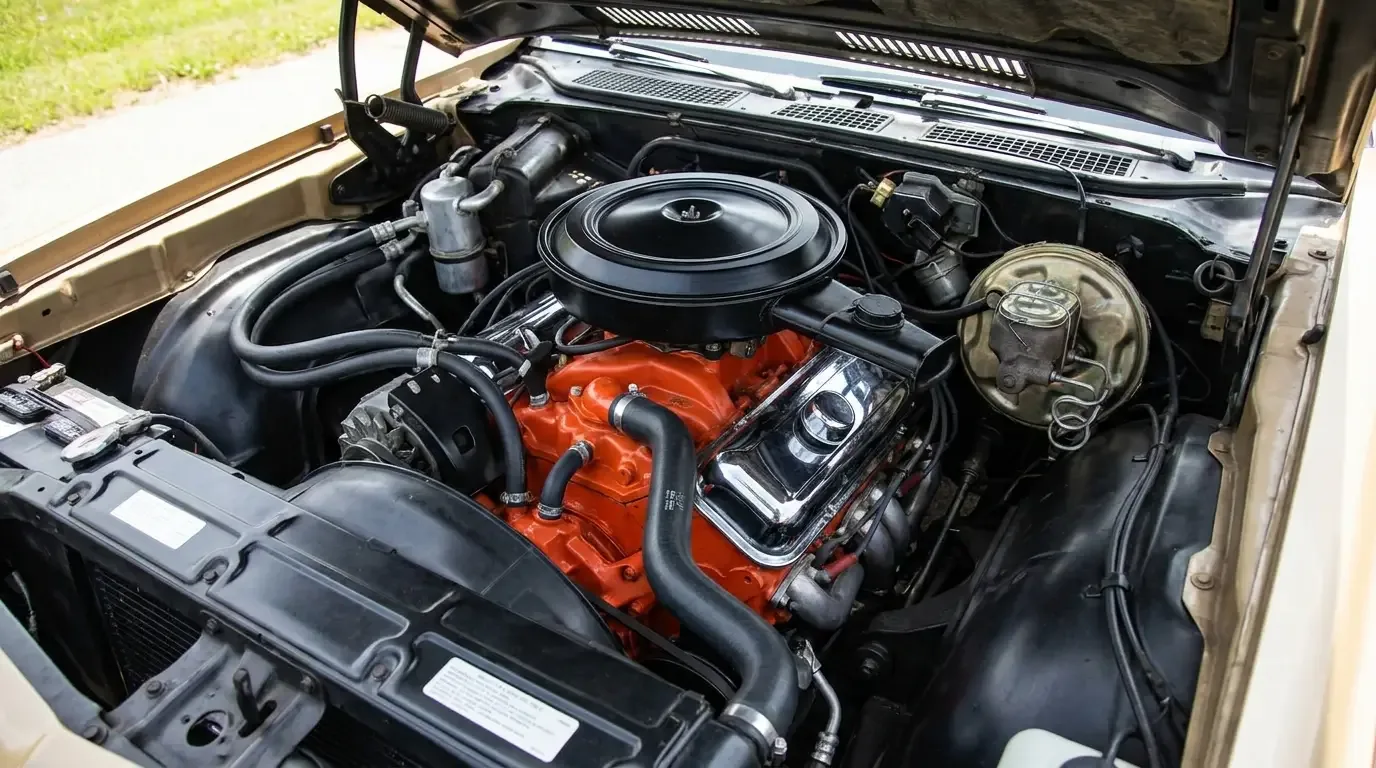
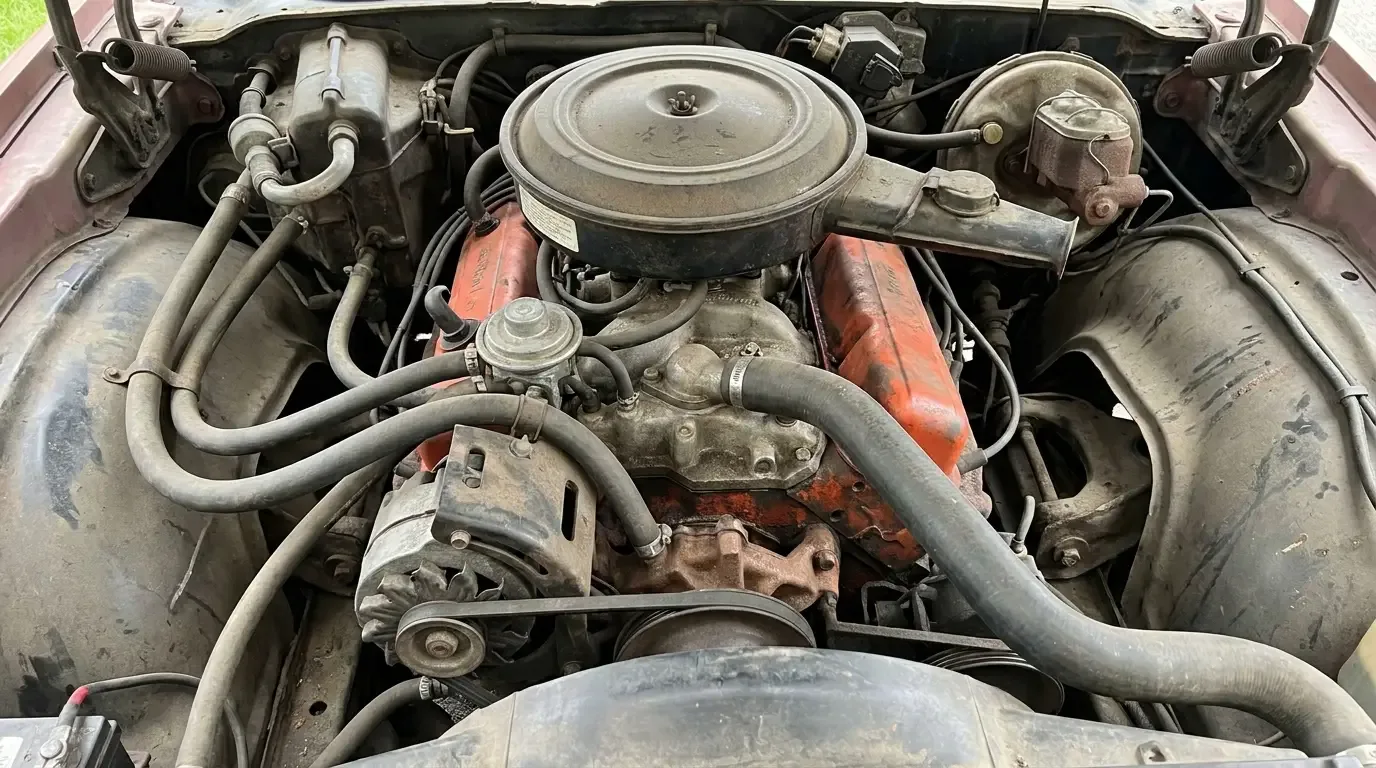
Run the numbers on horsepower too, because that part matters just as much. The 1970 SS454 LS6 was factory-rated at 450 gross horsepower, the highest number the Chevelle ever officially wore. By 1973, the LS4 454, a different, lower-compression engine than the LS6 or LS5 that came before it, was rated at 245 SAE net horsepower, and that's before you account for the real detuning happening underneath the rating change: lower compression to run on lower-octane and unleaded fuel, plus early emissions hardware choking the intake and exhaust. A badge built on straight-line performance doesn't survive a nearly 50 percent drop in the number it's selling. That's not opinion. That's the dyno sheet, or as close as period factory ratings get to one.
What replaced it, and why that mattered more than people admit
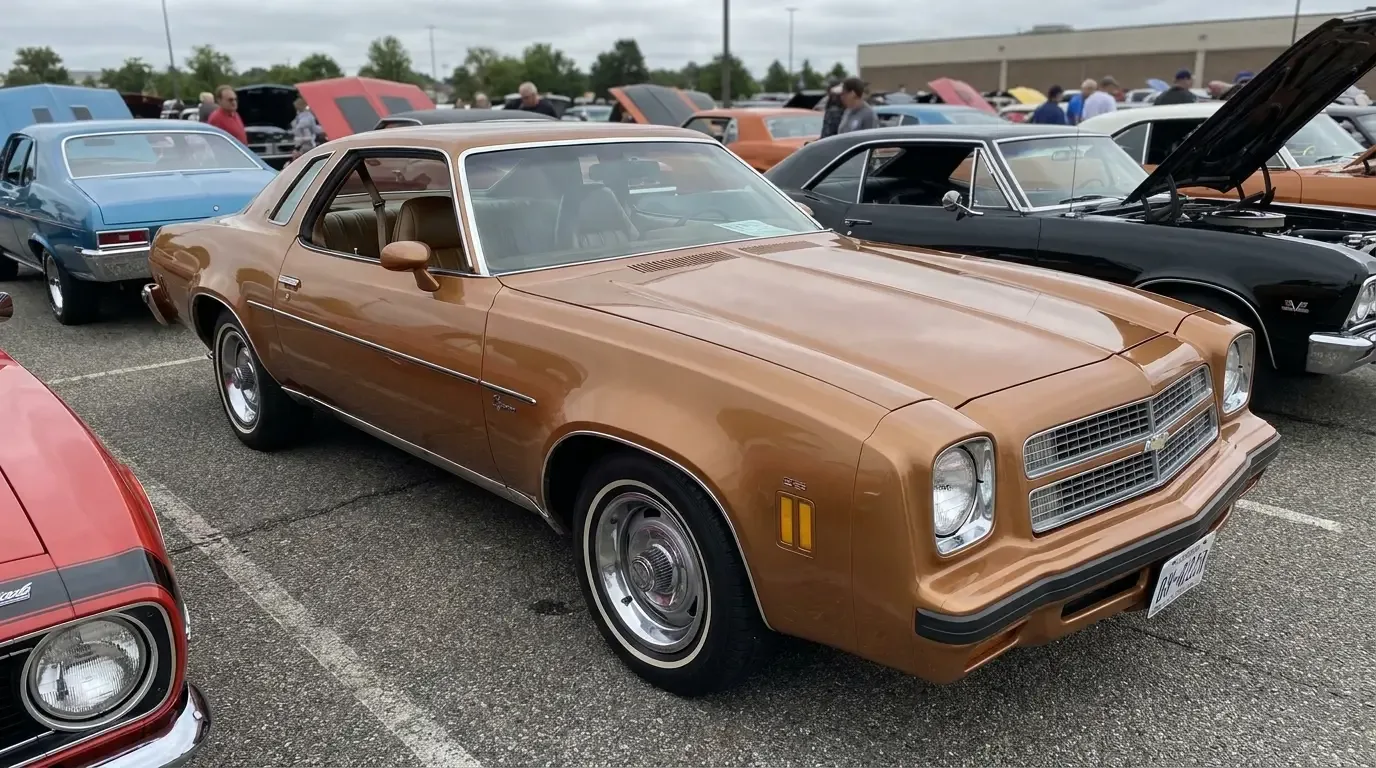
Chevrolet didn't walk away from the Chevelle lineup after pulling the SS badge. It walked toward the Malibu Classic and Laguna trims instead, both of which are covered in depth elsewhere on this site, and both of which sold in far higher volume than the SS ever had in its final seasons. That's the part enthusiasts sometimes skip past. The SS didn't get killed by some vague cultural shift. It got outsold, in real dollars and real units, by cars built around comfort and appearance rather than quarter-mile bragging rights. Chevrolet wasn't sentimental about it. The company followed the money, and the money had already moved.
The engine that stuck around longest after the badge disappeared was the LS4 454, sold as a plain option across multiple Colonnade trims rather than tied to any performance package. That's a fact worth sitting with. You could still order genuine big-block displacement in a Chevelle for a couple more years after the SS badge went away. What you couldn't get anymore was the marketing, the striping, the badge, and the insurance category that came with it. The hardware outlived the branding by a few years. That's an unusual pattern, and it tells you the regulatory and insurance pressure was aimed at the badge and the image as much as the actual engine output.
| Model year | SS package status | Approx. top engine output |
|---|---|---|
| 1970 | SS454 LS6 available | 450 gross hp |
| 1972 | SS package continues, softer tune (LS5) | 270 net hp, SAE net rating switch begins |
| 1973 | Final year for the Chevelle SS badge | 245 net hp on LS4 454 |
| 1974 onward | No SS package; 454 sold as plain option | Declining further through mid-decade |
Don't confuse the badge disappearing with the car getting worse
This is where I'll push back on the usual take. A lot of people treat 1973 as the year the Chevelle "died" and everything after is written off as a lesser car. That's not what the numbers say. The Colonnade Chevelle that followed was heavier, aimed at a different buyer, and never going to win a stoplight race against a 1970 SS454. But it was also better built for what it was actually selling: a comfortable, well-optioned mid-size car that Chevrolet moved in real volume through a decade that was hostile to performance cars generally, not just the Chevelle. Judging it against the LS6 era is judging it against a target it was never built to hit anymore.
If you're shopping this generation, the badge question matters less than the paperwork question. There's no SS to chase after 1973, genuine or otherwise, so put the effort into verifying what engine, transmission, and options a given car actually left the factory with instead. That's real data. Everything else is just what the trunk lid used to say.
"People get emotional about a badge disappearing. I don't. A badge is marketing. What I care about is what's actually bolted to the block, what the dyno would've said if anyone bothered to run one, and what a buyer's real options were in a given model year. On all three counts, 1973 is a clean, well-documented line in the sand. Nothing mysterious about it."
Dan Reeves
The horsepower slide didn't stop when the SS badge did. It kept going through the rest of the decade, which is exactly where the 1973-1977 Chevelle story picks the thread back up, and where next: The Malaise-Era Horsepower Decline takes the numbers the rest of the way.
Sources and notes
- Chevrolet Chevelle: Wikipedia (SS option dropped at the end of the 1973 model year)
- 454 In The Barn: 1973 Chevelle SS: Barn Finds (1973 LS4 454 rated 245 net hp, 22,528 built)
- '72 454 horsepower: Team Chevelle forum (1972 LS5 rated 270 net hp)
- 1970 Chevelle SS 454 450-hp specs, automobile-catalog.com
- 1970 LS-5 horsepower: Team Chevelle forum
Related Reading
Have a
Chevrolet Chevelle
for Sale?
Reach thousands of serious classic car collectors across the US.
Sell It Here →
Are You a Classic Car Dealer?
List your full inventory and connect with targeted classic car buyers.
Join as a Dealer →

About the author
Dan Reeves
Performance engine builder from North Carolina's motorsports corridor, focused on swaps, forced induction and making real, repeatable power.
Related Listings - Chevrolet Chevelle
More in History & Heritage
Comments
Be the first to comment on this article.