
Ask ten people why buy a classic luxury car and you get two honest answers hiding under ten polite ones. Some buyers want the object: the badge in the driveway, the appreciating asset, the thing that says something about them before they say a word. Others want the experience: the drive, the smell of old leather warming in the sun, the Sunday morning where the car is the whole point. Both are legitimate. But they lead to completely different purchases, and buyers who never sort out which one they are tend to overpay for the wrong car.
Ownership & Lifestyle
6 min read
Buying for Status vs Buying for Enjoyment
Why buy a classic luxury car, for status or for enjoyment? The two motives lead to different cars, different budgets, and different inspection priorities.
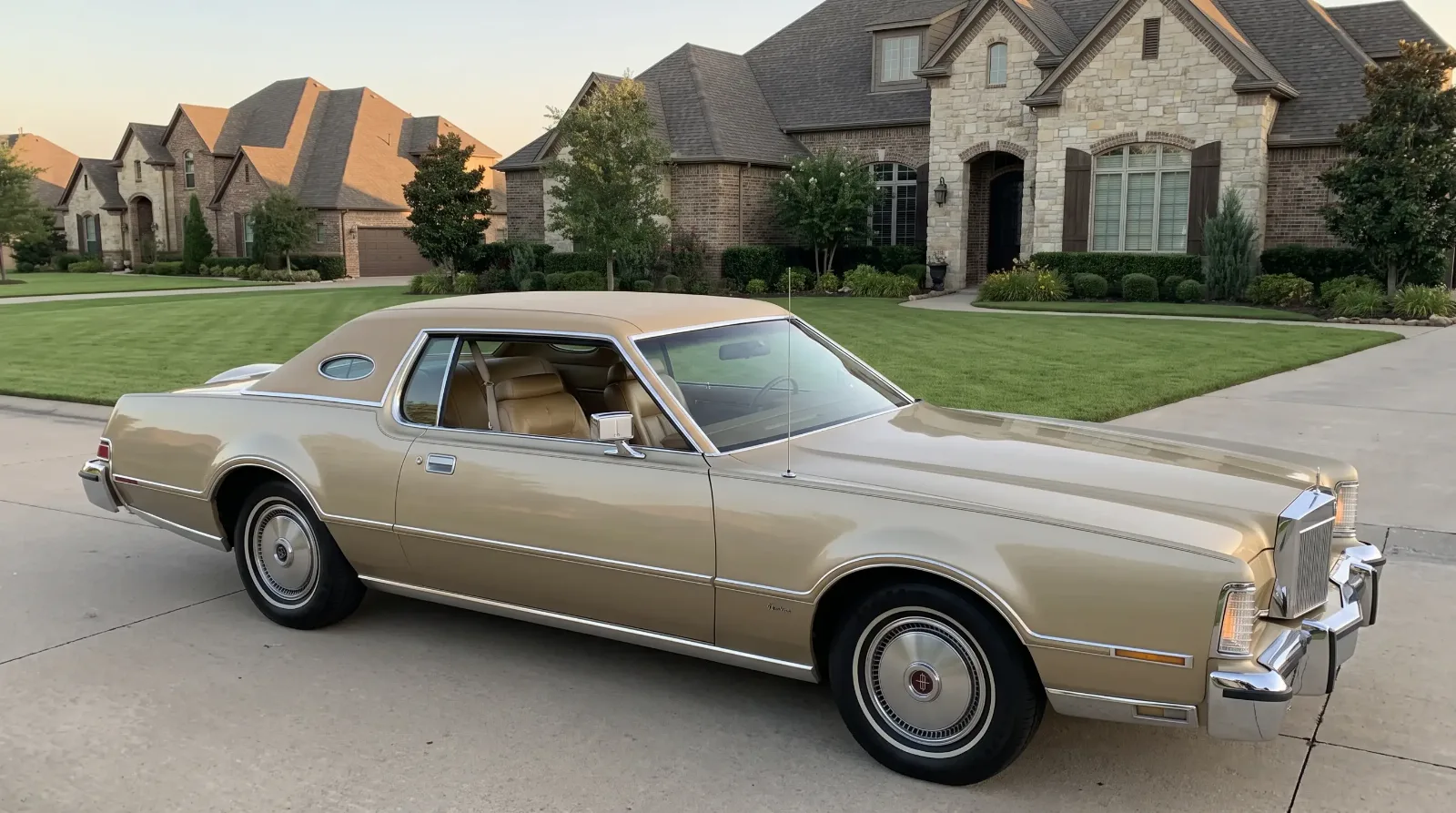
I track this segment for a living, and the pattern is consistent. The status buyer and the enjoyment buyer will look at the same 1970s coupe and value it for opposite reasons. One is paying for provenance, rarity, and the number the market assigns. The other is paying for how it feels at forty miles an hour on a good road. When those two motives get tangled, people talk themselves into a concours-priced car they never dare to drive, or a driver-grade car they secretly wanted to be an investment. Clarity up front saves both money and regret.
What the status buyer is actually paying for
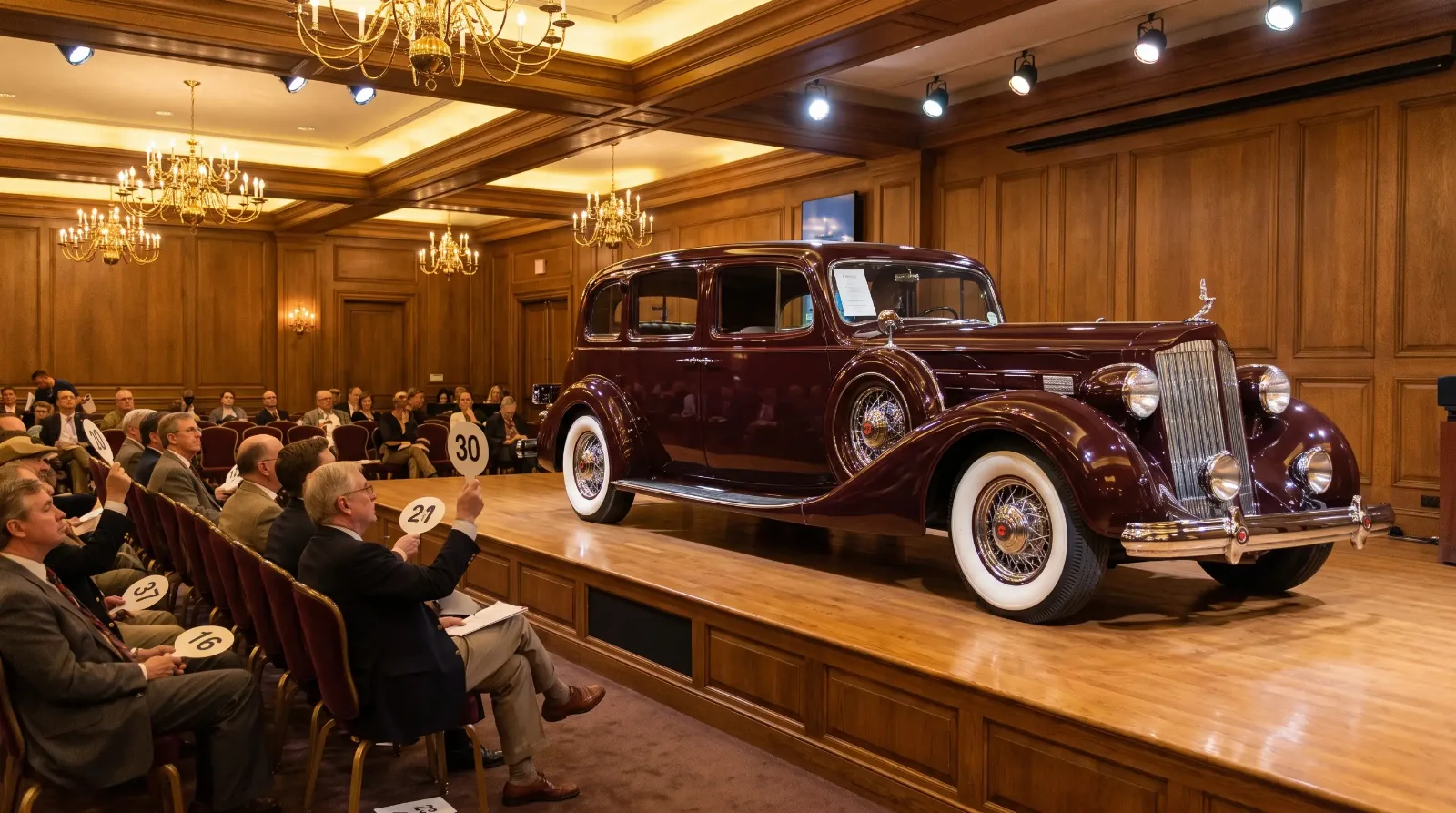
Buying for status is not vanity, or not only vanity. It is a bet on scarcity and recognition. The status buyer wants the model everyone knows, in the configuration collectors chase, with a paper trail that holds up. That means rarity, documented provenance, and a name that carries at the country club and the auction block alike. The premium is real. A well-known flagship in a desirable specification can command 30 to 60 percent more than a mechanically identical but less celebrated sibling.
The trap is that status pricing is the most volatile part of this market. When a model becomes fashionable, the top examples run hot, and when fashion moves on, those same cars soften first. If you are buying primarily for what the car says about you, understand that you are also buying exposure to taste, which changes. The cars that hold status longest are the genuine icons, not this year's rediscovery. Read the wider context in the story of the classic luxury car before you decide a name is worth its premium.
What the enjoyment buyer gets for less
The enjoyment buyer is playing a smarter game financially, whether they mean to or not. A driver-quality example of a beautiful classic luxury car delivers most of the experience at a fraction of the cost. The paint has a chip. The leather shows honest wear. The provenance is thin. None of that changes how the car rides, and it removes the anxiety that keeps concours cars parked. You can leave a good driver in a parking lot and enjoy lunch instead of watching it through the window.
There is a value floor under this too. Driver-grade luxury classics rarely appreciate the way trophy cars do, but they also fall less far when the market cools, and they cost less to insure and store. For a buyer who wants the experience over the asset, the sensible range is a sorted, honest driver in the middle of its price band, not the cheapest project and not the concours car. If you want to see what that middle looks like in practice, browse the classic luxury cars for sale and notice how wide the spread is within a single model.
"The happiest owners I meet are the ones who decided early which game they were playing. The unhappy ones bought a status car and treated it like a driver, or bought a driver and expected it to behave like an investment. The car did not fail them. The unexamined motive did."
David Mercer
How the two motives change what you should inspect
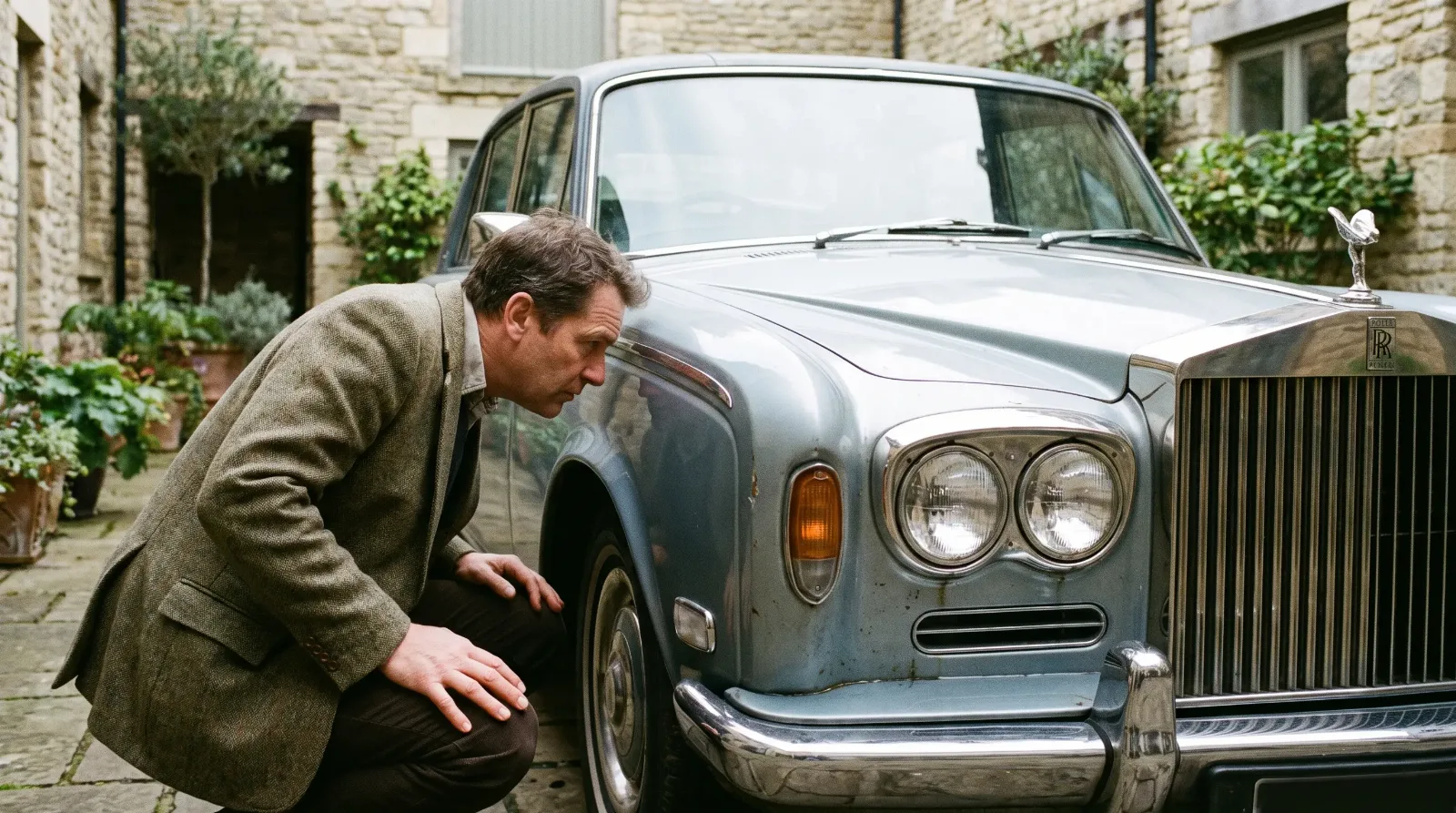
The reason to name your motive is that it reorders your priorities on inspection day. A status buyer's biggest risk is documentation, not mechanicals. A car sold on provenance with a gap in its history is a value problem no matter how well it runs. An enjoyment buyer's biggest risk is the opposite: a beautiful car with tired mechanicals is a checkbook waiting to open.
🔧 Inspection Priorities
- Status buyer: verify the paper first. Build records, ownership chain, and matching identification drive most of your premium. A thin file turns a trophy into an ordinary car the day you try to resell it.
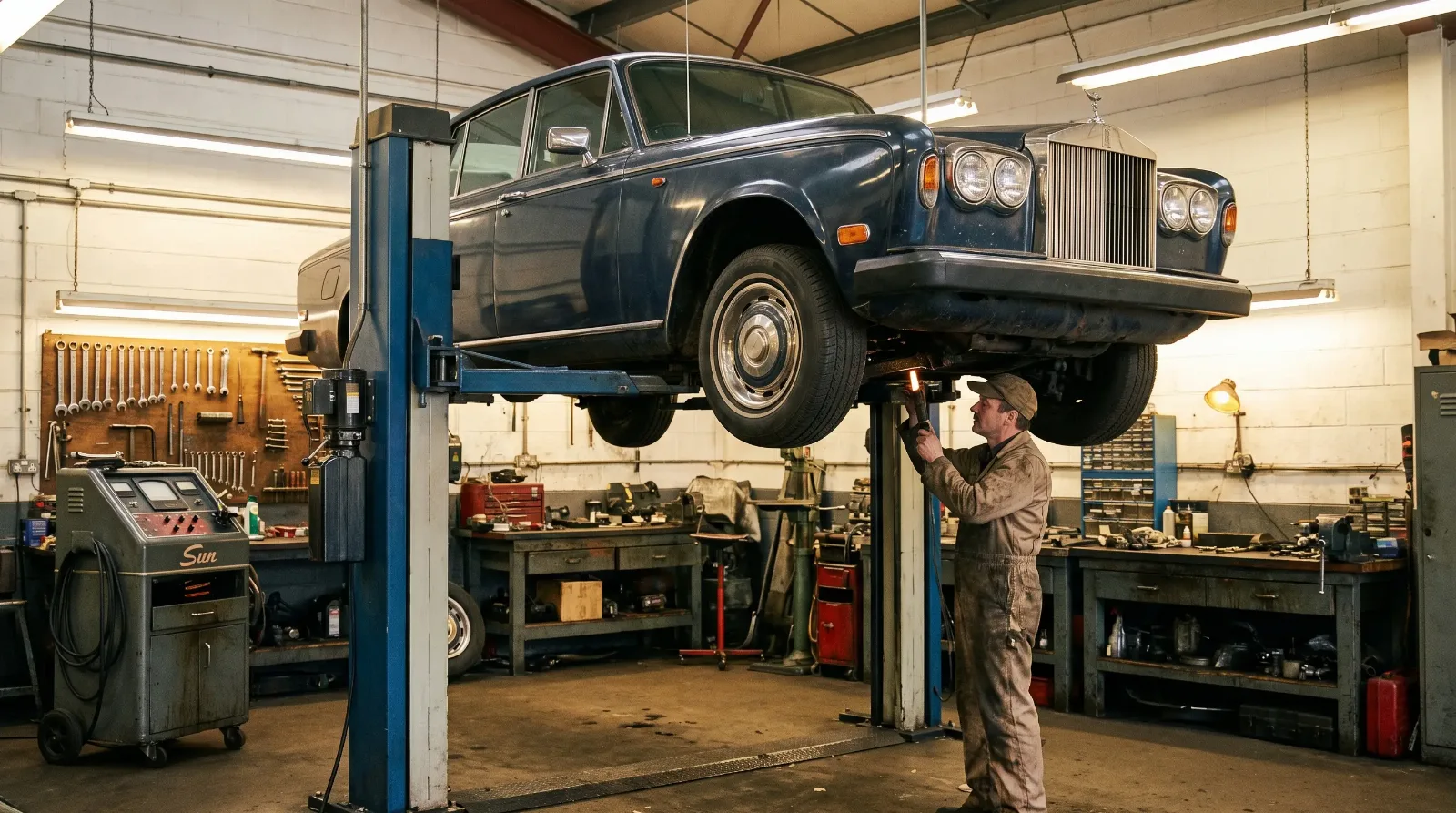
- Enjoyment buyer: verify the mechanicals first. Compression, brakes, suspension, and the state of any complex hydraulics decide your first two years of bills. Cosmetics you can live with. A tired driveline you cannot ignore.
- Both: match the price to the tier honestly. Do not pay concours money for a driver or driver money expecting concours. The gap between tiers is where buyers lose the most.
- Both: budget the running costs before you buy. Insurance, storage, and annual service on these cars run into the thousands regardless of motive. The purchase is the down payment on the hobby.
Deciding which buyer you are
The clean way to settle it is a single question: if this car never appreciated a dollar, would you still want it? If yes, you are an enjoyment buyer, and you should shop for condition and mechanical honesty over name and paperwork. If the answer depends on the money, you are at least partly a status buyer, and provenance and rarity have to lead your search. Most people are a blend, and that is fine, as long as you know the ratio before you start writing checks.
Whichever way you lean, the next practical step is the same. Work out what you can spend, what the ongoing costs will be, and how you will pay for it, because that is where good intentions meet the bank. For the full framework, start with the complete buying guide, then move on to next: Financing and Appraising an Expensive Classic.
Related Reading
Have a
Classic Car
for Sale?
Reach thousands of serious classic car collectors across the US.
Sell It Here →
Are You a Classic Car Dealer?
List your full inventory and connect with targeted classic car buyers.
Join as a Dealer →

About the author
David Mercer
Classic car market analyst with two decades of experience tracking collector car valuations, auction results, and investment trends.
More in Ownership & Lifestyle
Comments (1)
R
Roy Sandoval
1 month ago
The insurance section is worth a separate article. A lot of people reach claim time before realizing agreed value coverage is completely different from what they bought.