
Here is the result first. A sponsorship pays you for the audience you already have, up front, whether or not anyone buys. An affiliate link pays you only when a viewer buys, at a rate the merchant sets, and often months later. For a car channel the real question in YouTube sponsorship vs affiliate income is not which one pays more. It is which one pays for the video you are about to make. A walkaround of a project car with no parts in it earns nothing through a link. A brake job video can earn on every caliper sold. This piece runs the numbers on both. The wider menu of creator income, from ad revenue to memberships, is in our car creator guide.
Ownership & Lifestyle
7 min read
Sponsorships vs Affiliate Links for Car Channels
YouTube sponsorship vs affiliate links for a car channel: how each pays, published rates and windows, and which one fits which kind of video.
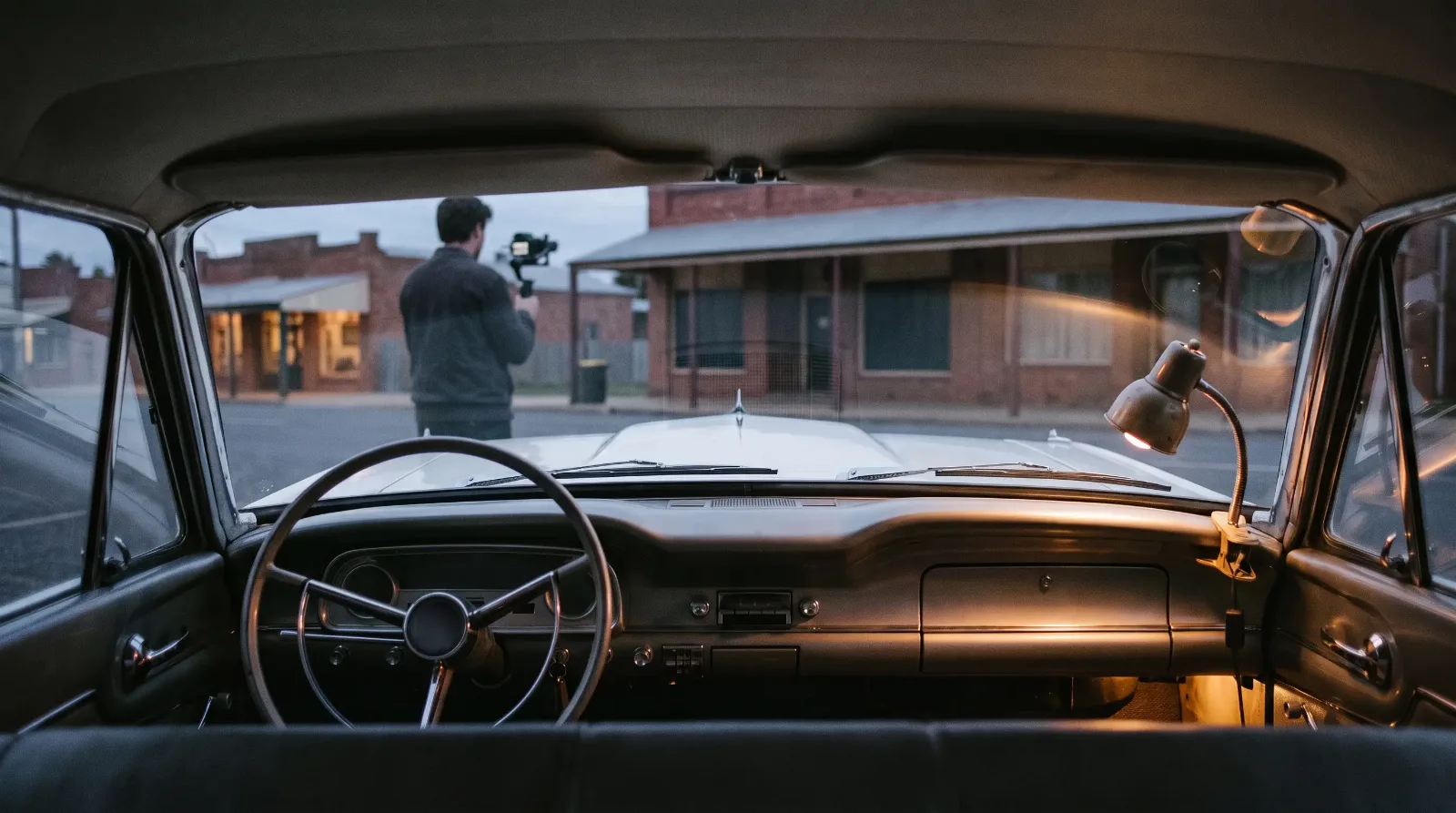
YouTube sponsorship vs affiliate: how each one pays
Strip the jargon and the two models look like this.
- Sponsorship. A brand pays a fixed fee for a mention, an integration or a whole video. You negotiate the fee before you film. The money is the same whether the video does well or not, though next year's fee depends on how it did.
- Affiliate link. You place a tracked link. The merchant pays a percentage of what viewers buy within an attribution window. No sale, no money. Returns usually take the commission back.
The risk sits in opposite places. With a sponsor, the brand carries the risk that nobody buys. With a link, you carry it. That single fact explains most of what follows.
What a sponsorship actually pays
Hard numbers on car channel sponsorship rates are scarce. No named, dated source gives a car-specific rate. The closest is a cross-niche vendor benchmark labeled for 2026 (Hubfluence, read in October 2026): a 60 to 90 second integration at about $20 to $50 per 1,000 views, a dedicated video at 2 to 4 times the integration rate, and a Short at $10 to $25 per 1,000 views. It has no automotive row and comes from a company that sells creator deals. Treat it as a starting point for a conversation, not a rate card.
What is solid is the paperwork. On YouTube, a sponsored video means ticking the paid promotion box in Studio, which puts a disclosure label at the start of the video. YouTube's own help page says creators and brand partners are responsible for following the law. The FTC wants the disclosure in the video itself, not only in the description, and notes that viewers are more likely to notice it when it is both said and shown on screen.
The other solid point is the payment schedule. A sponsor's check does not depend on a viewer's credit card, a return window or a cookie. For a channel with steady views and an audience that buys little, that certainty is the whole appeal.
What affiliate links actually pay a car channel
Affiliate terms are public, which makes them easy to compare. Here is what the programs relevant to a car channel state, as of 2026-10-19.
| Program | Rate | Attribution window | Notes |
|---|---|---|---|
| Amazon Associates, Automotive | 4.50% of the qualifying sale | 24-hour session from the click | Vehicles (leasing and sales) category pays 0.00% |
| eBay Partner Network | 1% to 6% by category and site | 24-hour cookie, last click | Paid monthly, around the 10th business day |
| ClassicCars.com (on Awin) | 5% on listings purchased | 30 days | Listing packages $99.99 to $349.99 |
| YouTube Shopping affiliate program | Set by each brand, per product | Set by each brand | Paid through AdSense 60 to 120 days after purchase; reversed on returns |
| Our partner program | 25% of listing packages; 20% of dealer subscriptions for the first 12 months | 60 days | Confirmed after 30 days; PayPal payout from a $50 balance |
Two things jump out. First, parts programs pay single-digit percentages over a 24-hour window, which suits a how-to video where the viewer orders the part the same night. Second, a link that pays on what a seller spends to list a car, with a 60-day window, suits a channel whose viewers buy and sell cars rather than parts.
Some names you might expect are missing for a reason. Hemmings' program on impact.com was marked inactive in 2025 and is not currently active on any network, according to a third-party tracker. Summit Racing and CJ Pony Parts appear on affiliate network directories, but their rates and cookies could not be read on any opened page, so they are not in the table.
Running the numbers on one video
Here is how the arithmetic works on our partner program, the one set of terms in the table with fixed prices behind it. For example, using the prices shown on 2026-10-19: a Featured listing at $99 pays the referring creator $24.75, and a Premium listing at $179 pays $44.75. A dealer on the $299 a month Dealer Pro plan pays the referrer $59.80 a month, up to $717.60 over the first 12 months if the dealer pays every month. That is arithmetic on published figures, not a prediction of what any video will earn.
Now the honest comparison. A sponsor pays on views. A link pays on actions, and only the viewers who were already about to buy or sell will act. That makes the link worth more on a video with a clear buying moment and worth nothing on one without. A sponsor does not care about the buying moment; it cares about the view count and whether your audience matches its customers.
"A sponsor pays for the people watching. A link pays for the people who were going to buy anyway. Know which video you made before you decide which one to put in it."
Dan Reeves
The same logic applies off YouTube. A dealer who signs up through your link pays out over a year, which works more like a small subscription than a one-time commission; the mechanics are in how dealer referrals pay. And if your audience reads more than it watches, a link in a newsletter of your own reaches the people most likely to act.
Which to use, and when
Blunt version, by video type:
Most channels end up running both. The sponsor covers the months when nothing sells; the links pay on the videos that happen to land a buyer. What does not change is the disclosure. If you put a partner link, or any affiliate link, in a video or description, say plainly that you earn a commission on purchases through it, in the video and near the link. The FTC says "affiliate link" on its own may not be understood, so use plain words. Then pick a classic car partner link or a parts program that fits what your viewers actually do, and judge it by what it pays over a year, not over a week.
Sources and notes
- Hubfluence: YouTube influencer rate benchmarks (cross-niche, undated)
- YouTube Help: paid product placements, sponsorships and endorsements
- YouTube Help: YouTube Shopping affiliate program
- Amazon Associates: standard commission income rates (US)
- eBay Partner Network: cookies, commissions and getting paid
- FTC: Endorsement Guides, what people are asking
Note: all rates, windows, prices and payout terms in this article were read on October 19, 2026, unless the text gives another date. The ClassicCars.com terms come from its merchant profile on Awin, and the Hemmings status from a third-party program tracker. Partner program figures come from our own affiliate program page on the same date. Programs change their terms often; check each program's own page before you rely on a figure.
Related Reading
Have a
Classic Car
for Sale?
Reach thousands of serious classic car collectors across the US.
Sell It Here →
Selling a classic? Here's how: compare the places to sell classic cars
Are You a Classic Car Dealer?
List your full inventory and connect with targeted classic car buyers.
Join as a Dealer →
#car youtube channel
#sponsorships
#creator income
#affiliate links
#youtube sponsorship vs affiliate
#classic car creators

About the author
Dan Reeves
Performance engine builder from North Carolina's motorsports corridor, focused on swaps, forced induction and making real, repeatable power.
More in Ownership & Lifestyle
Comments
Be the first to comment on this article.