
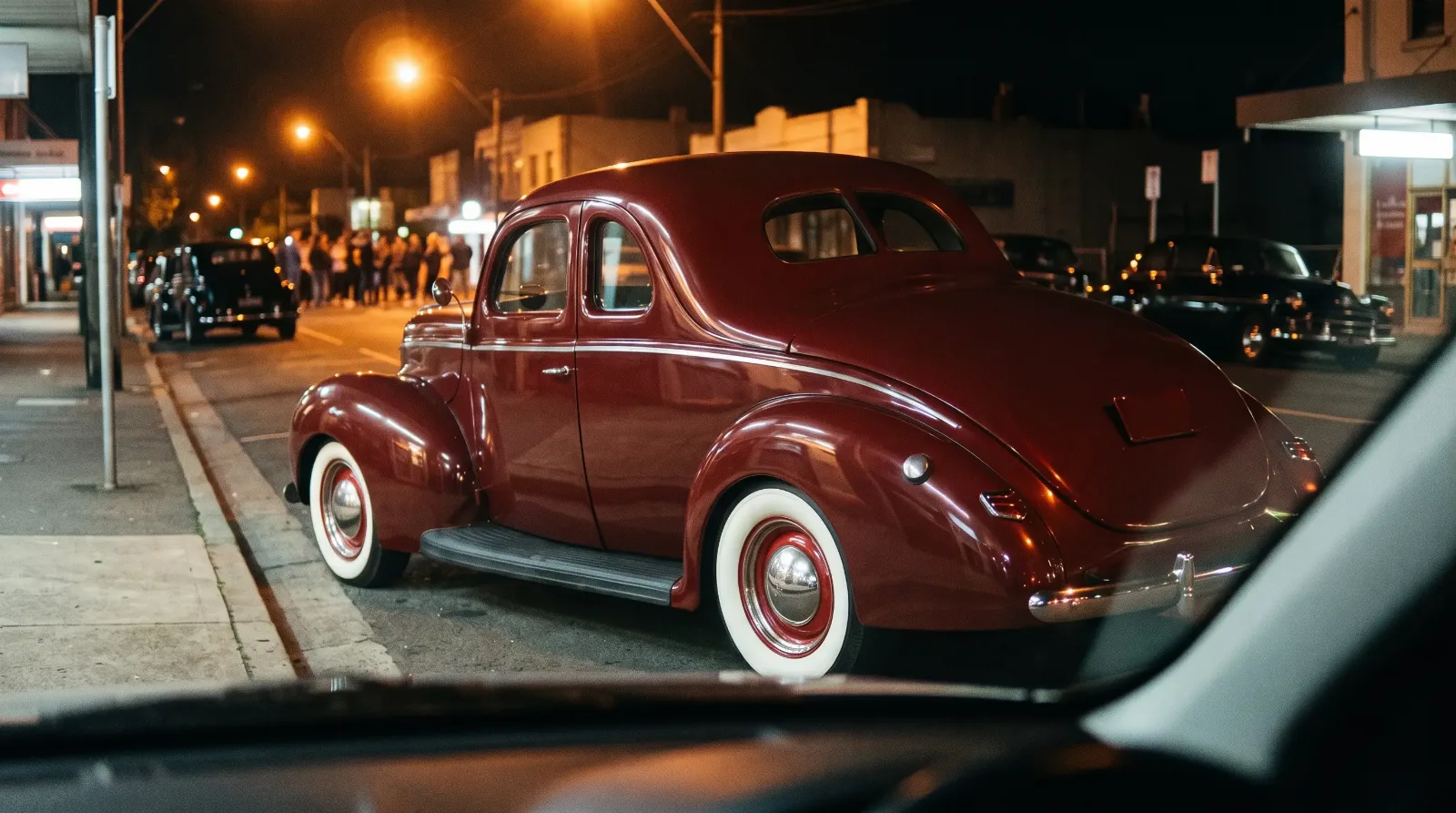
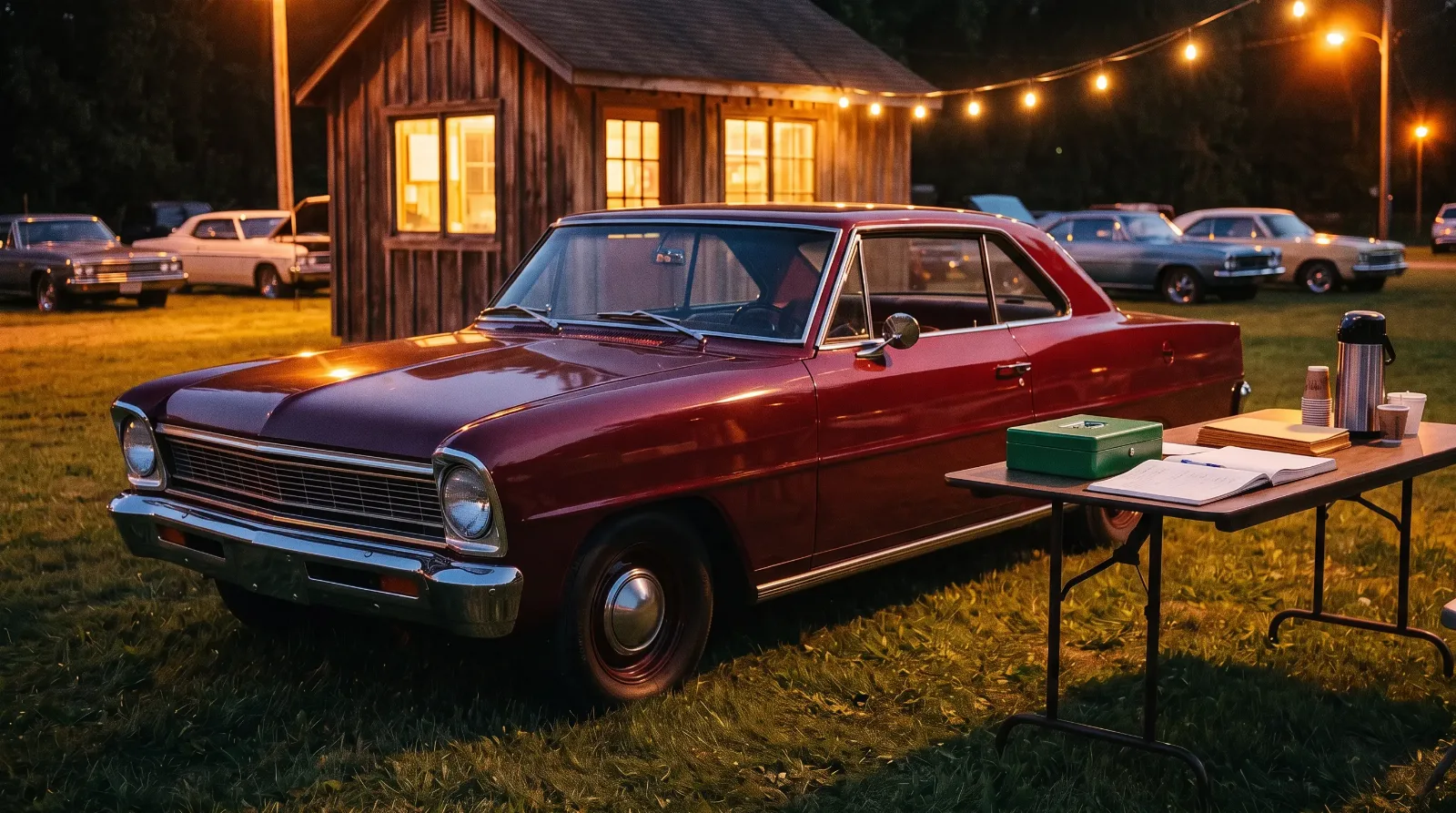
It usually starts on a Sunday night. The cruise-in is over, the chrome is put away, and someone sits at the kitchen table with notes about the car nobody could stop looking at, the owner who drove it three hundred miles to be there, and the parts guy who had the one trim piece everyone needed. Those notes go out to a dozen friends by email. Then forty. Then someone forwards it. That is how most car newsletter projects begin, and it is a better start than a business plan. This guide covers what comes after: the platform, the rules, and how a small list can pay its own way.
Ownership & Lifestyle
7 min read
Starting a Classic Car Newsletter
How to start a car newsletter: picking a narrow subject, choosing a platform, following CAN-SPAM, and letting a small list pay its own way.
A newsletter is one income stream among several, and if you want to see where it sits next to video, sponsorships and writing for others, read making money from car content. Here we stay with the inbox.
Deciding what your car newsletter is about
The newsletters people keep opening are narrow. One make, one region, one decade, one kind of event. A list that covers everything with four wheels competes with every magazine on the rack. A list that covers air-cooled cars within two hours of one city has no competition at all.
Pick a rhythm you can keep for a year, not a month. The big clubs show what steady looks like: the Antique Automobile Club of America sends a monthly e-newsletter, The Speedster, alongside six print issues a year of its magazine. Monthly is a fine start for one person. Weekly is a job.
Decide early whether the newsletter stands alone or feeds something else. Some writers use email to send readers to longer pieces on a site of their own; if that is you, starting a blog covers that half. Others keep everything in the inbox. Both work. Mixing them without a plan does not.
Choosing a platform and what it costs
The software decides more than the price. It decides who owns the list, whether you can charge readers, and how much of each payment you keep. Here is what each platform's own page said on October 19, 2026.
| Platform | Free tier | Paid plans | Cut of paid subscriptions |
|---|---|---|---|
| Substack | Free to publish | No start-up cost stated | Writers keep 90% minus card fees |
| Kit (ConvertKit) | Up to 10,000 subscribers | Creator $33 a month, billed yearly | 0.6% Kit fee on digital products and subscriptions |
| beehiiv | Up to 2,500 subscribers | Lite $49 a month billed yearly, Pro $95 a month billed yearly | 0% beehiiv take; Stripe's 2.9% + $0.30 still applies |
| Ghost(Pro) | No free plan listed | Starter $18 a month, Publisher $29 a month, billed yearly | 0% Ghost fee on Publisher; processor fees apply |
| Mailchimp | 250 contacts, 500 sends a month | Shown only in euros when we read it | Not stated on the pricing page |
A few things the table cannot show. Ghost's Starter plan holds 1,000 members but does not take paid subscriptions, so you would move up to Publisher before charging anyone. beehiiv's ad network and paid recommendations start on Lite, not Free. Substack's processing fee could not be read on Substack's own help page, so check it before you price an annual plan. For a list of a few hundred car people, almost any free tier is enough to learn whether anyone wants what you write.
The email rules a small list still has to follow
The law does not care how small the list is. Under CAN-SPAM, the FTC lists eight requirements for commercial email: accurate headers, subject lines that do not mislead, a clear label when a message is an ad, a valid physical postal address, a plain way to opt out, opt-outs honored within 10 business days, an opt-out that keeps working for at least 30 days after you send, and responsibility for anyone who sends mail on your behalf. The penalty can reach $53,088 per violating email.
The postal address trips up home-based writers who do not want their street on every issue. The FTC accepts a USPS-registered post office box or a registered private mailbox instead.
The FTC's guide says the law covers messages whose primary purpose is commercial, and it does not say outright where a free newsletter with no ads and no links lands. Once you add a sponsor or a commissioned link, part of every issue is commercial, so follow the rules from the first one. The platforms above build the unsubscribe link and the address footer in. These rules can change and enforcement depends on the facts, so confirm anything unusual with the FTC guide or a lawyer. This is not legal advice.
How a newsletter pays its own way
There are three ways a car newsletter earns, and most small ones use only the last.
Paid subscriptions come first in the platform ads and last in practice. A reader pays for something they cannot get free: a market report, a restoration diary told in installments, an events calendar nobody else keeps. If you cannot name that thing in a sentence, stay free.
Sponsors come once the list is big enough for a local shop to notice. That is a conversation, not a program.
Links are the quiet one. A newsletter that mentions a tool, a book or a place to list a car can link to it and earn a commission. Read each program's email rules first. Amazon Associates, for example, allows its links in email only when the recipients opted in, and bans them in printed material and mailings entirely, so a print edition of the same newsletter cannot carry them.
Our partner program lists writers of blogs and newsletters among the people it was built for. It pays 25% of every listing package a referred reader buys and 20% of a referred dealer's subscription payments for the dealer's first 12 months. For example, a reader who lists a car on the $49 Starter package through your link earns you $12.25 (price as shown on October 19, 2026). The cookie lasts 60 days, commissions are confirmed 30 days after the sale, and payout can be requested once your confirmed balance reaches $50, paid by PayPal. For other options in the hobby, see referral programs for the classic car crowd.
Every commissioned link needs a disclosure, and the FTC wants it next to the link, not in a footer. Something as plain as "I earn a commission if you buy through this link" does the job.
"The people on your list signed up to hear about the car in the third row and the man who drove it there. A link is fine. A link where the story should be is how a list goes quiet."
Nora Beckett
Keeping readers past the first issue
Give readers a reason to write back. The oldest trick in club publishing is the classifieds column, and it still works in an inbox.
That VIN rule is worth borrowing. It tells readers the list takes accuracy seriously, and it filters out the vague ads that waste everyone's time. Ask for a location and a way to reach the seller, and run each ad once; let people resubmit if the car has not sold.
Answer the replies. Credit the reader who sent the photo. Put the date of the next cruise-in where the eye lands first. Nobody publishes reliable open-rate figures for classic car newsletters, so judge your own by the replies and the forwards, which say more than a percentage ever will.
When the list has a few hundred readers and the classifieds start filling, you have something worth earning from. If you want a link that fits a list already full of people buying and selling cars, you can join the CCA partner program and put it under the classifieds, disclosure included.
Sources and notes
- FTC: CAN-SPAM Act compliance guide for business (requirements, primary purpose rule and penalty, read October 19, 2026)
- beehiiv pricing (plans and take rate as of October 19, 2026)
- Ghost(Pro) pricing (Starter and Publisher plans as of October 19, 2026)
- Amazon Associates program policies (email and printed-material rules, read October 19, 2026)
- National Corvette Restorers Society: publications and member classifieds
- Classic Cars Arena partner program (rates, prices and payout terms as shown on October 19, 2026)
Related Reading
Have a
Classic Car
for Sale?
Reach thousands of serious classic car collectors across the US.
Sell It Here →
Selling a classic? Here's how: sell my classic car
Are You a Classic Car Dealer?
List your full inventory and connect with targeted classic car buyers.
Join as a Dealer →

About the author
Nora Beckett
Automotive features writer and photographer who tells the human stories behind the cars, from show fields to cross-country road trips.
More in Ownership & Lifestyle
Comments
Be the first to comment on this article.