
No shop does it all. The guy who can hang a quarter panel with perfect gaps is rarely the guy who can stitch a correct pleat pattern, and neither of them should be boring a block. So work moves between shops every week, and most restoration shop referrals happen in a phone call, a parking lot or a handshake at a swap meet. Here is the honest part up front: we went looking for formal referral networks between restoration shops, with written terms and referral fees, and found no source documenting one in the US. What exists is informal, built on reputation, and that is what this piece covers.
Ownership & Lifestyle
8 min read
How Restoration Shops Pass Work to Each Other
Restoration shop referrals run on trust, not contracts. How work moves between specialty shops, where owners meet, and what nobody publishes.
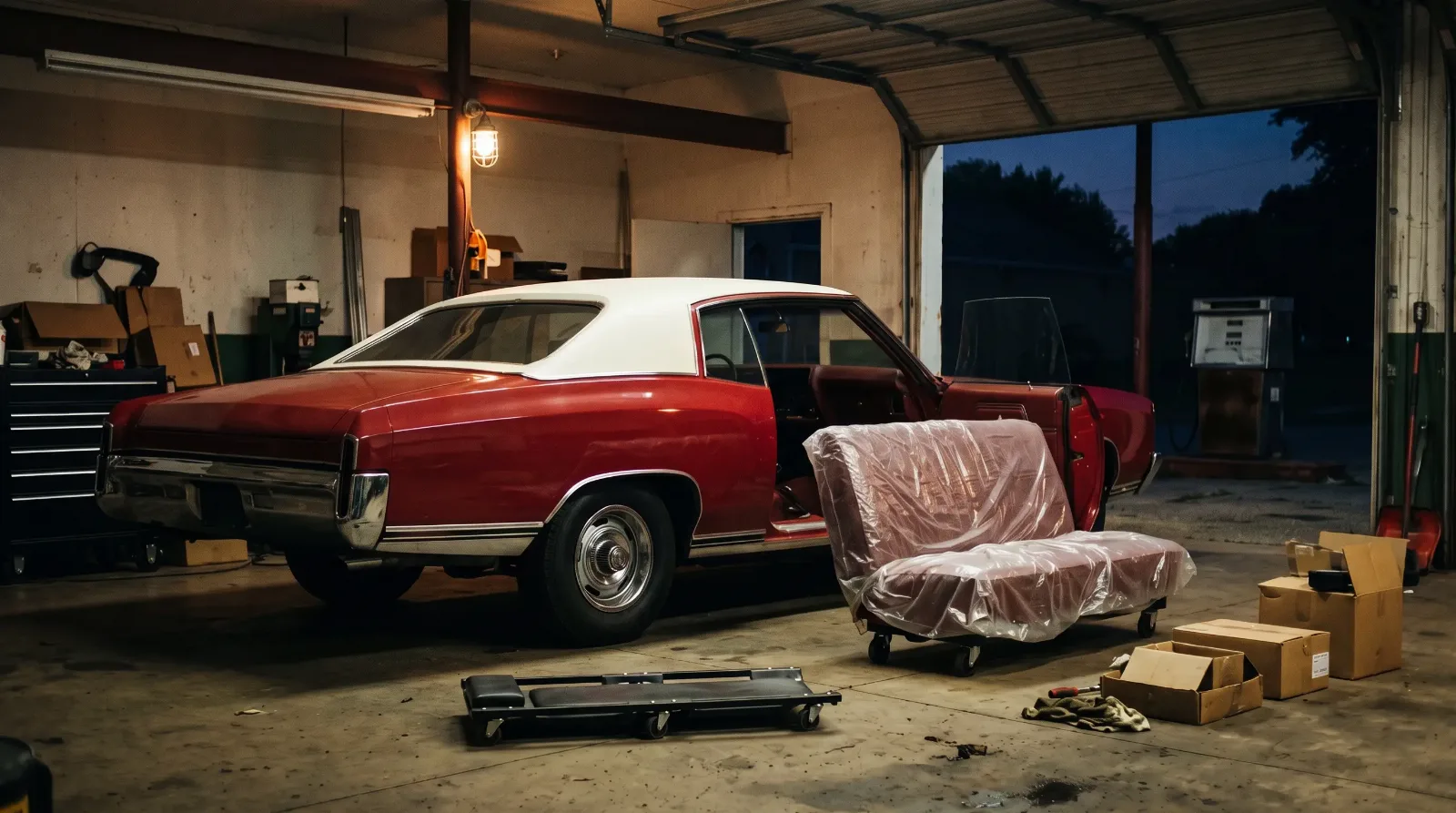
If you are earlier in the process, building a restoration shop covers the setup, pricing and insurance. This is about the shops around yours and how work travels between them.
Why restoration shop referrals run on trust, not contracts
A referral in this trade is a bet with your own name. Send a customer to an upholstery shop that uses the wrong grain on a vinyl seat cover, and that customer remembers who sent them. Send them to a trim shop that gets it right, and you look like you know everybody worth knowing. That is the whole economy of it.
Customers are told to work this way, too. Advice aimed at owners says word of mouth will get a shop started, and tells them to walk up to people at car shows and ask where the restoration was done and how happy they were with it. The same advice warns that bad news travels fast. A shop that refers badly pays for it the same way a shop that works badly does.
So the "network" is really a short list in a shop owner's head: the people he trusts with a customer's car and his own reputation. Nobody we could find has written that list into a contract.
The handoffs that happen every week
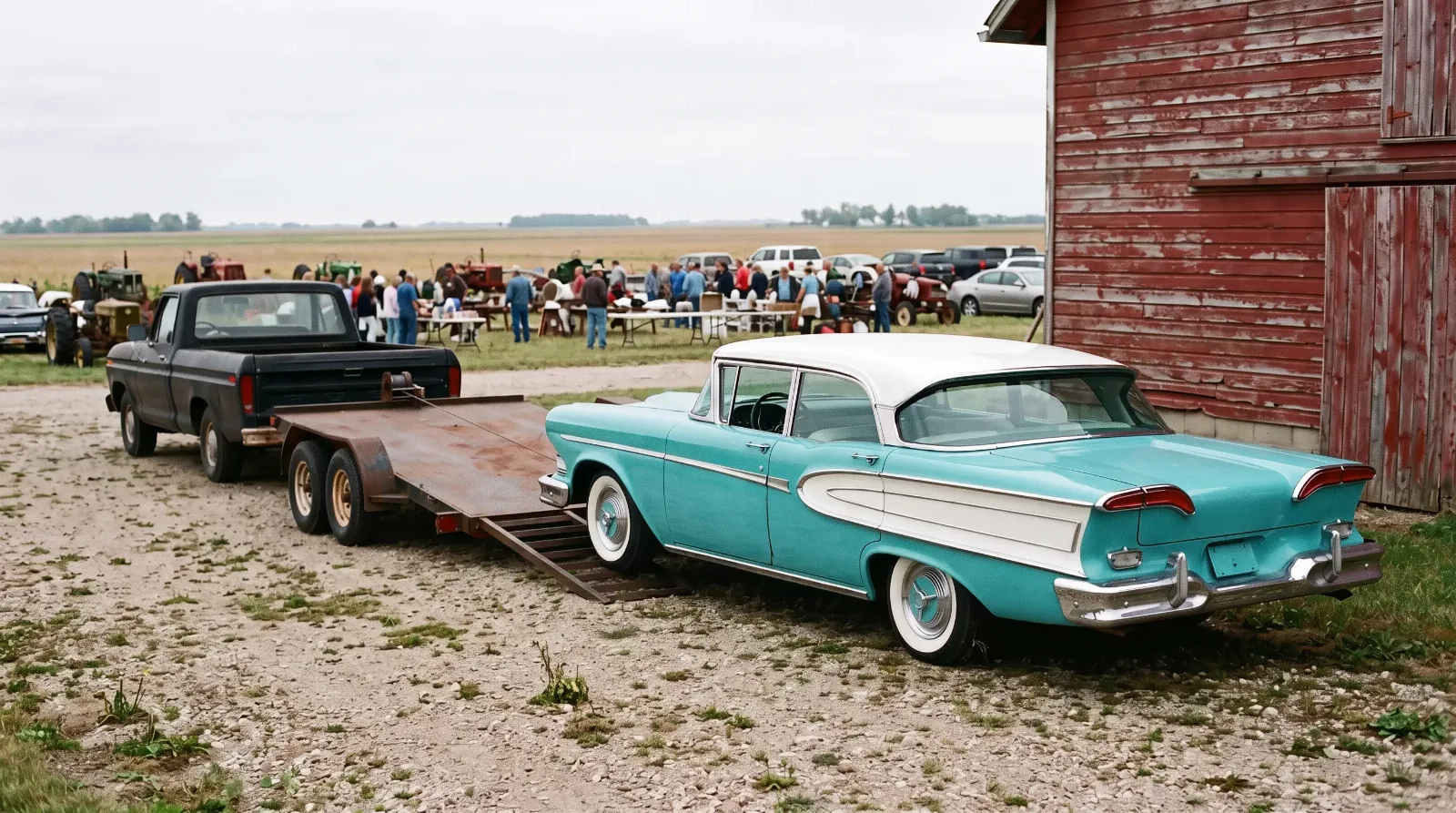
Most work moves along the lines of specialty. A body-and-paint shop sends interior work out. A trim shop sends the engine to a machinist. A general restorer who does not do concours-level detail sends the last ten percent of a show car to someone who lives for it. And a shop with a long queue sends the customer it cannot take.
That last one matters more than people admit. Some shops keep a waiting list of a year, 18 months or longer, according to the same owner-side advice. A customer who will not wait that long is going somewhere. The only question is whether you point them at a shop you respect or let them find one off a classified ad.
Rates make the handoff honest, too. Published figures put restoration labor at roughly $75 to $150 an hour (ZenBusiness, updated September 2026), with specialist and concours shops charging more. A shop that bills on the high end for metal work has no business doing upholstery at that rate when a specialist down the road does it better.
Where shops meet each other
You cannot refer to a shop you have never met. The meeting places are the same ones the customers use.
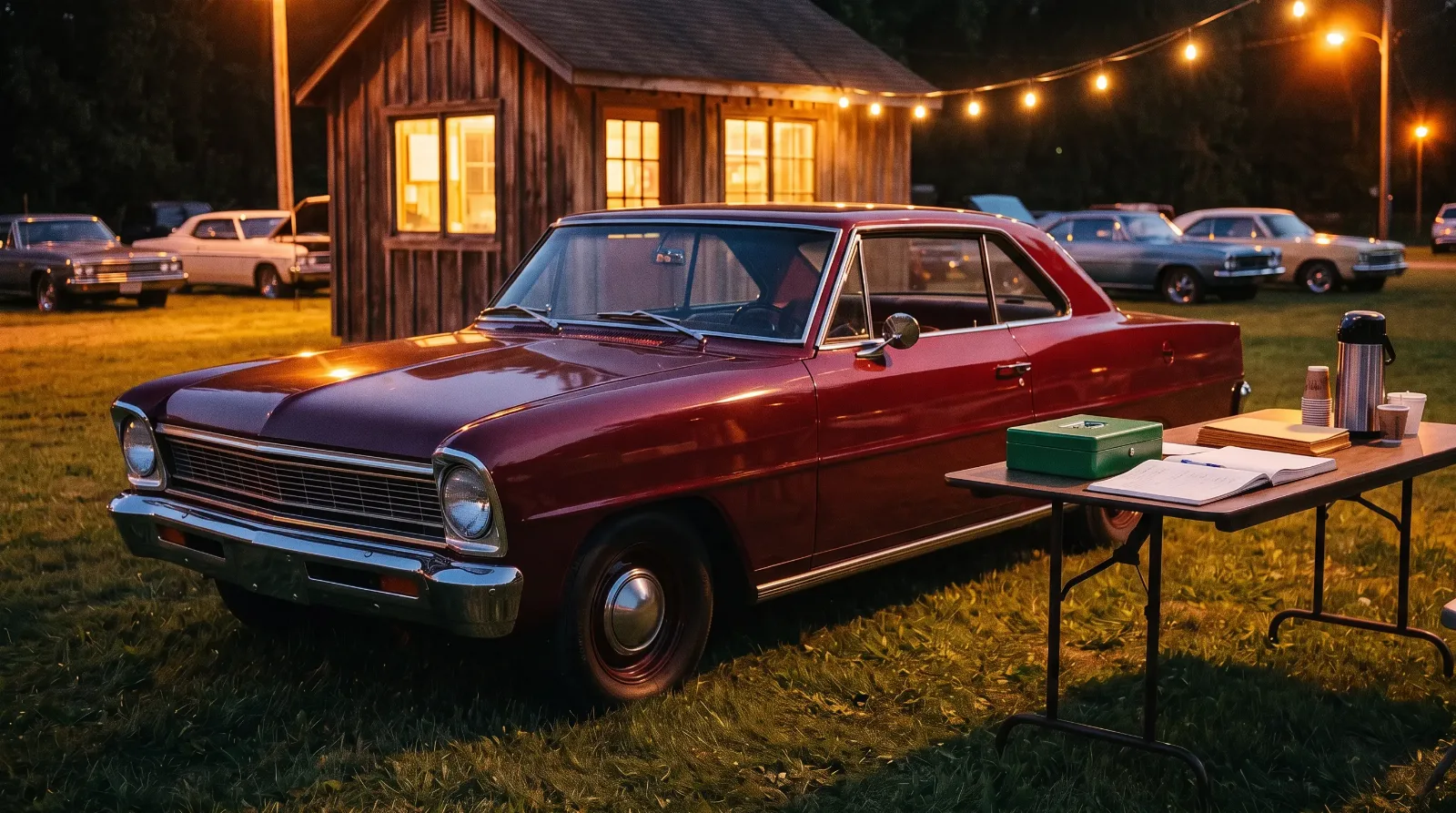
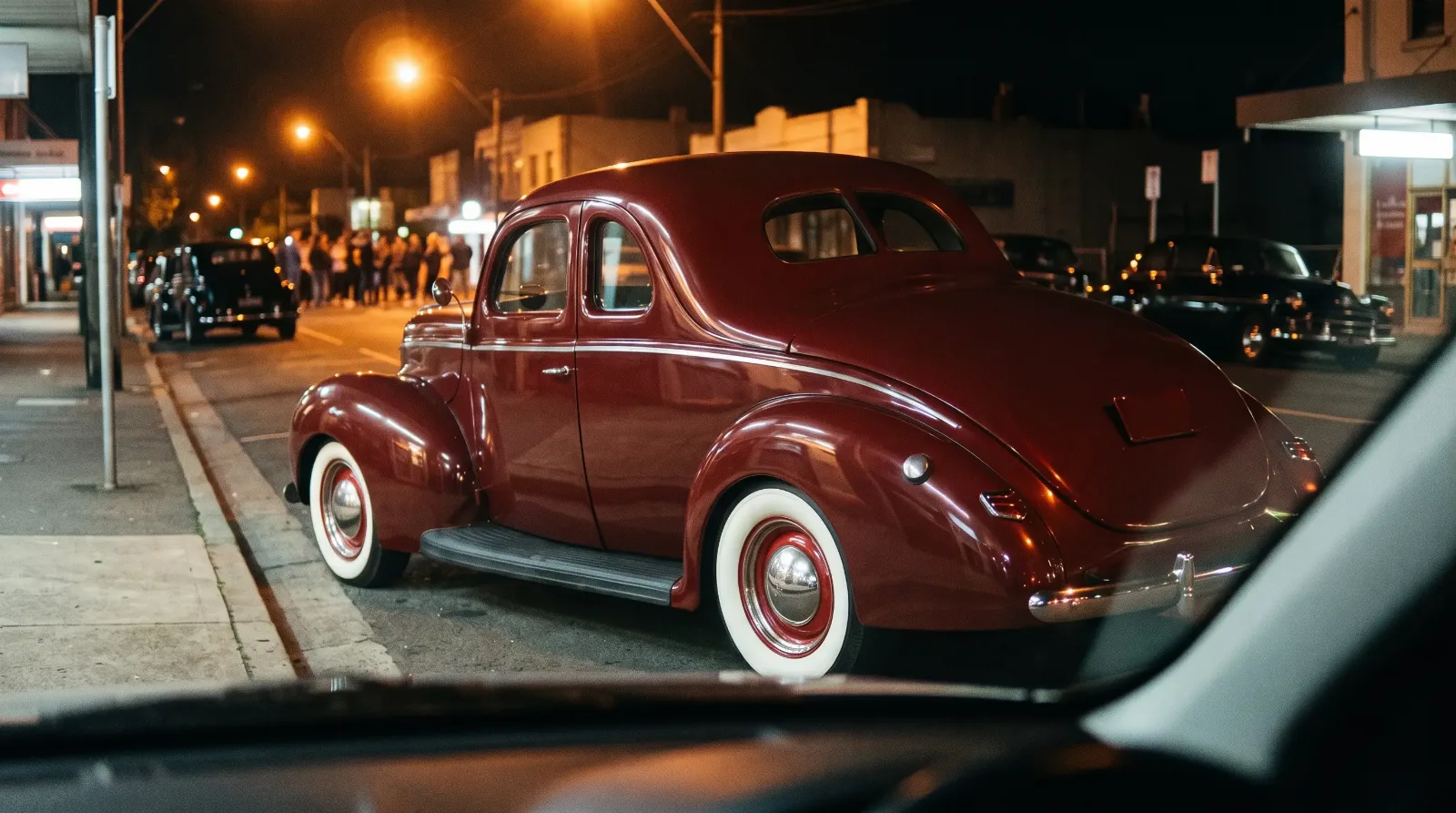
Shows and cruise-ins are the first. Shops that sponsor local shows meet owners there, and they meet the other shops whose cars are parked down the row. One Northern California restoration and collision business with eight locations sponsored a long-running local cruise and show for three years, as reported by Shop Magazine in 2019.
Trade groups are the second. The Automotive Restoration Market Organization, a council of SEMA, is open to restorers, suppliers and car clubs that are already SEMA members, and offers a membership directory, a networking reception at the SEMA Show and subcommittees. That is the closest thing to an organized shop network we found, and it is a place to meet people, not a referral scheme.
The third is the customer. Every finished car is a rolling business card, and the people who ask about it at a show are often shop owners sizing up the competition. For more on making the work visible, see winning customers without ads.
"I would rather send a customer across town to a guy who does a correct interior than keep the job and do a poser version of it. The car carries both our names the day it rolls onto a show field."
Jim Vasquez
Money between shops: markups, fees and what nobody publishes
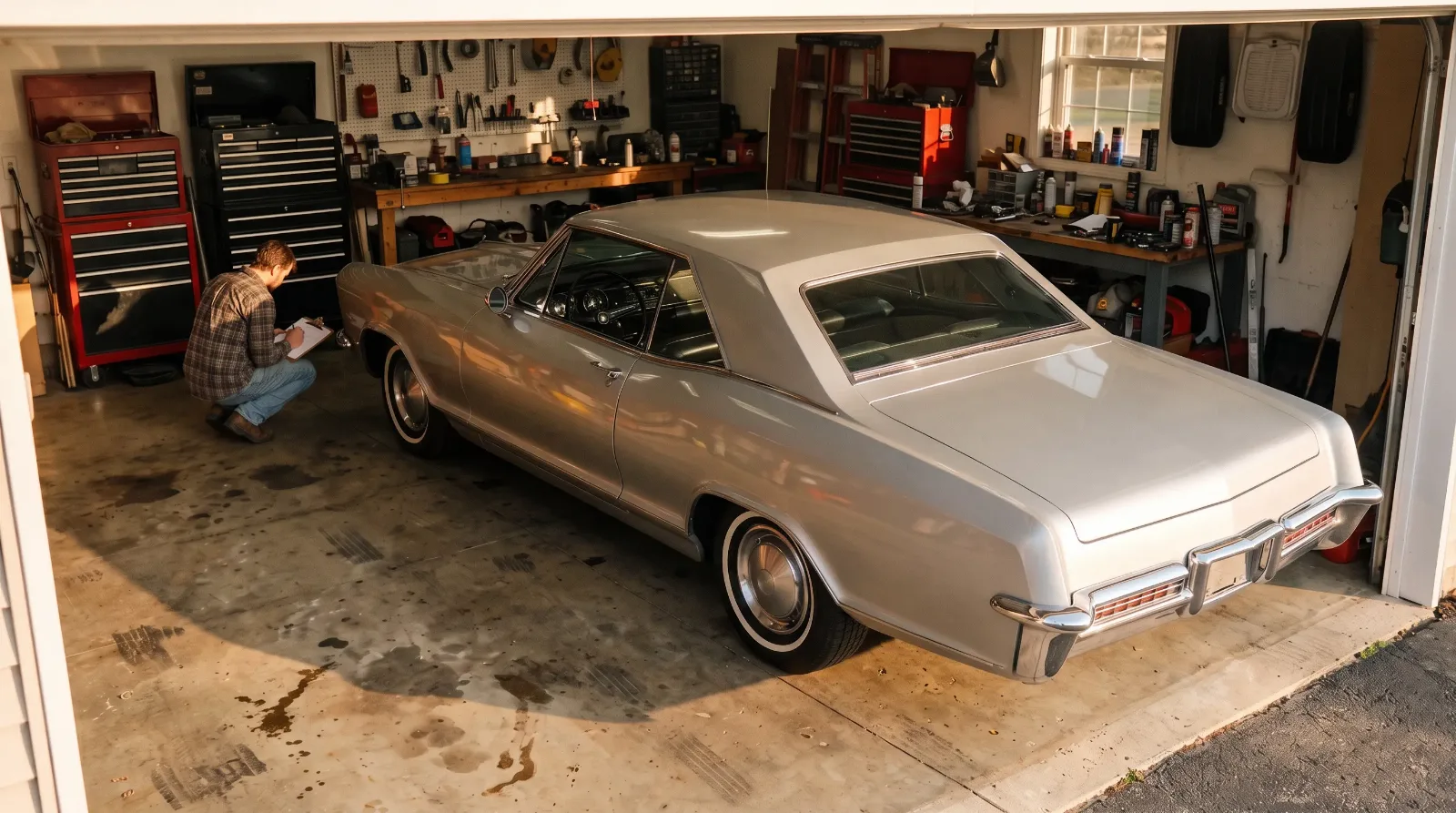
Does money change hands when one shop sends work to another? Sometimes, in the form of a markup when a shop subcontracts work and stays responsible for it. A shop that books, manages and checks outside work on a customer's car is doing real work, and some shops charge for it. But we found no published norm for sublet or subcontract markups in restoration. The only survey numbers we found cover insurer-paid collision repair, a different business, so they say nothing reliable about a restoration shop's handoff.
Straight referral fees, where one shop pays another for sending a customer, are a different matter. We found no source that documents them in the restoration trade, and we could not confirm how each state's laws on paying for referrals apply to repair shops. California is one sign that regulators do look at this: its Bureau of Automotive Repair says a business needs an Automotive Repair Dealer registration to diagnose, service or repair vehicles for pay, and that this includes referral and sublet repair services (fee $200 a year as of October 2026). Rules on referral payments and subcontracting vary by state, so if your shop plans to pay or accept a fee, confirm it with your state's consumer or auto repair agency and an attorney first. This is not legal advice.
The plain version most shops settle on: when you subcontract and stay on the hook, you may bill for managing it, and the customer should see that on the invoice. When you simply send a customer elsewhere, you hand them off clean and let the reputation do the paying. For the dealer side of referral money, where formal programs do exist, see the full guide.
The last handoff: when the customer sells
There is one referral almost every shop makes and rarely gets credit for. A car comes off the lift finished, and some months later the owner calls to ask where to sell it. The shop knows the car better than anyone, and the owner trusts that judgment.
Our partner program names restoration, body, upholstery and detailing shops that finish a car and then hear the owner is about to sell it among the people it was built for. It pays 25% of every listing package a referred customer buys. For example, a customer who lists the finished car on the $179 Premium package through your link earns the shop $44.75 (price as shown on October 19, 2026). The link carries a 60-day cookie, commissions are confirmed 30 days after the sale, and payout can be requested once the confirmed balance reaches $50, paid by PayPal after review.
The disclosure rule applies here as it does anywhere: if you earn from the link, the FTC expects you to say so clearly, right next to it, in words like "we earn a commission if you list through this link." A line on your website's About page does not cover a link in an email.
That handoff is the same as the others. You are sending someone you care about to a place you have checked. If it fits the way your shop already talks to customers at the end of a build, you can join the CCA partner program and put the link in the final invoice email, disclosure and all.
Sources and notes
- SEMA: Automotive Restoration Market Organization (membership, directory and events, read October 19, 2026)
- Shop Magazine: a restoration shop's car show sponsorship (August 2019)
- ZenBusiness: starting a classic car restoration business (labor rate range, page updated September 2026; an estimate, not a survey)
- California Bureau of Automotive Repair: licenses and registrations (referral and sublet services, fees as of October 19, 2026)
- FTC: Endorsement Guides, what people are asking (affiliate link disclosures)
- Classic Cars Arena partner program (rates, prices and payout terms as shown on October 19, 2026)
Related Reading
Have a
Classic Car
for Sale?
Reach thousands of serious classic car collectors across the US.
Sell It Here →
Selling a classic? Here's how: compare the places to sell classic cars
Are You a Classic Car Dealer?
List your full inventory and connect with targeted classic car buyers.
Join as a Dealer →
About the author
Jim Vasquez
Southern California hot rod and custom car builder with roots in the traditional kustom kulture scene.
More in Ownership & Lifestyle
Comments
Be the first to comment on this article.