
An appraisal fee is a price on risk and time, not on the car. A $40,000 driver and a six-figure rarity can cost the client the same to appraise, and for a good reason. The appraiser is selling a defensible opinion of value, and the work behind that opinion is what sets car appraiser fees. The caveat comes right after the claim: published prices vary widely, and a fee that looks low often buys a smaller report rather than a bargain.
Ownership & Lifestyle
8 min read
How Classic Car Appraisers Set Their Fees
Car appraiser fees are priced per assignment, never on value. How scope, travel, testimony and risk set the number a classic appraiser quotes.
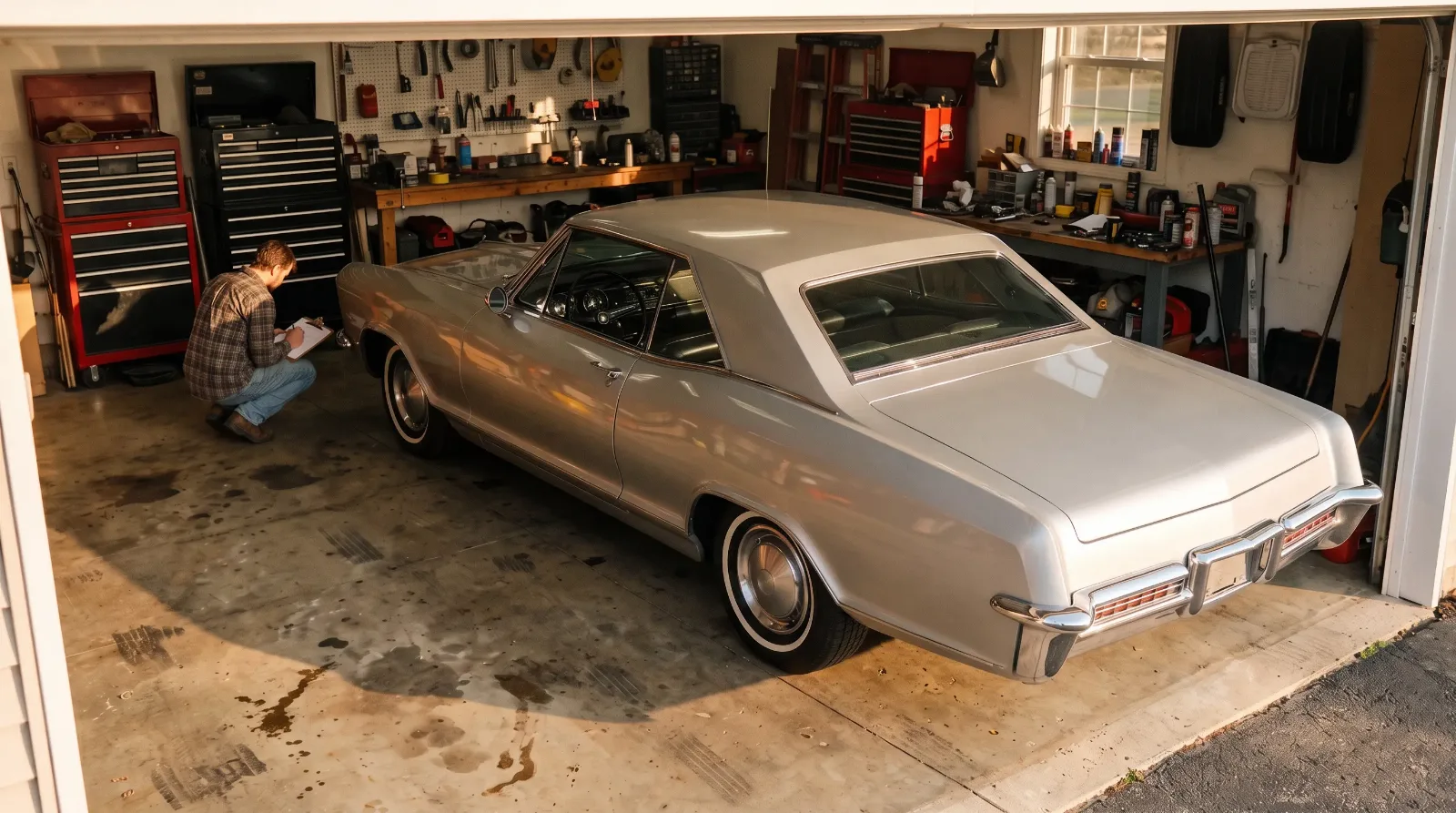
If you are still deciding whether to become a classic car appraiser, the credential side is covered elsewhere. This piece stays on one question: how working appraisers build the number they quote.
Price the assignment, never the value
The first rule is a hard one. For a charitable donation appraisal, the IRS says the fee cannot be based on a percentage of the appraised value, and no part of the fee arrangement can be tied to the amount allowed as a deduction (Publication 561, revised December 2025). An appraiser paid a cut of the number has a reason to inflate it, and the IRS removes that reason by rule.
Most appraisers apply the same logic to every job, donation or not. A percentage fee is easy to explain to a client and very hard to explain to a lawyer. If a valuation is later challenged in an estate, a divorce or a total-loss dispute, the first question asked is whether the appraiser profited from a higher figure. A flat fee per assignment answers that question before it is asked.
That timing window matters for pricing too. A donation appraisal often comes with a deadline, and some appraisers charge more for a guaranteed turnaround. Whether a rush premium is customary in your market is something to check locally, since none of the published price pages we read lists one.
What moves a flat fee up or down
Once the fee is fixed per assignment, it still has to reflect the work. Firms that publish their prices, as of October 2026, sort that work by scope. The pattern below is drawn from those firms' own pages, which are individual businesses, not an industry survey.
| Fee driver | What the client gets | How published pages price it |
|---|---|---|
| Desk work only | Valuation from photos and documents, no visit | $149 online (Kentucky-area firm); from $175 by mail or email (northern California) |
| On-site inspection | Appraiser sees the car, includes an inspection | $295 and up; from $299; $350 to $550 |
| Modified or custom car | Fewer comparable sales, more research | $450 to $650 (northern California) |
| Specialty or rare car | Thin market, more documentation to check | $500 to $750 (northern California) |
| Purpose of the report | Probate, bankruptcy, IRS donation | Same $350 to $550 band as a standard classic appraisal at one firm |
| Dispute work | Diminished value, total-loss dispute | $325 to $525 each (northern California) |
Two readings come out of that table. First, the visit is the biggest single step: going from a desk opinion to seeing the car roughly doubles the published price. Second, difficulty raises the fee more than purpose does. One firm charges the same for a probate report as for a standard appraisal, but adds money for a modified car or a rare one, because those take more research to defend.
Pre-purchase inspections sit next to appraisals and are priced the same way, by scope. Published figures run from $349 (365-point evaluation with video) to $399 plus a mileage charge, and one Nevada dealer quotes $1,500 for a package that moves the car to a mechanic and includes a written appraisal. The skills overlap, and plenty of people start by becoming an inspector before they take on valuation work.
Time-billed work: testimony and travel
Flat fees work for a defined report. They fail for work with no fixed end. Every published fee page we read that mentions expert testimony prices it separately: one northern California appraiser bills it per day, another says "contact for rates." Neither puts testimony in the flat menu.
The reason is exposure. A court date can move, a deposition can run long, and preparation can take more hours than the original report. An appraiser who quotes a flat number for litigation carries all of that risk alone. Billing by the day or the hour hands it back to the party that controls the schedule.
Travel follows the same rule. One appraiser adds a "modest mileage charge" to an inspection without publishing the amount; another firm notes that extended travel may add cost. The practical approach is to set a radius included in the base fee and quote anything beyond it before the job is booked, in writing.
"Quote the report flat and the courtroom by the day. The report has edges. The courtroom does not, and the appraiser who forgets that pays for it."
Marcus Feld
Building risk into car appraiser fees
A fee also has to carry the cost of being wrong. Appraiser errors and omissions insurance covers claims of negligence, inaccurate advice or a valuation mistake, according to The Hartford, and its price depends on experience, claims history, the deductible and any prior-acts cover. A broker writing for appraisers notes these policies are written on a claims-made basis, so a lapse can leave past work uncovered. That is a fixed annual cost, and it belongs in the hourly rate you work back from.
Demand is the other side of risk. Hagerty's own FAQ says "We typically do not require appraisals," and the insurer contacts the owner during underwriting if it needs more support for a value. An appraiser who prices on the assumption that every insured classic needs a report is pricing against a market that is smaller than it looks. The steadier work is estates, donations, disputes and sales.
Fees, liability and tax treatment of your own income vary by state and by carrier. Confirm the rules that apply to you with your insurer and an accountant; this is general information, not legal or tax advice.
Revenue at the moment of sale
Many appraisals happen because a car is about to change hands. The owner wants a number before listing, or the heirs want one before they sell. That is the point where an appraiser can earn something beyond the fee without touching the valuation.
Our partner program lists "transport, inspection, appraisal" as a partner type: the people sellers already call before a sale. As of October 2026, it pays 25% of any listing package or upgrade a referred seller buys and 20% of a dealer's subscription payments for the first 12 months, with a 60-day cookie, a 30-day confirmation period and a PayPal payout once the confirmed balance reaches $50. For example, at the October 2026 prices, a seller who buys the $99 Featured package earns the referring appraiser $24.75. That is arithmetic on the published table, not a forecast.
Two rules keep it clean. Commissions are for customers you bring in, not for your own purchases, and a payment that is refunded or charged back loses its commission. And when you share the link, you must say plainly that you earn a commission, as the FTC requires, close to the link itself.
The bigger rule is yours to set. Your valuation cannot depend on whether the owner lists the car or clicks anything. Put that in the engagement letter, deliver the report, and only then mention a referral at the point of sale if the client says they are selling. The fee pays for the opinion. The referral is a separate courtesy, and it should read like one.
Sources and notes
- IRS Publication 561, Determining the Value of Donated Property (revised December 2025)
- Northern California appraisal fee schedule, read October 2026
- Northern California appraiser: appraisal, market analysis and inspection fees, read October 2026
- Online and in-person appraisal and inspection prices, read October 2026
- Hagerty insurance FAQ: general guidelines on appraisals
- The Hartford: errors and omissions insurance for appraisers
All fees above are each firm's own published prices as read in October 2026; partner program terms are from the Classic Cars Arena partner page as of the same month. Prices change, so check before quoting.
Related Reading
Have a
Classic Car
for Sale?
Reach thousands of serious classic car collectors across the US.
Sell It Here →
Selling a classic? Here's how: sell my classic car
Are You a Classic Car Dealer?
List your full inventory and connect with targeted classic car buyers.
Join as a Dealer →
#classic car appraisal
#partner program
#car appraiser fees
#appraisal pricing
#IRS qualified appraisal
#expert witness fees
#errors and omissions insurance

About the author
Marcus Feld
Accredited collector-car appraiser who reads the market through hammer prices, condition tiers and risk.
More in Ownership & Lifestyle


Comments
Be the first to comment on this article.