
A woman at a Scottsdale auction preview once told a reporter she didn't care what the Chevelle in front of her had actually done on a movie set. She cared what people would think it had done, every time she pulled it into a parking lot for the rest of her life. That's an honest answer, and it explains more about this corner of the market than any spec sheet could. A Chevelle with a screen credit isn't just a car anymore. It's a story you get to own, and stories carry a price of their own.
Ownership & Lifestyle
6 min read
From Screen to Street: How Movie Fame Shaped Chevelle Values
Screen time has real effects on Chevelle prices, but not the way most buyers assume. Here's what actually moves the market.
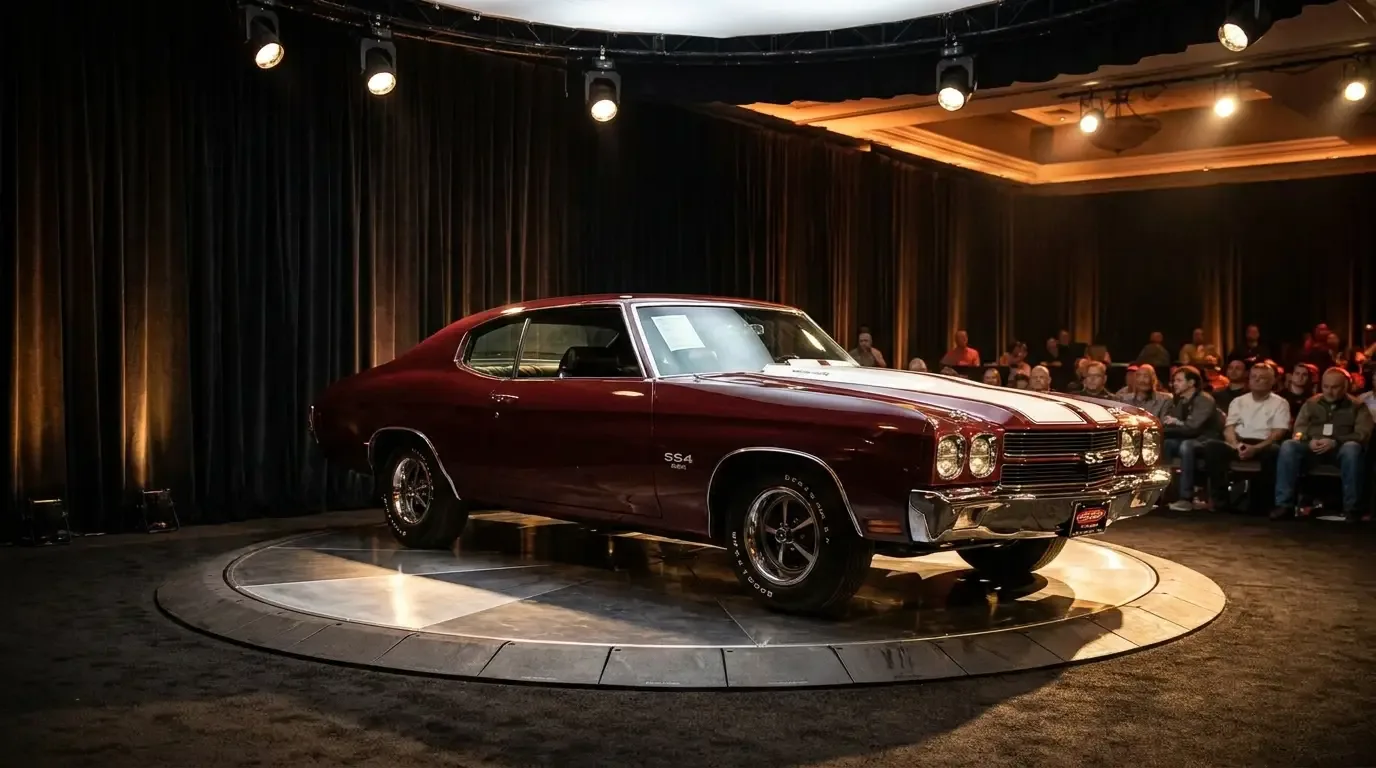
Whether that premium is fair is a separate question from whether it's real. It is real, and it has been building for years, layered on top of a market that was already strong for clean, documented SS models long before any of them made it into a film.
The screen effect, in plain terms
Every wave of Chevelle attention traces back to the same pattern. A film or franchise puts the car in front of a new, often younger audience, that audience develops an emotional attachment to a specific car in a specific scene, and a portion of that audience eventually goes looking to buy something close to it. The Chevelle's screen legacy is long enough now that this cycle has repeated several times across different generations of moviegoers, and each cycle has left the broader Chevelle market a little firmer than it found it.
The effect isn't limited to cars with a documented, verifiable screen history. It bleeds outward into the whole model line. When a specific year and trim gets movie attention, buyers who can't find or afford that exact car often bid up close substitutes instead, a slightly different color, a slightly different option package, anything that reads as "close enough" to the car they saw on screen.
Which specific cars actually command a premium
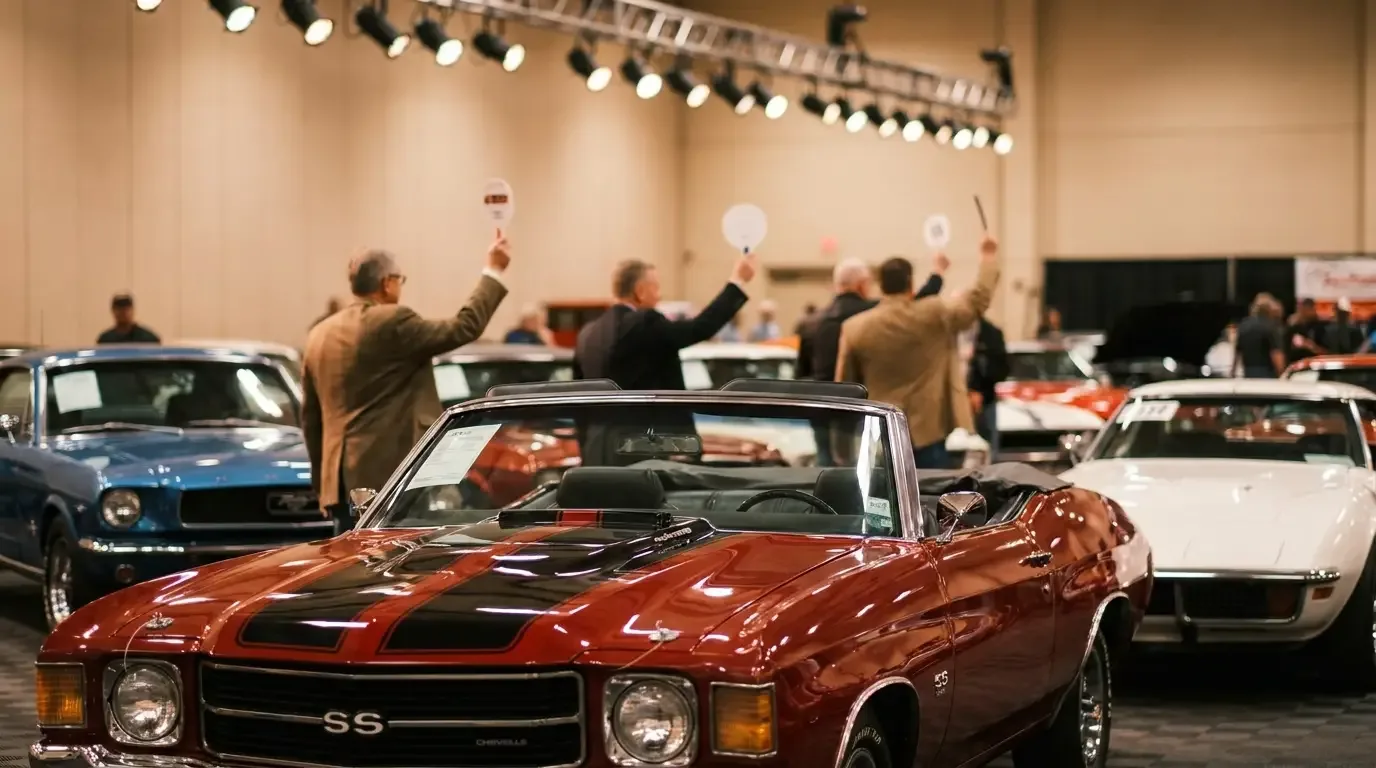
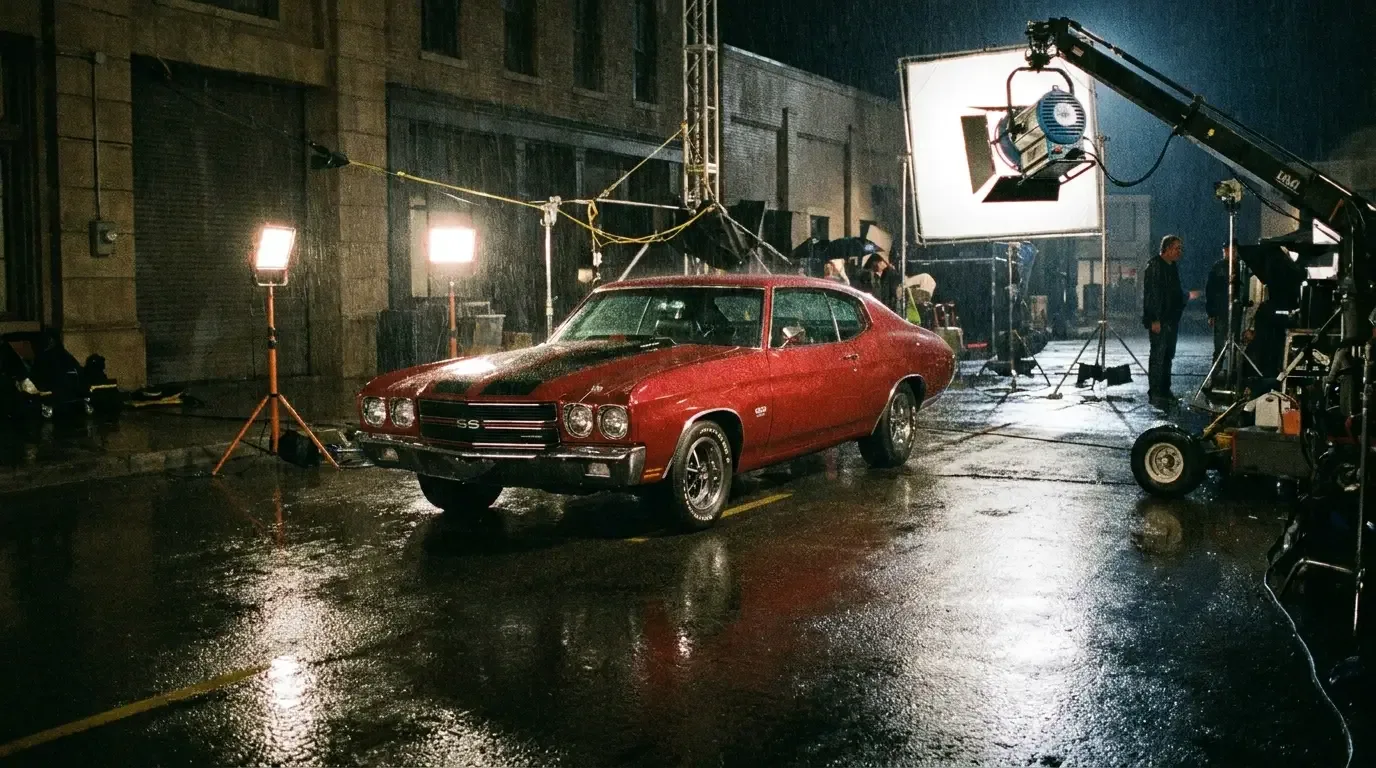
Verified screen cars, the actual vehicles used in filming with documented chain of custody, are a tiny fraction of the market and sell in a different tier entirely. These are treated less like used cars and more like memorabilia, and pricing follows collectible logic rather than typical muscle car valuation. A documented picture car from a well-known production can bring a multiple of what an equivalent clean driver would sell for. A 1973 Chevelle Malibu used in the 2011 film "Drive," for example, carried a Bonhams estimate in the $69,000 to $92,000 range, well above what a comparable unremarkable Malibu of that year would fetch. Exact figures still vary enormously by film, by documentation quality, and by how actively the fan base for that specific title collects.
Below that tier sits a much larger group of cars: correct-looking tribute builds finished to match a famous screen car's spec, color, and stripe layout without any claim to actual production history. These trade at a real but smaller premium over a comparable standard SS, largely because they let an owner get the look and the story-adjacent feeling without paying collectible-memorabilia money.
There's a middle tier too, one that gets overlooked in most conversations about movie car pricing: cars owned or driven by cast and crew during production, off the clock, that never actually appeared on camera. These carry a genuine, documentable connection to a film without being a screen-used vehicle in the technical sense, and buyers who understand the distinction tend to pay a modest premium for them rather than the collectible-memorabilia premium reserved for true picture cars.
The risk of paying for a story you can't verify
🔧 Inspection Priorities
- Ask for documented chain of custody, not just a seller's claim. "It was used in the movie" without paperwork is a story, not provenance, and the price should reflect that distinction.
- Check whether the film even used real cars for that shot. Some famous scenes used fiberglass-bodied stunt clones or later digital work, meaning no surviving "real" example exists at all.
- Compare the asking price to a standard SS in equivalent condition. If the movie premium is more than the underlying car is worth, you're buying a story more than a car, and that's fine, as long as you know it going in.
What the broader market actually shows
Strip away the handful of headline-grabbing screen-used sales and the underlying pattern is simpler than it looks. Movie fame doesn't create Chevelle value out of nothing. It amplifies value that was already there, because a car with weak fundamentals, poor documentation, rough condition, doesn't get rescued by a movie connection. What it does is pull new buyers into a market that was already healthy, which is exactly the kind of demand that tends to hold up over time rather than evaporate once the film leaves theaters.
It also widens the buyer pool in a way that matters beyond the top-tier sales everyone talks about. A younger buyer who came to the car through a film is often shopping in a completely different price range than the collector chasing a documented screen-used example, and that buyer's demand supports the driver-quality end of the market, the cars priced for people who actually want to own and drive one rather than display it. That's a healthier kind of demand than a speculative bubble built entirely around a handful of headline sales, and it's part of why the broader Chevelle market has stayed resilient even in years when the very top of the collector market cooled off.
"The car has to be good on its own terms first. A movie connection is the reason someone walks up to look at it. It's the actual condition and history that decides whether they write the check."
Nora Beckett
For anyone tracing how a family-oriented mid-size Chevrolet ended up commanding this kind of cultural weight, the classic Chevelle story covers the full arc from its 1964 launch through the muscle era that made all of this possible. And if the market angle has you curious what's actually available right now, you can see current Chevelle values in our listings. The film that started a lot of this modern attention, and arguably did more for Chevelle values than any other single production, deserves its own closer look. Read next: The 1970 Chevelle SS in Fast and Furious.
Sources and notes
- Edmunds, "Fast & Furious Cars: 1970 Chevy Chevelle SS454 (Stock)"
- Edmunds, "Fast & Furious Cars: 1970 Chevy Chevelle SS454 (Primer)"
- CarBuzz, Bonhams auction of screen-used movie cars including a Drive-era Chevelle
- Fast & Furious Wiki, 1970 Chevrolet Chevelle SS
- Screen Rant, every car Dominic Toretto has driven
Related Reading
Have a
Chevrolet Chevelle
for Sale?
Reach thousands of serious classic car collectors across the US.
Sell It Here →
Are You a Classic Car Dealer?
List your full inventory and connect with targeted classic car buyers.
Join as a Dealer →

About the author
Nora Beckett
Automotive features writer and photographer who tells the human stories behind the cars, from show fields to cross-country road trips.
Related Listings - Chevrolet Chevelle
More in Ownership & Lifestyle
Comments (1)
T
Tony Marchetti
2 months ago
Been in the hobby thirty years. The quality of information available now compared to the mid-90s is remarkable. This is a good example.