
Reputation in the classic car trade is a track record, and a track record can be checked. The difficulty is that most buyers check the wrong things. A polished website, a large inventory and a five-star average feel like evidence, and none of them predict how a dealer behaves when a deposit needs refunding or a title arrives late. Reputable classic car dealers leave a different kind of trail: verifiable addresses, licenses, written terms and listings that describe flaws before you ask. This piece sorts the signals that carry weight from the ones that only look good.
Ownership & Lifestyle
7 min read
How to Tell if a Classic Car Dealer Is Reputable
The evidence that a classic car dealer is reputable: licenses, honest listings, written terms, title handling and review patterns. Plus what proves nothing.
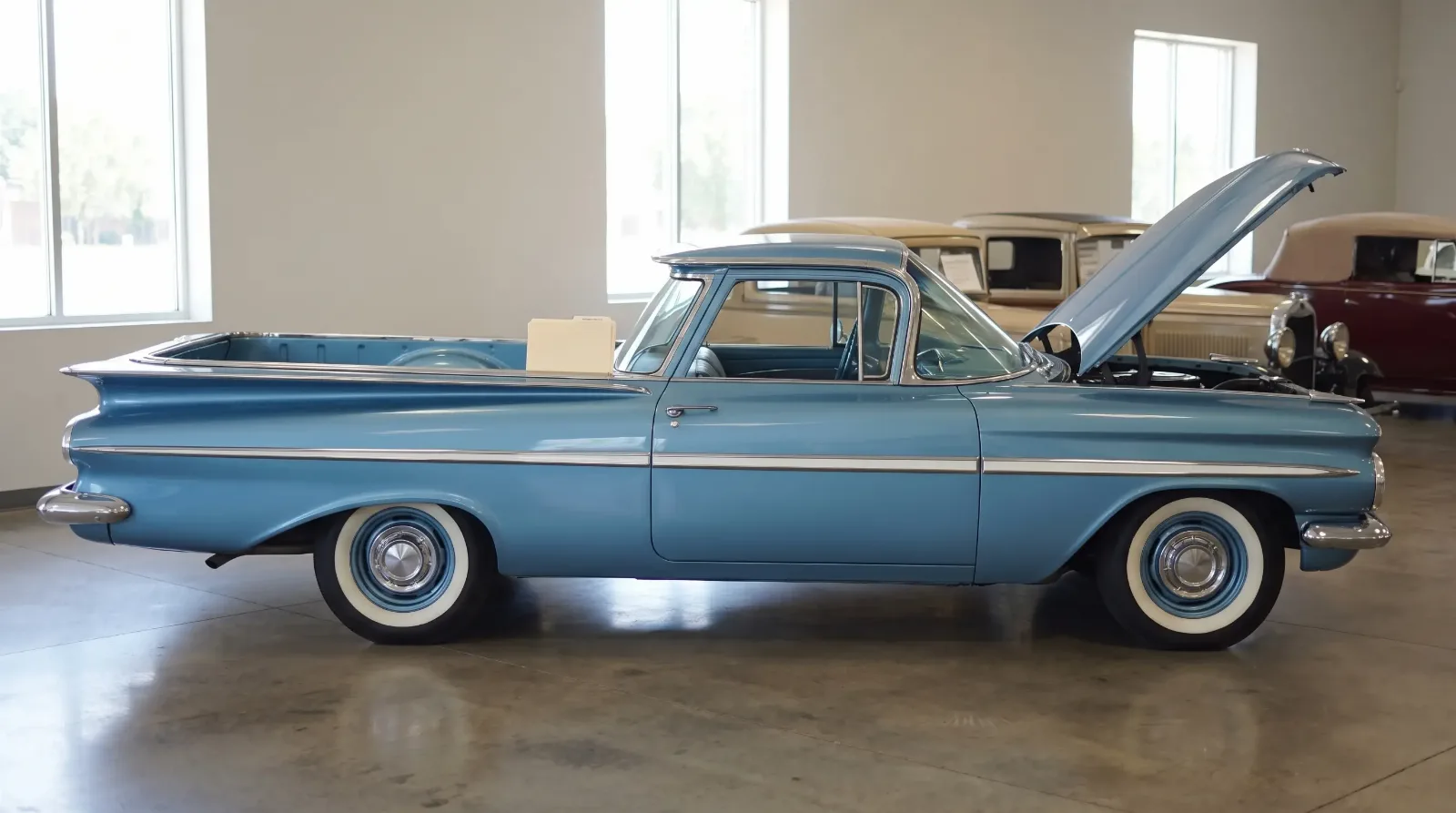
It goes deeper on one step of a larger process. For the full sequence, from first contact to delivery, see the classic dealer buying guide.
Verifiable basics: time, place and license
Start with things a third party can confirm. Time in business comes first, because it is the cheapest signal to fake on a website and the hardest to fake in public records. The state's business entity search shows when the company was formed, and the domain registration date tells you when the website appeared. A dealer claiming "thirty years in the hobby" with an entity formed last year may simply have reorganized, but it is a question worth asking.
Next, the physical location. Reputable dealers have a place where cars are stored and shown, whether that is a showroom, a warehouse or a lot. Some legitimate operators work by appointment from a private facility, and some, like consignment marketers, never hold the cars at all. WeBe Autos on Long Island, for example, says it specializes in marketing and advertising specialty cars, and its listings state that it has not built, modified or personally owned the cars it offers. That model is fine. What matters is that the business is honest about which model it is.
Then the license. States require anyone in the business of selling cars to hold a dealer license, and many set a numeric line where a private seller becomes a dealer. Washington, for example, makes buying and selling five or more vehicles in a twelve-month period without a license a gross misdemeanor; other states draw the line lower or higher. Many state DMVs or dealer boards run a public lookup. A current license means the business has met bonding and location requirements. It does not mean the business is good, only that it is accountable to someone.
How the listings read
The listings are the most underused piece of evidence a buyer has. A dealer's description of a car tells you how that dealer thinks about disclosure, and it tells you before any money moves.
Look at the flaws. Every classic has them. A listing that mentions a cracked dash pad, a non-original carburetor, bubbling at the bottom of one door or a small oil leak is written by someone who expects the buyer to inspect the car. A listing with nothing but superlatives is written by someone who hopes you won't.
Look at the photo set. Reputable dealers shoot the underside, the trunk floor with the mat lifted, the engine bay from both sides, the VIN plate and any stamps the model is known for. Eighty exterior photos at golden hour and none of the floor pans is not a complete photo set, however many images it contains.
Look at the sold archive if the dealer keeps one. Prices achieved, time on the market and the language used on cars that have already sold are a long-run record of how the dealer describes things.
What reputable classic car dealers put in writing
Ask four questions and request the answers in writing. The answers matter, and so does the speed and ease with which they arrive.
| Question | Reputable answer | Answer that should worry you |
|---|---|---|
| Can I send an independent inspector? | Yes, name the date, we can put it on a lift | Our mechanic already went through it |
| What are the deposit terms? | Written amount, refundable if you decline after inspection | Non-refundable, or terms only stated by phone |
| Is there any return or rejection window? | Stated clearly, even if the answer is that the sale is as-is | Vague, or changes between calls |
| Who is on the title? | The dealership, or for a consignment car, the named owner, with a clear explanation of who signs | A previous owner who is neither the dealer nor the consignor |
Consignment deserves a closer look, because the title stays with the owner. A transparent fee structure, such as a set commission owed only once the car is sold, is a good start. What you need from any consignment seller is equally transparent handling of your money: who receives it, whether it sits in a separate account and when the owner is paid. If those answers are unclear, weigh dealer or private seller carefully, because a consignment deal with murky funds handling can carry the risks of a private sale without its price advantage.
"The cleanest predictor I know is how quickly a dealer sends written terms. Businesses with good outcomes have the paperwork ready because they use it every week."
David Mercer
Reading reviews and community reputation
Review counts are noise. A dealer with 400 reviews has simply sold a lot of cars or asked a lot of customers. What carries information is the pattern in the negative ones. Sort by lowest rating and read a year or two of them. Complaints about delivery dates and minor detailing are routine. Repeated complaints about titles, deposits or cars that differed from the description are the signal, especially if the dealer's public replies are defensive or identical.
Community reputation is slower and more reliable. Marque clubs, regional shows and forum threads produce a reputation built over years by people who have bought, sold and inspected cars from the same businesses. Ask a club chapter whether members have bought from the dealer. You will usually get a frank answer.
Finally, the formal record. Search the state attorney general's consumer protection office for complaints, and read the BBB complaint file in full rather than the letter grade. Court records in the dealer's county will show lawsuits filed against the business. A single dispute proves little. A pattern of the same dispute proves a lot.
What proves nothing
Some signals feel reassuring and carry almost no information. A slick website costs little and can be copied. A large inventory may include consignment cars the dealer has never seen in person. Advertising volume and social media following measure marketing budgets. Statements like "family owned since" or "trusted by collectors" are claims, not records.
None of these disqualify a dealer. They just should not move your assessment. The evidence that matters is the evidence above: public records, the way listings handle flaws, written terms and a pattern in other buyers' experience. When you browse dealers by state, run each candidate through the same checks before you call. A reputable business will pass them without much effort, and that ease is itself a signal.
Sources and notes
Related Reading
#buying a classic car
#classic car dealers
#consignment
#dealer license
#reputable classic car dealers
#dealer reviews

About the author
David Mercer
Classic car market analyst with two decades of experience tracking collector car valuations, auction results, and investment trends.
More in Ownership & Lifestyle
Comments
Be the first to comment on this article.