
Buying a classic car sight unseen used to be the province of the very experienced or the very reckless. Now it is ordinary. The best example of a particular coachbuilt body may sit two thousand miles away, or in another country, and no serious collector limits a search to what falls within a day's drive. The car does not come to you, so the diligence has to. Done properly, a remote purchase is simply a purchase where every question is asked in advance and answered in writing, with photographs, and by someone whose eyes you trust in place of your own.
Ownership & Lifestyle
6 min read
Questions to Ask Before Buying a Classic Luxury Car Sight Unseen
Buying a classic car sight unseen? The questions to ask about identity, documentation, remote inspection, and payment before you send any money.
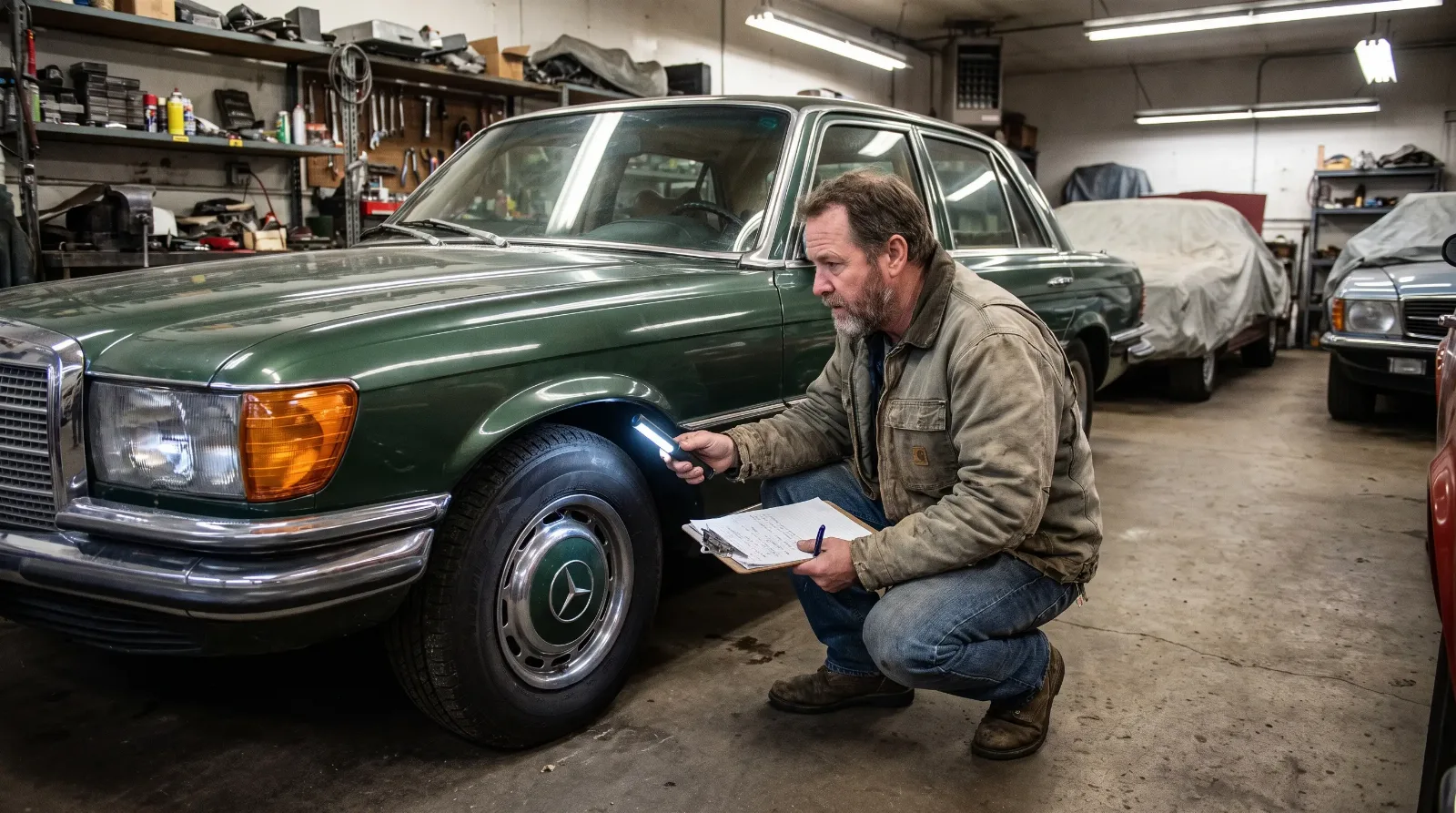
The discipline is the same one a researcher brings to any artifact. You are establishing what the object is, what has been done to it, and how much of it remains as the factory or coachbuilder intended. The questions below are the ones that matter most when you cannot walk around the car yourself, and the order matters, because identity comes before condition, and condition comes before price.
Is the car what the listing says it is?
Before condition, before price, establish identity. On a valuable classic luxury car, originality and correct specification drive value more than shine does, and a remote seller's word is not evidence. Ask for the chassis and engine identification, photographed clearly, and ask how they correspond to the model, year, and body style claimed. On coachbuilt cars in particular, the body should be verified against the chassis, because bodies were sometimes moved, rebuilt, or replaced over a long life, and a car wearing the wrong coachwork is a different object at a different value.
Ask directly what is original and what has been replaced or restored. Original coachwork, original interior, and a documented history are the things that separate a truly correct car from a handsome approximation. A car that has been restored can be excellent. But you must know which one you are buying, because the market prices them differently, and the difference on a significant car runs well into six figures.
What does the documentation actually prove?
Provenance is not a folder of paper. It is a chain, and a chain is only as strong as its gaps. Ask the seller to walk you through the ownership history and any build or factory records, then ask specifically where the record is thin. Every long-lived car has quiet years. An honest seller names them. A defensive one insists everything is documented, which on a car of real age it almost never is.
For remote purchases the paperwork does a second job: it is the thing you can examine from a distance when the metal is out of reach. Request scans of titles, restoration invoices, correspondence with marque registries, and any period photographs. Restoration invoices in particular tell you what was actually done, by whom, and when, which lets you judge whether a repaint from fifteen years ago is now due to fail. The paper is where a careful buyer spends the most time, because it is the part you can hold.
"When I cannot stand in front of a car, I read its file the way I would read a provenance for a painting. The gaps tell me as much as the entries. A history with an honest missing decade is worth more than a suspiciously complete one that no one can support."
Sarah Whitfield
Who is inspecting the car in your place?
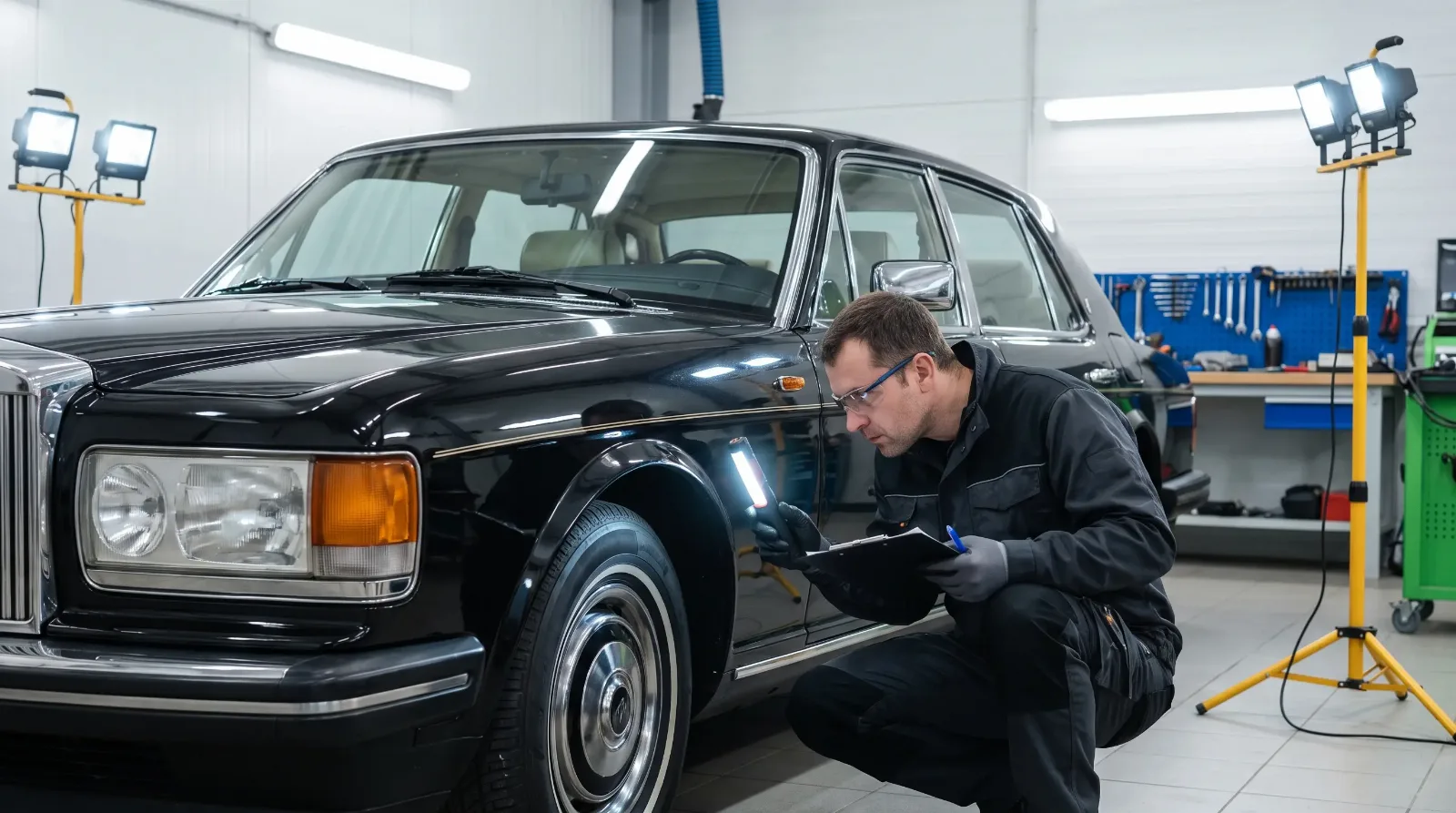
The single most important decision in a sight-unseen purchase is who becomes your eyes. Photographs and video from the seller show you what the seller chooses to show. An independent inspection, ideally by a marque specialist local to the car, shows you what is actually there. This is not the place to economize. A thorough remote inspection is a small fraction of the car's price and the best money you will spend in the whole transaction.
🔧 Inspection Priorities
- Commission your own independent inspector. Never rely on the seller's photographs alone. An inspector who works for you, not the sale, will look at the things a listing carefully avoids. Underbody, structure, and originality are where value is won or lost.
- Demand cold-start video, unedited. Ask for the engine started cold, on camera, in one continuous take. A warm engine hides the smoke, noise, and hesitation that a cold one reveals. An edited clip hides everything.
- Verify structure and hidden corrosion. Coachbuilt and luxury bodies conceal rot in the frame, sills, and mounting points. Ask for photographs from underneath and inside the wheel arches, in daylight, not a dark garage.
- Confirm identity against the documents. Have your inspector match the chassis and engine identification to the paperwork in person. This one check prevents the most expensive mistake in remote buying.
Have you protected the money until the car is confirmed?
A remote purchase separates payment from possession, and that gap is where buyers are most exposed. Agree in writing what happens if the car arrives differently than represented, and never send full funds before an independent inspection has confirmed the essentials. Use a method that gives you recourse, and treat any pressure to wire everything immediately as the warning it is. Reputable sellers of significant cars expect diligence and welcome it. The ones who resist are telling you something.
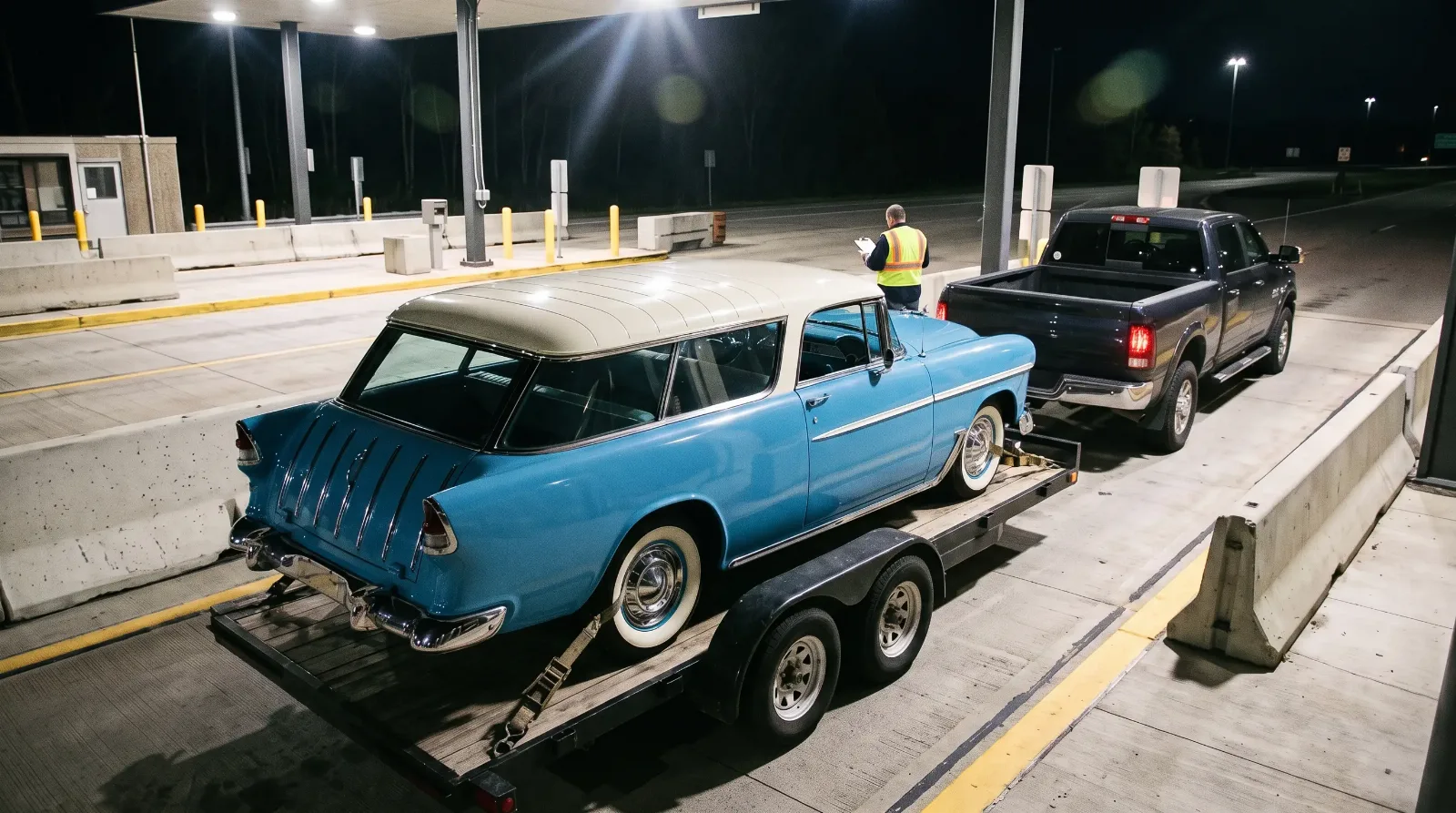
Handle the logistics as carefully as the car. Enclosed transport, proper insurance in transit, and a clear condition report at both ends turn a nervous gamble into an ordinary transaction. If you want the wider framework for all of this, start with how to buy a classic luxury car and the background in the full classic luxury car story. When you are ready to see what is actually available at a distance, study the classic luxury cars for sale, and once the car is home, plan for the reality covered in next: Why Classic Luxury Cars Are Cheaper to Buy Than to Own.
Related Reading
Have a
Classic Car
for Sale?
Reach thousands of serious classic car collectors across the US.
Sell It Here →
Are You a Classic Car Dealer?
List your full inventory and connect with targeted classic car buyers.
Join as a Dealer →

About the author
Sarah Whitfield
Third-generation classic car collector specializing in pre-war American and European coachbuilt automobiles. Researcher and concours enthusiast.
More in Ownership & Lifestyle
Comments
Be the first to comment on this article.