
Put a classic up for sale and your phone starts asking you the same ten questions. Different buyers, different states, different spelling, same ten questions. That's good news for a seller. A test you know in advance is a test you can study for.
Market & Values
8 min read
Answering the 10 Questions Every Buyer Asks
The ten questions buyers ask when buying a classic car, from rust to bottom line, and how to answer each one so the deal moves forward.
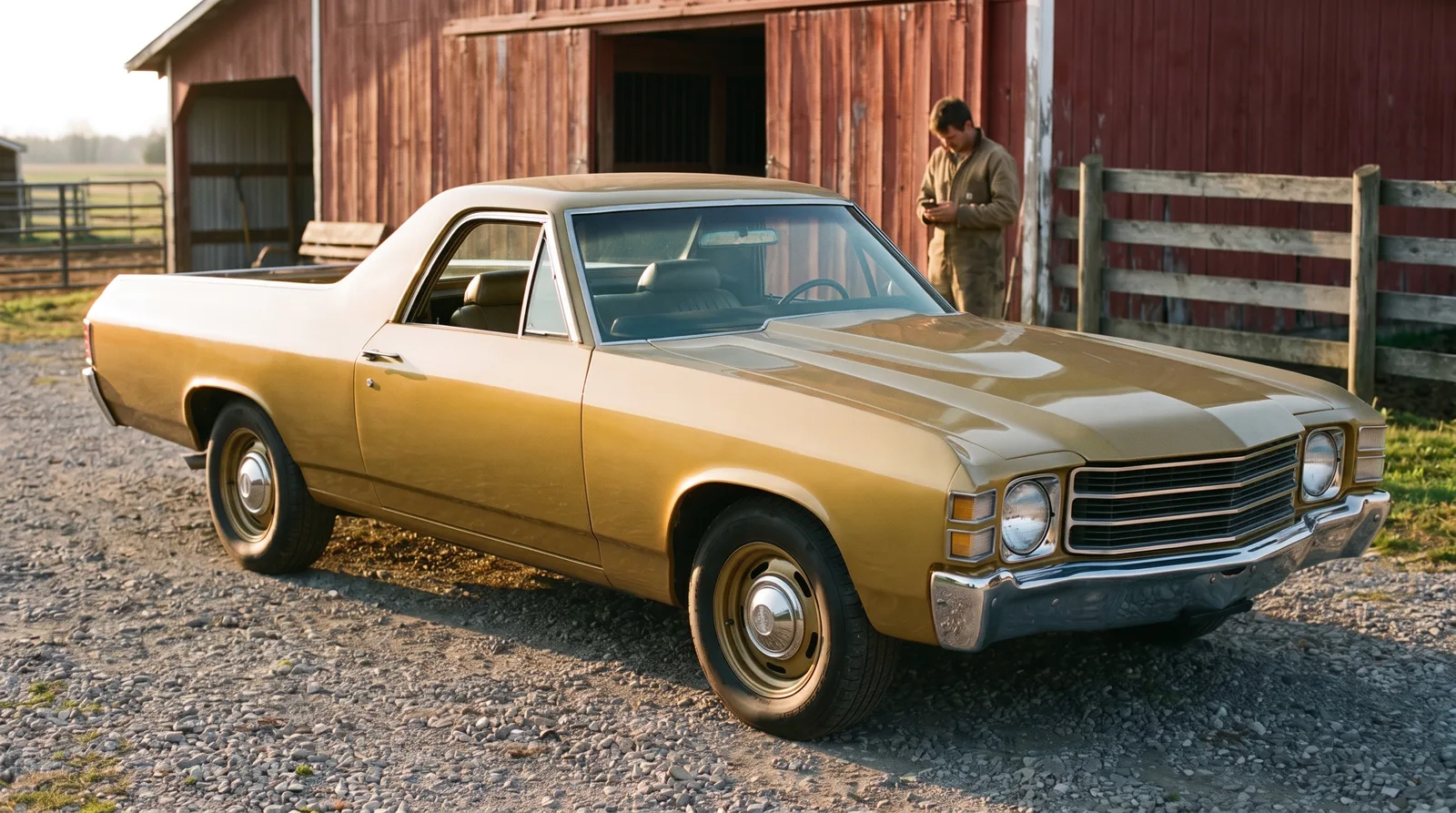
These are the questions buyers ask when buying a car that's older than they are, and the way you answer them decides whether a curious stranger turns into somebody standing in your driveway with a cashier's check. A bad answer usually isn't a lie. It's vague. "Runs good." "Some rust, normal stuff." "Title's around here somewhere." Every one of those makes a buyer quietly knock money off the number in his head, or move on to the next car. Pricing, photos and how fast to reply are covered elsewhere, and there's more on this in the main guide. Here we stay on the answers.
Does it run, is the engine original, and what are the real miles
Question one is always some version of "does it run and drive?" The honest answer has more than one word in it. A buyer wants to know if it starts cold without a shot of starting fluid, whether it idles without hunting, whether it pulls to highway speed and stops straight. Something like "starts on the first or second crank cold, idles smooth once the choke comes off, drove it forty miles last month, brakes pull a little left" is an answer. "Runs great" is a sales pitch, and buyers hear the difference.
Question two: "Is it the original engine?" Know what you've got before you list. On many American cars, especially from the late 1960s on, that means the partial VIN stamp on the block lines up with the car, and the casting numbers and date codes make sense for the build date. If you've checked, say so and put the stamp in a photo. If you haven't, say "I believe it's original, I haven't verified the stamping" and let the buyer's guy look. What you never do is write "numbers matching" because the last owner told you so. That's the claim that blows up deals at inspection, and sometimes after them.
Question three is mileage. Plenty of these cars have a five-digit odometer that has rolled over at least once, and nobody can prove which lap it's on. Say what the gauge reads, say whether you think it's actual, and point to whatever backs it up: old inspection slips, service stickers, receipts with mileage written on them. If you don't know, "showing 54,000, true mileage unknown" is a perfectly respectable sentence.
Rust, paint and the accident question
Question four is rust, and every buyer is asking it even when he doesn't type it. Don't answer "no rust" unless you've had the car in the air and looked at the floors, rockers, trunk drop-offs, frame rails and the bottoms of the doors and fenders. Tell them where it is, how bad it is, and whether any metal has been replaced. "Floors are original and solid, passenger rear quarter had a patch at the wheel lip years ago, small bubble starting at the bottom of the driver's door" gives a buyer a map. He can price a map. He can't price "minimal."
Question five: "Has it been painted, and has it been hit?" On a car this age the first answer is usually yes. Say when, if you know, and whether it was a color change. Look in the door jambs, under the hood and in the trunk before the buyer does, because he will, and so will his magnet. If there was body damage, say what was fixed and who fixed it. A buyer forgives an old repair done right. He doesn't forgive finding a half inch of filler in a quarter panel you called straight.
Title, history and why you're selling
Question six is the title. "Is it clean and in your name?" The only answer that makes a buyer relax is "yes, in hand." If it's still in a late relative's name, if it's lost, or if your state doesn't title cars that old and all you hold is registration and a bill of sale, say so up front and say what you're doing about it. New York, for one, doesn't title model year 1972 and older vehicles, so an out-of-state buyer may need you to explain what paper he's actually getting. Paper problems found late kill more deals than mechanical ones.
Question seven is history. How long have you had it, what have you done to it, and can you prove it. Get the receipts out of the shoebox before you list and sort them by date. Skip the oil changes. A buyer wants the big jobs: engine, transmission, brakes, suspension, paint, wiring. If the receipts are gone, a written list of what was done and roughly when still beats a shrug.
Question eight is "Why are you selling?" Buyers ask it because they're fishing for the problem you didn't mention. Give them the real reason in one sentence. Out of garage space. Bought something else. Not driving it enough. No story, no defensiveness. Boring and believable wins.
The inspection question and the money question
Question nine: "Can I bring my mechanic, or have it inspected?" Say yes. Every time. A seller who hesitates on this one has just told the buyer everything he needs to know. Set fair ground rules: the buyer pays the inspector, it happens at your place or at a shop you both agree on, and nobody takes the car on the road without you riding along and a license in hand. Out-of-state buyer wants a remote inspection? Help schedule it and be there with the keys. Cooperation sells cars.
Question ten always comes, usually near the end: "What's your bottom line?" Know the number before you list, and don't hand it out by text to somebody who hasn't seen the car. A fair answer sounds like "I priced it where the comparable sales are. Come look at it, and if it's what I said it is, we'll talk." That leaves room for a real conversation with a real buyer and none for a guy fishing from his couch. Price from sold results and you can hold your ground.
"Buyers aren't really asking about the car. They're asking about you. Every vague answer tells them you either don't know your own car or don't want them to. Either one costs you money."
Mike Sullivan
Put the answers in the listing before anyone asks
The trick is not waiting to be asked. Every one of these questions answered in the listing is one less message, one less delay, one less reason for a buyer to scroll past. Here's the whole set side by side, with the kind of answer that costs you and the kind that sells.
| Buyer's question | Answer that costs you | Answer that sells |
|---|---|---|
| Does it run and drive? | "Runs good" | How it starts cold, idles, drives and stops, plus any quirks |
| Original engine? | "Numbers matching" with nothing to back it | What you verified, with a photo of the stamp, or "not verified" |
| Real miles? | A number stated as fact | Odometer reading, actual or unknown, and any paper that supports it |
| Any rust? | "Minimal" or "normal for age" | Where, how bad, and what metal has been replaced |
| Painted or hit? | "Body's straight" | When it was painted, any color change, what damage was repaired |
| Title clean and in your name? | "I'll find it" | "Clear title in my name, in hand," or the exact situation and fix |
| History and receipts? | "Lots of work done" | Major jobs by date, receipts organized and photographed |
| Why selling? | A long story | One true sentence |
| Can I inspect it? | Hesitation | "Yes," with simple ground rules |
| Bottom line? | A number by text to a stranger | Priced from comps, room to talk after a viewing |
The answers you can't put into words, put on camera. A car walkaround video with a cold start settles "does it run" and "how's the body" faster than any paragraph. And when you share the listing in classic car Facebook groups, expect the same ten questions in the comments. Paste the same answers, word for word, so your story never changes from one place to the next. Buyers in those groups talk to each other.
If you haven't settled where the car goes up yet, start with the full guide to selling options. Then sit down and write out your ten answers before the first message lands. Wherever you list, they'll be the same ten questions.
Sources and notes
- 49 CFR 580.17, odometer disclosure exemptions (Cornell LII)
- New York DMV: certificate of title (no titles for model year 1972 and older)
- Number matching: components, stamps and date-code sequence
- FTC: what to know when buying a used car (independent mechanic inspection)
- NMVTIS: tips for used vehicle buyers (title and history checks)
Related Reading
#numbers matching
#selling tips
#sell a classic car
#classic car listing tips
#classic car title
#buyer questions

About the author
Mike Sullivan
Detroit-area muscle car enthusiast and restoration specialist with three decades of hands-on experience working on American iron.
More in Market & Values

Comments
Be the first to comment on this article.