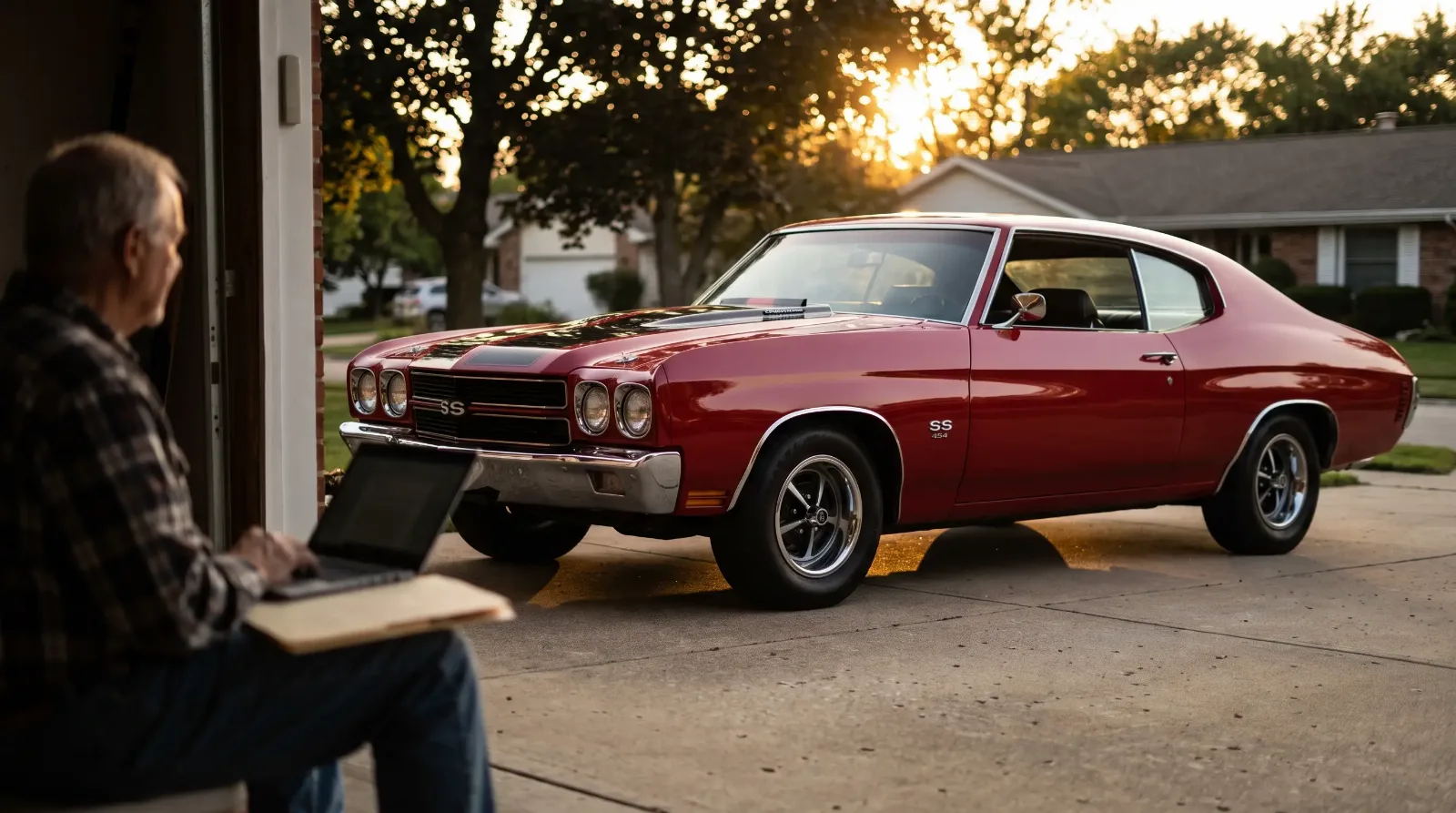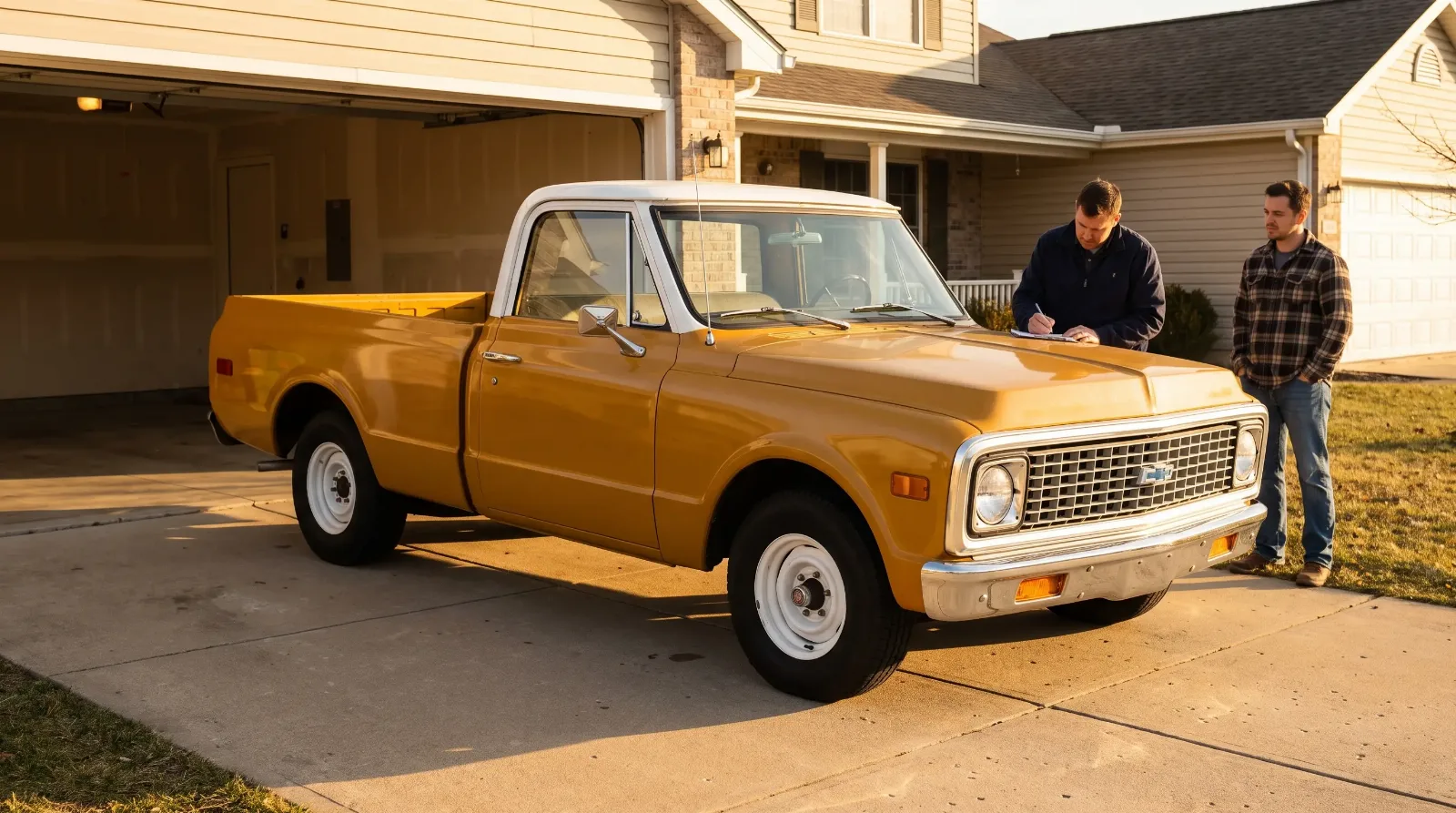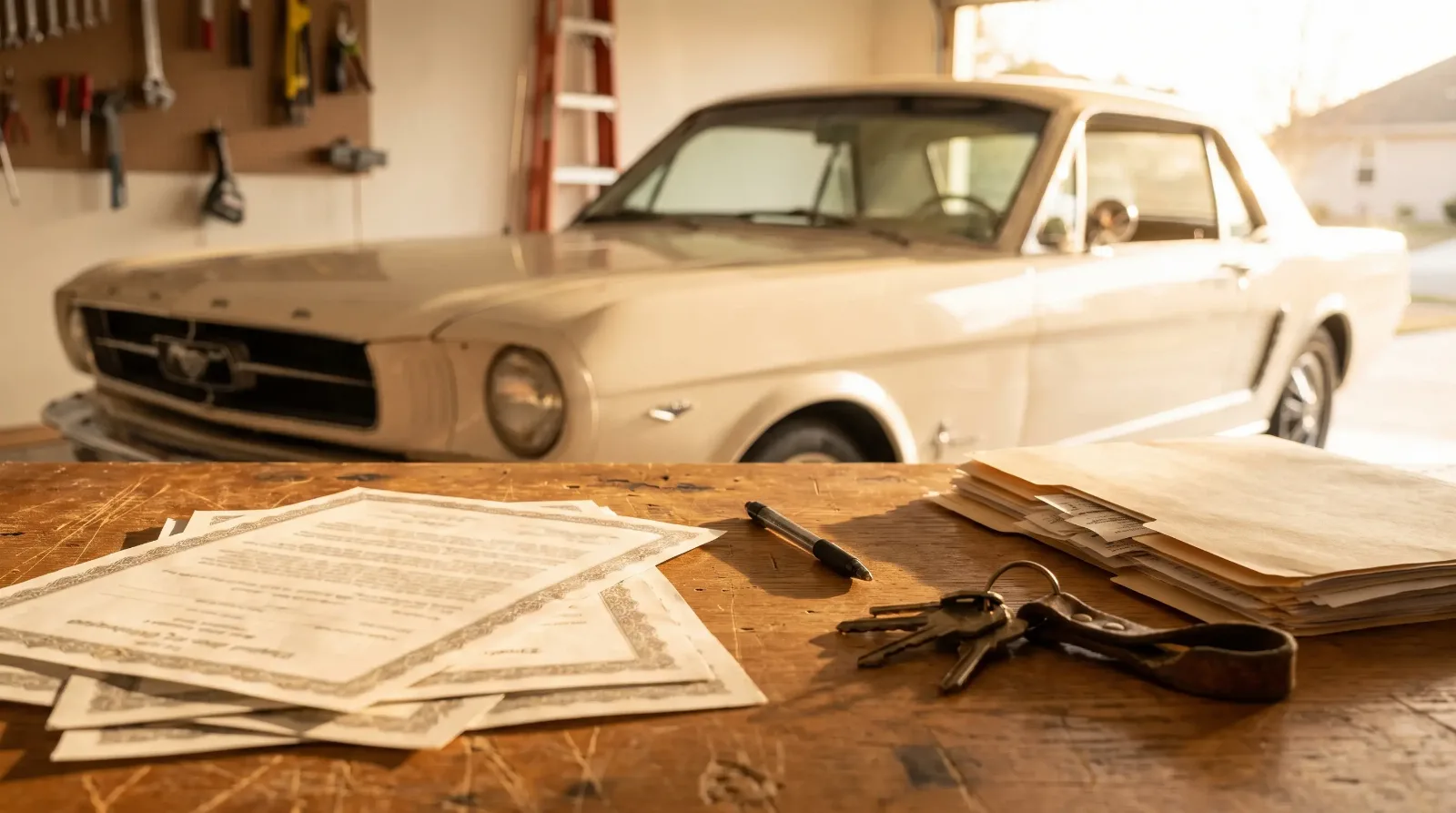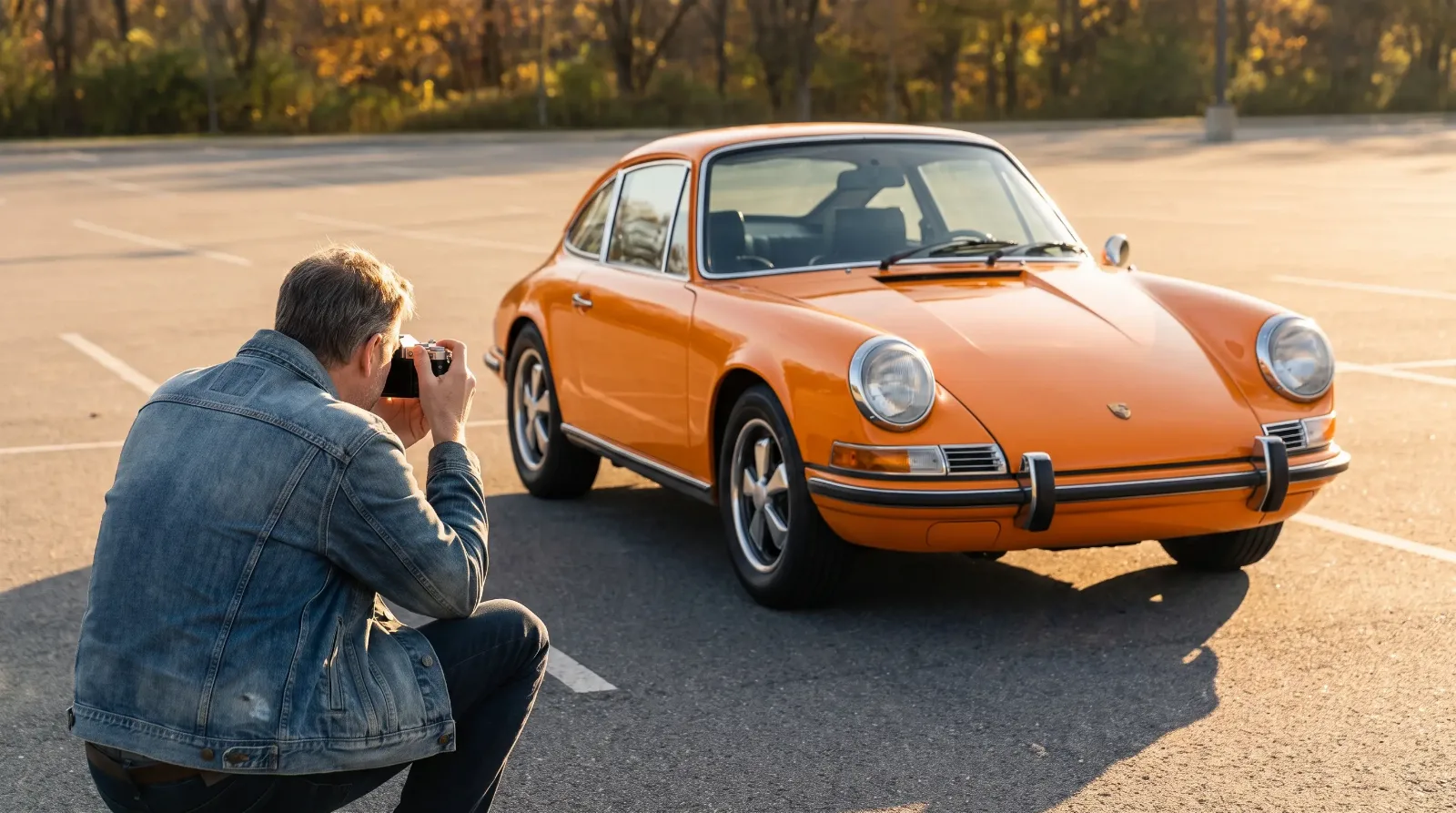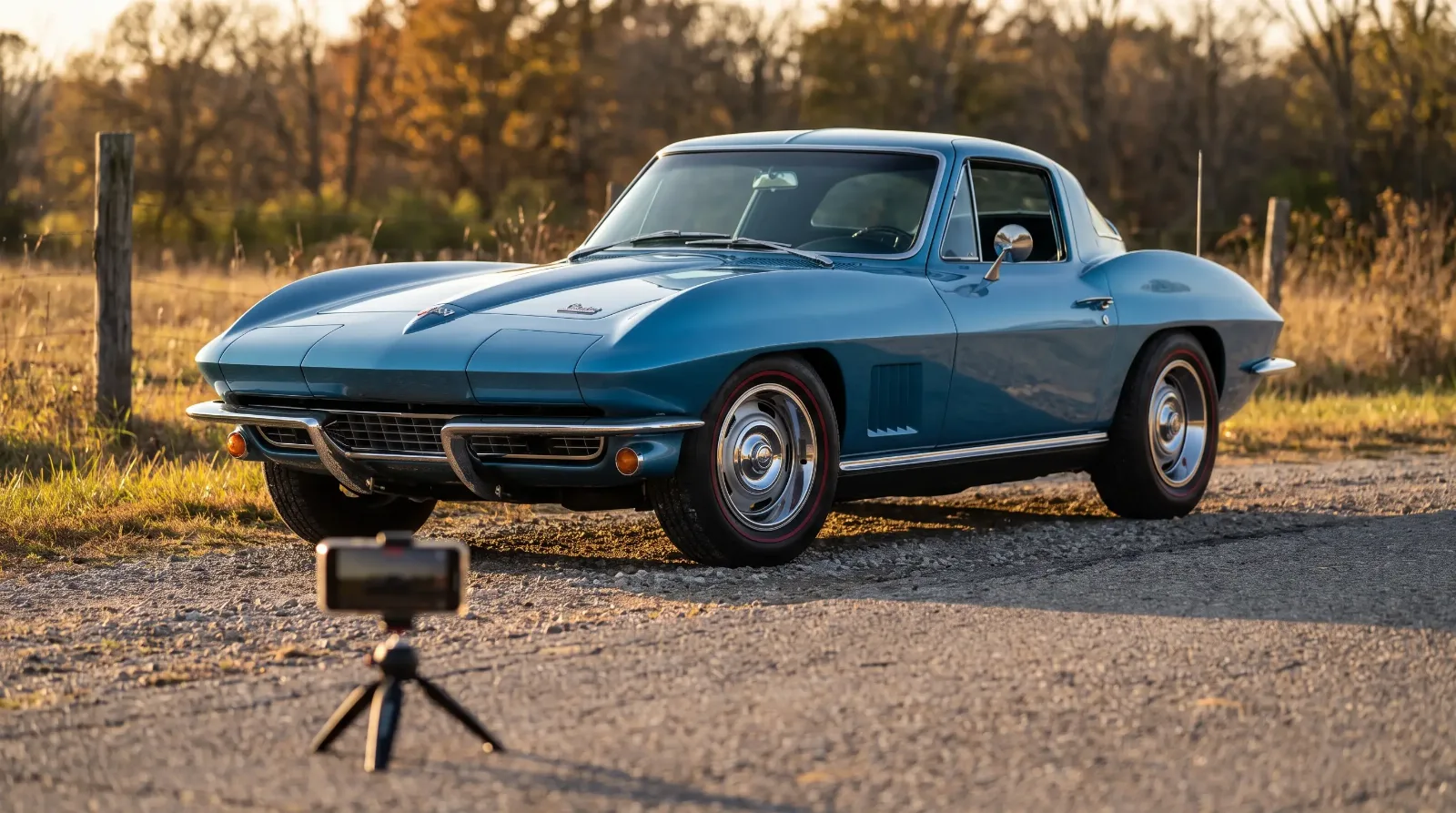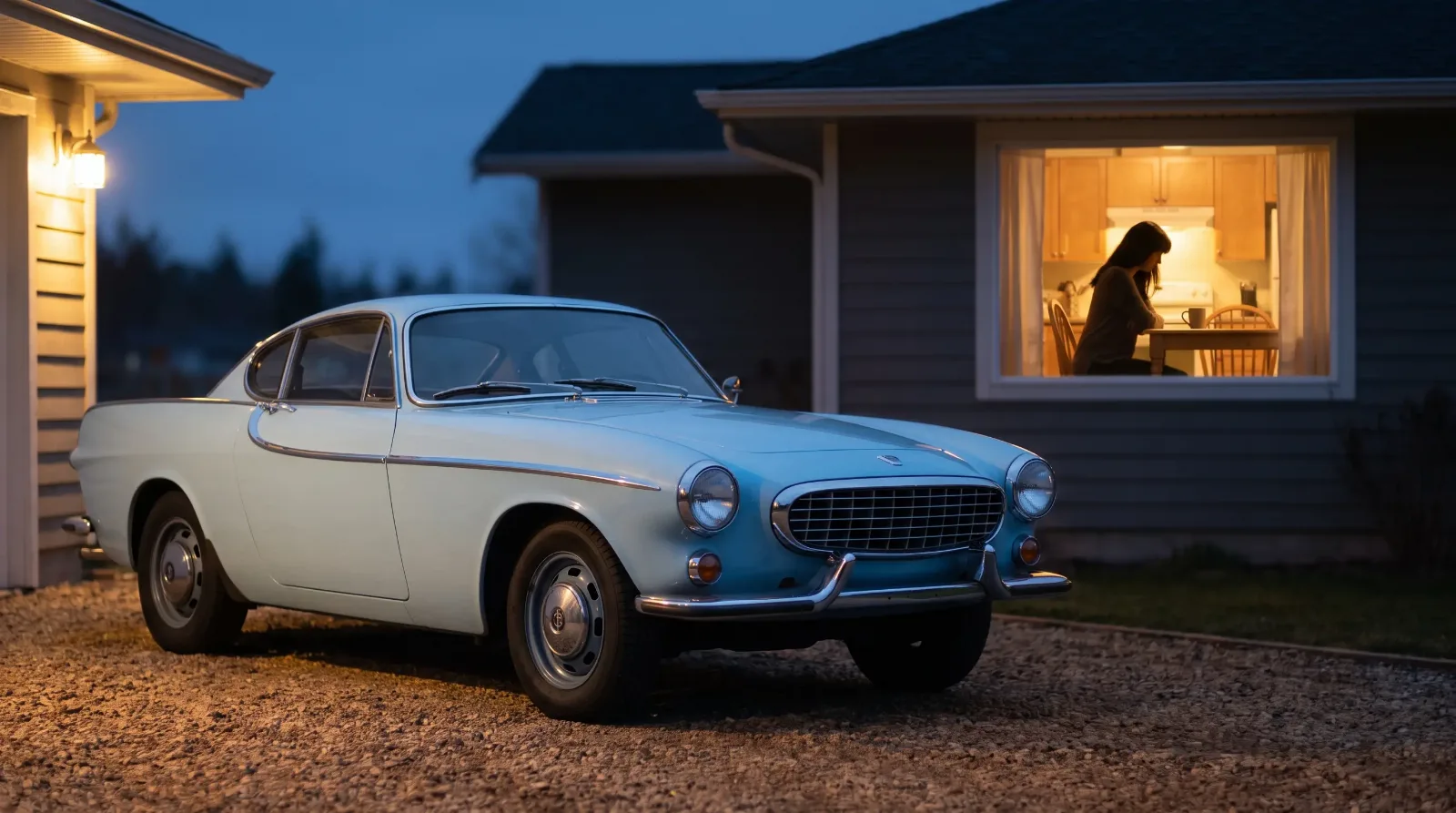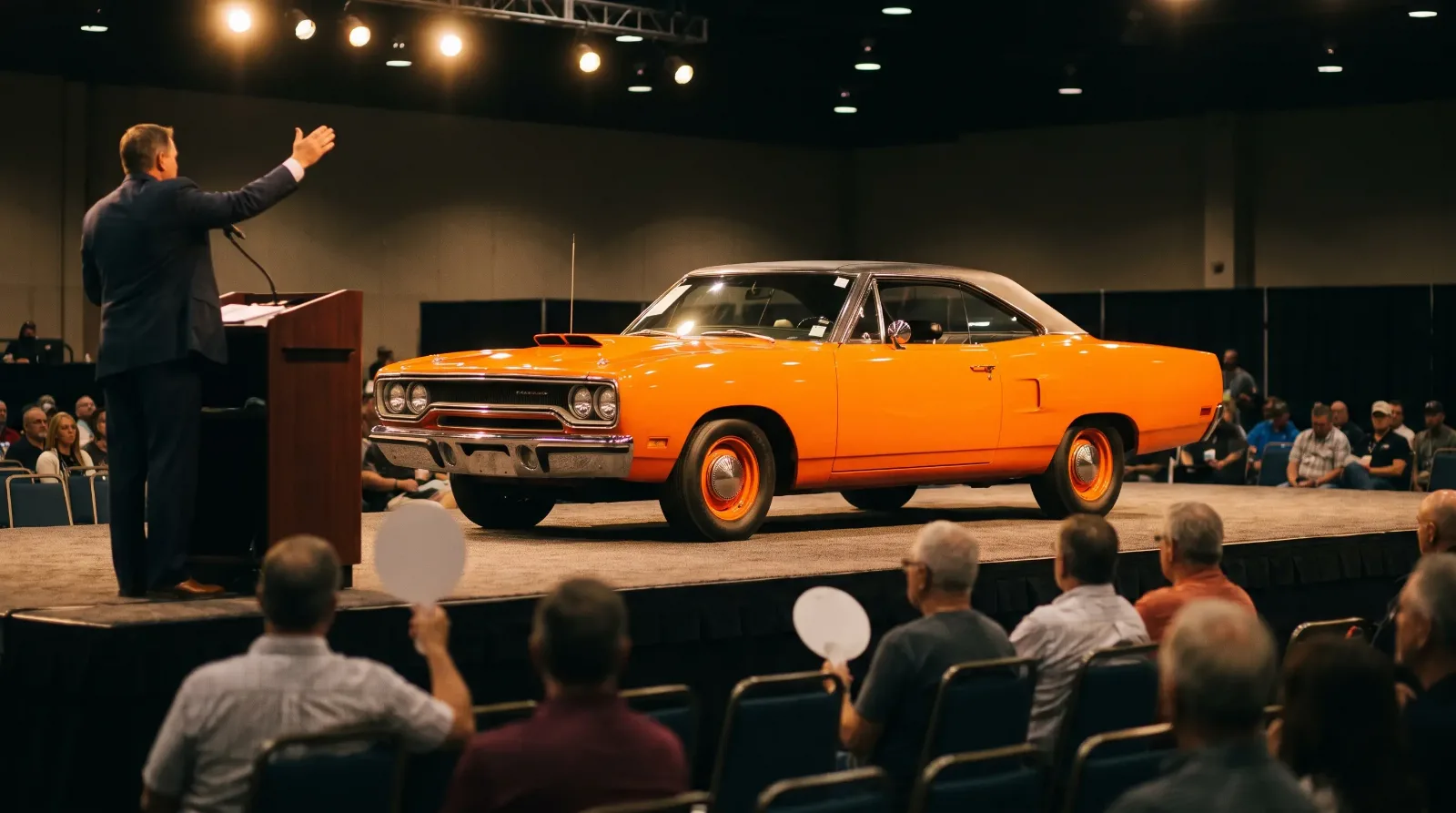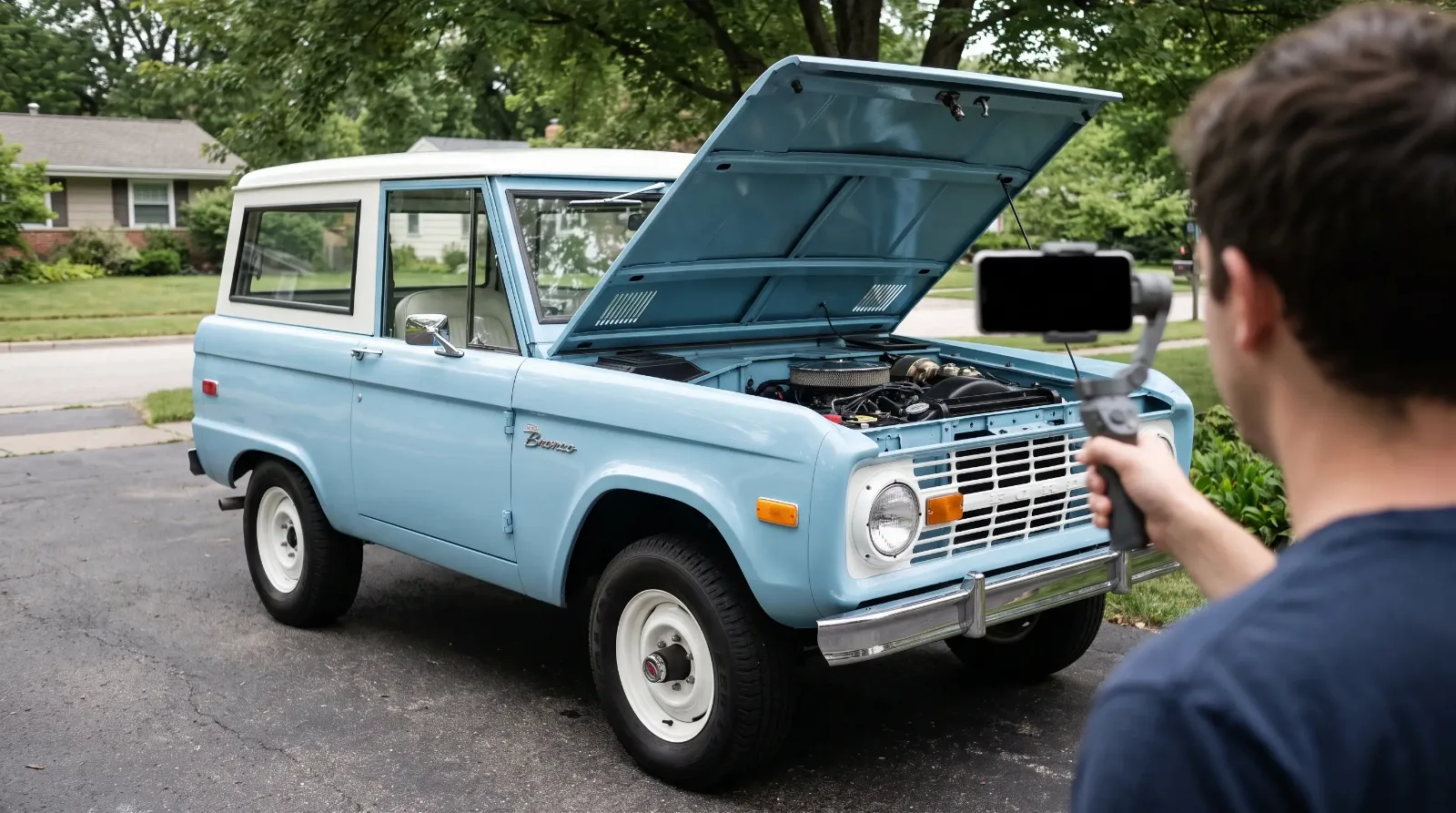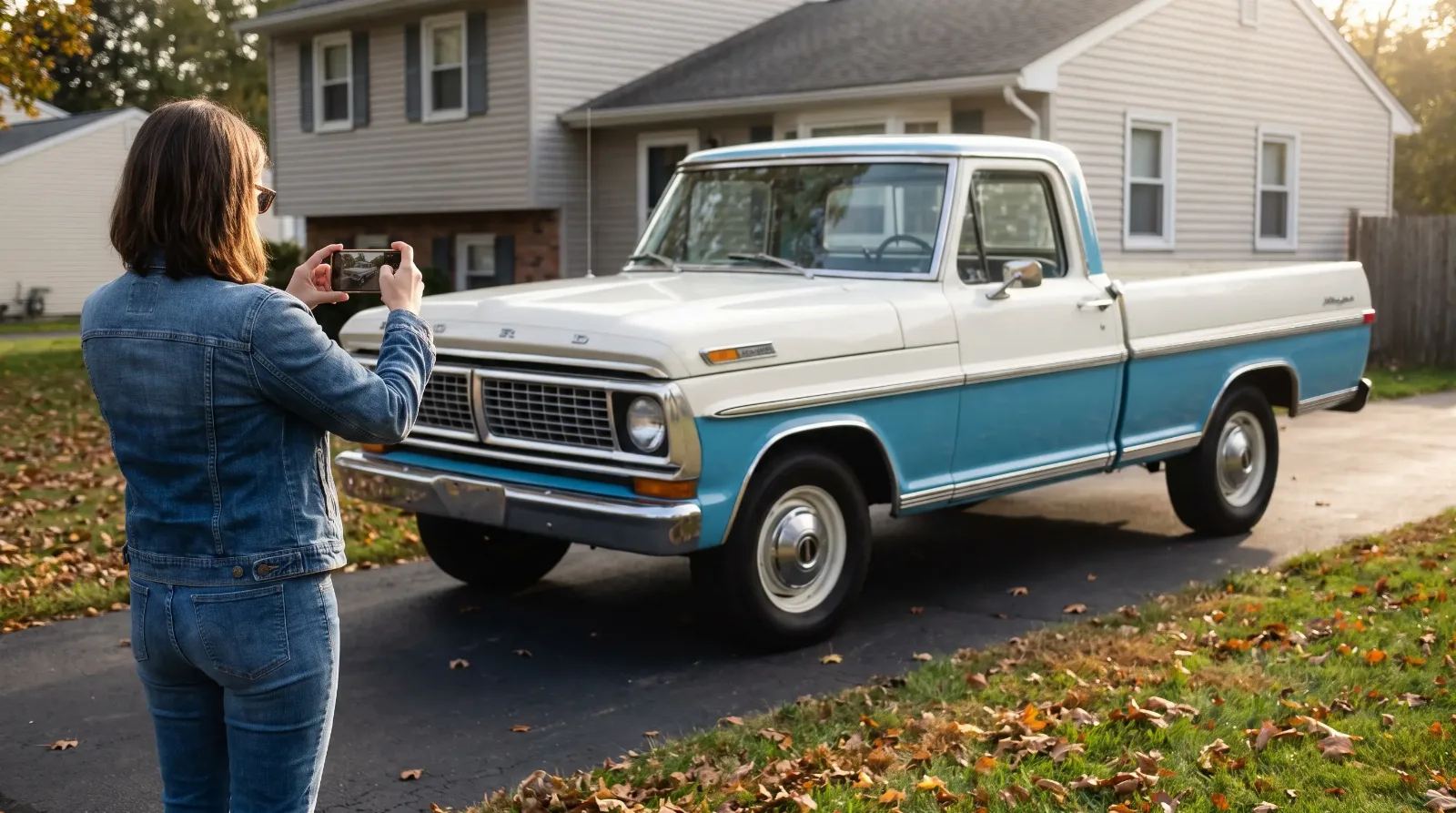
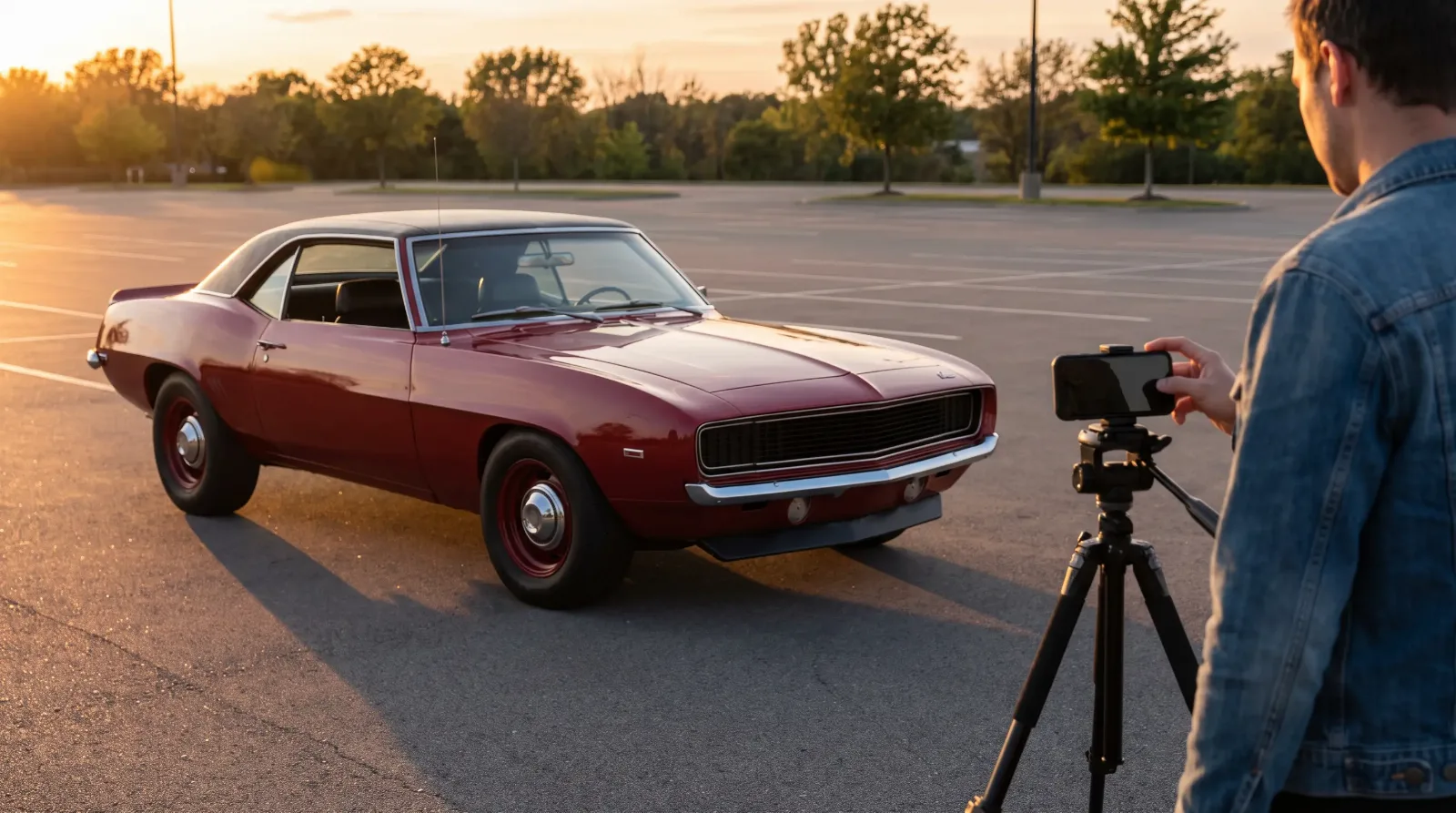
Two sellers put nearly the same car up for sale on the same Saturday morning. Same year, same color, same honest driver condition. One of them posts six photos taken in a dim garage, writes "runs good, call for details," and checks his phone again on Tuesday. The other spends an afternoon in a parking lot at golden hour, shoots thirty pictures, records a cold start, writes a description that reads like a conversation, and answers every message before dinner. By the following weekend the second car is on a trailer heading to its new home. The first one is still sitting under a cover, and its owner is starting to wonder what is wrong with the market.
Nothing was wrong with the market. If you are trying to figure out how to sell a classic car fast, the honest answer is that speed rarely comes from luck or from slashing the price. It comes from removing every small reason a buyer has to hesitate. Where you list matters, and our breakdown of places to sell a classic car compared covers that choice in detail. This guide is about what you do once the listing exists: the price, the photos, the words, the sharing, and above all how quickly you answer when someone finally reaches out.
Price it right before you do anything else
Every other tip in this article works better when the number is right, and none of them can rescue a number that is wrong. Buyers of old cars are researchers. They have watched the same model come and go for months, they know what sold and what sat, and they can tell within a few seconds whether your asking price belongs to your car or to the best example in the country.
Start by looking at completed sales, not active asking prices. Asking prices tell you what sellers hope for. Sold results tell you what buyers actually paid. Look for cars that match yours in condition, originality, transmission, and options, and be honest about where yours lands. A clean driver with a few stone chips and a reupholstered seat is not a show car, however much you love it, and pricing it like one tells buyers you will be difficult to deal with.
If you need the car gone quickly, price it slightly under the middle of the comparable range rather than at the top. A fair car at a fair number draws messages on the first day. A fair car at an ambitious number draws silence, and silence is the thing that turns a two week sale into a six month one.
Photos that do the selling for you
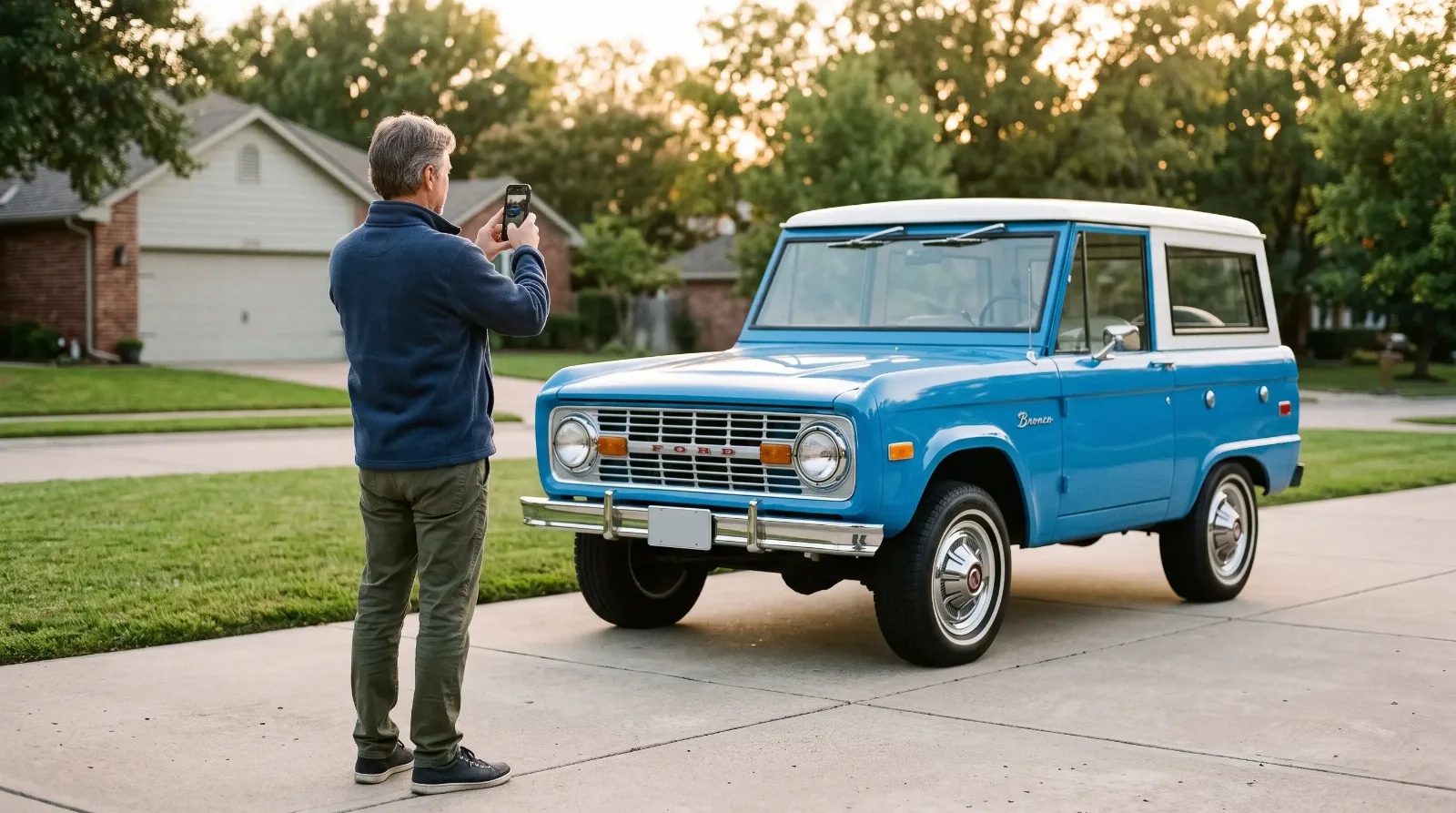
Photos are the first conversation a buyer has with your car, and for most of them it is the only conversation they will have before deciding whether to message you at all. Ten photos should be your absolute minimum. Twenty five or more is better, because a buyer who can see every corner of the car has fewer reasons to doubt it, and fewer doubts means a faster yes.
Shoot in open shade or in the soft light of early morning or late afternoon. Harsh noon sun turns paint into glare and hides the very details buyers want to see. Wash the car, clear the clutter from the background, and take the shots at roughly the height of the headlights so the proportions look the way the car looks in person. Then work through a shot list so nothing gets forgotten.
| Shot | What it shows | Why buyers want it |
|---|---|---|
| Front three-quarter, both sides | Overall stance and panel fit | The lead photo that earns the click |
| Straight side profiles | Body lines, ride height, wheel gaps | Reveals sagging, mismatched panels, or a lowered car |
| Front and rear straight on | Bumpers, grille, trim, lights | Shows symmetry and missing or pitted chrome |
| Engine bay, wide and close | Engine, wiring, hoses, leaks | Buyers judge care and originality here |
| Undercarriage | Floors, frame rails, rockers, exhaust | The rust question every buyer is silently asking |
| Interior, front and rear | Seats, carpet, headliner, door panels | Interior work is expensive and buyers know it |
| Dash and gauges, engine running | Odometer, working gauges, warning lights | Proof the instruments function |
| Trunk with mat lifted | Trunk floor, spare, jack | A common hiding place for rust and repairs |
| VIN plate, data tag, documents | Identity and paper trail | Supports originality claims and build details |
| Close-ups of every flaw | Chips, dents, tears, rust bubbles | Builds trust and prevents surprises later |
That last row matters more than sellers expect. A photo of a dent you already mentioned in the description is not a weakness. It is evidence that you are telling the truth about everything else.
Write a description that answers questions before they are asked
Most of the messages a seller receives are questions the listing could have answered. Does it run and drive? Is it the original engine? Manual or automatic? Any rust? Clean title in your name? Every one of those messages is a delay, and some buyers will not bother sending them at all. They will simply scroll on to a car whose listing told them what they needed to know.
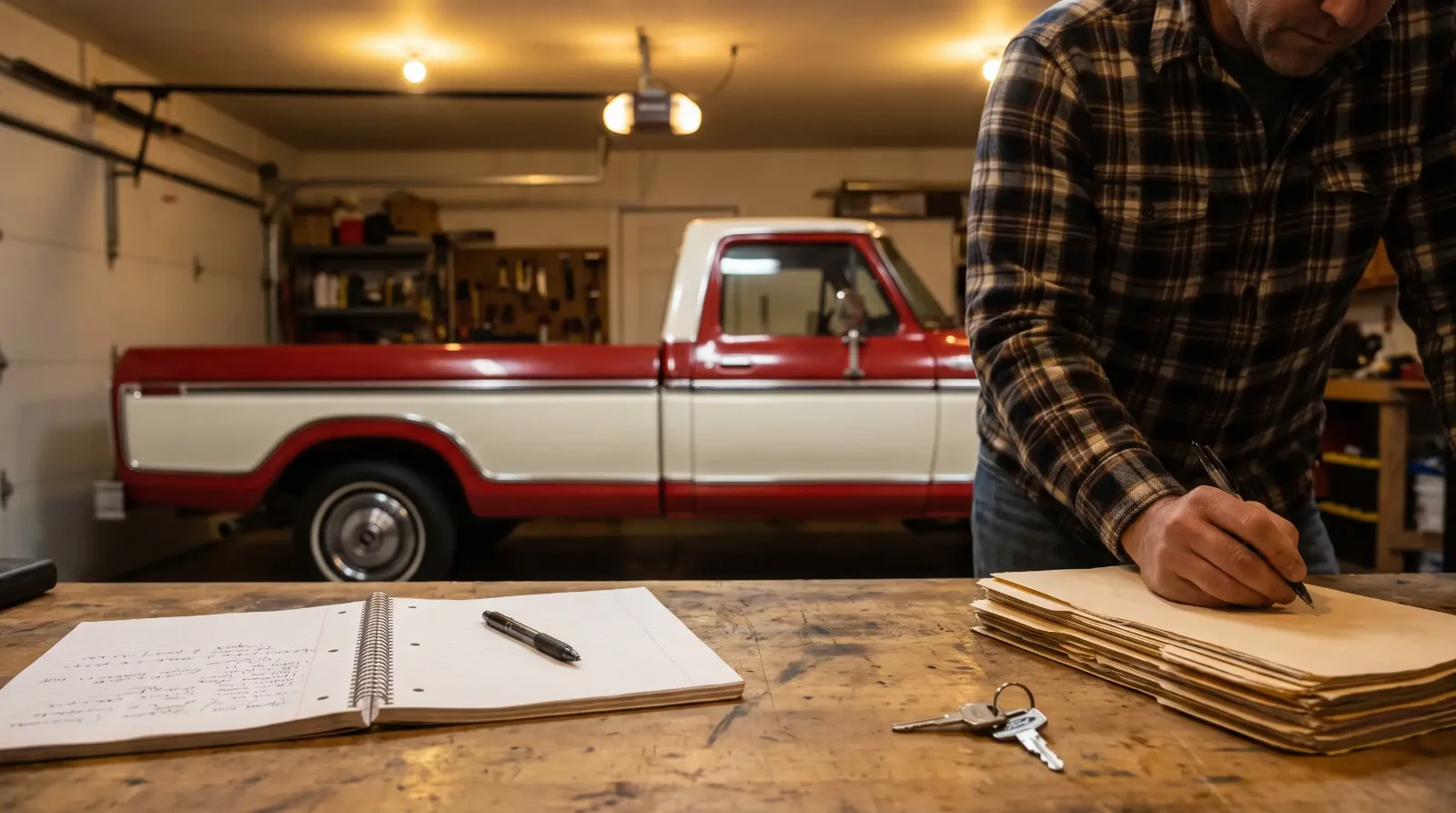
Open with the facts a buyer filters on: year, make, model, body style, engine, transmission, mileage, and location. Then tell the car's story in plain sentences. How long you have owned it, how it has been used, where it has been stored, and what work has been done, with dates and receipts where you have them. Write it the way you would explain the car to a friend in your driveway: warm and specific beats polished and vague.
Paperwork belongs near the top too. A buyer who sees "clear title in my name, in hand" relaxes in a way that is hard to overstate, and if your title situation is complicated, sort it out before you list. Our classic car title guide walks through the common problems and how to fix them before they slow down a sale.
Disclose the flaws honestly
Every old car has something. A weeping rear main seal, a radio that does not work, a respray in a slightly different shade, rust starting at the bottom of a fender. Name it. Say what you know and what you do not know. Sellers often fear that honesty will scare buyers off, but the opposite tends to happen. Serious buyers assume problems exist. When you list them yourself, they stop wondering what you are hiding, and the inspection becomes a confirmation rather than an investigation. When a deal stalls at the inspection, it is often because the buyer found something the listing did not mention.
Add a walkaround and a cold-start video
A short video does what no photo can. Walk slowly around the car in good light, then open the hood and start the engine from cold, with the camera on the tailpipe for a few seconds and then on the engine bay. Let it idle. Rev it gently. A buyer three states away can hear whether it starts easily, whether it smokes, whether the lifters tick. That single clip often answers the question that keeps a long distance buyer from committing, and it saves you from the same phone call repeated a dozen times.
"The fastest sales I have watched were never the cheapest cars. They were the cars whose owners left nothing for a buyer to wonder about. Every photo, every flaw, every answer was already there, so the only question left was when to come pick it up."
— Nora Beckett
Share the listing where buyers already gather
A listing that sits on one site waits for buyers to find it. A listing you share goes out and finds them. Once your ad is live, put the link in front of the people most likely to want your exact car.
Facebook Marketplace is the obvious first stop, because it reaches local buyers who may never visit a dedicated classic car site, and listing a vehicle there is free for a private seller. Expect more casual inquiries and some lowball offers, but also expect volume. Post your best photos, paste a shortened version of your description, and include the link to your full listing so serious buyers can see everything.
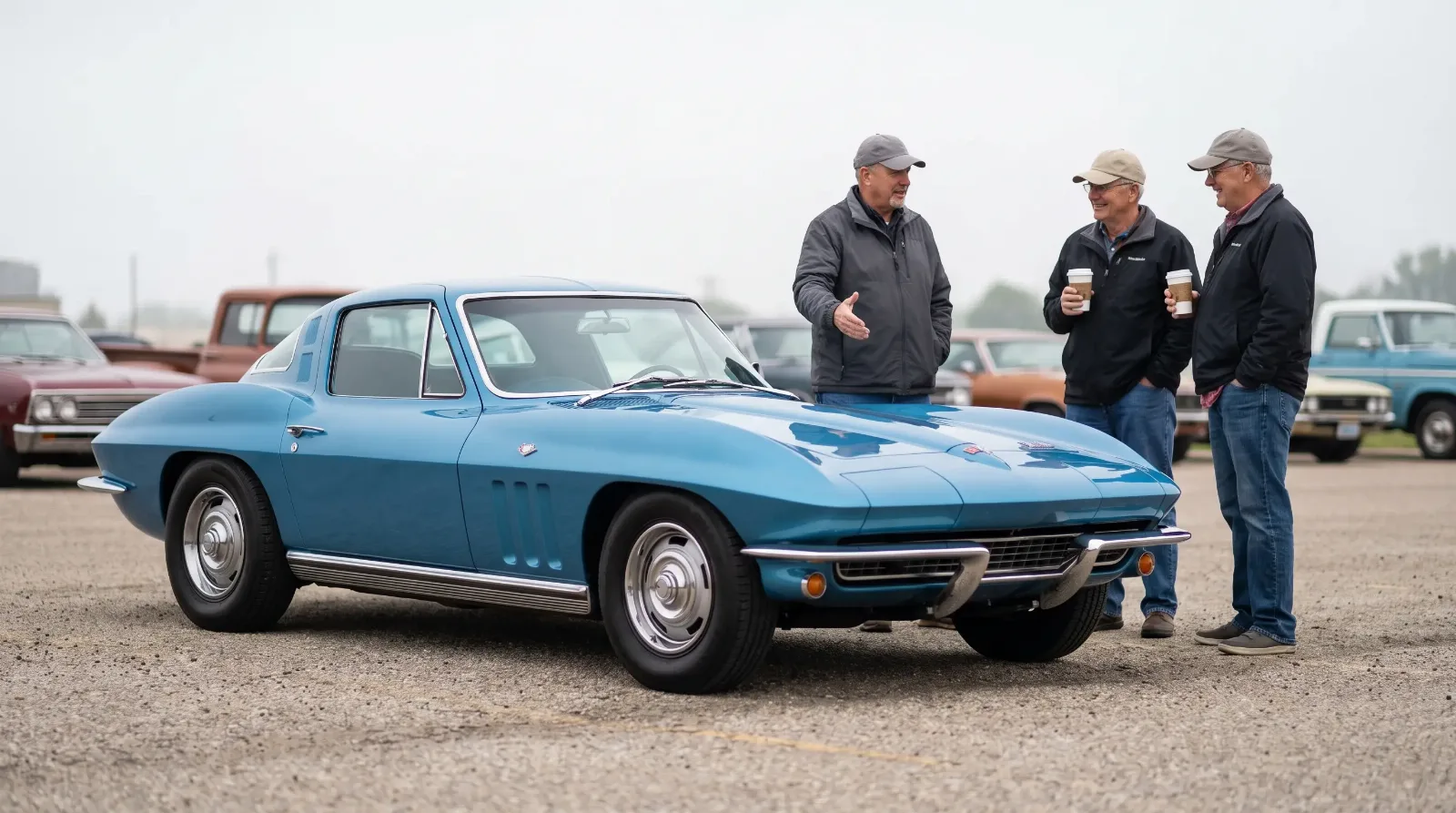
Then go narrower. Facebook groups are where enthusiasts actually spend their time. Look for groups dedicated to your model, your make, your era, and your region, the kind with names like a model and generation followed by "for sale" or "owners." A 1970s pickup group or a regional muscle car group may have thousands of members who are exactly your buyer. Read each group's rules before you post, since many allow sale posts only on certain days or in a specific format. Local car club newsletters, owner forums with classified sections, and the bulletin board at your Saturday morning cars and coffee are worth a few minutes each too.
One link shared to the right model group can do more than a week of waiting. Owners of a specific car often know someone who has been hunting for one, and they will tag that person in the comments for you.
Reply fast, because the first answer often wins
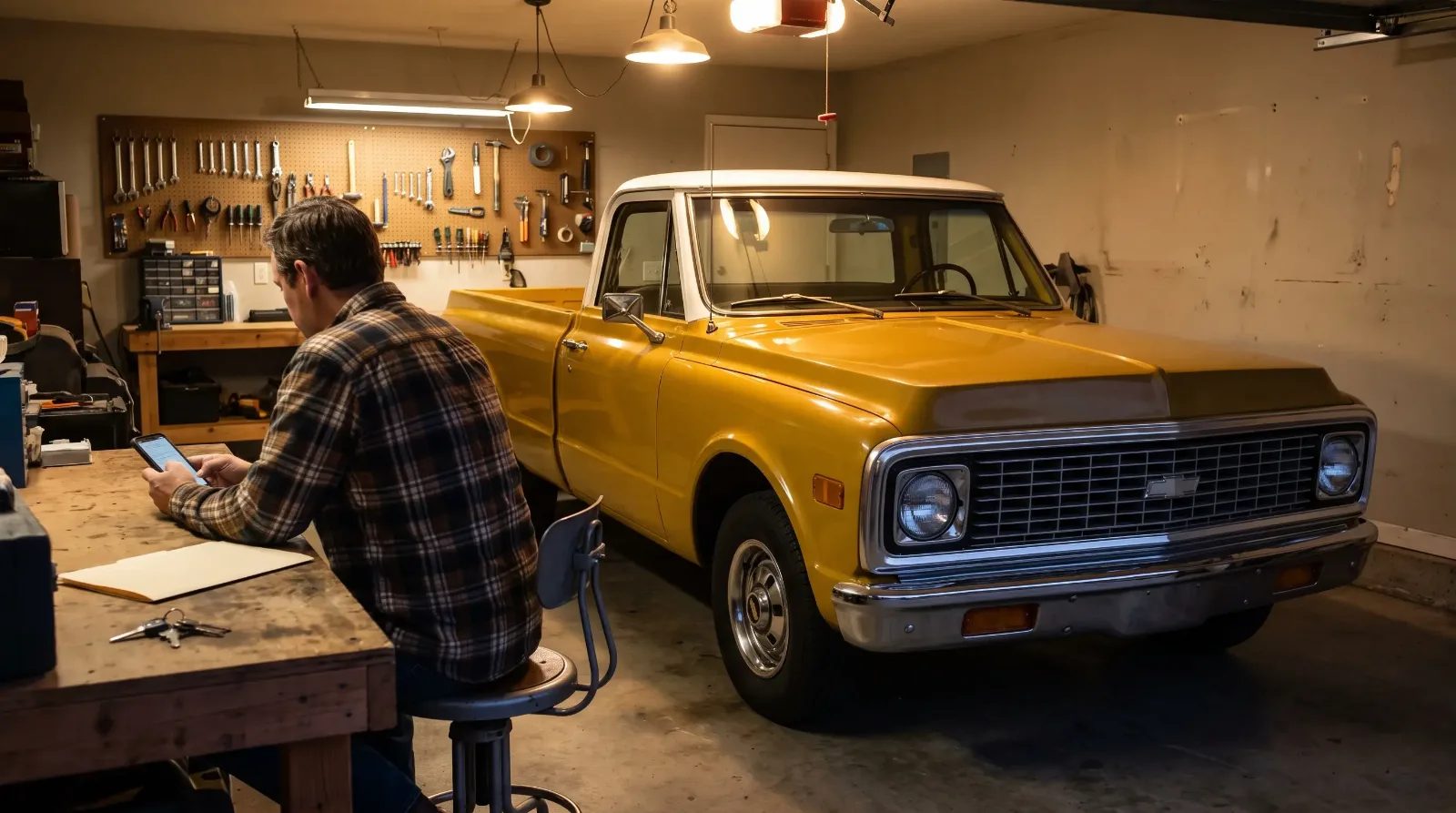
This is the tip sellers underrate most. When a buyer messages about your car, they have usually messaged about two or three others the same evening. The seller who answers first, clearly and warmly, gets the phone call. The seller who answers two days later often finds the buyer has already made plans to see someone else's car.
Make it a rule to respond within 24 hours at the very latest, and within a few hours whenever you can. Serious buyers move fast. They have their financing ready, they have cleared a Saturday, and they are looking for a seller who will match their momentum. A quick, helpful reply tells them you are organized and easy to deal with, which is half of what they are buying when they buy a used classic from a stranger.
Answer the question that was asked, then add one useful detail and an invitation. "Yes, it's the original 350, here's a short clip of it starting this morning. I'm free Saturday if you'd like to see it in person." That is a reply that moves a deal forward. A one word "yes" leaves the buyer to do all the work.
Not every message deserves the same energy. Learn to spot the serious ones: they ask specific questions about the car, they mention a timeline, they want to see it or ask about an inspection. The vague "still available?" deserves a polite, quick yes and a question back, which usually tells you within one exchange whether a real buyer is on the other end.
When to adjust the price and how to refresh a stale listing
Even a well prepared listing can go quiet. The trick is reading what the silence is telling you. Views without messages usually mean the price or the lead photo is the problem: people are looking, then deciding it is not worth asking. Messages without visits usually mean something in the conversation is stalling, often questions the listing should have answered, or replies that came too slowly. Visits without offers point to a gap between the listing and the car in person, which is a reason to revisit your description and photos for honesty.
If you have had solid exposure for two to three weeks with steady views and no serious inquiries, the market is speaking. A single meaningful adjustment, something a buyer will actually notice, works better than a series of tiny cuts that make it look like you are negotiating with yourself. Repeated small drops can signal desperation and invite lowball offers.
When a listing has gone stale, refresh it rather than just waiting. Swap the lead photo for a stronger one. Reshoot in better light if the originals were rushed. Rewrite the first paragraph so it answers the questions you have been getting. Add the video if you skipped it. Then share it again in the groups, with a note about what is new, whether that is a price change, fresh photos, or recent work. A refreshed listing gets a second first impression, and a second first impression is often all a good car needs.
Bringing it together for a quick, clean sale
Selling an old car quickly is less about hurry than about preparation. Price it from real sales. Shoot more photos than feels necessary, with every flaw on camera. Write a description that a stranger could read and know the car. Share it where the people who love that model actually spend their evenings. Then answer every message as if the buyer is about to choose between you and someone else, because usually they are.
On ClassicCarsArena you pay one flat listing fee with no commission, no success fee, and no buyer premium, the listing stays up until the car sells, and the buyer pays you directly. The Featured and Premium plans also send your car to a newsletter of more than 15,000 subscribers who signed up specifically to hear about new listings, which helps put it in front of motivated buyers in its first days. When you are ready, compare the flat-fee plans and pick the one that fits your car and your timeline.
Sources and notes
- Oldroyd, McElheran and Elkington, "The Short Life of Online Sales Leads," Harvard Business Review 89(3), 2011 (BYU ScholarsArchive record)
- Harvard Business Review: The Short Life of Online Sales Leads
- Sherpa Auto Transport: How to sell a car on Facebook Marketplace (free vehicle listings)
- ClassicCars.com listings search (date listed sort option)
- Facebook Marketplace